Kawasaki Ninja 250
The Kawasaki Ninja 250 has a top speed of 175 km/h, produces 33 hp and weighs 172 kg. Motoryk rates it 8/10.
La Kawasaki Ninja 250 (GPX250R) se presentó en 1986 como una de las primeras motos verdaderamente deportivas de la categoría de 250 cc, en sustitución de la anterior GPZ250. Ganó una enorme popularidad en todo el mundo, especialmente en Asia y entre los ciclistas principiantes, por su diseño deportivo de dos cilindros y su accesible entrega de potencia. El modelo de tercera generación (EX250J), lanzado en 2008, aportó un estilo moderno y una inyección de combustible, lo que la convirtió en una de las motos deportivas para principiantes más vendidas de todos los tiempos antes de ser reemplazada por la Ninja 300 en 2013.
33 hp
Potencia
22 Nm
Torsión
172 kg
Peso
175 km/h
Velocidad máxima
3.5 L/100km or approximately 28.5 km/L
Combustible
Carenado
Cuerpo
🔧 Service Schedule & Parts
Affiliate · we may earn| Service item | Every | Typical cost | Parts |
|---|---|---|---|
| 🛢️ Engine oil + oil filter | 6,000 km / 3,500 mi or 12 mo | $40-80 | 🛢️ Buy → ⚙️ Buy → |
| 🌬️ Air filter | 12,000 km / 7,500 mi | — | 🌬️ Buy → |
| ⚡ Spark plugs | 12,000 km / 7,500 mi | — | ⚡ Buy → |
| 🔧 Valve clearance check | 24,000 km / 15,000 mi | $150-300 | |
| 🔗 Chain & sprockets | 20000-35000 km (replace) | $120-250 | 🔗 Buy → |
| 🛑 Brake pads | 15000-25000 km | $25-50 | 🛑 Buy → |
| 💧 Brake fluid | 24,000 km / 15,000 mi or 2 yr | — | |
| 🧊 Coolant | 24,000 km / 15,000 mi | — | |
| 🛞 Tires | 10000-18000 km | $150-300 | 🛞 Buy → |
| 🔩 Major service | 24,000 km / 15,000 mi | $250-500 |
Video Review

Lo que los compradores deben saber
Exceptional Long-Term Reliability
The Ninja 250's parallel-twin engine routinely surpasses 50,000 miles with basic maintenance. It's widely considered one of the most durable small-displacement bikes ever built.
Watch for Neglected Carbs
Older carbureted models (pre-2008) frequently suffer from gummed-up carburetors due to ethanol-blended fuel sitting unused. Always request a cold-start test and check for rough idling before buying.
Strong Resale Value
The Ninja 250 holds its value unusually well because demand from new riders stays consistently high. A well-maintained example can sell for 70-80% of its original price even after several years.
Generaciones y especificaciones por año
Serie EX250E original, doble paralelo refrigerado por aire, 249 cc, carenado clásico, instrumentos analógicos, actualizaciones anuales menores.
"El pequeño gritón que enseñó a una generación a conducir correctamente."
Recorrí casi 30 000 km con una EX250 del 98 y sigo respetando lo que esa moto me exigía: no podías ser perezoso, tenías que trabajar a toda velocidad y eso te recompensaba por hacerlo. Esta bici paralela no produce gran potencia hasta las 9.000 rpm, por lo que los principiantes que la utilizan no obtienen nada, pero los ciclistas que aprenden a mantenerla girando descubren una máquina realmente satisfactoria. La ergonomía es limitada para quienes midan más de seis pies, la suspensión es lo suficientemente suave como para que las curvas agresivas revelen sus límites rápidamente y el motor refrigerado por aire funciona a altas temperaturas durante el tráfico en verano. Sin embargo, el manejo es honesto, el carenado protege el viento razonablemente bien durante los largos días en la carretera, y la disponibilidad de piezas durante estos 20 años de producción sigue siendo excelente.
Pros
Contras
EX250J completamente rediseñado, doble paralelo refrigerado por líquido, carrocería más grande, inyección de combustible en algunos mercados y estilo moderno.
"La bicicleta pequeña que realmente te enseña todo."
La EX250J de segunda generación fue toda una revelación cuando salió a la venta. Finalmente, una 250 que parecía una moto deportiva de verdad en lugar de un juguete, y la doble paralela refrigerada por líquido recompensa a los ciclistas que realmente aprenden a usar el rango de revoluciones, ya que superan las 8000 rpm con un lamento sorprendentemente adictivo en la línea roja de 11 000 rpm. Realicé casi 12 000 km en una carrera de más de dieciocho meses yendo al trabajo y los fines de semana por el cañón, y la confianza en el chasis es lo que se queda contigo: conduce rápido, mantiene la línea y nunca castiga las correcciones en mitad de las curvas como lo hacen las bicicletas más grandes. La economía de combustible es realmente estúpidamente buena, en torno a los 3,5 l/100 km, y las piezas son baratas porque un millón de personas las han comprado. Los puntos débiles honestos son: trabajar en el asiento trasero es miserable para cualquier persona que pese más de 60 kg, protegerse contra el viento a más de 130 km/h es un ejercicio constante para los brazos y, si pesas más de 180 cm, sentirás que te estás metiendo en un archivador en viajes más largos.
Pros
Contras
Rebautizado como Ninja 300, motor de 296 cc, mayor cilindrada, potencia mejorada, chasis y sistema de frenos actualizados.
Reseña de un comprador usado
"The smartest first bike money can realistically buy used."
$1,500-$3,500 usedThe Ninja 250 is genuinely one of the smartest used buys in motorcycling, full stop. It's bulletproof if maintained — these parallel-twins will happily run past 30,000 miles without complaint, and parts are cheap and plentiful. What catches people off guard is how capable it actually feels once you're pushing it. Redline that 249cc engine past 10,000rpm and it comes alive in a way that embarrasses its displacement on paper. Buying used, watch for neglected chain and sprockets — common on bikes that sat with learner-plate riders who lost interest fast. Check the fairings carefully since tip-overs are practically a rite of passage on these. Stator issues popped up on pre-2008 models, so budget for that. The 2008 refresh brought fuel injection rumors but it stayed carb'd — that's actually fine, carbs are simpler to sort. The real 2013 EX300 upgrade is where fuel injection arrived if that matters to you.
Top 10 Accessories
Curated picks for the Kawasaki Ninja 250 — owned, ridden, recommended.





Problemas comunes
🔥 2 CRITICALHard starting, rough idle, or hesitation during acceleration
Dim lights, dead battery, voltage above 15V at idle
Excessive slack, hooked sprocket teeth, chain stretch
Bike dying at speed, low AC output from stator
✅Lista de verificación previa a la compra
Very reliable if properly maintained and not abused
Full Specifications
Rivals & Alternatives
Bikes that buyers cross-shop with the Kawasaki Ninja 250
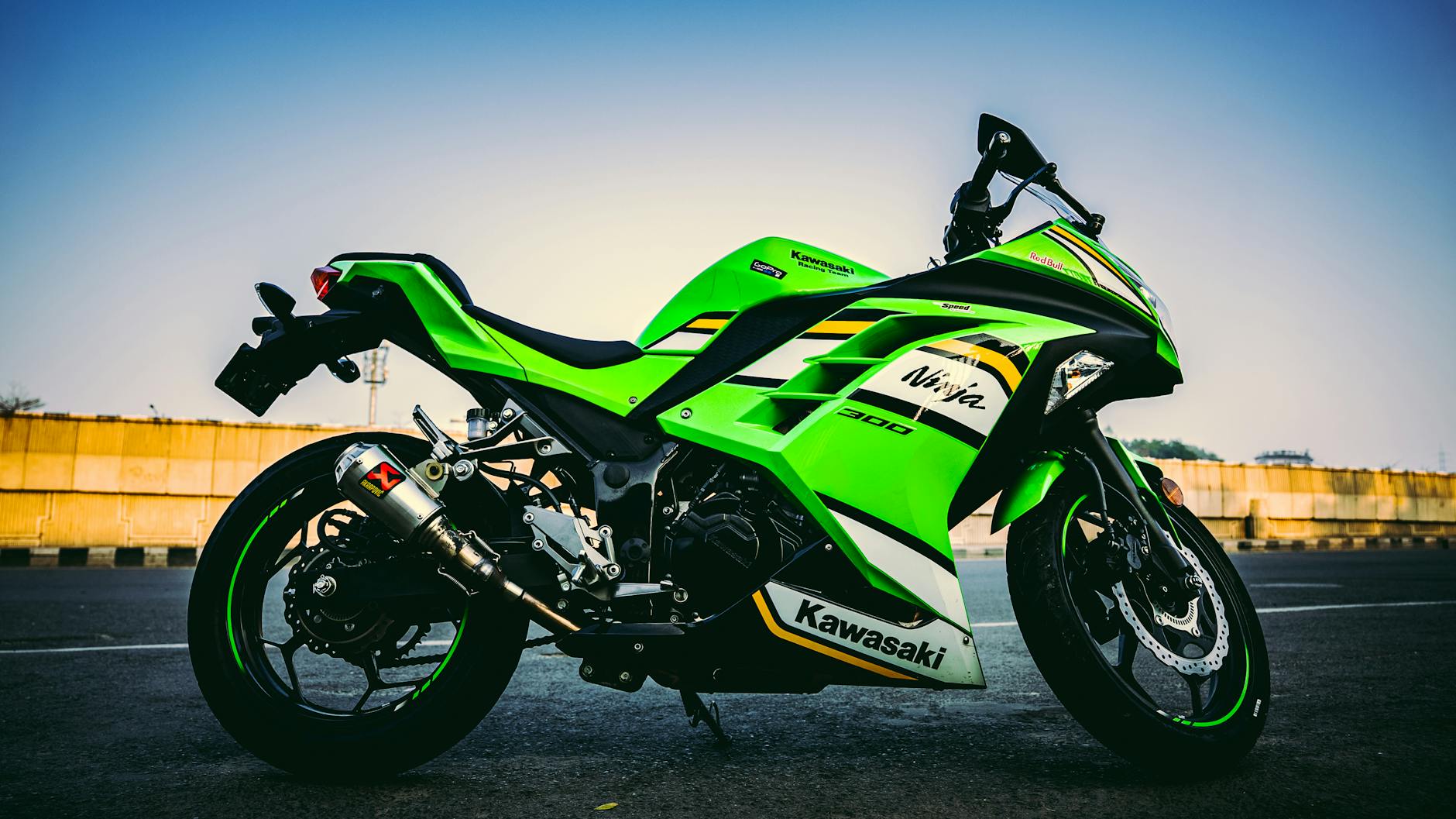
Kawasaki Ninja 300
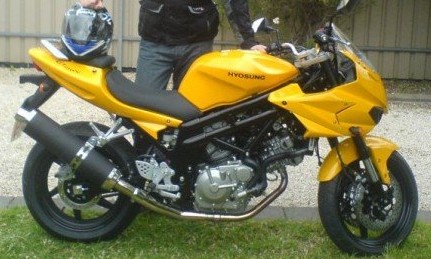
Hyosung Gt250r
Kawasaki Gpx250r
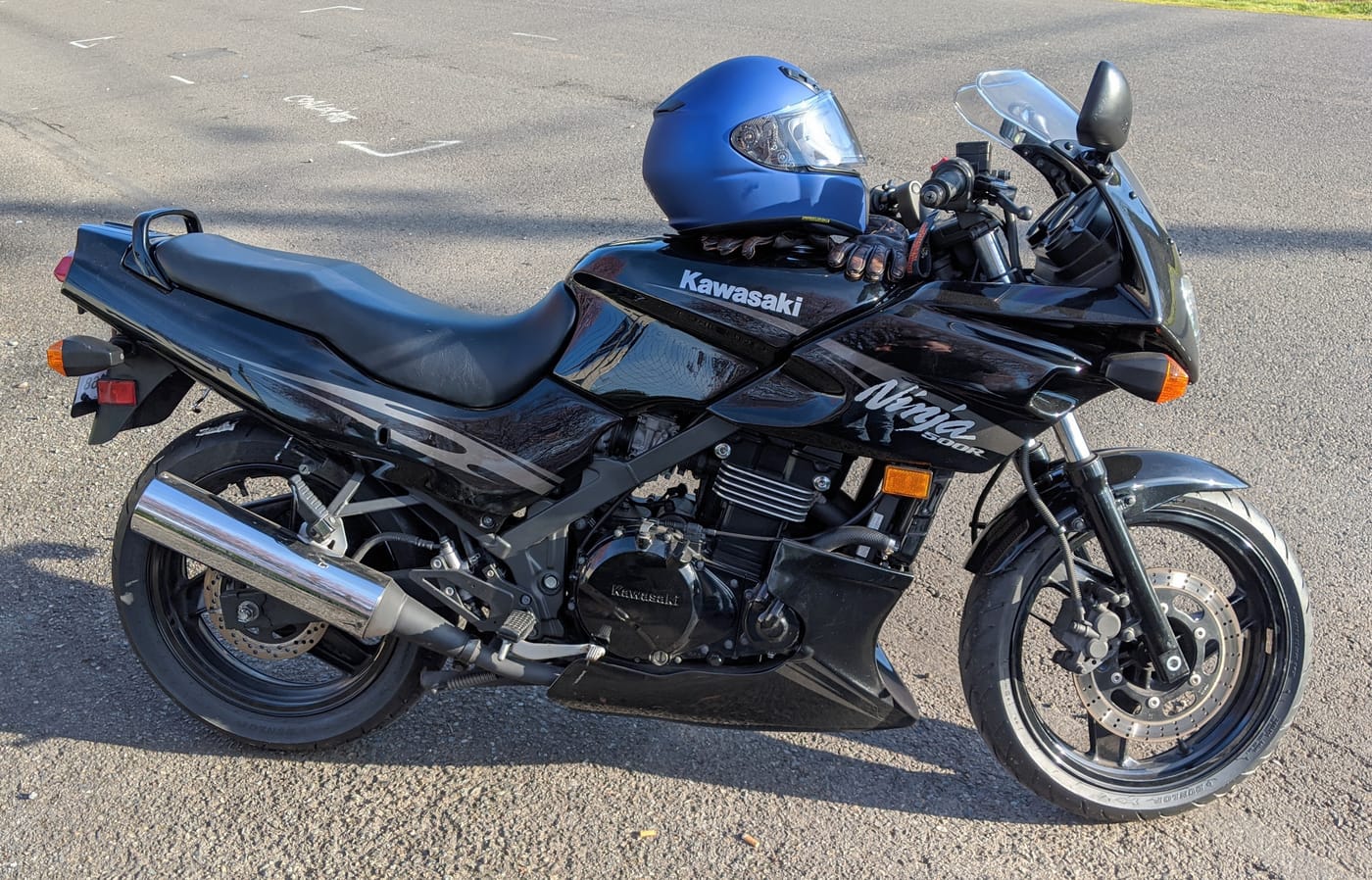
Kawasaki Gpz500s
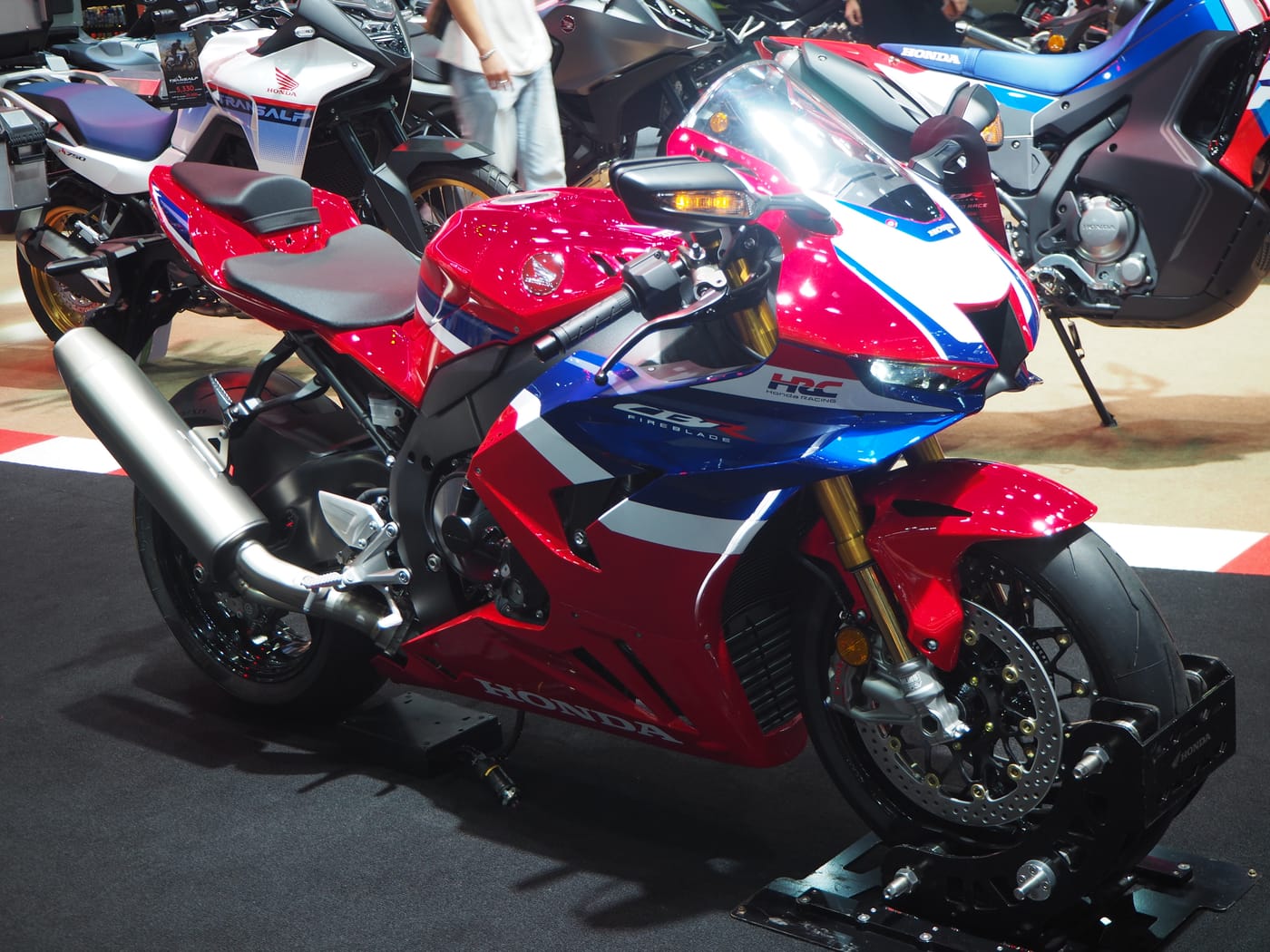
Honda Cbr250r
Compare Kawasaki Ninja 250 Side-by-Side
compare_arrowsSpecs, power, weight & buyer verdict — head-to-head with the bikes most often cross-shopped.
Kawasaki Ninja 250 vs Kawasaki Ninja 300
Specs · Power · Buyer verdict
Kawasaki Ninja 250 vs Hyosung Gt250r
Specs · Power · Buyer verdict
Kawasaki Ninja 250 vs Kawasaki Gpx250r
Specs · Power · Buyer verdict
Kawasaki Ninja 250 vs Kawasaki Gpz500s
Specs · Power · Buyer verdict
Kawasaki Ninja 250 vs Honda Cbr250r
Specs · Power · Buyer verdict
More Kawasaki Ninja 250 Guides
More from Kawasaki
View all Kawasaki models →Community Reviews
Discussion
Frequently Asked Questions
What are common problems with the Kawasaki Ninja 250? +
Carburetor clogging from old fuel: Hard starting, rough idle, or hesitation during acceleration (moderate) | Regulator/rectifier failure killing battery: Dim lights, dead battery, voltage above 15V at idle (serious) | Worn chain and sprockets from neglect: Excessive slack, hooked sprocket teeth, chain stretch (moderate)
Is the Kawasaki Ninja 250 a good motorcycle? +
The smartest first bike money can realistically buy used. Rating: 8.0/10. Best for: New riders wanting reliability without financial regret. Avoid if: You want highway touring comfort immediately.
What is the horsepower of the Kawasaki Ninja 250? +
The Kawasaki Ninja 250 produces 33 hp @ 11,000 rpm, with 22 Nm @ 9,500 rpm of torque. Top speed: 175 km/h.
Is the Kawasaki Ninja 250 good for beginners? +
Yes — the Kawasaki Ninja 250 is a reasonable choice for new riders (33 hp is manageable), weighing 172 kg. New riders wanting reliability without financial regret
Is the Kawasaki Ninja 250 reliable? +
Owners report 2 critical issues to watch for on the Kawasaki Ninja 250, notably: Regulator/rectifier failure killing battery (Dim lights, dead battery, voltage above 15V at idle). Buy with a pre-purchase inspection.
Is the Kawasaki Ninja 250 good for daily use? +
New riders wanting reliability without financial regret Fuel: 3.5 L/100km or approximately 28.5 km/L.
How fast is the Kawasaki Ninja 250? +
The Kawasaki Ninja 250 reaches a top speed of 175 km/h, producing 33 hp at 172 kg curb weight. Real-world performance depends on rider weight, gearing, and road conditions.
What gear should I buy for a Kawasaki Ninja 250? +
Motoryk has curated a Top 10 gear list specifically for the Kawasaki Ninja 250, covering engine oil, tires, chain, battery, and brake pads — see motoryk.com/bikes/kawasaki/ninja-250/top10. Each pick is matched to this bike's spec.