Kawasaki Gpx250r
The Kawasaki Gpx250r has a top speed of 175 km/h, produces 40 hp and weighs 159 kg. Motoryk rates it 7.5/10.
The Kawasaki GPX250R (also known as the EX250 Ninja in some markets) was introduced in 1988 as a sporty parallel-twin 250cc motorcycle aimed at beginner and intermediate riders, replacing the earlier GPZ250R. It became extremely popular in markets like Australia and Southeast Asia as a learner-approved sports bike, renowned for its reliability, accessible performance, and sporty Ninja styling. The model was produced through 2007 in its original form before being succeeded by the updated Ninja 250R, cementing its legacy as one of the most successful entry-level sportbikes ever made.
40 hp
Power
24 Nm
Torque
159 kg
Weight
175 km/h
Top Speed
4.5 L/100km or approximately 22 km/L (typical real-world average)
Fuel
Faired
Body
🔧 Service Schedule & Parts
Affiliate · we may earn| Service item | Every | Typical cost | Parts |
|---|---|---|---|
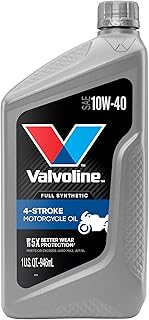
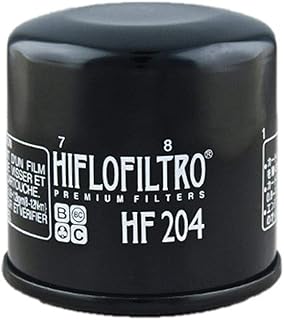
| 🛢️ Engine oil + oil filter | 6,000 km / 3,500 mi or 12 mo | $40-80 | 🛢️ Buy → ⚙️ Buy → |
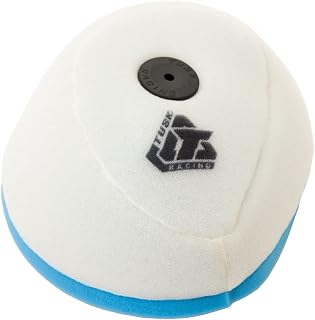
| 🌬️ Air filter | 12,000 km / 7,500 mi | — | 🌬️ Buy → |
| ⚡ Spark plugs | 12,000 km / 7,500 mi | — | ⚡ Buy → |
| 🔧 Valve clearance check | 24,000 km / 15,000 mi | $150-300 | |
| 🔗 Chain & sprockets | 25000-40000 km (replace) | $120-250 | 🔗 Buy → |
| 🛑 Brake pads | 15000-25000 km | $30-60 | 🛑 Buy → |
| 💧 Brake fluid | 24,000 km / 15,000 mi or 2 yr | — | |
| 🧊 Coolant | 24,000 km / 15,000 mi | — | |
| 🛞 Tires | 15000-25000 km | $200-350 | 🛞 Buy → |
| 🔩 Major service | 24,000 km / 15,000 mi | $250-500 |
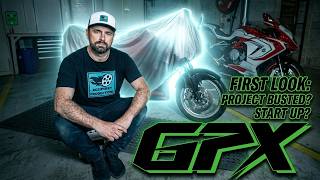
Video Review
What Buyers Should Know
Bulletproof Parallel Twin
The 249cc parallel-twin engine is renowned for its durability, often reaching 50,000+ km with basic maintenance. It's one of the most reliable LAMS-approved engines ever produced.
Watch the Carburettors
Dual carburettors are the most common issue — ethanol-blend fuel can cause gumming if the bike sits unused. Always check for smooth idle and clean carb bowls before buying.
Strong Resale Value
The GPX250R holds its value exceptionally well due to high demand from new riders seeking a LAMS bike. Production ended in 2007, making clean examples increasingly scarce and sought-after.
Generations & Specs by Year
Original EX250 platform, twin-cylinder 249cc engine, full fairing, conventional forks, twin rear shocks.
"The quarter-litre that rewrote the learner rulebook."
I put 18,000 kilometres on a Gen 1 GPX250R and it genuinely surprised me every month I owned it. Rev it past 10,000 rpm and that little parallel twin pulls hard enough to feel dishonest on a learner plate — 185 km/h is real, not wishful thinking, and the full fairing actually works at highway speeds. The conventional forks feel wooden by modern standards and the twin rear shocks fade badly if you load up with a pillion and luggage, but solo and spirited this thing carves corners with a lightness that bigger bikes can't touch. Weaknesses are real — parts availability tightens every year, the carbs gum up if it sits for a month, and that seat turns to concrete after 90 minutes — but nothing here kills the fun.
Pros
Cons
Restyled fairing, revised bodywork graphics updates over years, otherwise mechanically similar to Gen 1.
"The sharpest learner bike that rewards patience and rev-chasing."
That parallel twin needs to be above 9,000 rpm before it wakes up properly — below that you're riding a polite commuter, above it you've got a genuinely fizzy little sportsbike that'll embarrass bigger bikes through corners. The 1990s restyled fairing looks cleaner than the Gen 1 and actually provides decent wind protection on highway runs up to about 140 km/h, after which your helmet starts working hard. At 159 kg wet it feels flickable and confidence-inspiring, the 750 mm seat height suits shorter riders without compromise, and the brakes — while not spectacular — are progressive and honest. The main gripe is reliability of aging examples: coolant leaks from neglected water pumps and carburetor sync issues are the inheritance of a 30-year-old bike that too many owners treated as disposable.
Pros
Cons
Used Buyer Review
"The definitive used learner that won't punish your wallet or ego."
$1,500-$3,500 usedThe GPX250R is one of those bikes that quietly earns your respect. Kawasaki built these things like tanks — the parallel-twin engine is genuinely bulletproof if the previous owner wasn't a complete idiot about oil changes. Find a good one and it'll run forever. The handling is crisp and forgiving enough for learners but not so dumbed-down that experienced riders feel patronised. Carbs sync beautifully once properly tuned and fuel economy is genuinely impressive. The problems you'll find on used examples are predictable: neglected carbs that need a full strip and clean, tired fork seals leaking oil down the lowers, and cracked fairings from inevitable tip-overs. Budget $200-400 for a proper mechanical freshen-up regardless of how good it looks. Check the frame around the steering head carefully — previous owners love dropping these at parking lot speeds. Coolant hoses go brittle with age too, replace them as preventative maintenance.
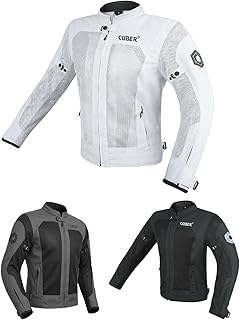
Top 10 Accessories
Curated picks for the Kawasaki Gpx250r — owned, ridden, recommended.




Common Problems
🔥 2 CRITICALRough idle, hesitation, hard starting on cold engine
Battery dies quickly, flickering lights at high RPM
Oil residue or staining on fork lower legs
Metallic rattling noise first 10 seconds after cold start
✅Pre-Purchase Checklist
Solid learner bike if well maintained regularly
Full Specifications
Rivals & Alternatives
Bikes that buyers cross-shop with the Kawasaki Gpx250r
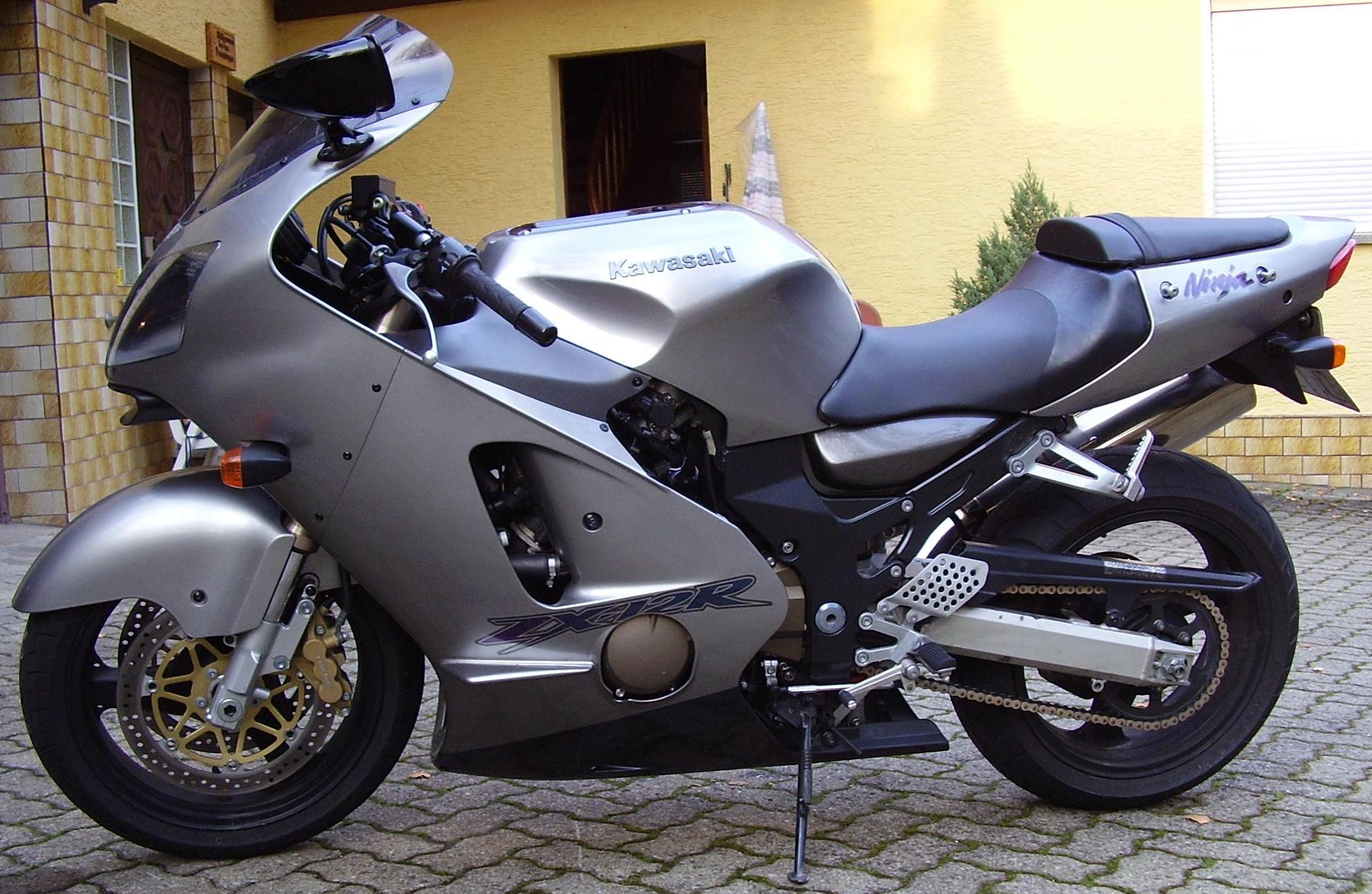
Kawasaki Ninja 300
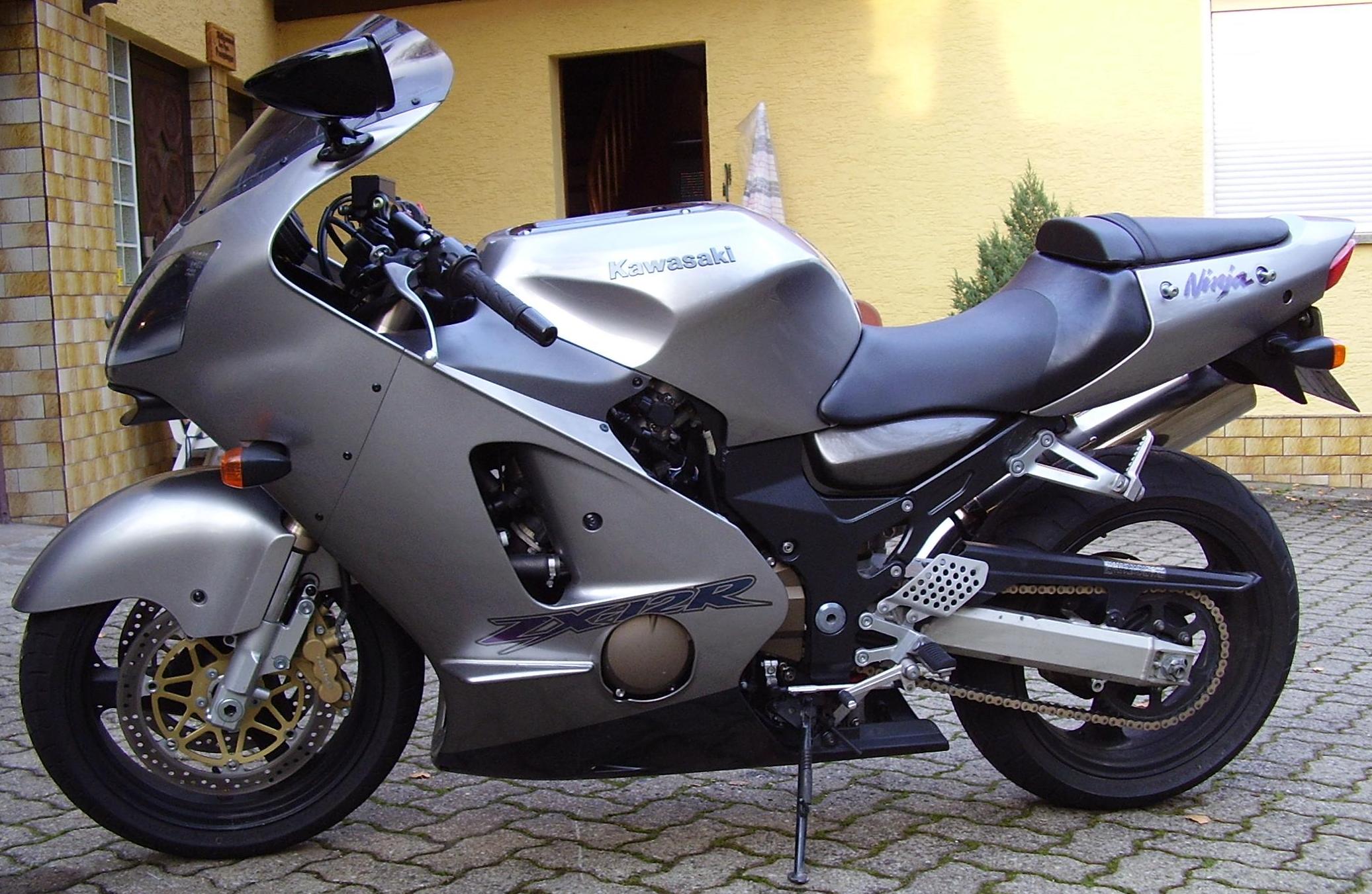
Kawasaki Ninja 250

Benelli 302s
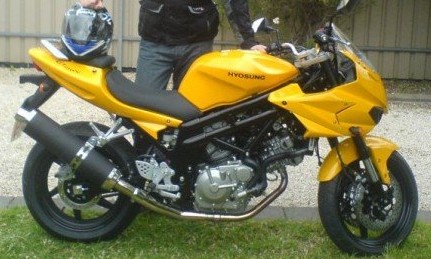
Hyosung Gt250r
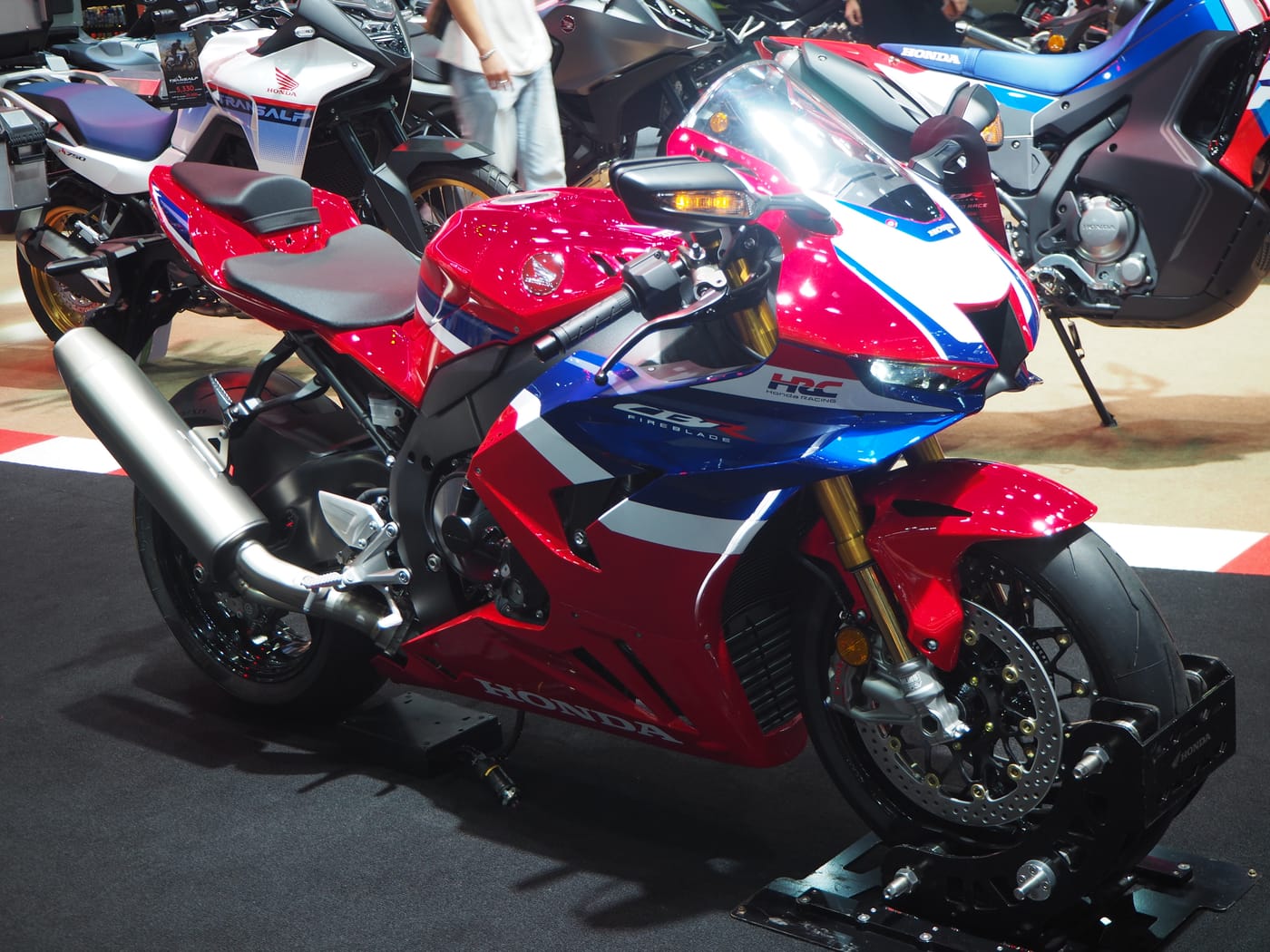
Honda Cbr250r
Compare Kawasaki Gpx250r Side-by-Side
compare_arrowsSpecs, power, weight & buyer verdict — head-to-head with the bikes most often cross-shopped.
Kawasaki Gpx250r vs Kawasaki Ninja 300
Specs · Power · Buyer verdict
Kawasaki Gpx250r vs Kawasaki Ninja 250
Specs · Power · Buyer verdict
Kawasaki Gpx250r vs Benelli 302s
Specs · Power · Buyer verdict
Kawasaki Gpx250r vs Hyosung Gt250r
Specs · Power · Buyer verdict
Kawasaki Gpx250r vs Honda Cbr250r
Specs · Power · Buyer verdict
More Kawasaki Gpx250r Guides
More from Kawasaki
View all Kawasaki models →Community Reviews
Discussion
Frequently Asked Questions
What are common problems with the Kawasaki Gpx250r? +
Carburetor gumming from ethanol fuel or storage: Rough idle, hesitation, hard starting on cold engine (moderate) | Rectifier/regulator failure causing battery drain: Battery dies quickly, flickering lights at high RPM (serious) | Fork seal leaks from age and UV degradation: Oil residue or staining on fork lower legs (moderate)
Is the Kawasaki Gpx250r a good motorcycle? +
The definitive used learner that won't punish your wallet or ego. Rating: 7.5/10. Best for: New riders wanting reliable, forgiving first sportbike. Avoid if: You're tall, fast, or permanently impatient.
What is the horsepower of the Kawasaki Gpx250r? +
The Kawasaki Gpx250r produces 40 hp @ 12,500 rpm, with 24 Nm @ 10,000 rpm of torque. Top speed: 175 km/h.
Is the Kawasaki Gpx250r good for beginners? +
Yes — the Kawasaki Gpx250r is a reasonable choice for new riders (40 hp is manageable), weighing 159 kg. New riders wanting reliable, forgiving first sportbike
Is the Kawasaki Gpx250r reliable? +
Owners report 2 critical issues to watch for on the Kawasaki Gpx250r, notably: Rectifier/regulator failure causing battery drain (Battery dies quickly, flickering lights at high RPM). Buy with a pre-purchase inspection.
Is the Kawasaki Gpx250r good for daily use? +
New riders wanting reliable, forgiving first sportbike Fuel: 4.5 L/100km or approximately 22 km/L (typical real-world average).
How fast is the Kawasaki Gpx250r? +
The Kawasaki Gpx250r reaches a top speed of 175 km/h, producing 40 hp at 159 kg curb weight. Real-world performance depends on rider weight, gearing, and road conditions.
What gear should I buy for a Kawasaki Gpx250r? +
Motoryk has curated a Top 10 gear list specifically for the Kawasaki Gpx250r, covering engine oil, tires, chain, battery, and brake pads — see motoryk.com/bikes/kawasaki/gpx250r/top10. Each pick is matched to this bike's spec.