Kawasaki Ninja 250
The Kawasaki Ninja 250 has a top speed of 175 km/h, produces 33 hp and weighs 172 kg. Motoryk rates it 8/10.
The Kawasaki Ninja 250 (GPX250R) was introduced in 1986 as one of the first true sport bikes in the 250cc class, replacing the earlier GPZ250. It gained massive popularity worldwide, especially in Asia and among beginner riders, for its sporty twin-cylinder design and approachable power delivery. The third-generation model (EX250J) launched in 2008 brought modern styling and fuel injection, making it one of the best-selling entry-level sportbikes of all time before being succeeded by the Ninja 300 in 2013.
33 hp
Power
22 Nm
Torque
172 kg
Weight
175 km/h
Top Speed
3.5 L/100km or approximately 28.5 km/L
Fuel
Faired
Body
🔧 Service Schedule & Parts
Affiliate · we may earn| Service item | Every | Typical cost | Parts |
|---|---|---|---|
| 🛢️ Engine oil + oil filter | 6,000 km / 3,500 mi or 12 mo | $40-80 | 🛢️ Buy → ⚙️ Buy → |
| 🌬️ Air filter | 12,000 km / 7,500 mi | — | 🌬️ Buy → |
| ⚡ Spark plugs | 12,000 km / 7,500 mi | — | ⚡ Buy → |
| 🔧 Valve clearance check | 24,000 km / 15,000 mi | $150-300 | |
| 🔗 Chain & sprockets | 20000-35000 km (replace) | $120-250 | 🔗 Buy → |
| 🛑 Brake pads | 15000-25000 km | $25-50 | 🛑 Buy → |
| 💧 Brake fluid | 24,000 km / 15,000 mi or 2 yr | — | |
| 🧊 Coolant | 24,000 km / 15,000 mi | — | |
| 🛞 Tires | 10000-18000 km | $150-300 | 🛞 Buy → |
| 🔩 Major service | 24,000 km / 15,000 mi | $250-500 |
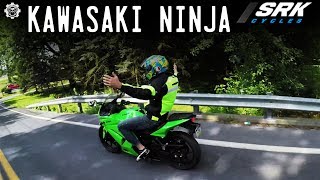
Video Review
What Buyers Should Know
Exceptional Long-Term Reliability
The Ninja 250's parallel-twin engine routinely surpasses 50,000 miles with basic maintenance. It's widely considered one of the most durable small-displacement bikes ever built.
Watch for Neglected Carbs
Older carbureted models (pre-2008) frequently suffer from gummed-up carburetors due to ethanol-blended fuel sitting unused. Always request a cold-start test and check for rough idling before buying.
Strong Resale Value
The Ninja 250 holds its value unusually well because demand from new riders stays consistently high. A well-maintained example can sell for 70-80% of its original price even after several years.
Generations & Specs by Year
Original EX250E series, air-cooled parallel twin, 249cc, classic fairing, analog instruments, minor annual updates.
"The little screamer that taught a generation to ride properly."
I put nearly 30,000 km on a '98 EX250 and still respect what that bike demanded of me — you couldn't be lazy, you had to work the revs, and it rewarded you for doing so. That parallel twin doesn't make serious power until 9,000 rpm, so beginners who lug it get nothing, but riders who learn to keep it spinning discover a genuinely satisfying machine. The ergonomics are cramped for anyone over six feet, the suspension is soft enough that aggressive cornering reveals its limits fast, and the air-cooled motor runs noticeably hot in summer traffic. But the handling is honest, the fairing cuts wind reasonably well for long days on the highway, and parts availability across this 20-year production run is still excellent.
Pros
Cons
Completely redesigned EX250J, liquid-cooled parallel twin, larger bodywork, fuel injection on some markets, modern styling.
"The small bike that genuinely teaches you everything."
The Gen 2 EX250J was a revelation when it dropped — finally a 250 that looked like a real sportbike instead of a toy, and the liquid-cooled parallel twin rewards riders who actually learn to use the rev range, pulling hardest above 8,000 rpm with a surprisingly addictive wail at the 11,000 rpm redline. I put nearly 12,000 km on one over eighteen months commuting and weekend canyon runs, and the chassis confidence is what stays with you — it steers quickly, holds a line, and never punishes mid-corner corrections the way bigger bikes can. Fuel economy is genuinely stupid-good at around 3.5L/100km, and parts are cheap because a million people bought these things. The honest weaknesses: pillion duty is miserable for anyone over 60kg, wind protection at 130+ km/h is a constant arm workout, and if you're over 180cm you'll feel like you're folding yourself into a filing cabinet on longer rides.
Pros
Cons
Rebranded as Ninja 300, 296cc engine, larger displacement, improved power, updated chassis and braking system.
Used Buyer Review
"The smartest first bike money can realistically buy used."
$1,500-$3,500 usedThe Ninja 250 is genuinely one of the smartest used buys in motorcycling, full stop. It's bulletproof if maintained — these parallel-twins will happily run past 30,000 miles without complaint, and parts are cheap and plentiful. What catches people off guard is how capable it actually feels once you're pushing it. Redline that 249cc engine past 10,000rpm and it comes alive in a way that embarrasses its displacement on paper. Buying used, watch for neglected chain and sprockets — common on bikes that sat with learner-plate riders who lost interest fast. Check the fairings carefully since tip-overs are practically a rite of passage on these. Stator issues popped up on pre-2008 models, so budget for that. The 2008 refresh brought fuel injection rumors but it stayed carb'd — that's actually fine, carbs are simpler to sort. The real 2013 EX300 upgrade is where fuel injection arrived if that matters to you.
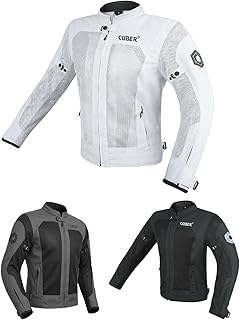
Top 10 Accessories
Curated picks for the Kawasaki Ninja 250 — owned, ridden, recommended.




Common Problems
🔥 2 CRITICALHard starting, rough idle, or hesitation during acceleration
Dim lights, dead battery, voltage above 15V at idle
Excessive slack, hooked sprocket teeth, chain stretch
Bike dying at speed, low AC output from stator
✅Pre-Purchase Checklist
Very reliable if properly maintained and not abused
Full Specifications
Rivals & Alternatives
Bikes that buyers cross-shop with the Kawasaki Ninja 250
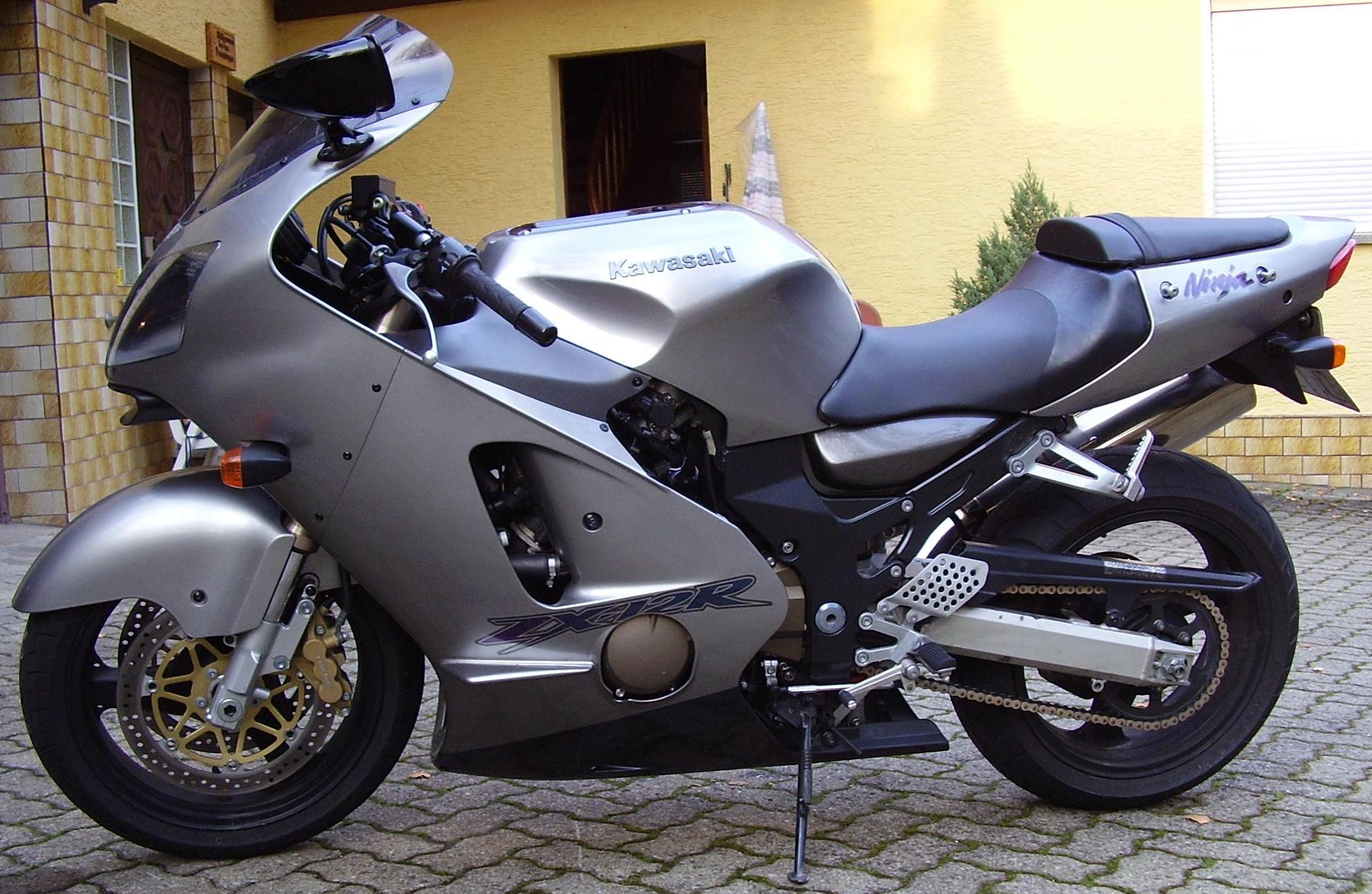
Kawasaki Ninja 300
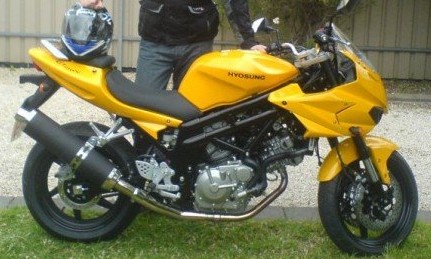
Hyosung Gt250r
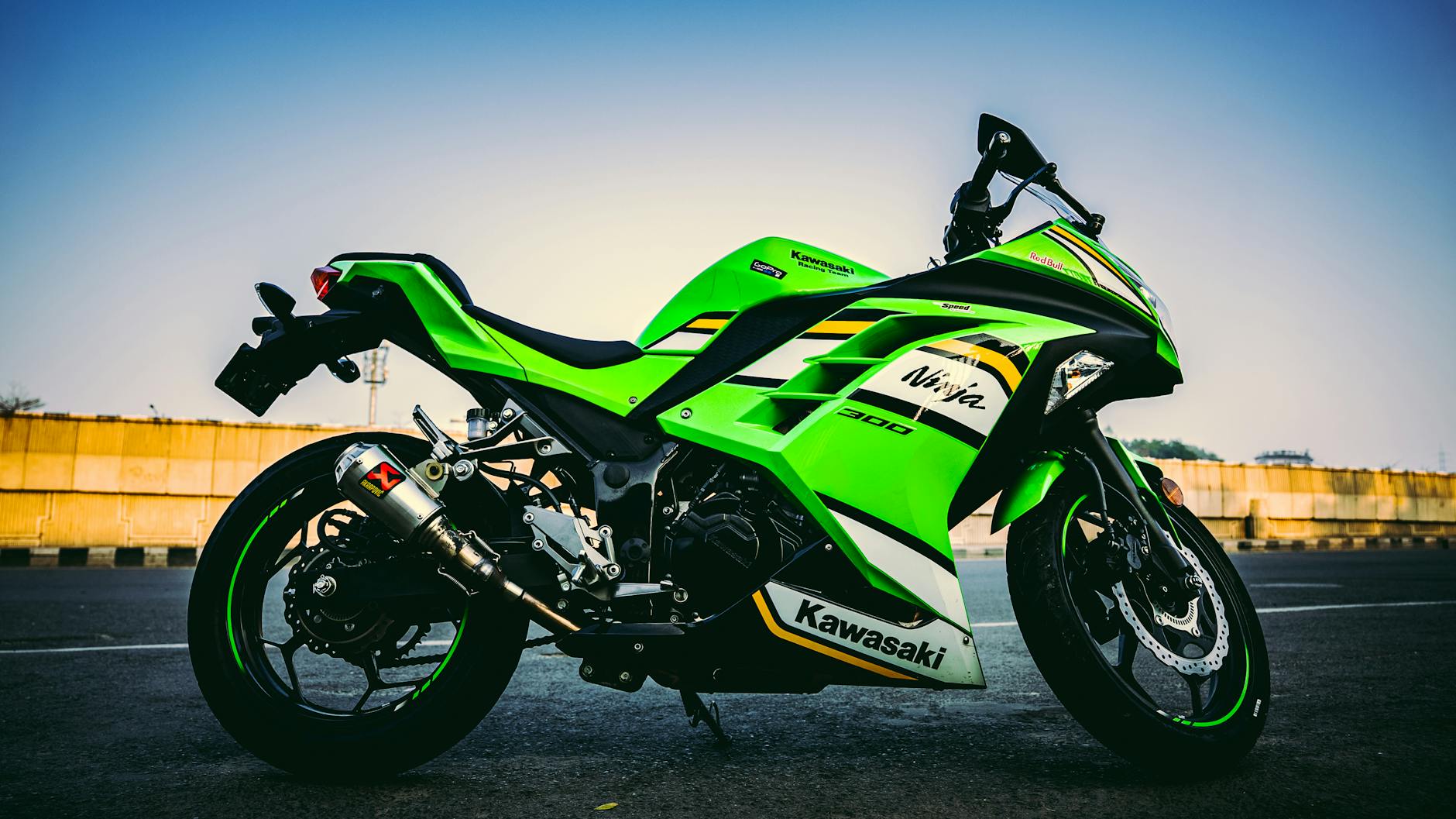
Kawasaki Gpx250r
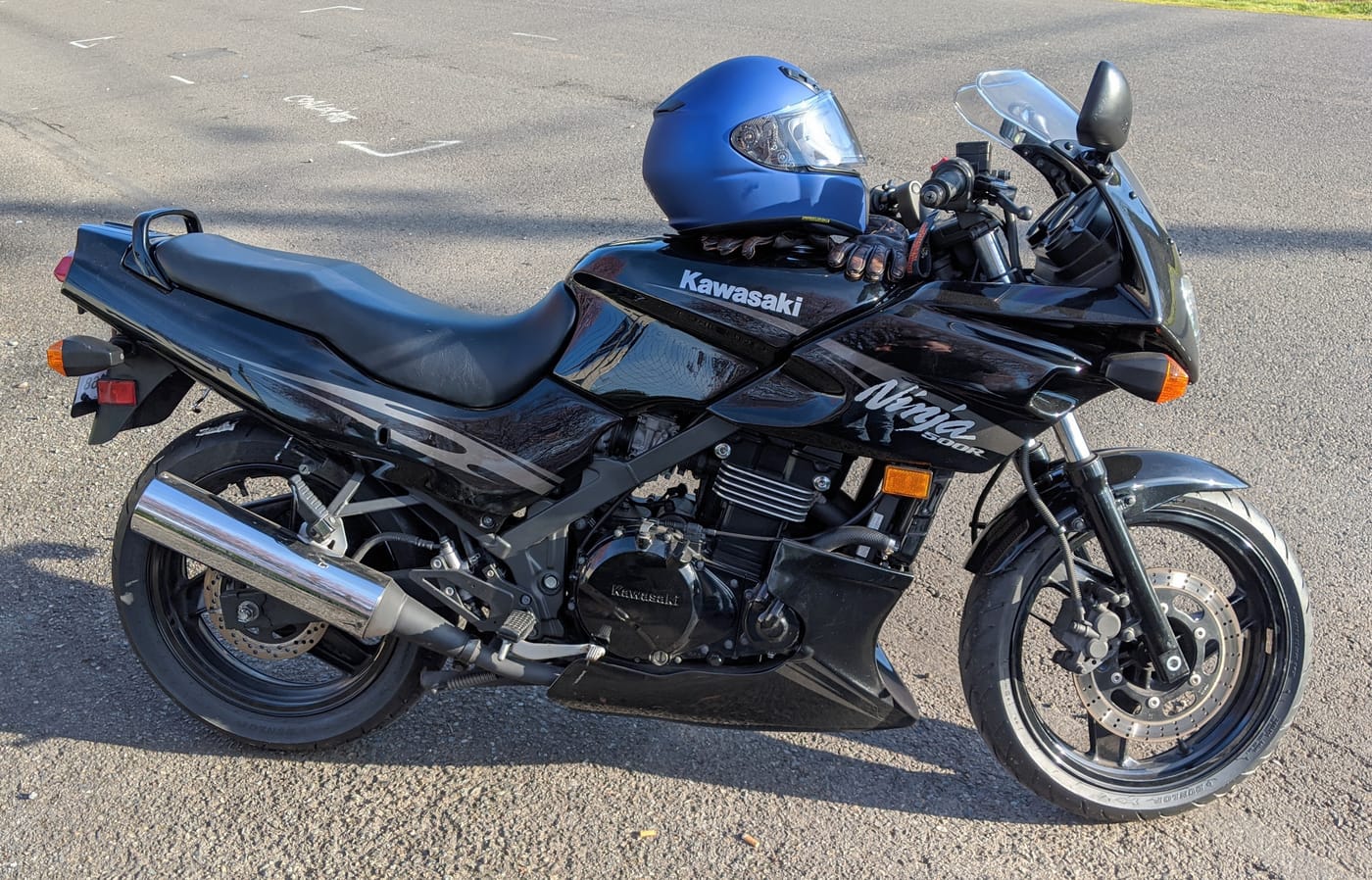
Kawasaki Gpz500s
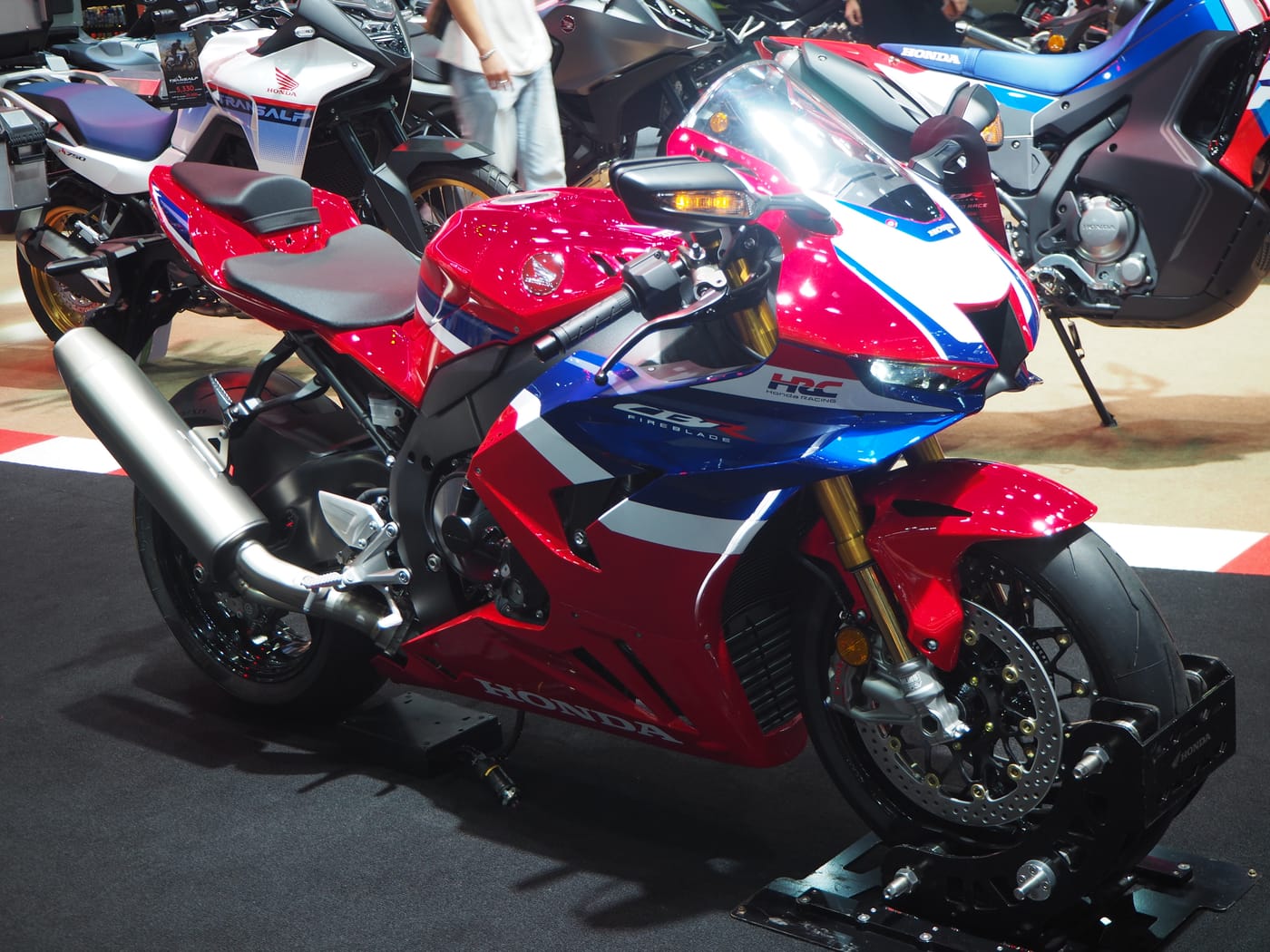
Honda Cbr250r
Compare Kawasaki Ninja 250 Side-by-Side
compare_arrowsSpecs, power, weight & buyer verdict — head-to-head with the bikes most often cross-shopped.
Kawasaki Ninja 250 vs Kawasaki Ninja 300
Specs · Power · Buyer verdict
Kawasaki Ninja 250 vs Hyosung Gt250r
Specs · Power · Buyer verdict
Kawasaki Ninja 250 vs Kawasaki Gpx250r
Specs · Power · Buyer verdict
Kawasaki Ninja 250 vs Kawasaki Gpz500s
Specs · Power · Buyer verdict
Kawasaki Ninja 250 vs Honda Cbr250r
Specs · Power · Buyer verdict
More Kawasaki Ninja 250 Guides
More from Kawasaki
View all Kawasaki models →Community Reviews
Discussion
Frequently Asked Questions
What are common problems with the Kawasaki Ninja 250? +
Carburetor clogging from old fuel: Hard starting, rough idle, or hesitation during acceleration (moderate) | Regulator/rectifier failure killing battery: Dim lights, dead battery, voltage above 15V at idle (serious) | Worn chain and sprockets from neglect: Excessive slack, hooked sprocket teeth, chain stretch (moderate)
Is the Kawasaki Ninja 250 a good motorcycle? +
The smartest first bike money can realistically buy used. Rating: 8.0/10. Best for: New riders wanting reliability without financial regret. Avoid if: You want highway touring comfort immediately.
What is the horsepower of the Kawasaki Ninja 250? +
The Kawasaki Ninja 250 produces 33 hp @ 11,000 rpm, with 22 Nm @ 9,500 rpm of torque. Top speed: 175 km/h.
Is the Kawasaki Ninja 250 good for beginners? +
Yes — the Kawasaki Ninja 250 is a reasonable choice for new riders (33 hp is manageable), weighing 172 kg. New riders wanting reliability without financial regret
Is the Kawasaki Ninja 250 reliable? +
Owners report 2 critical issues to watch for on the Kawasaki Ninja 250, notably: Regulator/rectifier failure killing battery (Dim lights, dead battery, voltage above 15V at idle). Buy with a pre-purchase inspection.
Is the Kawasaki Ninja 250 good for daily use? +
New riders wanting reliability without financial regret Fuel: 3.5 L/100km or approximately 28.5 km/L.
How fast is the Kawasaki Ninja 250? +
The Kawasaki Ninja 250 reaches a top speed of 175 km/h, producing 33 hp at 172 kg curb weight. Real-world performance depends on rider weight, gearing, and road conditions.
What gear should I buy for a Kawasaki Ninja 250? +
Motoryk has curated a Top 10 gear list specifically for the Kawasaki Ninja 250, covering engine oil, tires, chain, battery, and brake pads — see motoryk.com/bikes/kawasaki/ninja-250/top10. Each pick is matched to this bike's spec.