Kawasaki Gpz500s
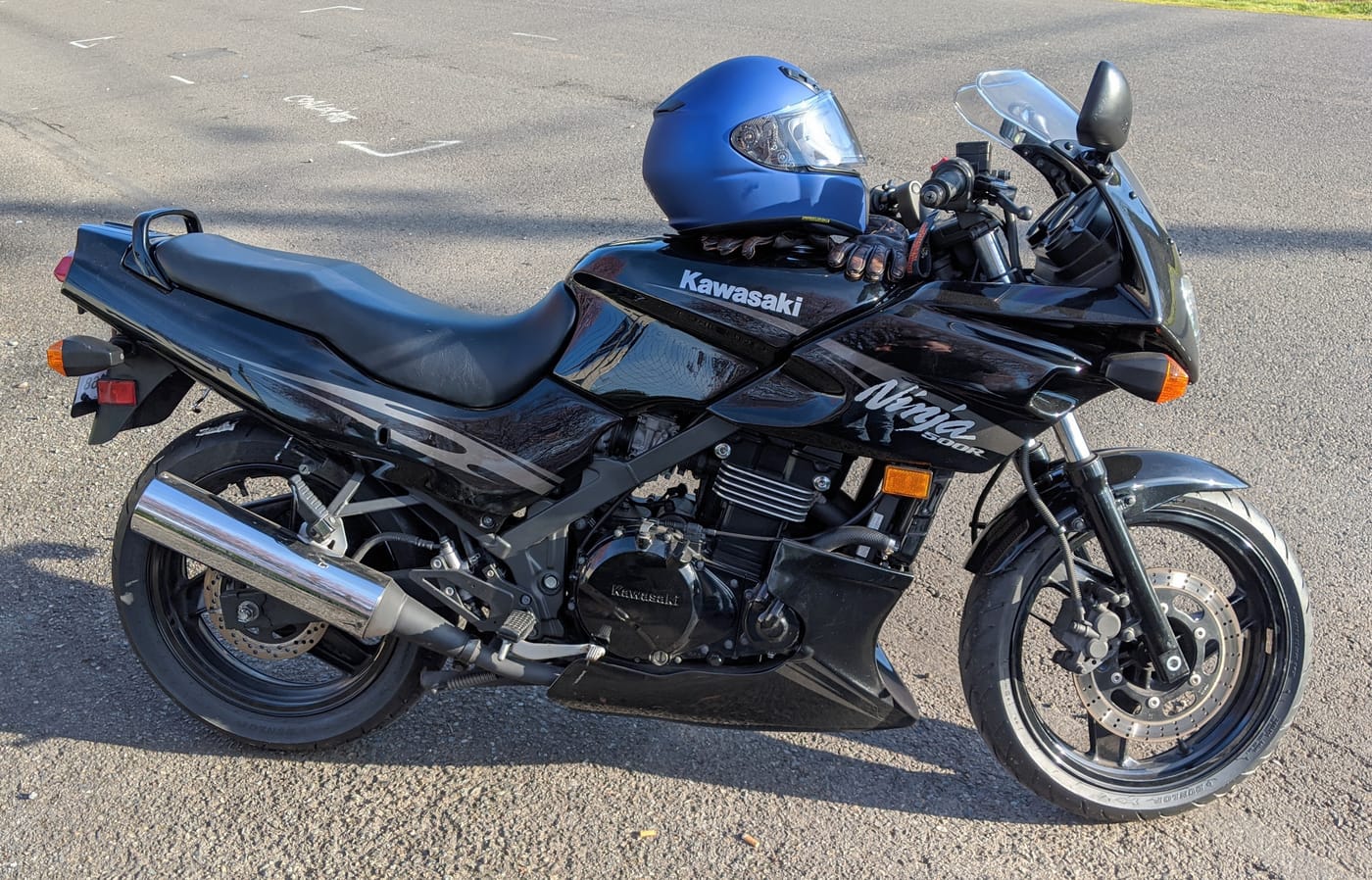
The Kawasaki Gpz500s has a top speed of 185 km/h, produces 60 hp and weighs 196 kg. Motoryk rates it 7.5/10.
The Kawasaki GPZ500S (sold as the EX500 in North America) was introduced in 1987 as a middleweight sport-tourer aimed at beginner and intermediate riders. It featured a parallel-twin 498cc liquid-cooled DOHC engine and was praised for its accessible power delivery, reliability, and affordability, making it a popular learner and commuter bike worldwide. The model underwent a significant update in 1994 with revised styling and minor improvements, and remained in production until 2009, making it one of Kawasaki's longest-running models.
60 hp
Power
44 Nm
Torque
196 kg
Weight
185 km/h
Top Speed
5.5 L/100km (approx. 18 km/L real-world average)
Fuel
Faired
Body
🔧 Service Schedule & Parts
Affiliate · we may earn| Service item | Every | Typical cost | Parts |
|---|---|---|---|
| 🛢️ Engine oil + oil filter | 6,000 km / 3,500 mi or 12 mo | $40-80 | 🛢️ Buy → ⚙️ Buy → |
| 🌬️ Air filter | 12,000 km / 7,500 mi | — | 🌬️ Buy → |
| ⚡ Spark plugs | 12,000 km / 7,500 mi | — | ⚡ Buy → |
| 🔧 Valve clearance check | 24,000 km / 15,000 mi | $150-300 | |
| 🔗 Chain & sprockets | 20000-35000 km (replace) | $120-250 | 🔗 Buy → |
| 🛑 Brake pads | 15000-25000 km | $30-60 | 🛑 Buy → |
| 💧 Brake fluid | 24,000 km / 15,000 mi or 2 yr | — | |
| 🧊 Coolant | 24,000 km / 15,000 mi | — | |
| 🛞 Tires | 10000-18000 km | $150-300 | 🛞 Buy → |
| 🔩 Major service | 24,000 km / 15,000 mi | $250-500 |
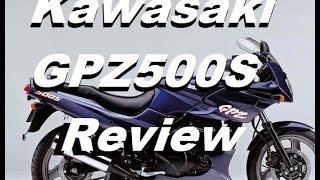
Video Review
What Buyers Should Know
Bulletproof Parallel Twin
The 498cc liquid-cooled parallel twin engine is renowned for its durability, with many examples exceeding 100,000km when properly maintained. It's considered one of the most reliable middleweight engines of its era.
Watch the Camchain
Cam chain tensioner wear is the most common issue to inspect — a rattling noise on startup is a key warning sign. Budget for a tensioner replacement if buying used, as neglect can lead to costly engine damage.
Strong Resale Value
The GPZ500S holds its value surprisingly well due to its popularity as a learner-legal bike in many markets and cheap running costs. Low-mileage examples in good condition remain consistently in demand.
Generations & Specs by Year
Original EX500 introduced with parallel-twin 498cc engine, dual front discs, conventional forks, square headlight design.
"Bulletproof learner weapon that punches above its displacement."
I put 22,000 kilometres on a '91 GPZ500S and that liquid-cooled parallel twin just refused to die — oil changes, chain lube, done. The motor pulls cleanly from 4,000 rpm and that top-end rush to 10,000 rpm genuinely surprised sport bike riders at the lights. Dual front discs offer decent feel but the conventional forks dive hard under heavy braking and the whole front end goes vague if you push it on bumpy bends — it's a middleweight, not a sportsbike, and the chassis will remind you of that. Ergonomics are neutral enough for all-day riding, but the square headlight throws a surprisingly weak beam and the mirrors are useless above 120 km/h.
Pros
Cons
Restyled bodywork, updated graphics, revised seat, round headlight, minor carburetion and suspension refinements over lifespan.
"The best bike you'll eventually outgrow — and miss."
I put 28,000 km on a '99 GPZ500S and it never once left me stranded, which counts for more than most people admit. The parallel twin pulls cleanly from 4,000 rpm, feels genuinely eager between 7,000 and 10,000, and the chassis is balanced enough that you can hustle it through corners without feeling like you're fighting the bike. That said, the carburetion stumbles slightly off-throttle in cold weather, the front brake feedback is mediocre at best, and at highway speeds above 160 km/h the wind blast off that round headlight fairing becomes a genuine fatigue problem on anything longer than an hour. It's not exciting in the way a supersport is exciting, but it's honest — it teaches you smoothness because sloppiness gets punished, not catastrophically, but enough to notice.
Pros
Cons
Used Buyer Review
"The honest everyman motorcycle that simply refuses to let you down."
$1,500-$3,500 usedThe GPZ500S is one of those motorcycles that quietly gets everything right without ever demanding attention. Kawasaki's parallel twin is genuinely bulletproof if maintained — I've seen examples with 60,000 miles still pulling cleanly. The chassis is confidence-inspiring without being dull, and that 498cc motor delivers smooth, predictable power that never catches you out. It's not exciting, but it teaches you to ride properly rather than just hanging on. Used examples are where it gets interesting. Watch for coolant leaks around the water pump seal — it's a known weak point and a warning sign the bike's been neglected. Check the cam chain tensioner noise on cold starts, and inspect fairings carefully because plastics are increasingly hard to source. Service history matters more than mileage here. A well-kept 40,000-mile example beats a neglected 15,000-mile one every single time. For the money, there's almost nothing better as a first real bike or a low-cost commuter. It won't embarrass you at the lights but it'll survive everything you throw at it.
Top 10 Accessories
Curated picks for the Kawasaki Gpz500s — owned, ridden, recommended.




Common Problems
🔥 2 CRITICALRough idle, hesitation, black smoke at throttle
Battery draining, flickering lights, check voltage output
Weep hole dripping, coolant loss, overheating signs
Rattling on startup, noise disappears when warm
✅Pre-Purchase Checklist
Solid learner bike if well maintained
Full Specifications
Rivals & Alternatives
Bikes that buyers cross-shop with the Kawasaki Gpz500s
Compare Kawasaki Gpz500s Side-by-Side
compare_arrowsSpecs, power, weight & buyer verdict — head-to-head with the bikes most often cross-shopped.
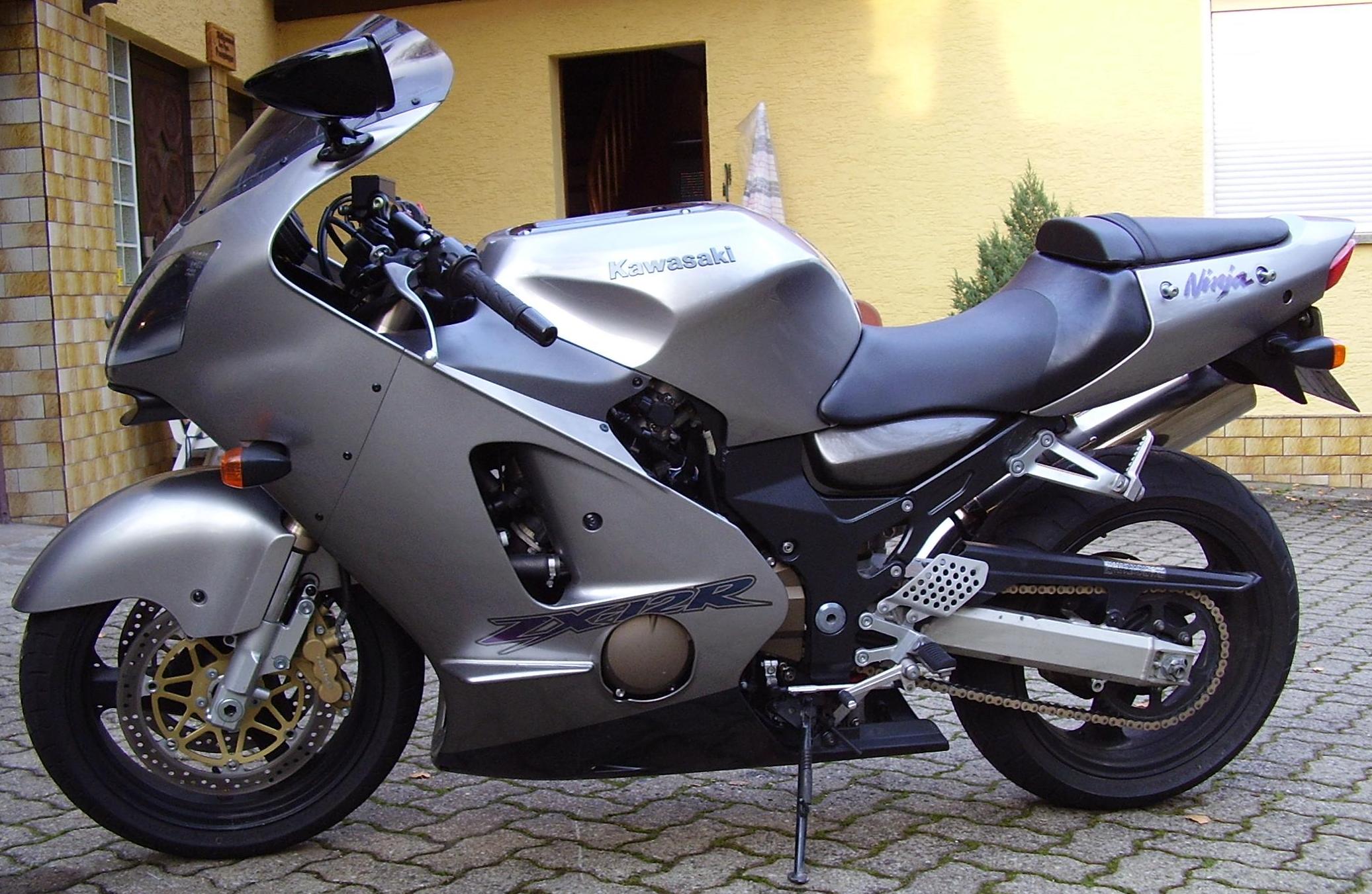
Kawasaki Gpz500s vs Kawasaki Ninja 650
Specs · Power · Buyer verdict
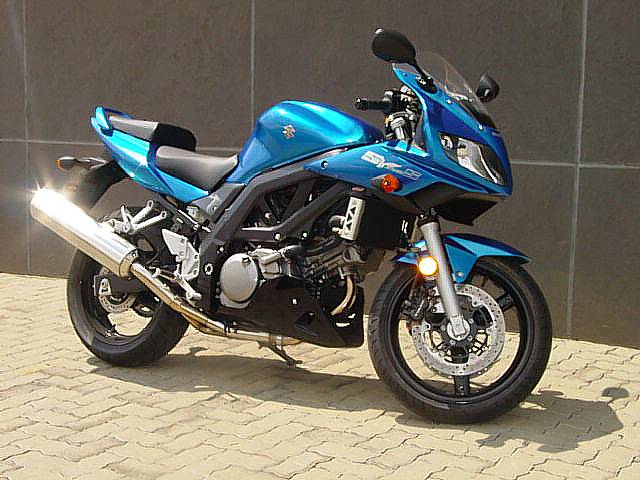
Kawasaki Gpz500s vs Suzuki Sv650 S
Specs · Power · Buyer verdict
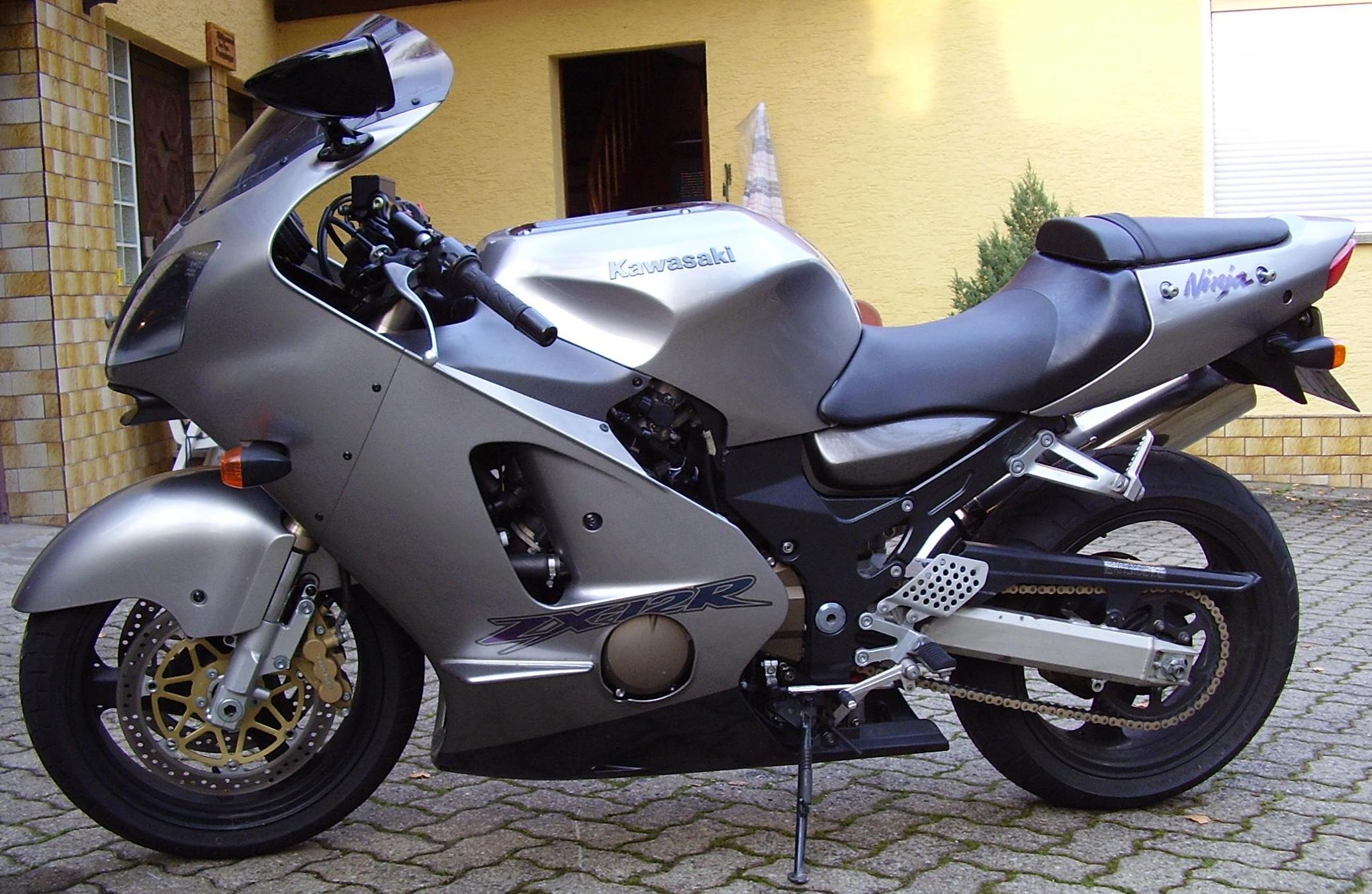
Kawasaki Gpz500s vs Kawasaki Er-6f
Specs · Power · Buyer verdict
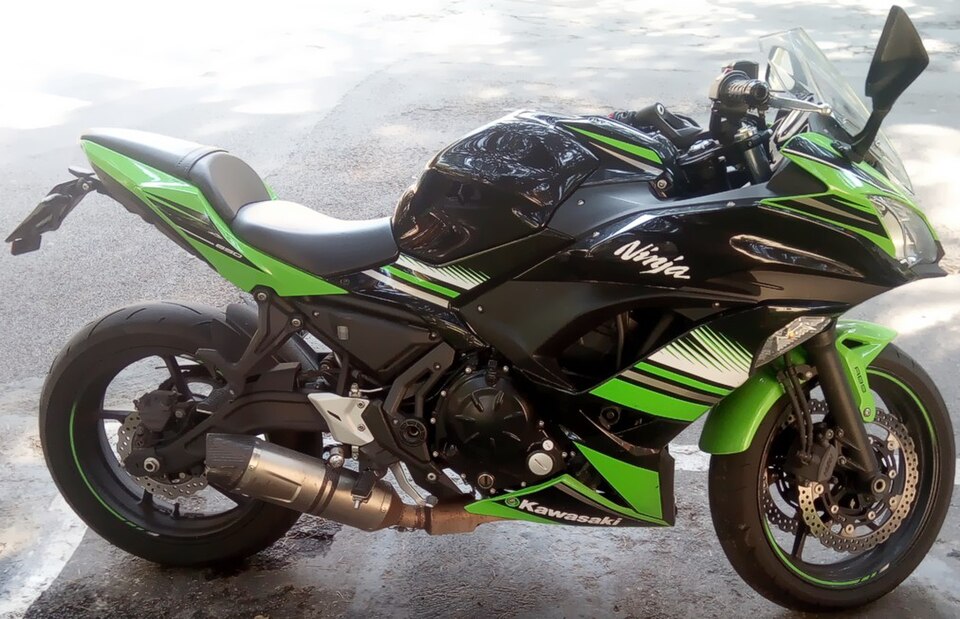
Kawasaki Gpz500s vs Kawasaki Ninja 650r
Specs · Power · Buyer verdict
More Kawasaki Gpz500s Guides
More from Kawasaki
View all Kawasaki models →Community Reviews
Discussion
Frequently Asked Questions
What are common problems with the Kawasaki Gpz500s? +
Carb sync and jetting issues: Rough idle, hesitation, black smoke at throttle (moderate) | Rectifier/regulator failure: Battery draining, flickering lights, check voltage output (serious) | Coolant leaks from water pump seals: Weep hole dripping, coolant loss, overheating signs (moderate)
Is the Kawasaki Gpz500s a good motorcycle? +
The honest everyman motorcycle that simply refuses to let you down. Rating: 7.5/10. Best for: New riders wanting reliability over excitement. Avoid if: You need performance or modern tech features.
What is the horsepower of the Kawasaki Gpz500s? +
The Kawasaki Gpz500s produces 60 hp @ 10,000 rpm, with 44 Nm @ 8,500 rpm of torque. Top speed: 185 km/h.
Is the Kawasaki Gpz500s good for beginners? +
Not really — the Kawasaki Gpz500s is better for experienced riders. New riders wanting reliability over excitement Avoid if: You need performance or modern tech features
Is the Kawasaki Gpz500s reliable? +
Owners report 2 critical issues to watch for on the Kawasaki Gpz500s, notably: Rectifier/regulator failure (Battery draining, flickering lights, check voltage output). Buy with a pre-purchase inspection.
Is the Kawasaki Gpz500s good for daily use? +
New riders wanting reliability over excitement Fuel: 5.5 L/100km (approx. 18 km/L real-world average).
How fast is the Kawasaki Gpz500s? +
The Kawasaki Gpz500s reaches a top speed of 185 km/h, producing 60 hp at 196 kg curb weight. Real-world performance depends on rider weight, gearing, and road conditions.
What gear should I buy for a Kawasaki Gpz500s? +
Motoryk has curated a Top 10 gear list specifically for the Kawasaki Gpz500s, covering engine oil, tires, chain, battery, and brake pads — see motoryk.com/bikes/kawasaki/gpz500s/top10. Each pick is matched to this bike's spec.