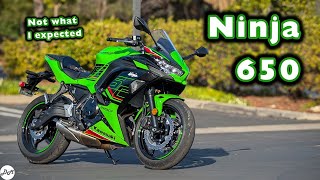
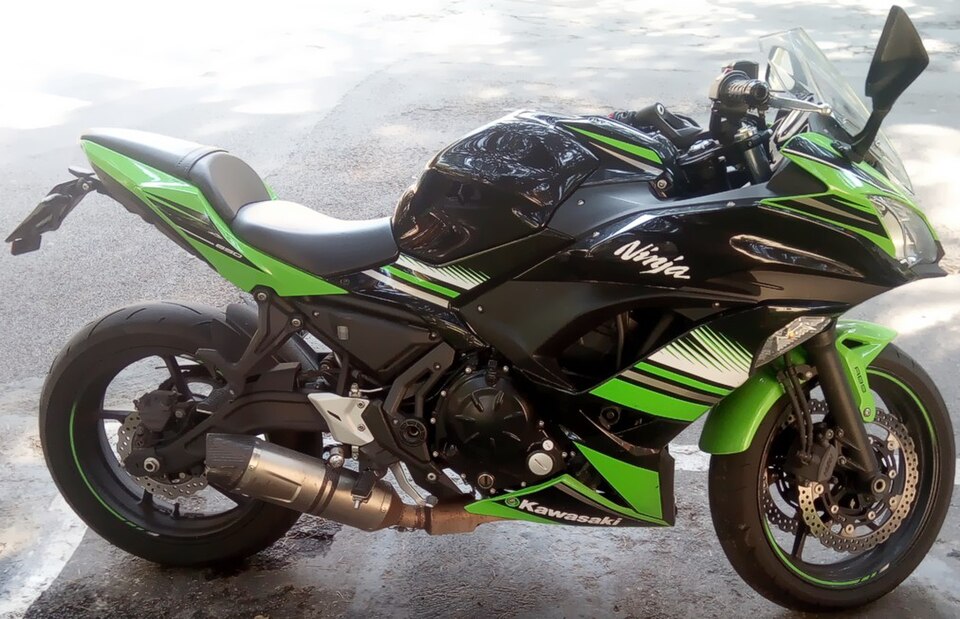
Kawasaki Ninja 650
The Kawasaki Ninja 650 has a top speed of 195 km/h, produces 67 hp and weighs 193 kg. Motoryk rates it 8.2/10.
The Kawasaki Ninja 650 was introduced in 2006 as the ER-6f, featuring a parallel-twin 649cc engine designed to offer an accessible yet sporty riding experience for beginner to intermediate riders. It underwent a significant redesign in 2012 and again in 2017, gaining a more modern frame, improved ergonomics, and updated electronics including a slipper clutch. It remains one of the best-selling middleweights globally due to its balance of performance, comfort, and affordability.
67 hp
Power
65.7 Nm
Torque
193 kg
Weight
195 km/h
Top Speed
5.5 L/100km (approximately 18 km/L real-world average)
Fuel
Faired
Body
🔧 Service Schedule & Parts
Affiliate · we may earn| Service item | Every | Typical cost | Parts |
|---|---|---|---|
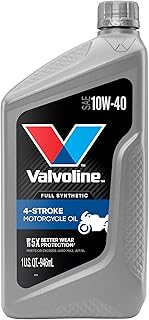
| 🛢️ Engine oil + oil filter | 6,000 km / 3,500 mi or 12 mo | $40-80 | 🛢️ Buy → ⚙️ Buy → |
| 🌬️ Air filter | 12,000 km / 7,500 mi | — | 🌬️ Buy → |
| ⚡ Spark plugs | 12,000 km / 7,500 mi | — | ⚡ Buy → |
| 🔧 Valve clearance check | 24,000 km / 15,000 mi | $150-350 | |
| 🔗 Chain & sprockets | 20000-35000 km (replace) | $150-300 | 🔗 Buy → |
| 🛑 Brake pads | 15000-25000 km | $30-60 | 🛑 Buy → |
| 💧 Brake fluid | 24,000 km / 15,000 mi or 2 yr | — | |
| 🧊 Coolant | 24,000 km / 15,000 mi | — | |
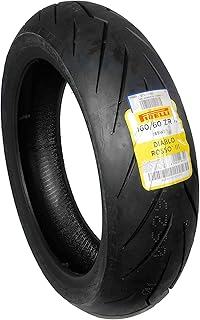
| 🛞 Tires | 12000-20000 km | $200-400 | 🛞 Buy → |
| 🔩 Major service | 24,000 km / 15,000 mi | $300-600 |
Video Review
What Buyers Should Know
Proven Reliable Engine
The 649cc parallel-twin engine has been refined since 2006 and is known for exceptional longevity, often surpassing 50,000 miles with basic maintenance. Valve clearance checks every 15,000 miles are the most significant service interval to budget for.
Strong Resale Value
The Ninja 650 consistently holds its value better than many middleweight competitors, typically retaining 70-80% of its value after two years. Its popularity as both a beginner and experienced rider bike keeps used demand high.
Watch for Stator Issues
Pre-2017 models have a known stator and rectifier/regulator weakness that can cause charging system failure, leaving you stranded. When buying used, always check for a healthy charging voltage of 13.5–14.5V at idle before purchasing.
Generations & Specs by Year
Introduced as ER-6f; 649cc parallel-twin, steel trellis frame, conventional forks, analog instruments.
"The best learner bike that doesn't feel like one."
I put nearly 18,000 km on a 2008 ER-6f and came away genuinely impressed by how honest the parallel-twin is — it pulls cleanly from 3,500 rpm, rewards smooth throttle work, and never bites you when you make a mistake. The steel trellis frame gives the chassis a planted, predictable feel that taught me more about cornering than any riding course did. That said, the conventional forks dive aggressively under hard braking and the seat turns to concrete somewhere around the 90-minute mark on a highway run. Wind protection from the small fairing is better than nothing but won't save you above 130 km/h — budget for a tall screen early.
Pros
Cons
Restyled bodywork, revised ergonomics, new LCD display, updated suspension, improved fuel injection mapping.
New trellis frame, assist-and-slipper clutch, revised engine, modern styling, improved handling dynamics.
Updated bodywork inspired by ZX-6R, revised ergonomics, new color options, refined suspension settings.
New trellis frame, refreshed styling, updated electronics, improved comfort, revised suspension and braking.
Used Buyer Review
"The smartest used middleweight money can buy, full stop."
$4,500-$7,500 usedThe Ninja 650 is about as sensible a used buy as you'll find in the middleweight segment, and I mean that as a genuine compliment. The parallel twin is genuinely unburstable — I've seen examples with 40,000 miles still running crisp with basic maintenance. The 2017+ generation in particular hit a sweet spot with better ergonomics and fuel injection that just works, no fussing around. Check the fairings for tip-over scars because new riders love these bikes, which also means some have been dropped in parking lots more than once. The motor rarely gives trouble, but inspect the chain and sprockets carefully — budget owners neglect them badly. Throttle bodies occasionally need syncing if it's hunting at idle. Suspension is soft from the factory and won't improve with age, so factor in a rear spring if you're over 180 pounds. Realistic asking prices for clean examples make it easy to absorb those small costs without crying.
Variants of the Kawasaki Ninja 650
Same bike, different trim or year-range — pick the one matching the listing.
Top 10 Accessories
Curated picks for the Kawasaki Ninja 650 — owned, ridden, recommended.


Common Problems
🔥 1 CRITICALVoltage at idle and revs, look for melted connector
Rough idle, hesitation, uneven throttle response
Oil film on fork tubes, soft front end feel
Ticking noise first 30 seconds after cold start
✅Pre-Purchase Checklist
Very reliable, excellent beginner bike choice
Full Specifications
Rivals & Alternatives
Bikes that buyers cross-shop with the Kawasaki Ninja 650
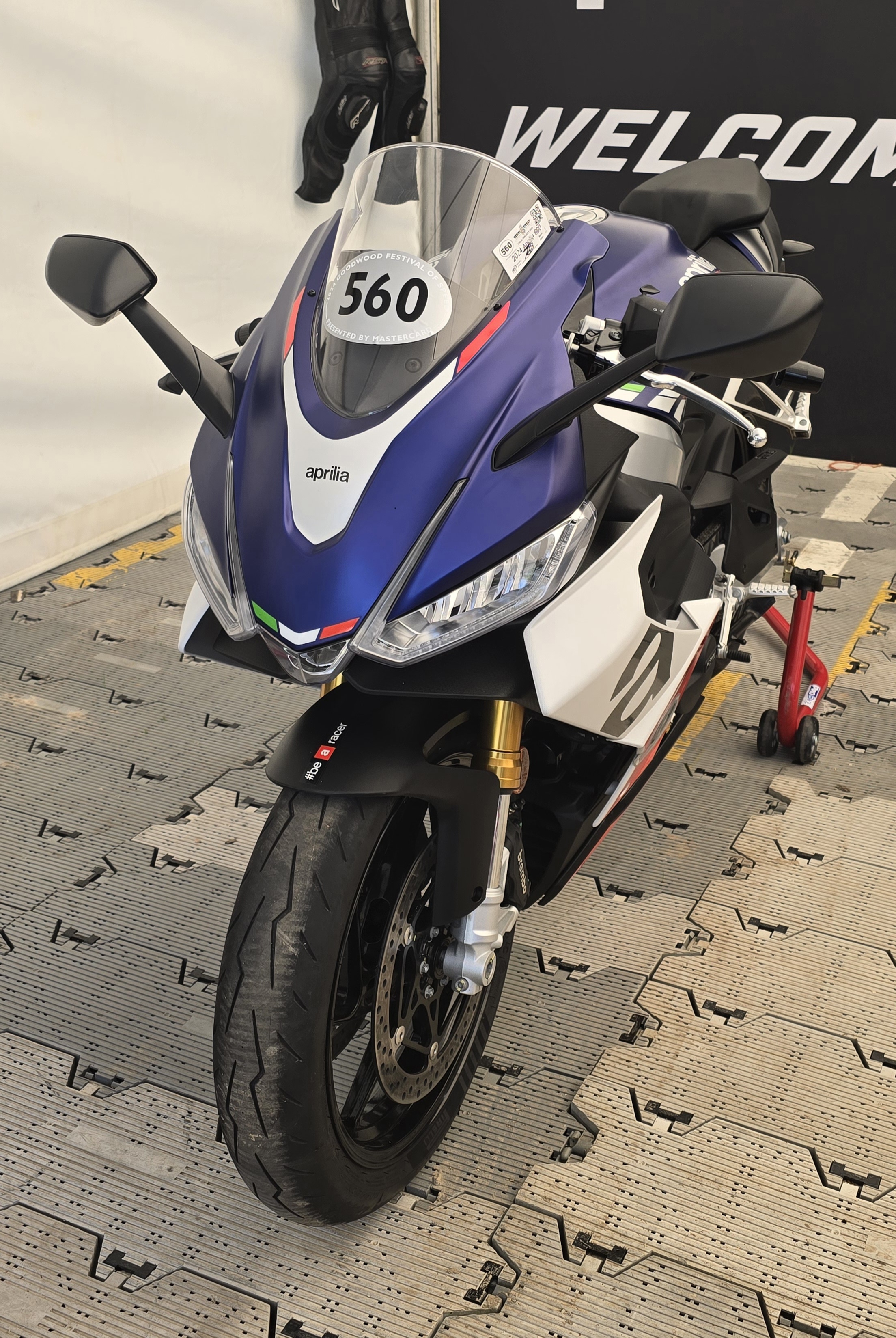
Aprilia Rs 660
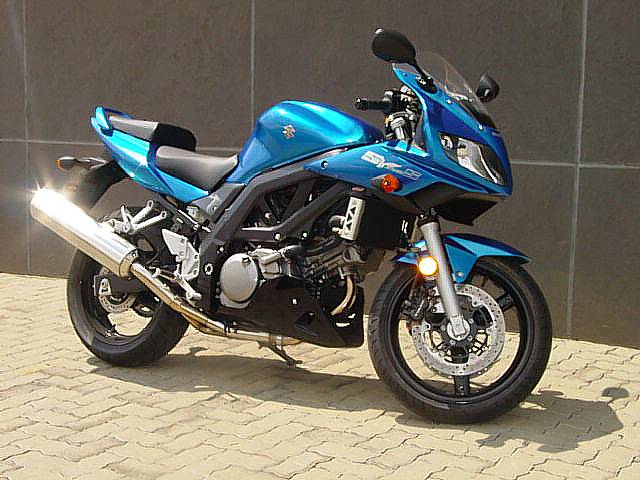
Suzuki Sv650 S

Honda Cbr500r
Suzuki Gsx-8r
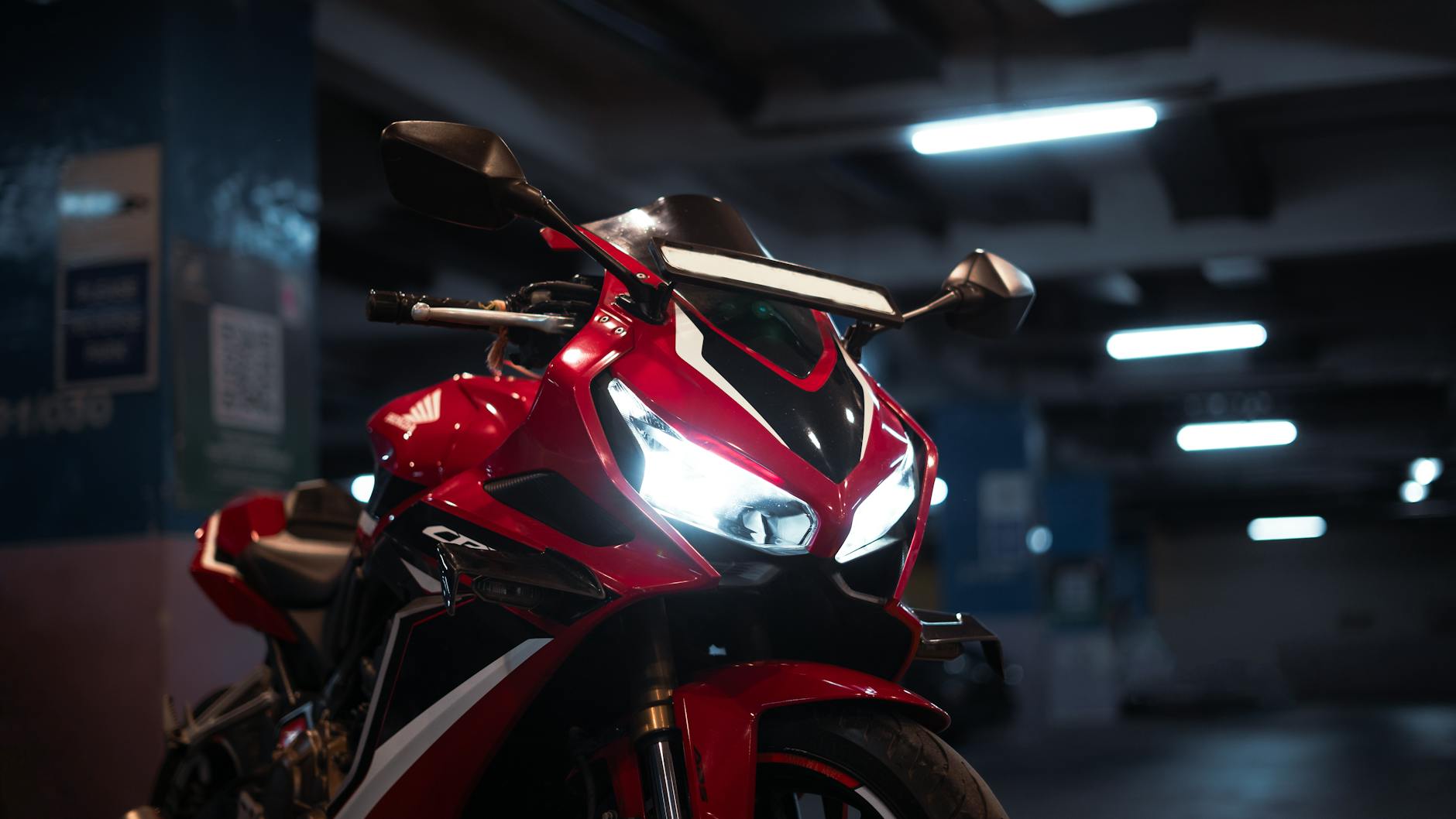
Honda Cbr650r
Compare Kawasaki Ninja 650 Side-by-Side
compare_arrowsSpecs, power, weight & buyer verdict — head-to-head with the bikes most often cross-shopped.
Kawasaki Ninja 650 vs Aprilia Rs 660
Specs · Power · Buyer verdict
Kawasaki Ninja 650 vs Suzuki Sv650 S
Specs · Power · Buyer verdict
Kawasaki Ninja 650 vs Honda Cbr500r
Specs · Power · Buyer verdict
Kawasaki Ninja 650 vs Suzuki Gsx-8r
Specs · Power · Buyer verdict
Kawasaki Ninja 650 vs Honda Cbr650r
Specs · Power · Buyer verdict
More Kawasaki Ninja 650 Guides
More from Kawasaki
View all Kawasaki models →Community Reviews
Discussion
Frequently Asked Questions
What are common problems with the Kawasaki Ninja 650? +
Rectifier/regulator failure, kills battery and charging: Voltage at idle and revs, look for melted connector (serious) | Throttle bodies need sync and balance service: Rough idle, hesitation, uneven throttle response (moderate) | Fork seal leaks on older high-mileage units: Oil film on fork tubes, soft front end feel (moderate)
Is the Kawasaki Ninja 650 a good motorcycle? +
The smartest used middleweight money can buy, full stop. Rating: 8.2/10. Best for: New-ish riders wanting reliable, grow-with-you bike. Avoid if: Experienced riders craving sharp, aggressive sporting performance.
What is the horsepower of the Kawasaki Ninja 650? +
The Kawasaki Ninja 650 produces 67 hp @ 8,000 rpm, with 65.7 Nm @ 6,700 rpm of torque. Top speed: 195 km/h.
Is the Kawasaki Ninja 650 good for beginners? +
Not really — the Kawasaki Ninja 650 is better for experienced riders. New-ish riders wanting reliable, grow-with-you bike Avoid if: Experienced riders craving sharp, aggressive sporting performance
Is the Kawasaki Ninja 650 reliable? +
Owners report 1 critical issue to watch for on the Kawasaki Ninja 650, notably: Rectifier/regulator failure, kills battery and charging (Voltage at idle and revs, look for melted connector). Buy with a pre-purchase inspection.
Is the Kawasaki Ninja 650 good for daily use? +
New-ish riders wanting reliable, grow-with-you bike Fuel: 5.5 L/100km (approximately 18 km/L real-world average).
How fast is the Kawasaki Ninja 650? +
The Kawasaki Ninja 650 reaches a top speed of 195 km/h, producing 67 hp at 193 kg curb weight. Real-world performance depends on rider weight, gearing, and road conditions.
What gear should I buy for a Kawasaki Ninja 650? +
Motoryk has curated a Top 10 gear list specifically for the Kawasaki Ninja 650, covering engine oil, tires, chain, battery, and brake pads — see motoryk.com/bikes/kawasaki/ninja-650/top10. Each pick is matched to this bike's spec.