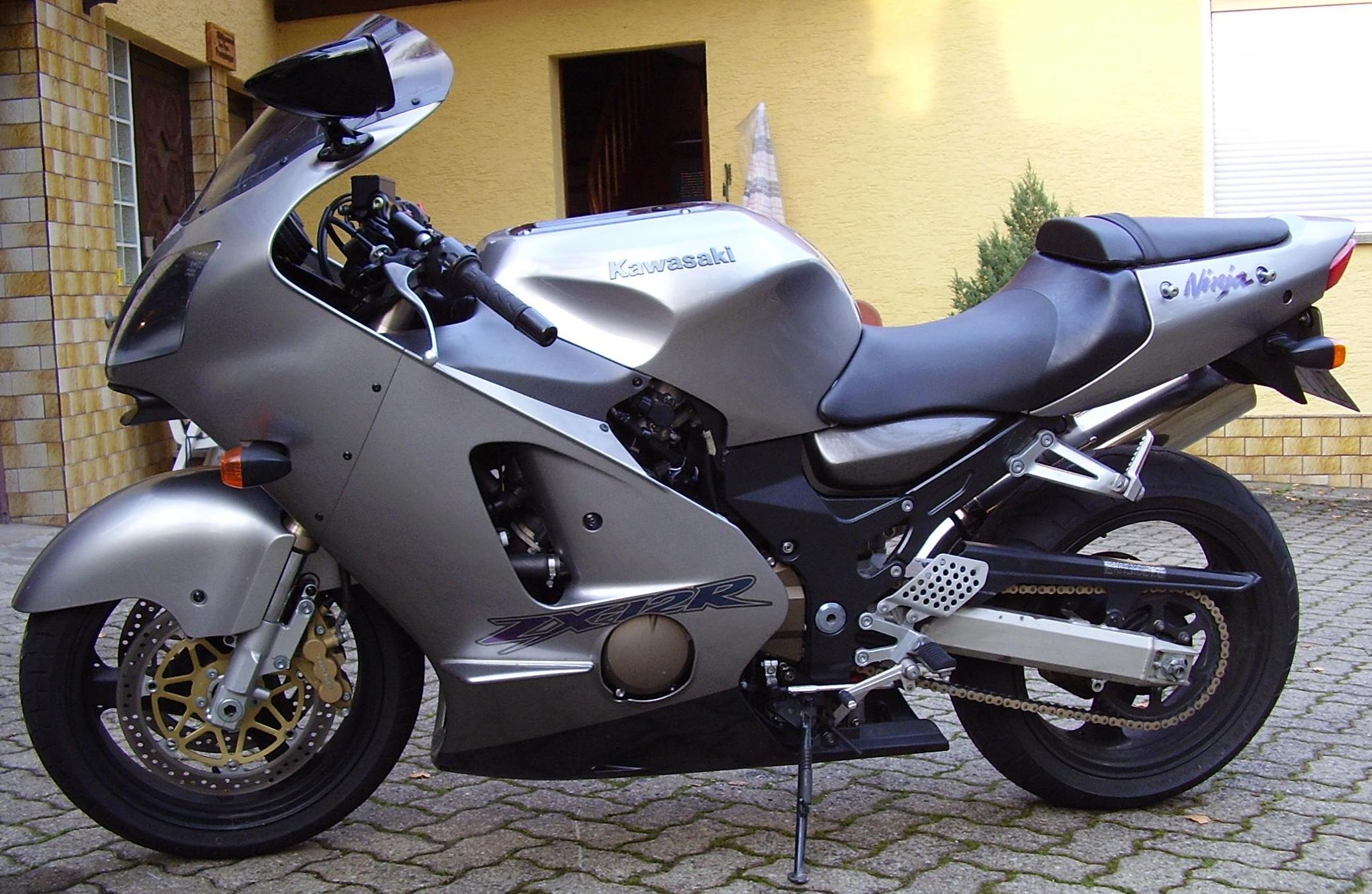
Kawasaki Er-6f
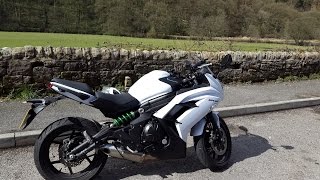
The Kawasaki Er-6f has a top speed of 195 km/h, produces 72 hp and weighs 193 kg. Motoryk rates it 7.8/10.
The Kawasaki ER-6f (known as the Ninja 650R in some markets) was introduced in 2006 as a faired version of the ER-6n naked bike, targeting beginner to intermediate riders seeking an accessible parallel-twin sportbike. It underwent a significant redesign in 2012 with improved ergonomics, updated styling, and refined engine tuning, and again in 2017 when it was rebranded simply as the Ninja 650. It became one of Kawasaki's best-selling middleweights globally due to its approachable power delivery, comfortable riding position, and relatively low price point.
72 hp
Power
65 Nm
Torque
193 kg
Weight
195 km/h
Top Speed
4.5–5.5 L/100km (approximately 18–22 km/L real-world average)
Fuel
Faired
Body
🔧 Service Schedule & Parts
Affiliate · we may earn| Service item | Every | Typical cost | Parts |
|---|---|---|---|
| 🛢️ Engine oil + oil filter | 6,000 km / 3,500 mi or 12 mo | $40-80 | 🛢️ Buy → ⚙️ Buy → |
| 🌬️ Air filter | 12,000 km / 7,500 mi | — | 🌬️ Buy → |
| ⚡ Spark plugs | 12,000 km / 7,500 mi | — | ⚡ Buy → |
| 🔧 Valve clearance check | 24,000 km / 15,000 mi | $150-350 | |
| 🔗 Chain & sprockets | 20000-35000 km (replace) | $150-300 | 🔗 Buy → |
| 🛑 Brake pads | 15000-25000 km | $30-60 | 🛑 Buy → |
| 💧 Brake fluid | 24,000 km / 15,000 mi or 2 yr | — | |
| 🧊 Coolant | 24,000 km / 15,000 mi | — | |
| 🛞 Tires | 10000-20000 km | $180-360 | 🛞 Buy → |
| 🔩 Major service | 24,000 km / 15,000 mi | $300-600 |
Video Review
What Buyers Should Know
Watch the Cam Chain
The ER-6F's parallel-twin engine can develop cam chain tensioner noise if maintenance is neglected. Listen for a rattling sound on cold starts — a common early warning sign on higher-mileage bikes.
Strong Resale Value
The ER-6F holds its value well due to its popularity as a beginner-to-intermediate bike with broad appeal. Low running costs and easy parts availability keep used prices competitive and stable.
Reliable 649cc Twin
Kawasaki's 649cc parallel-twin is known for being highly durable with minimal issues when serviced regularly. Many owners report 50,000+ km with no major mechanical failures beyond routine maintenance.
Generations & Specs by Year
Introduced as fully-faired sport-tourer with 649cc parallel-twin, trellis frame, and ABS option.
"Deceptively capable middleweight that punches above its price tag."
I put 18,000 km on a 2007 ER-6f and it changed how I think about 'beginner' bikes — this thing isn't a beginner bike, it's just approachable. The parallel-twin pulls hard from 4,500 rpm and that torque plateau between 6,000 and 8,000 rpm makes overtaking on A-roads genuinely satisfying without having to wring its neck. The half-fairing does a reasonable job up to motorway speeds, though above 130 km/h your shoulders are doing real work and your wrists start complaining after an hour. My main gripe is the suspension — stock damping is marshmallow-soft at the rear and a heavier rider will be running out of preload before the first service interval, so budget for a rear shock if you weigh more than 80 kg.
Pros
Cons
Revised bodywork, updated fuel injection, improved ergonomics, new instruments, and refreshed color schemes.
Major redesign with sharper styling, revised engine tuning, new trellis frame, improved suspension and braking.
Used Buyer Review
"A genuinely great used buy if you find a clean, maintained example."
$3,500-$6,500 usedThe ER-6F is one of those bikes that just makes sense. Kawasaki built it as an accessible parallel twin that doesn't punish you for being a newer rider, but doesn't bore experienced ones either. The 649cc motor pulls cleanly from low revs and that midrange torque hits right where you need it in real-world traffic. It's not fast by modern standards, but it feels lively and honest. Used examples are everywhere, which cuts both ways. Plenty of choice, but plenty of abuse too. Check the fairings hard — they crack easily and replacements aren't cheap. Look for evidence of drops, because this bike attracts learners and learners drop things. Chains and sprockets get neglected badly on these, so budget for a replacement set if it hasn't been done. Fork seals are another weak point on higher-mileage bikes. Above all, check the service history. The engine itself is bulletproof if maintained, but ignored oil changes will eventually catch up with the cam chain tensioner. Buy a clean one with receipts and you'll have very few complaints.
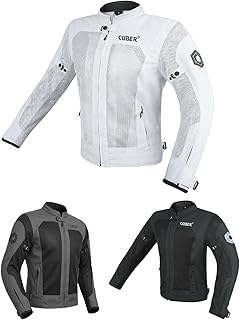
Top 10 Accessories
Curated picks for the Kawasaki Er-6f — owned, ridden, recommended.




Common Problems
🔥 1 CRITICALCold start noise, rattling from engine top end
Battery voltage at idle, melted connector near regulator
Oil residue on lower fork legs, soft front end
Uneven idle, hunting RPM at standstill
✅Pre-Purchase Checklist
Generally solid, minor electrical issues most common
Full Specifications
Rivals & Alternatives
Bikes that buyers cross-shop with the Kawasaki Er-6f
Compare Kawasaki Er-6f Side-by-Side
compare_arrowsSpecs, power, weight & buyer verdict — head-to-head with the bikes most often cross-shopped.
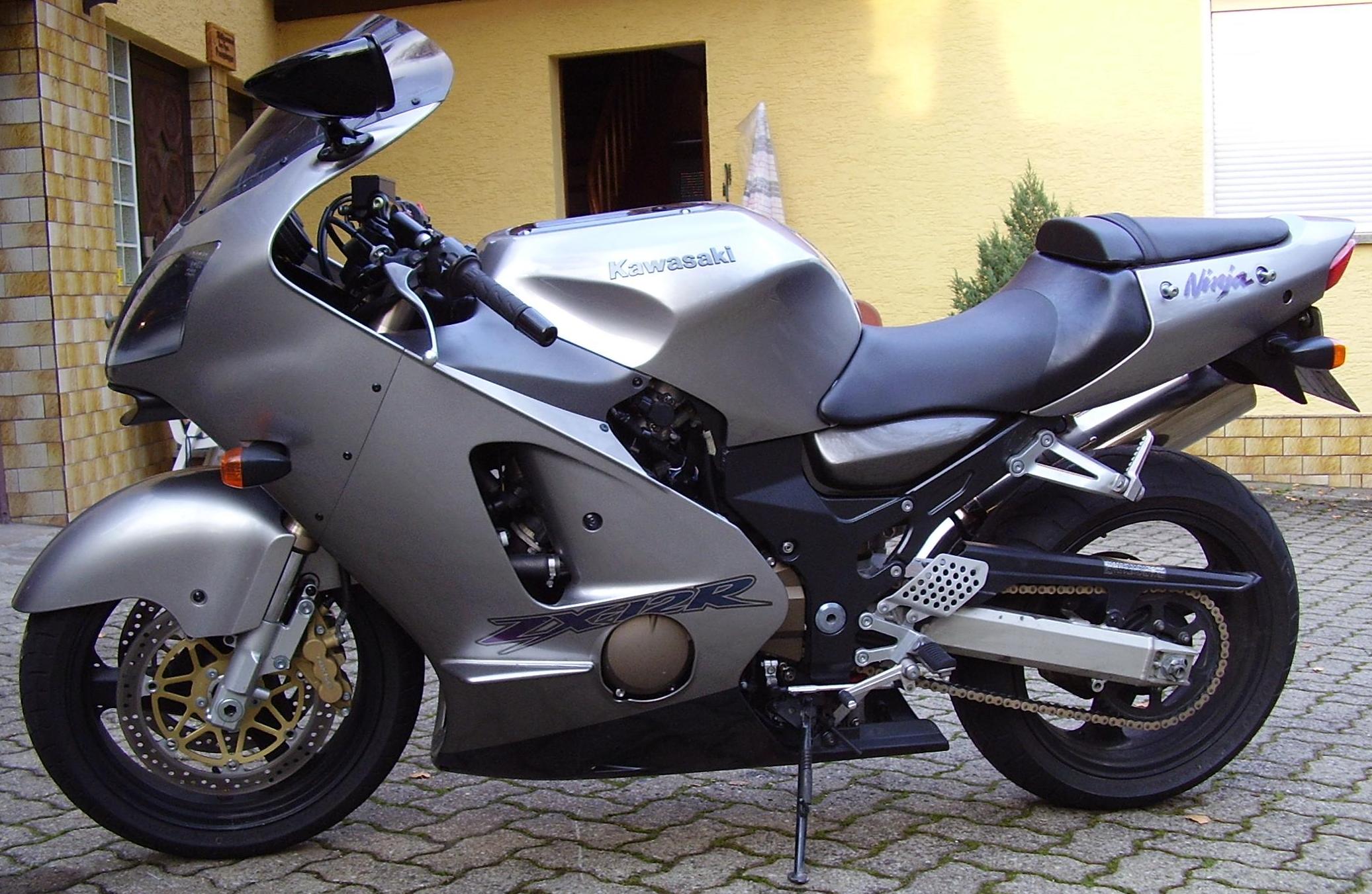
Kawasaki Er-6f vs Kawasaki Ninja 650
Specs · Power · Buyer verdict
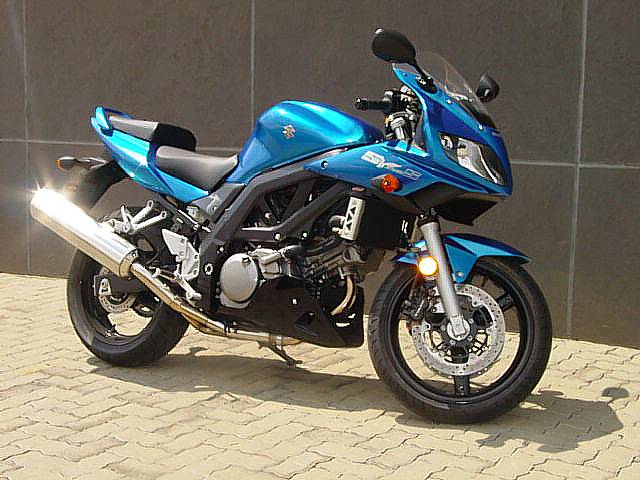
Kawasaki Er-6f vs Suzuki Sv650 S
Specs · Power · Buyer verdict
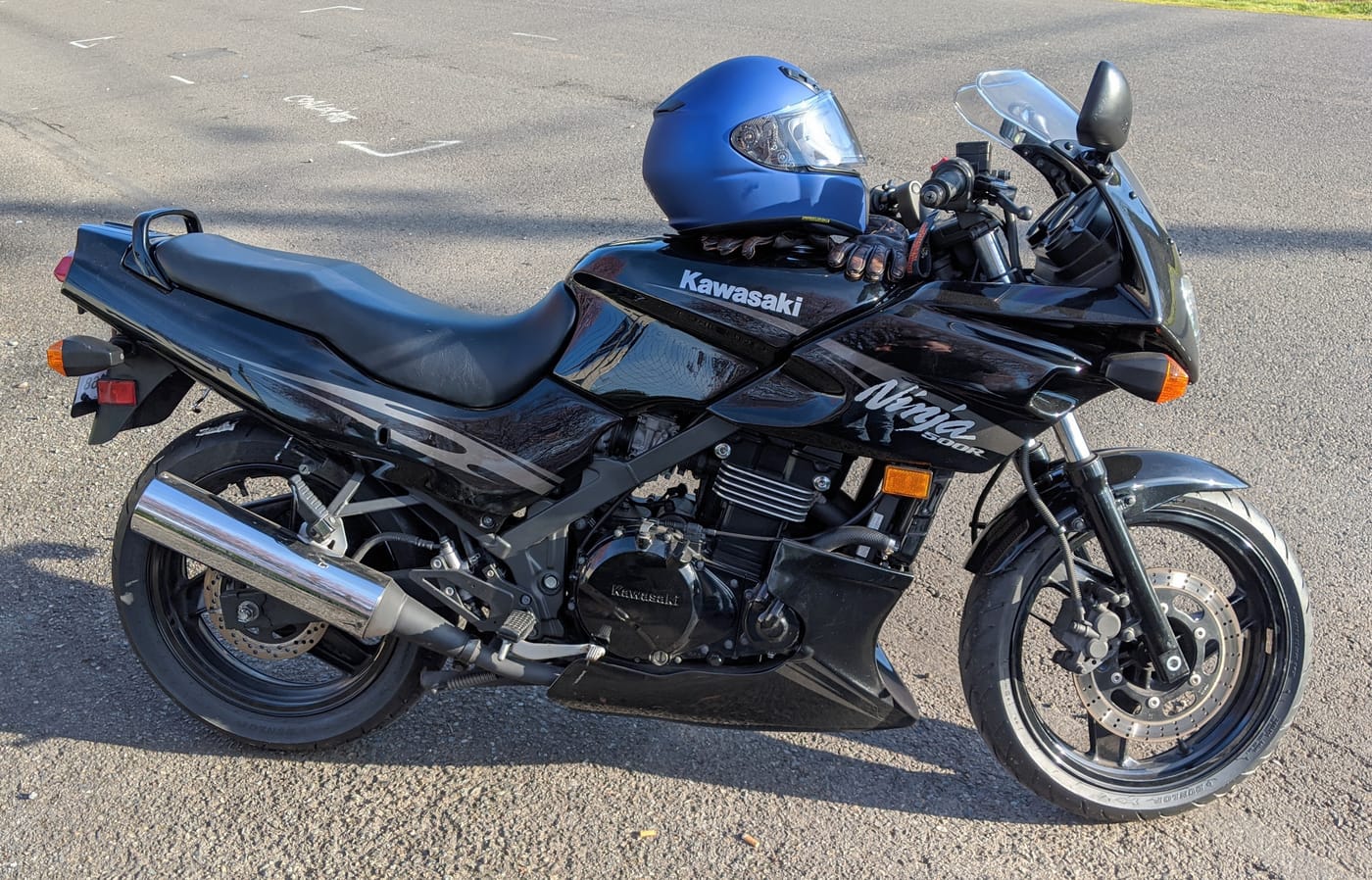
Kawasaki Er-6f vs Kawasaki Gpz500s
Specs · Power · Buyer verdict
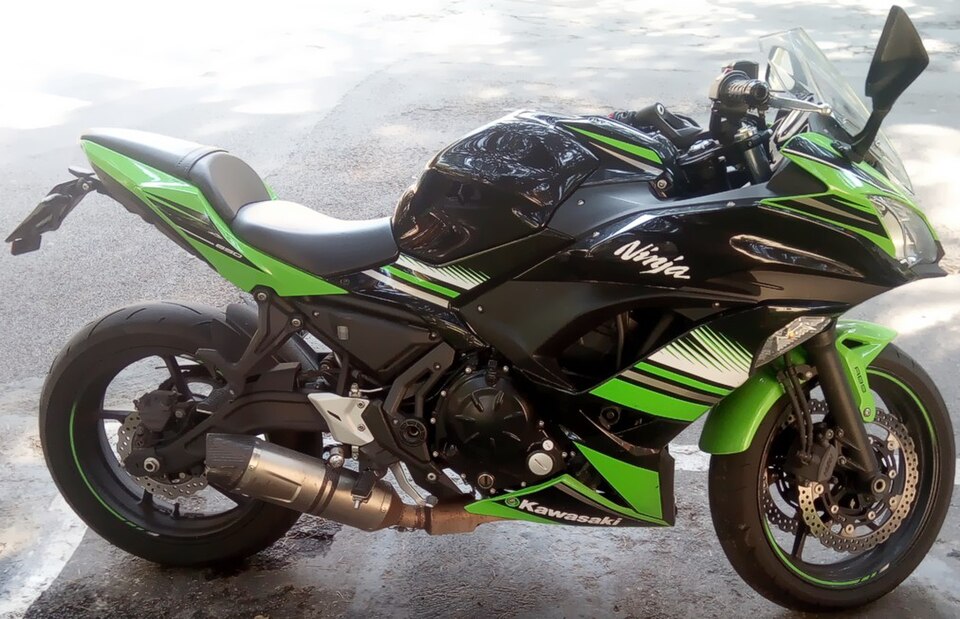
Kawasaki Er-6f vs Kawasaki Ninja 650r
Specs · Power · Buyer verdict
More Kawasaki Er-6f Guides
More from Kawasaki
View all Kawasaki models →Community Reviews
Discussion
Frequently Asked Questions
What are common problems with the Kawasaki Er-6f? +
Cam chain tensioner rattle on startup: Cold start noise, rattling from engine top end (moderate) | Rectifier/regulator failure, battery drain: Battery voltage at idle, melted connector near regulator (serious) | Fork seal leaks, worn suspension: Oil residue on lower fork legs, soft front end (moderate)
Is the Kawasaki Er-6f a good motorcycle? +
A genuinely great used buy if you find a clean, maintained example. Rating: 7.8/10. Best for: New riders wanting a capable, forgiving first sportbike. Avoid if: You want serious motorway speed or track credentials.
What is the horsepower of the Kawasaki Er-6f? +
The Kawasaki Er-6f produces 72 hp @ 8,500 rpm, with 65 Nm @ 7,000 rpm of torque. Top speed: 195 km/h.
Is the Kawasaki Er-6f good for beginners? +
Not really — the Kawasaki Er-6f is better for experienced riders. New riders wanting a capable, forgiving first sportbike Avoid if: You want serious motorway speed or track credentials
Is the Kawasaki Er-6f reliable? +
Owners report 1 critical issue to watch for on the Kawasaki Er-6f, notably: Rectifier/regulator failure, battery drain (Battery voltage at idle, melted connector near regulator). Buy with a pre-purchase inspection.
Is the Kawasaki Er-6f good for daily use? +
New riders wanting a capable, forgiving first sportbike Fuel: 4.5–5.5 L/100km (approximately 18–22 km/L real-world average).
How fast is the Kawasaki Er-6f? +
The Kawasaki Er-6f reaches a top speed of 195 km/h, producing 72 hp at 193 kg curb weight. Real-world performance depends on rider weight, gearing, and road conditions.
What gear should I buy for a Kawasaki Er-6f? +
Motoryk has curated a Top 10 gear list specifically for the Kawasaki Er-6f, covering engine oil, tires, chain, battery, and brake pads — see motoryk.com/bikes/kawasaki/er-6f/top10. Each pick is matched to this bike's spec.