Honda Cbr250r
The Honda Cbr250r has a top speed of 145 km/h, produces 26 hp and weighs 161 kg. Motoryk rates it 7.5/10.
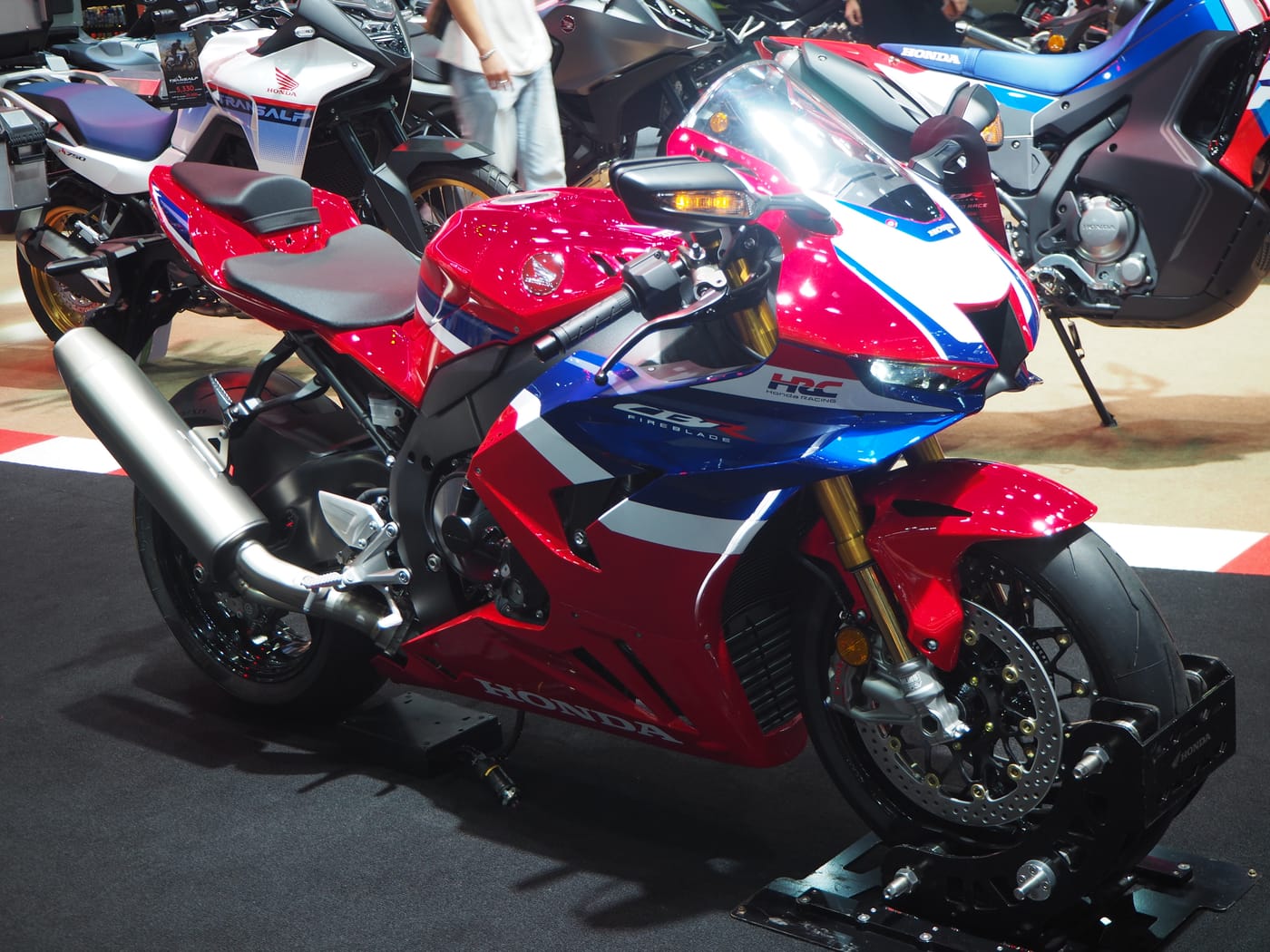
The Honda CBR250R was introduced in 2011 as a modern successor to earlier 250cc sportbikes, designed to offer an affordable and accessible entry-level sport motorcycle for new riders and commuters. It featured a single-cylinder 249cc engine with fuel injection and optional Combined ABS, making it one of the more technologically equipped 250cc bikes of its era. It was particularly popular in Asia, Australia, and emerging markets before being succeeded by the CBR300R in 2014.
26 hp
Power
22.9 Nm
Torque
161 kg
Weight
145 km/h
Top Speed
3.2 L/100km or approximately 31 km/L
Fuel
Faired
Body
🔧 Service Schedule & Parts
Affiliate · we may earn| Service item | Every | Typical cost | Parts |
|---|---|---|---|
| 🛢️ Engine oil + oil filter | 6,000 km / 3,500 mi or 12 mo | $40-80 | 🛢️ Buy → ⚙️ Buy → |
| 🌬️ Air filter | 12,000 km / 7,500 mi | — | 🌬️ Buy → |
| ⚡ Spark plugs | 12,000 km / 7,500 mi | — | ⚡ Buy → |
| 🔧 Valve clearance check | 24,000 km / 15,000 mi | $150-300 | |
| 🔗 Chain & sprockets | 20000-35000 km (replace) | $120-250 | 🔗 Buy → |
| 🛑 Brake pads | 15000-25000 km | $25-55 | 🛑 Buy → |
| 💧 Brake fluid | 24,000 km / 15,000 mi or 2 yr | — | |
| 🧊 Coolant | 24,000 km / 15,000 mi | — | |
| 🛞 Tires | 10000-18000 km | $180-350 | 🛞 Buy → |
| 🔩 Major service | 24,000 km / 15,000 mi | $250-500 |
Video Review
What Buyers Should Know
Bulletproof Reliability
The CBR250R's single-cylinder 249cc engine is known for exceptional longevity, often exceeding 50,000 miles with basic maintenance. Honda's engineering makes it one of the most dependable small-displacement bikes on the market.
Watch the Coolant System
Used CBR250Rs should be inspected for coolant leaks around the water pump and radiator hoses, as neglected coolant changes can cause corrosion over time. Always verify the cooling system was serviced regularly before buying used.
Strong Resale Value
The CBR250R holds its value well due to high demand from new riders and the low cost of ownership. A well-maintained example typically retains 60-70% of its value after three years, making it a smart financial choice.
Generations & Specs by Year
First CBR250R; inline four-cylinder engine, aerodynamic full fairing, rev-happy 45hp powerplant.
"A screaming quarter-litre that rewired what small bikes meant."
Nothing in 1986 prepared you for an inline-four 250 that demanded 14,000 rpm to feel alive — you had to completely relearn how to ride. That DOHC motor is intoxicating once you commit to keeping it on the boil, but below 9,000 rpm it's a bored commuter; above it, the thing transforms into something genuinely exciting. The full fairing cuts wind surprisingly well for highway stints, though the 156 kg wet weight feels noticeable when you're muscling it through slow traffic compared to the naked 250s of the era. Parts are increasingly scarce now, and the cooling system on early MC14s earned a reputation for needing attention if the previous owner wasn't diligent.
Pros
Cons
Revised chassis, updated suspension, minor aerodynamic and cosmetic refinements over MC14.
"A screaming quarter-litre that rewards obsessive rev-chasing."
Honda sharpened the MC17 over its predecessor in ways you actually feel — the revised chassis sits more neutral through corners, and the updated suspension handles mid-corner bumps without the nervous twitch the MC14 could throw at you on rough tarmac. You have to commit to that engine, though: below 10,000 rpm it's politely anaemic, but crack it past 12,000 and there's a surge of mechanical fury that sounds genuinely violent for 249cc. At 153 kg it's light enough to hustle through traffic and flickable enough on mountain roads to embarrass bigger bikes piloted by lazier riders. The honest weaknesses are real — highway riding above 140 km/h turns the bars into a mild vibration massage, and if you're a tall rider that 740 mm seat height combined with the committed forward crouch will have your lower back filing formal complaints by the second hour.
Pros
Cons
New twin-spar aluminum frame, improved braking, uprated suspension, refined fairing design.
"The quarter-litre that made grown men look foolish."
Honda's twin-spar aluminum frame transformed the MC19 from a capable learner bike into something that genuinely rewards skilled riding — corner entry is precise, confidence-inspiring, and the chassis communicates beautifully through your hands and knees. That 249cc inline-four screaming toward 15,000 rpm is an experience most modern riders will never understand; you earn every one of those 45 horses, but when you're committed to a rev range that would frighten a dentist, the bike feels alive in a way that bigger, lazier machines simply don't. The braking improvements over the MC14 are immediately noticeable — front bite is progressive without being grabby, and the revised suspension soaks up second-rate tarmac without going vague mid-corner. The honest downside is highway cruising: sitting at 130 km/h with that engine singing at 12,000-plus rpm is exhausting over distance, and your wrists will remind you this fairing was designed for circuits, not commutes.
Pros
Cons
Carbureted inline-four, revised styling, improved handling, became iconic sportbike in Japan and Australia.
"The tiny four-cylinder that rewired your brain forever."
Nothing prepares you for the first time that inline-four clears 12,000 rpm and the MC22 absolutely screams to 14,500 — it's an experience that makes every twin feel lazy by comparison. The chassis is telepathic at its limits; I've dragged knee through corners on this thing that would terrify riders on bikes with twice the displacement, because the feedback is so honest and the weight so manageable at 159 kg. Yes, below 8,000 rpm it's genuinely gutless, and city riding becomes a chore of constant gearchanges just to keep it on the boil. But find a mountain road and work those six gears hard, and you'll understand exactly why Australian club racers hoarded these things and why Japan's young riders named it a legend.
Pros
Cons
All-new single-cylinder 249cc engine, fuel injection, ABS option, global budget-market focus.
Used Buyer Review
"The safest used bike purchase a new rider can make."
$2,500-$4,500 usedThe CBR250R is Honda doing what Honda does best — making something utterly unbreakable and surprisingly competent. That single-cylinder 250 isn't going to set your hair on fire, but it pulls cleanly from low revs and the fuel injection means cold starts are drama-free every single morning. For urban commuting and back-road scratching, it genuinely delivers. Used examples are everywhere, and most have been ridden hard by new riders who dropped them exactly once in a parking lot — check the bar ends and fairings accordingly. The chassis is the real story here. Honda's PGM-FI injection and the steel tube frame make this thing handle with real confidence, and the ABS-equipped models are worth hunting down specifically. Seat height is friendly, ergonomics are upright enough to avoid wrist punishment on longer rides. Don't expect freeway comfort above 75mph though — that engine is spinning hard and the wind blast is real. Inspect the chain, check for crash damage under those plastic panels, and verify service history. These motors genuinely last forever when maintained properly.
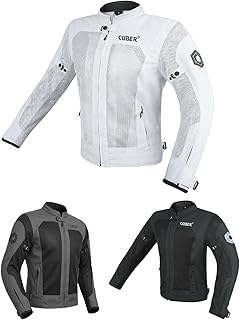
Top 10 Accessories
Curated picks for the Honda Cbr250r — owned, ridden, recommended.




Common Problems
🔥 1 CRITICALTest voltage at idle and rev, check battery health
Look under engine for pink residue or wetness
Cold start rattle that fades, listen carefully
Run through all gears, check oil change history
✅Pre-Purchase Checklist
Generally solid, neglect is the biggest killer
Full Specifications
Rivals & Alternatives
Bikes that buyers cross-shop with the Honda Cbr250r
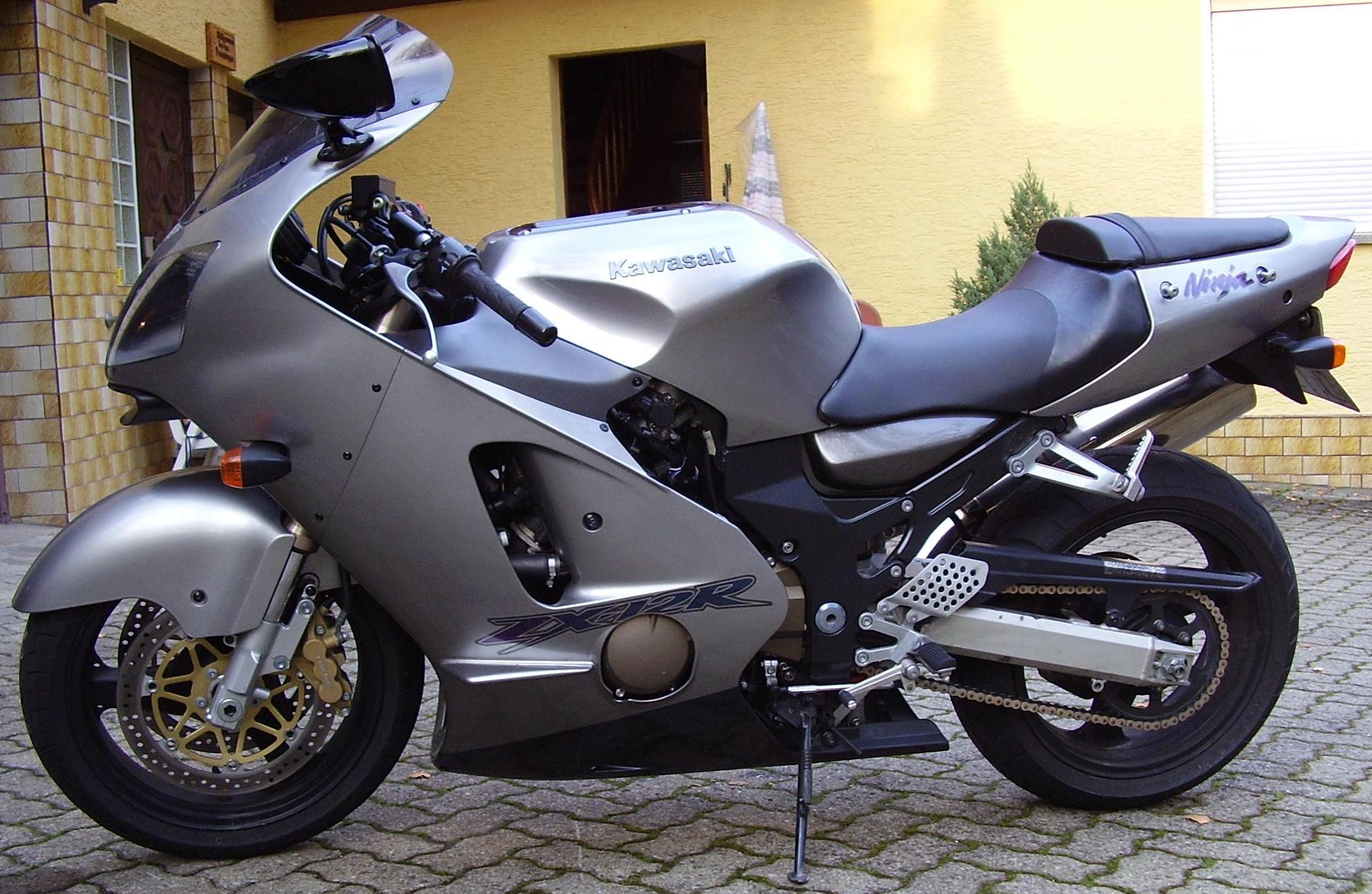
Kawasaki Ninja 300
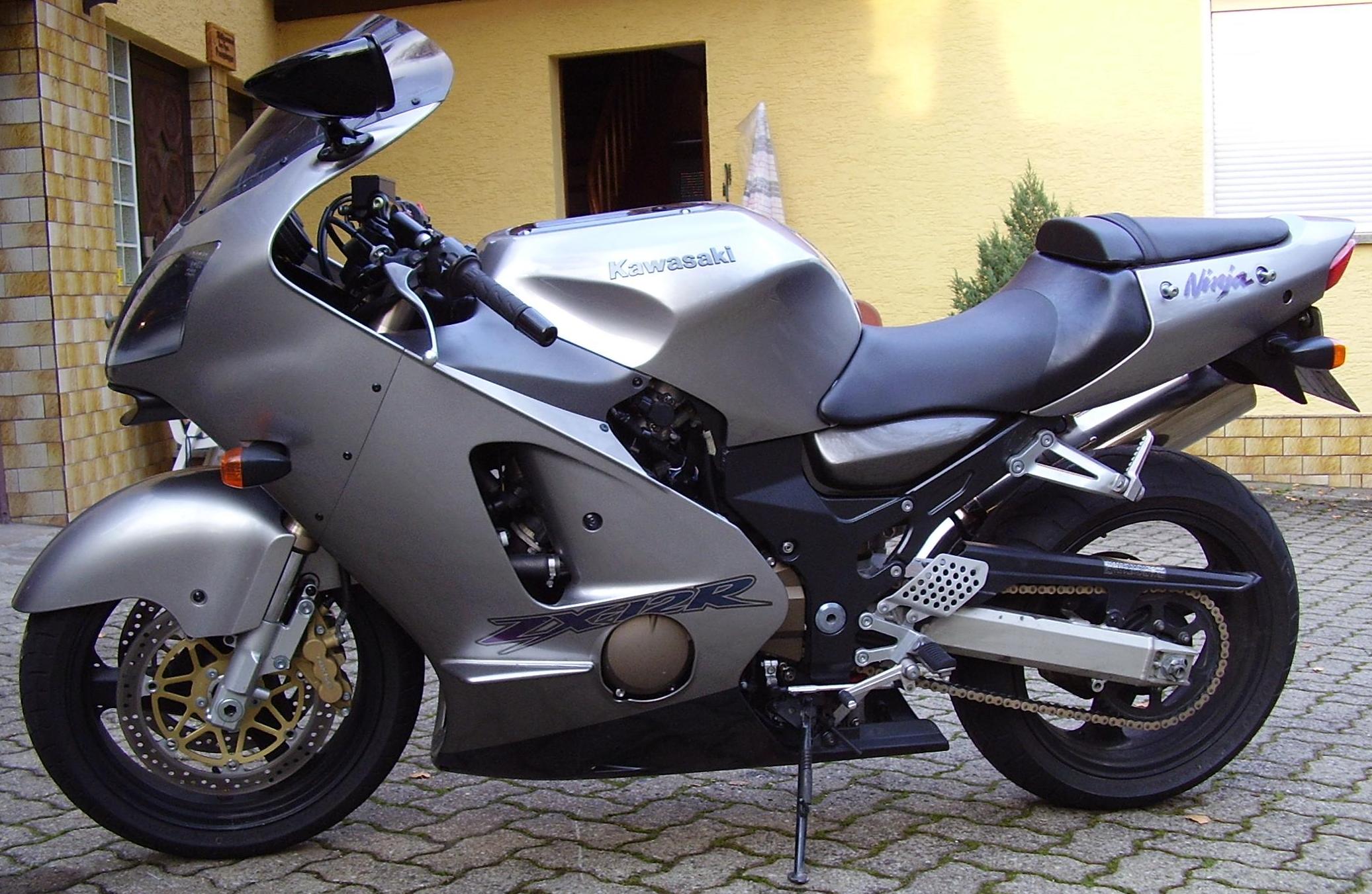
Kawasaki Ninja 250
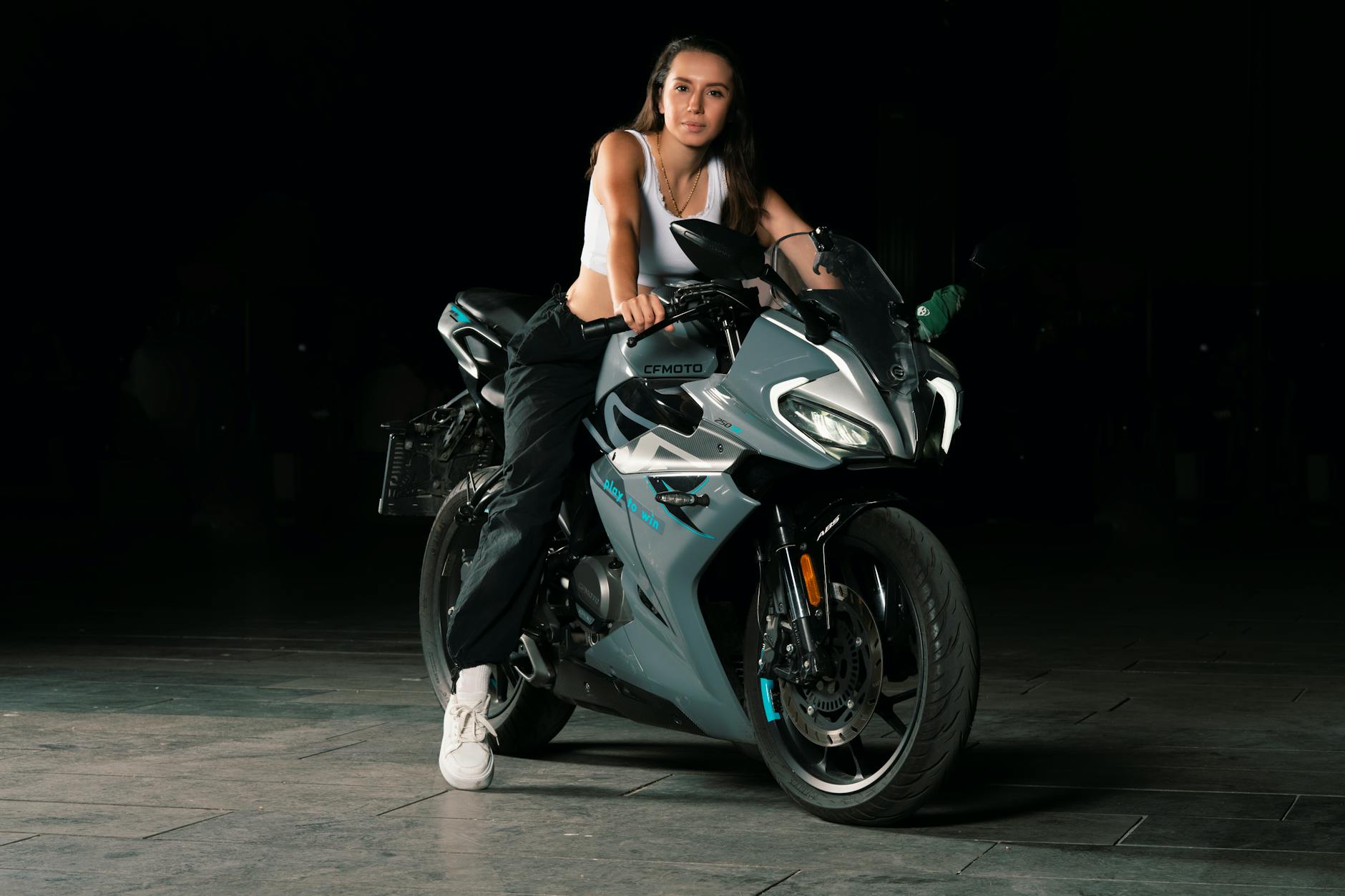
Cfmoto 250sr
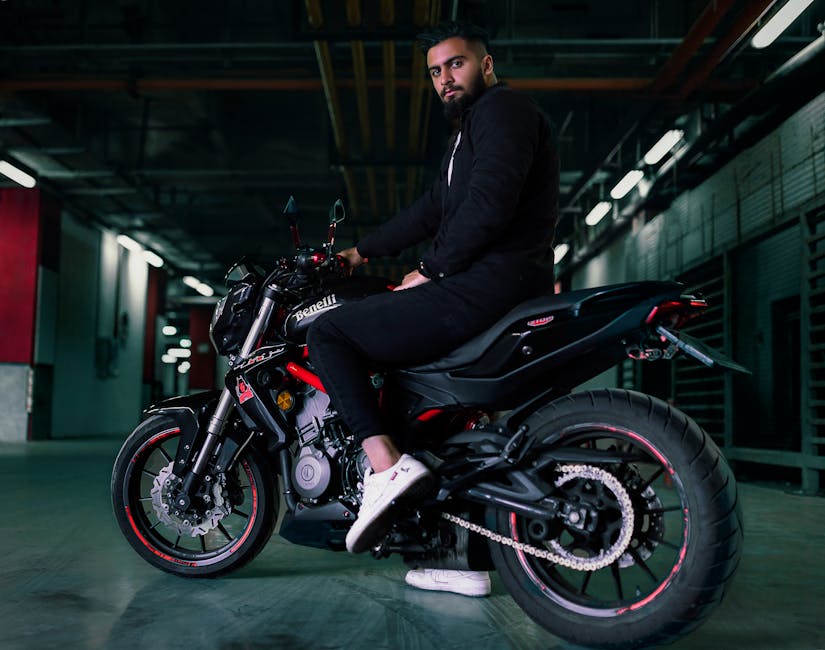
Benelli 249s
Hyosung Gt250r
Compare Honda Cbr250r Side-by-Side
compare_arrowsSpecs, power, weight & buyer verdict — head-to-head with the bikes most often cross-shopped.
Honda Cbr250r vs Kawasaki Ninja 300
Specs · Power · Buyer verdict
Honda Cbr250r vs Kawasaki Ninja 250
Specs · Power · Buyer verdict
Honda Cbr250r vs Cfmoto 250sr
Specs · Power · Buyer verdict
Honda Cbr250r vs Benelli 249s
Specs · Power · Buyer verdict
Honda Cbr250r vs Hyosung Gt250r
Specs · Power · Buyer verdict
More Honda Cbr250r Guides
More from Honda
View all Honda models →Community Reviews
Discussion
Frequently Asked Questions
What are common problems with the Honda Cbr250r? +
Rectifier/regulator failure, kills battery: Test voltage at idle and rev, check battery health (serious) | Coolant leaks from water pump seal: Look under engine for pink residue or wetness (moderate) | Worn cam chain tensioner, rattles on startup: Cold start rattle that fades, listen carefully (moderate)
Is the Honda Cbr250r a good motorcycle? +
The safest used bike purchase a new rider can make. Rating: 7.5/10. Best for: New riders wanting bulletproof urban daily transport. Avoid if: You already have any highway commuting needs.
What is the horsepower of the Honda Cbr250r? +
The Honda Cbr250r produces 26 hp @ 8,500 rpm, with 22.9 Nm @ 7,000 rpm of torque. Top speed: 145 km/h.
Is the Honda Cbr250r good for beginners? +
Yes — the Honda Cbr250r is a reasonable choice for new riders (26 hp is manageable), weighing 161 kg. New riders wanting bulletproof urban daily transport
Is the Honda Cbr250r reliable? +
Owners report 1 critical issue to watch for on the Honda Cbr250r, notably: Rectifier/regulator failure, kills battery (Test voltage at idle and rev, check battery health). Buy with a pre-purchase inspection.
Is the Honda Cbr250r good for daily use? +
New riders wanting bulletproof urban daily transport Fuel: 3.2 L/100km or approximately 31 km/L.
How fast is the Honda Cbr250r? +
The Honda Cbr250r reaches a top speed of 145 km/h, producing 26 hp at 161 kg curb weight. Real-world performance depends on rider weight, gearing, and road conditions.
What gear should I buy for a Honda Cbr250r? +
Motoryk has curated a Top 10 gear list specifically for the Honda Cbr250r, covering engine oil, tires, chain, battery, and brake pads — see motoryk.com/bikes/honda/cbr250r/top10. Each pick is matched to this bike's spec.