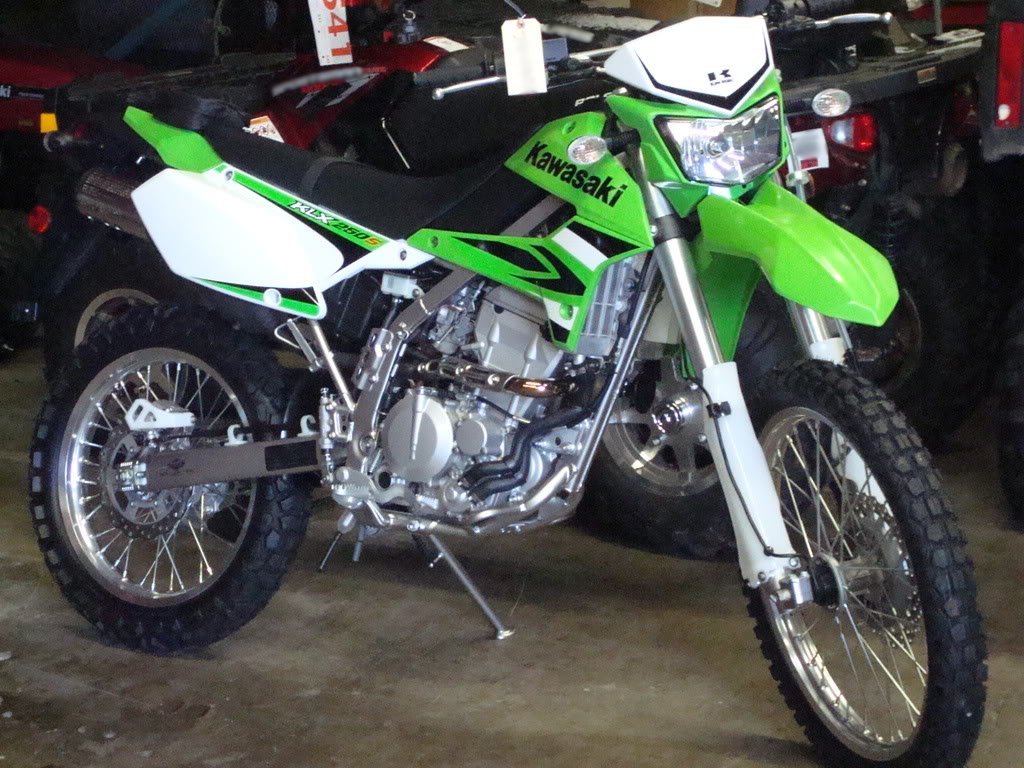
Kawasaki Klx 300
The Kawasaki Klx 300 has a top speed of 135 km/h (estimated; note: varies by rider weight and conditions), produces 21 hp and weighs 134 kg. Motoryk rates it 8/10.
A Kawasaki KLX300 foi originalmente introduzida em 1997 como uma motocicleta dual-esportiva/enduro construída em torno de um motor monocilíndrico de 292 cc refrigerado a líquido, voltada para ciclistas de trilhas que queriam uma máquina off-road capaz com credenciais legais de rua. Ela foi descontinuada no início dos anos 2000, mas foi revivida em 2020 com um design modernizado com injeção de combustível e suspensão atualizada, refletindo a crescente demanda por bicicletas esportivas duplas de tamanho médio. O KLX300 é notável por encontrar um equilíbrio entre a capacidade off-road e a dirigibilidade diária, tornando-o popular entre pilotos iniciantes e intermediários.
21 hp
Poder
23 Nm
Torque
134 kg
Peso
135 km/h (estimated; note: varies by rider weight and conditions)
Velocidade máxima
3.5 L/100km or approximately 28.5 km/L (typical real-world average)
Combustível
Nua
Corpo
🔧 Service Schedule & Parts
Affiliate · we may earn| Service item | Every | Typical cost | Parts |
|---|---|---|---|
| 🛢️ Engine oil + oil filter | 6,000 km / 3,500 mi or 12 mo | $40-80 | 🛢️ Buy → ⚙️ Buy → |
| 🌬️ Air filter | 12,000 km / 7,500 mi | — | 🌬️ Buy → |
| ⚡ Spark plugs | 12,000 km / 7,500 mi | — | ⚡ Buy → |
| 🔧 Valve clearance check | 24,000 km / 15,000 mi | $150-300 | |
| 🔗 Chain & sprockets | 20000-35000 km (replace) | $150-300 | 🔗 Buy → |
| 🛑 Brake pads | 15000-25000 km | $30-60 | 🛑 Buy → |
| 💧 Brake fluid | 24,000 km / 15,000 mi or 2 yr | — | |
| 🧊 Coolant | 24,000 km / 15,000 mi | — | |
| 🛞 Tires | 10000-20000 km | $180-350 | 🛞 Buy → |
| 🔩 Major service | 24,000 km / 15,000 mi | $250-500 |
Video Review
O que os compradores devem saber
Bulletproof Engine Reliability
The KLX 300 uses a proven single-cylinder liquid-cooled engine known for lasting well beyond 10,000 miles with basic maintenance. Regular oil changes every 1,500–2,000 miles are the key to its longevity.
Watch the Valve Clearances
The most common issue owners report is tight valve clearances after extended use, which can cause hard starting if ignored. Budget for a valve check around every 4,000 miles to avoid costly engine damage.
Strong Resale Value
The KLX 300 holds its value exceptionally well due to high demand and limited used market supply. A well-maintained example typically sells for 80–90% of its original price within the first two years.
Gerações e especificações por ano
O KLX300R original foi lançado com motor refrigerado a líquido de 292 cc, suspensão de longo curso e design off-road voltado para a competição.
"O single 300 mais difícil que você realmente poderia comprar."
Eu corri uma KLX300R 99 em duas temporadas de eventos de Enduro Ontário e várias centenas de quilômetros de estradas madeireiras de Quebec, e essa coisa simplesmente se recusou a quebrar. O motor DOHC refrigerado a líquido puxa com força a partir de 4.000 rpm e continua puxando de uma forma que sempre surpreende você — 22 cavalos de potência parecem modestos até que você o coloca em uma pista única apertada de segunda marcha e percebe que está indo mais rápido do que faz sentido. A suspensão é genuinamente específica para competições: os garfos e a articulação traseira do Kayaba absorvem pedras e raízes sem se afundar em compromissos esportivos duplos. Minhas queixas sinceras são a altura do assento de 895 mm que me fez andar na ponta dos pés em cascalho solto, o jato que precisou de um clipe de agulha totalmente mais rico no momento em que as temperaturas caíram abaixo de 10° C e o fato de a Kawasaki nunca dar partida elétrica — no final de um longo dia com as pernas cansadas, esse chute ganha palavrões reais.
Prós
Contras
Renascido como variantes KLX300 e KLX300SM legais nas ruas, injeção de combustível, chassi atualizado e reposicionamento com foco em dois esportes.
Avaliação do comprador usado
"A genuinely capable dual-sport that rarely disappoints experienced or newer riders."
$4,500-$6,500 usedThe KLX300 is one of those bikes that just makes sense. Kawasaki got the fuel injection right on these, and reliability has been solid across the board — I've yet to hear a horror story from someone who maintained one properly. The suspension is plush enough for trail riding but firm enough that it doesn't wallow on gravel roads, which is a tough balance to strike at this price point. If you find one with decent service history, it'll likely run forever. Used examples tend to hold value stubbornly, so don't expect bargains. Watch for crash damage around the radiator shrouds and check the subframe — adventure riders who got ambitious sometimes bent them. Fork seals are a common wear item, so budget for those if the seller hasn't addressed them. Otherwise, mechanically these are pretty bulletproof.
Variants of the Kawasaki Klx 300
Same bike, different trim or year-range — pick the one matching the listing.
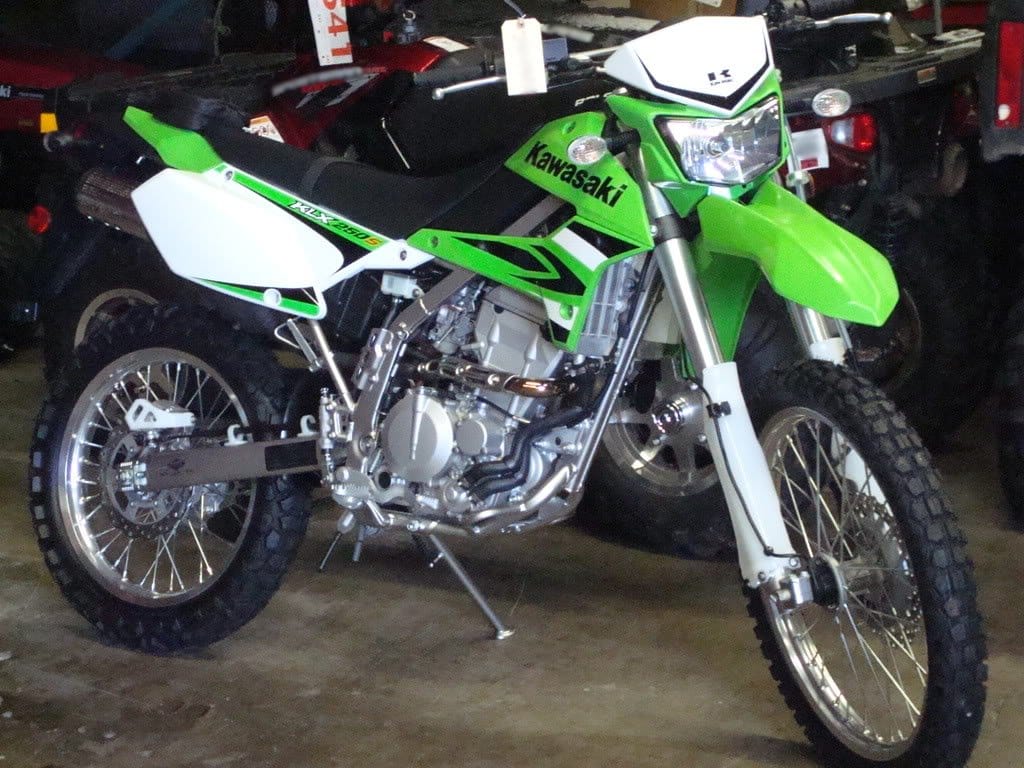
Top 10 Accessories
Curated picks for the Kawasaki Klx 300 — owned, ridden, recommended.


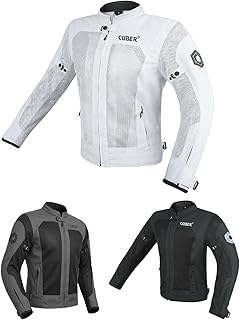


Problemas comuns
🔥 1 CRITICALCold start issues, rough idle, hesitation on throttle
Rattling on startup, listen at top of engine
Oil residue on fork tubes below seals
Hard starting, ask for valve service history
✅Lista de verificação de pré-compra
Solid reliable bike, easy cheap maintenance overall
Full Specifications
Rivals & Alternatives
Bikes that buyers cross-shop with the Kawasaki Klx 300
Compare Kawasaki Klx 300 Side-by-Side
compare_arrowsSpecs, power, weight & buyer verdict — head-to-head with the bikes most often cross-shopped.
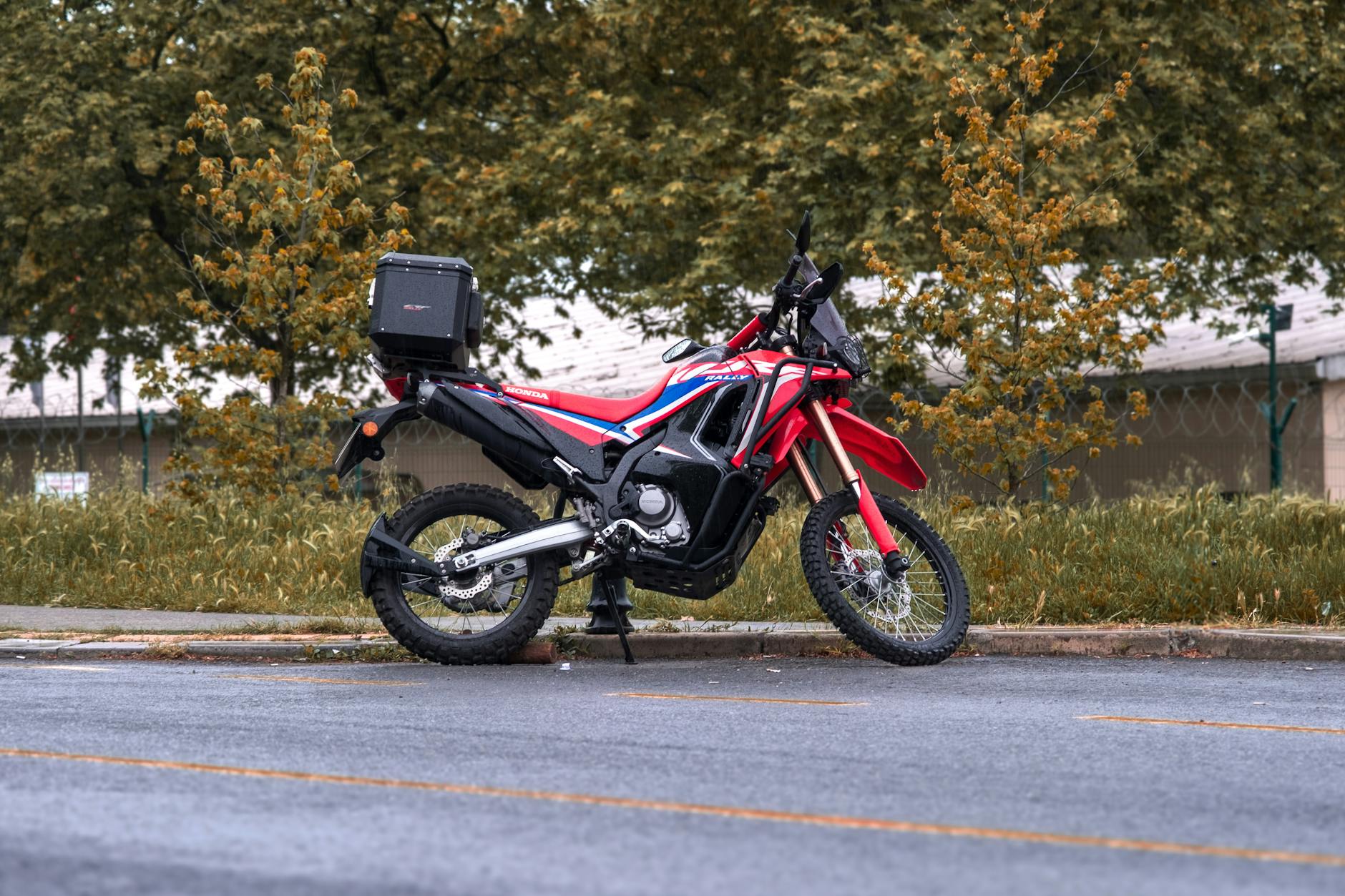
Kawasaki Klx 300 vs Honda Crf300l
Specs · Power · Buyer verdict

Kawasaki Klx 300 vs Kawasaki Klx 230
Specs · Power · Buyer verdict
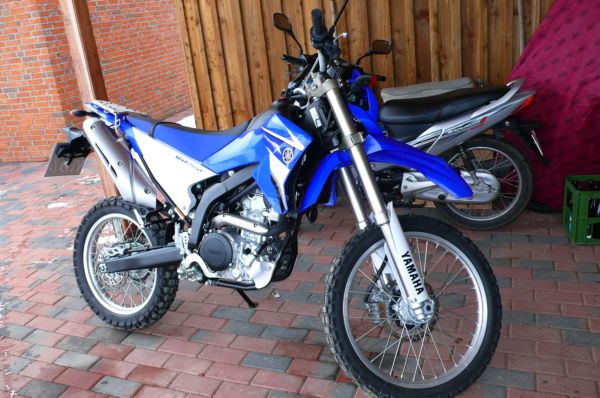
Kawasaki Klx 300 vs Yamaha Wr250r
Specs · Power · Buyer verdict
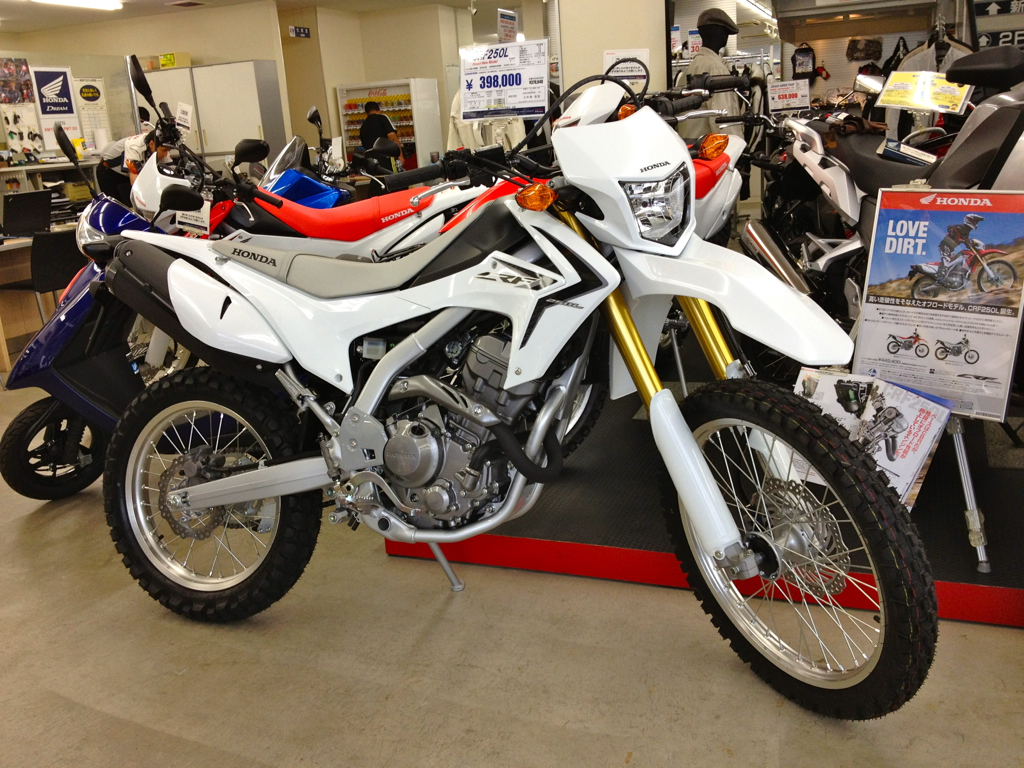
Kawasaki Klx 300 vs Honda Crf250l
Specs · Power · Buyer verdict
More Kawasaki Klx 300 Guides
More from Kawasaki
View all Kawasaki models →Community Reviews
Discussion
Frequently Asked Questions
What are common problems with the Kawasaki Klx 300? +
Carburetor jetting and pilot jet clogging: Cold start issues, rough idle, hesitation on throttle (moderate) | Worn cam chain tensioner causing engine noise: Rattling on startup, listen at top of engine (moderate) | Fork seal leaks from age or neglect: Oil residue on fork tubes below seals (moderate)
Is the Kawasaki Klx 300 a good motorcycle? +
A genuinely capable dual-sport that rarely disappoints experienced or newer riders. Rating: 8.0/10. Best for: Intermediate riders wanting reliable trail-to-tarmac versatility. Avoid if: You need highway comfort or serious horsepower.
What is the horsepower of the Kawasaki Klx 300? +
The Kawasaki Klx 300 produces 21 hp @ 8,000 rpm (estimated; Kawasaki does not officially publish power figures for this model), with 23 Nm @ 6,500 rpm (estimated; Kawasaki does not officially publish torque figures for this model) of torque. Top speed: 135 km/h (estimated; note: varies by rider weight and conditions).
Is the Kawasaki Klx 300 good for beginners? +
Yes — the Kawasaki Klx 300 is a reasonable choice for new riders (21 hp is manageable), weighing 134 kg. Intermediate riders wanting reliable trail-to-tarmac versatility
Is the Kawasaki Klx 300 reliable? +
Owners report 1 critical issue to watch for on the Kawasaki Klx 300, notably: Valve clearance out of spec from high hours (Hard starting, ask for valve service history). Buy with a pre-purchase inspection.
Is the Kawasaki Klx 300 good for daily use? +
Intermediate riders wanting reliable trail-to-tarmac versatility Fuel: 3.5 L/100km or approximately 28.5 km/L (typical real-world average).
How fast is the Kawasaki Klx 300? +
The Kawasaki Klx 300 reaches a top speed of 135 km/h (estimated; note: varies by rider weight and conditions), producing 21 hp at 134 kg curb weight. Real-world performance depends on rider weight, gearing, and road conditions.
What gear should I buy for a Kawasaki Klx 300? +
Motoryk has curated a Top 10 gear list specifically for the Kawasaki Klx 300, covering engine oil, tires, chain, battery, and brake pads — see motoryk.com/bikes/kawasaki/klx-300/top10. Each pick is matched to this bike's spec.