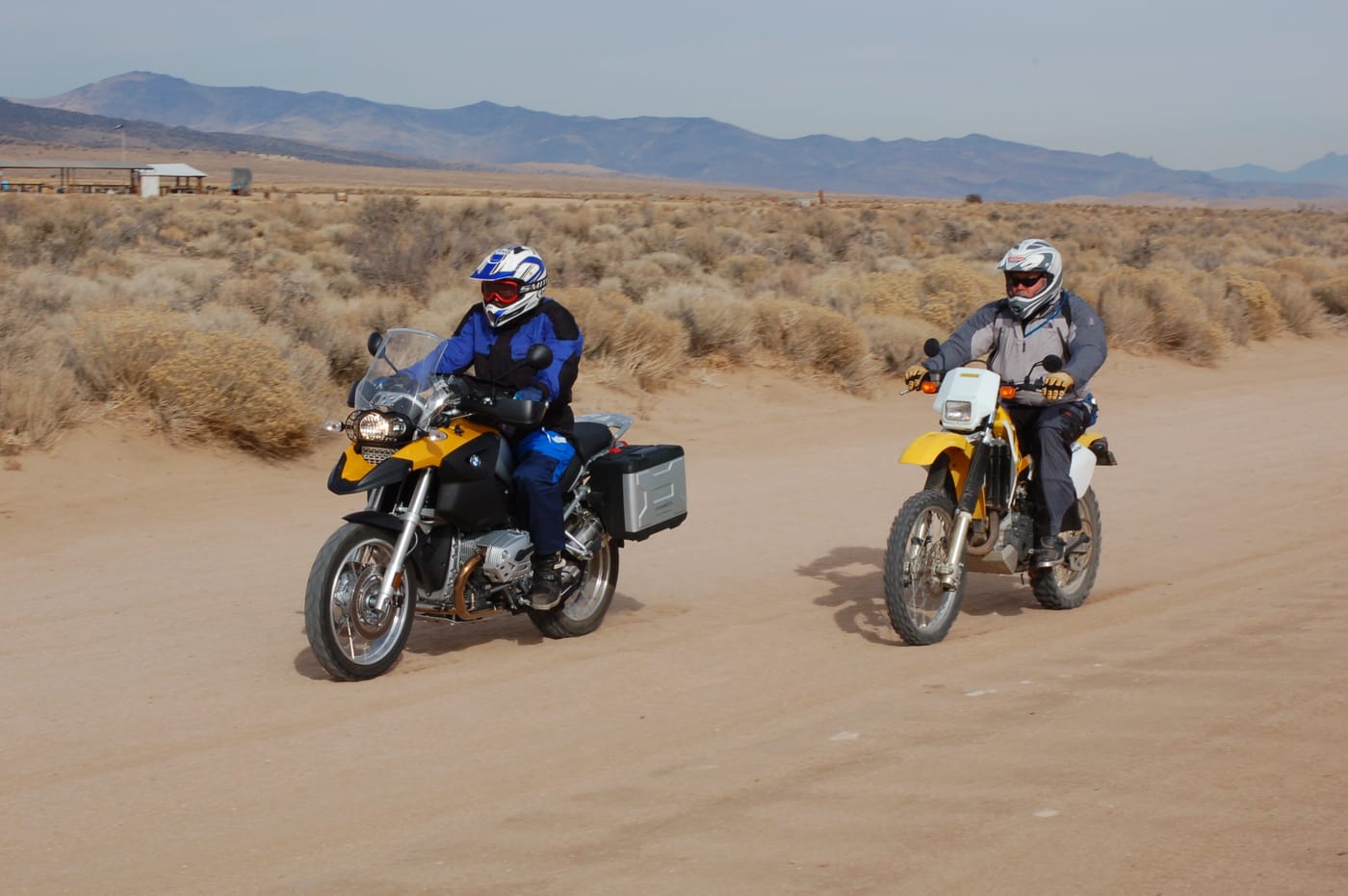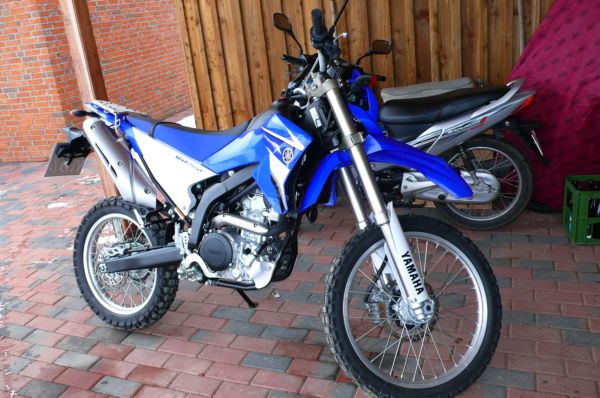
Yamaha Wr250r
The Yamaha Wr250r has a top speed of 145 km/h, produces 30 hp and weighs 134 kg. Motoryk rates it 8.5/10.
The Yamaha WR250R was introduced in 2008 as a road-legal dual-sport motorcycle designed for both on-road and off-road use, featuring a high-revving fuel-injected 250cc engine at a time when most competitors still used carburetors. It quickly earned a reputation for reliability, versatility, and strong performance in its class, making it popular among adventure riders and commuters alike. The model remained largely unchanged through its production run, a testament to its well-sorted design, though it was discontinued in most markets around 2019-2020.
30 hp
Power
24 Nm
Torque
134 kg
Weight
145 km/h
Top Speed
3.5 L/100km or approximately 28.5 km/L (typical real-world average)
Fuel
Naked
Body
🔧 Service Schedule & Parts
Affiliate · we may earn| Service item | Every | Typical cost | Parts |
|---|---|---|---|
| 🛢️ Engine oil + oil filter | 6,000 km / 3,500 mi or 12 mo | $40-80 | 🛢️ Buy → ⚙️ Buy → |
| 🌬️ Air filter | 12,000 km / 7,500 mi | — | 🌬️ Buy → |
| ⚡ Spark plugs | 12,000 km / 7,500 mi | — | ⚡ Buy → |
| 🔧 Valve clearance check | 24,000 km / 15,000 mi | $150-300 | |
| 🔗 Chain & sprockets | 25000-40000 km (replace) | $150-300 | 🔗 Buy → |
| 🛑 Brake pads | 15000-30000 km | $30-60 | 🛑 Buy → |
| 💧 Brake fluid | 24,000 km / 15,000 mi or 2 yr | — | |
| 🧊 Coolant | 24,000 km / 15,000 mi | — | |
| 🛞 Tires | 10000-20000 km | $200-400 | 🛞 Buy → |
| 🔩 Major service | 24,000 km / 15,000 mi | $300-600 |
Video Review

What Buyers Should Know
Exceptional Long-Term Reliability
The WR250R is renowned for its fuel-injected 250cc engine that routinely surpasses 20,000–30,000 miles with minimal issues when properly maintained. Its street-legal dual-sport design means it was built to stricter standards than pure off-road bikes.
Strong Resale Value
Discontinued after 2020, the WR250R holds its value exceptionally well and often sells used for close to its original MSRP. Demand consistently outpaces supply, making it one of the best-reselling small dual-sports on the market.
Watch for Stator Issues
A known weak point is the stator, which can fail on higher-mileage bikes, leaving you stranded without charging power. Always check the charging system output before buying used, and budget for a potential stator replacement.
Generations & Specs by Year
Single generation; no major redesigns. Fuel-injected 250cc thumper, unchanged core platform throughout production run.
"The dual-sport benchmark that never needed fixing."
Yamaha built this thing once and got it right — the WR250R is the most confidence-inspiring small dual-sport I've thrown a leg over, with a fuel-injected DOHC motor that pulls cleanly from 3,000 rpm and never blubbered on cold mornings the way carbed competitors did. The chassis is genuinely planted on loose gravel and tight singletrack, and at 132 kg you feel that weight advantage the moment a trail tightens up. That said, 30 horsepower hits a ceiling fast on the highway — sitting at 120 km/h is honest work, and anything beyond that is buzzy, vibrating, wishful thinking. The price always stung too; Yamaha charged near-premium money for a bike they refused to update, and finding a used one in clean shape has become a small sport of its own.
Pros
Cons
Used Buyer Review
"The benchmark used dual-sport buy if budget allows."
$4,500-$7,500 usedThe WR250R is one of those rare bikes that does exactly what Yamaha promised and keeps doing it fifteen years later. It's genuinely dual-sport capable — not trail-capable-with-asterisks like most street-registered dirt bikes. The liquid-cooled 250 four-stroke makes around 30hp, which sounds modest until you're threading singletrack at altitude and realizing the engine never misses a beat. Fuel injection on all years means easy cold starts and consistent throttle response whether you're at sea level or 10,000 feet. Used examples hold value stubbornly because the owner community knows what they have. Buying used, check the suspension linkage bearings — they're notorious for neglect and expensive to rebuild properly. Ask specifically whether the owner ever serviced the rear shock linkage. Also verify it hasn't been dropped hard on the right side; that radiator sits exposed. Most WR250Rs live easy lives as weekend adventurers, so finding a clean example isn't difficult. Budget for new tires immediately regardless of what's fitted.
Top 10 Accessories
Curated picks for the Yamaha Wr250r — owned, ridden, recommended.




Common Problems
🔥 1 CRITICALBattery voltage at idle, look for dimming lights
White residue below water pump weep hole
Rough idle, hanging RPMs after throttle release
Fork seals leaking oil, rear shock sag and bounce
✅Pre-Purchase Checklist
Very reliable if maintained, buy with confidence
Full Specifications
Rivals & Alternatives
Bikes that buyers cross-shop with the Yamaha Wr250r
Compare Yamaha Wr250r Side-by-Side
compare_arrowsSpecs, power, weight & buyer verdict — head-to-head with the bikes most often cross-shopped.
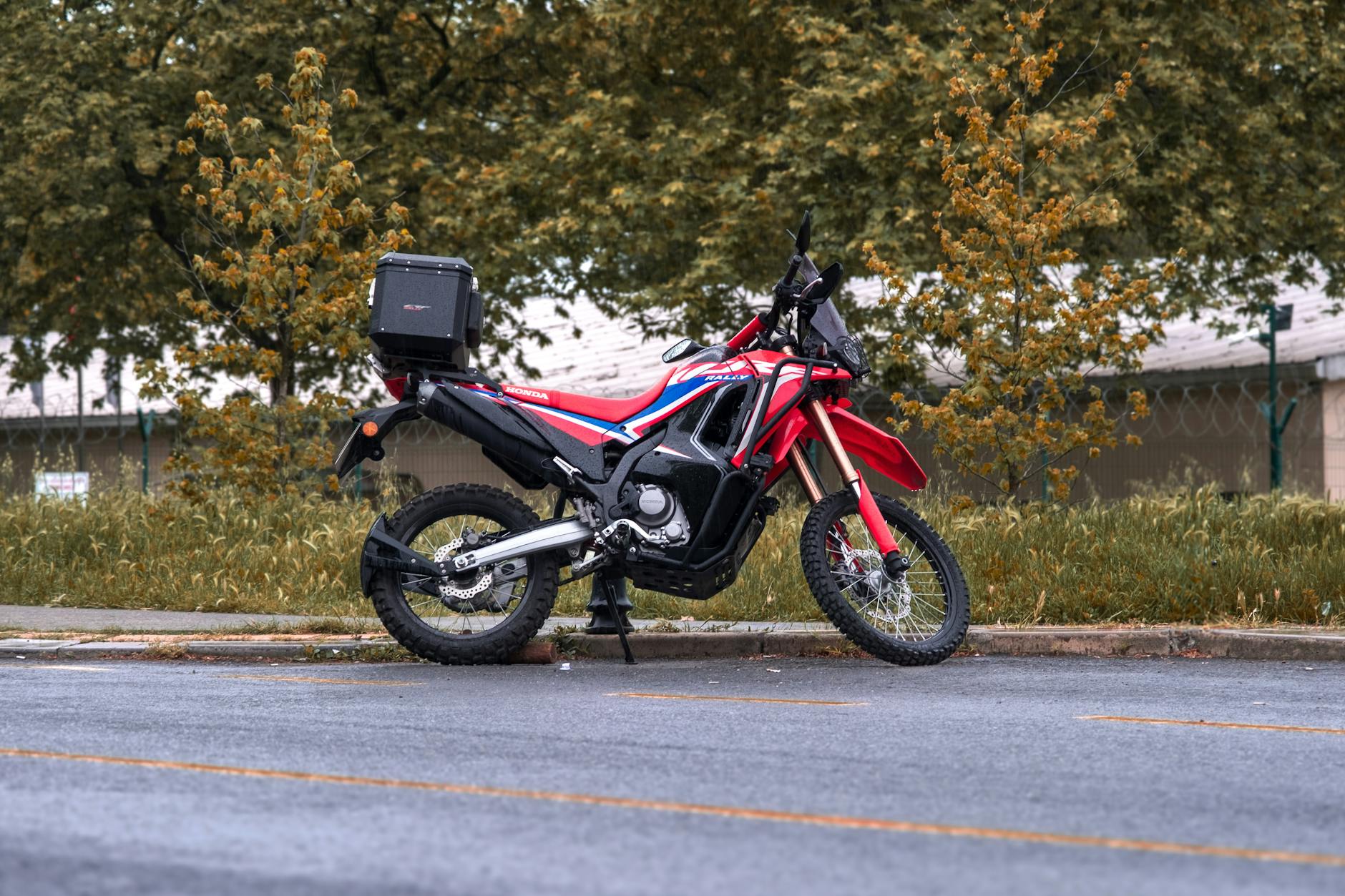
Yamaha Wr250r vs Honda Crf300l
Specs · Power · Buyer verdict
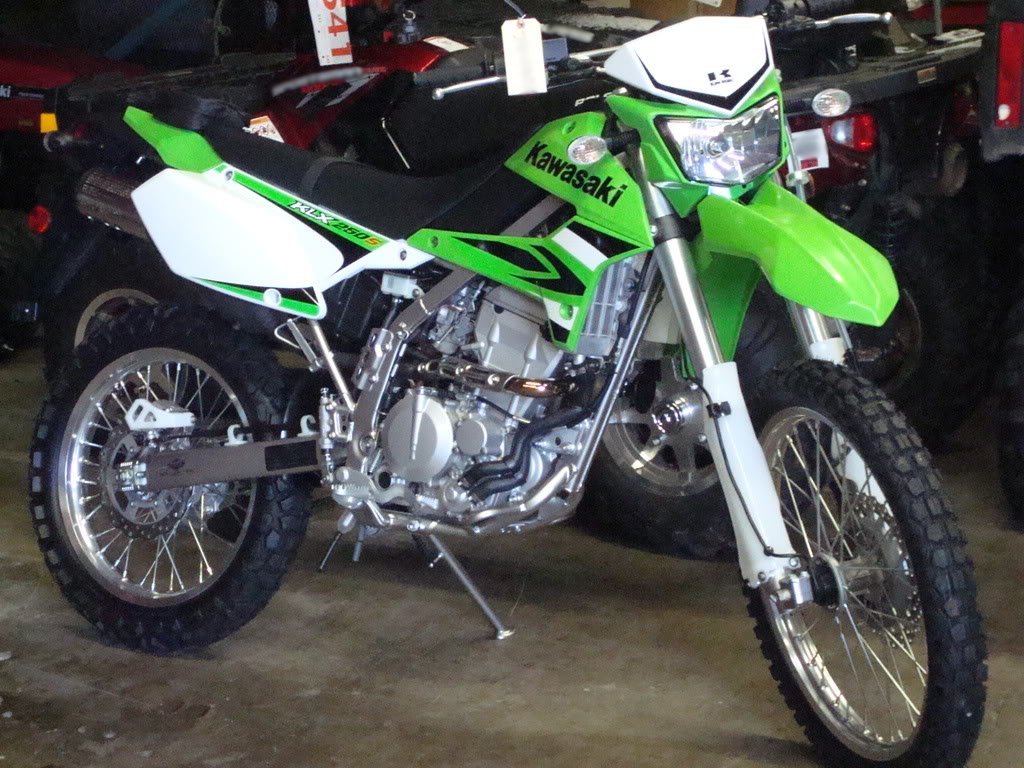
Yamaha Wr250r vs Kawasaki Klx 300
Specs · Power · Buyer verdict
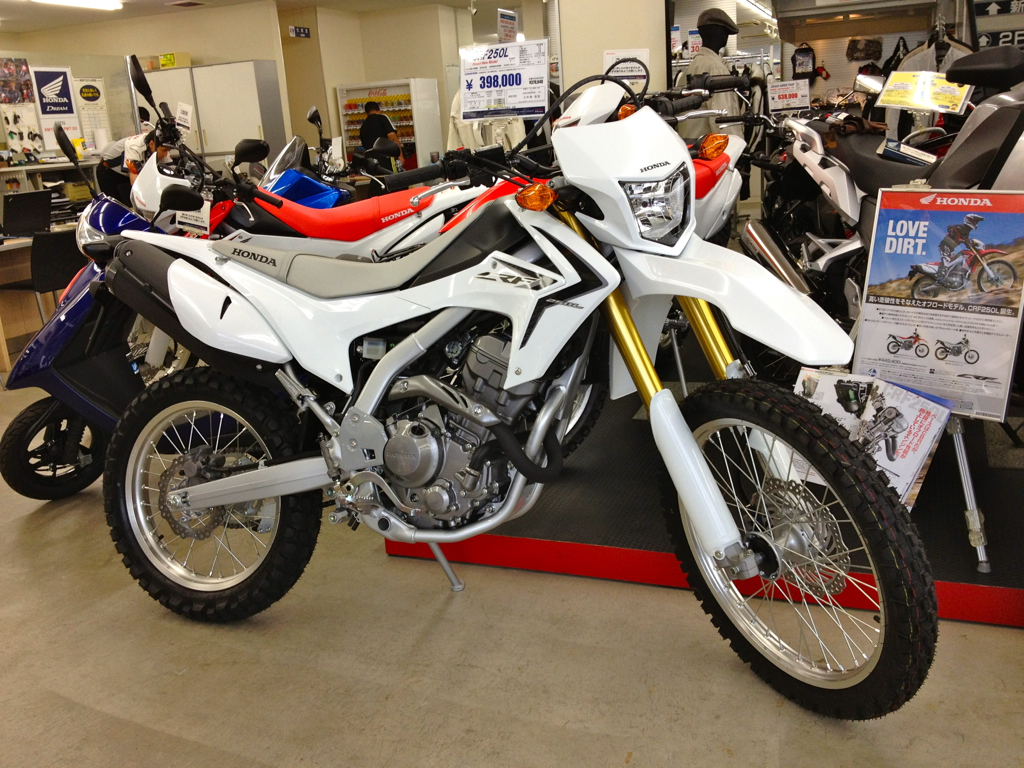
Yamaha Wr250r vs Honda Crf250l
Specs · Power · Buyer verdict

Yamaha Wr250r vs Ktm 300 Exc Tpi
Specs · Power · Buyer verdict
More Yamaha Wr250r Guides
More from Yamaha
View all Yamaha models →Community Reviews
Discussion
Frequently Asked Questions
What are common problems with the Yamaha Wr250r? +
Stator failure causing charging system issues: Battery voltage at idle, look for dimming lights (serious) | Coolant weep hole leaking from water pump: White residue below water pump weep hole (moderate) | Throttle body and idle screw gumming up: Rough idle, hanging RPMs after throttle release (minor)
Is the Yamaha Wr250r a good motorcycle? +
The benchmark used dual-sport buy if budget allows. Rating: 8.5/10. Best for: Adventure riders wanting genuine off-road dual-sport capability. Avoid if: You primarily commute highways at high speeds.
What is the horsepower of the Yamaha Wr250r? +
The Yamaha Wr250r produces 30 hp @ 10,000 rpm, with 24 Nm @ 8,000 rpm of torque. Top speed: 145 km/h.
Is the Yamaha Wr250r good for beginners? +
Yes — the Yamaha Wr250r is a reasonable choice for new riders (30 hp is manageable), weighing 134 kg. Adventure riders wanting genuine off-road dual-sport capability
Is the Yamaha Wr250r reliable? +
Owners report 1 critical issue to watch for on the Yamaha Wr250r, notably: Stator failure causing charging system issues (Battery voltage at idle, look for dimming lights). Buy with a pre-purchase inspection.
Is the Yamaha Wr250r good for daily use? +
Adventure riders wanting genuine off-road dual-sport capability Fuel: 3.5 L/100km or approximately 28.5 km/L (typical real-world average).
How fast is the Yamaha Wr250r? +
The Yamaha Wr250r reaches a top speed of 145 km/h, producing 30 hp at 134 kg curb weight. Real-world performance depends on rider weight, gearing, and road conditions.
What gear should I buy for a Yamaha Wr250r? +
Motoryk has curated a Top 10 gear list specifically for the Yamaha Wr250r, covering engine oil, tires, chain, battery, and brake pads — see motoryk.com/bikes/yamaha/wr250r/top10. Each pick is matched to this bike's spec.