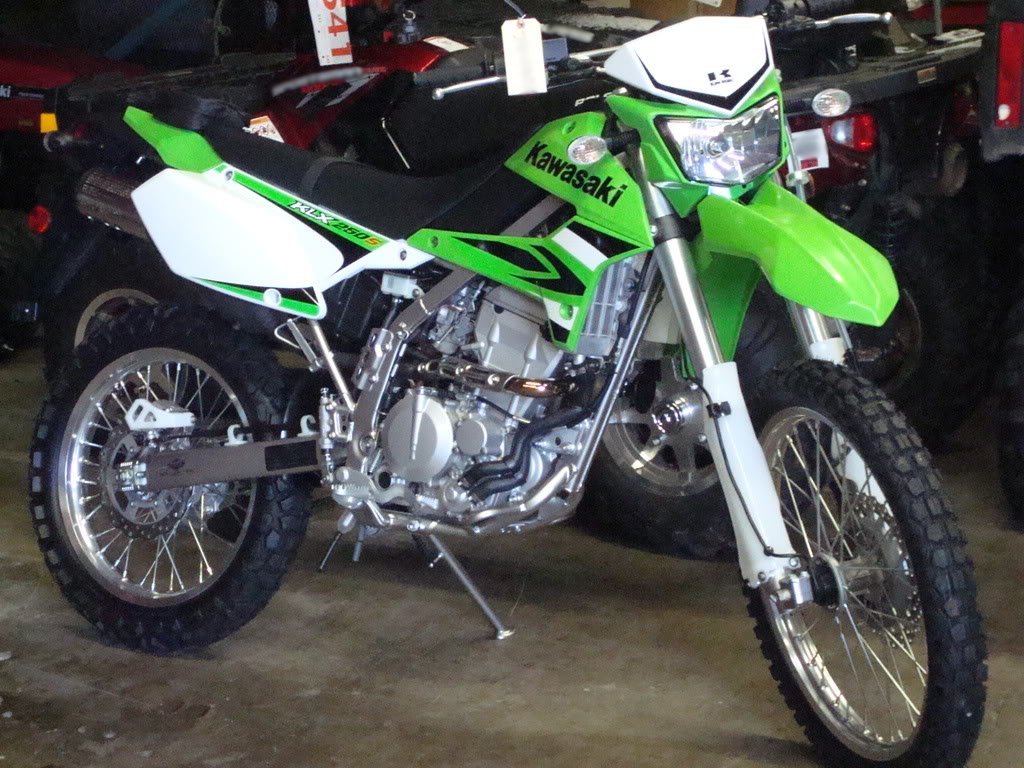
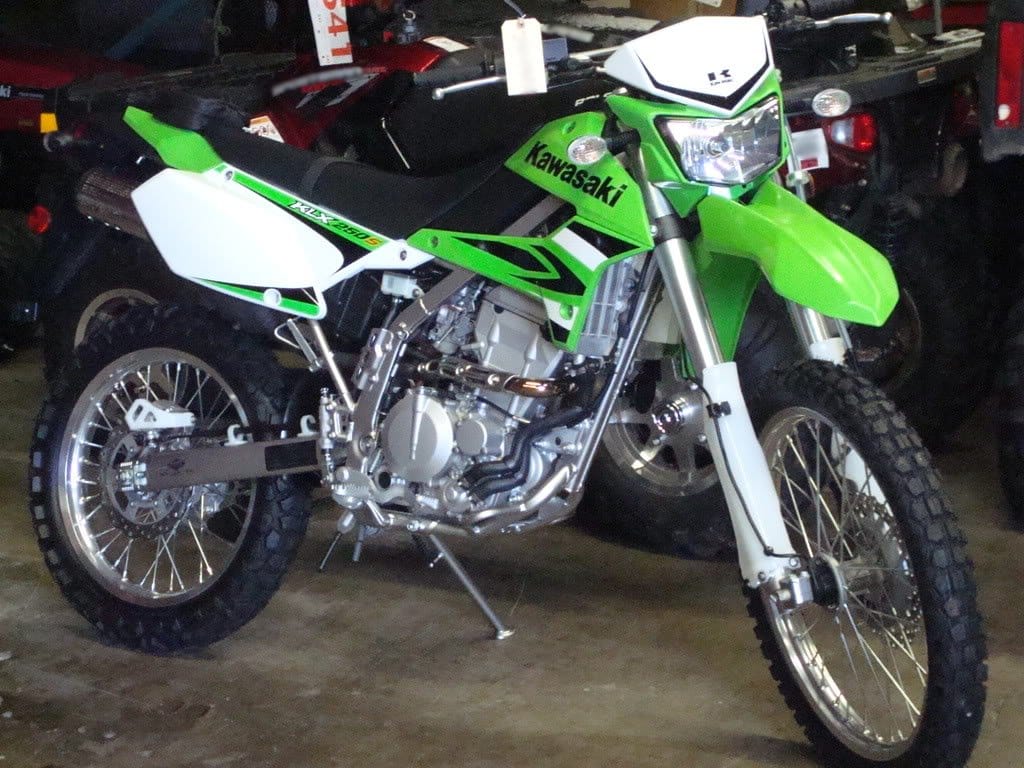
Kawasaki Klx 300
The Kawasaki Klx 300 has a top speed of 135 km/h (estimated; note: varies by rider weight and conditions), produces 21 hp and weighs 134 kg. Motoryk rates it 8/10.
Kawasaki KLX300 został pierwotnie wprowadzony w 1997 roku jako motocykl podwójny sportowy/enduro zbudowany wokół chłodzonego cieczą jednocylindrowego silnika 292 cm3, skierowany do kierowców szlaków, którzy chcieli sprawnej maszyny terenowej z uprawnieniami ulicznymi. Został wycofany na początku 2000 roku, ale został odrodzony w 2020 roku dzięki zmodernizowanej konstrukcji z wtryskiem paliwa i zaktualizowanym zawieszeniem, odzwierciedlając rosnące zapotrzebowanie na średniej wielkości rowery podwójne sportowe. KLX300 wyróżnia się zachowaniem równowagi między zdolnościami terenowymi a codzienną jazdą, dzięki czemu jest popularny zarówno wśród początkujących, jak i średniozaawansowanych zawodników.
21 hp
Moc
23 Nm
Moment obrotowy
134 kg
Waga
135 km/h (estimated; note: varies by rider weight and conditions)
Prędkość maksymalna
3.5 L/100km or approximately 28.5 km/L (typical real-world average)
Paliwo
Nagie
Ciało
🔧 Service Schedule & Parts
Affiliate · we may earn| Service item | Every | Typical cost | Parts |
|---|---|---|---|
| 🛢️ Engine oil + oil filter | 6,000 km / 3,500 mi or 12 mo | $40-80 | 🛢️ Buy → ⚙️ Buy → |
| 🌬️ Air filter | 12,000 km / 7,500 mi | — | 🌬️ Buy → |
| ⚡ Spark plugs | 12,000 km / 7,500 mi | — | ⚡ Buy → |
| 🔧 Valve clearance check | 24,000 km / 15,000 mi | $150-300 | |
| 🔗 Chain & sprockets | 20000-35000 km (replace) | $150-300 | 🔗 Buy → |
| 🛑 Brake pads | 15000-25000 km | $30-60 | 🛑 Buy → |
| 💧 Brake fluid | 24,000 km / 15,000 mi or 2 yr | — | |
| 🧊 Coolant | 24,000 km / 15,000 mi | — | |
| 🛞 Tires | 10000-20000 km | $180-350 | 🛞 Buy → |
| 🔩 Major service | 24,000 km / 15,000 mi | $250-500 |
Video Review
Co kupujący powinni wiedzieć
Bulletproof Engine Reliability
The KLX 300 uses a proven single-cylinder liquid-cooled engine known for lasting well beyond 10,000 miles with basic maintenance. Regular oil changes every 1,500–2,000 miles are the key to its longevity.
Watch the Valve Clearances
The most common issue owners report is tight valve clearances after extended use, which can cause hard starting if ignored. Budget for a valve check around every 4,000 miles to avoid costly engine damage.
Strong Resale Value
The KLX 300 holds its value exceptionally well due to high demand and limited used market supply. A well-maintained example typically sells for 80–90% of its original price within the first two years.
Pokolenia i specyfikacje według roku
Oryginalny KLX300R wprowadzony na rynek z silnikiem chłodzonym cieczą 292 cm3, zawieszeniem o długim skoku, zorientowanym na konkurencję konstrukcją terenową.
"Najtrudniejszy singel 300, jaki możesz kupić."
Przeprowadziłem KLX300R z '99 przez dwa sezony imprez Enduro Ontario i kilkaset kilometrów dróg w Quebecu, a ta rzecz po prostu odmówiła pęknięcia. Chłodzony cieczą silnik DOHC ciągnie mocno z prędkością 4000 obr./min i ciągnie ciągle w sposób, który Cię zaskakuje za każdym razem - 22 KM brzmi skromnie, dopóki nie przypięjesz go przez ciasny jednobieg drugiego biegu i nie zdasz sobie sprawy, że jedziesz szybciej niż ma sens. Zawieszenie ma prawdziwą specyfikę konkurencyjną: widelce Kayaba i tylne podwozie pochłaniają kamienie i korzenie bez tarzania się na kompromisach w dwóch sportach. Moim szczerym chwytem jest wysokość siedziska 895 mm, która sprawiła, że paluszek na luźnym żwirze, strumień, który wymagał pełnego bogatszego zacisku igły w momencie, gdy temperatura spadła poniżej 10°C, oraz fakt, że Kawasaki nigdy nie uruchomiło go elektrycznie - pod koniec długiego dnia z zmęczonymi nogami ten kopniak zarabia prawdziwe wulgaryzmy.
Plusy
Wady
Odrodzony jako legalne warianty KLX300 i KLX300SM, wtrysk paliwa, zaktualizowane podwozie, repozycjonowanie skoncentrowane na dwóch sportach.
Recenzja używanego kupującego
"A genuinely capable dual-sport that rarely disappoints experienced or newer riders."
$4,500-$6,500 usedThe KLX300 is one of those bikes that just makes sense. Kawasaki got the fuel injection right on these, and reliability has been solid across the board — I've yet to hear a horror story from someone who maintained one properly. The suspension is plush enough for trail riding but firm enough that it doesn't wallow on gravel roads, which is a tough balance to strike at this price point. If you find one with decent service history, it'll likely run forever. Used examples tend to hold value stubbornly, so don't expect bargains. Watch for crash damage around the radiator shrouds and check the subframe — adventure riders who got ambitious sometimes bent them. Fork seals are a common wear item, so budget for those if the seller hasn't addressed them. Otherwise, mechanically these are pretty bulletproof.
Variants of the Kawasaki Klx 300
Same bike, different trim or year-range — pick the one matching the listing.
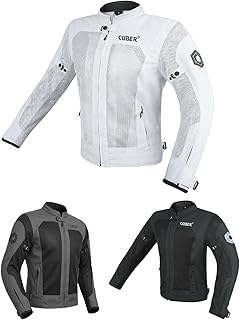
Top 10 Accessories
Curated picks for the Kawasaki Klx 300 — owned, ridden, recommended.




Typowe problemy
🔥 1 CRITICALCold start issues, rough idle, hesitation on throttle
Rattling on startup, listen at top of engine
Oil residue on fork tubes below seals
Hard starting, ask for valve service history
✅Lista kontrolna przed zakupem
Solid reliable bike, easy cheap maintenance overall
Full Specifications
Rivals & Alternatives
Bikes that buyers cross-shop with the Kawasaki Klx 300
Compare Kawasaki Klx 300 Side-by-Side
compare_arrowsSpecs, power, weight & buyer verdict — head-to-head with the bikes most often cross-shopped.
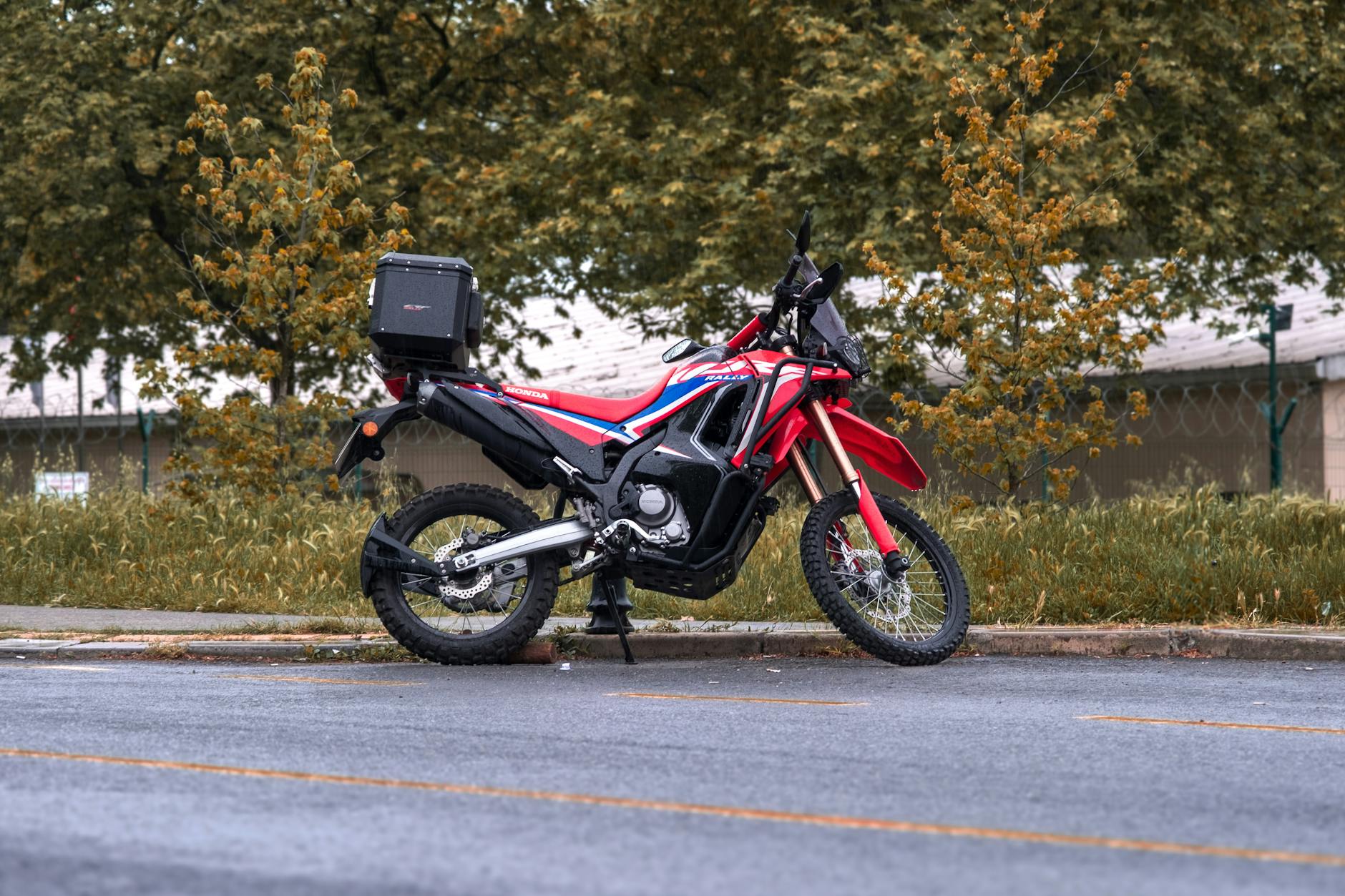
Kawasaki Klx 300 vs Honda Crf300l
Specs · Power · Buyer verdict

Kawasaki Klx 300 vs Kawasaki Klx 230
Specs · Power · Buyer verdict
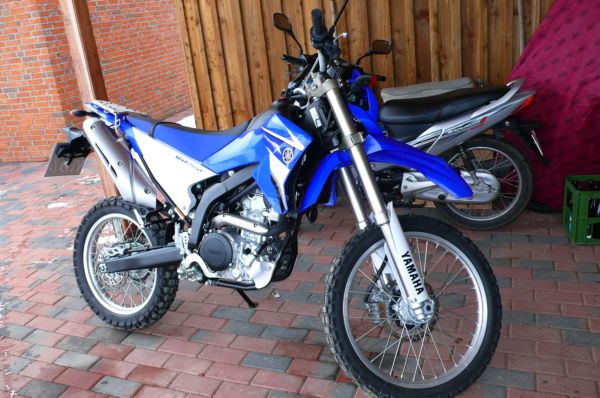
Kawasaki Klx 300 vs Yamaha Wr250r
Specs · Power · Buyer verdict
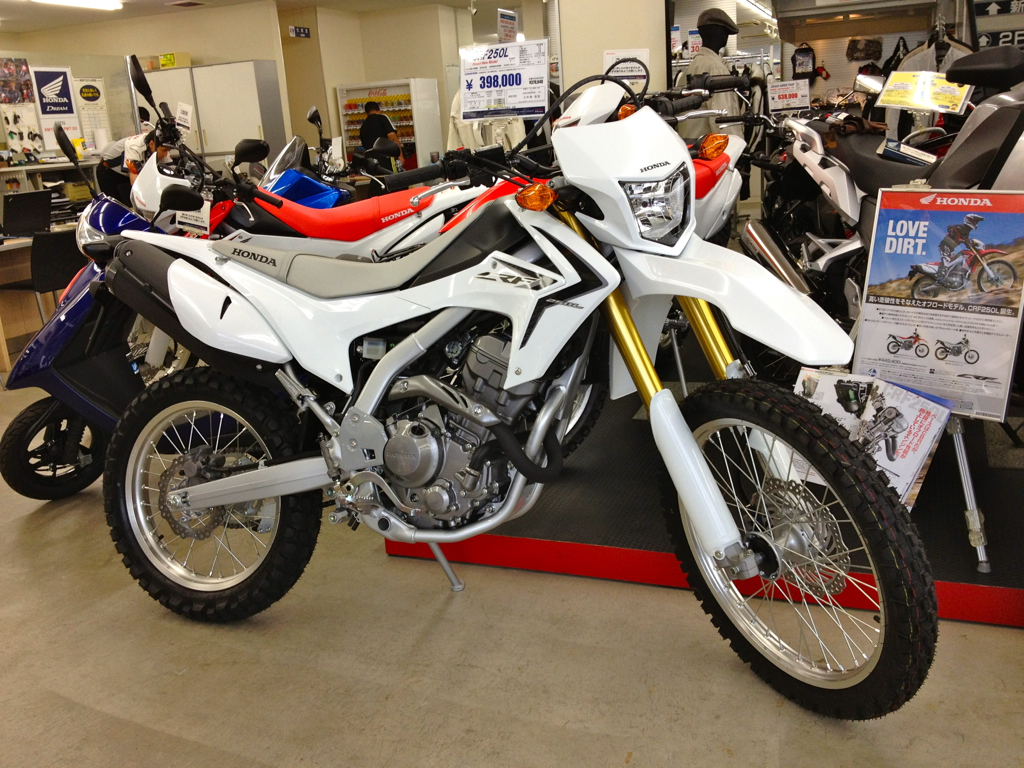
Kawasaki Klx 300 vs Honda Crf250l
Specs · Power · Buyer verdict
More Kawasaki Klx 300 Guides
More from Kawasaki
View all Kawasaki models →Community Reviews
Discussion
Frequently Asked Questions
What are common problems with the Kawasaki Klx 300? +
Carburetor jetting and pilot jet clogging: Cold start issues, rough idle, hesitation on throttle (moderate) | Worn cam chain tensioner causing engine noise: Rattling on startup, listen at top of engine (moderate) | Fork seal leaks from age or neglect: Oil residue on fork tubes below seals (moderate)
Is the Kawasaki Klx 300 a good motorcycle? +
A genuinely capable dual-sport that rarely disappoints experienced or newer riders. Rating: 8.0/10. Best for: Intermediate riders wanting reliable trail-to-tarmac versatility. Avoid if: You need highway comfort or serious horsepower.
What is the horsepower of the Kawasaki Klx 300? +
The Kawasaki Klx 300 produces 21 hp @ 8,000 rpm (estimated; Kawasaki does not officially publish power figures for this model), with 23 Nm @ 6,500 rpm (estimated; Kawasaki does not officially publish torque figures for this model) of torque. Top speed: 135 km/h (estimated; note: varies by rider weight and conditions).
Is the Kawasaki Klx 300 good for beginners? +
Yes — the Kawasaki Klx 300 is a reasonable choice for new riders (21 hp is manageable), weighing 134 kg. Intermediate riders wanting reliable trail-to-tarmac versatility
Is the Kawasaki Klx 300 reliable? +
Owners report 1 critical issue to watch for on the Kawasaki Klx 300, notably: Valve clearance out of spec from high hours (Hard starting, ask for valve service history). Buy with a pre-purchase inspection.
Is the Kawasaki Klx 300 good for daily use? +
Intermediate riders wanting reliable trail-to-tarmac versatility Fuel: 3.5 L/100km or approximately 28.5 km/L (typical real-world average).
How fast is the Kawasaki Klx 300? +
The Kawasaki Klx 300 reaches a top speed of 135 km/h (estimated; note: varies by rider weight and conditions), producing 21 hp at 134 kg curb weight. Real-world performance depends on rider weight, gearing, and road conditions.
What gear should I buy for a Kawasaki Klx 300? +
Motoryk has curated a Top 10 gear list specifically for the Kawasaki Klx 300, covering engine oil, tires, chain, battery, and brake pads — see motoryk.com/bikes/kawasaki/klx-300/top10. Each pick is matched to this bike's spec.