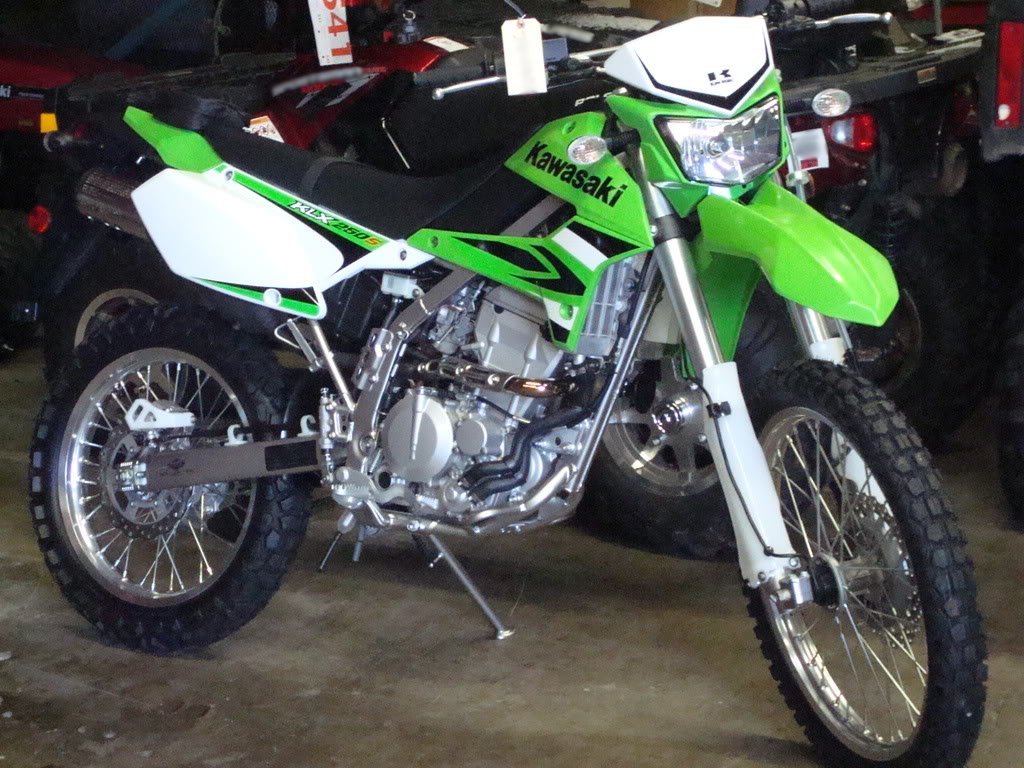
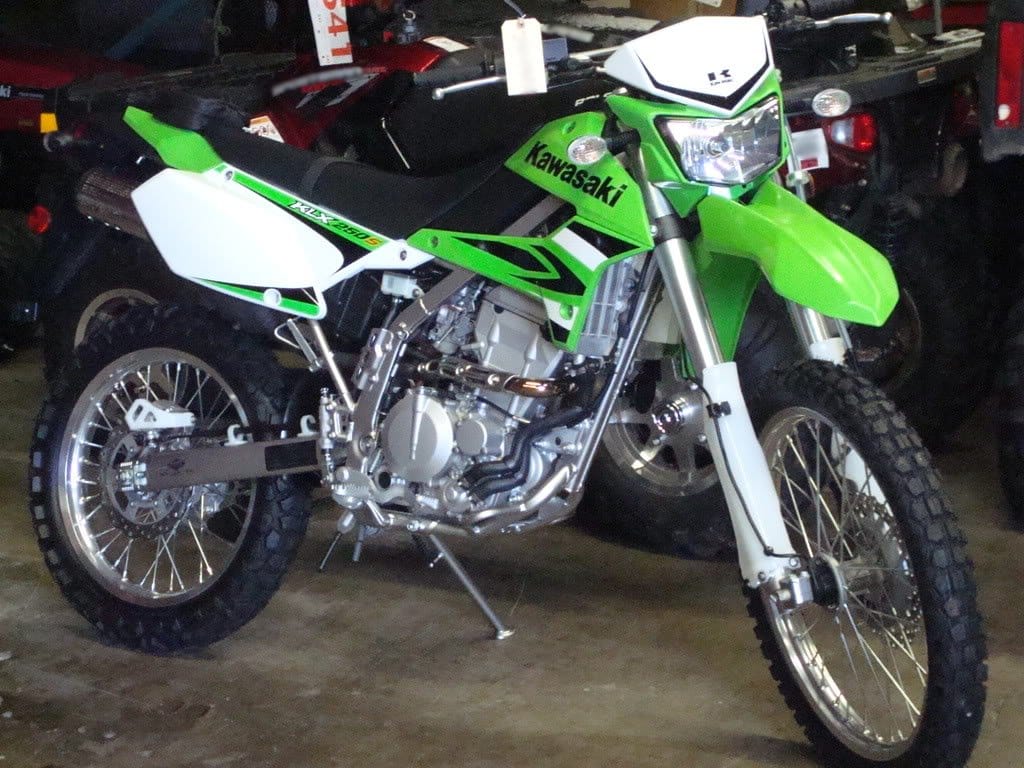
Kawasaki Klx 300
The Kawasaki Klx 300 has a top speed of 135 km/h (estimated; note: varies by rider weight and conditions), produces 21 hp and weighs 134 kg. Motoryk rates it 8/10.
La Kawasaki KLX300 a été initialement introduite en 1997 en tant que moto double sport/enduro construite autour d'un moteur monocylindre de 292 cm3 refroidi par liquide, destinée aux pilotes de trail qui recherchaient une machine tout-terrain performante et homologuée pour la route. Il a été abandonné au début des années 2000, mais a été relancé en 2020 avec un design modernisé comprenant une injection de carburant et une suspension actualisée, reflétant la demande croissante de vélos bi-sport de taille moyenne. Le KLX300 se distingue par son équilibre entre ses capacités tout-terrain et sa maniabilité au quotidien, ce qui le rend populaire auprès des cyclistes débutants et intermédiaires.
21 hp
Pouvoir
23 Nm
Torque
134 kg
Poids
135 km/h (estimated; note: varies by rider weight and conditions)
Vitesse maximale
3.5 L/100km or approximately 28.5 km/L (typical real-world average)
Carburant
Nue
Corps
🔧 Service Schedule & Parts
Affiliate · we may earn| Service item | Every | Typical cost | Parts |
|---|---|---|---|
| 🛢️ Engine oil + oil filter | 6,000 km / 3,500 mi or 12 mo | $40-80 | 🛢️ Buy → ⚙️ Buy → |
| 🌬️ Air filter | 12,000 km / 7,500 mi | — | 🌬️ Buy → |
| ⚡ Spark plugs | 12,000 km / 7,500 mi | — | ⚡ Buy → |
| 🔧 Valve clearance check | 24,000 km / 15,000 mi | $150-300 | |
| 🔗 Chain & sprockets | 20000-35000 km (replace) | $150-300 | 🔗 Buy → |
| 🛑 Brake pads | 15000-25000 km | $30-60 | 🛑 Buy → |
| 💧 Brake fluid | 24,000 km / 15,000 mi or 2 yr | — | |
| 🧊 Coolant | 24,000 km / 15,000 mi | — | |
| 🛞 Tires | 10000-20000 km | $180-350 | 🛞 Buy → |
| 🔩 Major service | 24,000 km / 15,000 mi | $250-500 |
Video Review
Ce que les acheteurs doivent savoir
Bulletproof Engine Reliability
The KLX 300 uses a proven single-cylinder liquid-cooled engine known for lasting well beyond 10,000 miles with basic maintenance. Regular oil changes every 1,500–2,000 miles are the key to its longevity.
Watch the Valve Clearances
The most common issue owners report is tight valve clearances after extended use, which can cause hard starting if ignored. Budget for a valve check around every 4,000 miles to avoid costly engine damage.
Strong Resale Value
The KLX 300 holds its value exceptionally well due to high demand and limited used market supply. A well-maintained example typically sells for 80–90% of its original price within the first two years.
Générations et spécifications par année
Le KLX300R original a été lancé avec un moteur de 292 cm3 à refroidissement liquide, une suspension à long débattement et une conception tout-terrain axée sur la compétition.
"Le single 300 le plus dur que vous puissiez acheter."
J'ai piloté une KLX300R 1999 pendant deux saisons d'Enduro Ontario et plusieurs centaines de kilomètres de routes forestières au Québec, mais cette voiture a tout simplement refusé de se briser. Le moteur à DACT refroidi par liquide tire fort dès 4 000 tr/min et continue de fonctionner d'une manière qui vous surprend à chaque fois. 22 chevaux, cela semble modeste jusqu'à ce que vous passiez à travers une voie unique serrée de deuxième vitesse et que vous vous rendiez compte que vous allez plus vite que prévu. La suspension est véritablement adaptée à la compétition : les fourches et la tringlerie arrière de la Kayaba s'imprègnent du terrain sans avoir à faire des compromis entre deux sports. Ce que je reproche sincèrement, c'est la hauteur de selle de 895 mm qui m'a permis de marcher sur la pointe des pieds sur du gravier meuble, les jets qui ont nécessité une pince à aiguilles pleine et plus riche lorsque les températures sont tombées en dessous de 10 °C, et le fait que Kawasaki ne l'ait jamais démarrée électriquement. À la fin d'une longue journée avec les jambes fatiguées, ce coup de pied est vraiment blasphématoire.
Pros
Les inconvénients
Renaître sous la forme de variantes KLX300 et KLX300SM homologuées pour la circulation routière, injection de carburant, châssis modernisé, repositionnement axé sur les deux sports.
Évaluation d'un acheteur d'occasion
"A genuinely capable dual-sport that rarely disappoints experienced or newer riders."
$4,500-$6,500 usedThe KLX300 is one of those bikes that just makes sense. Kawasaki got the fuel injection right on these, and reliability has been solid across the board — I've yet to hear a horror story from someone who maintained one properly. The suspension is plush enough for trail riding but firm enough that it doesn't wallow on gravel roads, which is a tough balance to strike at this price point. If you find one with decent service history, it'll likely run forever. Used examples tend to hold value stubbornly, so don't expect bargains. Watch for crash damage around the radiator shrouds and check the subframe — adventure riders who got ambitious sometimes bent them. Fork seals are a common wear item, so budget for those if the seller hasn't addressed them. Otherwise, mechanically these are pretty bulletproof.
Variants of the Kawasaki Klx 300
Same bike, different trim or year-range — pick the one matching the listing.
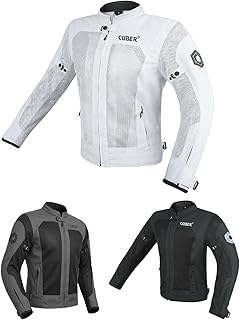
Top 10 Accessories
Curated picks for the Kawasaki Klx 300 — owned, ridden, recommended.




Problèmes courants
🔥 1 CRITICALCold start issues, rough idle, hesitation on throttle
Rattling on startup, listen at top of engine
Oil residue on fork tubes below seals
Hard starting, ask for valve service history
✅Liste de contrôle préalable à l'achat
Solid reliable bike, easy cheap maintenance overall
Full Specifications
Rivals & Alternatives
Bikes that buyers cross-shop with the Kawasaki Klx 300
Compare Kawasaki Klx 300 Side-by-Side
compare_arrowsSpecs, power, weight & buyer verdict — head-to-head with the bikes most often cross-shopped.
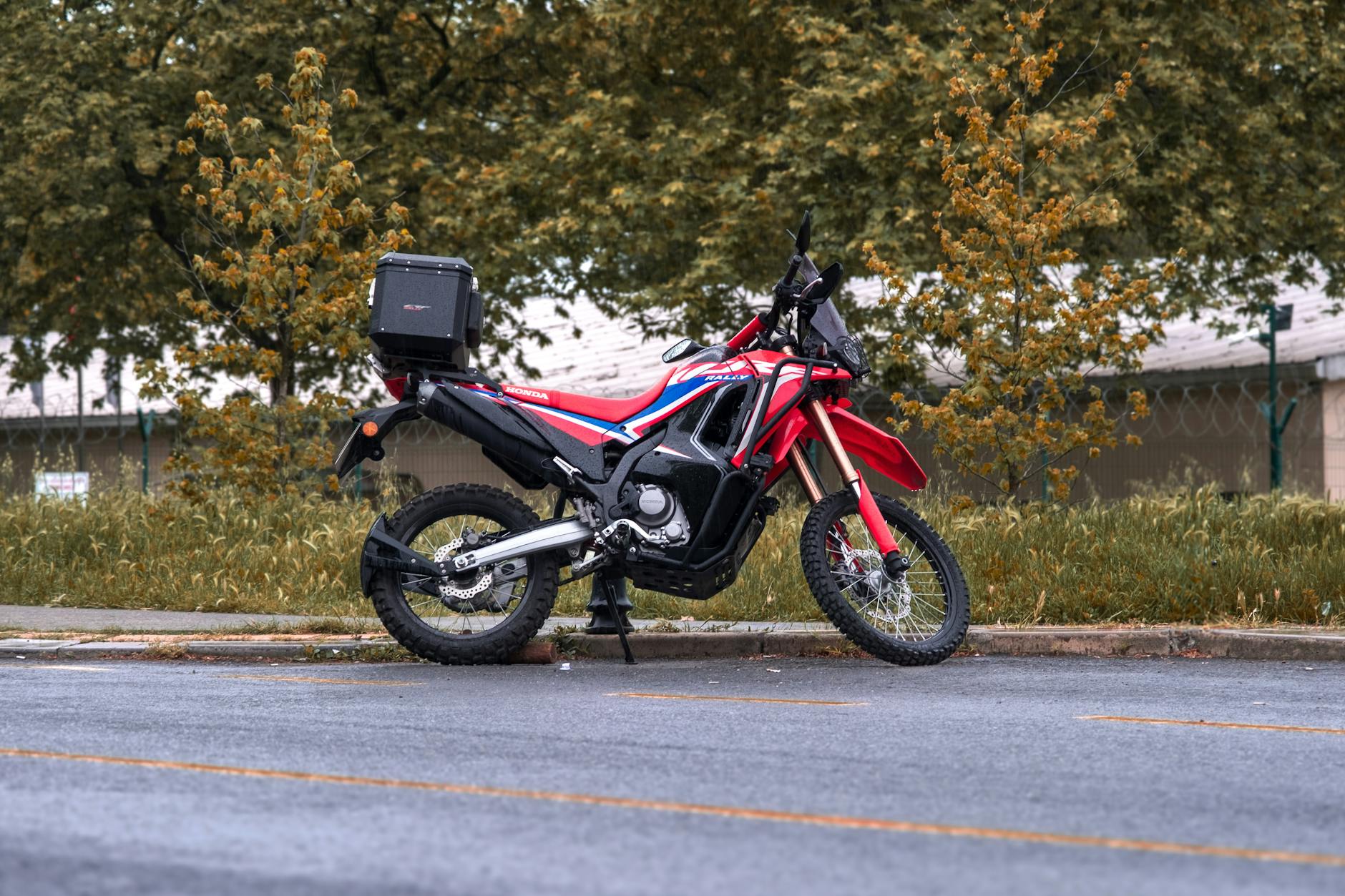
Kawasaki Klx 300 vs Honda Crf300l
Specs · Power · Buyer verdict

Kawasaki Klx 300 vs Kawasaki Klx 230
Specs · Power · Buyer verdict
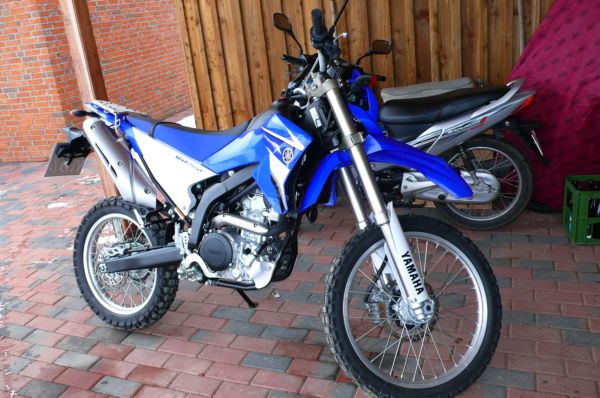
Kawasaki Klx 300 vs Yamaha Wr250r
Specs · Power · Buyer verdict
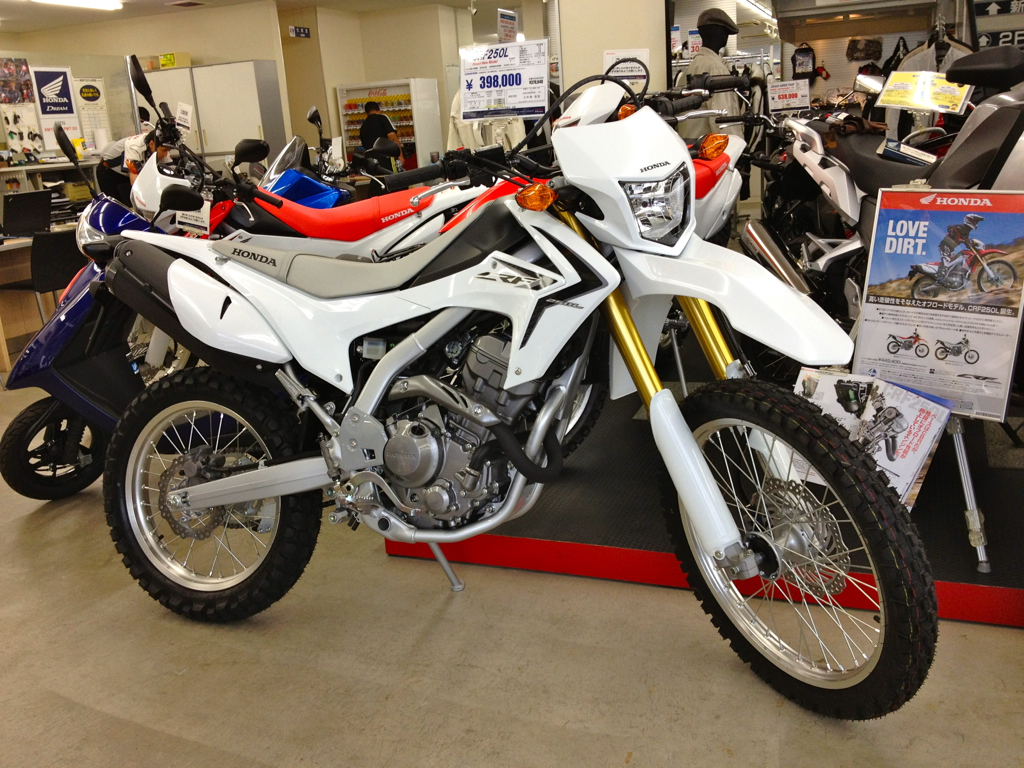
Kawasaki Klx 300 vs Honda Crf250l
Specs · Power · Buyer verdict
More Kawasaki Klx 300 Guides
More from Kawasaki
View all Kawasaki models →Community Reviews
Discussion
Frequently Asked Questions
What are common problems with the Kawasaki Klx 300? +
Carburetor jetting and pilot jet clogging: Cold start issues, rough idle, hesitation on throttle (moderate) | Worn cam chain tensioner causing engine noise: Rattling on startup, listen at top of engine (moderate) | Fork seal leaks from age or neglect: Oil residue on fork tubes below seals (moderate)
Is the Kawasaki Klx 300 a good motorcycle? +
A genuinely capable dual-sport that rarely disappoints experienced or newer riders. Rating: 8.0/10. Best for: Intermediate riders wanting reliable trail-to-tarmac versatility. Avoid if: You need highway comfort or serious horsepower.
What is the horsepower of the Kawasaki Klx 300? +
The Kawasaki Klx 300 produces 21 hp @ 8,000 rpm (estimated; Kawasaki does not officially publish power figures for this model), with 23 Nm @ 6,500 rpm (estimated; Kawasaki does not officially publish torque figures for this model) of torque. Top speed: 135 km/h (estimated; note: varies by rider weight and conditions).
Is the Kawasaki Klx 300 good for beginners? +
Yes — the Kawasaki Klx 300 is a reasonable choice for new riders (21 hp is manageable), weighing 134 kg. Intermediate riders wanting reliable trail-to-tarmac versatility
Is the Kawasaki Klx 300 reliable? +
Owners report 1 critical issue to watch for on the Kawasaki Klx 300, notably: Valve clearance out of spec from high hours (Hard starting, ask for valve service history). Buy with a pre-purchase inspection.
Is the Kawasaki Klx 300 good for daily use? +
Intermediate riders wanting reliable trail-to-tarmac versatility Fuel: 3.5 L/100km or approximately 28.5 km/L (typical real-world average).
How fast is the Kawasaki Klx 300? +
The Kawasaki Klx 300 reaches a top speed of 135 km/h (estimated; note: varies by rider weight and conditions), producing 21 hp at 134 kg curb weight. Real-world performance depends on rider weight, gearing, and road conditions.
What gear should I buy for a Kawasaki Klx 300? +
Motoryk has curated a Top 10 gear list specifically for the Kawasaki Klx 300, covering engine oil, tires, chain, battery, and brake pads — see motoryk.com/bikes/kawasaki/klx-300/top10. Each pick is matched to this bike's spec.