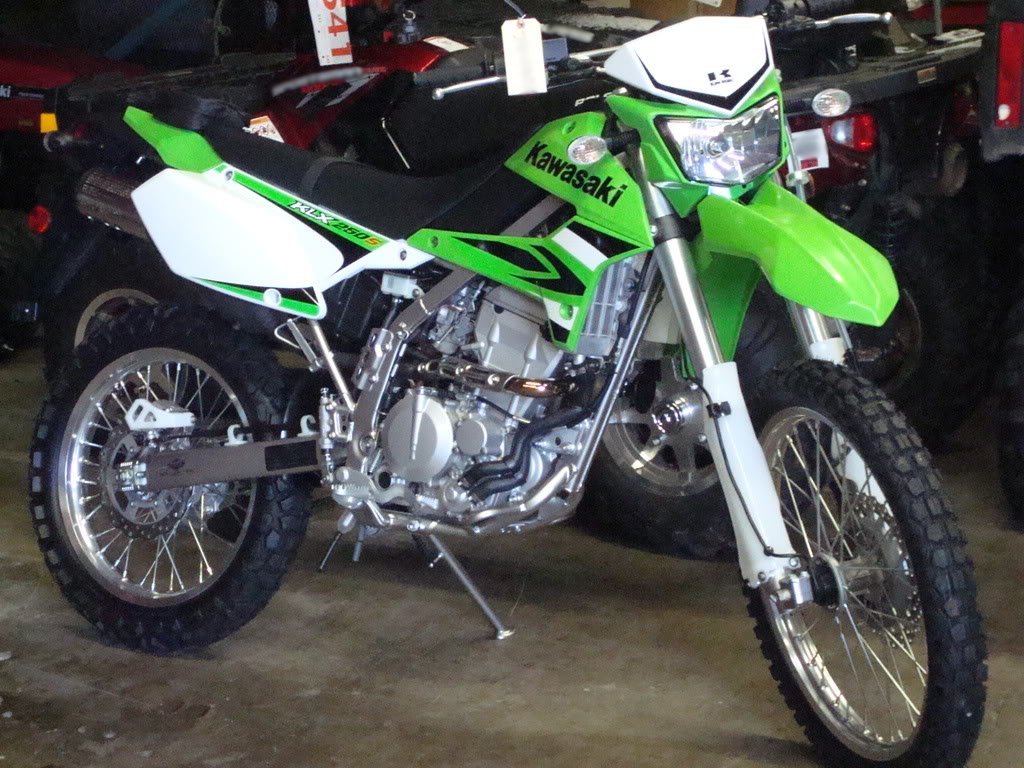
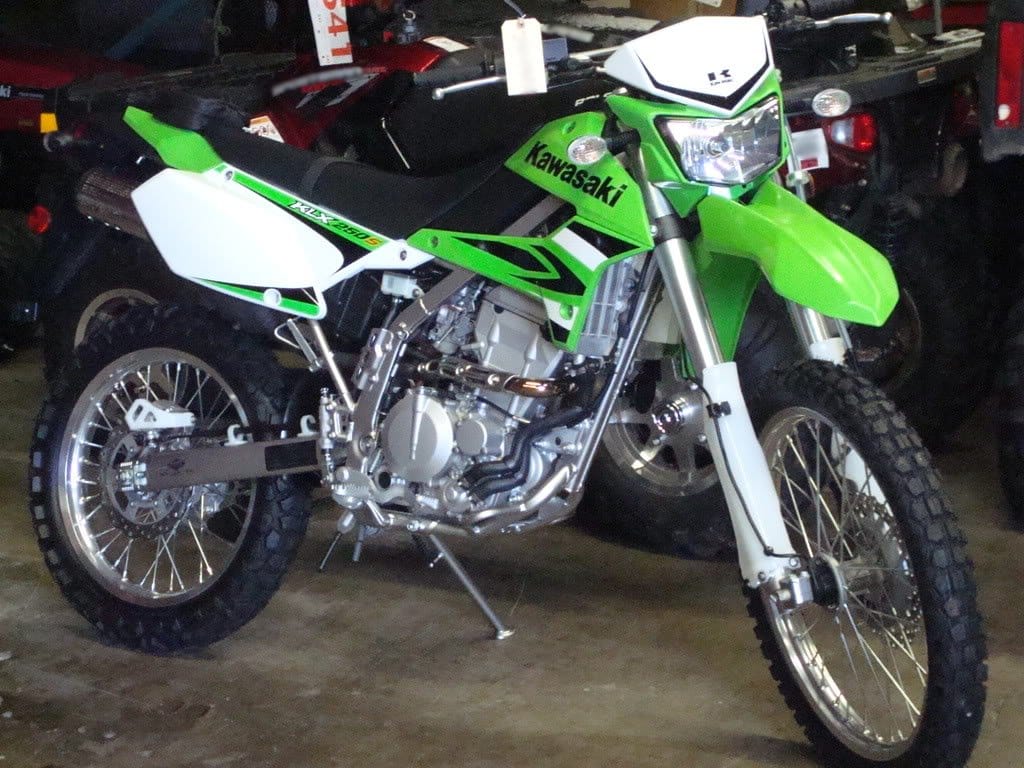
Kawasaki Klx 300
The Kawasaki Klx 300 has a top speed of 135 km/h (estimated; note: varies by rider weight and conditions), produces 21 hp and weighs 134 kg. Motoryk rates it 8/10.
Die Kawasaki KLX300 wurde ursprünglich 1997 als Dual-Sport-/Enduro-Motorrad auf den Markt gebracht, das auf einem flüssigkeitsgekühlten 292-cm3-Einzylindermotor basiert. Es richtet sich an Trail-Fahrer, die eine leistungsfähige Geländemaschine mit Straßenzulassung suchten. Sie wurde Anfang der 2000er Jahre eingestellt, aber 2020 mit einem modernisierten Design mit Kraftstoffeinspritzung und aktualisierter Federung wiederbelebt, was der wachsenden Nachfrage nach mittelgroßen Dual-Sport-Bikes Rechnung trägt. Der KLX300 zeichnet sich durch ein ausgewogenes Verhältnis zwischen Geländetauglichkeit und Alltagstauglichkeit aus und ist daher bei Anfängern und Fortgeschrittenen gleichermaßen beliebt.
21 hp
Leistung
23 Nm
Drehmoment
134 kg
Gewicht
135 km/h (estimated; note: varies by rider weight and conditions)
Höchstgeschwindigkeit
3.5 L/100km or approximately 28.5 km/L (typical real-world average)
Treibstoff
Nackt
Körper
🔧 Service Schedule & Parts
Affiliate · we may earn| Service item | Every | Typical cost | Parts |
|---|---|---|---|
| 🛢️ Engine oil + oil filter | 6,000 km / 3,500 mi or 12 mo | $40-80 | 🛢️ Buy → ⚙️ Buy → |
| 🌬️ Air filter | 12,000 km / 7,500 mi | — | 🌬️ Buy → |
| ⚡ Spark plugs | 12,000 km / 7,500 mi | — | ⚡ Buy → |
| 🔧 Valve clearance check | 24,000 km / 15,000 mi | $150-300 | |
| 🔗 Chain & sprockets | 20000-35000 km (replace) | $150-300 | 🔗 Buy → |
| 🛑 Brake pads | 15000-25000 km | $30-60 | 🛑 Buy → |
| 💧 Brake fluid | 24,000 km / 15,000 mi or 2 yr | — | |
| 🧊 Coolant | 24,000 km / 15,000 mi | — | |
| 🛞 Tires | 10000-20000 km | $180-350 | 🛞 Buy → |
| 🔩 Major service | 24,000 km / 15,000 mi | $250-500 |
Video Review
Was Käufer wissen sollten
Bulletproof Engine Reliability
The KLX 300 uses a proven single-cylinder liquid-cooled engine known for lasting well beyond 10,000 miles with basic maintenance. Regular oil changes every 1,500–2,000 miles are the key to its longevity.
Watch the Valve Clearances
The most common issue owners report is tight valve clearances after extended use, which can cause hard starting if ignored. Budget for a valve check around every 4,000 miles to avoid costly engine damage.
Strong Resale Value
The KLX 300 holds its value exceptionally well due to high demand and limited used market supply. A well-maintained example typically sells for 80–90% of its original price within the first two years.
Generationen und Spezifikationen nach Jahr
Der ursprüngliche KLX300R wurde mit einem flüssigkeitsgekühlten 292-cm3-Motor, einer Federung mit langem Federweg und wettbewerbsorientiertem Offroad-Design auf den Markt gebracht.
"Die härteste 300-Single, die man sich kaufen konnte."
Ich habe eine 99er KLX300R durch zwei Saisons von Enduro Ontario-Events und mehrere hundert Kilometer Forststraßen in Quebec gefahren, und dieses Ding wollte einfach nicht kaputt gehen. Der flüssigkeitsgekühlte DOHC-Motor zieht ab 4.000 Umdrehungen pro Minute kräftig an und zieht so weiter, dass Sie jedes Mal überrascht sind — 22 Pferdestärken klingen bescheiden, bis Sie sie durch den engen Singletrack im zweiten Gang stecken und feststellen, dass Sie schneller fahren, als es Sinn macht. Die Federung entspricht wahrlich Wettkampf-Spezifikationen: Die Kayaba-Gabeln und der Hinterbau saugen Steine und Wurzeln auf, ohne dass Sie sich bei Dual-Sport-Kompromissen suhlen müssen. Meine aufrichtigen Kritikpunkte sind die 895 mm Sitzhöhe, bei der ich auf losem Kies auf Zehenspitzen geraten war, das Jetting, das einen vollwertigeren Nadelclip brauchte, sobald die Temperaturen unter 10 °C fielen, und die Tatsache, dass Kawasaki ihn nie elektrisch gestartet hat — am Ende eines langen Tages mit müden Beinen verdient dieser Kicker echte Obszönitäten.
Profis
Nachteile
Wiedergeboren als straßenzugelassene KLX300- und KLX300SM-Varianten, Kraftstoffeinspritzung, aktualisiertes Fahrwerk, Neupositionierung auf zwei Sportarten ausgerichtet.
Bewertung von gebrauchten Käufern
"A genuinely capable dual-sport that rarely disappoints experienced or newer riders."
$4,500-$6,500 usedThe KLX300 is one of those bikes that just makes sense. Kawasaki got the fuel injection right on these, and reliability has been solid across the board — I've yet to hear a horror story from someone who maintained one properly. The suspension is plush enough for trail riding but firm enough that it doesn't wallow on gravel roads, which is a tough balance to strike at this price point. If you find one with decent service history, it'll likely run forever. Used examples tend to hold value stubbornly, so don't expect bargains. Watch for crash damage around the radiator shrouds and check the subframe — adventure riders who got ambitious sometimes bent them. Fork seals are a common wear item, so budget for those if the seller hasn't addressed them. Otherwise, mechanically these are pretty bulletproof.
Variants of the Kawasaki Klx 300
Same bike, different trim or year-range — pick the one matching the listing.
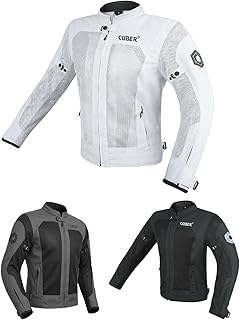
Top 10 Accessories
Curated picks for the Kawasaki Klx 300 — owned, ridden, recommended.




Häufig auftretende Probleme
🔥 1 CRITICALCold start issues, rough idle, hesitation on throttle
Rattling on startup, listen at top of engine
Oil residue on fork tubes below seals
Hard starting, ask for valve service history
✅Checkliste vor dem Kauf
Solid reliable bike, easy cheap maintenance overall
Full Specifications
Rivals & Alternatives
Bikes that buyers cross-shop with the Kawasaki Klx 300
Compare Kawasaki Klx 300 Side-by-Side
compare_arrowsSpecs, power, weight & buyer verdict — head-to-head with the bikes most often cross-shopped.
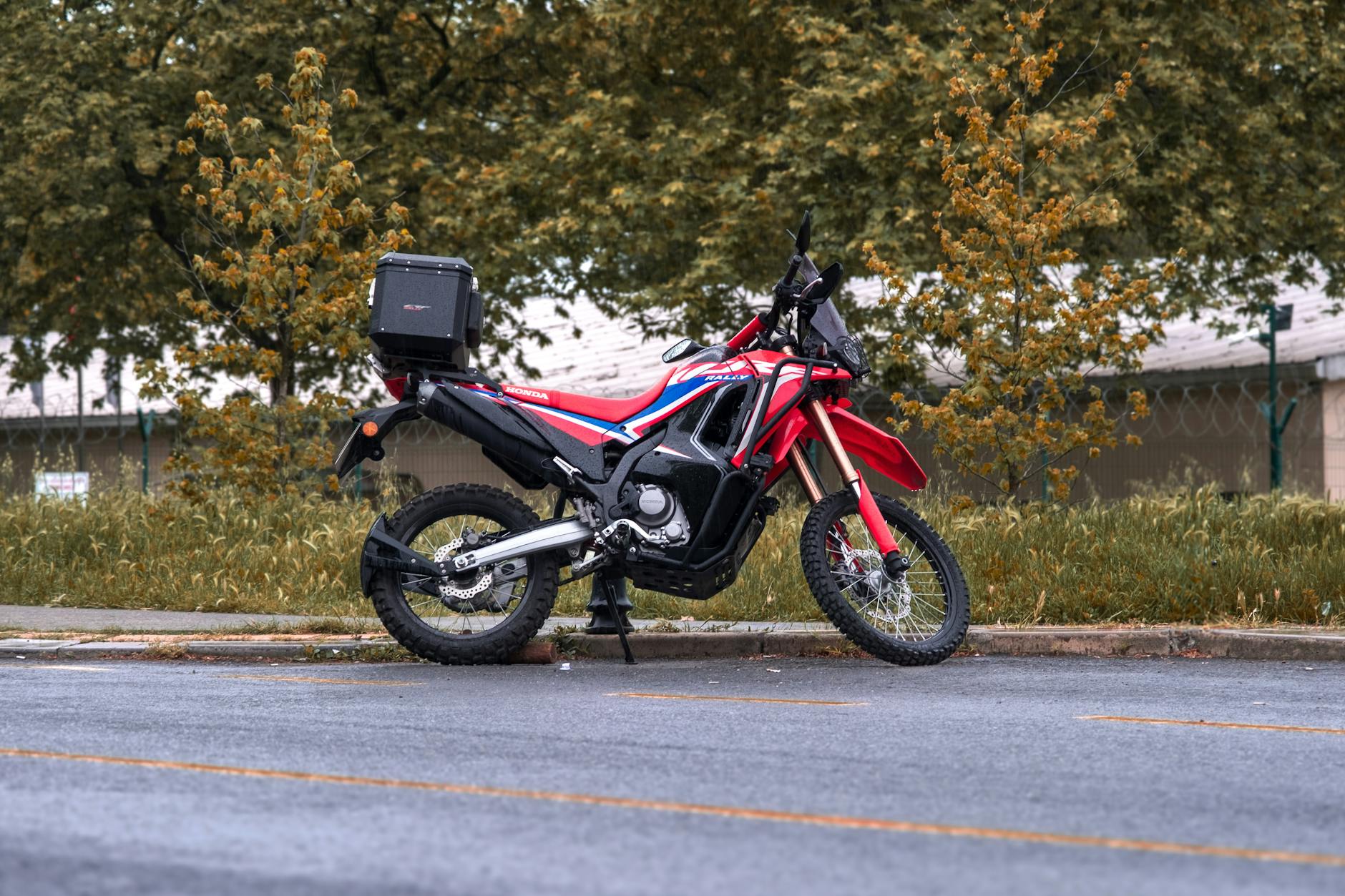
Kawasaki Klx 300 vs Honda Crf300l
Specs · Power · Buyer verdict

Kawasaki Klx 300 vs Kawasaki Klx 230
Specs · Power · Buyer verdict
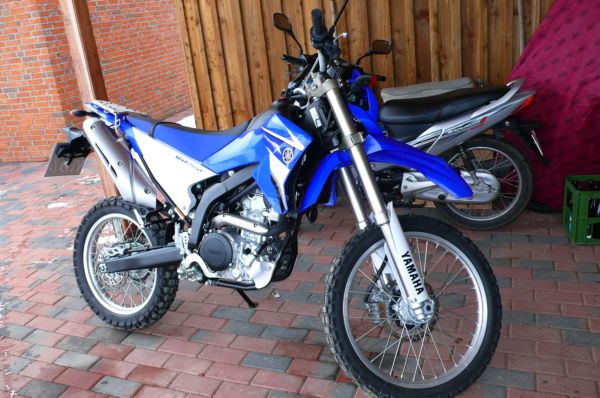
Kawasaki Klx 300 vs Yamaha Wr250r
Specs · Power · Buyer verdict
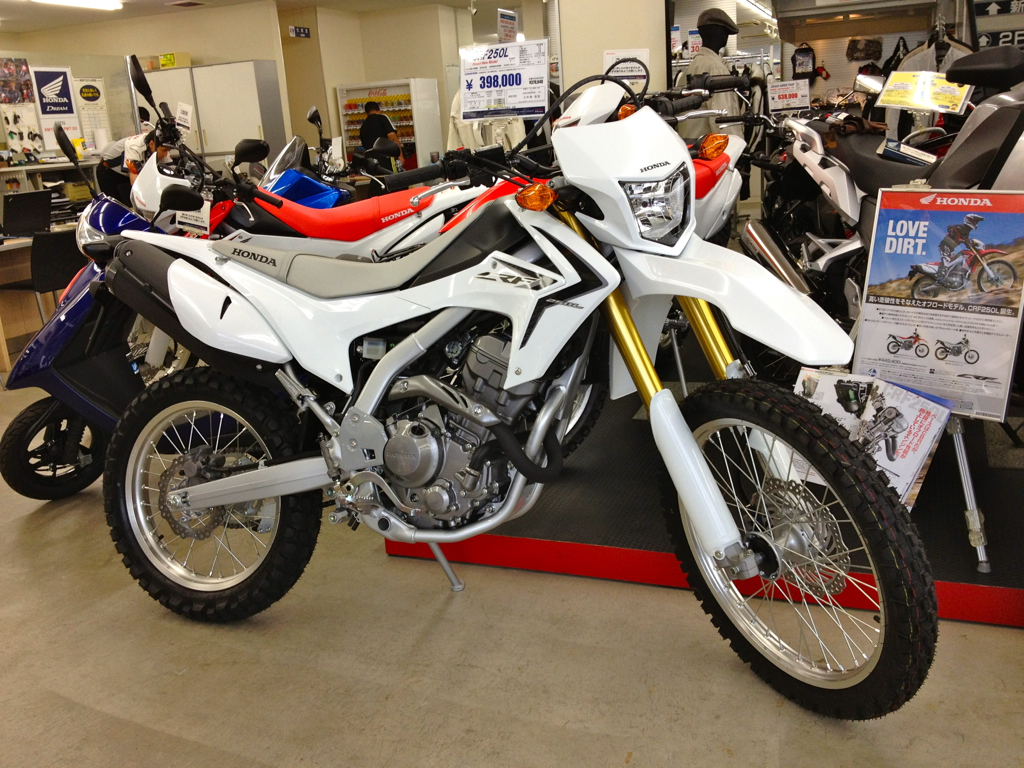
Kawasaki Klx 300 vs Honda Crf250l
Specs · Power · Buyer verdict
More Kawasaki Klx 300 Guides
More from Kawasaki
View all Kawasaki models →Community Reviews
Discussion
Frequently Asked Questions
What are common problems with the Kawasaki Klx 300? +
Carburetor jetting and pilot jet clogging: Cold start issues, rough idle, hesitation on throttle (moderate) | Worn cam chain tensioner causing engine noise: Rattling on startup, listen at top of engine (moderate) | Fork seal leaks from age or neglect: Oil residue on fork tubes below seals (moderate)
Is the Kawasaki Klx 300 a good motorcycle? +
A genuinely capable dual-sport that rarely disappoints experienced or newer riders. Rating: 8.0/10. Best for: Intermediate riders wanting reliable trail-to-tarmac versatility. Avoid if: You need highway comfort or serious horsepower.
What is the horsepower of the Kawasaki Klx 300? +
The Kawasaki Klx 300 produces 21 hp @ 8,000 rpm (estimated; Kawasaki does not officially publish power figures for this model), with 23 Nm @ 6,500 rpm (estimated; Kawasaki does not officially publish torque figures for this model) of torque. Top speed: 135 km/h (estimated; note: varies by rider weight and conditions).
Is the Kawasaki Klx 300 good for beginners? +
Yes — the Kawasaki Klx 300 is a reasonable choice for new riders (21 hp is manageable), weighing 134 kg. Intermediate riders wanting reliable trail-to-tarmac versatility
Is the Kawasaki Klx 300 reliable? +
Owners report 1 critical issue to watch for on the Kawasaki Klx 300, notably: Valve clearance out of spec from high hours (Hard starting, ask for valve service history). Buy with a pre-purchase inspection.
Is the Kawasaki Klx 300 good for daily use? +
Intermediate riders wanting reliable trail-to-tarmac versatility Fuel: 3.5 L/100km or approximately 28.5 km/L (typical real-world average).
How fast is the Kawasaki Klx 300? +
The Kawasaki Klx 300 reaches a top speed of 135 km/h (estimated; note: varies by rider weight and conditions), producing 21 hp at 134 kg curb weight. Real-world performance depends on rider weight, gearing, and road conditions.
What gear should I buy for a Kawasaki Klx 300? +
Motoryk has curated a Top 10 gear list specifically for the Kawasaki Klx 300, covering engine oil, tires, chain, battery, and brake pads — see motoryk.com/bikes/kawasaki/klx-300/top10. Each pick is matched to this bike's spec.