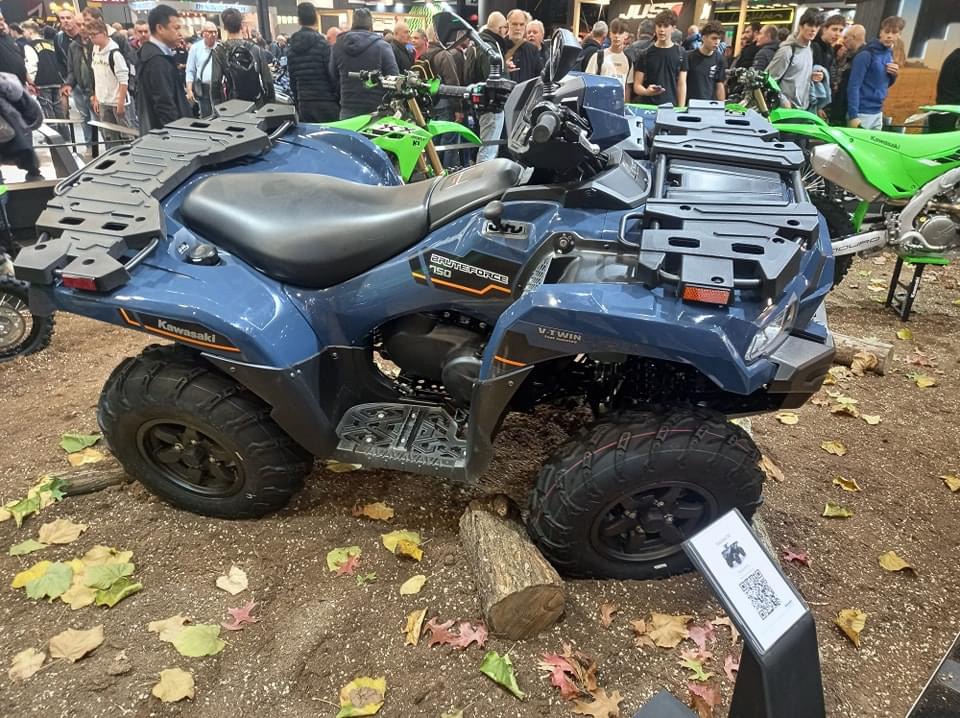
Kawasaki Brute Force 750
The Kawasaki Brute Force 750 has a top speed of ~105 km/h (estimated; note: this is an ATV, not a motorcycle), produces ~46 hp and weighs ~297 kg. Motoryk rates it 8/10.
Der Kawasaki Brute Force 750 wurde 2005 als Flaggschiff-Hochleistungs-ATV eingeführt und ersetzte den Prairie 700. Es verfügt über einen flüssigkeitsgekühlten 749-cm3-V-Twin-Motor, gepaart mit einem stufenlosen Getriebe (CVT) und wählbarem 2WD/4WD, was es zu einem der leistungsstärksten Serien-ATVs seiner Zeit macht. Aufgrund seiner bewährten Zuverlässigkeit und starken Leistung ist es in seiner Kernplattform weitgehend unverändert geblieben und ist weiterhin die erste Wahl für Freizeit- und Allradfahrer.
~46 hp
Leistung
~62 Nm
Drehmoment
~297 kg
Gewicht
~105 km/h (estimated; note: this is an ATV, not a motorcycle)
Höchstgeschwindigkeit
~11–14 L/100km (estimated real-world average under mixed riding conditions)
Treibstoff
Nackt
Körper
🔧 Service Schedule & Parts
Affiliate · we may earn| Service item | Every | Typical cost | Parts |
|---|---|---|---|
| 🛢️ Engine oil + oil filter | 6,000 km / 3,500 mi or 12 mo | $40-80 | 🛢️ Buy → ⚙️ Buy → |
| 🌬️ Air filter | 12,000 km / 7,500 mi | — | 🌬️ Buy → |
| ⚡ Spark plugs | 12,000 km / 7,500 mi | — | ⚡ Buy → |
| 🔧 Valve clearance check | 24,000 km / 15,000 mi | $200-400 | |
| 🔗 Chain & sprockets | 25000-40000 km (replace) | $150-300 | 🔗 Buy → |
| 🛑 Brake pads | 15000-30000 km | $30-60 | 🛑 Buy → |
| 💧 Brake fluid | 24,000 km / 15,000 mi or 2 yr | — | |
| 🧊 Coolant | 24,000 km / 15,000 mi | — | |
| 🛞 Tires | 10000-20000 km | $200-400 | 🛞 Buy → |
| 🔩 Major service | 24,000 km / 15,000 mi | $300-600 |
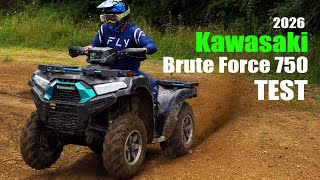
Video Review
Was Käufer wissen sollten
Proven V-Twin Engine
The 749cc V-twin engine is known for strong low-end torque and long-term durability, often lasting well over 10,000 miles with basic maintenance. It's one of the most powerful engines in its class.
Watch the CV Boots
CV axle boots are a common wear item and should be inspected regularly, as cracked or torn boots allow dirt and moisture into the joints, leading to costly repairs. Always check these on any used model.
Strong Resale Value
The Brute Force 750 holds its value better than many competitors due to its reputation for reliability and Kawasaki's strong brand loyalty. Well-maintained examples retain 60-70% of their value after 3-4 years.
Generationen und Spezifikationen nach Jahr
Einführung eines 749-cm3-V-Twin-Hinterrads mit Einzelradaufhängung, wählbarem Allradantrieb und serienmäßiger elektronischer Kraftstoffeinspritzung.
"Das ATV, das neu geschrieben hat, was „fähig“ eigentlich bedeutet."
Als Kawasaki 2005 den Brute Force 750 auf den Markt brachte, fühlte es sich an, als hätte endlich jemand ein ATV für Leute gebaut, die wirklich die Nase voll von Kompromissen hatten — der flüssigkeitsgekühlte 749-cm3-V-Twin zieht aus niedrigen Drehzahlen hart an und zieht weiter, so dass sich ältere Quads mit Vergaser prähistorisch anfühlen. Der EFI war eine echte Offenbarung an kalten Morgen in Wyoming, kein Herumfummeln am Choke, einfach drehen und los. Allerdings sind 294 kg keine Zahl, die du vergisst, wenn du versuchst, dieses Ding alleine aus einem Schlammloch herauszuholen, und der CVT-Riemen wird dich hart bestrafen, wenn du aggressiv in tiefem Wasser fährst, ohne die Kühlbeschränkungen zu beachten. Die Einzelradaufhängung an der Hinterachse hat das Geschehen auf dem High-Speed-Trail wirklich verändert — ich habe zerklüftete Waldwege mit Geschwindigkeiten überquert, die eine Maschine mit Vollachse direkt in die Bäume geschleudert hätten.
Profis
Nachteile
Aktualisierte Fahrwerksgeometrie, überarbeitete Fahrwerksabstimmung, verbessertes Bremssystem, kleinere kosmetische Änderungen.
"Britisches, zuverlässiges Arbeitstier, das seinen Namen täglich verdient."
Die Änderungen am Chassis der zweiten Generation sind subtil, aber real — das Einlenken fühlt sich etwas weniger an wie das Lenken eines Kühlschranks, und die überarbeitete Federung dämpft sogar Bachüberquerungen ab, ohne dass Ihnen die Nieren locker werden. Dieser 749-cm3-V-Twin zieht aus niedrigen Drehzahlen kräftig an und entschuldigt sich nicht für den Treibstoff, den er dabei trinkt. Ziehen Sie einen beladenen Anhänger eine schlammige Steigung hinauf und Sie werden verstehen, warum Viehzüchter diese Dinge immer wieder kaufen. Das 299 kg Nassgewicht ist eine echte Belastung — kippen Sie ihn auf weichen Boden und Sie rufen nach Verstärkung — und die 889 mm Sitzhöhe bedeutet, dass kleinere Fahrer immer einen falschen Schritt von einem Beindrehmoment entfernt sind. Die Verbesserungen beim Bremsen der ersten Generation sind spürbar, aber immer noch nichts, was jemanden beeindrucken würde, der an Quad-Sportarten gewöhnt ist. Ausreichend ist das Wort.
Profis
Nachteile
Neue digitale Instrumente, überarbeitetes Karosseriedesign, aktualisiertes Drosselklappengehäuse, verbesserte Kraftstoffeffizienz und Ergonomie.
Bewertung von gebrauchten Käufern
"Tough, capable, and forgiving — if the previous owner cared."
$5,500-$9,500 usedThe Brute Force 750 is genuinely one of the toughest ATVs ever bolted together, and buying one used is usually a safe bet — provided the previous owner wasn't a complete maniac. That fuel-injected V-twin pulls hard from idle and the CVT handles trail abuse better than most competitors. These things were built when Kawasaki still over-engineered everything, and it shows. That said, go in with your eyes open. Check the front differential — they're notorious for eating themselves if the owner ignored fluid changes. Same story with the CVT belt; a neglected one will strand you miles from nowhere. Inspect the frame around the rear suspension mounts for stress cracks, especially on anything that's seen serious rock crawling. Ask for maintenance records and if they laugh at you, walk away. Pricing-wise, a clean 2015 or newer with reasonable miles should run you $6,500-$9,000. Don't overpay for one with aftermarket lift kits and mud tires unless you actually need that setup — those machines usually worked harder.
Top 10 Accessories
Curated picks for the Kawasaki Brute Force 750 — owned, ridden, recommended.




Häufig auftretende Probleme
🔥 1 CRITICALLook for oil weeping around diff housing seams
Inspect radiator fins for mud and debris buildup
Squeeze boots for cracks, check for grease splatter
✅Checkliste vor dem Kauf
Solid if maintained, punished hard by most owners
Full Specifications
Rivals & Alternatives
Bikes that buyers cross-shop with the Kawasaki Brute Force 750
Compare Kawasaki Brute Force 750 Side-by-Side
compare_arrowsSpecs, power, weight & buyer verdict — head-to-head with the bikes most often cross-shopped.
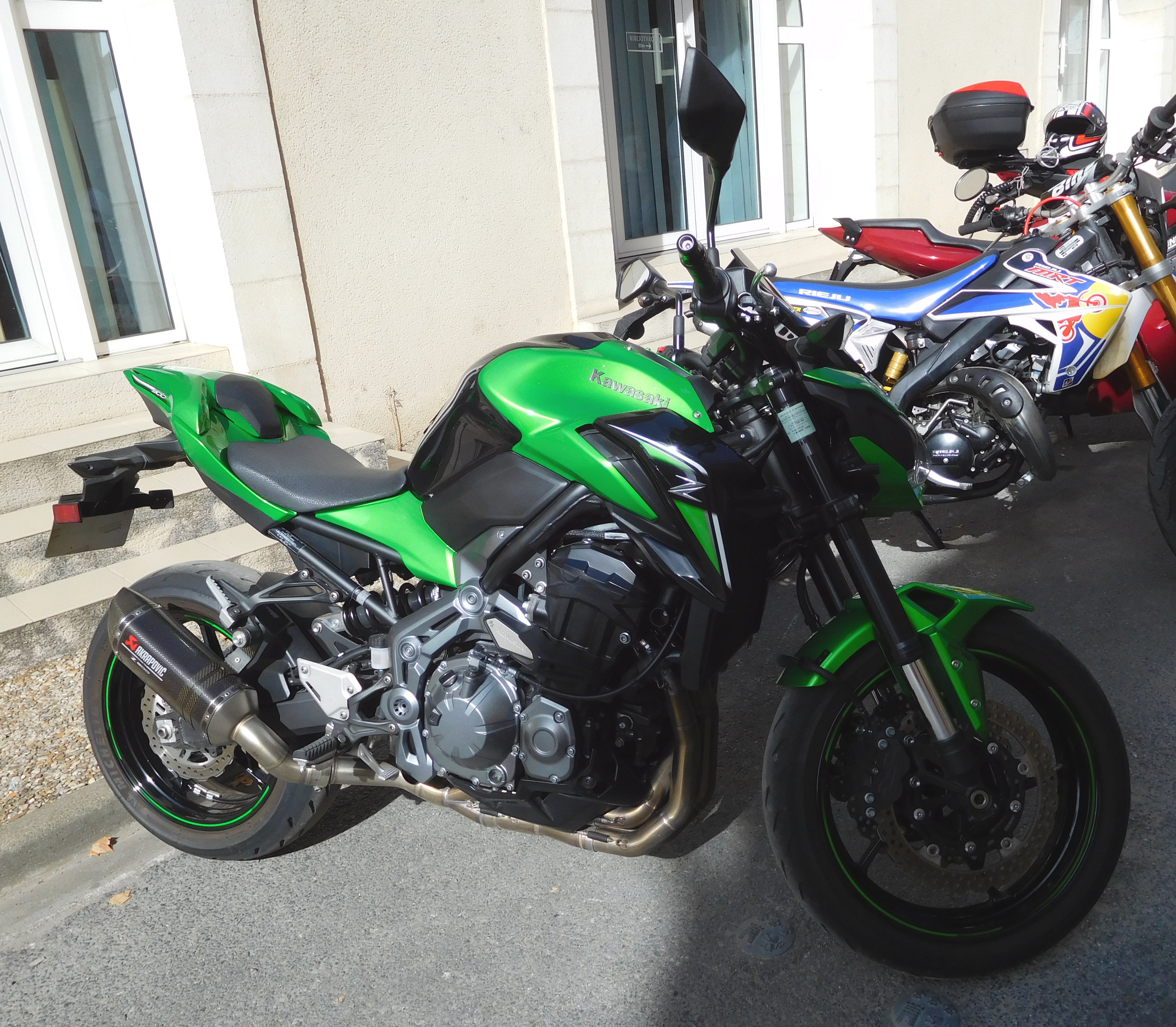
Kawasaki Brute Force 750 vs Kawasaki Z900
Specs · Power · Buyer verdict
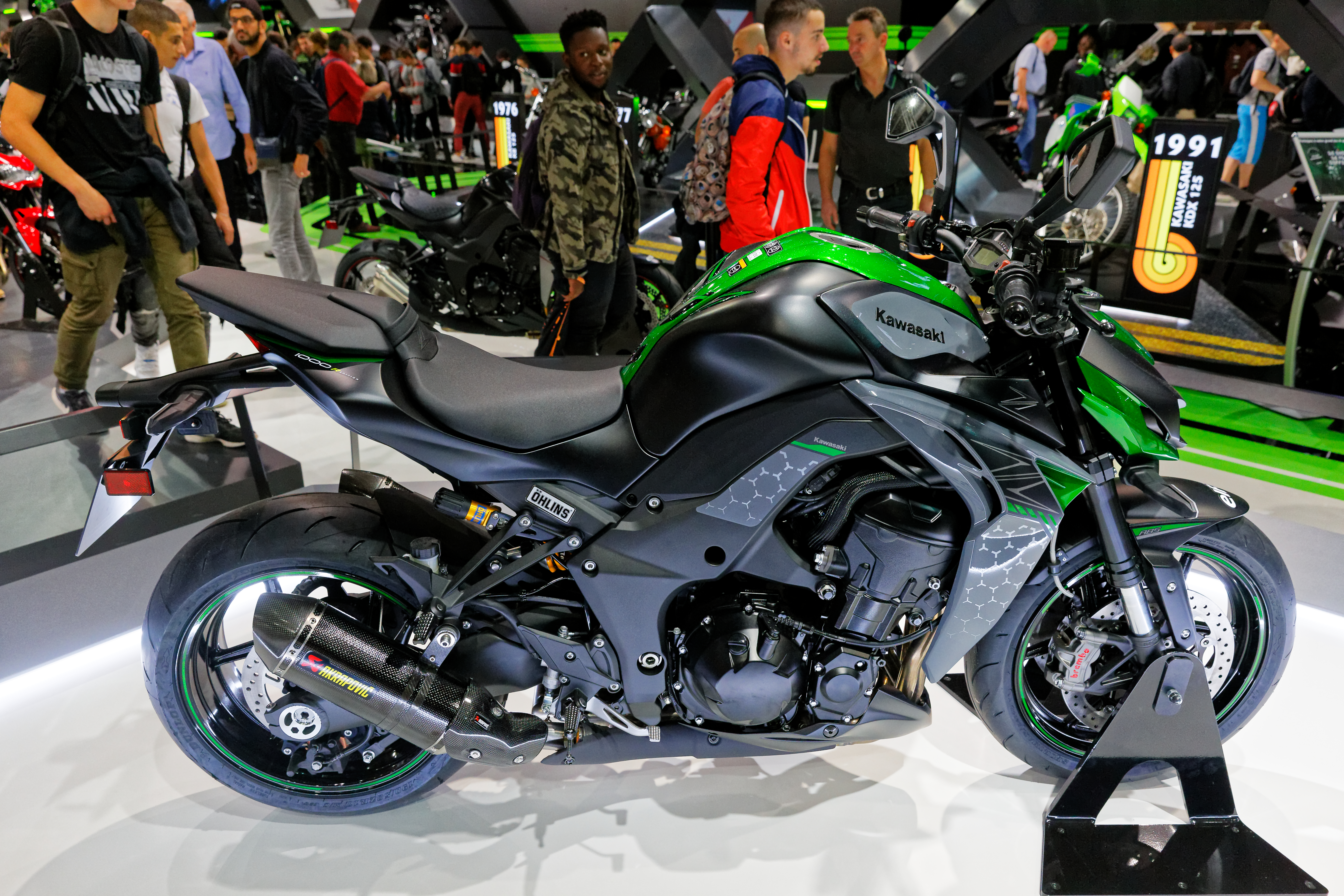
Kawasaki Brute Force 750 vs Kawasaki Z1000
Specs · Power · Buyer verdict
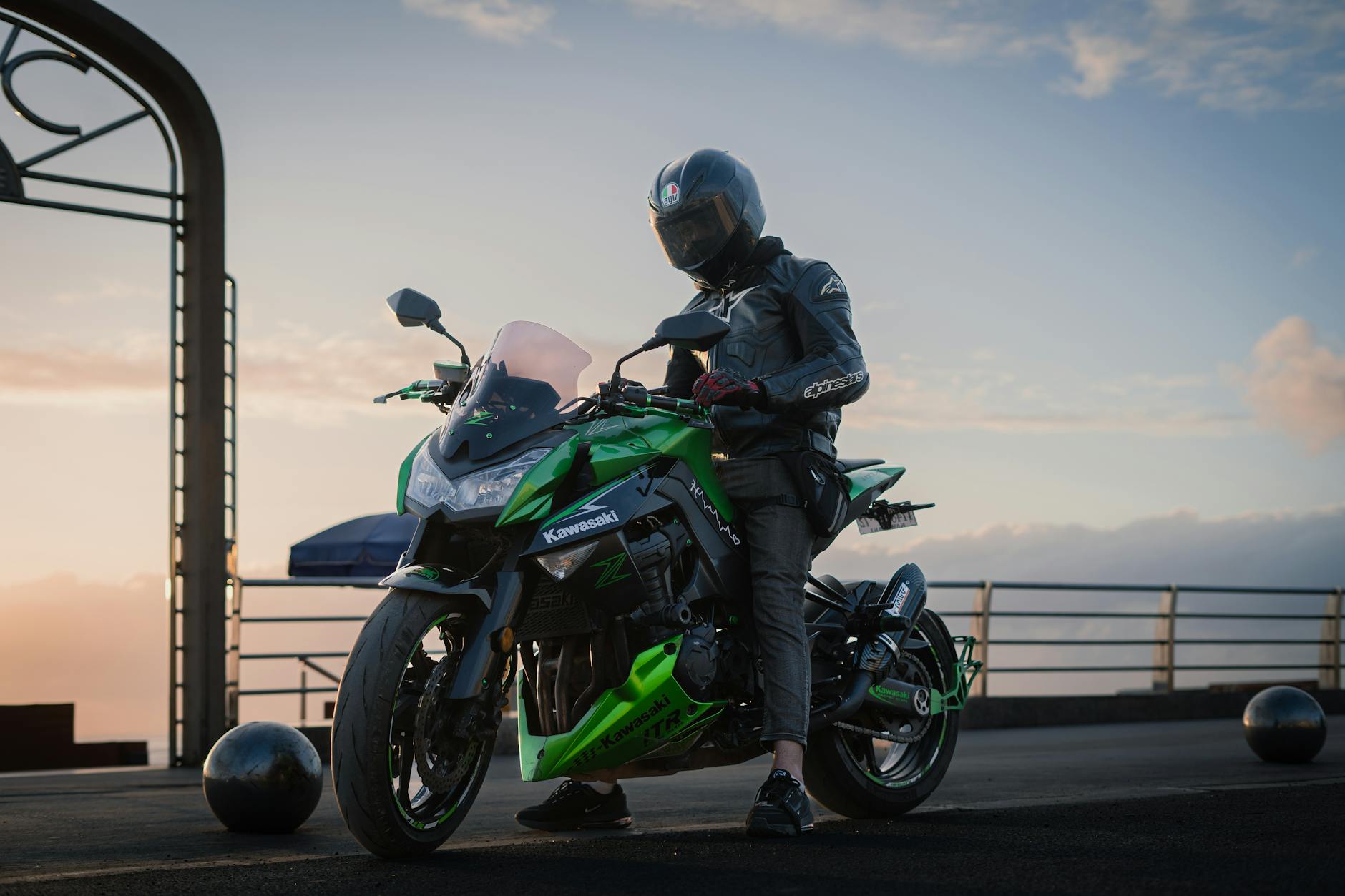
Kawasaki Brute Force 750 vs Kawasaki Z800
Specs · Power · Buyer verdict
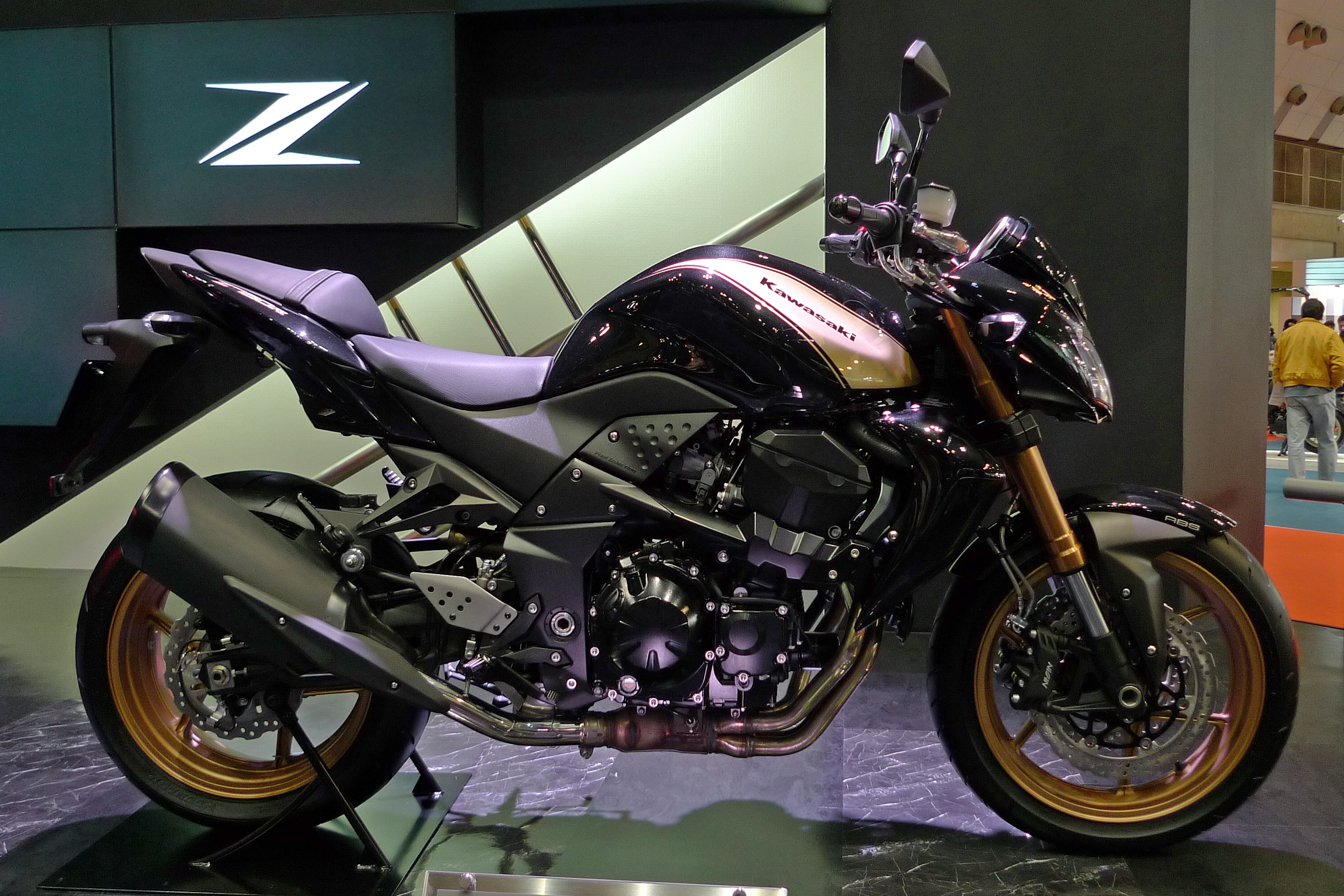
Kawasaki Brute Force 750 vs Kawasaki Z750
Specs · Power · Buyer verdict
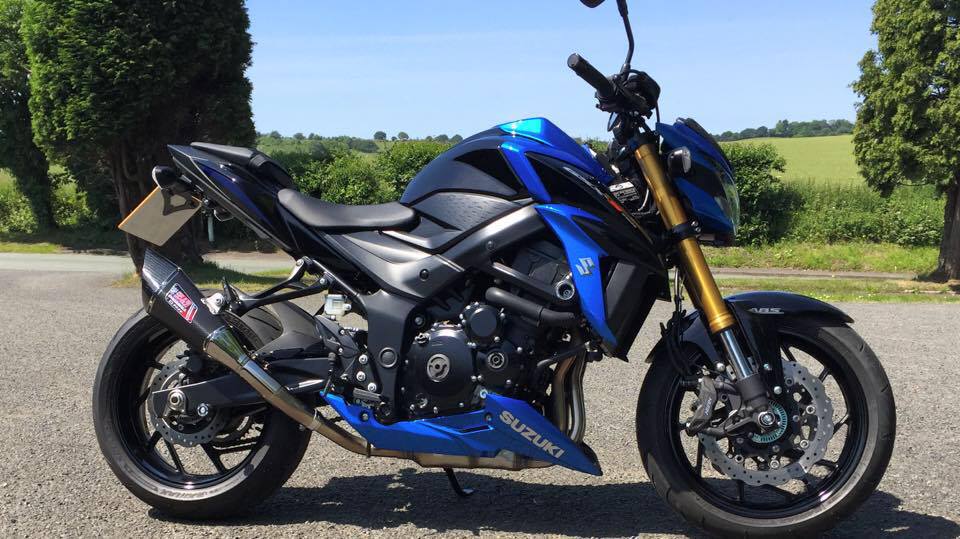
Kawasaki Brute Force 750 vs Suzuki Gsr750
Specs · Power · Buyer verdict
More Kawasaki Brute Force 750 Guides
More from Kawasaki
View all Kawasaki models →Community Reviews
Discussion
Frequently Asked Questions
What are common problems with the Kawasaki Brute Force 750? +
Differential seal leaks, front or rear: Look for oil weeping around diff housing seams (moderate) | Overheating due to clogged radiator: Inspect radiator fins for mud and debris buildup (moderate) | Front CV axle boots crack and tear: Squeeze boots for cracks, check for grease splatter (serious)
Is the Kawasaki Brute Force 750 a good motorcycle? +
Tough, capable, and forgiving — if the previous owner cared. Rating: 8.0/10. Best for: Serious trail riders wanting bulletproof proven reliability. Avoid if: You want lightweight nimble single-track performance.
What is the horsepower of the Kawasaki Brute Force 750? +
The Kawasaki Brute Force 750 produces ~46 hp @ 6,500 rpm (estimated; Kawasaki does not officially publish power figures for this model), with ~62 Nm @ 5,500 rpm (estimated; official figures not published by Kawasaki) of torque. Top speed: ~105 km/h (estimated; note: this is an ATV, not a motorcycle).
Is the Kawasaki Brute Force 750 good for beginners? +
Yes — the Kawasaki Brute Force 750 is a reasonable choice for new riders (46 hp is manageable), weighing 297 kg. Serious trail riders wanting bulletproof proven reliability
Is the Kawasaki Brute Force 750 reliable? +
Owners report 1 critical issue to watch for on the Kawasaki Brute Force 750, notably: Front CV axle boots crack and tear (Squeeze boots for cracks, check for grease splatter). Buy with a pre-purchase inspection.
Is the Kawasaki Brute Force 750 good for daily use? +
Serious trail riders wanting bulletproof proven reliability Fuel: ~11–14 L/100km (estimated real-world average under mixed riding conditions).
How fast is the Kawasaki Brute Force 750? +
The Kawasaki Brute Force 750 reaches a top speed of ~105 km/h (estimated; note: this is an ATV, not a motorcycle), producing 46 hp at 297 kg curb weight. Real-world performance depends on rider weight, gearing, and road conditions.
What gear should I buy for a Kawasaki Brute Force 750? +
Motoryk has curated a Top 10 gear list specifically for the Kawasaki Brute Force 750, covering engine oil, tires, chain, battery, and brake pads — see motoryk.com/bikes/kawasaki/brute-force-750/top10. Each pick is matched to this bike's spec.