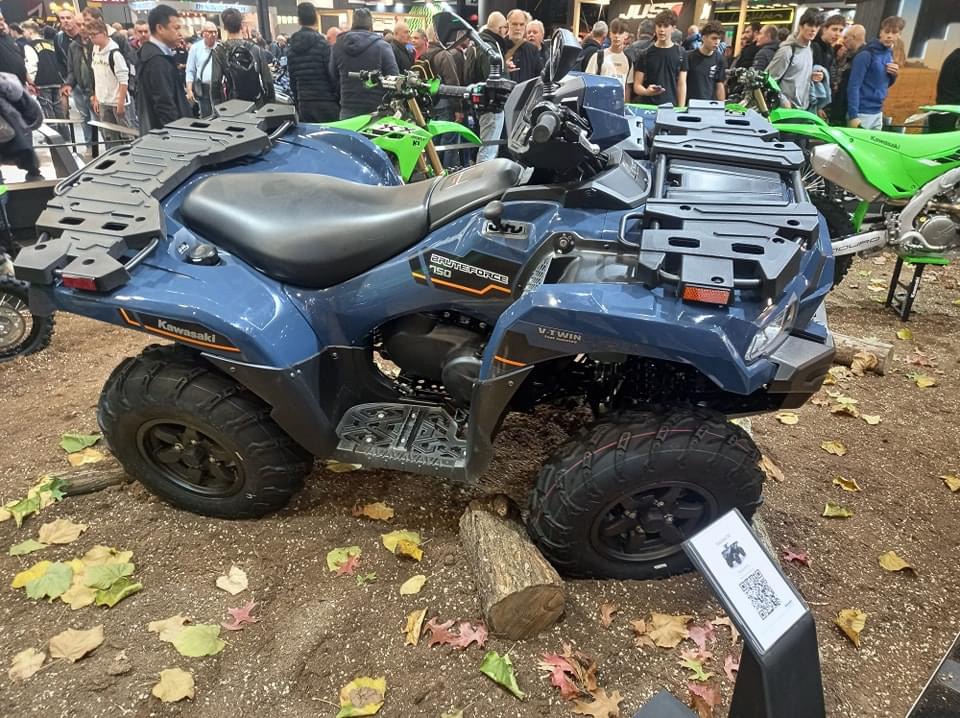
Kawasaki Brute Force 750
The Kawasaki Brute Force 750 has a top speed of ~105 km/h (estimated; note: this is an ATV, not a motorcycle), produces ~46 hp and weighs ~297 kg. Motoryk rates it 8/10.
The Kawasaki Brute Force 750 was introduced in 2005 as a flagship high-performance ATV, replacing the Prairie 700. It features a liquid-cooled, 749cc V-twin engine paired with a continuously variable transmission (CVT) and selectable 2WD/4WD, making it one of the most powerful production ATVs of its era. It has remained largely unchanged in its core platform due to its proven reliability and strong performance, continuing as a top choice for recreational and utility riders.
~46 hp
Power
~62 Nm
Torque
~297 kg
Weight
~105 km/h (estimated; note: this is an ATV, not a motorcycle)
Top Speed
~11–14 L/100km (estimated real-world average under mixed riding conditions)
Fuel
Naked
Body
🔧 Service Schedule & Parts
Affiliate · we may earn| Service item | Every | Typical cost | Parts |
|---|---|---|---|
| 🛢️ Engine oil + oil filter | 6,000 km / 3,500 mi or 12 mo | $40-80 | 🛢️ Buy → ⚙️ Buy → |
| 🌬️ Air filter | 12,000 km / 7,500 mi | — | 🌬️ Buy → |
| ⚡ Spark plugs | 12,000 km / 7,500 mi | — | ⚡ Buy → |
| 🔧 Valve clearance check | 24,000 km / 15,000 mi | $200-400 | |
| 🔗 Chain & sprockets | 25000-40000 km (replace) | $150-300 | 🔗 Buy → |
| 🛑 Brake pads | 15000-30000 km | $30-60 | 🛑 Buy → |
| 💧 Brake fluid | 24,000 km / 15,000 mi or 2 yr | — | |
| 🧊 Coolant | 24,000 km / 15,000 mi | — | |
| 🛞 Tires | 10000-20000 km | $200-400 | 🛞 Buy → |
| 🔩 Major service | 24,000 km / 15,000 mi | $300-600 |
Video Review
What Buyers Should Know
Proven V-Twin Engine
The 749cc V-twin engine is known for strong low-end torque and long-term durability, often lasting well over 10,000 miles with basic maintenance. It's one of the most powerful engines in its class.
Watch the CV Boots
CV axle boots are a common wear item and should be inspected regularly, as cracked or torn boots allow dirt and moisture into the joints, leading to costly repairs. Always check these on any used model.
Strong Resale Value
The Brute Force 750 holds its value better than many competitors due to its reputation for reliability and Kawasaki's strong brand loyalty. Well-maintained examples retain 60-70% of their value after 3-4 years.
Generations & Specs by Year
Introduced 749cc V-twin, independent rear suspension, selectable 4WD, electronic fuel injection standard.
"The ATV that rewrote what 'capable' actually means."
When Kawasaki dropped the Brute Force 750 in 2005, it felt like someone had finally built an ATV for people who were genuinely fed up with compromises — the 749cc liquid-cooled V-twin pulls hard from low revs and keeps pulling in a way that makes older carbureted quads feel prehistoric. The EFI was a genuine revelation in cold Wyoming mornings, no choke fumbling, just twist and go. That said, 294 kg is not a number you forget when you're trying to muscle this thing out of a mud hole alone, and the CVT belt will punish you hard if you ride aggressively in deep water without respecting the cooling limitations. Independent rear suspension genuinely changed the high-speed trail game — I've crossed rutted forest roads at speeds that would have sent a solid-axle machine straight into the trees.
Pros
Cons
Updated chassis geometry, revised suspension tuning, improved braking system, minor cosmetic updates.
"Brutish, dependable workhorse that earns its name daily."
The Gen 2 chassis tweaks are subtle but real — turn-in feels slightly less like steering a refrigerator, and the revised suspension actually absorbs creek crossings without beating your kidneys loose. That 749cc V-twin pulls hard from low revs and doesn't apologize for the fuel it drinks doing it; haul a loaded trailer up a muddy grade and you'll understand why ranchers keep buying these things. The 299 kg wet weight is an honest liability — tip it into soft ground and you're calling for backup — and the 889mm seat height means shorter riders are always one wrong step from a leg-pinning moment. Braking improvements from Gen 1 are noticeable but still nothing that'll impress anyone used to sport quads; adequate is the word.
Pros
Cons
New digital instrumentation, revised bodywork styling, updated throttle body, improved fuel efficiency and ergonomics.
Used Buyer Review
"Tough, capable, and forgiving — if the previous owner cared."
$5,500-$9,500 usedThe Brute Force 750 is genuinely one of the toughest ATVs ever bolted together, and buying one used is usually a safe bet — provided the previous owner wasn't a complete maniac. That fuel-injected V-twin pulls hard from idle and the CVT handles trail abuse better than most competitors. These things were built when Kawasaki still over-engineered everything, and it shows. That said, go in with your eyes open. Check the front differential — they're notorious for eating themselves if the owner ignored fluid changes. Same story with the CVT belt; a neglected one will strand you miles from nowhere. Inspect the frame around the rear suspension mounts for stress cracks, especially on anything that's seen serious rock crawling. Ask for maintenance records and if they laugh at you, walk away. Pricing-wise, a clean 2015 or newer with reasonable miles should run you $6,500-$9,000. Don't overpay for one with aftermarket lift kits and mud tires unless you actually need that setup — those machines usually worked harder.
Top 10 Accessories
Curated picks for the Kawasaki Brute Force 750 — owned, ridden, recommended.




Common Problems
🔥 1 CRITICALLook for oil weeping around diff housing seams
Inspect radiator fins for mud and debris buildup
Squeeze boots for cracks, check for grease splatter
✅Pre-Purchase Checklist
Solid if maintained, punished hard by most owners
Full Specifications
Rivals & Alternatives
Bikes that buyers cross-shop with the Kawasaki Brute Force 750
Compare Kawasaki Brute Force 750 Side-by-Side
compare_arrowsSpecs, power, weight & buyer verdict — head-to-head with the bikes most often cross-shopped.
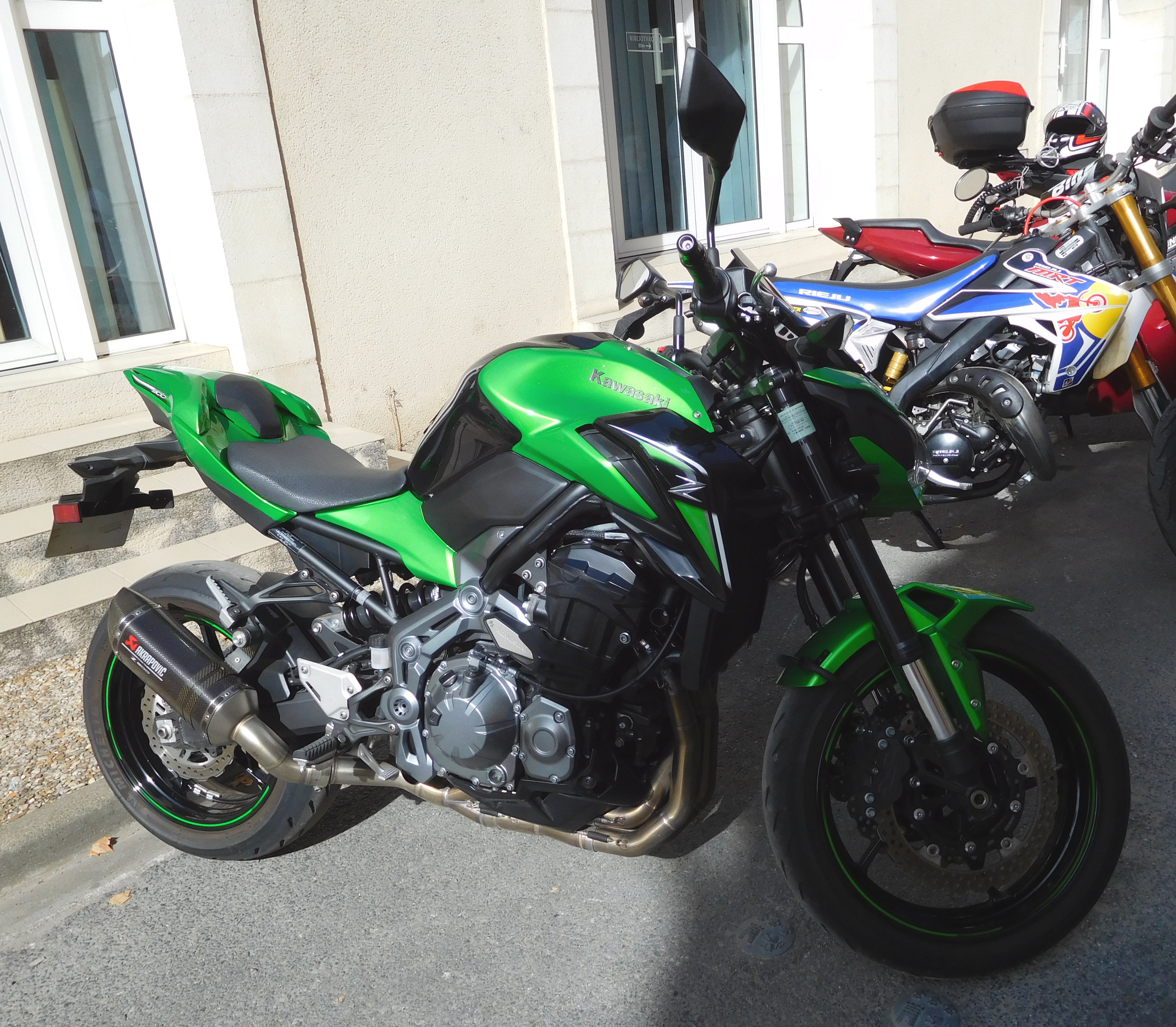
Kawasaki Brute Force 750 vs Kawasaki Z900
Specs · Power · Buyer verdict
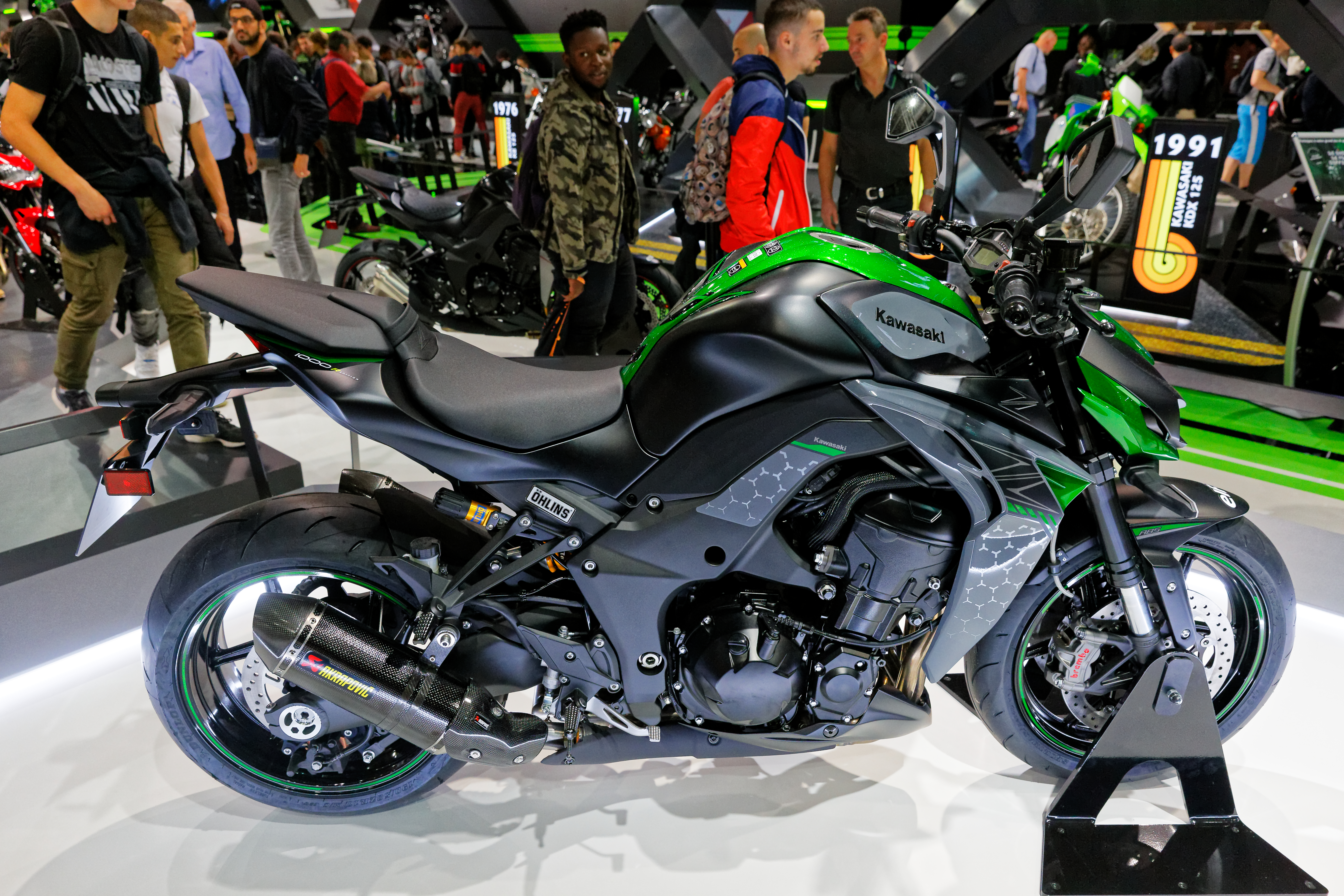
Kawasaki Brute Force 750 vs Kawasaki Z1000
Specs · Power · Buyer verdict
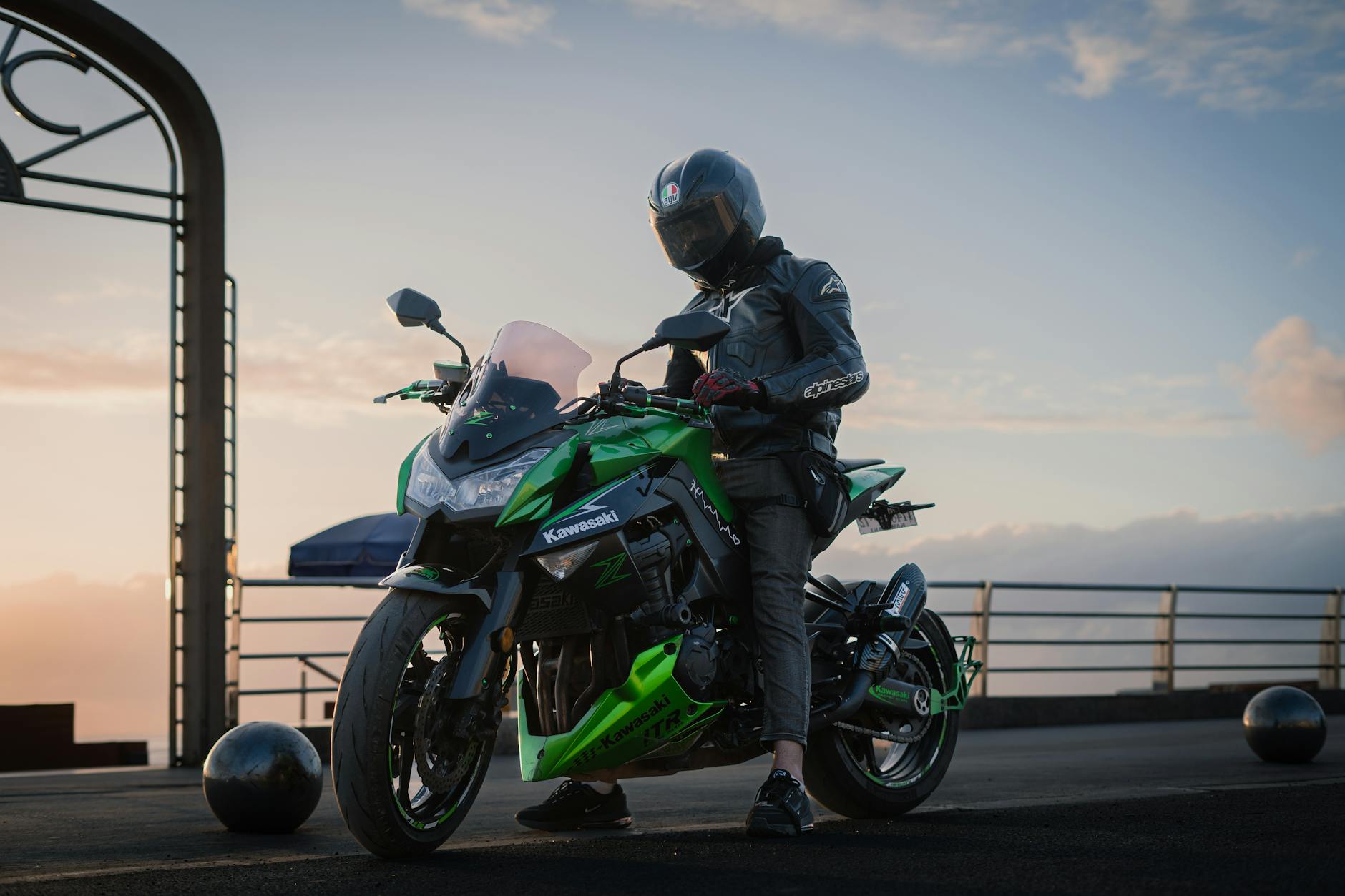
Kawasaki Brute Force 750 vs Kawasaki Z800
Specs · Power · Buyer verdict
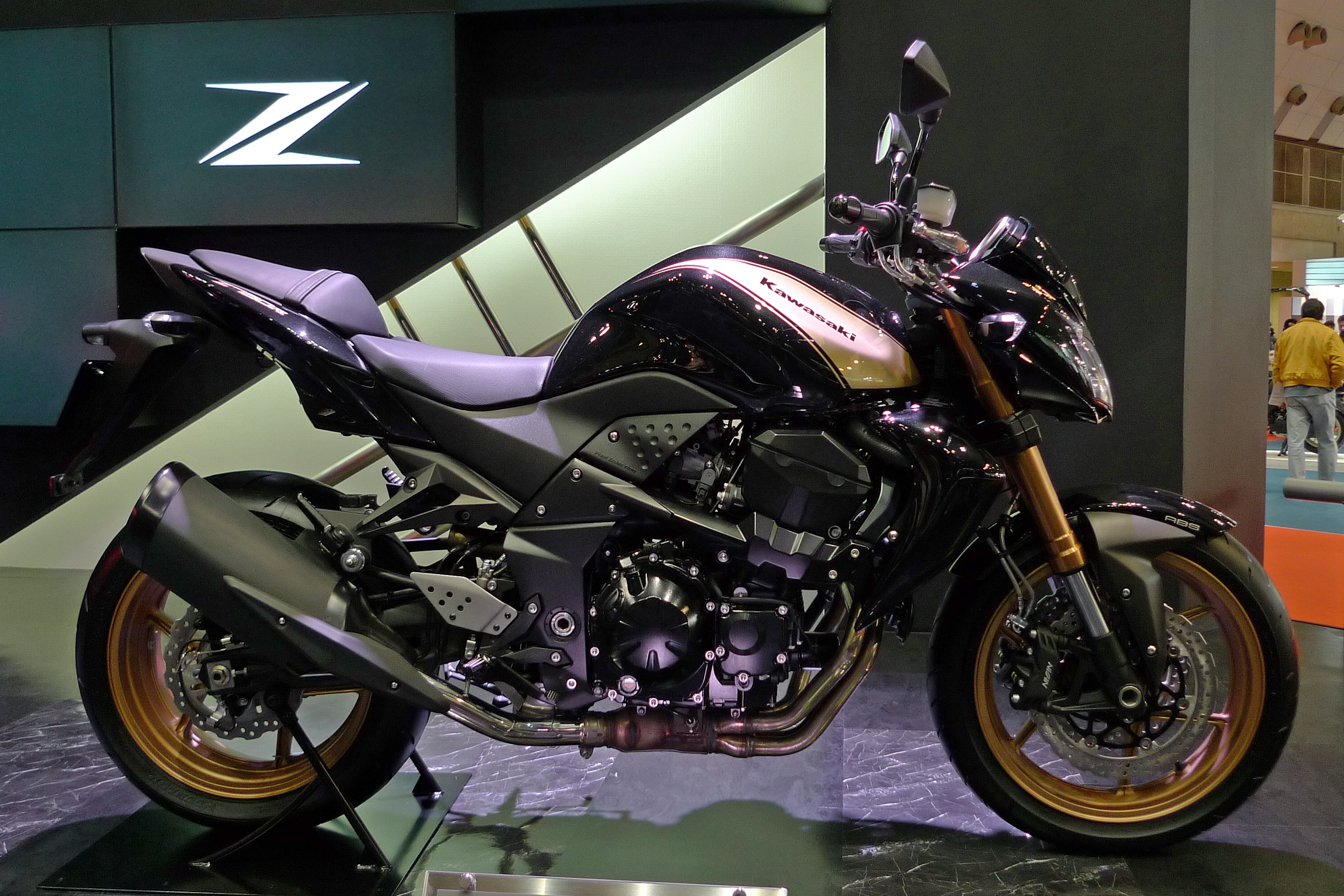
Kawasaki Brute Force 750 vs Kawasaki Z750
Specs · Power · Buyer verdict
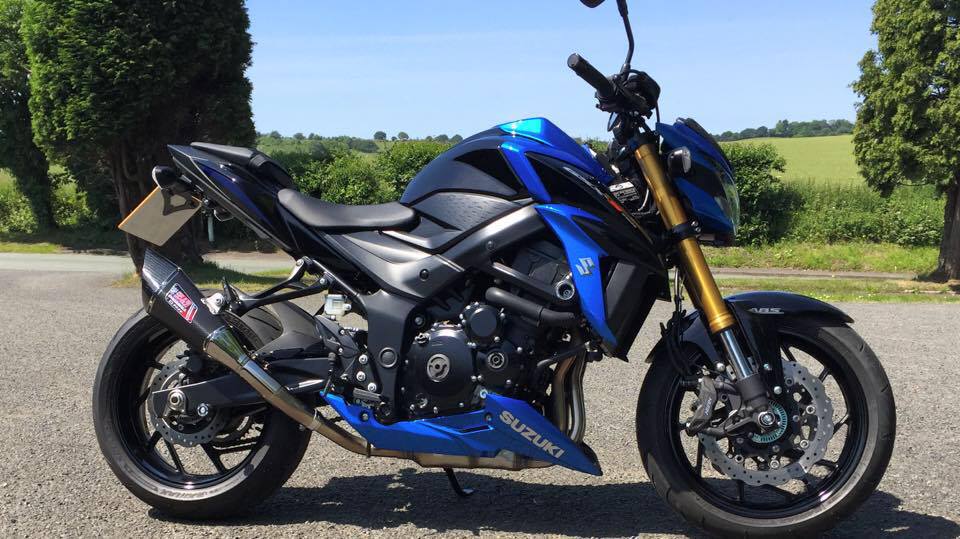
Kawasaki Brute Force 750 vs Suzuki Gsr750
Specs · Power · Buyer verdict
More Kawasaki Brute Force 750 Guides
More from Kawasaki
View all Kawasaki models →Community Reviews
Discussion
Frequently Asked Questions
What are common problems with the Kawasaki Brute Force 750? +
Differential seal leaks, front or rear: Look for oil weeping around diff housing seams (moderate) | Overheating due to clogged radiator: Inspect radiator fins for mud and debris buildup (moderate) | Front CV axle boots crack and tear: Squeeze boots for cracks, check for grease splatter (serious)
Is the Kawasaki Brute Force 750 a good motorcycle? +
Tough, capable, and forgiving — if the previous owner cared. Rating: 8.0/10. Best for: Serious trail riders wanting bulletproof proven reliability. Avoid if: You want lightweight nimble single-track performance.
What is the horsepower of the Kawasaki Brute Force 750? +
The Kawasaki Brute Force 750 produces ~46 hp @ 6,500 rpm (estimated; Kawasaki does not officially publish power figures for this model), with ~62 Nm @ 5,500 rpm (estimated; official figures not published by Kawasaki) of torque. Top speed: ~105 km/h (estimated; note: this is an ATV, not a motorcycle).
Is the Kawasaki Brute Force 750 good for beginners? +
Yes — the Kawasaki Brute Force 750 is a reasonable choice for new riders (46 hp is manageable), weighing 297 kg. Serious trail riders wanting bulletproof proven reliability
Is the Kawasaki Brute Force 750 reliable? +
Owners report 1 critical issue to watch for on the Kawasaki Brute Force 750, notably: Front CV axle boots crack and tear (Squeeze boots for cracks, check for grease splatter). Buy with a pre-purchase inspection.
Is the Kawasaki Brute Force 750 good for daily use? +
Serious trail riders wanting bulletproof proven reliability Fuel: ~11–14 L/100km (estimated real-world average under mixed riding conditions).
How fast is the Kawasaki Brute Force 750? +
The Kawasaki Brute Force 750 reaches a top speed of ~105 km/h (estimated; note: this is an ATV, not a motorcycle), producing 46 hp at 297 kg curb weight. Real-world performance depends on rider weight, gearing, and road conditions.
What gear should I buy for a Kawasaki Brute Force 750? +
Motoryk has curated a Top 10 gear list specifically for the Kawasaki Brute Force 750, covering engine oil, tires, chain, battery, and brake pads — see motoryk.com/bikes/kawasaki/brute-force-750/top10. Each pick is matched to this bike's spec.