Indian Scout
The Indian Scout has a top speed of 185 km/h, produces 100 hp and weighs 256 kg. Motoryk rates it 8/10.
The Indian Scout was originally introduced in 1920 and became one of the most iconic American motorcycles of the early 20th century, known for its reliability and performance. The nameplate was revived by the modern Indian Motorcycle Company in 2015 with an all-new liquid-cooled V-twin, targeting the mid-size cruiser market. It quickly gained popularity for its combination of classic styling, accessible ergonomics, and strong performance, winning numerous awards and cementing Indian's resurgence as a major American motorcycle brand.
100 hp
Power
97 Nm
Torque
256 kg
Weight
185 km/h
Top Speed
5.5 L/100km (approx. 18 km/L) — estimated real-world average
Fuel
Naked
Body
🔧 Service Schedule & Parts
Affiliate · we may earn| Service item | Every | Typical cost | Parts |
|---|---|---|---|
| 🛢️ Engine oil + oil filter | 8,000 km / 5,000 mi or 12 mo | $40-80 | 🛢️ Buy → ⚙️ Buy → |
| 🌬️ Air filter | 8,000 km / 5,000 mi | — | 🌬️ Buy → |
| ⚡ Spark plugs | 16,000 km / 10,000 mi | — | ⚡ Buy → |
| 🔧 Valve clearance check | 26,000 km / 16,000 mi | $300-500 | |
| 🛑 Brake pads | 15000-25000 km | $40-80 | 🛑 Buy → |
| 💧 Brake fluid | 24,000 km / 15,000 mi or 2 yr | — | |
| 🧊 Coolant | 24,000 km / 15,000 mi | — | |
| 🛞 Tires | 12000-20000 km | $250-450 | 🛞 Buy → |
| 🔩 Major service | 24,000 km / 15,000 mi | $400-700 |
Video Review
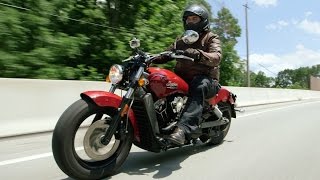
What Buyers Should Know
Rock-Solid Engine Reliability
The Scout's 1133cc liquid-cooled V-twin is widely regarded as one of the most reliable middleweight cruiser engines on the market, with many owners reporting 50,000+ miles with minimal issues. Regular oil changes and belt inspections are the primary maintenance concerns.
Watch the Final Drive Belt
Some Scout owners report premature belt wear, particularly on earlier 2015-2018 models, so always inspect belt tension and condition before buying used. Indian updated the belt drive spec in later models, making post-2019 examples a safer bet.
Strong Resale Value
Indian Scouts consistently hold their value better than comparable Japanese cruisers, retaining roughly 70-75% of their value after two years. The brand's heritage appeal and limited depreciation make it a smart financial choice compared to Harley's Sportster segment.
Generations & Specs by Year
Introduced 37ci (606cc) side-valve V-twin, unit construction gearbox, lightweight and nimble chassis.
"The bike that rewrote what motorcycles could be."
I've ridden restored Scouts at vintage rallies and there's nothing else that puts you in touch with early motorcycle development quite like it — the low seat drops you into the machine rather than perching you on top, and that side-valve V-twin pulls with a smooth, meaty authority that shames plenty of bigger-displacement contemporaries. The unit-construction gearbox was genuinely revolutionary for 1920; shifting is deliberate and agricultural by modern standards, but it's reliable in a way that older springer-era bikes simply weren't. At speed, the Scout feels planted and confidence-inspiring — 105 km/h is a genuine number, not a marketing claim, and the chassis communicates road texture with brutal honesty through its leaf-spring front end. The real weakness is maintenance cadence: you're greasing, adjusting, and nursing this thing constantly, and sourcing correct period parts without paying museum prices requires patience and a good network.
Pros
Cons
Enlarged to 45ci (750cc), longer wheelbase, lower center of gravity, widely praised handling.
"The Scout that finally made Indian's promise real."
I've put serious miles on this 101 Scout over two summers, and nothing from that era sits in a corner and handles like this machine does — the lowered center of gravity and longer wheelbase make it feel planted through sweeping bends in a way that still surprises me. The 1,000cc side-valve pulls hard from low revs with that fat, authoritative torque you feel in your chest around 2,500 rpm, and it'll honestly embarrass bigger bikes on a winding road where finesse matters more than raw power. That said, the hand-change gearbox demands your full attention early on, and sourcing period-correct replacement parts is an exercise in patience, luck, and knowing the right people. For a 90-year-old motorcycle, the braking is predictably marginal — budget extra road and extra caution when the weather turns.
Pros
Cons
Shared Chief frame, Sport Scout variant introduced 1934 with performance focus and stronger bottom end.
"The Sport Scout is Depression-era magic that still bites."
I've spent two riding seasons on a '37 Sport Scout and the thing genuinely surprises you — that side-valve 750 pulls hard from 2,500 rpm with a meaty, authoritative thump that embarrassed more than a few overhead-valve machines when this was new. The shared Chief frame brought real stability over the older loop chassis, and the lower center of gravity makes it feel lighter than 195 kg through corners. Honest weaknesses: the hand-shift-foot-clutch setup demands total concentration in traffic, the brakes are period-correct in the worst possible sense, and oil management is an ongoing conversation rather than a solved problem. But run one on an open backroad and you'll understand why racers preferred the Sport Scout over everything else Indian built in the thirties.
Pros
Cons
Brand relaunched by Polaris; 1133cc liquid-cooled V-twin, 100hp, cast aluminum frame and bodywork.
New 1250cc liquid-cooled V-twin, revised chassis, multiple sub-variants including Bobber and Classic trims.
Used Buyer Review
"A genuinely compelling used buy if you check the electrics first."
$7,000-$11,000 usedThe Scout is one of those bikes that genuinely delivers on its looks. That 1133cc liquid-cooled V-twin pulls hard from low revs and sounds properly mean without being obnoxious. Used examples from 2015-2018 are plentiful now and prices have softened nicely — you can find solid ones for well under ten grand if you're patient. Check the final belt drive carefully on anything over 15,000 miles, and look for signs of the dreaded charging system issues that plagued early models. A dealer service history is worth paying a small premium for. The riding position suits medium-height riders perfectly, but if you're pushing six-two or taller, a longer ride will remind you of that. Suspension is competent rather than inspiring — it's a cruiser, not a canyon carver, and it knows it. Fuel economy hovers around 45mpg which is decent for the displacement. Parts availability has improved massively as the platform matured, and the aftermarket is genuinely solid now.
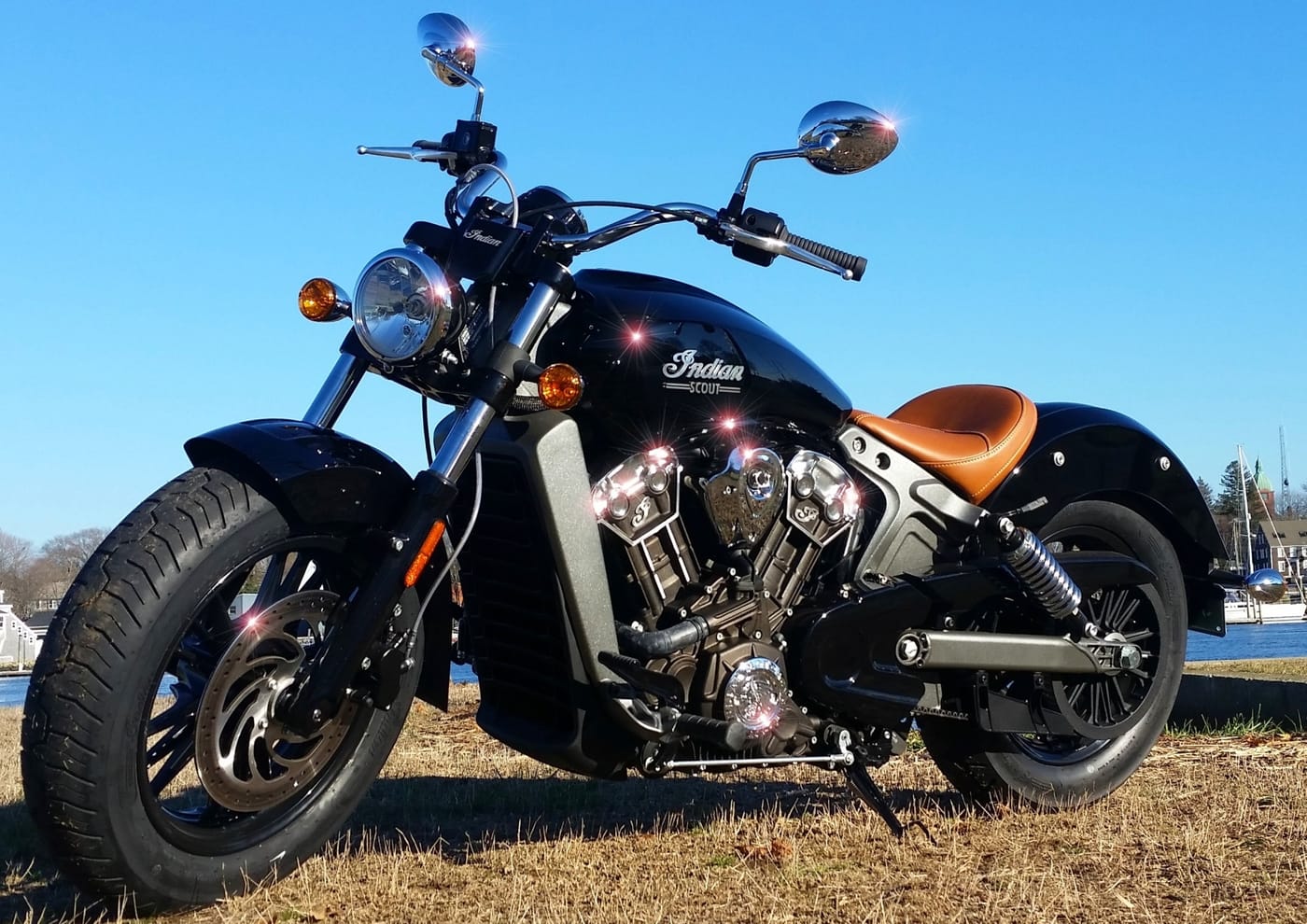
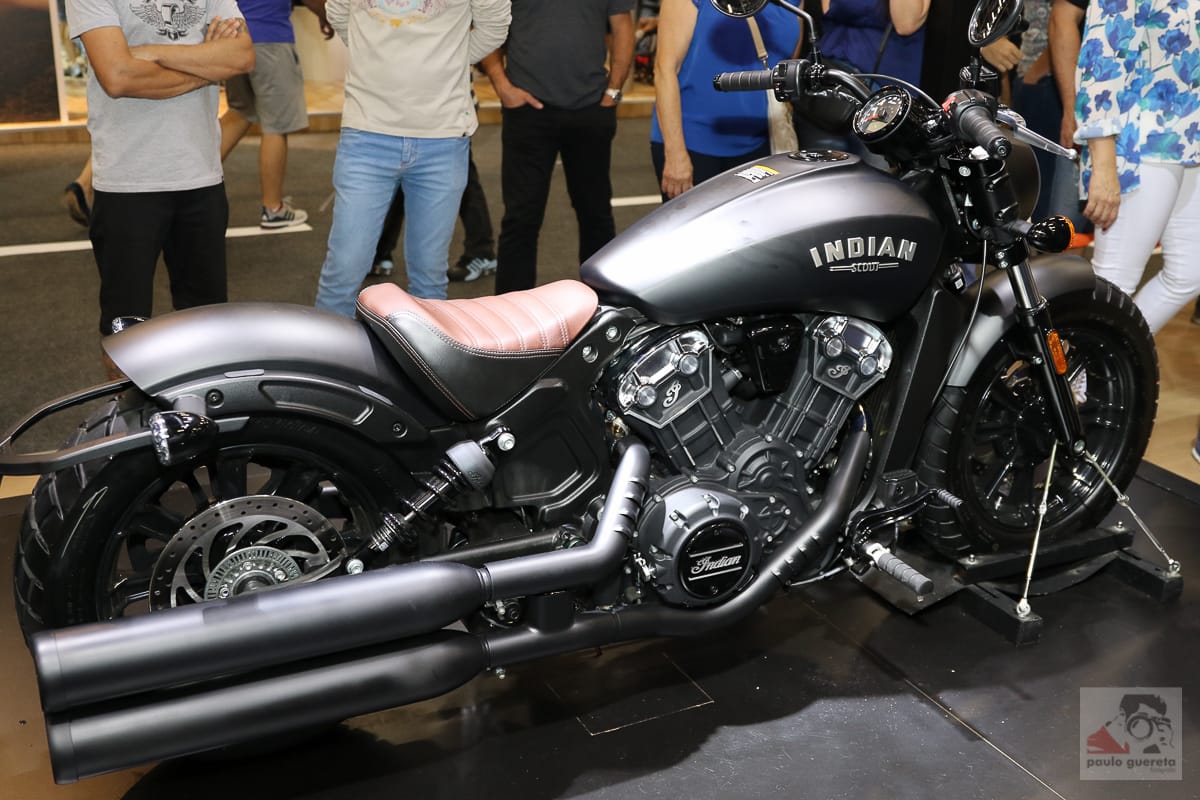
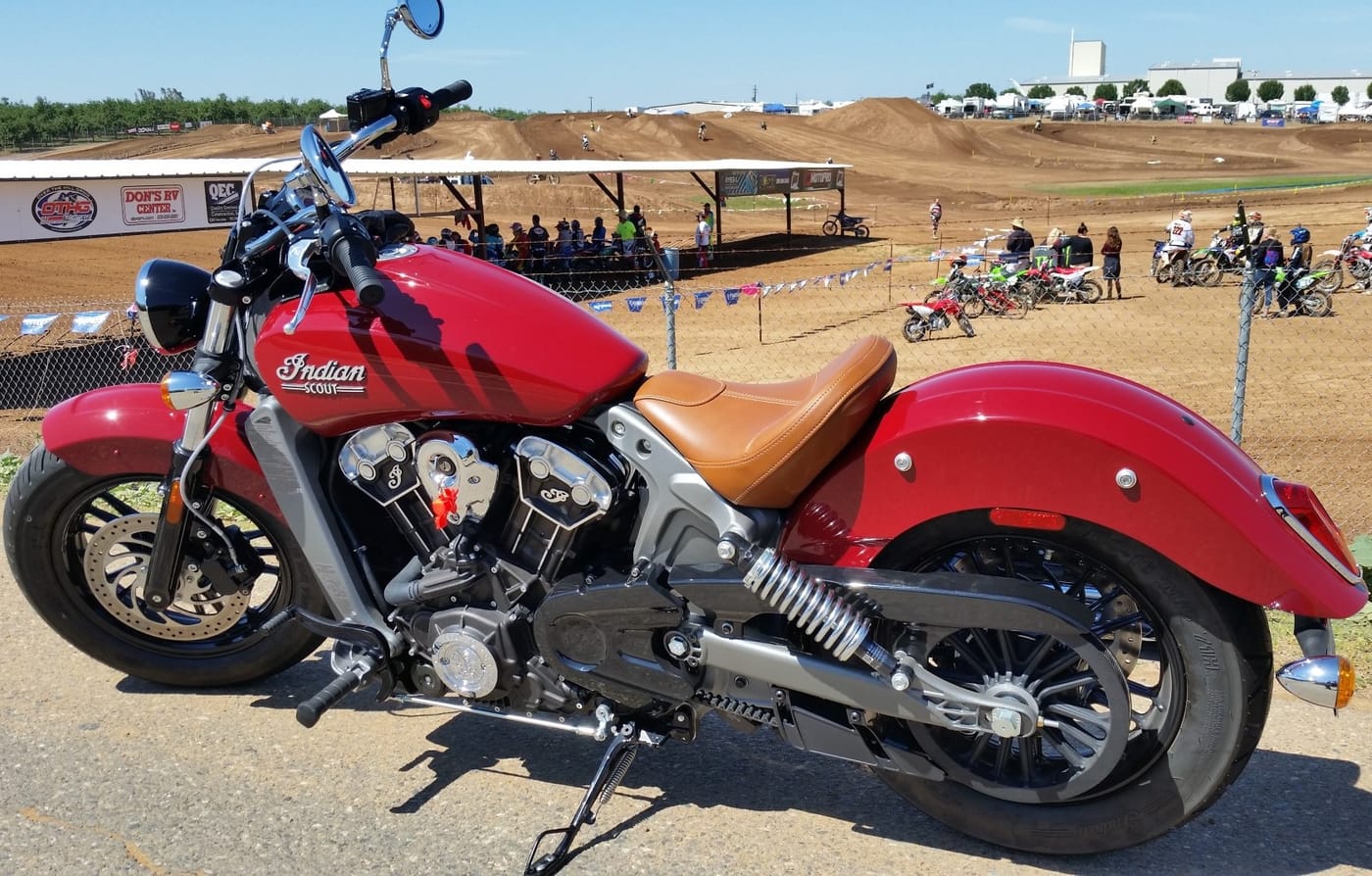
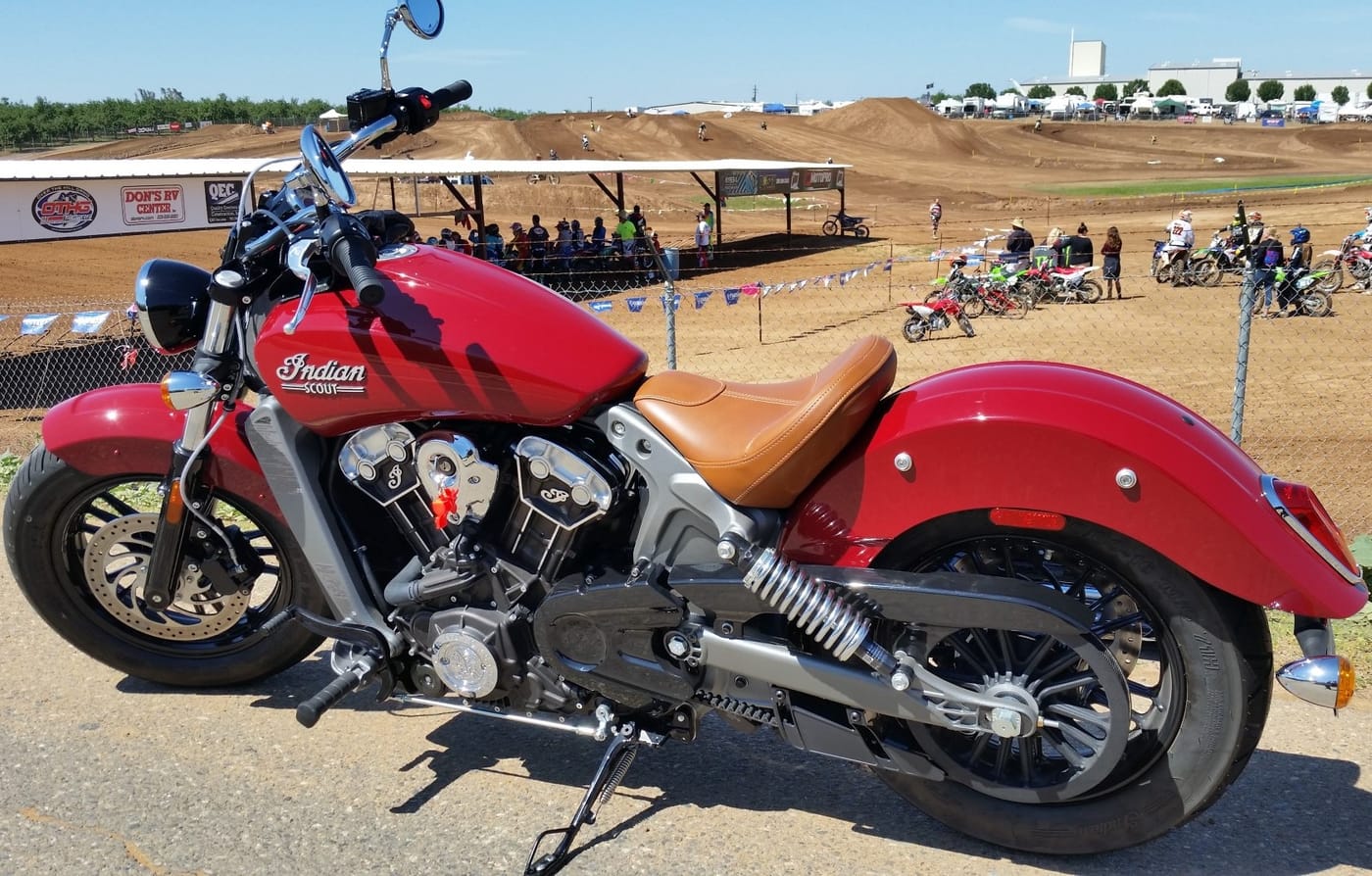
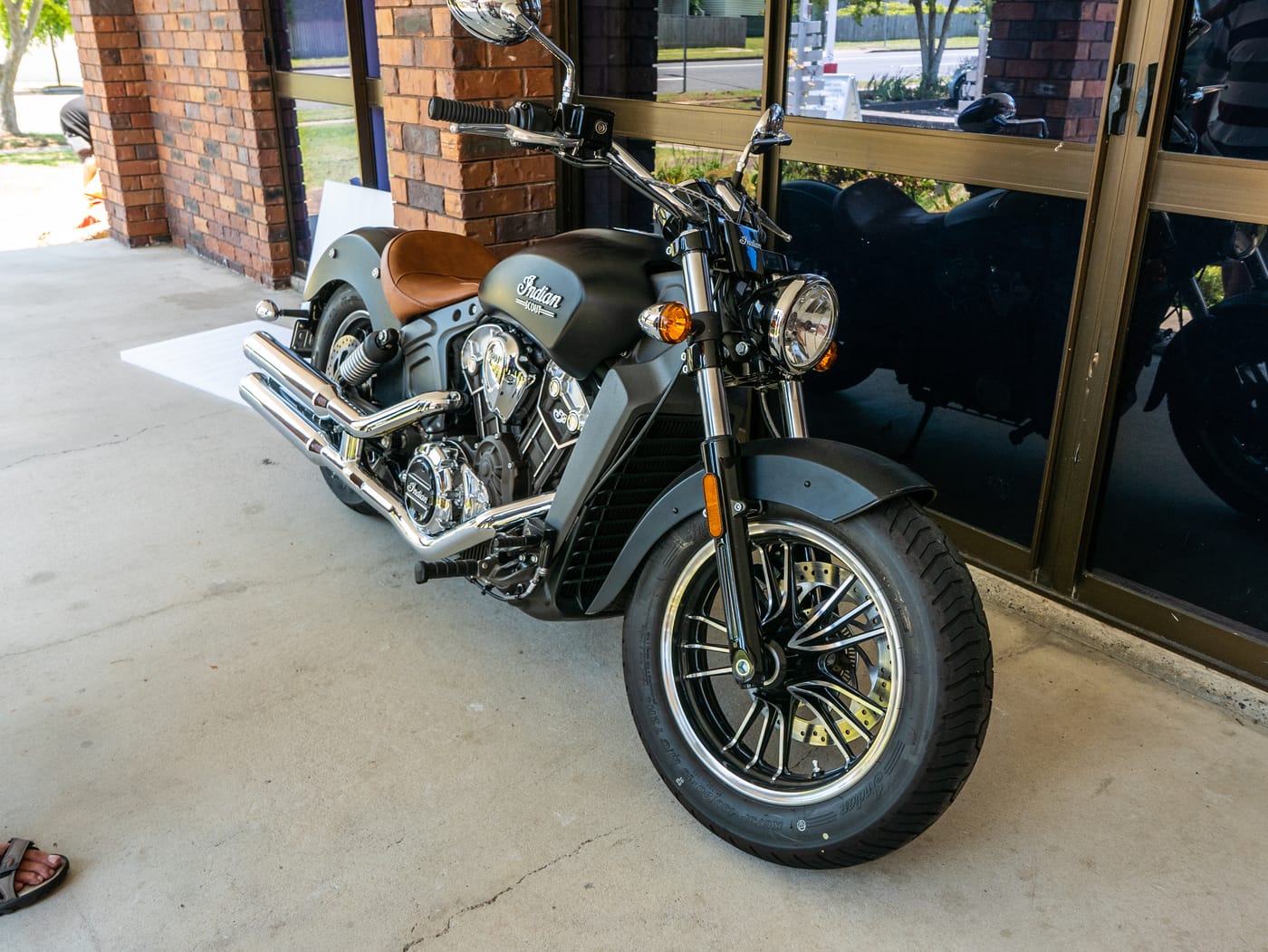
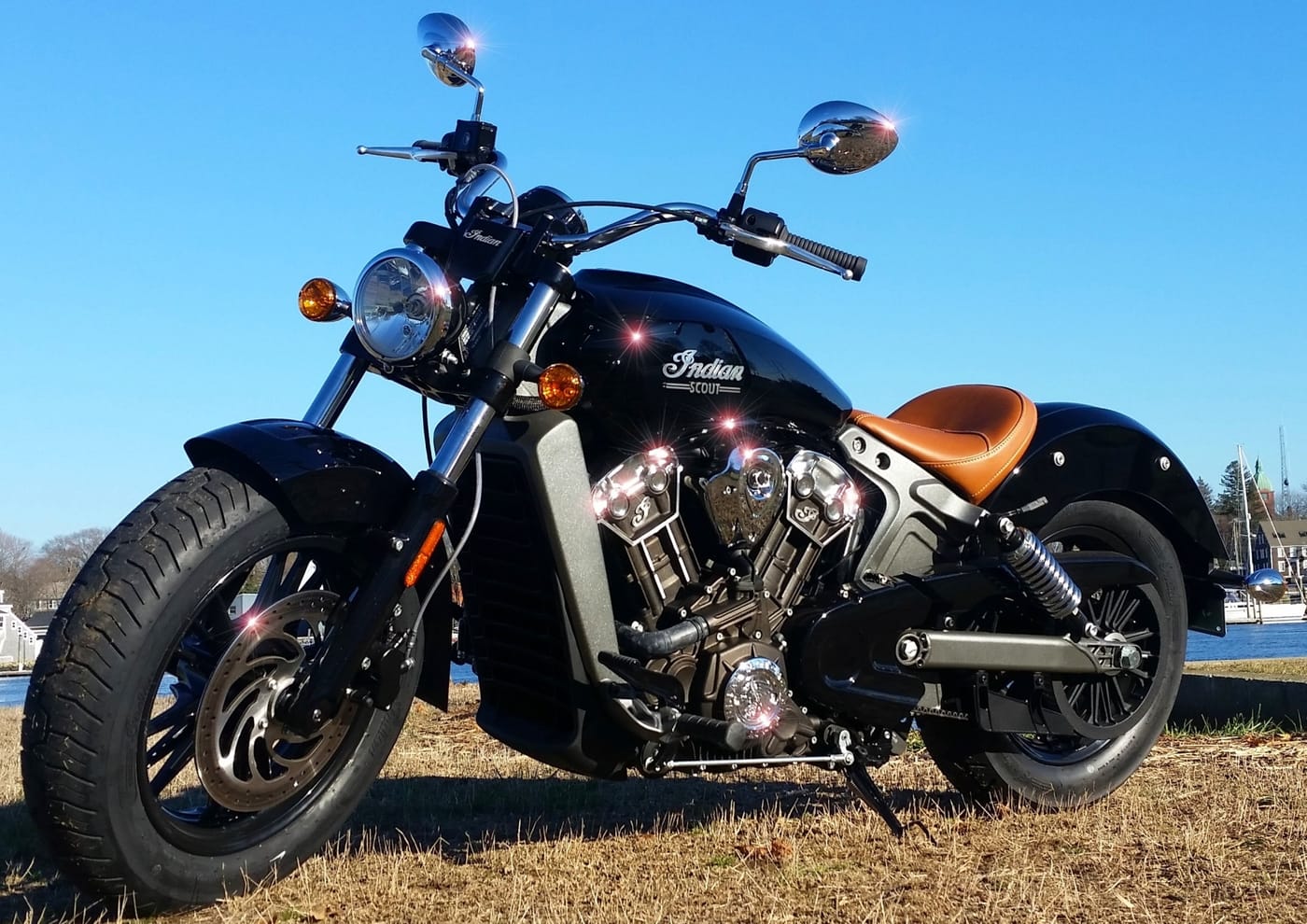
Variants of the Indian Scout
Same bike, different trim or year-range — pick the one matching the listing.


Top 10 Accessories
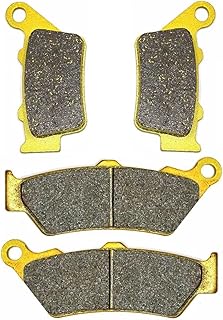
Curated picks for the Indian Scout — owned, ridden, recommended.




Common Problems
🔥 1 CRITICALStart cold, listen for pump prime, check fuel pressure
Test clutch engagement, feel for slipping under load
Inspect top of engine for wet oil residue
Check dash warning lights, scan for stored fault codes
✅Pre-Purchase Checklist
Decent but fuel and electrical issues need attention
Full Specifications
Rivals & Alternatives
Bikes that buyers cross-shop with the Indian Scout
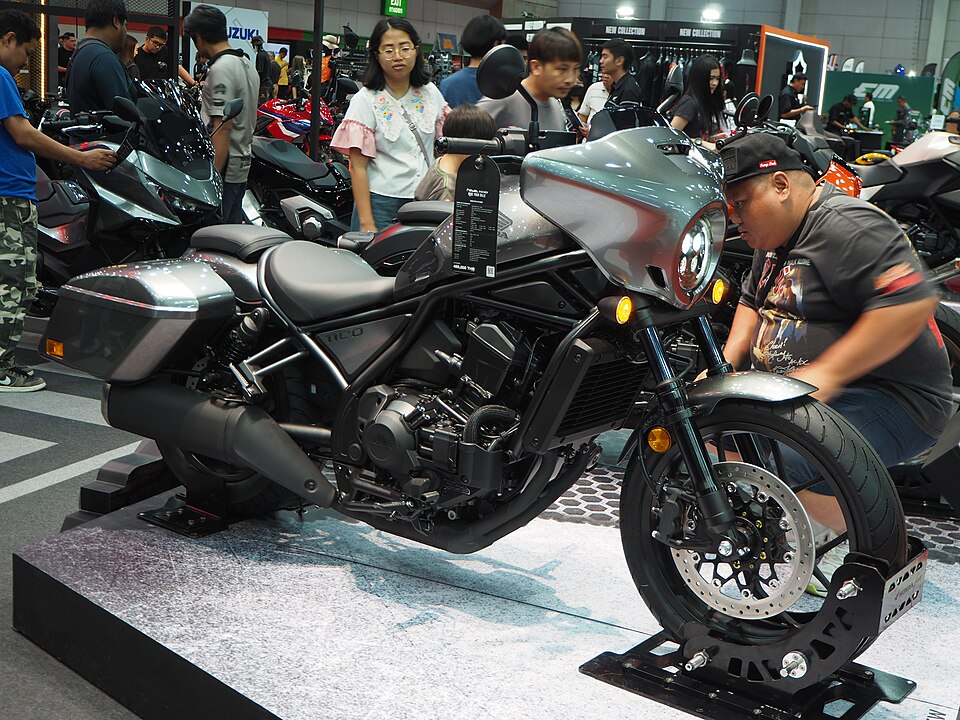
Honda Rebel 1100
Indian Scout Bobber
Indian Scout Bobber Twenty
Indian Scout Sixty
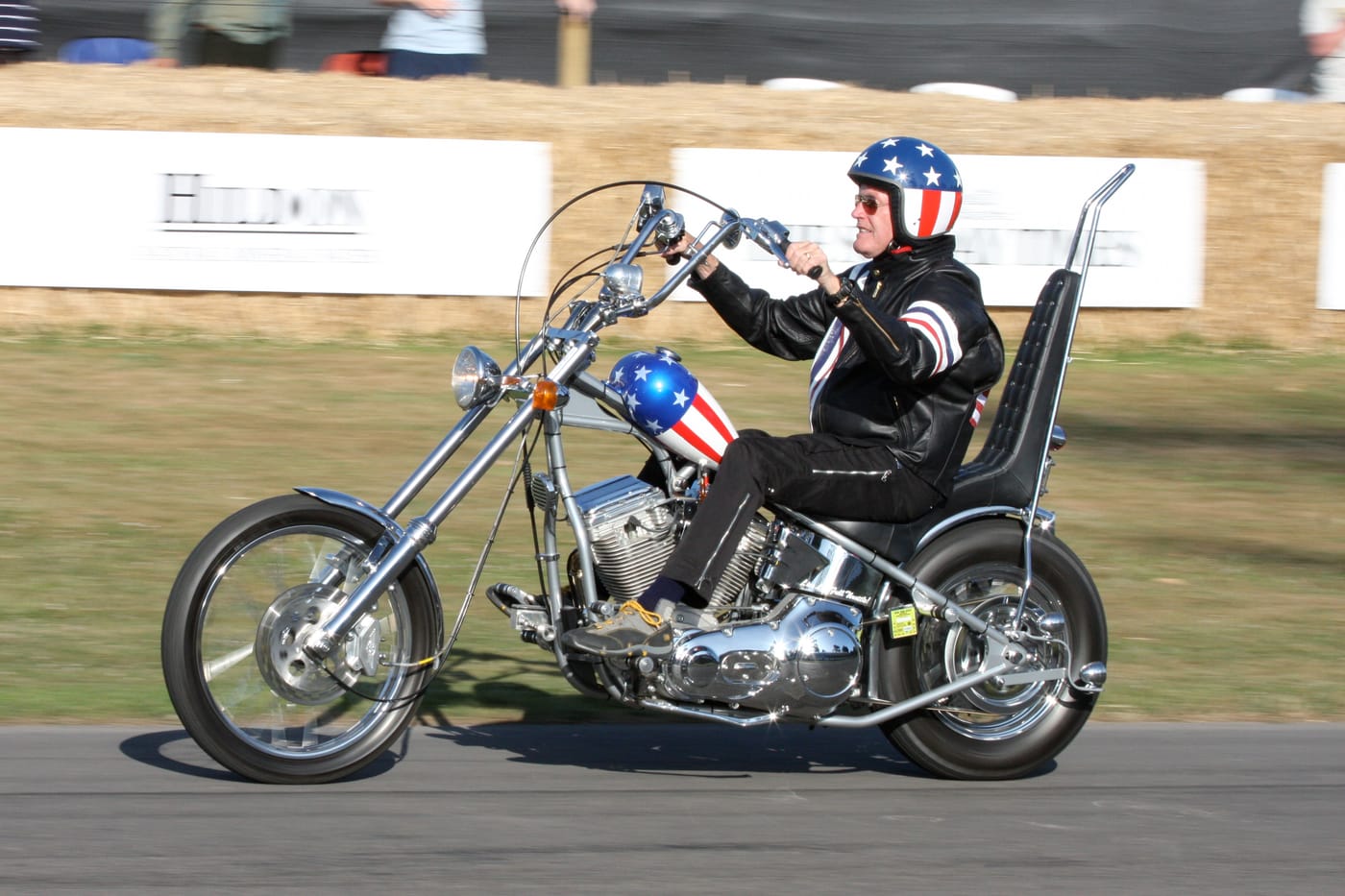
Indian Super Scout
Compare Indian Scout Side-by-Side
compare_arrowsSpecs, power, weight & buyer verdict — head-to-head with the bikes most often cross-shopped.
Indian Scout vs Honda Rebel 1100
Specs · Power · Buyer verdict
Indian Scout vs Indian Scout Bobber
Specs · Power · Buyer verdict
Indian Scout vs Indian Scout Bobber Twenty
Specs · Power · Buyer verdict
Indian Scout vs Indian Scout Sixty
Specs · Power · Buyer verdict
Indian Scout vs Indian Super Scout
Specs · Power · Buyer verdict
More Indian Scout Guides
More from Indian
View all Indian models →Community Reviews
Discussion
Indian Scout Videos
Frequently Asked Questions
What are common problems with the Indian Scout? +
Fuel pump failure causing stalling or no-start: Start cold, listen for pump prime, check fuel pressure (serious) | Clutch basket wear and slipping: Test clutch engagement, feel for slipping under load (moderate) | Oil leaks from rocker boxes or gaskets: Inspect top of engine for wet oil residue (minor)
Is the Indian Scout a good motorcycle? +
A genuinely compelling used buy if you check the electrics first. Rating: 8.0/10. Best for: Style-conscious riders wanting V-twin grunt under $9k. Avoid if: You're tall, tour long distances, or hate cruisers.
What is the horsepower of the Indian Scout? +
The Indian Scout produces 100 hp @ 8,000 rpm, with 97 Nm @ 5,900 rpm of torque. Top speed: 185 km/h.
Is the Indian Scout good for beginners? +
Yes — the Indian Scout is a reasonable choice for new riders (100 hp is manageable), weighing 256 kg. Style-conscious riders wanting V-twin grunt under $9k
Is the Indian Scout reliable? +
Owners report 1 critical issue to watch for on the Indian Scout, notably: Fuel pump failure causing stalling or no-start (Start cold, listen for pump prime, check fuel pressure). Buy with a pre-purchase inspection.
Is the Indian Scout good for daily use? +
Style-conscious riders wanting V-twin grunt under $9k Fuel: 5.5 L/100km (approx. 18 km/L) — estimated real-world average.
How fast is the Indian Scout? +
The Indian Scout reaches a top speed of 185 km/h, producing 100 hp at 256 kg curb weight. Real-world performance depends on rider weight, gearing, and road conditions.
What gear should I buy for a Indian Scout? +
Motoryk has curated a Top 10 gear list specifically for the Indian Scout, covering engine oil, tires, chain, battery, and brake pads — see motoryk.com/bikes/indian/scout/top10. Each pick is matched to this bike's spec.