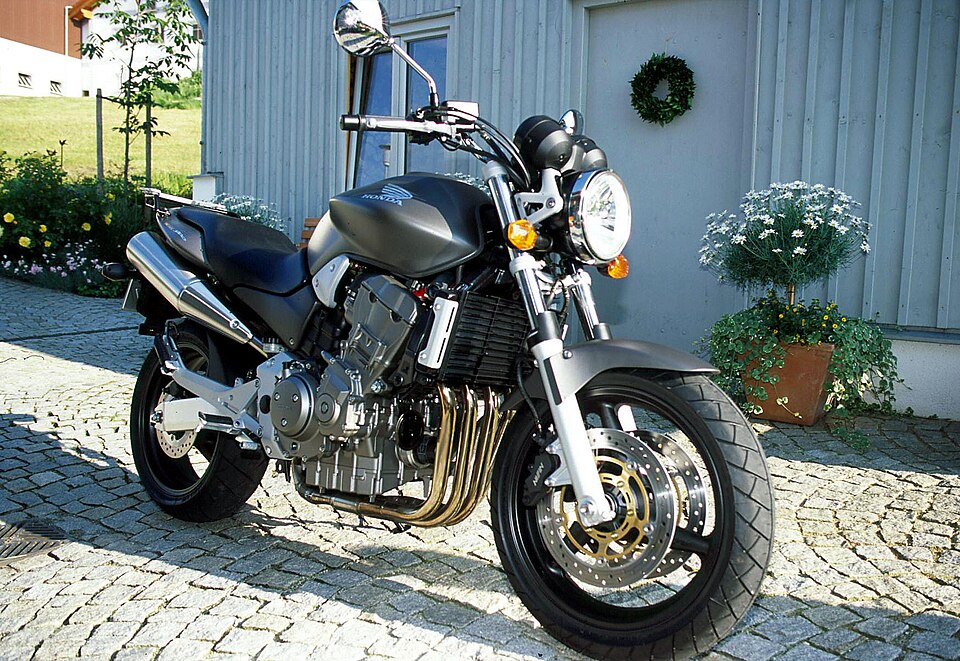
Honda Hornet 900
The Honda Hornet 900 has a top speed of 220 km/h (estimated; note: Honda did not officially publish a top speed), produces 109 hp and weighs 196 kg. Motoryk rates it 8/10.
The Honda CB900F Hornet was introduced in 2002 as a larger sibling to the popular CB600F Hornet, powered by a detuned version of the CBR900RR Fireblade engine. It was designed as a naked streetfighter offering strong mid-range performance and everyday usability, quickly becoming popular in Europe as a learner-accessible (in some markets) yet exciting middleweight. Production continued until 2007, when it was succeeded by the CB1000R.
109 hp
Power
91 Nm
Torque
196 kg
Weight
220 km/h (estimated; note: Honda did not officially publish a top speed)
Top Speed
6.0–7.5 L/100km (typical real-world average)
Fuel
Naked
Body
🔧 Service Schedule & Parts
Affiliate · we may earn| Service item | Every | Typical cost | Parts |
|---|---|---|---|
| 🛢️ Engine oil + oil filter | 6,000 km / 3,500 mi or 12 mo | $40-80 | 🛢️ Buy → ⚙️ Buy → |
| 🌬️ Air filter | 12,000 km / 7,500 mi | — | 🌬️ Buy → |
| ⚡ Spark plugs | 12,000 km / 7,500 mi | — | ⚡ Buy → |
| 🔧 Valve clearance check | 24,000 km / 15,000 mi | $250-450 | |
| 🔗 Chain & sprockets | 25000-40000 km (replace) | $150-300 | 🔗 Buy → |
| 🛑 Brake pads | 15000-30000 km | $30-60 | 🛑 Buy → |
| 💧 Brake fluid | 24,000 km / 15,000 mi or 2 yr | — | |
| 🧊 Coolant | 24,000 km / 15,000 mi | — | |
| 🛞 Tires | 10000-20000 km | $200-450 | 🛞 Buy → |
| 🔩 Major service | 24,000 km / 15,000 mi | $350-650 |
Video Review
What Buyers Should Know
Bulletproof CBR Engine
The Hornet 900 uses Honda's proven CBR900RR Fireblade engine, known for exceptional longevity often exceeding 100,000km with basic maintenance. It's one of the most reliable naked bike powerplants ever produced.
Watch the Cam Chain
A known weak point is cam chain tensioner wear, which causes a rattling noise on cold starts — listen carefully before buying. It's a relatively affordable fix but indicates whether the bike has been properly maintained.
Strong Resale Value
The Hornet 900 holds its value unusually well for a mid-2000s naked bike due to its cult following and limited production numbers. A clean, low-mileage example consistently commands a premium in the used market.
Generations & Specs by Year
Original CB900F Hornet launched with 919cc inline-four engine, tubular steel frame, naked streetfighter styling.
"CBR900RR engine in a naked suit — pure genius."
Honda took the Fireblade's 919cc motor, strapped it into a tubular steel naked frame, and somehow made it even more fun to ride than the superbike it came from. Below 5,000 rpm it's docile enough for daily commuting, but crack the throttle past 7,000 and it absolutely screams to the 9,500 rpm redline — that inline-four howl never gets old. The steering is fast and confidence-inspiring, though the standard suspension is underdamped and wallows badly if you push hard into corners; a decent fork oil change and rear shock upgrade transform it. My only real gripe after two years daily riding was the grab-and-release rear brake and the fact that wind protection is essentially zero above 140 km/h — your chest becomes a sail.
Pros
Cons
Revised bodywork, updated instrumentation, new colour schemes, minor ergonomic tweaks, mechanically largely unchanged.
"Still the sharpest naked you can afford used."
The 919 motor is the real reason to own this bike — it pulls hard from 4,000 rpm and absolutely sings past 7,000, with that classic Honda inline-four mechanical precision that makes cheaper competitors feel agricultural. I ran mine through two winters and several track days, and the chassis never once felt like the weakest link; it steers quickly for a naked and holds its line under hard braking better than its 202 kg weight suggests. The 2006 refresh brought a cleaner dash and slightly reshaped bars that took some wrist fatigue off long motorway stints, though 'touring comfort' still isn't in this bike's vocabulary beyond 200 km. Honestly, the biggest criticism is that Honda played it too safe — the suspension is soft stock, the brakes feel wooden compared to contemporary Italian rivals, and the styling update was so subtle most people can't tell a Gen 2 from a Gen 1 without checking the VIN.
Pros
Cons
Used Buyer Review
"A brilliant all-rounder that rewards buyers who choose carefully."
$3,500-$6,500 usedThe Hornet 900 is one of Honda's genuinely underrated machines — a naked bike built around the CBR900RR Fireblade engine that delivers serious performance without the screaming price tags of its sportier sibling. That inline-four pulls hard from about 4,000rpm and just keeps building to a howling 9,500rpm redline. It's genuinely addictive, and the chassis keeps up without drama. Buying used, you need to check a few things carefully. These bikes attract thrashers who rode them hard and serviced them never. Pull the fairings and inspect the frame for crash damage — even minor lowsides leave marks. Cam chain tensioners can rattle if neglected, so listen carefully at idle. Throttle bodies need periodic balancing, and a mismatched idle usually means the previous owner ignored that. Good examples are genuinely brilliant — comfortable enough for touring, fast enough to embarrass sportbikes, and Honda-reliable when maintained properly. Bad examples will drain your wallet fast. Spend the extra $500 on a clean one rather than rescuing a project.
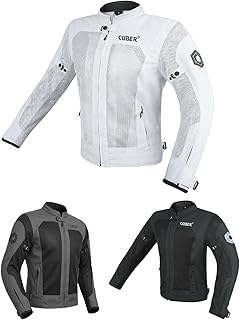
Top 10 Accessories
Curated picks for the Honda Hornet 900 — owned, ridden, recommended.




Common Problems
🔥 1 CRITICALCold start noise, ticking disappears after warmup
Charging voltage, battery health, melted connector pins
Rough idle, hesitation, last carb service date
Oil weeping on fork legs, worn dust seals
✅Pre-Purchase Checklist
Solid engine, electrical system is main weakness
Full Specifications
Rivals & Alternatives
Bikes that buyers cross-shop with the Honda Hornet 900
Compare Honda Hornet 900 Side-by-Side
compare_arrowsSpecs, power, weight & buyer verdict — head-to-head with the bikes most often cross-shopped.
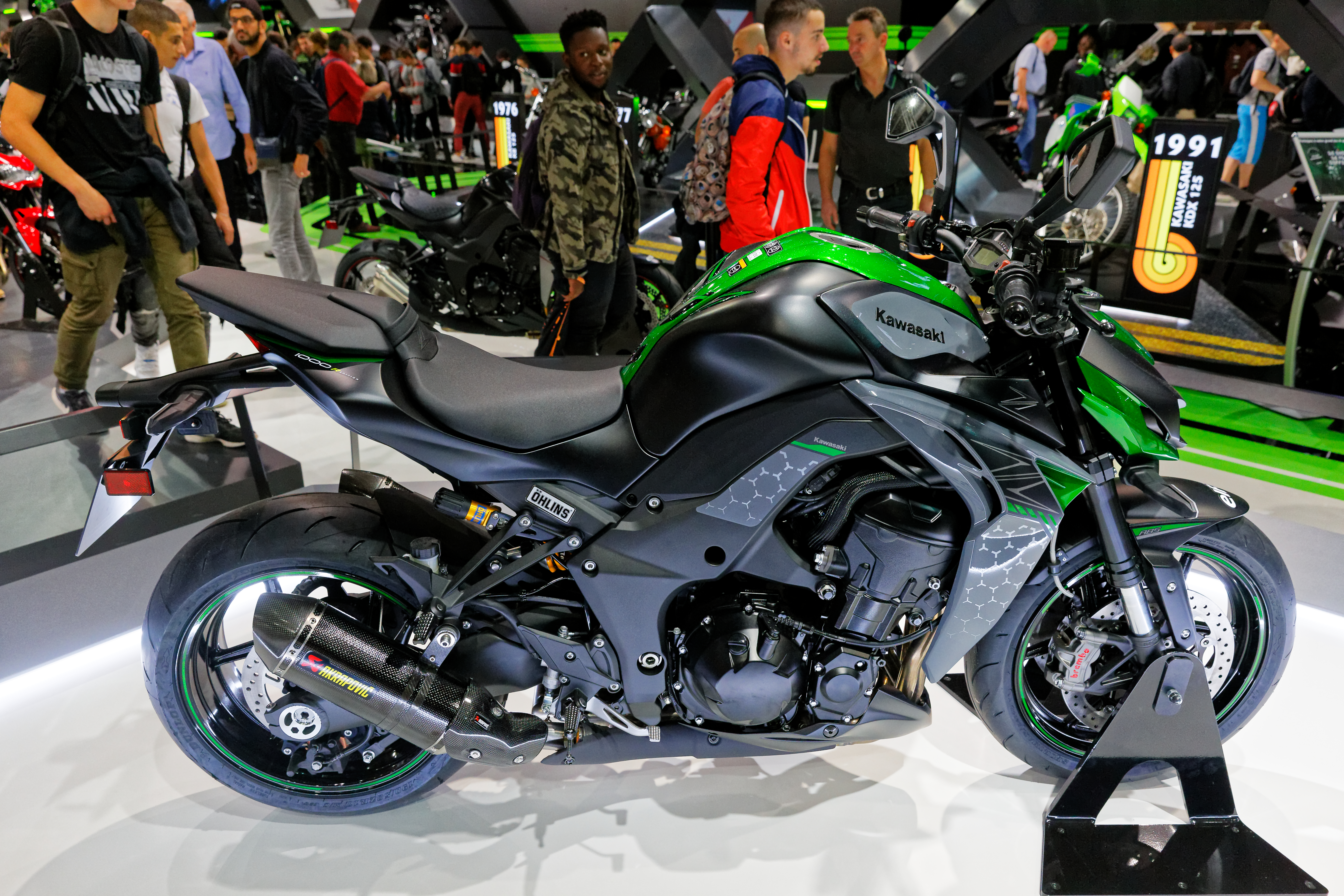
Honda Hornet 900 vs Kawasaki Z1000
Specs · Power · Buyer verdict
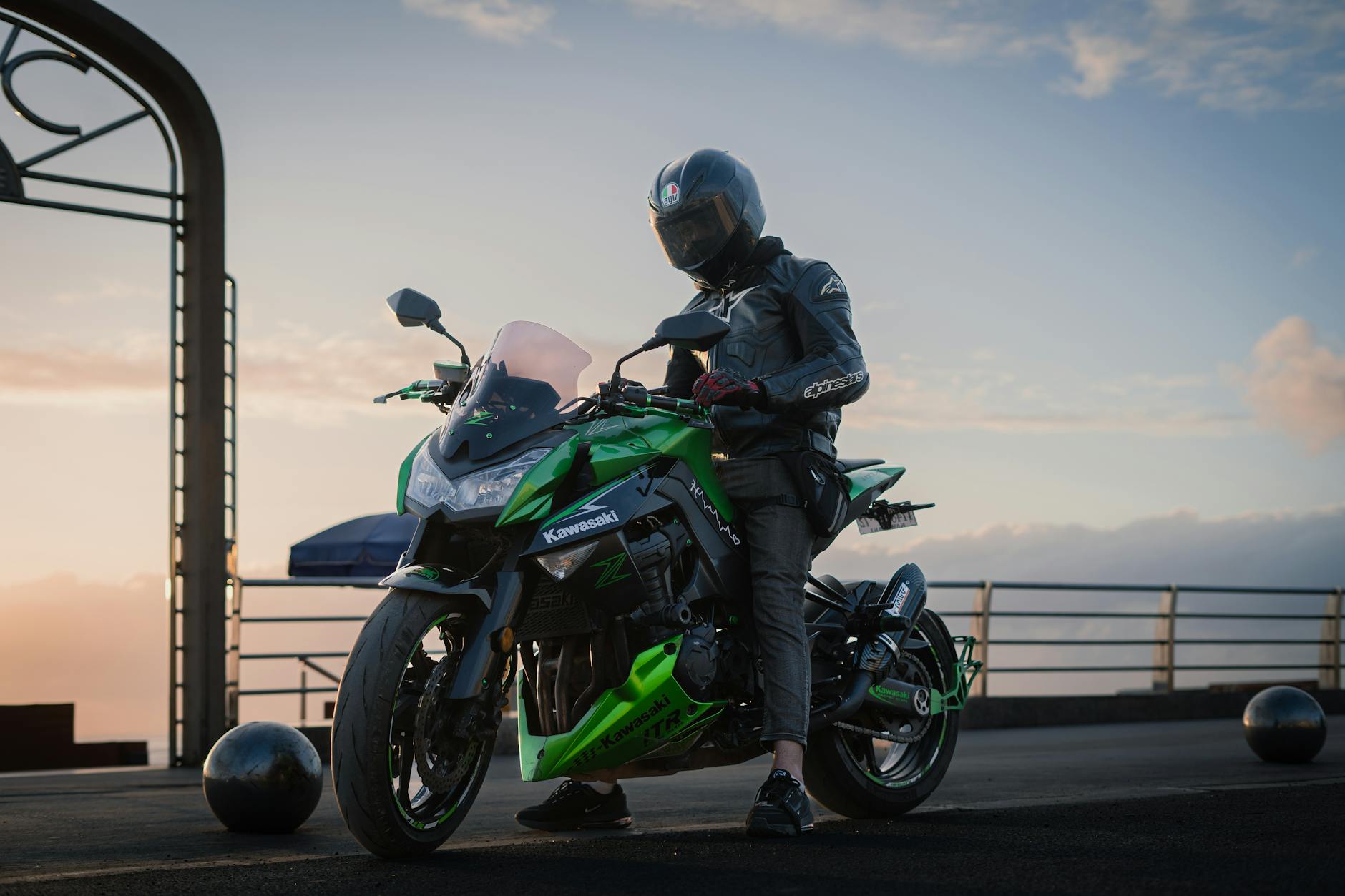
Honda Hornet 900 vs Kawasaki Z800
Specs · Power · Buyer verdict
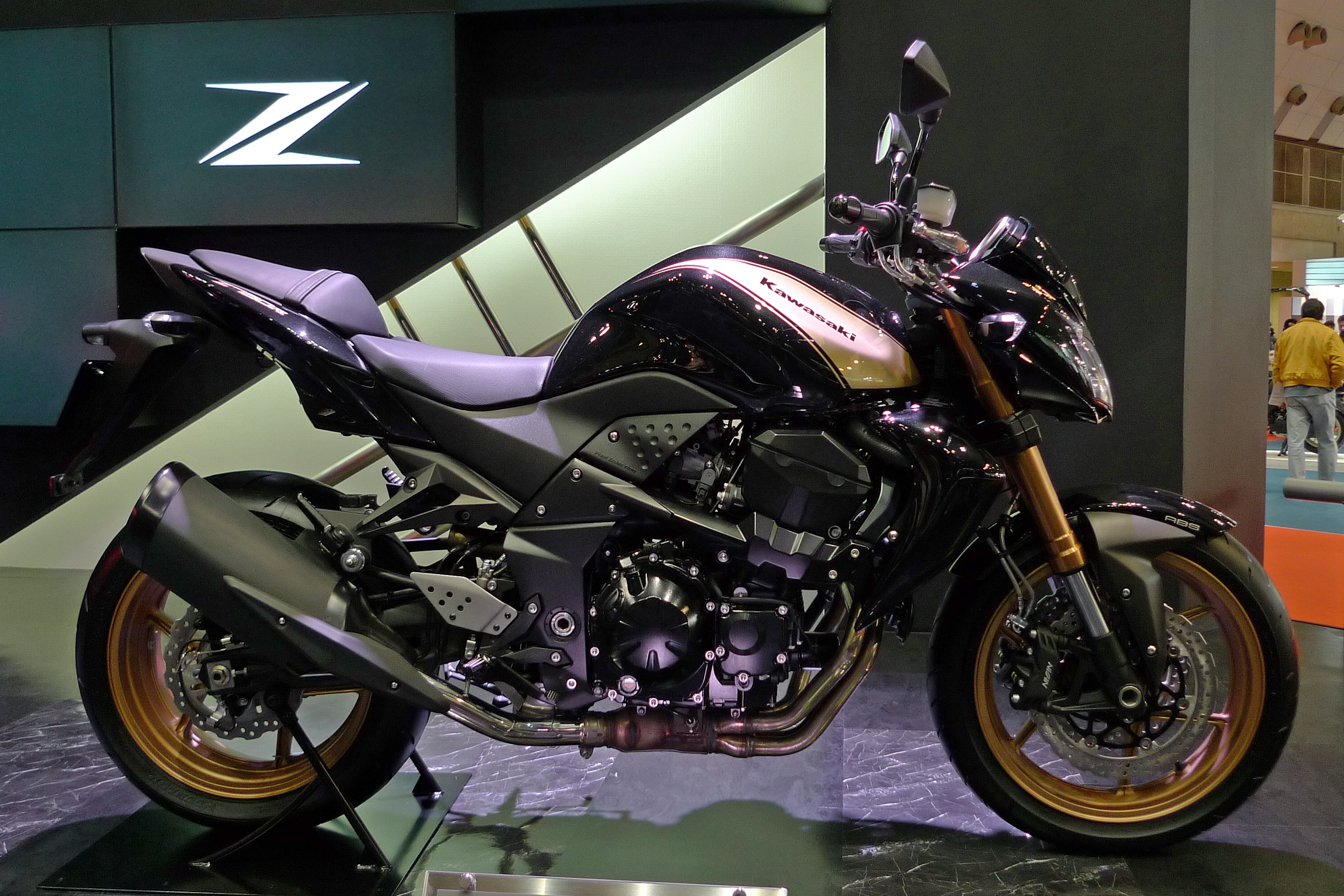
Honda Hornet 900 vs Kawasaki Z750
Specs · Power · Buyer verdict
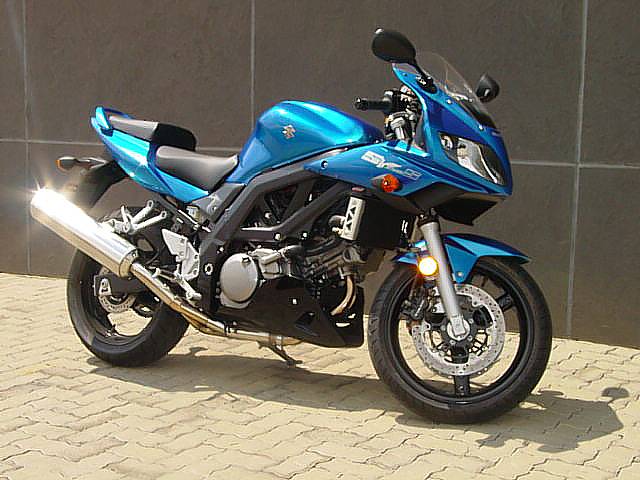
Honda Hornet 900 vs Suzuki Sv1000
Specs · Power · Buyer verdict
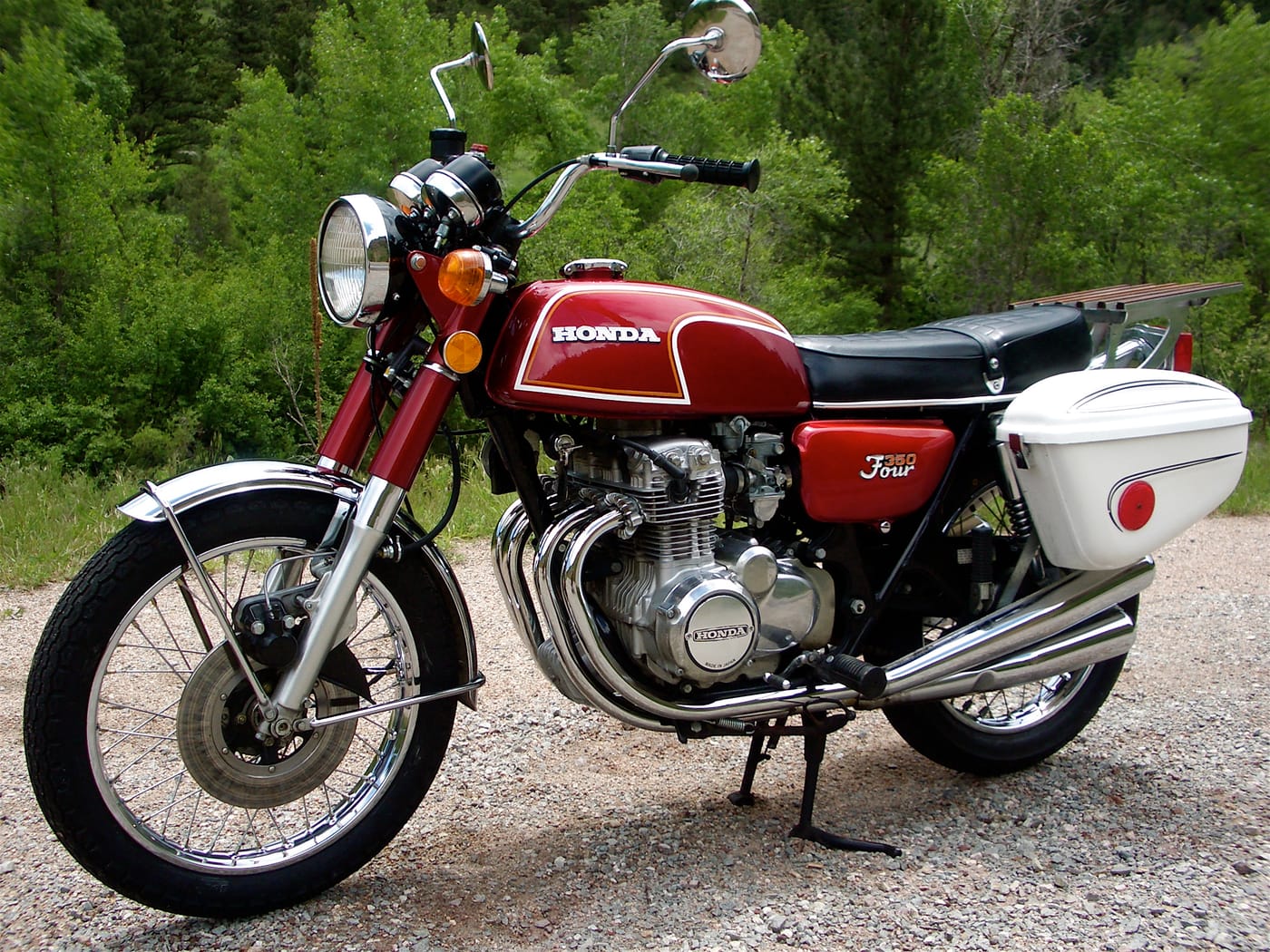
Honda Hornet 900 vs Honda Cb900f Hornet
Specs · Power · Buyer verdict
More Honda Hornet 900 Guides
More from Honda
View all Honda models →Community Reviews
Discussion
Frequently Asked Questions
What are common problems with the Honda Hornet 900? +
Cam chain tensioner rattle on startup: Cold start noise, ticking disappears after warmup (moderate) | Stator and regulator/rectifier failure: Charging voltage, battery health, melted connector pins (serious) | Carb sync and idle issues over 20k miles: Rough idle, hesitation, last carb service date (minor)
Is the Honda Hornet 900 a good motorcycle? +
A brilliant all-rounder that rewards buyers who choose carefully. Rating: 8.0/10. Best for: Experienced riders wanting performance without sportbike compromise. Avoid if: You want modern traction control and riding modes.
What is the horsepower of the Honda Hornet 900? +
The Honda Hornet 900 produces 109 hp @ 9,000 rpm, with 91 Nm @ 6,500 rpm of torque. Top speed: 220 km/h (estimated; note: Honda did not officially publish a top speed).
Is the Honda Hornet 900 good for beginners? +
Yes — the Honda Hornet 900 is a reasonable choice for new riders (109 hp is manageable), weighing 196 kg. Experienced riders wanting performance without sportbike compromise
Is the Honda Hornet 900 reliable? +
Owners report 1 critical issue to watch for on the Honda Hornet 900, notably: Stator and regulator/rectifier failure (Charging voltage, battery health, melted connector pins). Buy with a pre-purchase inspection.
Is the Honda Hornet 900 good for daily use? +
Experienced riders wanting performance without sportbike compromise Fuel: 6.0–7.5 L/100km (typical real-world average).
How fast is the Honda Hornet 900? +
The Honda Hornet 900 reaches a top speed of 220 km/h (estimated; note: Honda did not officially publish a top speed), producing 109 hp at 196 kg curb weight. Real-world performance depends on rider weight, gearing, and road conditions.
What gear should I buy for a Honda Hornet 900? +
Motoryk has curated a Top 10 gear list specifically for the Honda Hornet 900, covering engine oil, tires, chain, battery, and brake pads — see motoryk.com/bikes/honda/hornet-900/top10. Each pick is matched to this bike's spec.