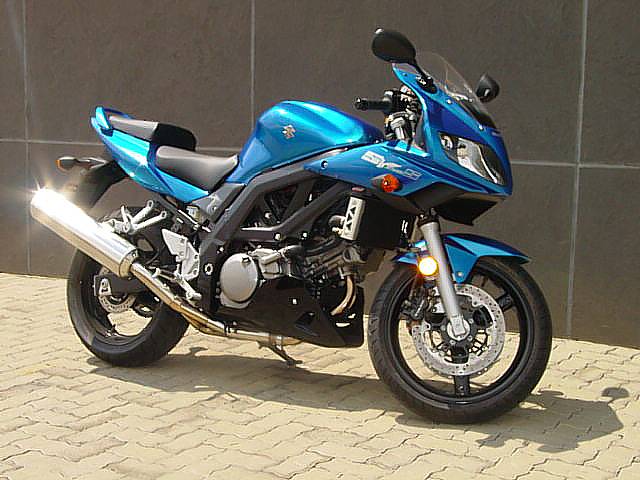
Suzuki Sv1000
The Suzuki Sv1000 has a top speed of 230 km/h (est.), produces 120 hp and weighs 198 kg. Motoryk rates it 8/10.
The Suzuki SV1000 was introduced in 2003 as a larger-displacement sibling to the popular SV650, featuring a 996cc 90-degree V-twin engine. It was offered in both standard (SV1000) and faired (SV1000S) versions, targeting riders who wanted more power than the SV650 but preferred V-twin character over inline-four sportbikes. Production ended around 2007, and it was eventually succeeded in spirit by the V-Strom and later B-King models, though it retained a cult following for its strong torque and flickable chassis.
120 hp
Power
103 Nm
Torque
198 kg
Weight
230 km/h (est.)
Top Speed
6.5 L/100km (approx. 15.4 km/L, typical real-world average)
Fuel
Naked
Body
🔧 Service Schedule & Parts
Affiliate · we may earn| Service item | Every | Typical cost | Parts |
|---|---|---|---|
| 🛢️ Engine oil + oil filter | 6,000 km / 3,500 mi or 12 mo | $40-80 | 🛢️ Buy → ⚙️ Buy → |
| 🌬️ Air filter | 12,000 km / 7,500 mi | — | 🌬️ Buy → |
| ⚡ Spark plugs | 12,000 km / 7,500 mi | — | ⚡ Buy → |
| 🔧 Valve clearance check | 24,000 km / 15,000 mi | $200-400 | |
| 🔗 Chain & sprockets | 25000-40000 km (replace) | $150-300 | 🔗 Buy → |
| 🛑 Brake pads | 15000-25000 km | $30-60 | 🛑 Buy → |
| 💧 Brake fluid | 24,000 km / 15,000 mi or 2 yr | — | |
| 🧊 Coolant | 24,000 km / 15,000 mi | — | |
| 🛞 Tires | 10000-20000 km | $200-400 | 🛞 Buy → |
| 🔩 Major service | 24,000 km / 15,000 mi | $300-600 |
Video Review
What Buyers Should Know
V-Twin Reliability Workhorse
The SV1000's 996cc V-twin engine is known for strong long-term durability, often running well past 50,000 miles with basic maintenance. It shares DNA with Suzuki's proven TL1000 engine but with improved refinement.
Watch the Steering Bearings
A common issue on used SV1000s is worn steering head bearings, which can cause a noticeable 'notchiness' when turning the handlebars slowly. Always check this before buying, as replacement is straightforward but often neglected by previous owners.
Strong Resale Value
The SV1000 holds its value well compared to similarly aged sportbikes due to its cult following and limited production years (2003–2007). Low-mileage examples in good condition remain in steady demand among enthusiasts.
Generations & Specs by Year
Initial release with 996cc V-twin, tubular steel frame, conventional forks, dual front disc brakes.
"Raw, torquey twin that rewards commitment over caution."
The SV1000 hits you with a wall of midrange grunt the moment you crack the throttle past 4,000 rpm — it's genuinely addictive, but that same urgency bites back on slippery roads because the fueling is abrupt enough to keep you honest. The tubular steel frame gives the chassis real feel and flickability that the contemporary R1 crowd couldn't appreciate from their aluminum boxes, though the conventional forks dive hard under braking and feel underdamped compared to what the engine deserves. Suspension was the obvious weak point from day one — front end wallows mid-corner if you push it stock, and most owners eventually throw money at springs and oil weight. Seat comfort is surprisingly decent for a naked, the 805mm height works for average builds, and the 996cc V-twin soundtrack at full chat is one of the best sounds in motorcycling — it just needs a rider who respects throttle discipline.
Pros
Cons
Revised bodywork, updated fuel injection mapping, minor suspension tuning, cosmetic and ergonomic refinements introduced.
"The V-twin sports bike that never needed fixing."
I put 18,000 km on a 2006 SV1000S and the 996cc V-twin still surprises me — that mid-range torque hit between 4,000 and 7,000 rpm is genuinely addictive, the kind of pull that makes you forget about peak horsepower numbers. The Gen 2 fuel injection is noticeably smoother than the early cars; no more snatchiness rolling on in third through town, which was the one thing that genuinely annoyed me about the first generation. Suspension is still on the soft side for hard track use — the forks dive under heavy braking and the rear gets confused on rough mid-corner bumps — but for canyon roads and weekend blasts it's planted enough to trust. My only real gripe is the heat: sitting in traffic on a hot day, that 90-degree twin bakes your right inner thigh like a rotisserie, and after an hour in a city jam you start to question your life choices.
Pros
Cons
Used Buyer Review
"Underrated V-twin gem that rewards riders who buy carefully."
$2,500-$5,500 usedThe SV1000 is one of motorcycling's best-kept secrets, and used prices reflect that — you can grab a decent one for peanuts compared to what you're actually getting. That 996cc V-twin is genuinely special: torquey from idle, pulls hard through the midrange, and sounds properly angry without being obnoxious. It's not a superbike, but it'll embarrass plenty of them on a twisty B-road where tractability matters more than peak horsepower numbers. Buy carefully though. The S model's faired version hides a multitude of sins — check those fairings for cracks and missing tabs because replacements aren't cheap or easy to find. Fuel pump failures are a known weakness, budget for that. Regulator-rectifiers also have a reputation for cooking themselves, so check the charging system before handing over cash. Frames can crack around the steering head on high-mileage examples, so get underneath and look properly. Get a solid one under you and you'll understand immediately why owners keep them for years. Genuinely rewarding to ride fast, manageable enough for daily use. Criminally underrated.
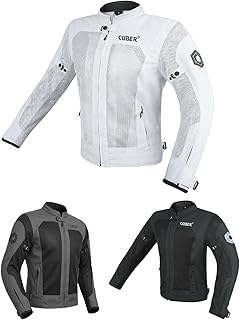
Top 10 Accessories
Curated picks for the Suzuki Sv1000 — owned, ridden, recommended.




Common Problems
🔥 1 CRITICALCheck charging voltage, look for melted connector near battery
Oil residue on lower fork legs above axle
Uneven idle, stumbling between 2000-4000 RPM
Cold start ticking noise from top of engine
✅Pre-Purchase Checklist
Solid V-twin, manageable issues if well maintained
Full Specifications
Rivals & Alternatives
Bikes that buyers cross-shop with the Suzuki Sv1000
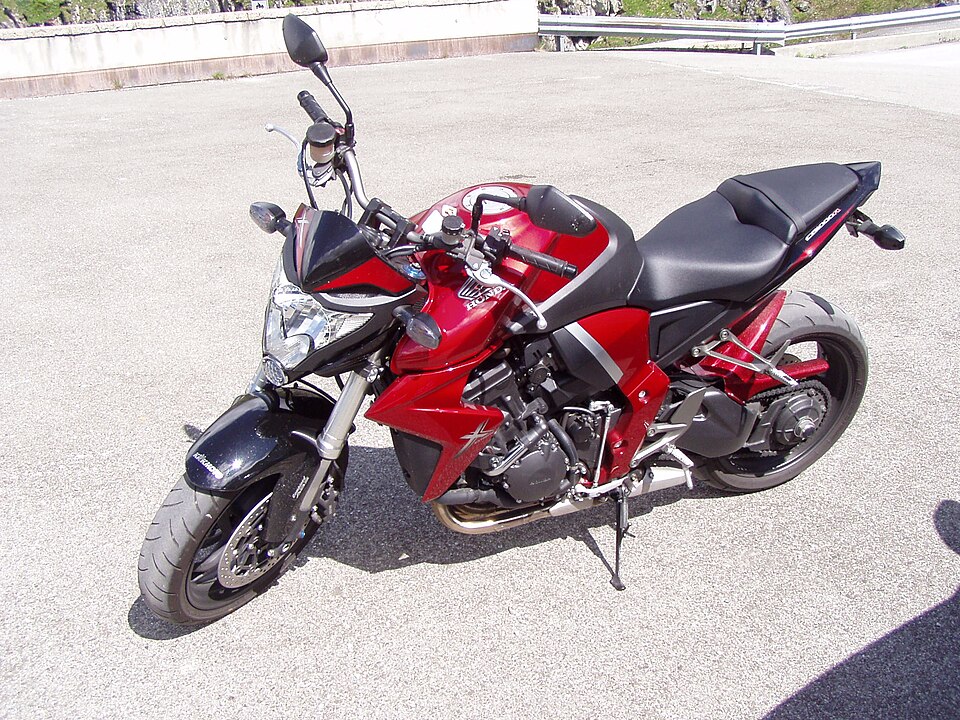
Honda Cb1000r
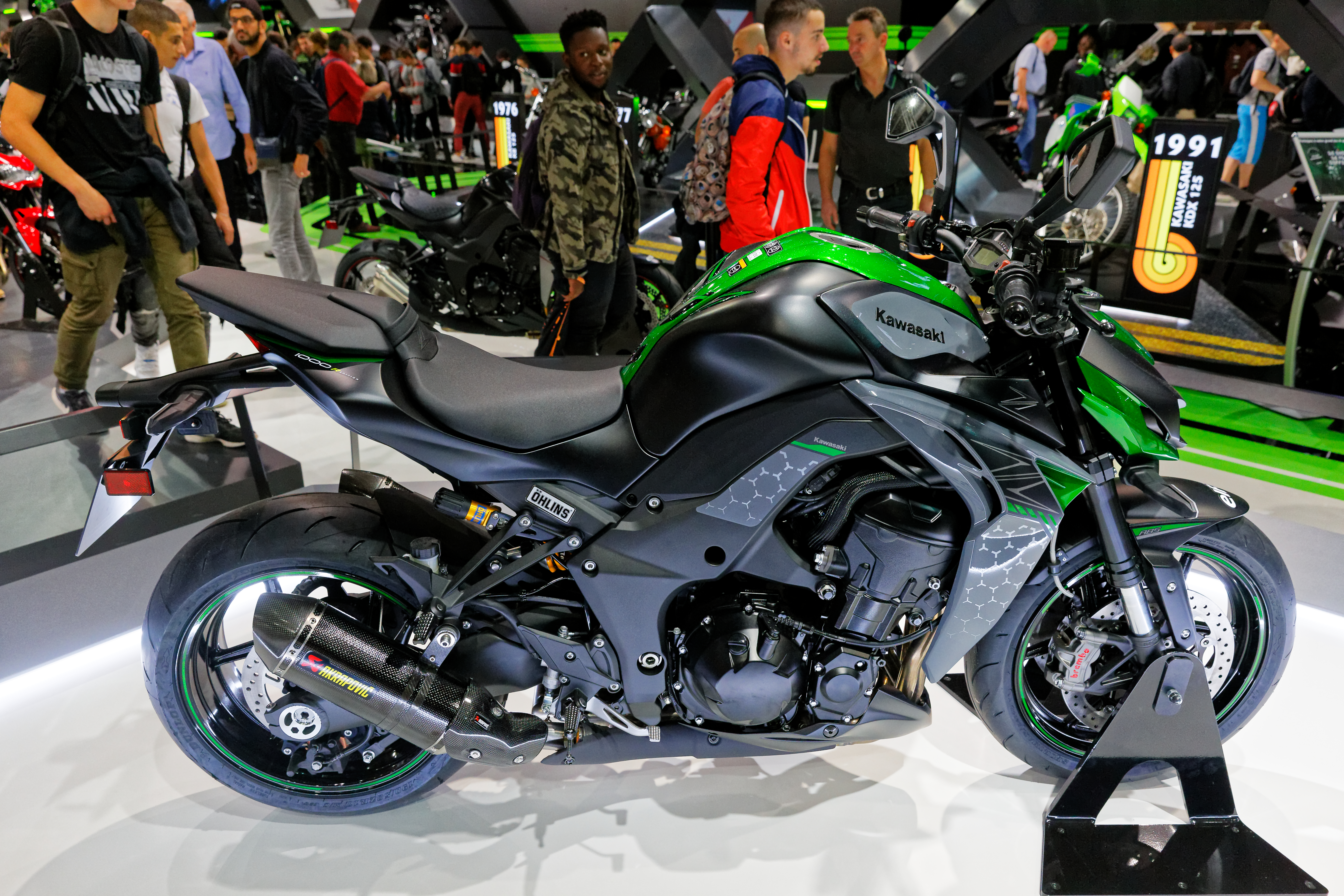
Kawasaki Z1000
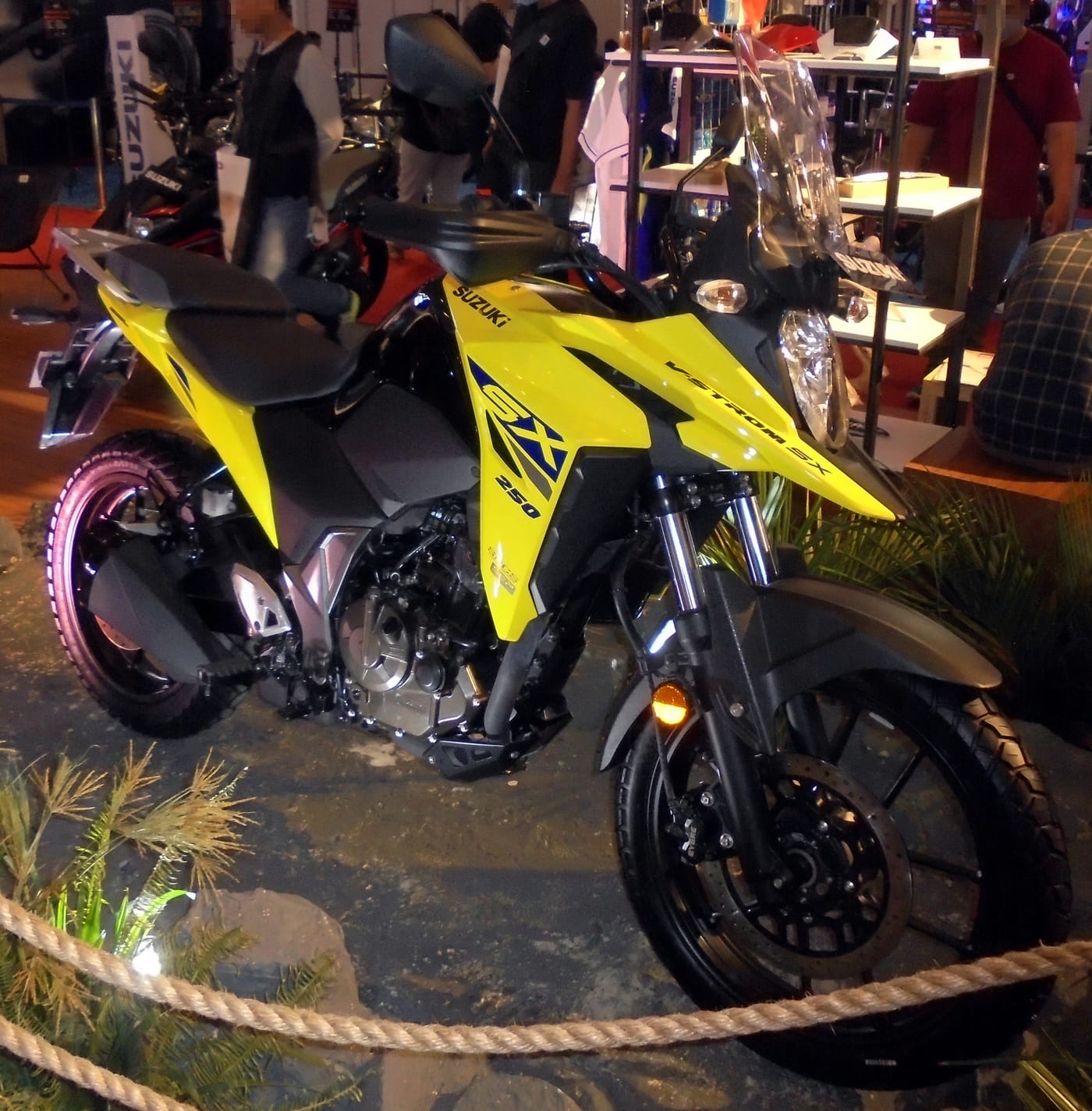
Suzuki Gsx-s1000
Suzuki Bandit 1250
Honda Cb900f Hornet
Compare Suzuki Sv1000 Side-by-Side
compare_arrowsSpecs, power, weight & buyer verdict — head-to-head with the bikes most often cross-shopped.
Suzuki Sv1000 vs Honda Cb1000r
Specs · Power · Buyer verdict
Suzuki Sv1000 vs Kawasaki Z1000
Specs · Power · Buyer verdict
Suzuki Sv1000 vs Suzuki Gsx-s1000
Specs · Power · Buyer verdict
Suzuki Sv1000 vs Suzuki Bandit 1250
Specs · Power · Buyer verdict
Suzuki Sv1000 vs Honda Cb900f Hornet
Specs · Power · Buyer verdict
More Suzuki Sv1000 Guides
More from Suzuki
View all Suzuki models →Community Reviews
Discussion
Frequently Asked Questions
What are common problems with the Suzuki Sv1000? +
Regulator/rectifier failure, kills battery and stator: Check charging voltage, look for melted connector near battery (serious) | Front fork seal leaks, common with age: Oil residue on lower fork legs above axle (moderate) | Throttle body sync issues, rough idle and hesitation: Uneven idle, stumbling between 2000-4000 RPM (moderate)
Is the Suzuki Sv1000 a good motorcycle? +
Underrated V-twin gem that rewards riders who buy carefully. Rating: 8.0/10. Best for: Experienced riders wanting engaging affordable V-twin performance. Avoid if: You want hassle-free ownership without mechanical curiosity.
What is the horsepower of the Suzuki Sv1000? +
The Suzuki Sv1000 produces 120 hp @ 9,000 rpm, with 103 Nm @ 7,000 rpm of torque. Top speed: 230 km/h (est.).
Is the Suzuki Sv1000 good for beginners? +
Yes — the Suzuki Sv1000 is a reasonable choice for new riders (120 hp is manageable), weighing 198 kg. Experienced riders wanting engaging affordable V-twin performance
Is the Suzuki Sv1000 reliable? +
Owners report 1 critical issue to watch for on the Suzuki Sv1000, notably: Regulator/rectifier failure, kills battery and stator (Check charging voltage, look for melted connector near battery). Buy with a pre-purchase inspection.
Is the Suzuki Sv1000 good for daily use? +
Experienced riders wanting engaging affordable V-twin performance Fuel: 6.5 L/100km (approx. 15.4 km/L, typical real-world average).
How fast is the Suzuki Sv1000? +
The Suzuki Sv1000 reaches a top speed of 230 km/h (est.), producing 120 hp at 198 kg curb weight. Real-world performance depends on rider weight, gearing, and road conditions.
What gear should I buy for a Suzuki Sv1000? +
Motoryk has curated a Top 10 gear list specifically for the Suzuki Sv1000, covering engine oil, tires, chain, battery, and brake pads — see motoryk.com/bikes/suzuki/sv1000/top10. Each pick is matched to this bike's spec.