Honda Cb900f Hornet
The Honda Cb900f Hornet has a top speed of 220 km/h, produces 109 hp and weighs 202 kg. Motoryk rates it 8.2/10.
The Honda CB900F Hornet (SC48) was introduced in 2002 as a successor to the CB600F Hornet, featuring a detuned engine derived from the CBR900RR Fireblade superbike. It was designed to offer near-litre-class performance in a naked, approachable package, bridging the gap between the 600 Hornet and full sportsbikes. Production ran until 2007, and it became popular in Europe as a practical yet exciting everyday motorcycle.
109 hp
Power
91 Nm
Torque
202 kg
Weight
220 km/h
Top Speed
6.0–7.5 L/100km (typical real-world average)
Fuel
Naked
Body
🔧 Service Schedule & Parts
Affiliate · we may earn| Service item | Every | Typical cost | Parts |
|---|---|---|---|
| 🛢️ Engine oil + oil filter | 6,000 km / 3,500 mi or 12 mo | $40-80 | 🛢️ Buy → ⚙️ Buy → |
| 🌬️ Air filter | 12,000 km / 7,500 mi | — | 🌬️ Buy → |
| ⚡ Spark plugs | 12,000 km / 7,500 mi | — | ⚡ Buy → |
| 🔧 Valve clearance check | 24,000 km / 15,000 mi | $200-400 | |
| 🔗 Chain & sprockets | 25000-40000 km (replace) | $150-300 | 🔗 Buy → |
| 🛑 Brake pads | 15000-30000 km | $30-60 | 🛑 Buy → |
| 💧 Brake fluid | 24,000 km / 15,000 mi or 2 yr | — | |
| 🧊 Coolant | 24,000 km / 15,000 mi | — | |
| 🛞 Tires | 10000-20000 km | $200-400 | 🛞 Buy → |
| 🔩 Major service | 24,000 km / 15,000 mi | $300-600 |
Video Review
What Buyers Should Know
Rock-Solid Engine Reliability
The CB900F uses a detuned version of the CBR900RR Fireblade engine, known for exceptional longevity often exceeding 100,000km with basic maintenance. It's widely regarded as one of Honda's most bulletproof inline-four powerplants.
Watch the Cam Chain
A known weak point is cam chain tensioner wear, which produces a telltale rattling noise on startup — listen carefully during any test ride. Rectifying this early is cheap; ignoring it can lead to costly engine damage.
Strong Resale Value
The Hornet's cult popularity in Europe keeps used prices surprisingly stable compared to similar naked bikes of its era. A well-maintained example holds its value well and remains highly sought after by experienced riders.
Generations & Specs by Year
Introduced with 919cc inline-four engine, naked streetfighter styling, dual front disc brakes, steel frame.
"Honda's best naked mistake they never should have killed."
The 919 pulls hard from 4,000 rpm and doesn't stop until you're questioning your license — that inline-four has a midrange punch that smaller Hornets never matched, and it rewards smooth riders rather than wrist-flickers. Ergonomics are genuinely good for tall riders, the 810mm seat being one of Honda's more honest decisions, and the steel frame communicates road texture without punishing you for hours in the saddle. Dual front discs are adequate but not inspiring — late braking at real speeds reminds you this is a 2002 chassis, and the suspension feels slightly soft stock, wallowing under hard acceleration out of tight corners. It drinks fuel at a predictable 5.5–6L/100km and starts every single morning, which sounds boring until you've owned something Italian.
Pros
Cons
Revised styling, updated suspension, improved fuel injection, new instrumentation, minor ergonomic refinements over previous generation.
"The naked standard that refuses to age gracefully."
I put 18,000 km on a 2010 Hornet and that 919cc inline-four never stopped impressing me — it pulls cleanly from 3,000 rpm and hits a satisfying wall of power past 7,000 that keeps you honest on back roads. The revised fuel injection over the previous gen is genuinely better; cold starts are crisp and there's no more off-idle stumble that plagued earlier Hornets. That said, the wind protection is essentially zero above 140 km/h, and at 202 kg it's not the nimble flickable thing Honda's marketing implies — it's a solid, confidence-inspiring bike that rewards smooth riders more than aggressive ones. The seat goes from comfortable to punishing somewhere around the two-hour mark, and the stock suspension, while improved, still wallows under hard braking if you're carrying a pillion.
Pros
Cons
Used Buyer Review
"Honda's most sensible used buy — reliable, fast, and genuinely affordable."
$3,500-$6,500 usedThe CB900F Hornet is one of those bikes that makes complete sense the moment you throw a leg over it. Honda's 919cc inline-four pulls hard from anywhere in the rev range, and that half-faired naked aesthetic still looks sharp today. It's genuinely versatile — comfortable enough for touring, quick enough to embarrass sportbikes at traffic lights. Used examples are everywhere, which tells you owners actually kept them. Buy a good one and you'll spend almost nothing on maintenance. Honda built these things to outlast cockroaches. Chain, sprockets, and brake pads are your main costs. Watch for corroded throttle bodies on neglected examples and check the front forks carefully — they develop small weeps around 40,000 miles. Rear shock is agricultural by modern standards and often needs replacing on high-mileage bikes. The seat gets brutal after 90 minutes and the mirrors vibrate uselessly at motorway speeds — classic Honda penny-pinching on accessories. But find a clean one under 30,000 miles and you've got a bike that'll run forever without drama.
Top 10 Accessories
Curated picks for the Honda Cb900f Hornet — owned, ridden, recommended.




Common Problems
🔥 1 CRITICALRough idle, flat spots mid-throttle, sync across all four
Rattling on cold start, disappears when warm
Voltage output at 13.5-14.5V while running
Oil on lower legs, notchy steering at full lock
✅Pre-Purchase Checklist
Solid engine, electrics are the weak point
Full Specifications
Rivals & Alternatives
Bikes that buyers cross-shop with the Honda Cb900f Hornet
Compare Honda Cb900f Hornet Side-by-Side
compare_arrowsSpecs, power, weight & buyer verdict — head-to-head with the bikes most often cross-shopped.
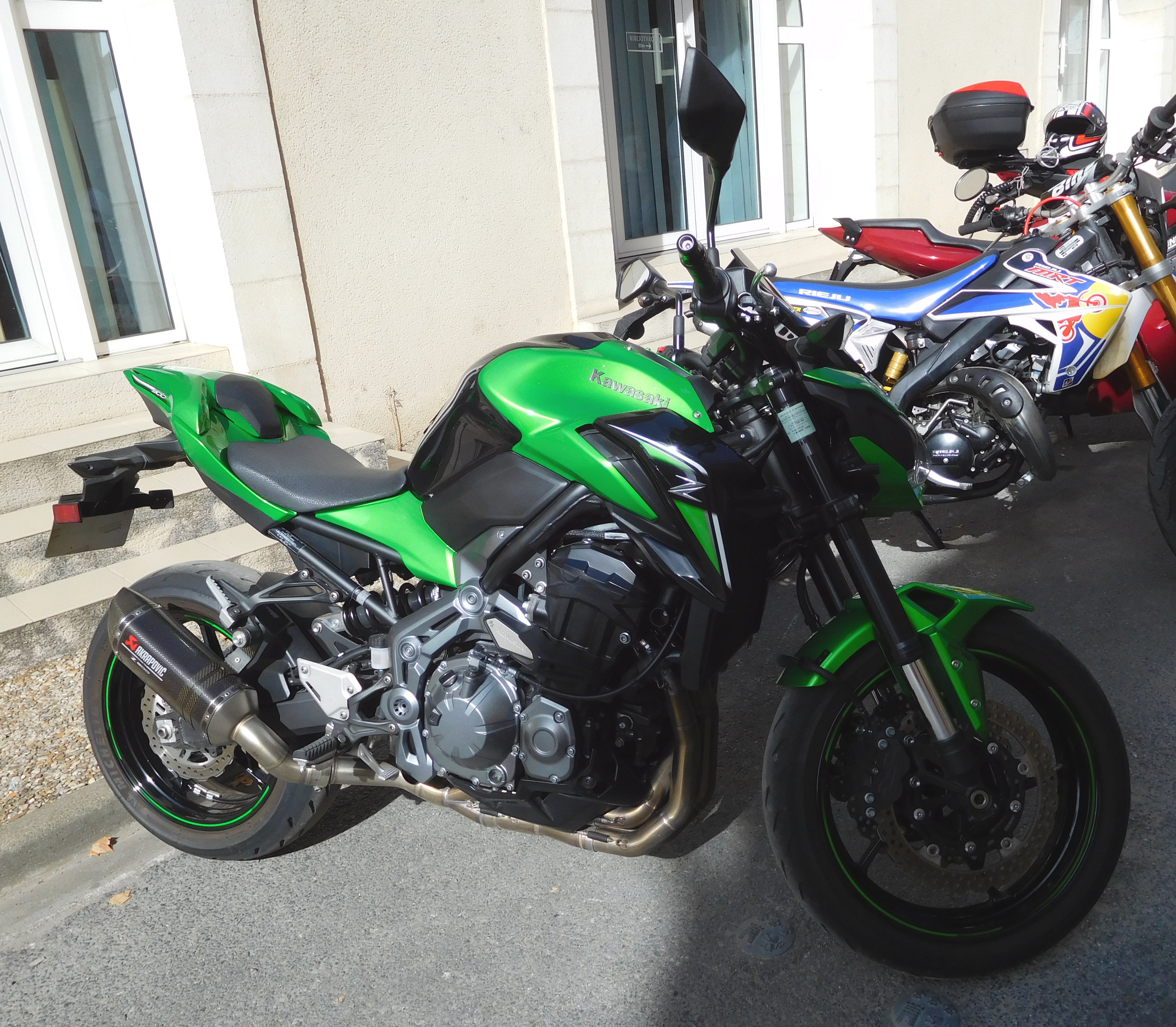
Honda Cb900f Hornet vs Kawasaki Z900
Specs · Power · Buyer verdict
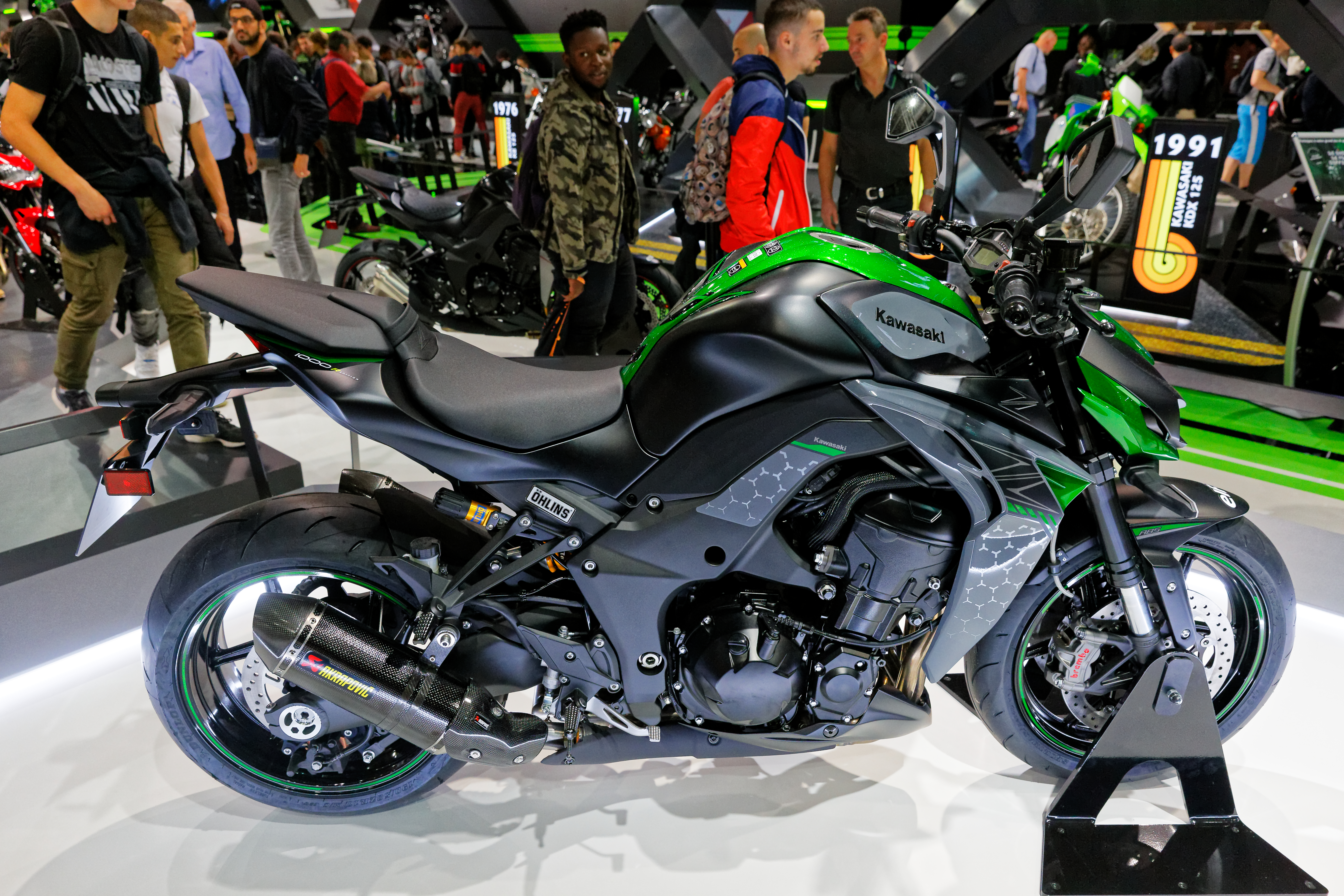
Honda Cb900f Hornet vs Kawasaki Z1000
Specs · Power · Buyer verdict
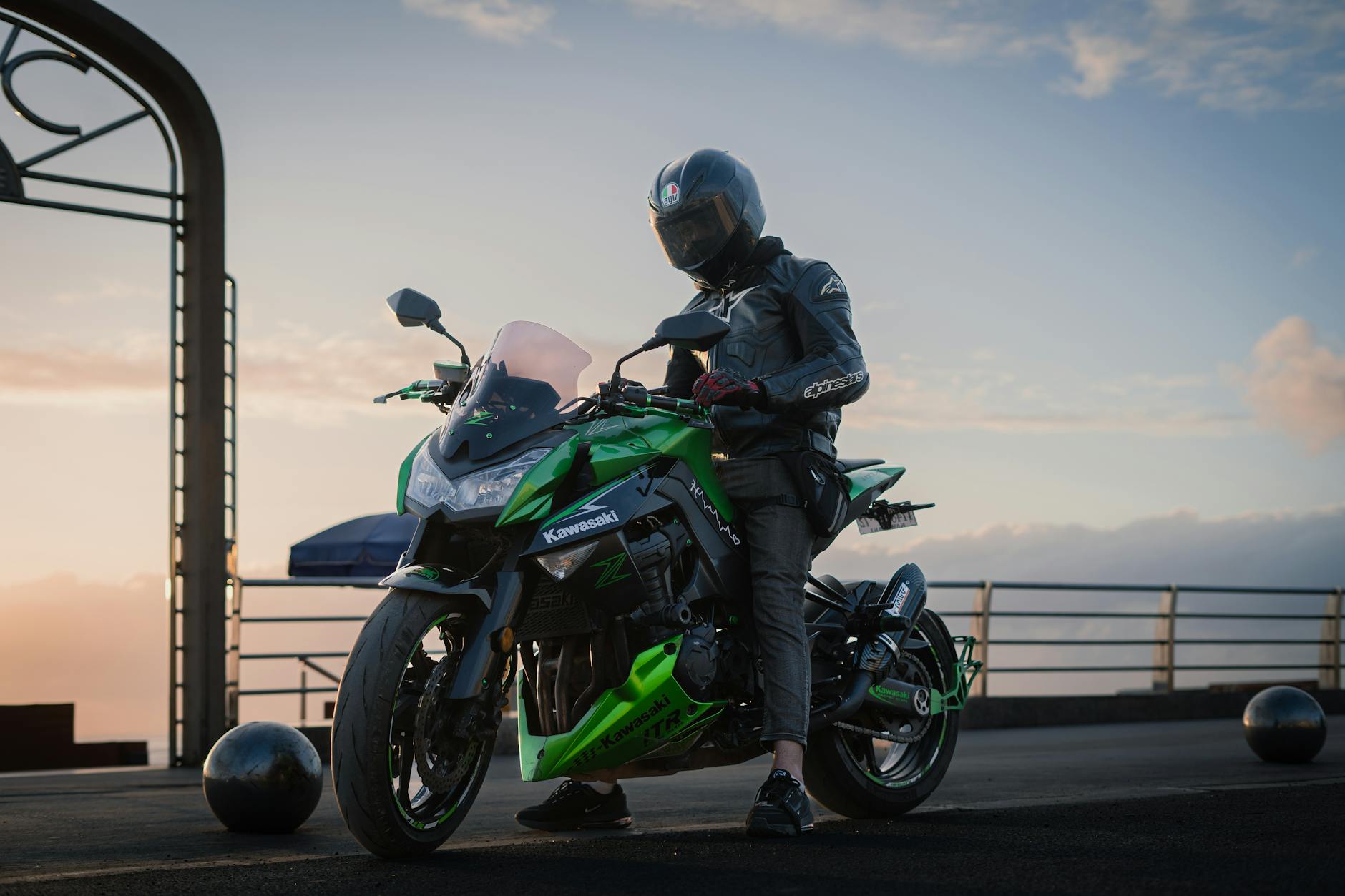
Honda Cb900f Hornet vs Kawasaki Z800
Specs · Power · Buyer verdict
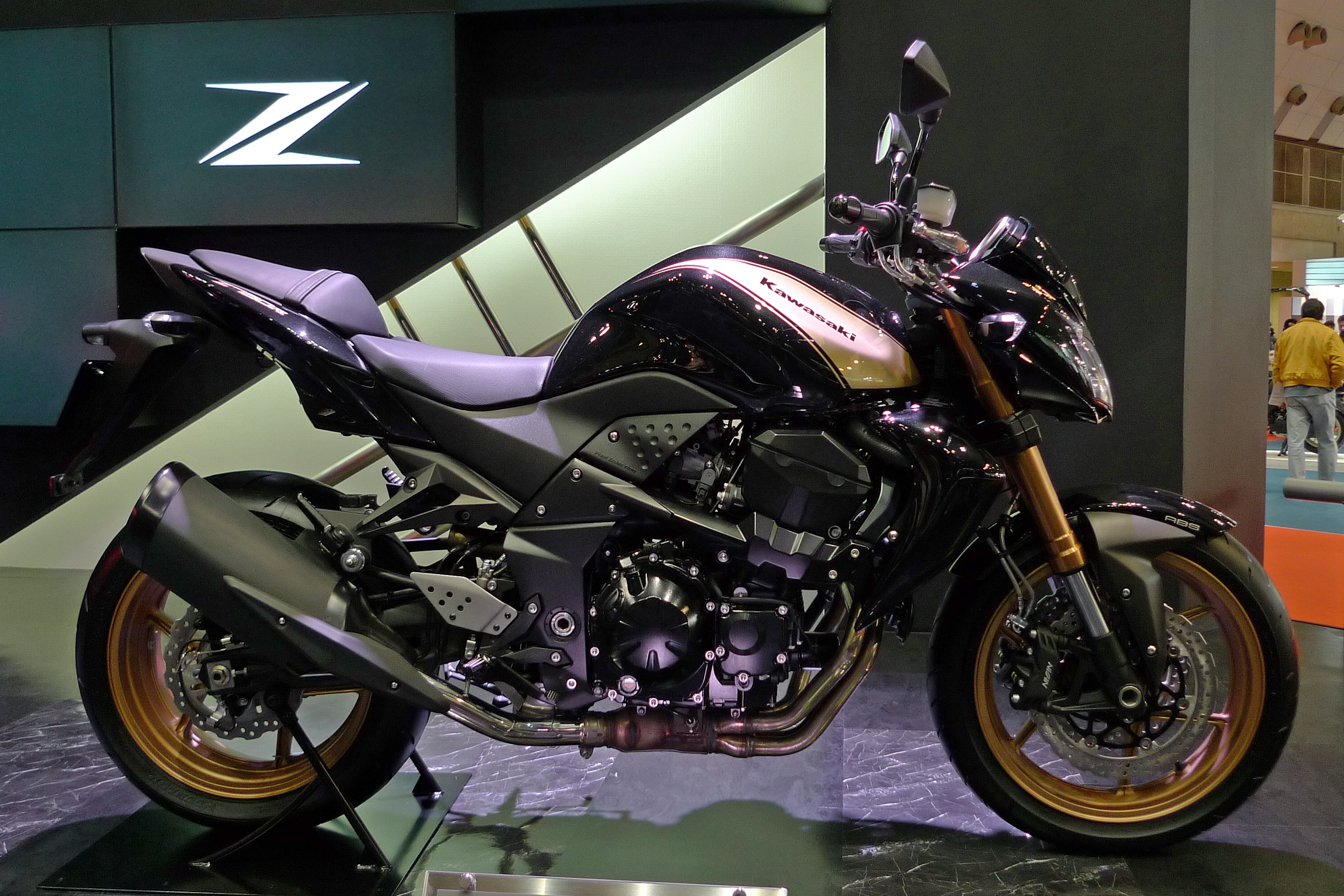
Honda Cb900f Hornet vs Kawasaki Z750
Specs · Power · Buyer verdict
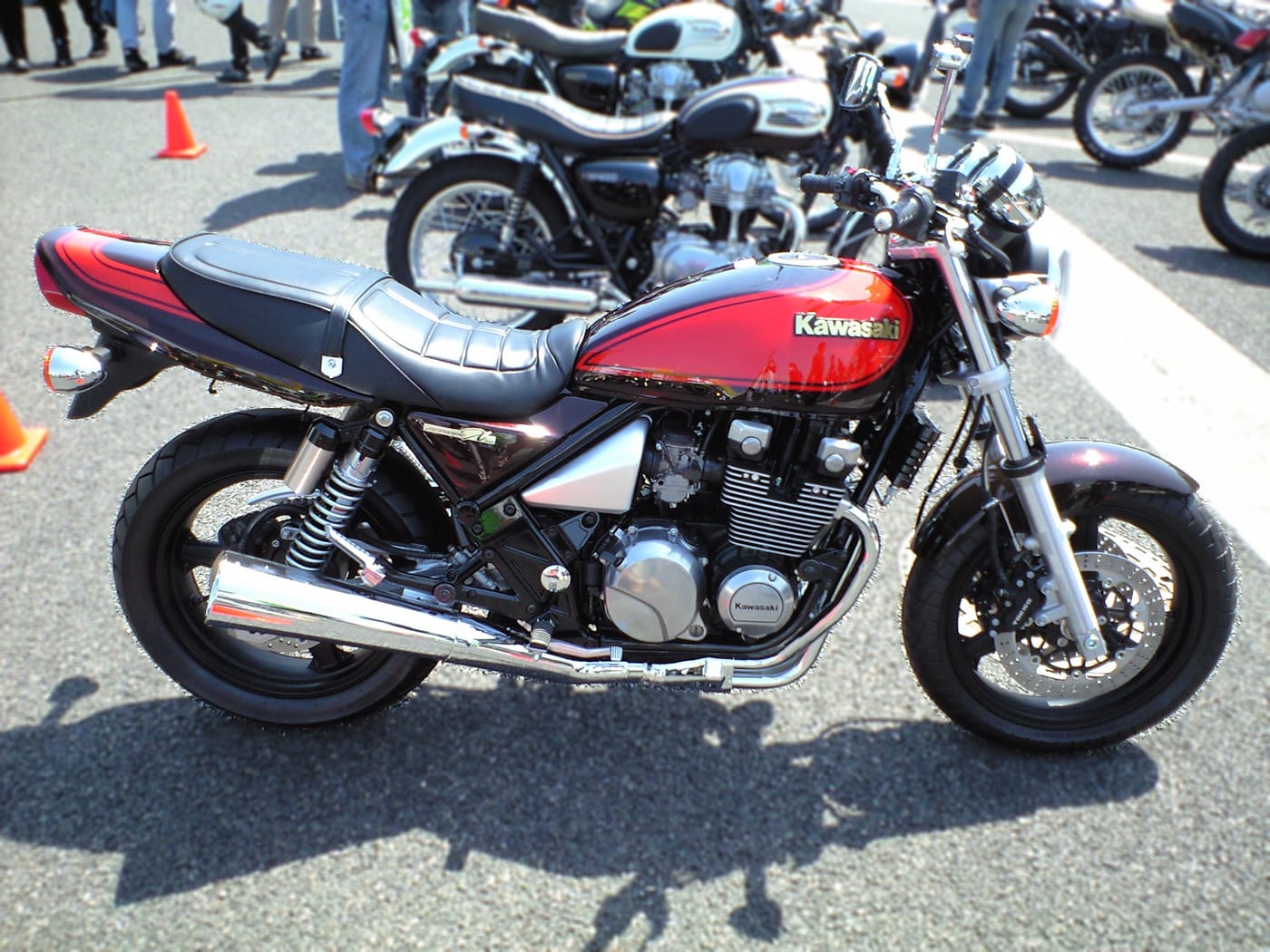
Honda Cb900f Hornet vs Kawasaki Zr7
Specs · Power · Buyer verdict
More Honda Cb900f Hornet Guides
More from Honda
View all Honda models →Community Reviews
Discussion
Frequently Asked Questions
What are common problems with the Honda Cb900f Hornet? +
Carb sync and jet needle wear: Rough idle, flat spots mid-throttle, sync across all four (moderate) | Cam chain tensioner noise at startup: Rattling on cold start, disappears when warm (moderate) | Rectifier regulator failure, battery drain: Voltage output at 13.5-14.5V while running (serious)
Is the Honda Cb900f Hornet a good motorcycle? +
Honda's most sensible used buy — reliable, fast, and genuinely affordable. Rating: 8.2/10. Best for: Commuters wanting performance without crippling running costs. Avoid if: You prioritize long-distance comfort above everything else.
What is the horsepower of the Honda Cb900f Hornet? +
The Honda Cb900f Hornet produces 109 hp @ 9,000 rpm, with 91 Nm @ 6,500 rpm of torque. Top speed: 220 km/h.
Is the Honda Cb900f Hornet good for beginners? +
Yes — the Honda Cb900f Hornet is a reasonable choice for new riders (109 hp is manageable), weighing 202 kg. Commuters wanting performance without crippling running costs
Is the Honda Cb900f Hornet reliable? +
Owners report 1 critical issue to watch for on the Honda Cb900f Hornet, notably: Rectifier regulator failure, battery drain (Voltage output at 13.5-14.5V while running). Buy with a pre-purchase inspection.
Is the Honda Cb900f Hornet good for daily use? +
Commuters wanting performance without crippling running costs Fuel: 6.0–7.5 L/100km (typical real-world average).
How fast is the Honda Cb900f Hornet? +
The Honda Cb900f Hornet reaches a top speed of 220 km/h, producing 109 hp at 202 kg curb weight. Real-world performance depends on rider weight, gearing, and road conditions.
What gear should I buy for a Honda Cb900f Hornet? +
Motoryk has curated a Top 10 gear list specifically for the Honda Cb900f Hornet, covering engine oil, tires, chain, battery, and brake pads — see motoryk.com/bikes/honda/cb900f-hornet/top10. Each pick is matched to this bike's spec.