Honda Cbx 1000
The Honda Cbx 1000 has a top speed of 225 km/h, produces 105 hp and weighs 247 kg. Motoryk rates it 8.5/10.
Der Honda CBX1000 wurde 1978 als Flaggschiff-Superbike vorgestellt, das Hondas technische Können unter Beweis stellt. Er verfügt über einen bahnbrechenden Reihensechszylinder-Motor mit 1047 cm³, der aus Hondas Rennsport-Erbe stammt. Er wurde bis 1982 produziert, wobei die frühen Modelle (1978-1979) auf den Sport ausgerichtet waren und spätere Modelle (1980-1982) als Sport-Tourer mit zusätzlichen Verbesserungen an Verkleidung und Federung neu positioniert wurden. Es gilt bis heute als eines der optisch und mechanisch beeindruckendsten Motorräder seiner Zeit und ist berühmt für seinen sechsrohrigen Auspuff und den breiten, freiliegenden Motor.
105 hp
Leistung
85 Nm
Drehmoment
247 kg
Gewicht
225 km/h
Höchstgeschwindigkeit
7.5 L/100km (approx. 13.3 km/L) — estimated real-world average
Treibstoff
Nackt
Körper
🔧 Service Schedule & Parts
Affiliate · we may earn| Service item | Every | Typical cost | Parts |
|---|---|---|---|
| 🛢️ Engine oil + oil filter | 6,000 km / 3,500 mi or 12 mo | $50-100 | 🛢️ Buy → ⚙️ Buy → |
| 🌬️ Air filter | 12,000 km / 7,500 mi | — | 🌬️ Buy → |
| ⚡ Spark plugs | 12,000 km / 7,500 mi | — | ⚡ Buy → |
| 🔧 Valve clearance check | 12,000 km / 7,500 mi | $300-600 | |
| 🔗 Chain & sprockets | 20000-35000 km (replace) | $200-350 | 🔗 Buy → |
| 🛑 Brake pads | 15000-25000 km | $40-80 | 🛑 Buy → |
| 💧 Brake fluid | 24,000 km / 15,000 mi or 2 yr | — | |
| 🛞 Tires | 10000-18000 km | $250-450 | 🛞 Buy → |
| 🔩 Major service | 24,000 km / 15,000 mi | $500-1200 |
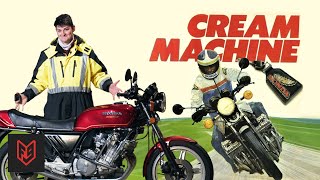
Video Review
Was Käufer wissen sollten
6-Cylinder Marvel
The CBX 1000 features a stunning inline six-cylinder engine — a rare configuration for a production motorcycle. This engineering showpiece produces a spine-tingling exhaust note that remains a major draw for collectors.
Watch the Carburetors
The six Keihin carburetors are notoriously difficult and expensive to sync and rebuild properly, often requiring specialist expertise. Budget for a full carb service if buying, as neglected units can cause rough running and poor fuel economy.
Strong Collector Value
Well-maintained CBX 1000s, especially the 1979-1980 sport models, have been steadily appreciating and can command $10,000–$18,000+ depending on condition. Originality and matching numbers significantly boost resale value.
Generationen und Spezifikationen nach Jahr
Originale Sportkonfiguration, sichtbarer Reihensechszylindermotor, keine Verkleidung, einzelne vordere Scheibenbremse, Stahlrohrrahmen.
"Sechs Zylinder rein mechanisches Theater, Konsequenzen inklusive."
Dieser Reihensechszylinder schreit bei über 7.000 Umdrehungen pro Minute, sodass sich jedes andere Fahrrad wie ein Gerät anfühlt — er ist nicht nur schnell, er ist auch operativ, und du spürst, wie jeder dieser sechs Kolben durch deine Handgelenke schießt. Beim Handling kommt es auf die Realität an: 247 kg Masse mit breitem Motor verstecken sich nicht in Kurven, die einzelne Frontscheibe macht bei hoher Geschwindigkeit wirklich Angst, und die breiten Motorgehäuse fangen den Asphalt auf, bevor Ihnen in engen Serpentinen die Nerven ausgehen. Das Wärmemanagement ist ein ständiger Begleiter — Ihr rechtes Bein kocht im Verkehr, und das Fahren in der Stadt im Sommer ist fast unangenehm. Aber all das spielt keine Rolle, wenn man mit vollem Lied auf offener Bundesstraße unterwegs ist, denn dieses Ding klingt und fühlt sich an, als hätte Honda die gesamte technische Abteilung auf eine glorreiche, irrationale Idee verwettet — und gewonnen.
Profis
Nachteile
Komplette Tourenverkleidung hinzugefügt, Pro-Link-Hinterradfederung, doppelte Frontscheiben, angehobener Lenker, neu positionierter Sport-Tourer.
"Sechszylinder-Zauberei, begraben unter zu vielen Kompromissen."
Honda hat das rohe, prachtvolle Gen 1 CBX genommen und ihm Tourenkleidung angezogen, zu der es nie ganz herangewachsen ist — die Verkleidung zähmt den Windstoß auf langen Platten, verleiht aber einem Motorrad, das bereits 262 kg nass ist, mehr Volumen, und man spürt jedes Kilo, das es an einer Tankstelle vom Seitenständer zieht. Dieser Reihensechszylinder singt immer noch wie nichts anderes auf der Welt zwischen 7.000 und 9.000 U/min, ein mechanischer Chor, der erwachsene Männer emotional macht, und das Pro-Link-Heck ist eine echte Verbesserung gegenüber dem alten Twin-Shock-Setup für Two-Up-Cruising. Doch die erhöhten Lenker und die Positionierung des Sporttourers sorgen für eine Identitätskrise: zu schwer und zu weich für ernsthafte Canyonarbeiten, nicht geräumig oder windgeschützt genug, um einen Gold Wing auf der Autobahn in den Schatten zu stellen. Die ungleichmäßige Kühlung der Außenzylinder bei langsamem Verkehr ist nach wie vor ein nerviges Problem, und einen Mechaniker zu finden, der sechs Vergaser zuverlässig wartet, ohne dass Ihnen eine Hypothek berechnet wird, ist ein ganz eigenes Abenteuer.
Profis
Nachteile
Bewertung von gebrauchten Käufern
"A magnificent machine demanding respect, patience, and a serious maintenance budget."
$8,000-$22,000 usedThe CBX is one of those bikes that genuinely stops traffic, and that inline-six soundtrack is absolutely addictive — nothing else sounds like it. But let's be brutally honest: you're buying a 40-year-old six-cylinder machine with six carburetors that all need to be synchronized, six sets of points on early models, and an exhaust system that costs serious money to replace properly. Finding one that hasn't been butchered is genuinely difficult. Mechanically, the engines are surprisingly robust if maintained, but neglected examples are everywhere. Budget at least $1,500-2,000 beyond purchase price for a proper carb rebuild, fresh rubber, and sorting whatever the previous owner ignored. The ProLink suspension on later models is far superior — stick to 1980-82 if possible. Handling is competent rather than inspiring, and those six pipes retain heat like a furnace at traffic lights. This is a collector piece masquerading as a motorcycle. Buy the cleanest example you can afford, not the cheapest.
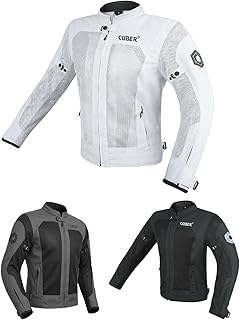
Top 10 Accessories
Curated picks for the Honda Cbx 1000 — owned, ridden, recommended.




Häufig auftretende Probleme
🔥 2 CRITICALSmooth idle, no flat spots, clean fuel flow
Inspect headers for cracks, rust-through, leaks
Listen for rattling on cold start at idle
Visual inspect all cylinder fins for cracks
✅Checkliste vor dem Kauf
Solid engine, expensive to maintain when neglected
Full Specifications
Rivals & Alternatives
Bikes that buyers cross-shop with the Honda Cbx 1000

Honda Cb1100
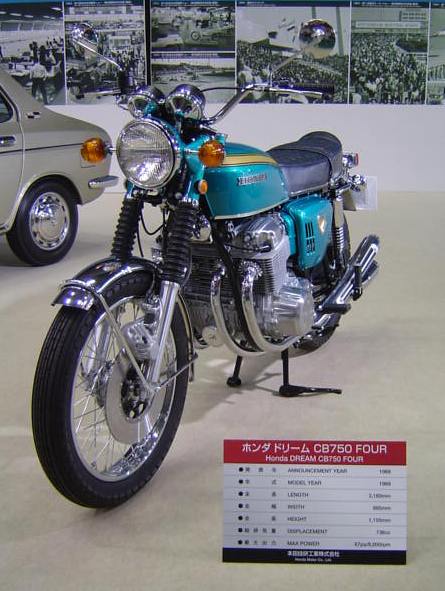
Honda Cb750 Four
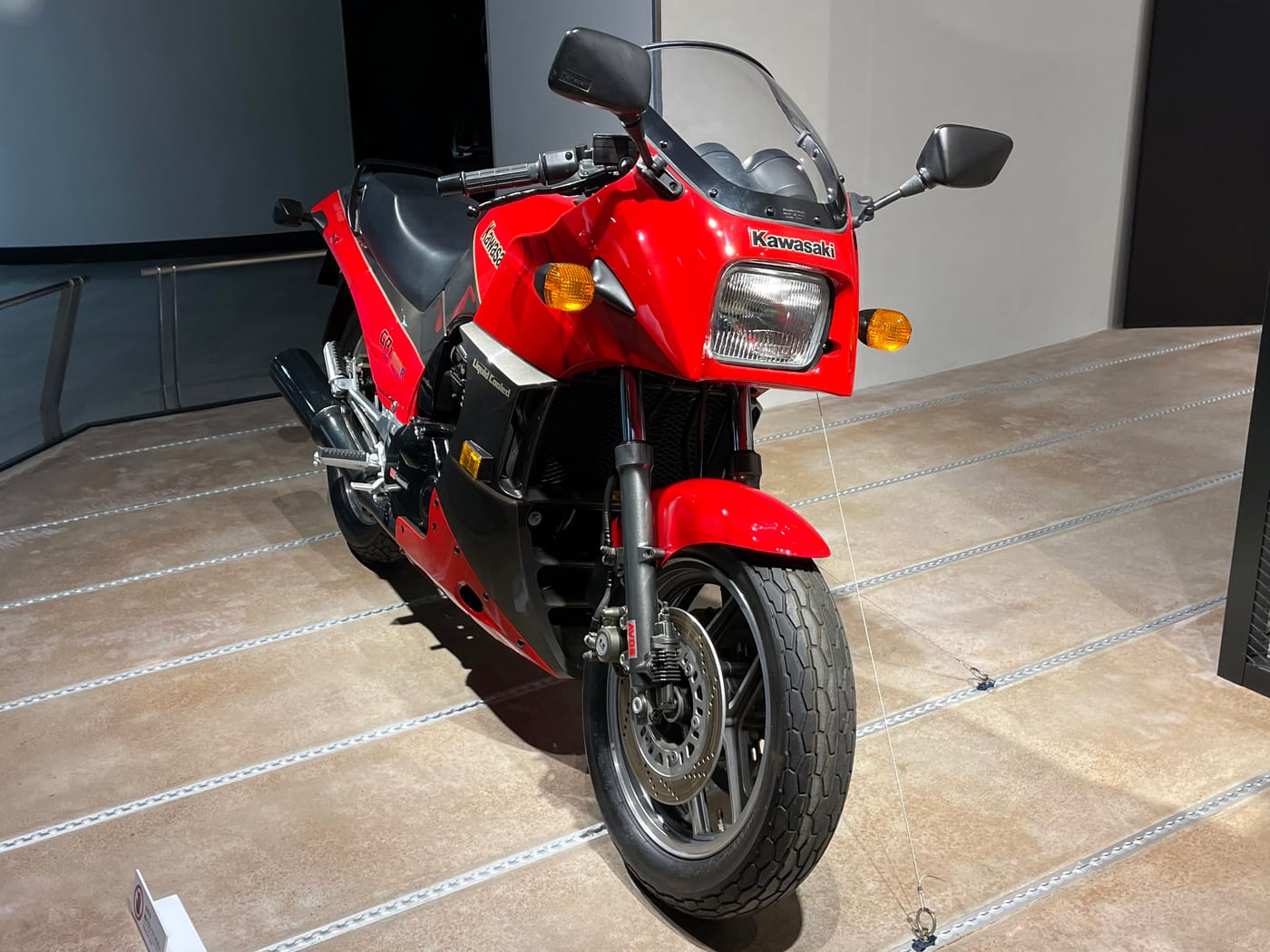
Kawasaki Z1 900
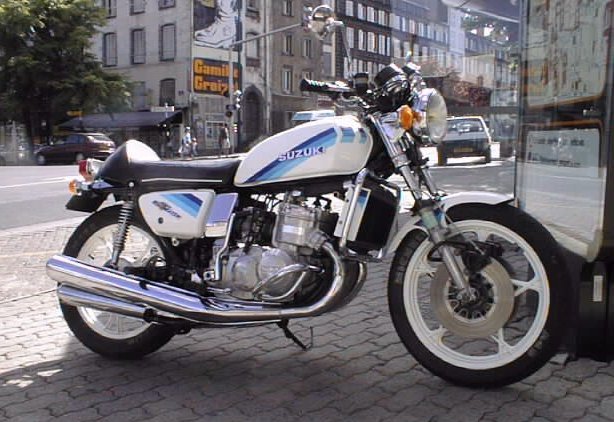
Suzuki Gt 750
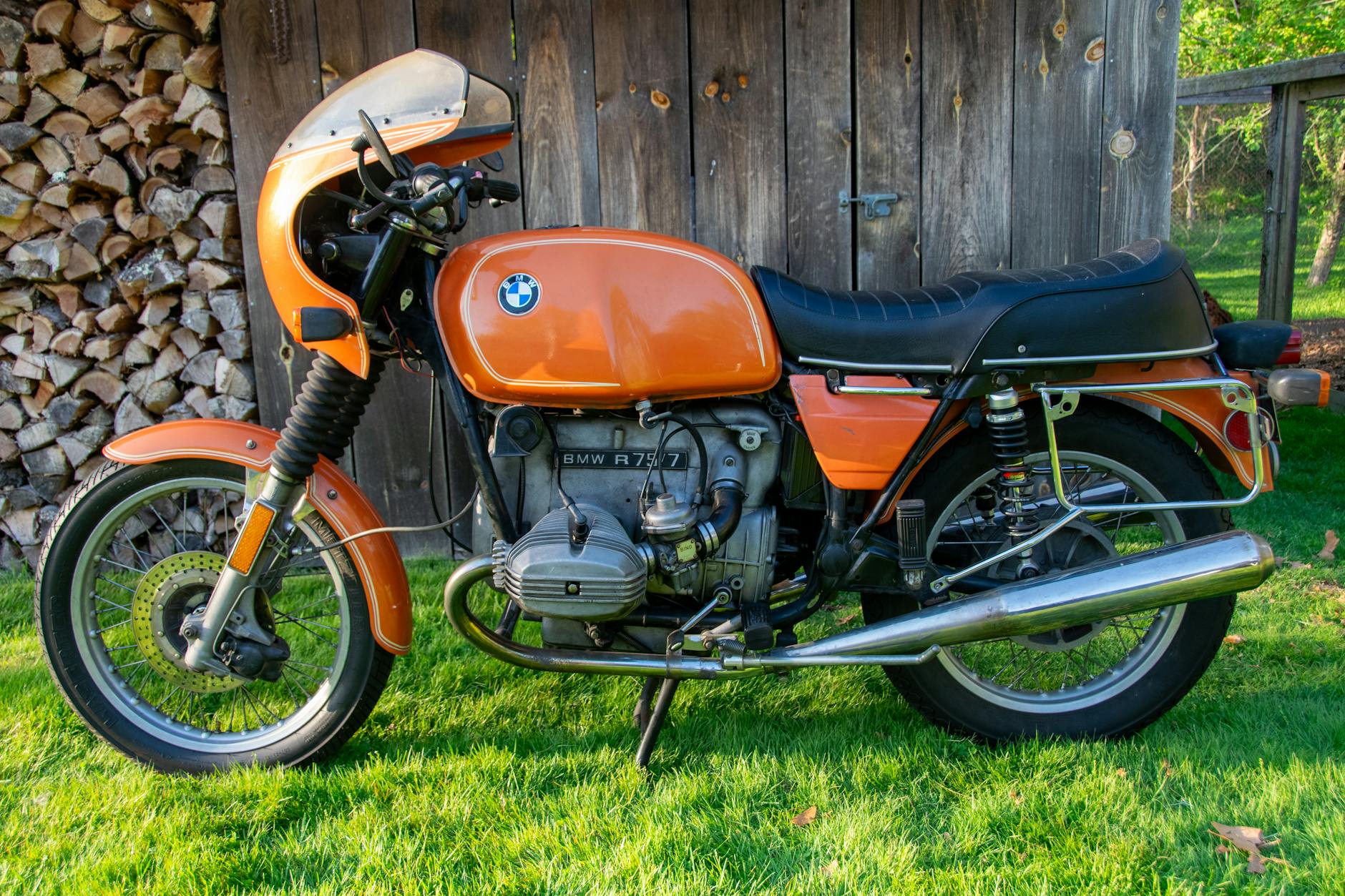
Bmw R 90 S
Compare Honda Cbx 1000 Side-by-Side
compare_arrowsSpecs, power, weight & buyer verdict — head-to-head with the bikes most often cross-shopped.
Honda Cbx 1000 vs Honda Cb1100
Specs · Power · Buyer verdict
Honda Cbx 1000 vs Honda Cb750 Four
Specs · Power · Buyer verdict
Honda Cbx 1000 vs Kawasaki Z1 900
Specs · Power · Buyer verdict
Honda Cbx 1000 vs Suzuki Gt 750
Specs · Power · Buyer verdict
Honda Cbx 1000 vs Bmw R 90 S
Specs · Power · Buyer verdict
More Honda Cbx 1000 Guides
More from Honda
View all Honda models →Community Reviews
Discussion
Frequently Asked Questions
What are common problems with the Honda Cbx 1000? +
Carb sync and jetting on all 6 carbs: Smooth idle, no flat spots, clean fuel flow (moderate) | Exhaust header rust and collector rot: Inspect headers for cracks, rust-through, leaks (serious) | Cam chain tensioner wear and noise: Listen for rattling on cold start at idle (serious)
Is the Honda Cbx 1000 a good motorcycle? +
A magnificent machine demanding respect, patience, and a serious maintenance budget. Rating: 8.5/10. Best for: Patient collectors who actually want to ride. Avoid if: You hate carburetors and hate spending money.
What is the horsepower of the Honda Cbx 1000? +
The Honda Cbx 1000 produces 105 hp @ 9,000 rpm, with 85 Nm @ 8,000 rpm of torque. Top speed: 225 km/h.
Is the Honda Cbx 1000 good for beginners? +
Not really — the Honda Cbx 1000 is better for experienced riders (105 hp can be intimidating). Patient collectors who actually want to ride Avoid if: You hate carburetors and hate spending money
Is the Honda Cbx 1000 reliable? +
Owners report 2 critical issues to watch for on the Honda Cbx 1000, notably: Exhaust header rust and collector rot (Inspect headers for cracks, rust-through, leaks). Buy with a pre-purchase inspection.
Is the Honda Cbx 1000 good for daily use? +
Patient collectors who actually want to ride Fuel: 7.5 L/100km (approx. 13.3 km/L) — estimated real-world average.
How fast is the Honda Cbx 1000? +
The Honda Cbx 1000 reaches a top speed of 225 km/h, producing 105 hp at 247 kg curb weight. Real-world performance depends on rider weight, gearing, and road conditions.
What gear should I buy for a Honda Cbx 1000? +
Motoryk has curated a Top 10 gear list specifically for the Honda Cbx 1000, covering engine oil, tires, chain, battery, and brake pads — see motoryk.com/bikes/honda/cbx-1000/top10. Each pick is matched to this bike's spec.