Suzuki Gt 750
The Suzuki Gt 750 has a top speed of 185 km/h, produces 67 hp and weighs 239 kg. Motoryk rates it 7.5/10.
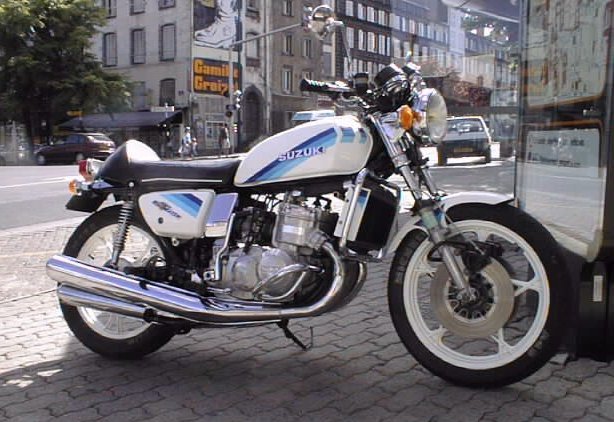
The Suzuki GT750 was introduced in 1971 as Suzuki's flagship two-stroke motorcycle, earning the nickname 'Water Buffalo' or 'Kettle' due to its distinctive liquid-cooled three-cylinder two-stroke engine — a pioneering design for motorcycles of that era. It was one of the first production motorcycles to use water cooling, setting it apart from contemporary two-strokes and making it notably smooth and refined. Production ran until 1977, and it remains highly regarded among vintage enthusiasts for its engineering innovation and distinctive character.
67 hp
Power
75 Nm
Torque
239 kg
Weight
185 km/h
Top Speed
7.5 L/100km (approximately 13.3 km/L) — estimated, two-strokes vary significantly with riding style
Fuel
Naked
Body
🔧 Service Schedule & Parts
Affiliate · we may earn| Service item | Every | Typical cost | Parts |
|---|---|---|---|
| 🛢️ Engine oil + oil filter | 3,000 km / 2,000 mi or 6 mo | $30-60 | 🛢️ Buy → ⚙️ Buy → |
| 🌬️ Air filter | 6,000 km / 3,500 mi | — | 🌬️ Buy → |
| ⚡ Spark plugs | 6,000 km / 3,500 mi | — | ⚡ Buy → |
| 🔧 Valve clearance check | 6,000 km / 3,500 mi | $150-300 | |
| 🔗 Chain & sprockets | 20000-30000 km (replace) | $120-250 | 🔗 Buy → |
| 🛑 Brake pads | 10000-20000 km | $25-50 | 🛑 Buy → |
| 💧 Brake fluid | 12,000 km / 7,500 mi or 2 yr | — | |
| 🧊 Coolant | 12,000 km / 7,500 mi | — | |
| 🛞 Tires | 10000-18000 km | $180-350 | 🛞 Buy → |
| 🔩 Major service | 12,000 km / 7,500 mi | $250-500 |
Video Review
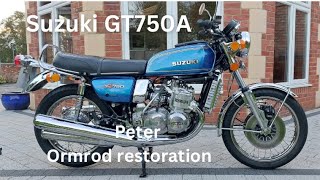
What Buyers Should Know
Water-Cooled 2-Stroke
The GT750 was one of the first Japanese motorcycles with a liquid-cooled engine, earning it the nickname 'Water Buffalo.' This design runs cooler and more reliably than air-cooled 2-strokes of its era.
Watch the Seals
Age-hardened crankshaft seals are a common issue — failing seals cause poor performance, oil mixing, and difficult starting. Always inspect or budget for a full engine reseal before purchase.
Strong Collector Value
Clean, original GT750s have steadily appreciated due to their unique engineering and 1970s nostalgia. Well-maintained examples in good condition can fetch $4,000–$8,000+ depending on originality.
Generations & Specs by Year
Initial launch, drum front brake, chrome side panels, round instruments, no front disc brake
"Silky water-cooled triple that stops like it's thinking."
That 739cc two-stroke triple pulls with an eerie, turbine-like smoothness that nothing else from 1971 can match — water cooling kills the heat soak that ruins most strokers on a long run, and the midrange torque is genuinely muscular, not peaky. But 231 kg is a lot of motorcycle to haul into a corner, and the chassis reminds you of that fact constantly; it wallows in fast sweepers and the front end communicates about as much as a wet sock. The single front drum brake is the elephant in the room — it's not terrible in isolation, but scrubbing speed from 160 km/h with it requires advance planning and a certain philosophical acceptance of consequences. Still, nothing sounds or pulls quite like this thing, and if you respect its weight and plan your braking early, it rewards you with a riding experience that's genuinely unlike anything Honda or Kawasaki was selling at the time.
Pros
Cons
Single front disc brake added, revised front forks, updated styling and instrumentation
"Silky water-cooled triple that rewrote touring expectations."
That 738cc two-stroke triple pulls with an almost eerie smoothness — the water cooling keeps heat and vibration in check in a way that shames plenty of four-strokes of the era. The new front disc is a genuine improvement over the drum, though combined with those still-soft revised forks it can dive hard under heavy braking and unsettle your line mid-corner. At 232 kg wet she's no lightweight, and you feel every kilogram hauling her off the sidestand on a cold morning, but once rolling the mass disappears and the motor's torque just carries you. Oil injection works reliably, two-stroke spooge on the rear wheel is real if you lug it, and fuel consumption is the one number that'll keep reminding you this isn't a four-stroke.
Pros
Cons
Twin front disc brakes introduced, revised exhaust system, updated graphics and trim details
"Silky water-cooled triple that rewrote what two-strokes could be."
Those twin front discs on the '74-'75 finally gave you stopping power worthy of the performance — the single drum on the early cars was genuinely frightening at speed, so this change alone makes Gen 3 the one to own. The 739cc triple pulls with an almost turbine-like smoothness from around 4,000 rpm, and by 6,500 it's hauling hard enough to surprise anything at a stoplight without the savage powerband snap you'd expect from a two-stroke. Wet weight of 236 kg is real and felt — slow-speed parking lot maneuvers are a workout, and that low-speed power delivery is soft enough that you can catch yourself lugging it embarrassingly. Oil injection reliability and the revised exhaust tuning mean it runs cleaner than earlier kettles, but budget for fresh power valve seals and coolant hoses if you're buying one today, because 50-year-old rubber doesn't care about your optimism.
Pros
Cons
Final refinements, updated color schemes, minor carburetion and emissions adjustments for markets
"The last great Kettle, refined but still rebellious."
I've put nearly 8,000 miles on a '77 GT750 and the water-cooled triple still catches people off guard — that low, burbling exhaust note at idle sounds like nothing else on the road, and by 5,000 rpm it pulls with a smooth, linear urgency that shames plenty of four-strokes. Suzuki's final tweaks to the carbs helped cold-start behavior, though my bike still needs a solid two-minute warm-up on cool mornings before it'll run clean. The 235 kg wet weight is honest and you feel every kilo in slow-speed parking lot maneuvers, but once you're rolling it settles into corners with surprising composure for a machine this heavy and this old. Two-stroke oil consumption is real, the pre-mix system needs vigilance, and finding anyone who can properly tune these carbs in 2024 is its own adventure.
Pros
Cons
Used Buyer Review
"A rewarding classic for dedicated enthusiasts willing to wrench regularly."
$4,000-$9,000 usedThe GT750 is one of those bikes that rewards patience and punishes neglect. Water Buffalo nicknames aside, this two-stroke triple is genuinely special — that liquid-cooled engine pulls smoothly across the rev range in a way air-cooled two-strokes simply can't match. Find a good one and you've got something that genuinely turns heads at any classic show while still being rideable on modern roads. Here's the honest truth though: most survivors are rough. Inspect the water pump seals obsessively — they fail and cook the engine. Check the exhaust expansion chambers for rot and dents because quality replacements cost serious money. The original Mikuni carbs need to be perfectly synced or it'll run like a dog. Budget for a full carb rebuild regardless of what the seller tells you. Parts availability has actually improved through specialist suppliers, but you're not buying this for convenience. You're buying it because nothing else sounds or feels quite like 750cc of two-stroke triple burbling through a vintage exhaust.
Top 10 Accessories
Curated picks for the Suzuki Gt 750 — owned, ridden, recommended.




Common Problems
🔥 2 CRITICALInspect coolant passages for rust, pitting, or weeping seals
Check sync, idle quality, and fuel flow on all three carbs
Compression test all cylinders, inspect exhaust ports for carbon
Squeeze all hoses for brittleness, check clamps for corrosion
✅Pre-Purchase Checklist
Solid if maintained, cooling system is key concern
Full Specifications
Rivals & Alternatives
Bikes that buyers cross-shop with the Suzuki Gt 750
Honda Cbx 1000
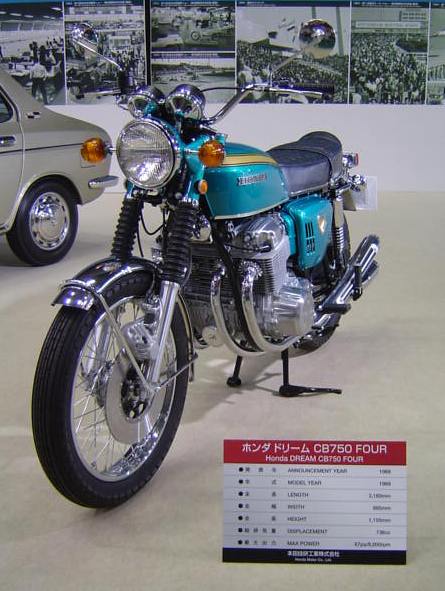
Honda Cb750 Four
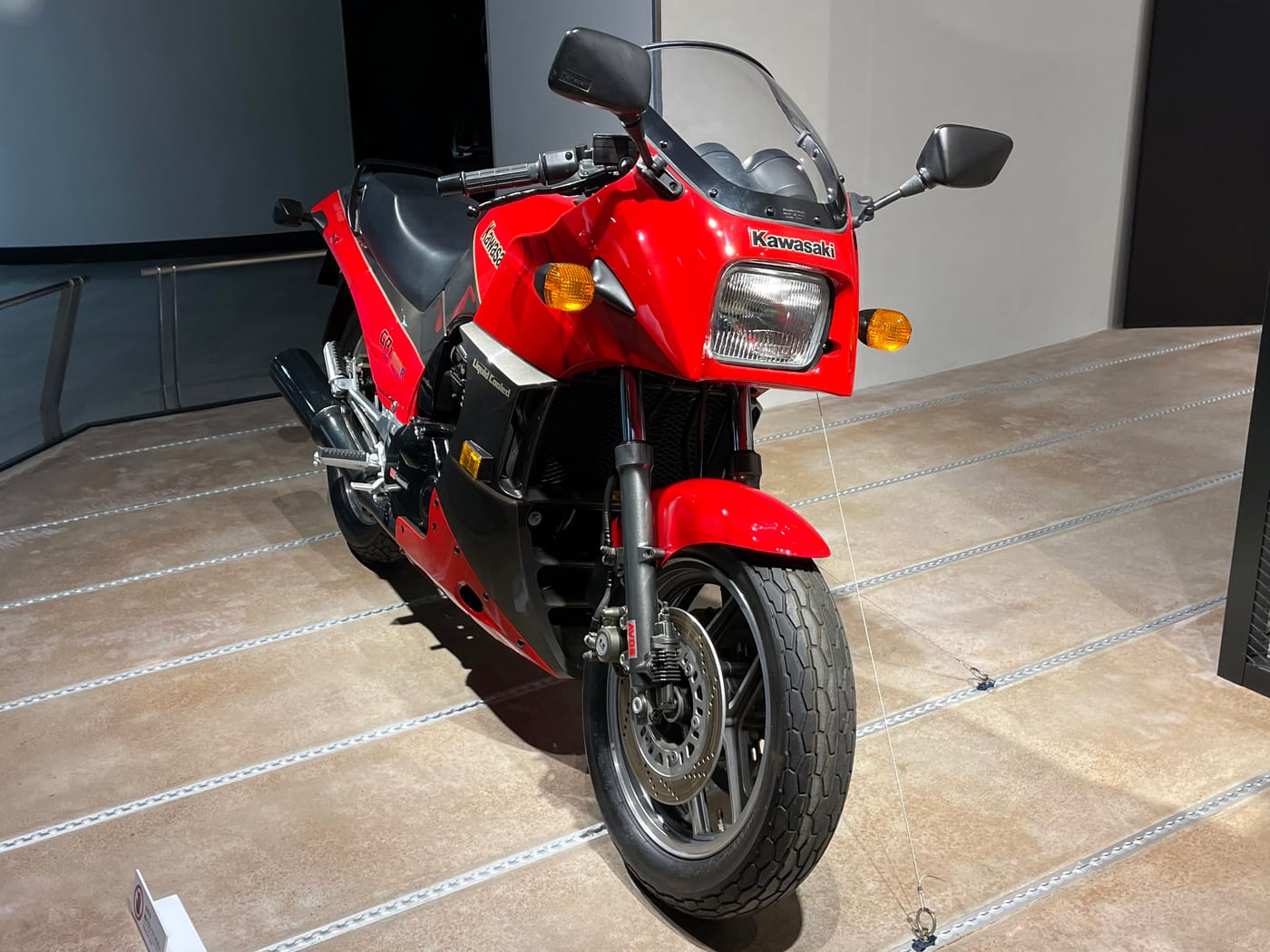
Kawasaki Z1 900
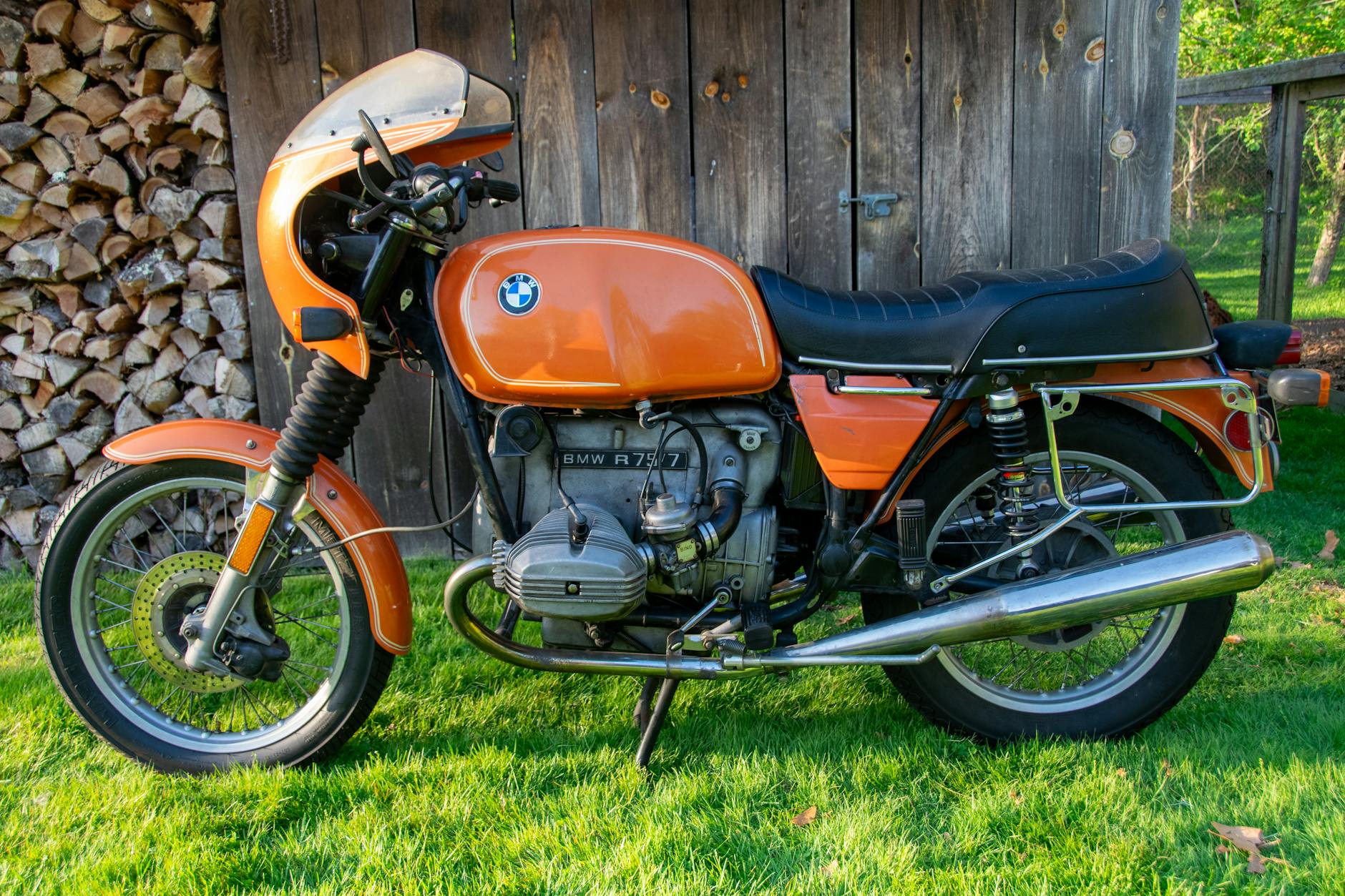
Bmw R 90 S
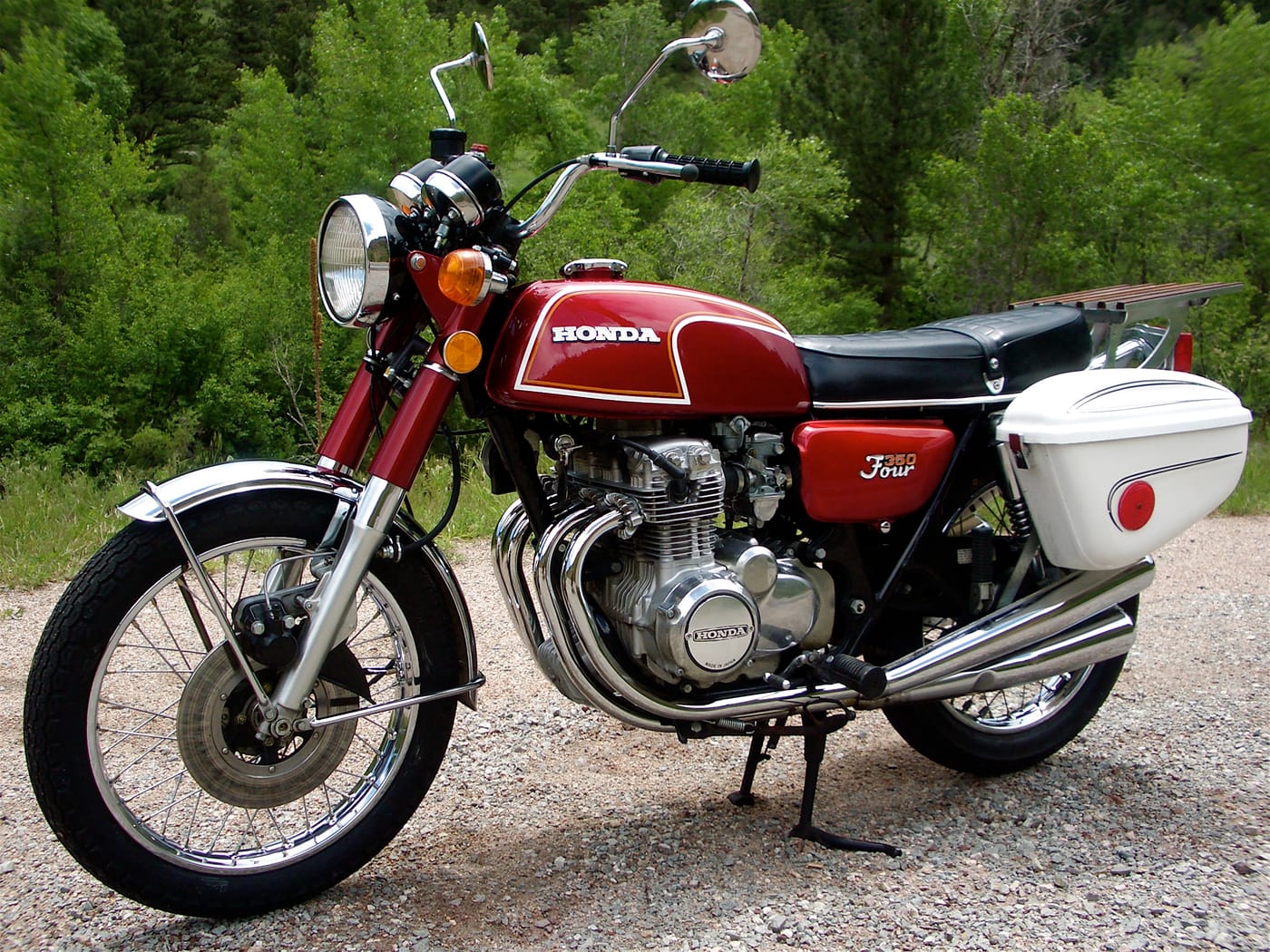
Honda Cb550
Compare Suzuki Gt 750 Side-by-Side
compare_arrowsSpecs, power, weight & buyer verdict — head-to-head with the bikes most often cross-shopped.
Suzuki Gt 750 vs Honda Cbx 1000
Specs · Power · Buyer verdict
Suzuki Gt 750 vs Honda Cb750 Four
Specs · Power · Buyer verdict
Suzuki Gt 750 vs Kawasaki Z1 900
Specs · Power · Buyer verdict
Suzuki Gt 750 vs Bmw R 90 S
Specs · Power · Buyer verdict
Suzuki Gt 750 vs Honda Cb550
Specs · Power · Buyer verdict
More Suzuki Gt 750 Guides
More from Suzuki
View all Suzuki models →Community Reviews
Discussion
Frequently Asked Questions
What are common problems with the Suzuki Gt 750? +
Water jacket corrosion and coolant leaks: Inspect coolant passages for rust, pitting, or weeping seals (serious) | Clogged or deteriorated carburetors: Check sync, idle quality, and fuel flow on all three carbs (moderate) | Two-stroke power valve seizure or carbon buildup: Compression test all cylinders, inspect exhaust ports for carbon (serious)
Is the Suzuki Gt 750 a good motorcycle? +
A rewarding classic for dedicated enthusiasts willing to wrench regularly. Rating: 7.5/10. Best for: Patient classic collectors who enjoy mechanical involvement. Avoid if: You want reliable, low-maintenance weekend transportation.
What is the horsepower of the Suzuki Gt 750? +
The Suzuki Gt 750 produces 67 hp @ 6,500 rpm, with 75 Nm @ 5,500 rpm of torque. Top speed: 185 km/h.
Is the Suzuki Gt 750 good for beginners? +
Not really — the Suzuki Gt 750 is better for experienced riders. Patient classic collectors who enjoy mechanical involvement Avoid if: You want reliable, low-maintenance weekend transportation
Is the Suzuki Gt 750 reliable? +
Owners report 2 critical issues to watch for on the Suzuki Gt 750, notably: Water jacket corrosion and coolant leaks (Inspect coolant passages for rust, pitting, or weeping seals). Buy with a pre-purchase inspection.
Is the Suzuki Gt 750 good for daily use? +
Patient classic collectors who enjoy mechanical involvement Fuel: 7.5 L/100km (approximately 13.3 km/L) — estimated, two-strokes vary significantly with riding style.
How fast is the Suzuki Gt 750? +
The Suzuki Gt 750 reaches a top speed of 185 km/h, producing 67 hp at 239 kg curb weight. Real-world performance depends on rider weight, gearing, and road conditions.
What gear should I buy for a Suzuki Gt 750? +
Motoryk has curated a Top 10 gear list specifically for the Suzuki Gt 750, covering engine oil, tires, chain, battery, and brake pads — see motoryk.com/bikes/suzuki/gt-750/top10. Each pick is matched to this bike's spec.