Honda Cbx 1000
The Honda Cbx 1000 has a top speed of 225 km/h, produces 105 hp and weighs 247 kg. Motoryk rates it 8.5/10.
The Honda CBX1000 was introduced in 1978 as a flagship superbike showcasing Honda's engineering prowess, featuring a groundbreaking inline six-cylinder 1047cc engine derived from Honda's racing heritage. It was produced through 1982, with early models (1978-1979) being sport-focused and later models (1980-1982) repositioned as sport-tourers with added fairing and suspension upgrades. It remains iconic as one of the most visually and mechanically impressive motorcycles of its era, celebrated for its six-pipe exhaust and wide, exposed engine.
105 hp
Power
85 Nm
Torque
247 kg
Weight
225 km/h
Top Speed
7.5 L/100km (approx. 13.3 km/L) — estimated real-world average
Fuel
Naked
Body
🔧 Service Schedule & Parts
Affiliate · we may earn| Service item | Every | Typical cost | Parts |
|---|---|---|---|
| 🛢️ Engine oil + oil filter | 6,000 km / 3,500 mi or 12 mo | $50-100 | 🛢️ Buy → ⚙️ Buy → |
| 🌬️ Air filter | 12,000 km / 7,500 mi | — | 🌬️ Buy → |
| ⚡ Spark plugs | 12,000 km / 7,500 mi | — | ⚡ Buy → |
| 🔧 Valve clearance check | 12,000 km / 7,500 mi | $300-600 | |
| 🔗 Chain & sprockets | 20000-35000 km (replace) | $200-350 | 🔗 Buy → |
| 🛑 Brake pads | 15000-25000 km | $40-80 | 🛑 Buy → |
| 💧 Brake fluid | 24,000 km / 15,000 mi or 2 yr | — | |
| 🛞 Tires | 10000-18000 km | $250-450 | 🛞 Buy → |
| 🔩 Major service | 24,000 km / 15,000 mi | $500-1200 |
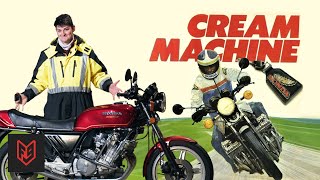
Video Review
What Buyers Should Know
6-Cylinder Marvel
The CBX 1000 features a stunning inline six-cylinder engine — a rare configuration for a production motorcycle. This engineering showpiece produces a spine-tingling exhaust note that remains a major draw for collectors.
Watch the Carburetors
The six Keihin carburetors are notoriously difficult and expensive to sync and rebuild properly, often requiring specialist expertise. Budget for a full carb service if buying, as neglected units can cause rough running and poor fuel economy.
Strong Collector Value
Well-maintained CBX 1000s, especially the 1979-1980 sport models, have been steadily appreciating and can command $10,000–$18,000+ depending on condition. Originality and matching numbers significantly boost resale value.
Generations & Specs by Year
Original sport configuration, exposed inline-six engine, no fairing, single front disc brake, tubular steel frame.
"Six cylinders of pure mechanical theatre, consequences included."
That inline-six screams past 7,000 rpm in a way that makes every other bike feel like an appliance — it's not just fast, it's operatic, and you feel every one of those six pistons firing through your wrists. Handling is where reality bites: 247 kg of wide-engined mass doesn't hide itself in corners, the single front disc is genuinely frightening at speed, and the wide engine cases will catch tarmac before your nerve does on tight switchbacks. Heat management is a constant companion — your right leg cooks in traffic, and summer city riding borders on unpleasant. But none of that matters when you're on an open A-road at full song, because this thing sounds and feels like Honda bet the entire engineering department on one glorious, irrational idea — and won.
Pros
Cons
Full touring fairing added, Pro-Link rear suspension, dual front discs, handlebar raised, repositioned as sport-tourer.
"Six-cylinder sorcery buried under too much compromise."
Honda took the raw, magnificent Gen 1 CBX and dressed it in touring clothes it never quite grew into — the fairing tames wind blast on long slabs but adds bulk to a bike already pushing 262 kg wet, and you feel every kilo hauling it off the sidestand at a gas station. That inline-six still sings like nothing else on earth between 7,000 and 9,000 rpm, a mechanical choir that makes grown men emotional, and the Pro-Link rear is a genuine improvement over the old twin-shock setup for two-up cruising. But the raised bars and sport-tourer positioning create an identity crisis: too heavy and soft-steering for serious canyon work, not spacious or wind-protected enough to shame a Gold Wing on the interstate. Cooling the outside cylinders unevenly in slow traffic remains a nagging concern, and finding a mechanic who'll confidently service six carburetors without charging you a mortgage payment is its own adventure.
Pros
Cons
Used Buyer Review
"A magnificent machine demanding respect, patience, and a serious maintenance budget."
$8,000-$22,000 usedThe CBX is one of those bikes that genuinely stops traffic, and that inline-six soundtrack is absolutely addictive — nothing else sounds like it. But let's be brutally honest: you're buying a 40-year-old six-cylinder machine with six carburetors that all need to be synchronized, six sets of points on early models, and an exhaust system that costs serious money to replace properly. Finding one that hasn't been butchered is genuinely difficult. Mechanically, the engines are surprisingly robust if maintained, but neglected examples are everywhere. Budget at least $1,500-2,000 beyond purchase price for a proper carb rebuild, fresh rubber, and sorting whatever the previous owner ignored. The ProLink suspension on later models is far superior — stick to 1980-82 if possible. Handling is competent rather than inspiring, and those six pipes retain heat like a furnace at traffic lights. This is a collector piece masquerading as a motorcycle. Buy the cleanest example you can afford, not the cheapest.
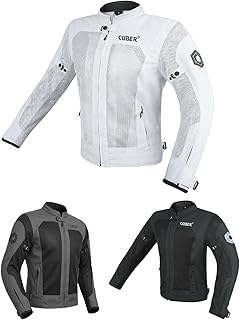
Top 10 Accessories
Curated picks for the Honda Cbx 1000 — owned, ridden, recommended.




Common Problems
🔥 2 CRITICALSmooth idle, no flat spots, clean fuel flow
Inspect headers for cracks, rust-through, leaks
Listen for rattling on cold start at idle
Visual inspect all cylinder fins for cracks
✅Pre-Purchase Checklist
Solid engine, expensive to maintain when neglected
Full Specifications
Rivals & Alternatives
Bikes that buyers cross-shop with the Honda Cbx 1000

Honda Cb1100
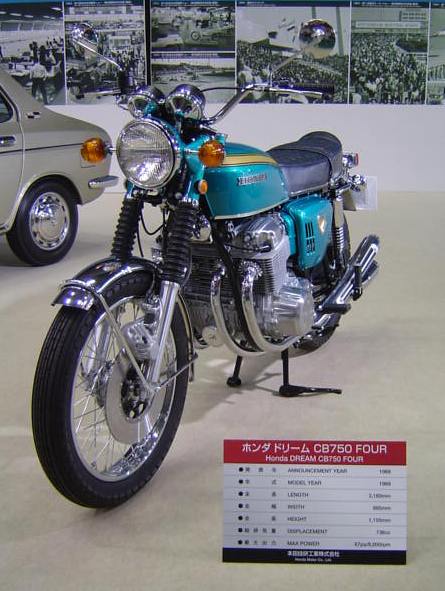
Honda Cb750 Four
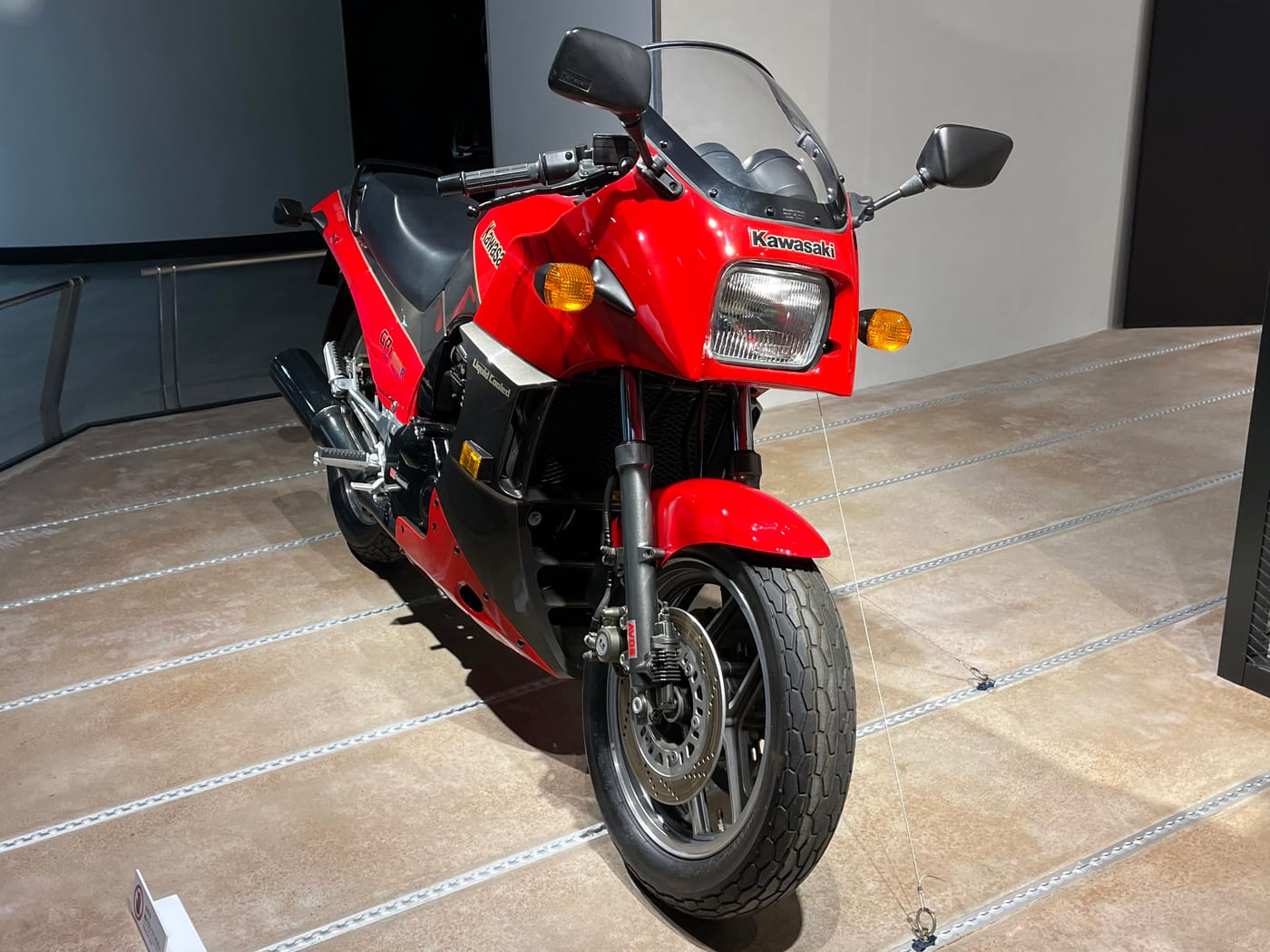
Kawasaki Z1 900
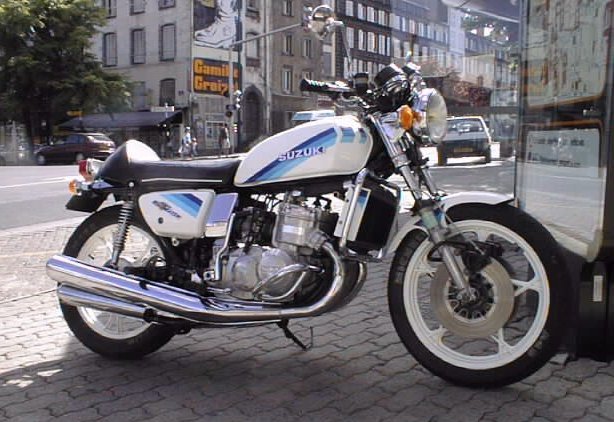
Suzuki Gt 750
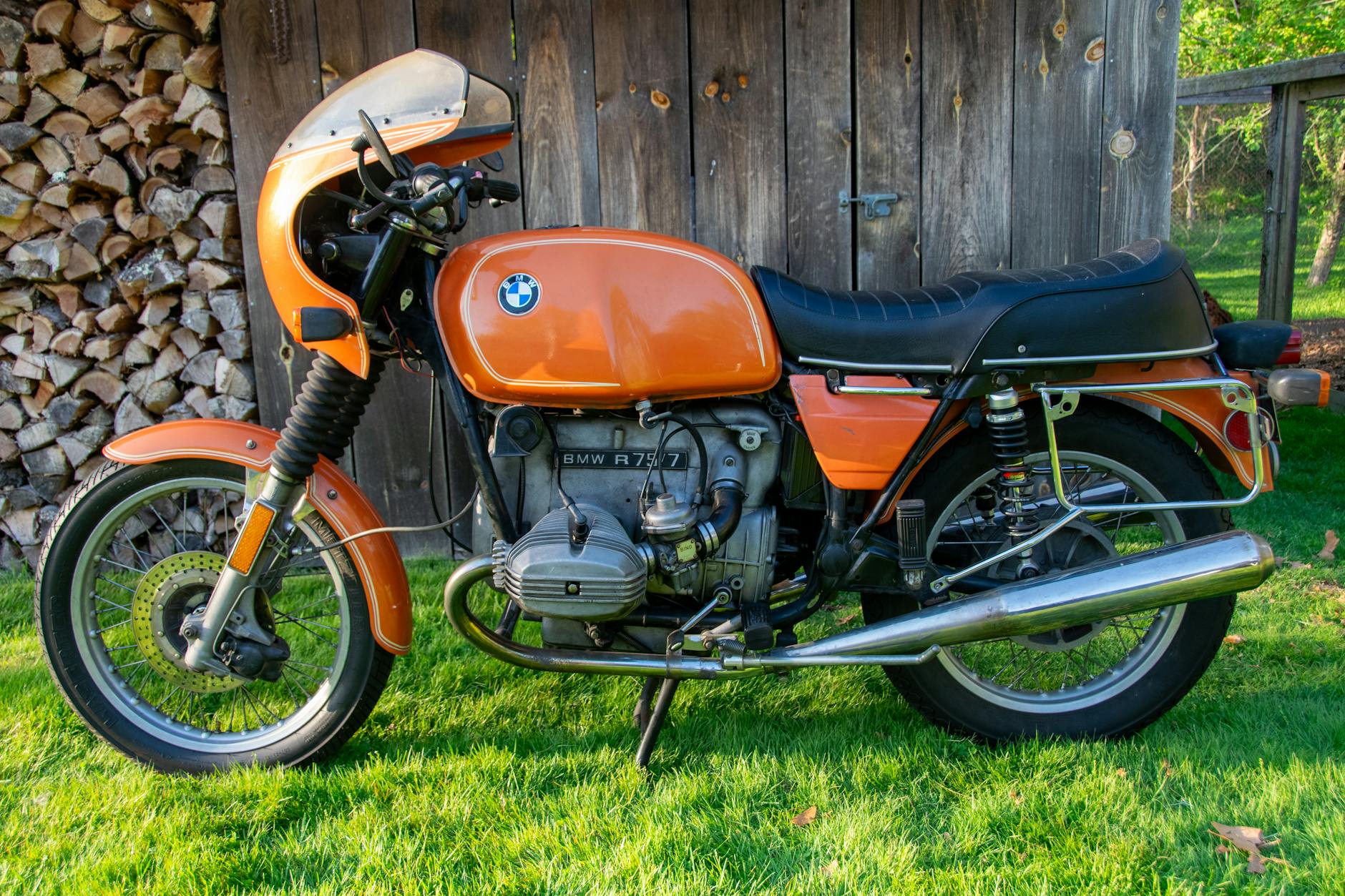
Bmw R 90 S
Compare Honda Cbx 1000 Side-by-Side
compare_arrowsSpecs, power, weight & buyer verdict — head-to-head with the bikes most often cross-shopped.
Honda Cbx 1000 vs Honda Cb1100
Specs · Power · Buyer verdict
Honda Cbx 1000 vs Honda Cb750 Four
Specs · Power · Buyer verdict
Honda Cbx 1000 vs Kawasaki Z1 900
Specs · Power · Buyer verdict
Honda Cbx 1000 vs Suzuki Gt 750
Specs · Power · Buyer verdict
Honda Cbx 1000 vs Bmw R 90 S
Specs · Power · Buyer verdict
More Honda Cbx 1000 Guides
More from Honda
View all Honda models →Community Reviews
Discussion
Frequently Asked Questions
What are common problems with the Honda Cbx 1000? +
Carb sync and jetting on all 6 carbs: Smooth idle, no flat spots, clean fuel flow (moderate) | Exhaust header rust and collector rot: Inspect headers for cracks, rust-through, leaks (serious) | Cam chain tensioner wear and noise: Listen for rattling on cold start at idle (serious)
Is the Honda Cbx 1000 a good motorcycle? +
A magnificent machine demanding respect, patience, and a serious maintenance budget. Rating: 8.5/10. Best for: Patient collectors who actually want to ride. Avoid if: You hate carburetors and hate spending money.
What is the horsepower of the Honda Cbx 1000? +
The Honda Cbx 1000 produces 105 hp @ 9,000 rpm, with 85 Nm @ 8,000 rpm of torque. Top speed: 225 km/h.
Is the Honda Cbx 1000 good for beginners? +
Not really — the Honda Cbx 1000 is better for experienced riders (105 hp can be intimidating). Patient collectors who actually want to ride Avoid if: You hate carburetors and hate spending money
Is the Honda Cbx 1000 reliable? +
Owners report 2 critical issues to watch for on the Honda Cbx 1000, notably: Exhaust header rust and collector rot (Inspect headers for cracks, rust-through, leaks). Buy with a pre-purchase inspection.
Is the Honda Cbx 1000 good for daily use? +
Patient collectors who actually want to ride Fuel: 7.5 L/100km (approx. 13.3 km/L) — estimated real-world average.
How fast is the Honda Cbx 1000? +
The Honda Cbx 1000 reaches a top speed of 225 km/h, producing 105 hp at 247 kg curb weight. Real-world performance depends on rider weight, gearing, and road conditions.
What gear should I buy for a Honda Cbx 1000? +
Motoryk has curated a Top 10 gear list specifically for the Honda Cbx 1000, covering engine oil, tires, chain, battery, and brake pads — see motoryk.com/bikes/honda/cbx-1000/top10. Each pick is matched to this bike's spec.