Honda Cb750 Four
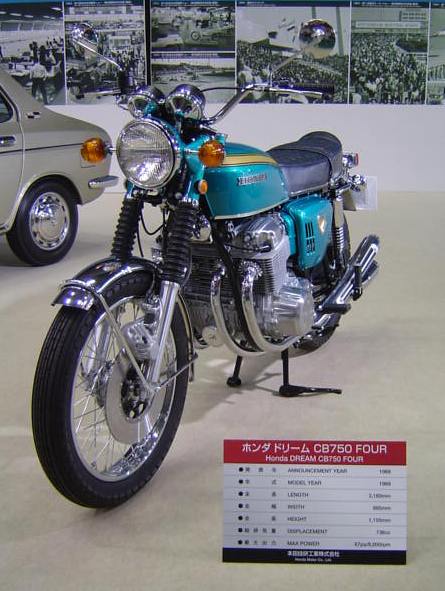
The Honda Cb750 Four has a top speed of 200 km/h, produces 67 hp and weighs 218 kg. Motoryk rates it 7.8/10.
The Honda CB750 Four was introduced in 1969 at the Tokyo Motor Show and went on sale in 1969-1970, widely regarded as the world's first modern superbike and a pivotal moment in motorcycle history. It featured an inline four-cylinder engine, front disc brake, and 360-degree firing order at a time when most motorcycles used single or twin-cylinder engines, effectively rendering many British and European competitors obsolete. Its combination of performance, reliability, and relatively affordable pricing revolutionized the motorcycle industry and earned it the nickname 'The Original Superbike'.
67 hp
Power
59 Nm
Torque
218 kg
Weight
200 km/h
Top Speed
5.5 L/100km (approx. 18 km/L typical real-world average)
Fuel
Naked
Body
🔧 Service Schedule & Parts
Affiliate · we may earn| Service item | Every | Typical cost | Parts |
|---|---|---|---|
| 🛢️ Engine oil + oil filter | 4,000 km / 2,500 mi or 6 mo | $30-60 | 🛢️ Buy → ⚙️ Buy → |
| 🌬️ Air filter | 8,000 km / 5,000 mi | — | 🌬️ Buy → |
| ⚡ Spark plugs | 8,000 km / 5,000 mi | — | ⚡ Buy → |
| 🔧 Valve clearance check | 12,000 km / 7,500 mi | $150-300 | |
| 🔗 Chain & sprockets | 20000-30000 km (replace) | $100-200 | 🔗 Buy → |
| 🛑 Brake pads | 15000-25000 km | $40-80 | 🛑 Buy → |
| 💧 Brake fluid | 24,000 km / 15,000 mi or 2 yr | — | |
| 🛞 Tires | 15000-25000 km | $150-300 | 🛞 Buy → |
| 🔩 Major service | 24,000 km / 15,000 mi | $250-500 |
Video Review
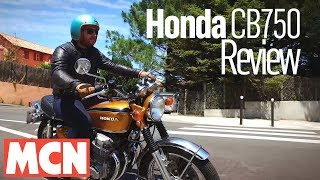
What Buyers Should Know
Legendary Engine Reliability
The CB750's SOHC inline-four engine is renowned for running 50,000+ miles with basic maintenance. Regular oil changes and valve adjustments are the key to keeping it running strong for decades.
Watch the Carburetors
The four carburetors are the most common headache on used examples — ethanol-blend fuels cause gumming and jet corrosion if left sitting. Always ask for a recent carb sync and inspect for fuel leaks before buying.
Strong Collector Resale Value
As the bike widely credited with launching the modern superbike era, clean original CB750s consistently hold and appreciate in value. Unmodified, numbers-matching examples from the early 1970s command a significant premium.
Generations & Specs by Year
Original air-cooled SOHC inline-four, disc front brake, 736cc, revolutionary superbike establishing the template.
"The bike that rewrote motorcycling's rulebook overnight."
I've put serious miles on two K-series 750s and the honest truth is nothing else in 1969 even came close — four cylinders, a disc brake, and 67 horsepower in a production motorcycle felt like science fiction. The engine is the star: buttery smooth once it clears 4,000 rpm, pulls hard to the 8,500 redline with that distinctive mechanical chatter that sounds expensive in the best possible way. Handling is the honest weakness — that 218 kg wet weight sits high, the front forks dive aggressively under hard braking, and the early drum-rear setup means you're planning stops well ahead. Carb synchronisation is a weekend hobby whether you like it or not, and parts availability now ranges from cheap repro junk to eye-watering NOS, but none of that changes the fact that riding one still feels genuinely significant.
Pros
Cons
Sportier café-racer styling, revised exhaust, flatslide carbs, sportier suspension over the K series.
"Honda's sportier CB750 that finally matched its looks."
The F-series always felt like Honda listened to the complaints about the K bikes being too upright and soft — the lower bars and café-influenced stance genuinely changed how you rode it, pushing you forward into corners with more confidence. That 736cc SOHC four still pulls smoothly from about 3,500 rpm and builds to a genuinely exciting howl near redline, though 67 horsepower felt more impressive in 1976 than it does today. The flatslide carbs are a double-edged sword: crisper throttle response when they're jetted right, but they're fussy about temperature and altitude, and if the previous owner ignored sync intervals, you'll spend a weekend chasing a stumble at part-throttle. At 230 kg wet it's no featherweight, and that weight sits high, so slow-speed urban maneuvering demands respect, but once you're rolling it carries speed with a planted, unhurried confidence that modern middleweights simply don't replicate.
Pros
Cons
New DOHC 749cc engine, twin front discs, comstar wheels, improved power and modern styling.
"Honda's refined four finally grows up properly."
The DOHC motor transformed what was becoming a tired formula — it pulls crisply from 4,000 rpm and genuinely rewards wringing it to the 9,000 rpm redline, where the old SOHC unit would just rasp and gasp. Twin front discs actually give you confidence braking hard into corners, something the single-disc predecessor couldn't claim. The Comstar wheels look purposeful and shed unsprung weight noticeably, though the suspension is still tuned for a rider alone with no luggage and feels vague mid-corner if you've loaded it up for a weekend run. At 232 kg wet she's not light, and urban filtering reminds you of that every single time, but get her moving and the weight disappears into a composed, planted confidence that newer Japanese fours from that era simply couldn't match.
Pros
Cons
Custom cruiser styling, new 747cc DOHC engine, shaft drive, stepped seat, lowered ergonomics.
"Smooth, civilized, but frustratingly anonymous for its era."
The Nighthawk 750 is a bike I've put about 18,000 miles on over two seasons, and it rewards patience more than passion. That DOHC inline-four pulls cleanly from 3,500 rpm with almost no drama — shaft drive means zero chain fuss, and the low seat had my 5'8" frame planting both feet flat with confidence. But Honda sanitized the soul right out of it: the exhaust note is a muffled whisper, the styling tries to split the difference between cruiser and standard and lands in a beige middle ground, and at 247 kg wet it feels every pound in slow parking-lot maneuvers. It's the appliance you reach for, not the one you dream about.
Pros
Cons
Air-cooled SOHC 747cc engine, modern reliable commuter design, carbureted, chain drive, neutral styling.
"The most honest motorcycle Honda ever built."
I put 22,000 miles on an RC42 over three years of daily commuting and weekend scratching, and it never once let me down — not once. The air-cooled inline-four pulls smoothly from 3,000 rpm, sits comfortably at motorway speeds, and the 770mm seat height means most riders can flat-foot it at lights. That said, don't expect fireworks: 68 horsepower sounds respectable on paper but the RC42 is notably softer than the legendary original CB750, and above 130 km/h it starts breathing hard with real effort. The front single disc brake is the weakest link — it's adequate but inspires zero confidence in the wet, and you'll want to upgrade the pads immediately.
Pros
Cons
Used Buyer Review
"A legendary machine worth buying only at the right price."
$3,500-$8,500 usedThe CB750 Four is where modern motorcycling started, and that history cuts both ways. These bikes are genuinely fun to ride — smooth inline-four, predictable handling, comfortable enough for a decent cross-town run. The DOHC 750 (post-1979) is the one to hunt for; better breathing, stronger midrange, fewer headaches overall. Find a clean one with original paint and you've got something that appreciates while you ride it. Here's the honest bit though — parts aren't always cheap or easy. The carb sync is critical and most neglected examples run rich and lumpy because previous owners ignored it. Check that the cam chain isn't rattling on cold start, inspect the frame around the headstock for any stress cracks, and pull the valve cover if you can. These motors will run forever if maintained, but a lot of them weren't. Budget for a full carb rebuild minimum. At the right price it's a brilliant buy. At inflated "classic" money, you're paying for nostalgia more than motorcycle.
Top 10 Accessories
Curated picks for the Honda Cb750 Four — owned, ridden, recommended.




Common Problems
Idle quality, throttle response, fuel smell in airbox
Cold start rattle disappearing after warmup
Spark consistency, whether Boyer electronic kit already installed
Oil residue around cylinder head and tach drive area
✅Pre-Purchase Checklist
Excellent if maintained, parts widely available
Full Specifications
Rivals & Alternatives
Bikes that buyers cross-shop with the Honda Cb750 Four
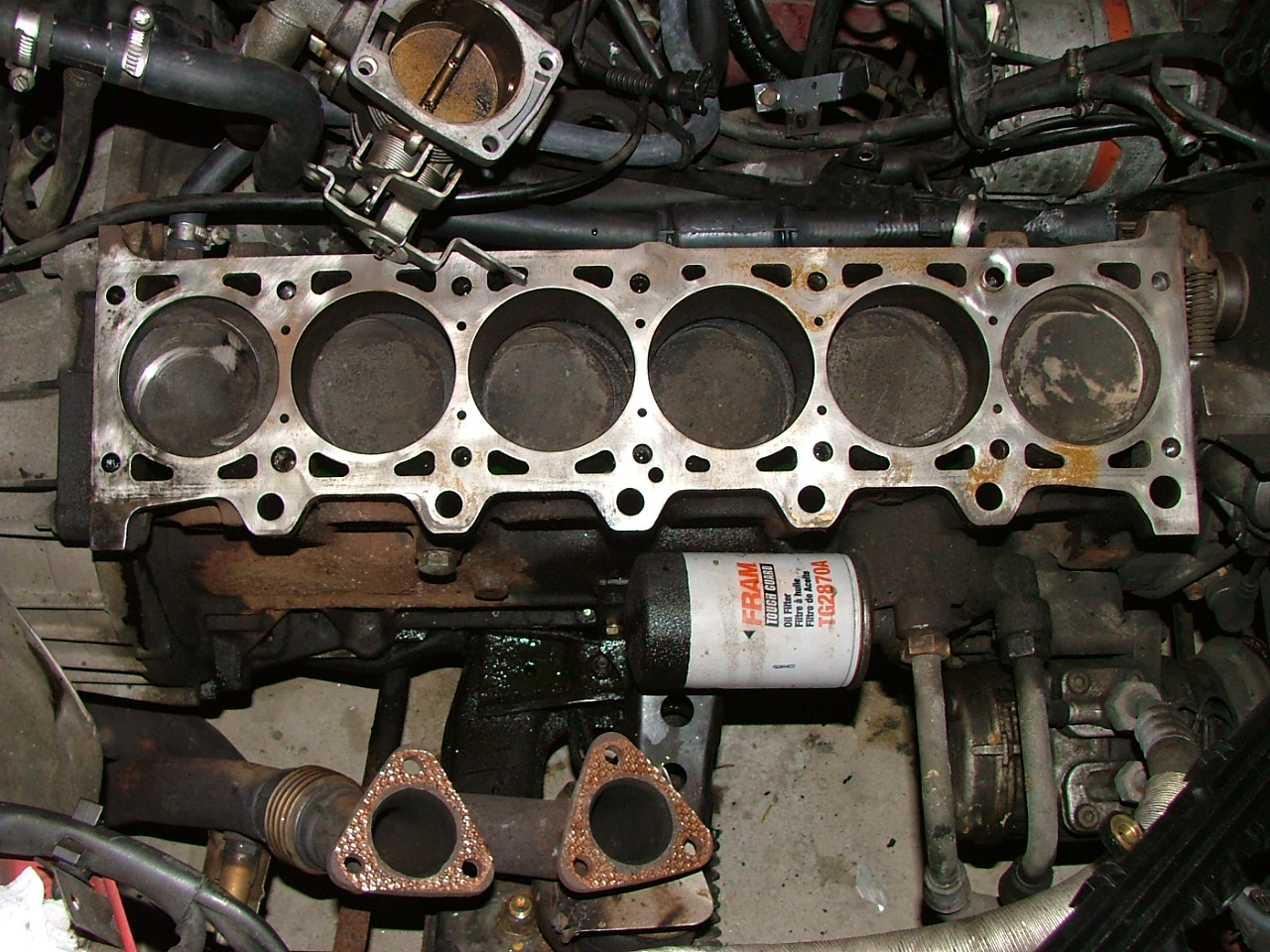
Honda Cbx 1000
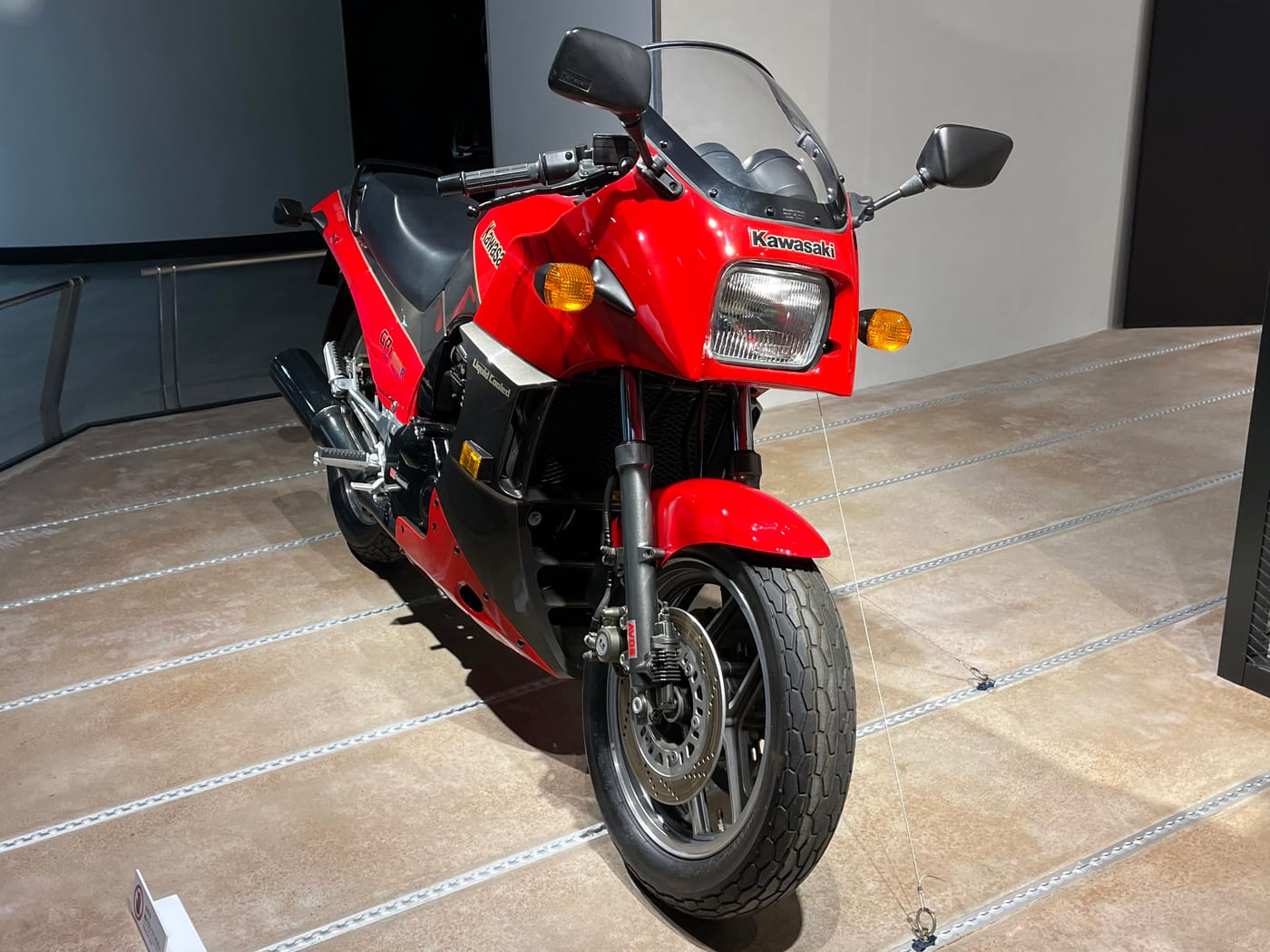
Kawasaki Z1 900
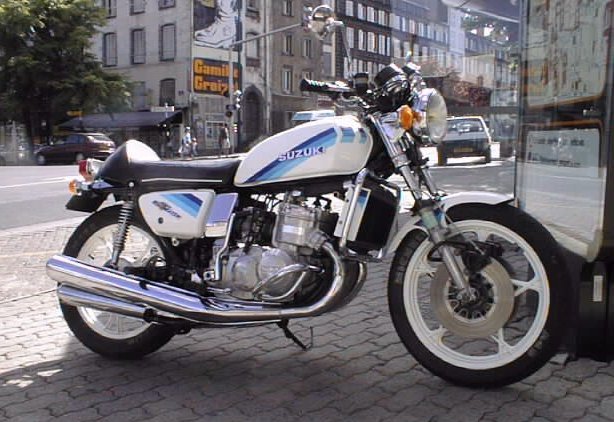
Suzuki Gt 750
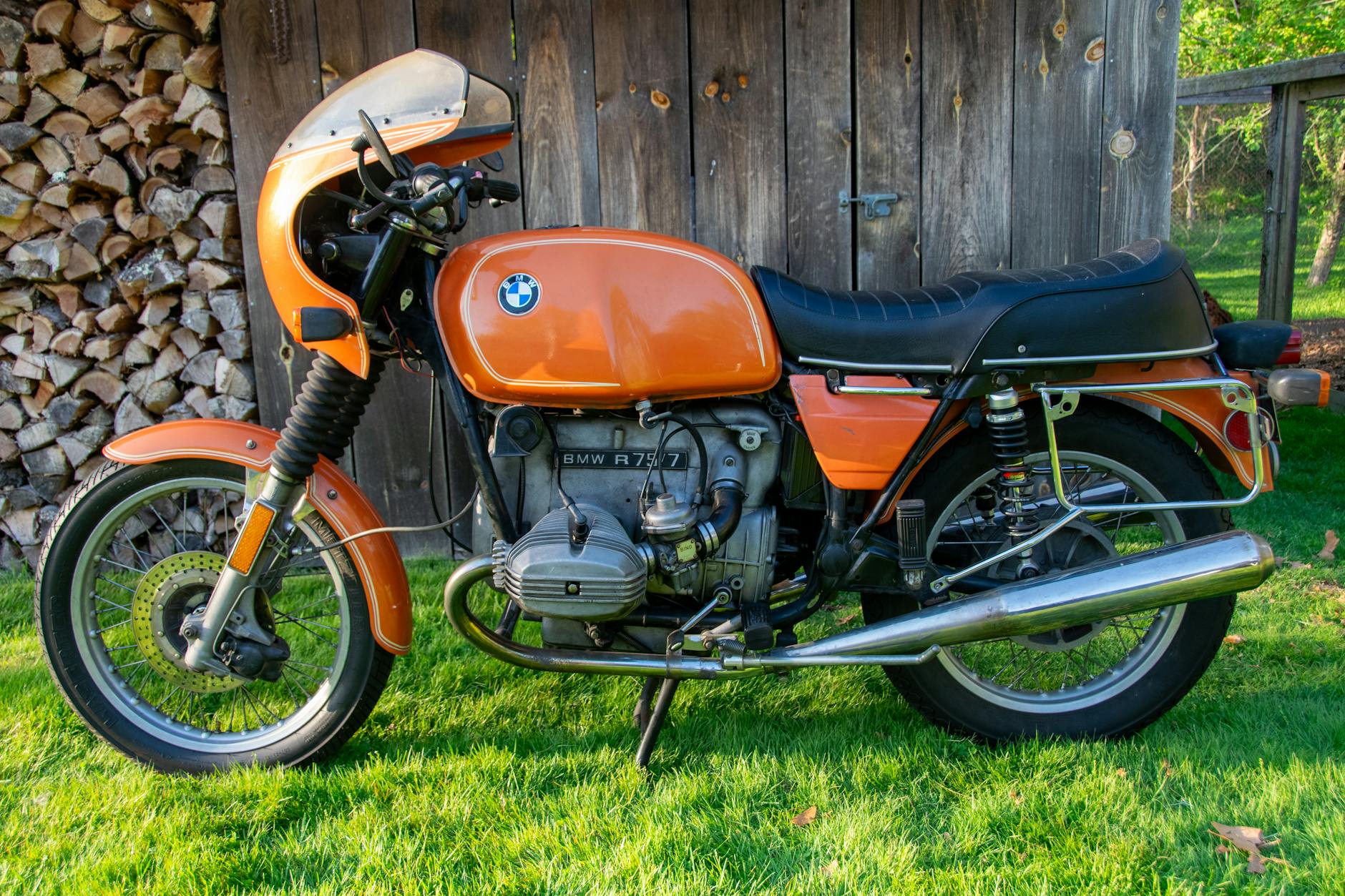
Bmw R 90 S
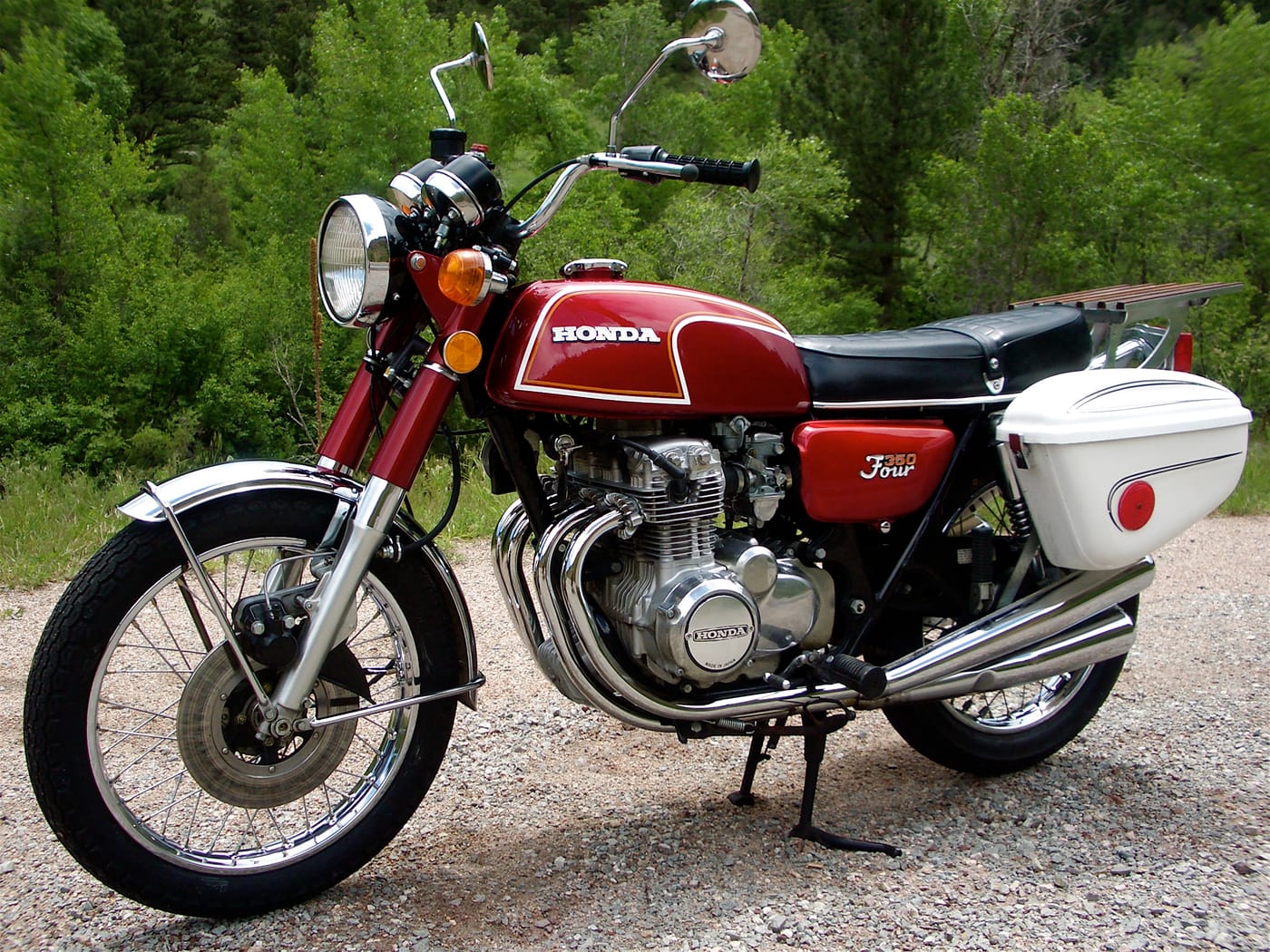
Honda Cb550
Compare Honda Cb750 Four Side-by-Side
compare_arrowsSpecs, power, weight & buyer verdict — head-to-head with the bikes most often cross-shopped.
Honda Cb750 Four vs Honda Cbx 1000
Specs · Power · Buyer verdict
Honda Cb750 Four vs Kawasaki Z1 900
Specs · Power · Buyer verdict
Honda Cb750 Four vs Suzuki Gt 750
Specs · Power · Buyer verdict
Honda Cb750 Four vs Bmw R 90 S
Specs · Power · Buyer verdict
Honda Cb750 Four vs Honda Cb550
Specs · Power · Buyer verdict
More Honda Cb750 Four Guides
More from Honda
View all Honda models →Community Reviews
Discussion
Frequently Asked Questions
What are common problems with the Honda Cb750 Four? +
Carburetors clogged from ethanol fuel sitting: Idle quality, throttle response, fuel smell in airbox (moderate) | Cam chain tensioner worn, rattles on startup: Cold start rattle disappearing after warmup (moderate) | Points ignition worn causing rough running: Spark consistency, whether Boyer electronic kit already installed (moderate)
Is the Honda Cb750 Four a good motorcycle? +
A legendary machine worth buying only at the right price. Rating: 7.8/10. Best for: Classic fans wanting rideable, appreciating daily history. Avoid if: You need cheap, reliable, worry-free transportation.
What is the horsepower of the Honda Cb750 Four? +
The Honda Cb750 Four produces 67 hp @ 8,000 rpm, with 59 Nm @ 7,000 rpm of torque. Top speed: 200 km/h.
Is the Honda Cb750 Four good for beginners? +
Not really — the Honda Cb750 Four is better for experienced riders. Classic fans wanting rideable, appreciating daily history Avoid if: You need cheap, reliable, worry-free transportation
Is the Honda Cb750 Four reliable? +
The Honda Cb750 Four has no widely-reported critical reliability issues. 4 minor issues are documented — see the Common Problems section above.
Is the Honda Cb750 Four good for daily use? +
Classic fans wanting rideable, appreciating daily history Fuel: 5.5 L/100km (approx. 18 km/L typical real-world average).
How fast is the Honda Cb750 Four? +
The Honda Cb750 Four reaches a top speed of 200 km/h, producing 67 hp at 218 kg curb weight. Real-world performance depends on rider weight, gearing, and road conditions.
What gear should I buy for a Honda Cb750 Four? +
Motoryk has curated a Top 10 gear list specifically for the Honda Cb750 Four, covering engine oil, tires, chain, battery, and brake pads — see motoryk.com/bikes/honda/cb750-four/top10. Each pick is matched to this bike's spec.