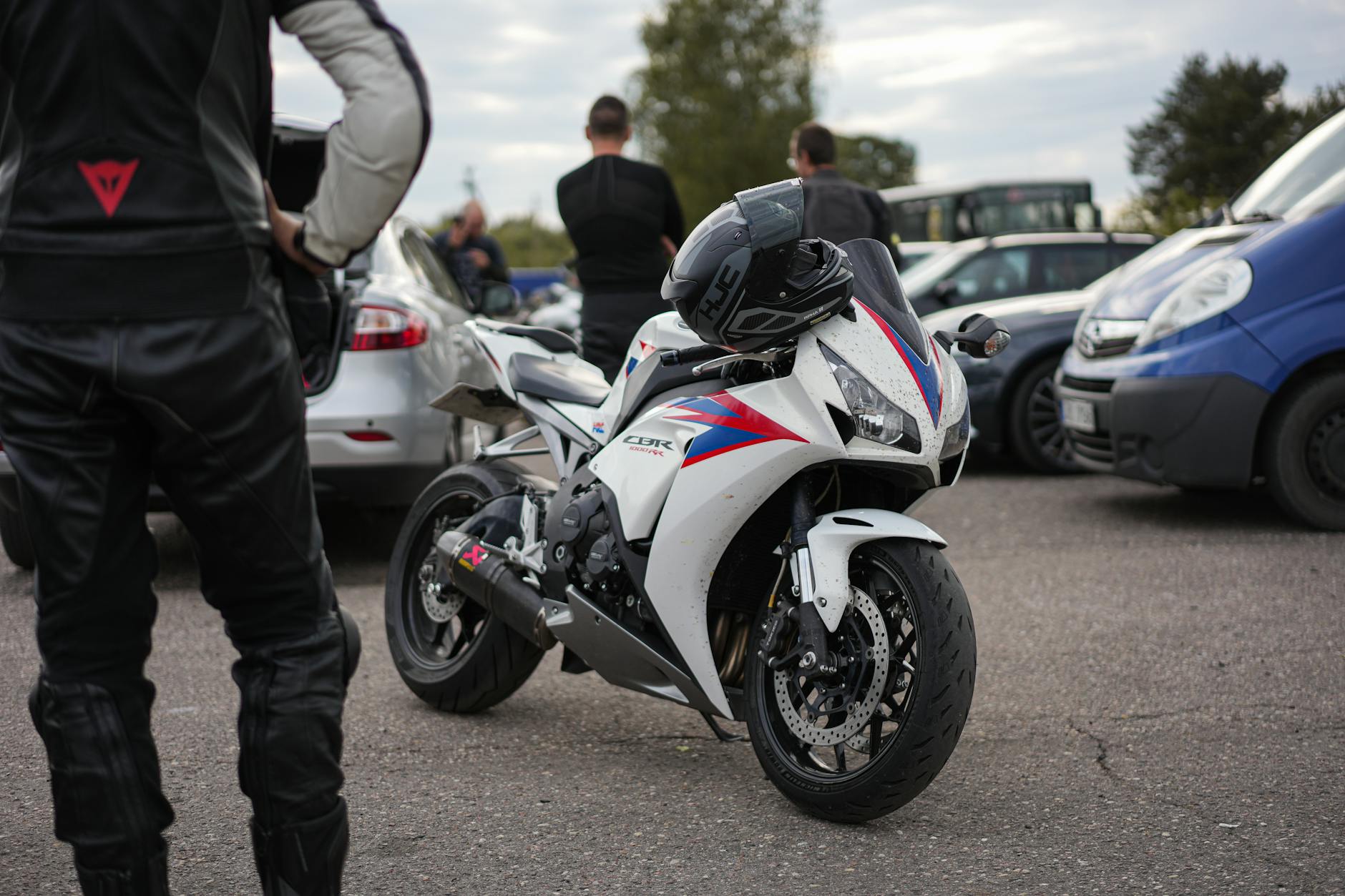
Honda Cbr1000rr Fireblade
The Honda Cbr1000rr Fireblade has a top speed of 299 km/h (electronically limited; estimated), produces 178 hp and weighs 201 kg. Motoryk rates it 8.5/10.
The Honda CBR1000RR Fireblade was introduced in 2004 as the successor to the CBR900RR, bringing a larger 1000cc inline-four engine while maintaining Honda's philosophy of total control through mass centralization. Key milestones include the 2008 redesign with a ram-air system and revised chassis, the 2012 update with improved electronics, and the landmark 2017 SP/SP2 variants featuring Öhlins suspension and a semi-active electronics package. It remains one of the most iconic Japanese superbikes, renowned for balancing everyday rideability with world-class performance.
178 hp
Power
114 Nm
Torque
201 kg
Weight
299 km/h (electronically limited; estimated)
Top Speed
6.5 L/100km (approximately 15.4 km/L typical real-world average)
Fuel
Faired
Body
🔧 Service Schedule & Parts
Affiliate · we may earn| Service item | Every | Typical cost | Parts |
|---|---|---|---|
| 🛢️ Engine oil + oil filter | 6,000 km / 3,500 mi or 12 mo | $40-80 | 🛢️ Buy → ⚙️ Buy → |
| 🌬️ Air filter | 12,000 km / 7,500 mi | — | 🌬️ Buy → |
| ⚡ Spark plugs | 12,000 km / 7,500 mi | — | ⚡ Buy → |
| 🔧 Valve clearance check | 24,000 km / 15,000 mi | $300-600 | |
| 🔗 Chain & sprockets | 25000-40000 km (replace) | $150-300 | 🔗 Buy → |
| 🛑 Brake pads | 15000-25000 km | $40-80 | 🛑 Buy → |
| 💧 Brake fluid | 24,000 km / 15,000 mi or 2 yr | — | |
| 🧊 Coolant | 24,000 km / 15,000 mi | — | |
| 🛞 Tires | 10000-18000 km | $300-500 | 🛞 Buy → |
| 🔩 Major service | 24,000 km / 15,000 mi | $400-800 |
Video Review
What Buyers Should Know
Rock-Solid Reliability
The CBR1000RR is renowned for exceptional Honda reliability, with many owners reporting 50,000+ miles with only routine maintenance. It consistently ranks among the most dependable litre-class superbikes on the market.
Watch the Recall History
2008-2009 models had a known fuel pump recall and some units experienced stator/charging system failures — always verify these were addressed before buying used. Also inspect the frame for crash damage, as repair costs can be significant.
Strong Resale Value
The Fireblade holds its value better than most competitors, largely due to Honda's reputation and consistent demand. A well-maintained example typically retains 10-15% more value than comparable Yamaha R1 or Kawasaki ZX-10R models of the same year.
Generations & Specs by Year
Original Fireblade; lightweight 893cc inline-four, twin-spar aluminum frame, revolutionary power-to-weight ratio.
"The bike that rewrote every rulebook overnight."
I rode a press bike back in '92 and immediately understood why every other manufacturer went into crisis mode — this thing weighed nothing and went everywhere at once. At 185kg wet it felt closer to a 600, yet that 893cc engine pulled hard from 6,000rpm and turned savage past 9,000, the intake howl alone worth the price of admission. The twin-spar frame gave feedback so honest it was almost surgical; you always knew exactly what the front tyre was doing, which at the limit matters more than outright power. Weaknesses? The fuelling was slightly abrupt closing the throttle mid-corner, early forks could be overwhelmed on rough track surfaces, and the seat will have your backside filing formal complaints after two hours on the motorway.
Pros
Cons
Enlarged to 929cc equivalent (919cc), revised chassis, larger 17-inch wheels, updated aerodynamics and braking.
"The definitive 90s sportbike, sharper than ever."
Honda got serious with this generation — the jump to 919cc woke the motor up considerably, and those new 17-inch wheels transformed the way this thing changes direction, giving it a planted, communicative feel that the old 16-inch front simply couldn't match. On a twisty back road or a track day, the Fireblade still does that trick where it feels lighter than 185kg has any right to feel; the chassis is so well-balanced you stop thinking about technique and just ride. That said, the top-end power delivery is a bit abrupt past 9,000 rpm and can catch you out mid-corner if you're not paying attention, and the stock suspension is a genuine weak point — it's vague over mid-corner bumps and begs for a re-valve if you're riding harder than Sunday pace. The brakes are adequate but don't inspire the confidence the rest of the bike earns.
Pros
Cons
Full 929cc then 954cc engine, inverted forks, revised frame geometry, improved fueling and power output.
"The superbike that finally grew up properly."
The 954 in particular is where Honda nailed the formula — that 998cc motor pulls with real urgency from 6,000rpm and absolutely screams past 10,000, yet it never feels savage enough to bite you on a cold morning like the old 929 could. The inverted forks transformed the front-end feel; you actually trust the steering now instead of managing it, which makes turn-in on a tight canyon road feel almost telepathic for a litre bike. Ergonomically it's still punishing — two-up touring on this thing is an act of cruelty to both parties, and the stock seat starts lying to you around the 90-minute mark. But as a track-day weapon that you can honestly ride to the circuit, do your laps, and ride home without feeling destroyed, the 954 is still one of the most complete packages Honda ever assembled.
Pros
Cons
New 998cc engine, unitized gearbox, radial brakes and mounts, sharper styling, significant weight reduction.
"The benchmark that rewrote what litrebikes could be."
Honda essentially blew up the blueprint with this generation — the jump from the 954 was not incremental, it was a full restart. The 998cc motor pulls cleanly from 4,000 rpm but absolutely detonates past 9,000, and at 179 kg wet it feels closer to a 600 than anything with this much firepower has a right to. The radial Tokico brakes are outstanding, with a lever feel so precise you can modulate trail-braking on track without second-guessing yourself. My honest criticism: the throttle-to-wheel response in the midrange can feel slightly abrupt in tight, technical sections unless you're very deliberate with your wrist, and the stock suspension is set up soft enough that serious track riders will be reaching for the spanners within the first weekend.
Pros
Cons
All-new 999cc engine, dual exhaust, revised ram-air, new frame, improved aerodynamics and electronics package.
"The sharpest Fireblade yet, finally grown up."
Honda completely rewrote the rules with this generation — the new 999cc motor pulls harder past 9,000 rpm than anything I'd ridden from Hamamatsu before, with a top-end rush that genuinely catches you off guard the first few times. The revised frame geometry tightened up the notorious mid-corner vagueness that plagued the SC57, and on a track day at Brands Hatch the bike felt planted and communicative in a way previous Blades honestly weren't. That said, the fueling below 4,000 rpm is choppy enough to make city filtering a mild irritation, and the stock Dunlop D214s are borderline embarrassing on a wet British morning — budget for new rubber immediately. It's not as raw or forgiving as a ZX-10R, and the electronics package feels conservative compared to the Italian competition of the era, but for a rider who wants a road bike that occasionally destroys a trackday, this is the one.
Pros
Cons
Completely redesigned; new 999cc engine, Öhlins option, combined ABS, traction control, ride-by-wire throttle.
"The sharpest Fireblade yet, but not the friendliest."
Honda threw everything at this generation — ride-by-wire, traction control, optional Öhlins — and the result is a bike that feels genuinely alive at pace, with an engine that pulls hard and clean from 6,000 rpm all the way to the 13,000-rpm screaming point. On a twisty B-road or a trackday, the chassis balance is superb: neutral, communicative, and forgiving enough that you're never white-knuckling through a mid-corner surprise. That said, the stock suspension is noticeably soft for anyone pushing hard — the Öhlins package isn't a luxury, it's basically mandatory if you're serious. My main gripe is the riding position: it's committing, cramped after an hour, and the fuel tank digs into your thighs in a way that suggests Honda prioritised lap times over a Sunday morning run to the café.
Pros
Cons
New frame, Showa BFRC forks, updated engine internals, cornering ABS, wheelie control, quickshifter standard.
"The sharpest Fireblade yet, but not the friendliest."
Honda finally gave the Fireblade proper electronics to match its chassis ambitions, and the cornering ABS alone makes this bike feel a decade more modern than the gen it replaced. The Showa BFRC forks are genuinely excellent — plush enough for a long Sunday ride, precise enough when you start pushing into third-gear corners on your favourite B-road. That said, the engine still lacks the gut-punch drama of a Ducati V4 or even the inline-four character of a ZX-10R; it's clinical, almost surgical, which some riders will love and others will find emotionally cold. The SP2's Öhlins and carbon bodywork are worth the premium on track, but the base SP is already so competent that most riders will never find its limit before finding their own.
Pros
Cons
Euro5 compliant 999cc engine, six-axis IMU, updated electronics suite, revised styling and aerodynamic winglets.
"The sharpest Fireblade yet, but still demands respect."
After 4,000 km on the Gen 8, including track days at Mugello and daily Spanish mountain roads, this thing feels like Honda finally gave the Fireblade its brain transplant. The six-axis IMU genuinely works — lean-sensitive ABS and traction control aren't just marketing; I've felt them catch saves that would've been a trip to the Armco on the old SC59. That said, the power delivery below 7,000 rpm is flat and disinterested, and you're constantly short-shifting to keep it in its screaming top-end sweet spot, which makes town riding genuinely tedious. The winglets create real downforce at track speeds, but they add visual bulk that makes the bike look busier than it needs to, and the screen buffeting at 200+ km/h on a tall rider is relentless.
Pros
Cons
Revised aerodynamics, updated electronics, new color options, minor engine and chassis refinements for compliance.
"Still the sharpest tool, but showing its age."
Six months and 8,000 km on the Gen 9 Fireblade confirmed what I suspected: Honda hasn't reinvented anything here, just tidied the edges. The inline-four pulls hard above 9,000 rpm with that signature Fireblade shriek, and the chassis balance through fast sweepers remains genuinely elite — it's one of those bikes that gets faster the more you trust it. The electronics package is competent and predictable, though Ducati and BMW are running laps around Honda in this department; the cornering ABS intervention feels a beat late compared to a Panigale V4. My main gripe is the same one I've had for two generations: below 7,000 rpm in city traffic, this engine is lethargic and lumpy in a way that punishes anyone who didn't buy it exclusively for canyon roads and track days.
Pros
Cons
Used Buyer Review
"A genuinely brilliant sportsbike that demands respect and rewards skill."
$6,500-$11,000 usedThe CBR1000RR Fireblade is one of those bikes that rewards experience rather than tolerating inexperience. The 2008-2011 generation hits a sweet spot for used buyers — enough power to frighten you senseless but with chassis manners that'll actually teach you something rather than just punish you. That inline-four screams to 13,000rpm and sounds absolutely savage doing it. Honda's build quality means these things survive hard use remarkably well, but don't let that fool you into skipping a thorough pre-purchase inspection. Check the frame sliders, subframe, and fairing mounts religiously — plenty have been dropped in car parks or scraped after track days that the seller conveniently forgot to mention. Stator failures are a known headache on earlier models, and the stock Showa suspension starts feeling wooden once the oil ages. Budget for a fresh service, new tires, and potentially fork oil on anything over 20,000 miles. The 2012-2016 SC59 generation sharpened everything up further if budget allows.
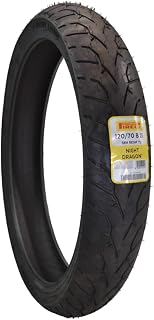
Top 10 Accessories
Curated picks for the Honda Cbr1000rr Fireblade — owned, ridden, recommended.


Common Problems
🔥 1 CRITICALCheck battery voltage at idle, look for melted wiring
Cold start rattle disappearing after warmup is warning sign
Inspect all fairing edges, mounts, and paint overspray signs
Oil stains on lower fork legs, check rebound damping feel
✅Pre-Purchase Checklist
Very reliable if properly maintained and not thrashed
Full Specifications
Rivals & Alternatives
Bikes that buyers cross-shop with the Honda Cbr1000rr Fireblade
Compare Honda Cbr1000rr Fireblade Side-by-Side
compare_arrowsSpecs, power, weight & buyer verdict — head-to-head with the bikes most often cross-shopped.
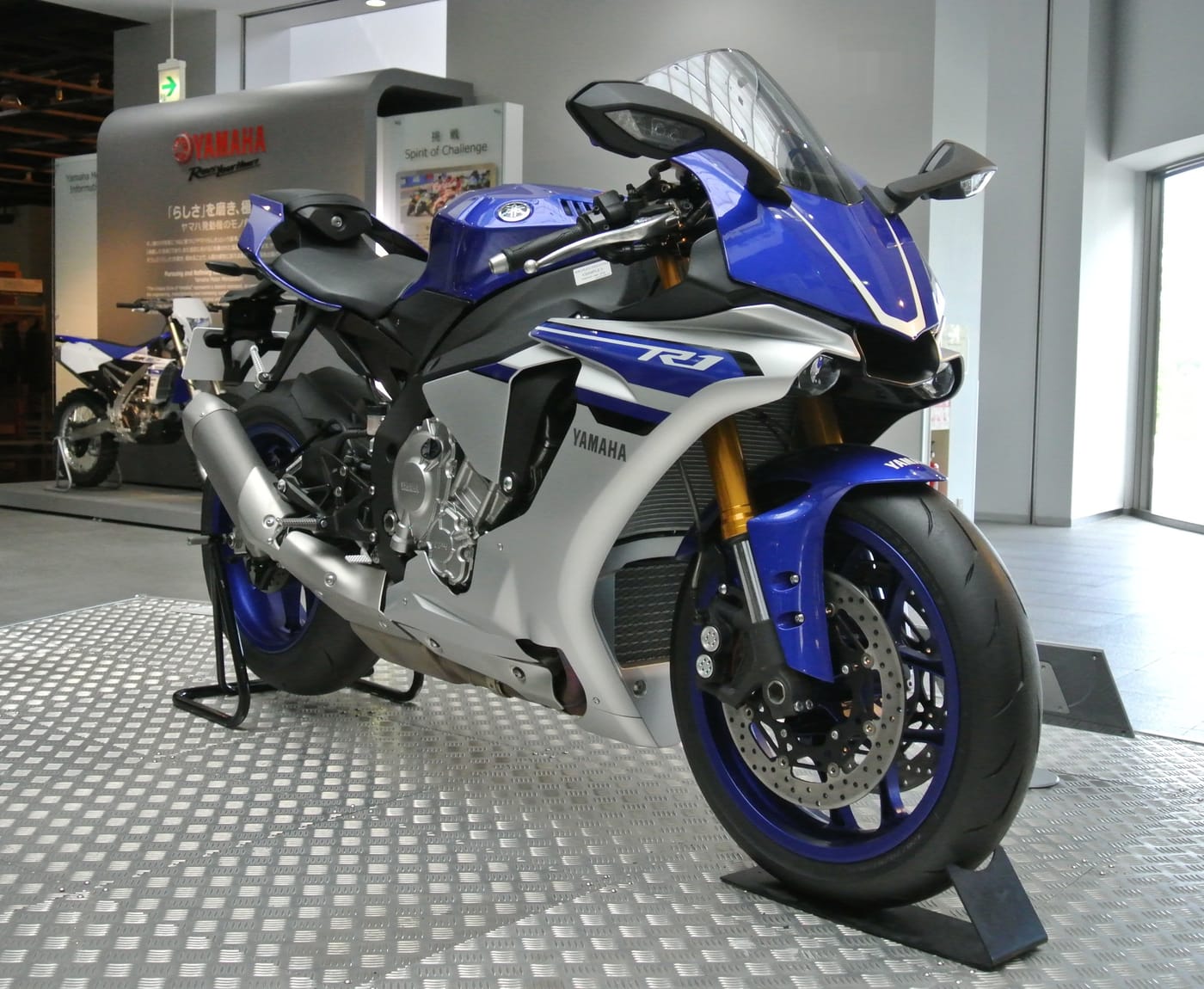
Honda Cbr1000rr Fireblade vs Yamaha Yzf-r1
Specs · Power · Buyer verdict
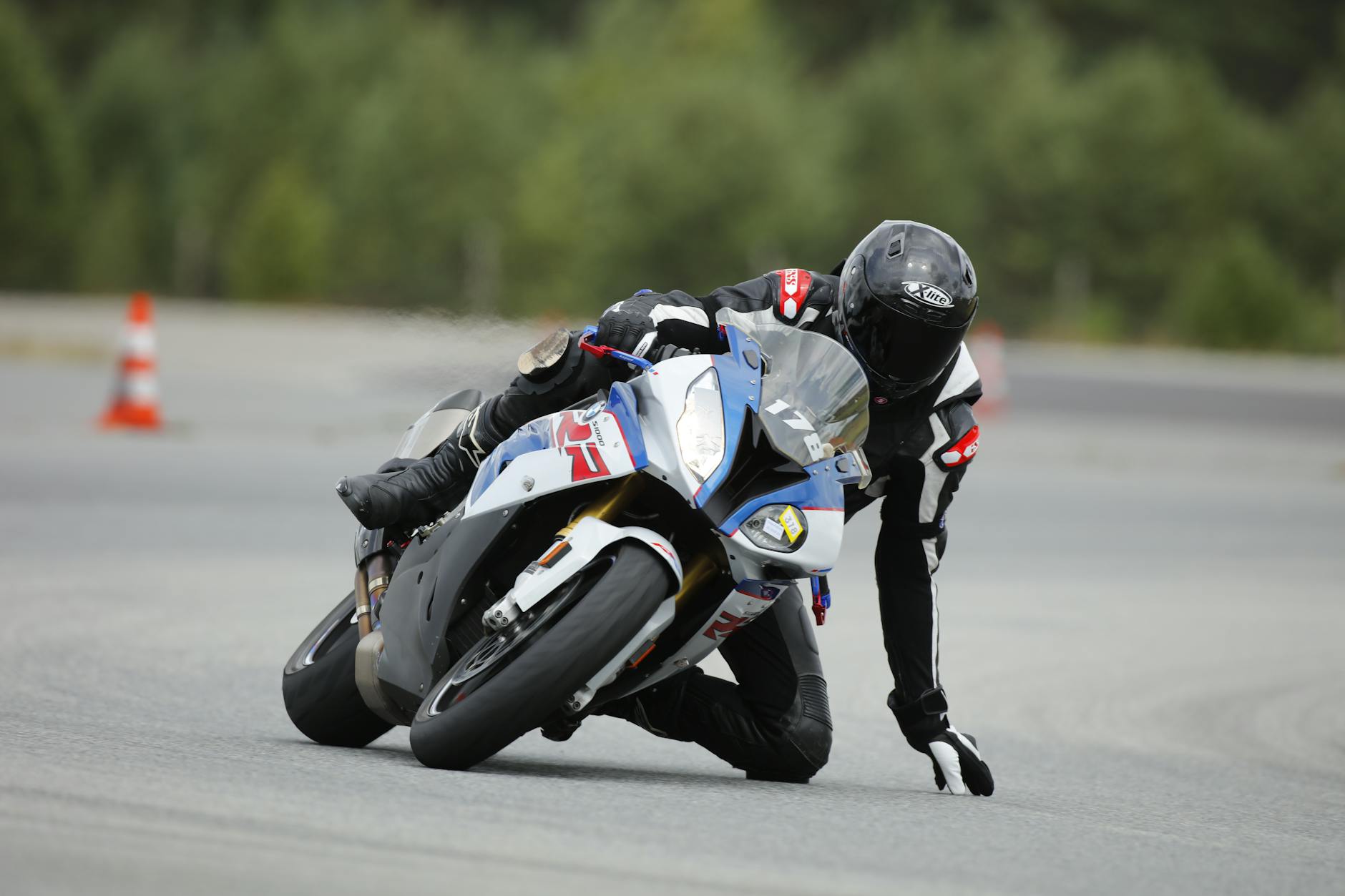
Honda Cbr1000rr Fireblade vs Bmw S 1000 Rr
Specs · Power · Buyer verdict
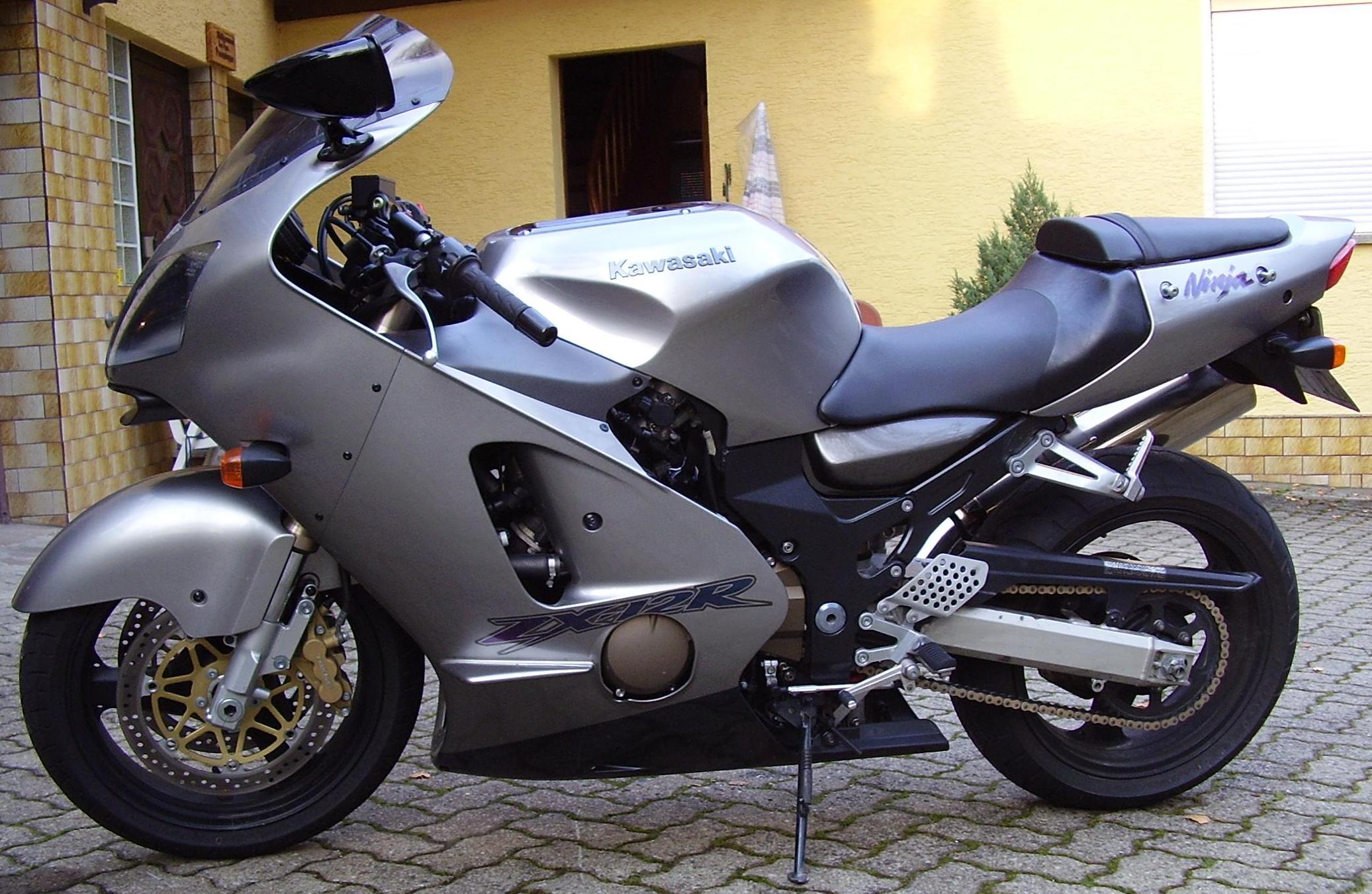
Honda Cbr1000rr Fireblade vs Kawasaki Ninja Zx-10r
Specs · Power · Buyer verdict
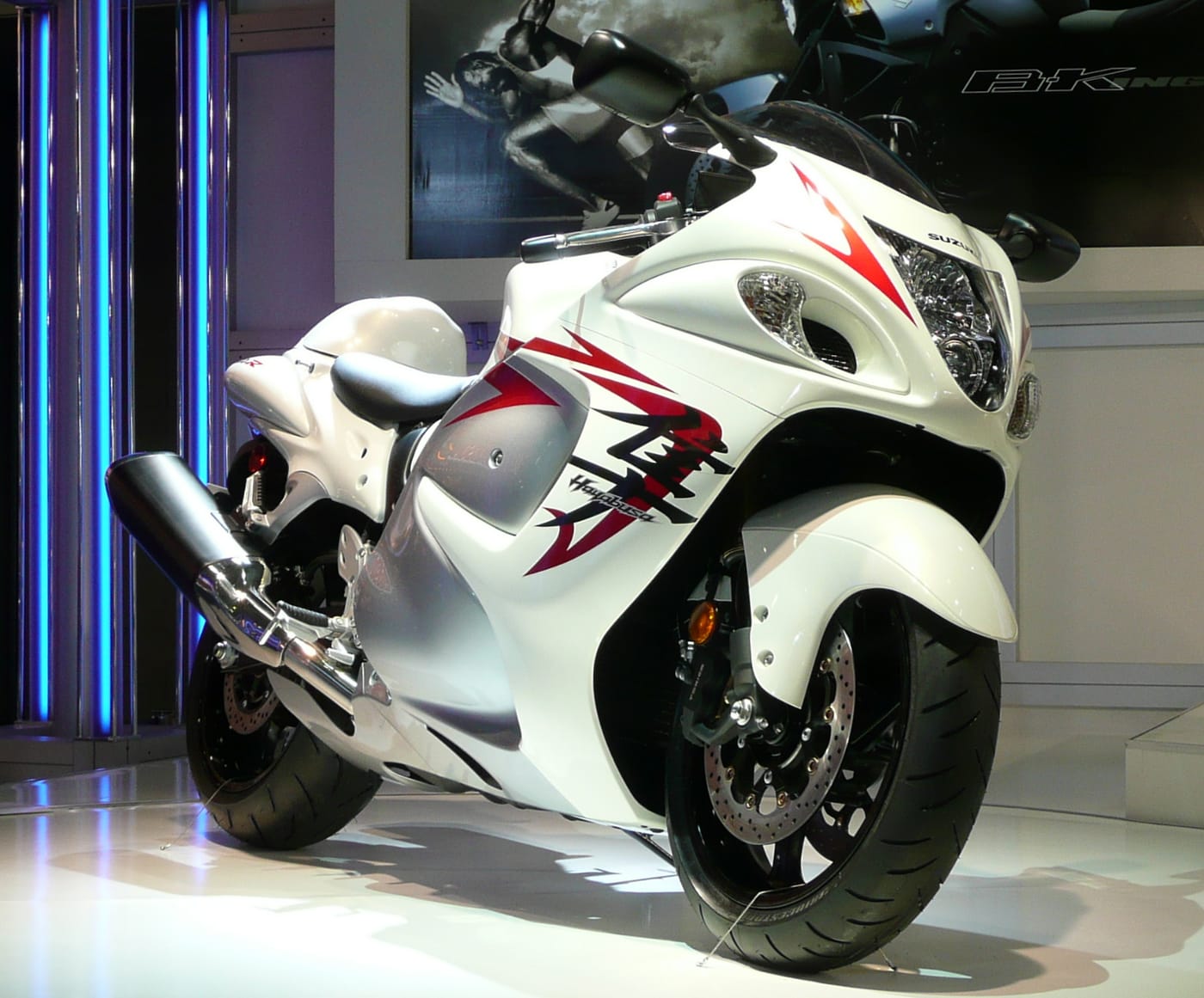
Honda Cbr1000rr Fireblade vs Suzuki Gsx-r1000
Specs · Power · Buyer verdict
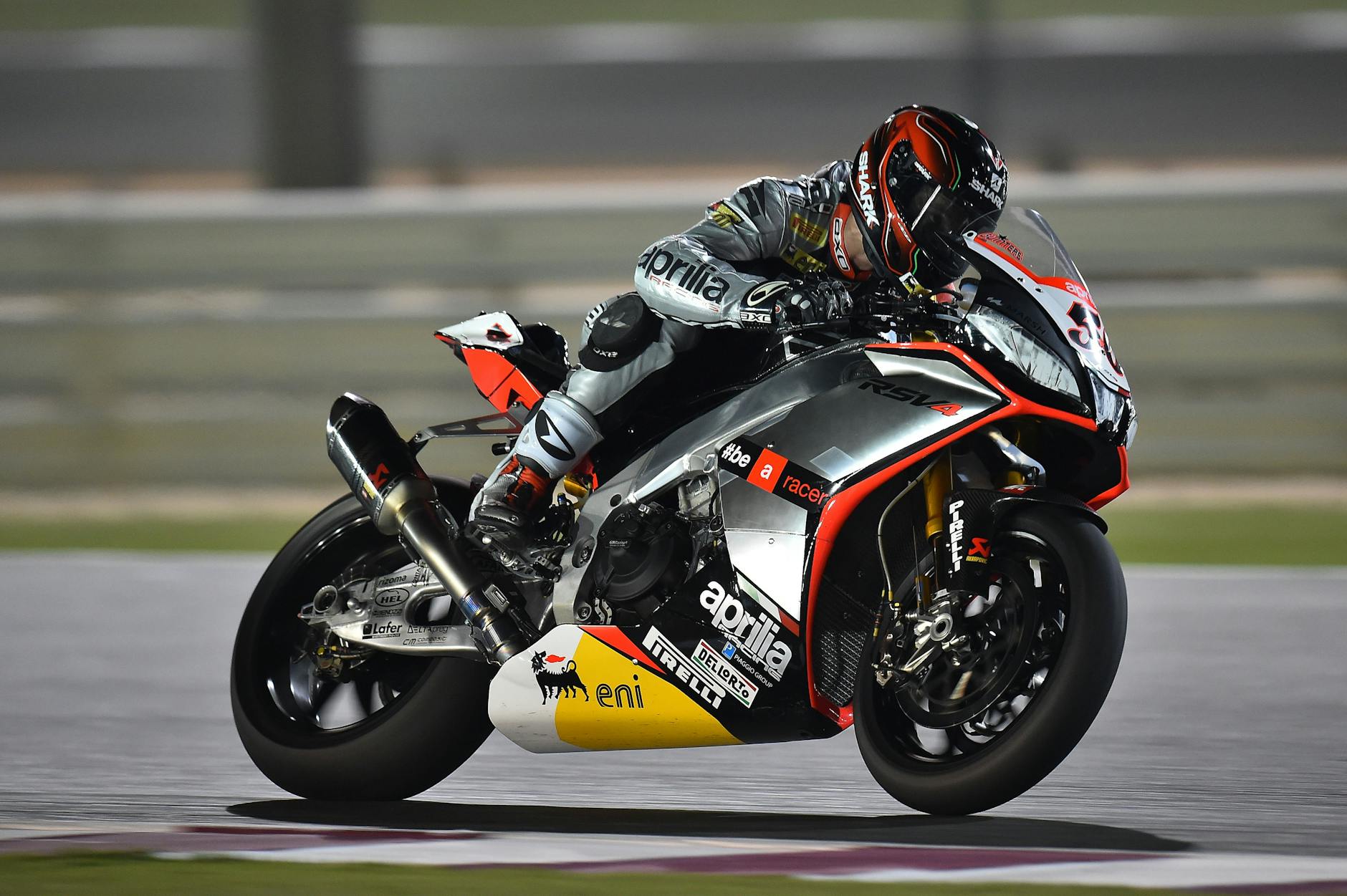
Honda Cbr1000rr Fireblade vs Aprilia Rsv4
Specs · Power · Buyer verdict
More Honda Cbr1000rr Fireblade Guides
More from Honda
View all Honda models →Community Reviews
Discussion
Frequently Asked Questions
What are common problems with the Honda Cbr1000rr Fireblade? +
Regulator/rectifier failure causing charging issues: Check battery voltage at idle, look for melted wiring (serious) | Cam chain tensioner wear and rattling: Cold start rattle disappearing after warmup is warning sign (moderate) | Cracked or warped fairings from drops: Inspect all fairing edges, mounts, and paint overspray signs (minor)
Is the Honda Cbr1000rr Fireblade a good motorcycle? +
A genuinely brilliant sportsbike that demands respect and rewards skill. Rating: 8.5/10. Best for: Experienced riders wanting serious track-capable performance. Avoid if: New riders or anyone prioritising daily comfort.
What is the horsepower of the Honda Cbr1000rr Fireblade? +
The Honda Cbr1000rr Fireblade produces 178 hp @ 13,000 rpm (2017+ model; earlier models ~172 hp), with 114 Nm @ 11,500 rpm of torque. Top speed: 299 km/h (electronically limited; estimated).
Is the Honda Cbr1000rr Fireblade good for beginners? +
Not really — the Honda Cbr1000rr Fireblade is better for experienced riders (178 hp can be intimidating). Experienced riders wanting serious track-capable performance Avoid if: New riders or anyone prioritising daily comfort
Is the Honda Cbr1000rr Fireblade reliable? +
Owners report 1 critical issue to watch for on the Honda Cbr1000rr Fireblade, notably: Regulator/rectifier failure causing charging issues (Check battery voltage at idle, look for melted wiring). Buy with a pre-purchase inspection.
Is the Honda Cbr1000rr Fireblade good for daily use? +
Experienced riders wanting serious track-capable performance Fuel: 6.5 L/100km (approximately 15.4 km/L typical real-world average).
How fast is the Honda Cbr1000rr Fireblade? +
The Honda Cbr1000rr Fireblade reaches a top speed of 299 km/h (electronically limited; estimated), producing 178 hp at 201 kg curb weight. Real-world performance depends on rider weight, gearing, and road conditions.
What gear should I buy for a Honda Cbr1000rr Fireblade? +
Motoryk has curated a Top 10 gear list specifically for the Honda Cbr1000rr Fireblade, covering engine oil, tires, chain, battery, and brake pads — see motoryk.com/bikes/honda/cbr1000rr-fireblade/top10. Each pick is matched to this bike's spec.