🔧 Service Schedule & Parts
Affiliate · we may earn| Service item | Every | Typical cost | Parts |
|---|---|---|---|
| 🛢️ Engine oil + oil filter | 15,000 km / 9,500 mi or 12 mo | $80-150 | 🛢️ Buy → ⚙️ Buy → |
| 🌬️ Air filter | 15,000 km / 9,500 mi | — | 🌬️ Buy → |
| ⚡ Spark plugs | 30,000 km / 18,500 mi | — | ⚡ Buy → |
| 🔧 Valve clearance check | 30,000 km / 18,500 mi | $500-900 | |
| 🔗 Chain & sprockets | 20000-30000 km (replace) | $150-250 | 🔗 Buy → |
| 🛑 Brake pads | 15000-20000 km | $80-150 | 🛑 Buy → |
| 💧 Brake fluid | 20,000 km / 12,500 mi or 2 yr | — | |
| 🧊 Coolant | 30,000 km / 18,500 mi | — | |
| 🛞 Tires | 8000-12000 km | $300-450 | 🛞 Buy → |
| 🔩 Major service | 30,000 km / 18,500 mi | $600-1000 |
Video Review

What Buyers Should Know
Desmo Service Costs
Ducati's desmodromic valve system requires mandatory service every 7,500–15,000 miles depending on the model year, costing $600–$1,500+ at a dealer. Budget for this when calculating true ownership costs.
Strong Resale Value
Ducati Monsters hold their value exceptionally well compared to Japanese competitors, often retaining 70–80% of value after two years. Limited color editions and the iconic nameplate drive consistent demand in the used market.
Watch the Electrical System
Pre-2010 Monsters are known for occasional electrical gremlins, including faulty rectifier-regulators that can kill the battery or charging system. Always inspect the charging system and check for aftermarket fixes before buying used.
Used Buyer Review
"Rewarding, characterful, but buy only with full service history."
$5,500-$11,000 usedThe Monster is one of those bikes that actually lives up to its reputation, but buying used requires serious homework. The 821 and 1200 variants from 2014 onwards are the sweet spot — Testastretta engine is bulletproof if maintained, but neglected examples will drain your wallet faster than a track day habit. Check service records obsessively. Desmodromic valve service runs $600-900 and many previous owners conveniently 'forgot' it. Walk away from anything that can't prove it's been done. The riding experience is genuinely addictive. Narrow, flickable, with that characterful V-twin bark that makes even a commute feel theatrical. Ergonomics are surprisingly livable for taller riders, though your wrists will file a formal complaint on anything beyond 90 minutes. Electronics on post-2013 bikes are excellent — traction control and ABS work seamlessly without being intrusive. Rust on frame welds and cracked dry clutch baskets are common grief points. Italian electrics can be temperamental, so budget an extra $500 contingency from day one. Despite all that, I'd still buy one.
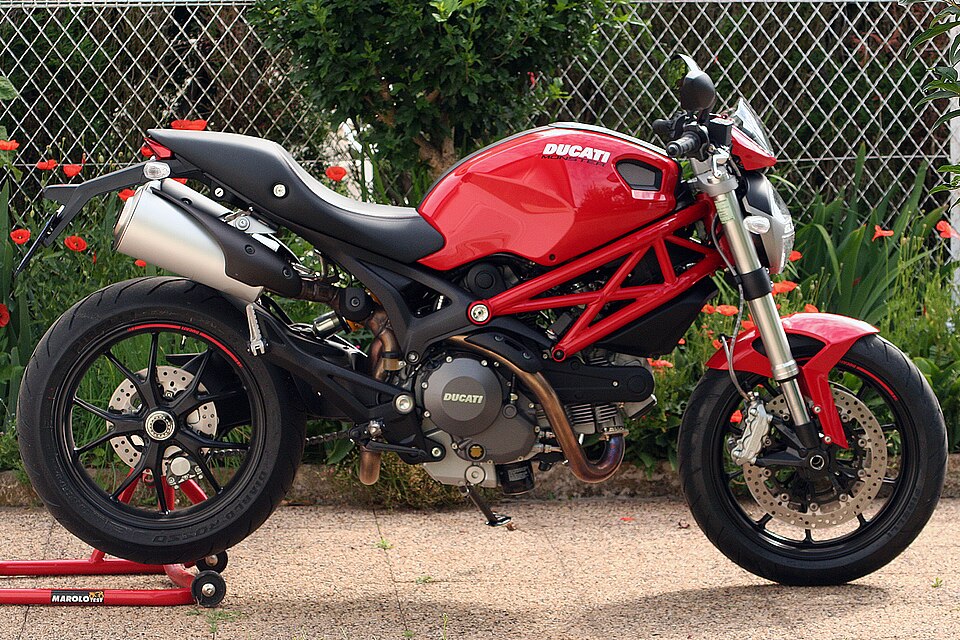
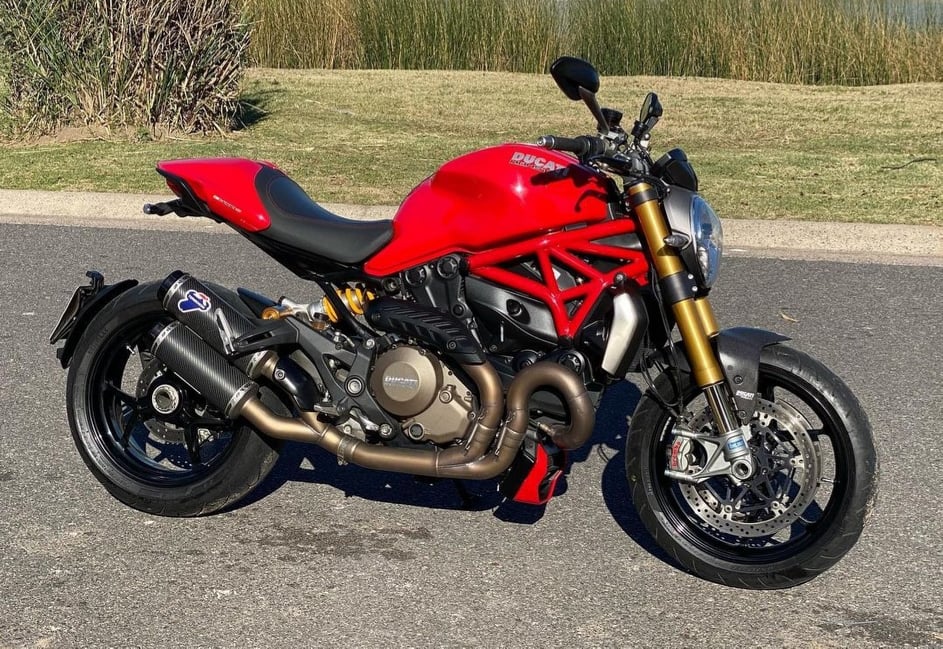
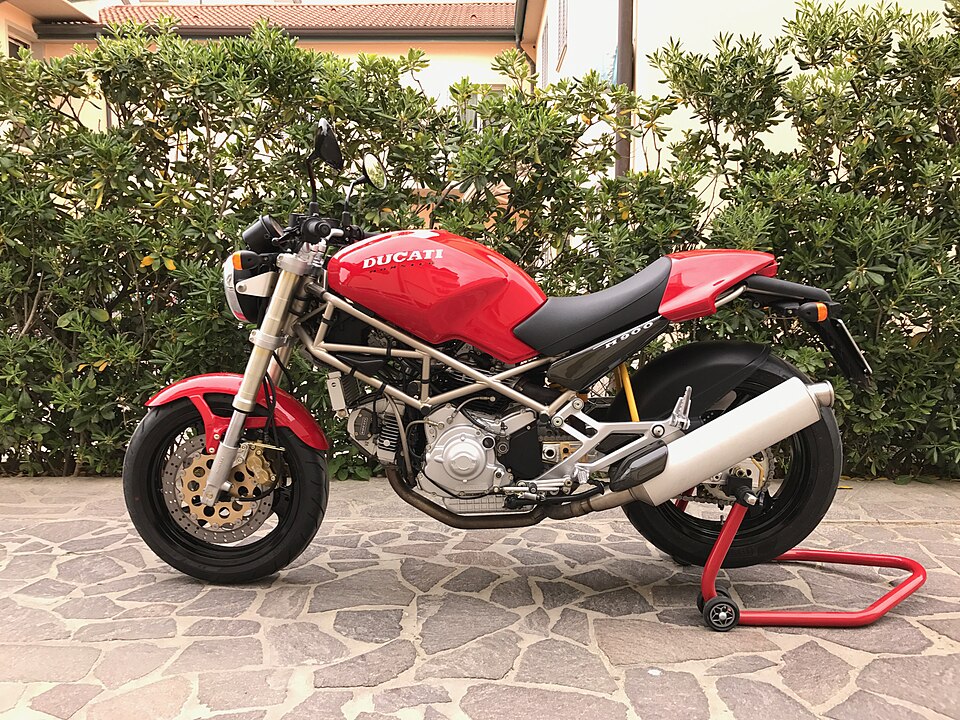
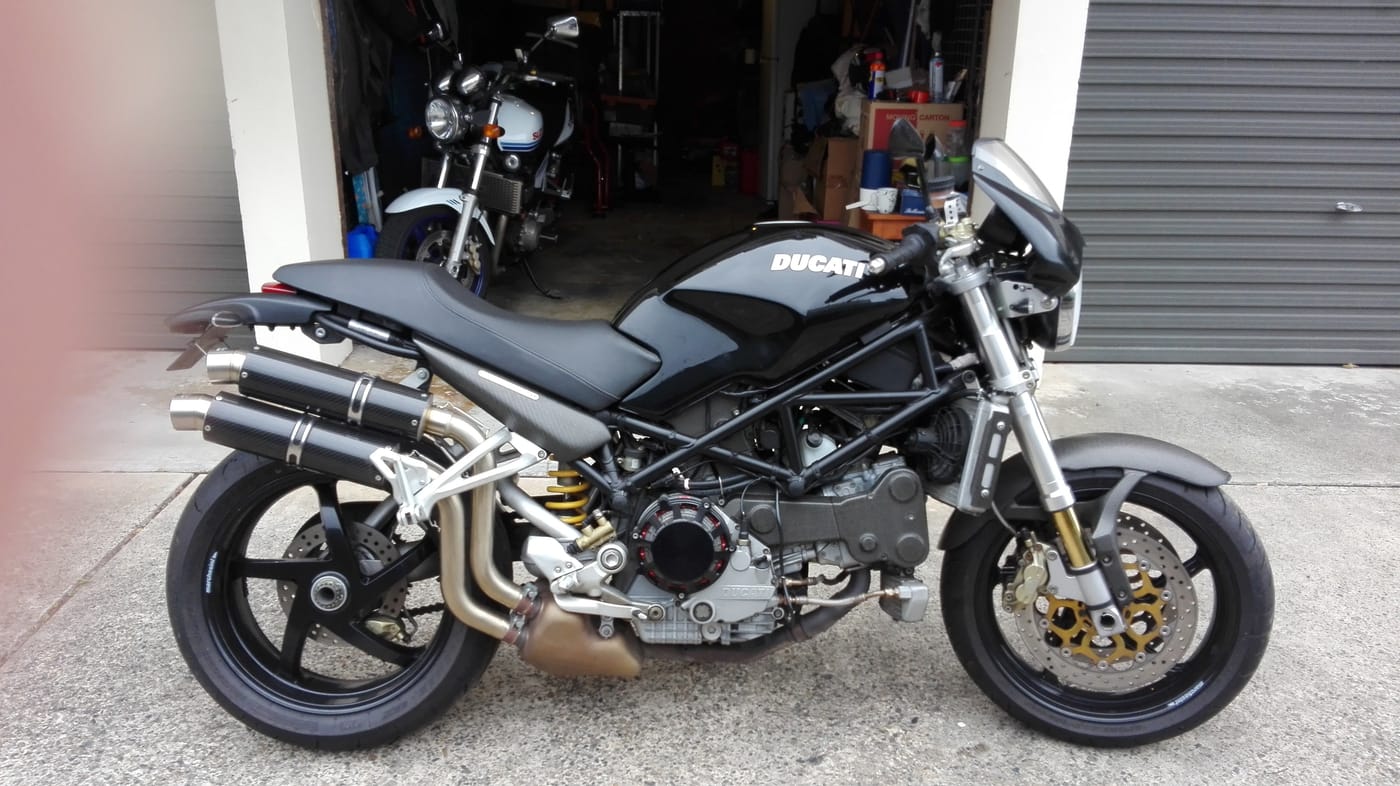
Variants of the Ducati Monster
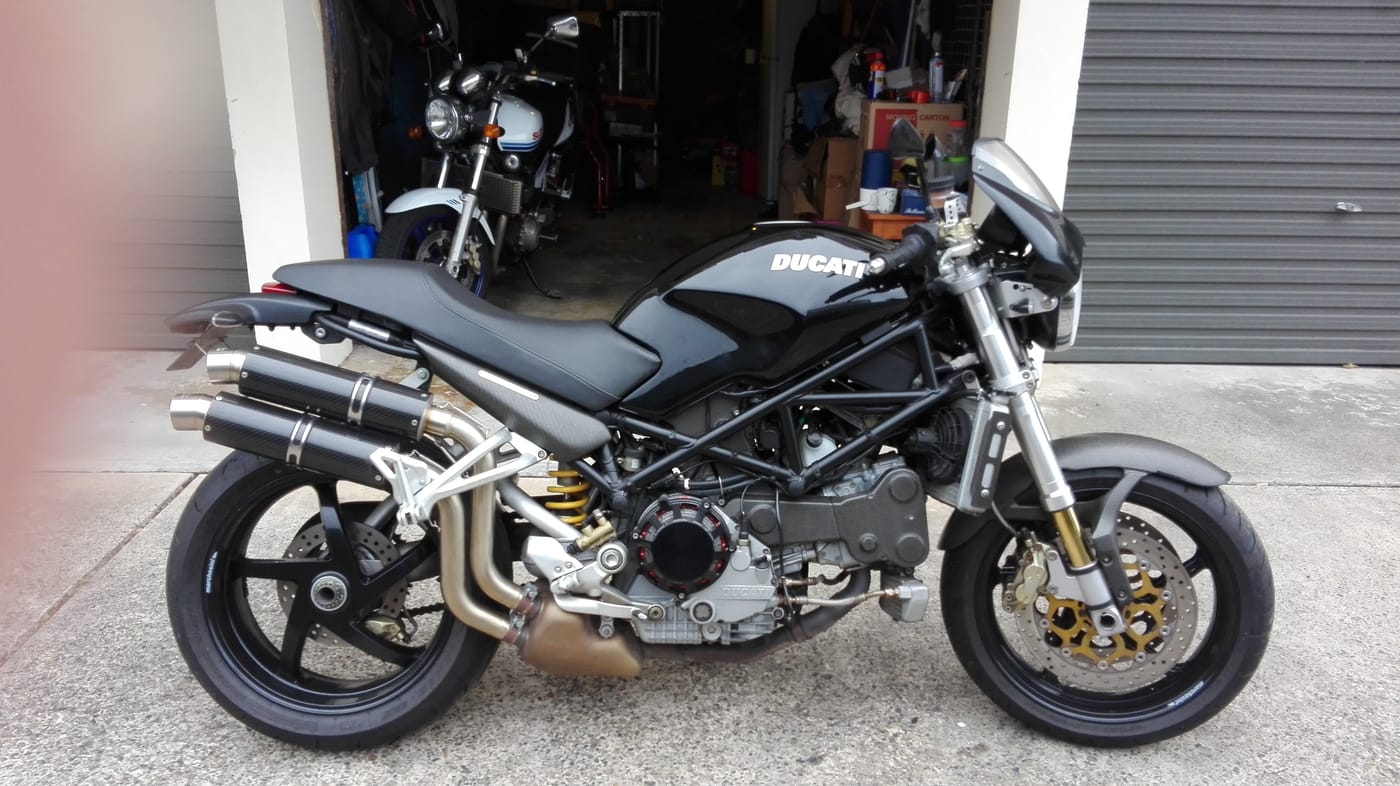
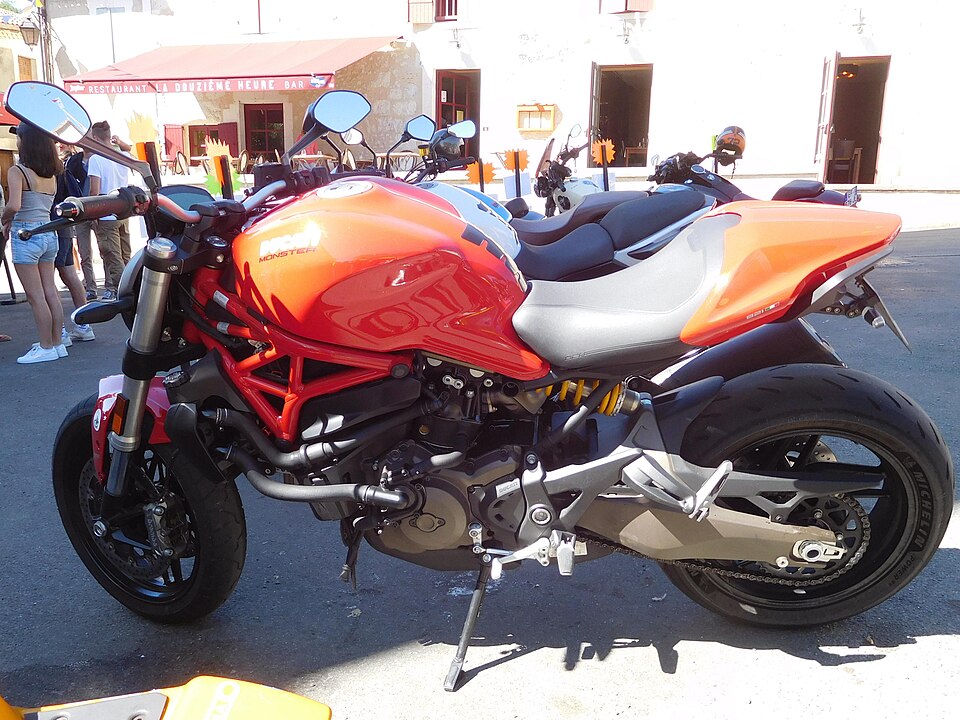
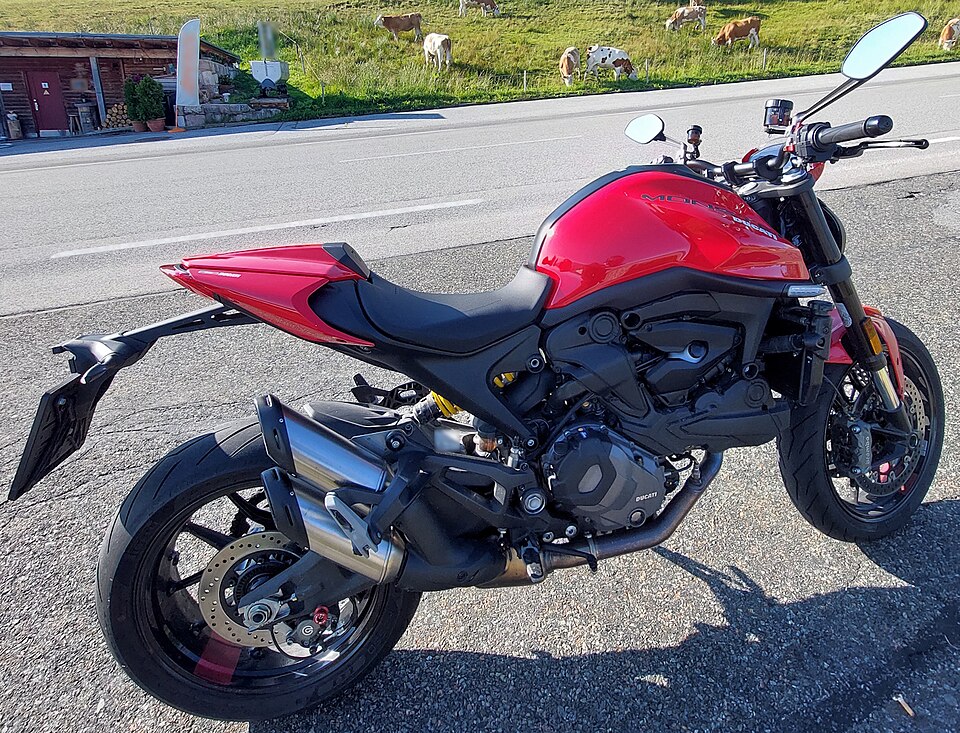
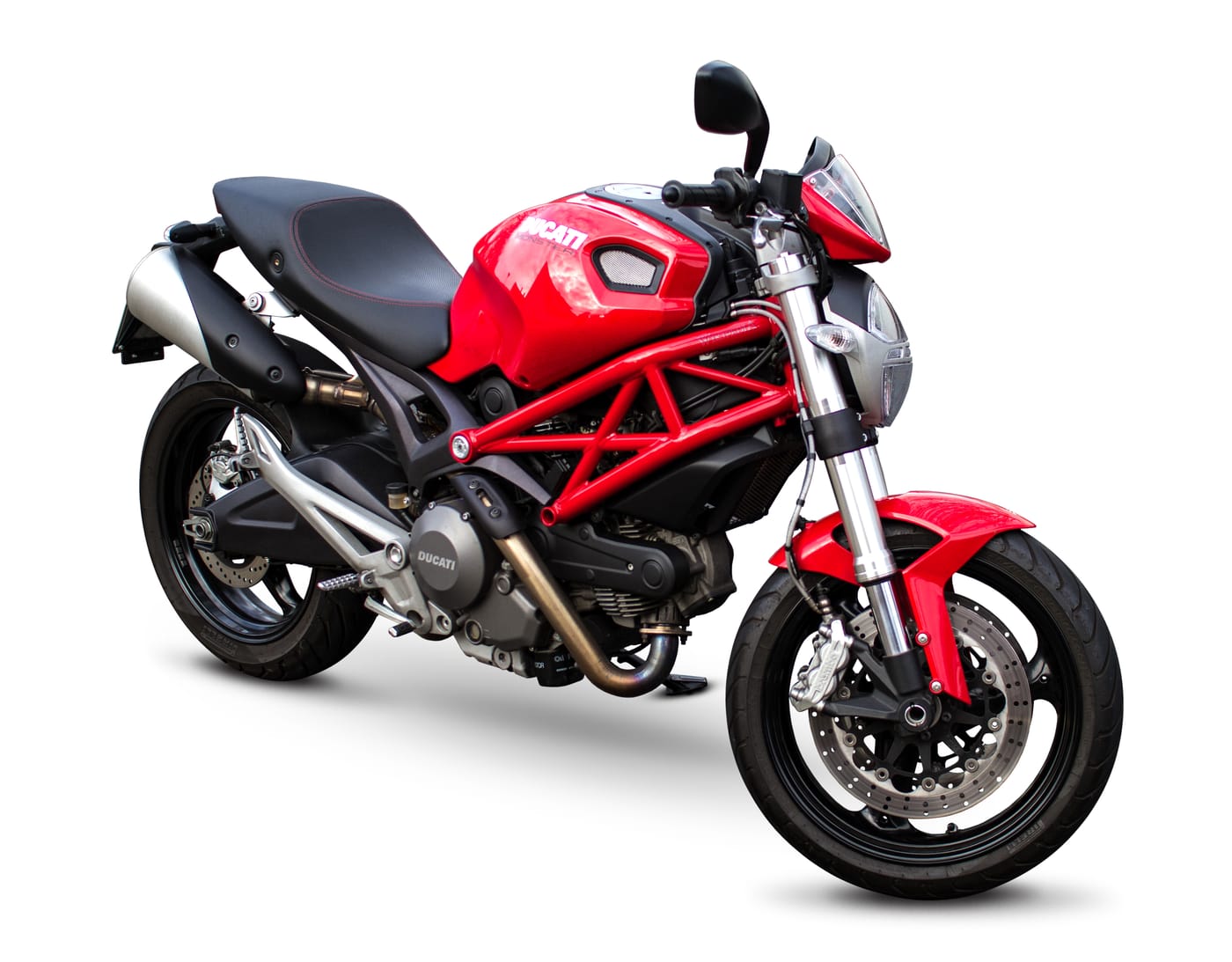
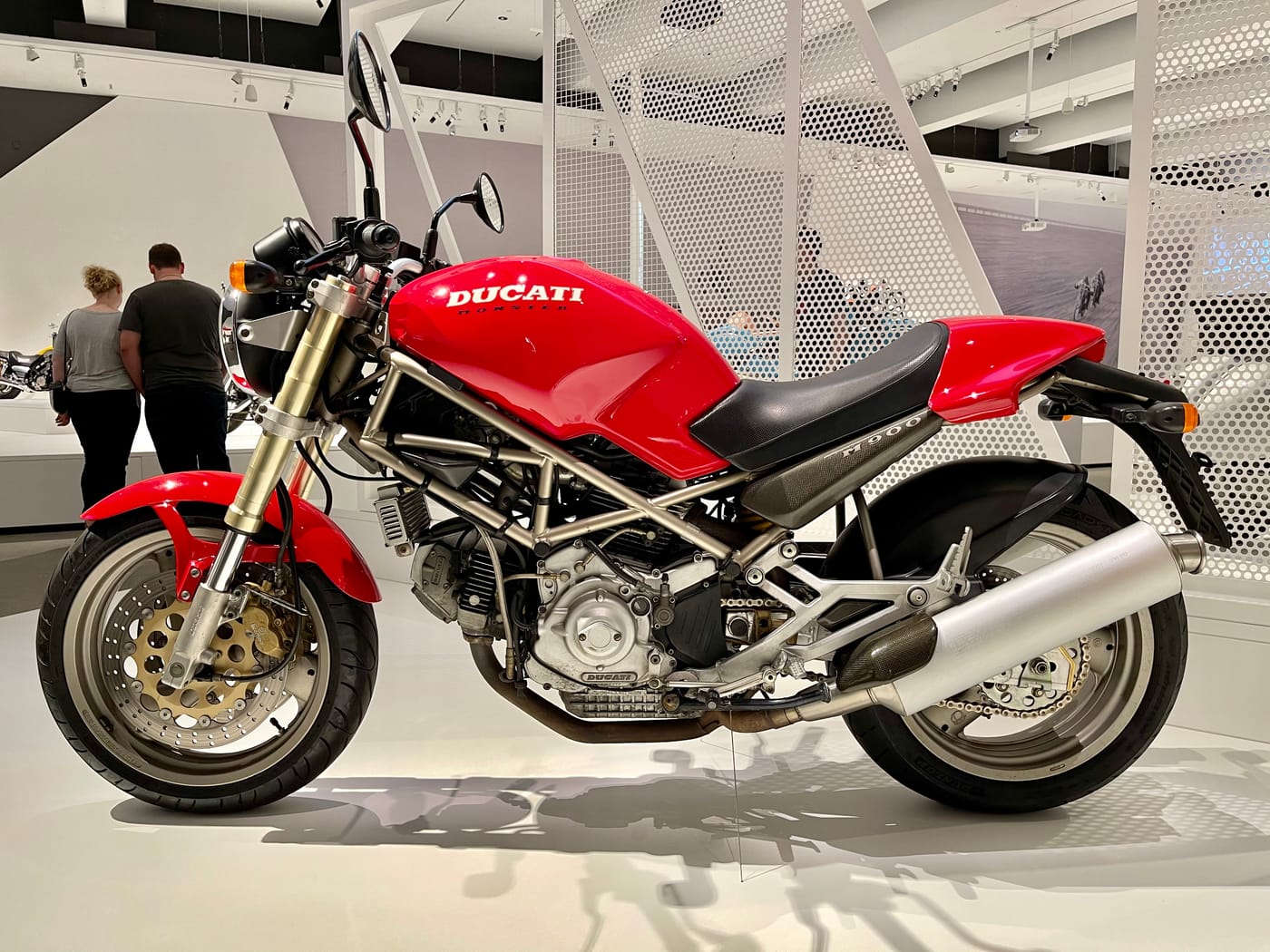
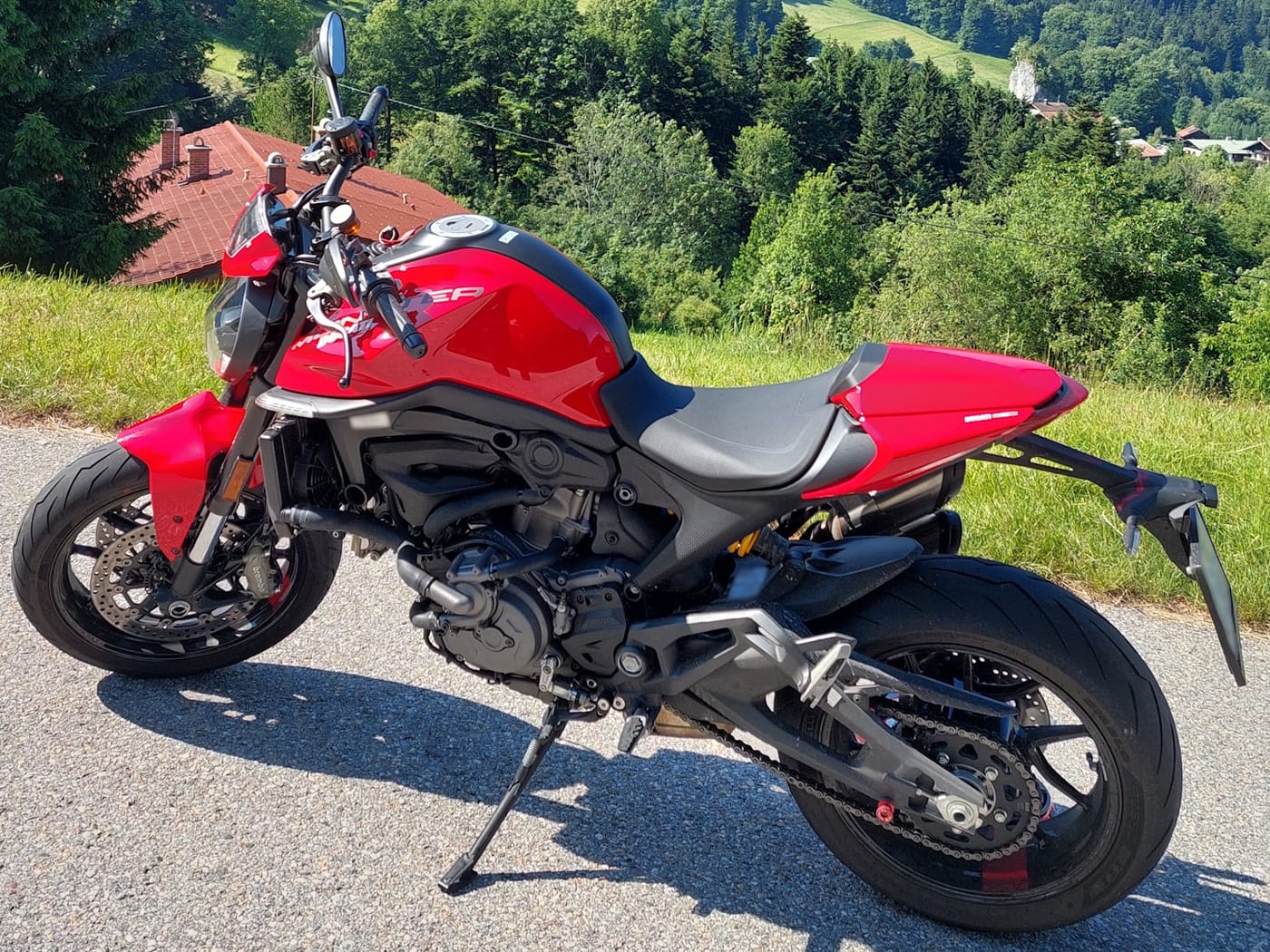
Same bike, different trim or year-range — pick the one matching the listing.

Top 10 Accessories
Curated picks for the Ducati Monster — owned, ridden, recommended.





Common Problems
🔥 2 CRITICALAsk for service history, due every 15k miles
Cold start idle, listen for surging or stalling
Check battery voltage at idle, should read 13.5V+
Listen for excessive rattle at idle in neutral
✅Pre-Purchase Checklist
Reliable if maintained, expensive when neglected
More Ducati Monster Guides
More from Ducati
View all Ducati models →Community Reviews
Discussion
Frequently Asked Questions
What are common problems with the Ducati Monster? +
Desmodromic valve service overdue: Ask for service history, due every 15k miles (serious) | Throttle body sync issues, rough idle: Cold start idle, listen for surging or stalling (moderate) | Regulator/rectifier failure, charging problems: Check battery voltage at idle, should read 13.5V+ (serious)
Is the Ducati Monster a good motorcycle? +
Rewarding, characterful, but buy only with full service history. Rating: 7.8/10. Best for: Experienced riders wanting style and sharp handling. Avoid if: You want low-maintenance reliable daily transport.
Is the Ducati Monster good for beginners? +
Not really — the Ducati Monster is better for experienced riders. Experienced riders wanting style and sharp handling Avoid if: You want low-maintenance reliable daily transport
Is the Ducati Monster reliable? +
Owners report 2 critical issues to watch for on the Ducati Monster, notably: Desmodromic valve service overdue (Ask for service history, due every 15k miles). Buy with a pre-purchase inspection.
Is the Ducati Monster good for daily use? +
Experienced riders wanting style and sharp handling
What gear should I buy for a Ducati Monster? +
Motoryk has curated a Top 10 gear list specifically for the Ducati Monster, covering engine oil, tires, chain, battery, and brake pads — see motoryk.com/bikes/ducati/monster/top10. Each pick is matched to this bike's spec.