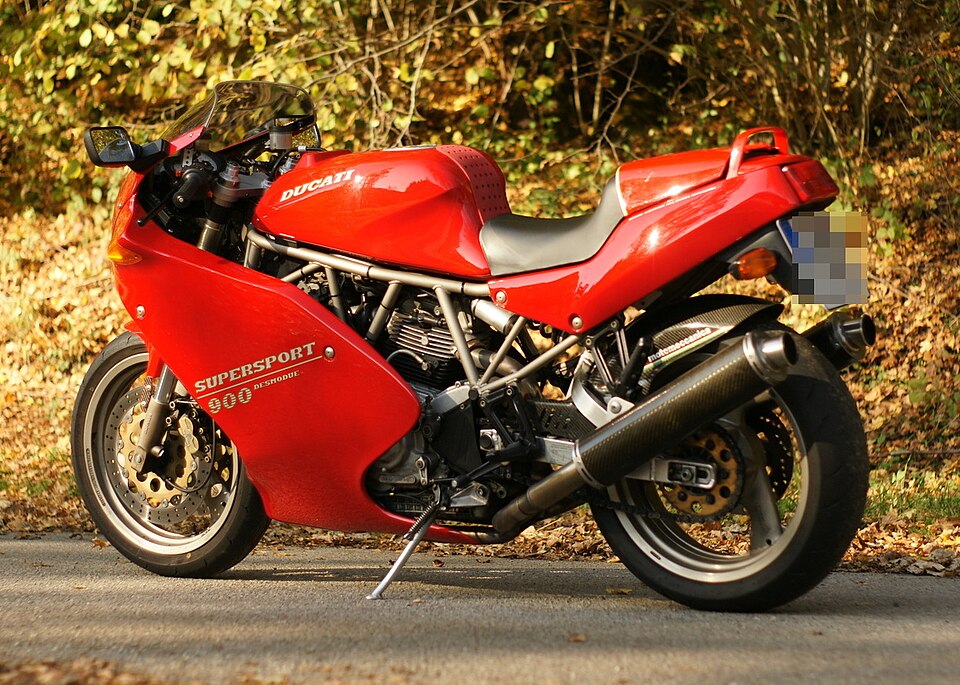
Ducati 900ss
The Ducati 900ss has a top speed of 225 km/h, produces 73 hp and weighs 188 kg. Motoryk rates it 7.5/10.
The Ducati 900SS (Super Sport) was introduced in 1975, inspired by Paul Smart's victory at the 1972 Imola 200 race on a prototype desmodromic V-twin. It became an iconic sportbike through the 1970s and 1980s, and was significantly updated in 1991 with a more modern half-fairing design that remained in production until 1997, celebrated for its raw, analog riding experience and desmodromic L-twin engine.
73 hp
Power
78 Nm
Torque
188 kg
Weight
225 km/h
Top Speed
6.5 L/100km (approximately 15.4 km/L) — estimated typical real-world average
Fuel
Faired
Body
🔧 Service Schedule & Parts
Affiliate · we may earn| Service item | Every | Typical cost | Parts |
|---|---|---|---|
| 🛢️ Engine oil + oil filter | 6,000 km / 3,500 mi or 12 mo | $40-80 | 🛢️ Buy → ⚙️ Buy → |
| 🌬️ Air filter | 12,000 km / 7,500 mi | — | 🌬️ Buy → |
| ⚡ Spark plugs | 12,000 km / 7,500 mi | — | ⚡ Buy → |
| 🔧 Valve clearance check | 12,000 km / 7,500 mi | $250-500 | |
| 🔗 Chain & sprockets | 20000-35000 km (replace) | $150-300 | 🔗 Buy → |
| 🛑 Brake pads | 15000-25000 km | $30-60 | 🛑 Buy → |
| 💧 Brake fluid | 24,000 km / 15,000 mi or 2 yr | — | |
| 🛞 Tires | 10000-18000 km | $200-400 | 🛞 Buy → |
| 🔩 Major service | 12,000 km / 7,500 mi | $400-700 |
Video Review
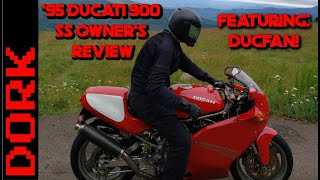
What Buyers Should Know
Belt Service Is Critical
The desmodromic valve system requires cam belt replacements every 2 years or 6,000 miles regardless of mileage — skipping this can cause catastrophic engine failure. Always verify service history before buying.
Strong Collector Value
The 900SS, especially the carbureted SP and CR variants from the early 1990s, holds its value well and is appreciating as a classic Italian sportbike. Low-mileage, original examples command a significant premium.
Electrical Gremlins Common
Older 900SS models are notorious for aging wiring, failing voltage regulators, and corroded connectors that can leave you stranded. A pre-purchase inspection of the electrical system is strongly recommended.
Generations & Specs by Year
Original 900SS with bevel-gear cam drive, desmodromic valves, round-case engine, clip-ons, fairing-less design.
"The motorcycle that rewrote what engines could feel like."
Nothing since has replicated that bevel-drive mechanical symphony — a dry clutch snarl at idle, the gear whine building through the rev range, then that desmo L-twin torque hitting like a fist at 5,500 rpm. The 900SS demands commitment: clip-ons pitched low enough to ache your wrists on anything beyond 90 minutes, a fairing-free cockpit that turns motorway crosswinds into genuine arm-wrestling, and electrics so Italian they'll strand you without warning. But point it into a mountain road on a cold morning, feel the 864cc engine pulling cleanly from 3,000 rpm with that characteristic thump-and-surge, and you understand exactly why Mike Hailwood won the 1978 TT on a derivative of this machine — it's not fast by modern numbers, but it's surgically, obsessively honest.
Pros
Cons
Revised 900SS with toothed belt cam drive, updated frame, new bodywork replacing bevel-drive architecture.
"Raw Italian soul wrapped in frustrating Italian practicality."
The belt-drive transition killed none of the character and added genuine reliability over the old bevel setup — that 904cc desmo L-twin still hits with a chest-thump at 5,500 rpm that no inline-four has ever replicated for me. Flickable at 188 kg, it rewards smooth, committed cornering rather than late, aggressive braking, and the upright-ish clip-ons mean you're not destroyed after 200 km. But the carburetion is grumpy below 3,000 rpm in traffic, the mirrors vibrate into uselessness by 80 km/h, and the electrics on early examples are genuinely suspect — I've been stranded twice by a failing rectifier. This is a bike you learn and maintain on its terms, not yours.
Pros
Cons
Sleek half-fairing body, dual front discs, updated Pantah-derived belt-drive engine, SP high-performance variant introduced.
"The soul of Ducati distilled into 188 kilograms."
The 900SS half-fairing generation is the bike that made me understand why people get Ducati tattoos — that 904cc desmo L-twin pulls hard from 4,000 rpm with a bark that sounds genuinely angry, not synthetic. Steering is precise without being nervous, and the upright-ish clip-ons mean you can actually enjoy a two-hour canyon run before your wrists stage a revolt. That said, the carburettors are temperamental in cold weather, needing a proper warm-up ritual or you'll get surging and stalling at junctions until operating temperature, and the single rear shock feels vague on broken tarmac compared to anything Japanese from the same era. Budget realistically for belt services every two years — skip it and you'll be rebuilding a top end instead.
Pros
Cons
Revised bodywork, twin-injector carburetors, updated suspension, final generation before 900SS nameplate was retired.
"Italy's last great analog sportbike, warts and all."
After 18 months and 12,000 km on this final carbureted 900SS, I'd call it the most characterful machine I've owned — that desmo L-twin pulls hard from 4,000 rpm with a sound no inline-four can replicate, and the chassis balance through mountain switchbacks is genuinely telepathic at sane speeds. The twin-injector Mikuni carbs are a real improvement over earlier 900SS units; cold-start fussiness dropped noticeably, though you still need a proper warm-up ritual before pushing hard or it'll bog mid-corner. Weak points are real: the seat turns punishing after 90 minutes, the mirrors vibrate into uselessness above 7,000 rpm, and anything below 3,500 rpm in traffic is a mechanical protest you'll hear and feel. But knowing Ducati killed this nameplate after 2002 makes every ride feel like borrowing something irreplaceable.
Pros
Cons
Used Buyer Review
"A rewarding classic that punishes neglect and rewards diligent ownership hard."
$4,000-$8,500 usedThe 900SS is one of those bikes that rewards riders who actually understand what they're getting into. That desmodue L-twin pulls hard from about 4,000rpm and just keeps building through the midrange — it's genuinely exciting in a way modern bikes often aren't. The half-fairing setup is surprisingly practical too, keeping wind blast manageable without feeling claustrophobic like the full-faired SP versions. But here's the honest truth nobody tells you: these things need attention. Desmo valve services aren't cheap — budget $600-900 every 12,000 miles and don't skip it. Electrical gremlins are real, especially on older examples with tired grounds and dodgy sensors. Always check the frame for cracks around the headstock and engine mounts before handing over any money. A pre-purchase inspection from a Ducati specialist isn't optional, it's mandatory. Find a clean, service-history example and you've got something genuinely special — a visceral, characterful machine that makes modern supersports feel sterile by comparison. Neglected ones will absolutely drain your wallet.
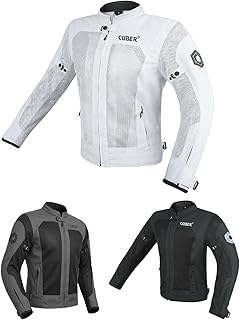
Top 10 Accessories
Curated picks for the Ducati 900ss — owned, ridden, recommended.




Common Problems
🔥 2 CRITICALListen for whining, inspect bevel box for oil seepage
Cold start behavior, idle quality, flat spots mid-range
Clutch chatter, difficulty finding neutral, grabby engagement
Ask for service records, every 6,000 miles mandatory
✅Pre-Purchase Checklist
Rewarding but maintenance-intensive, budget accordingly
Full Specifications
Rivals & Alternatives
Bikes that buyers cross-shop with the Ducati 900ss
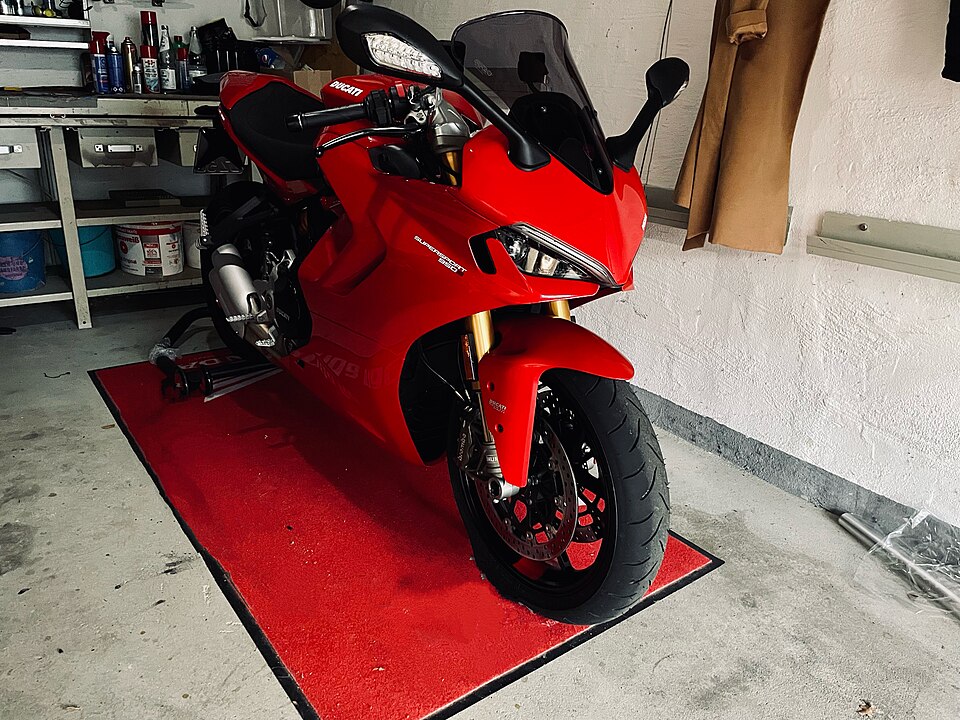
Ducati Supersport 950
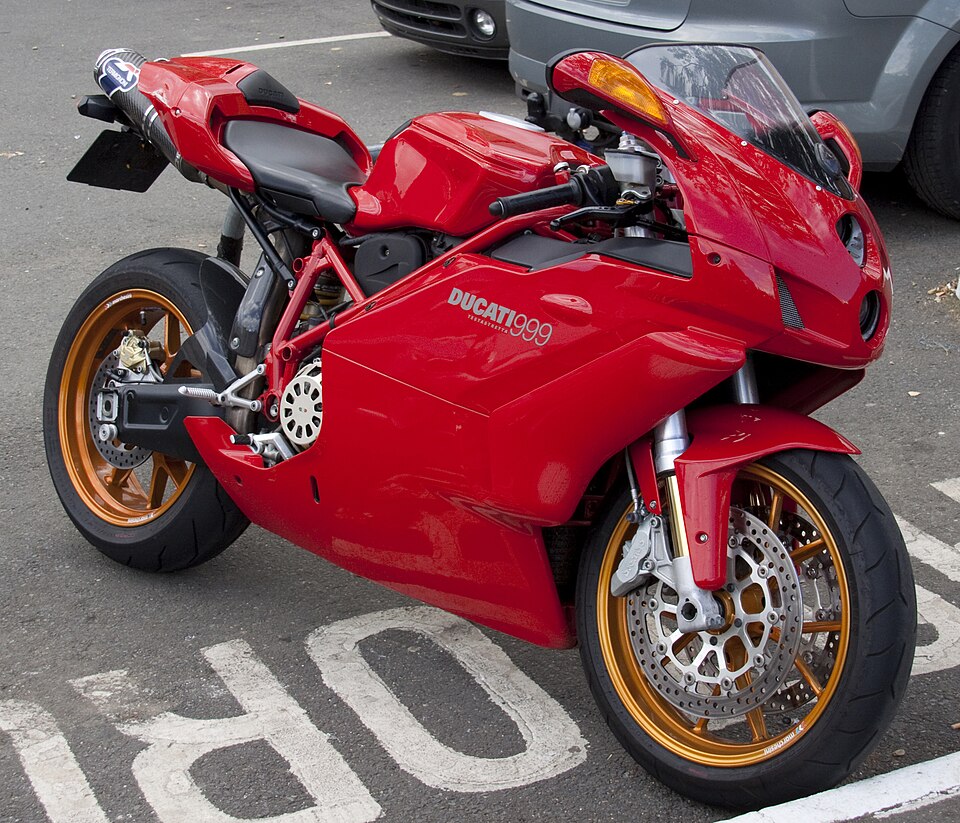
Ducati 999
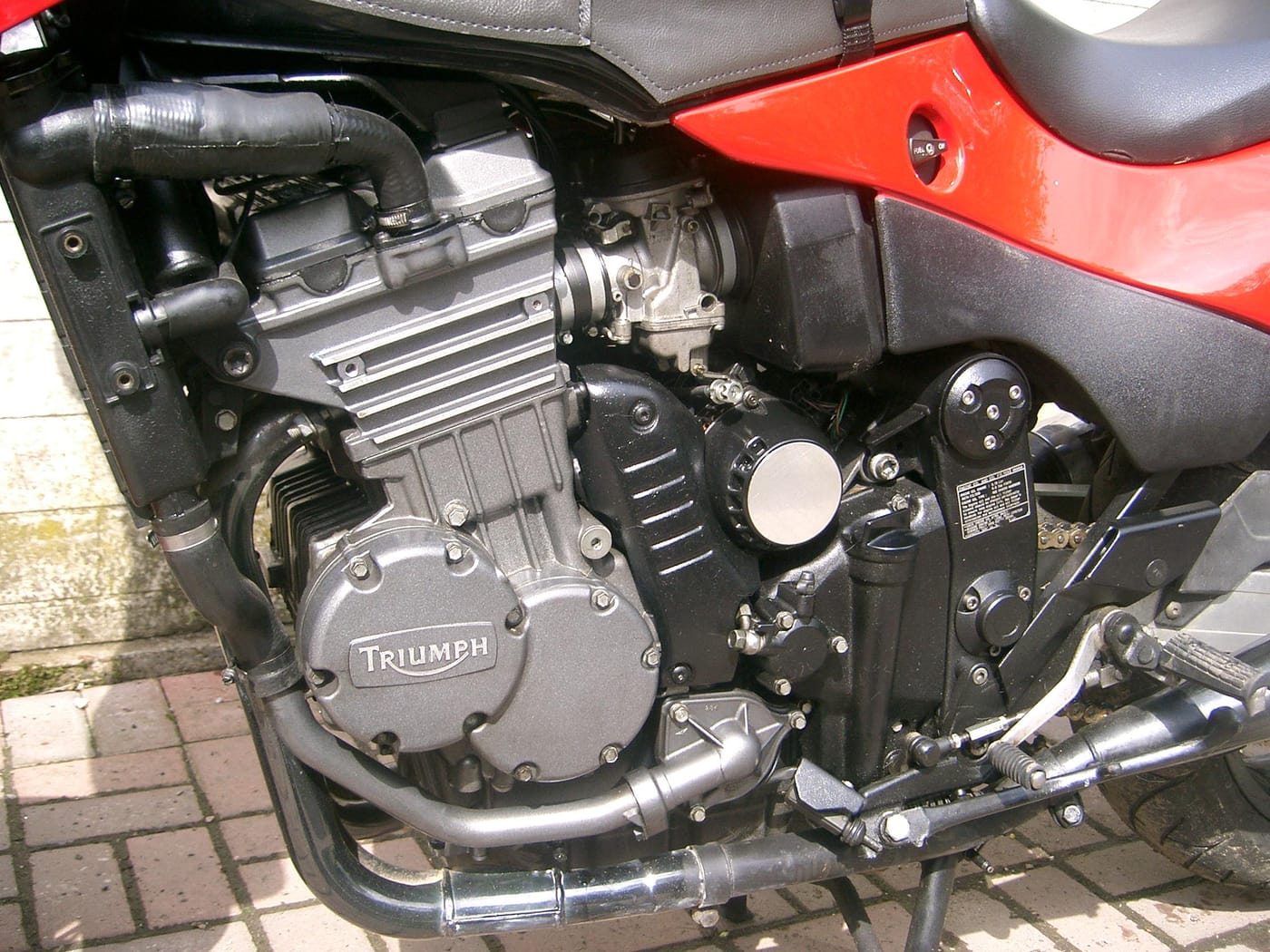
Triumph Daytona 955i
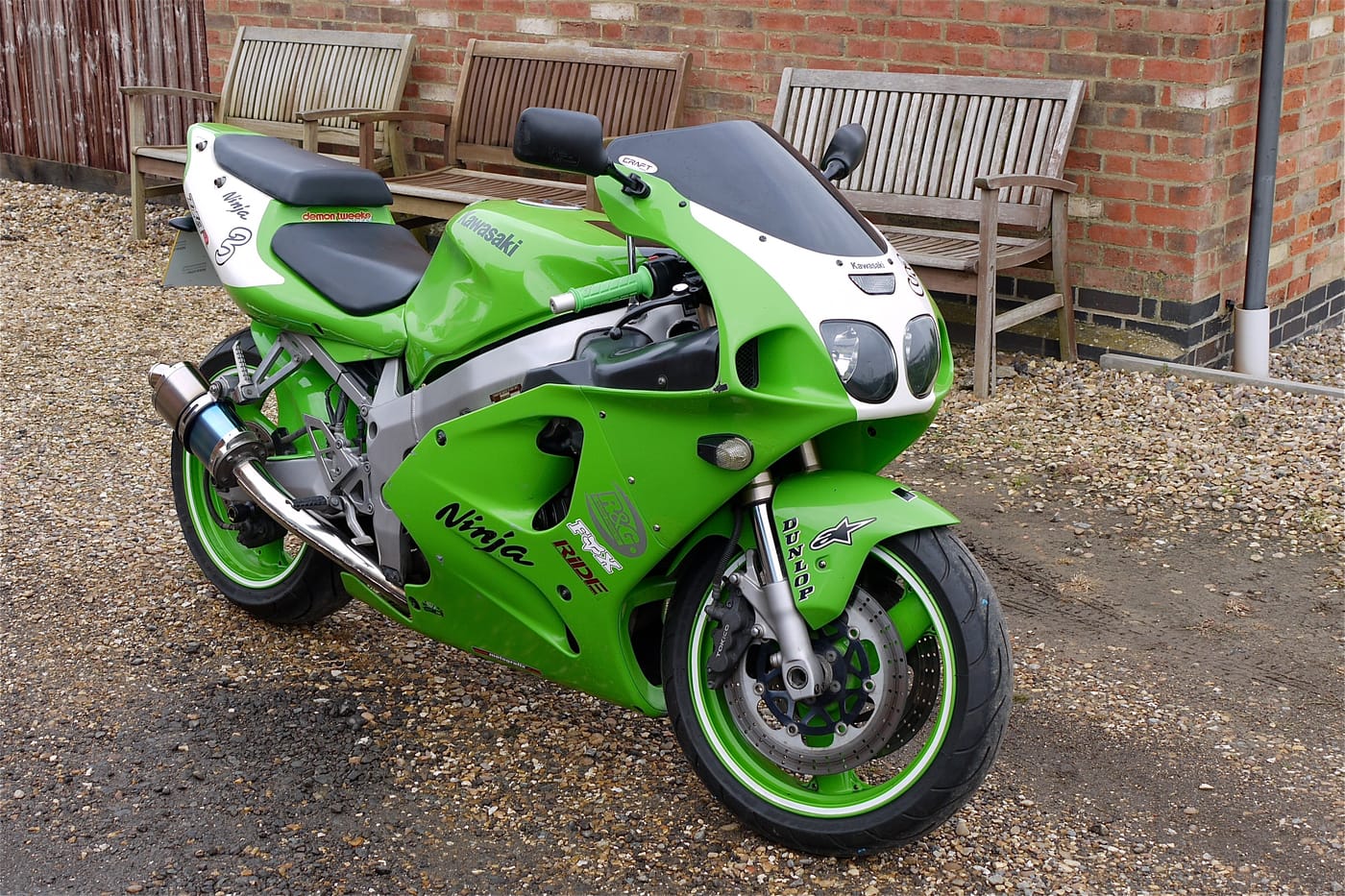
Kawasaki Zx-7r
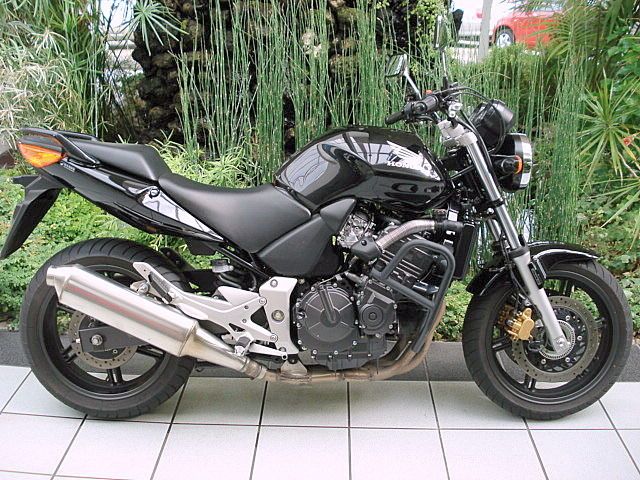
Honda Cbf600
Compare Ducati 900ss Side-by-Side
compare_arrowsSpecs, power, weight & buyer verdict — head-to-head with the bikes most often cross-shopped.
Ducati 900ss vs Ducati Supersport 950
Specs · Power · Buyer verdict
Ducati 900ss vs Ducati 999
Specs · Power · Buyer verdict
Ducati 900ss vs Triumph Daytona 955i
Specs · Power · Buyer verdict
Ducati 900ss vs Kawasaki Zx-7r
Specs · Power · Buyer verdict
Ducati 900ss vs Honda Cbf600
Specs · Power · Buyer verdict
More Ducati 900ss Guides
More from Ducati
View all Ducati models →Community Reviews
Discussion
Frequently Asked Questions
What are common problems with the Ducati 900ss? +
Bevel drive gear wear and oil leaks: Listen for whining, inspect bevel box for oil seepage (serious) | Carb diaphragm cracks and fuel delivery issues: Cold start behavior, idle quality, flat spots mid-range (moderate) | Dry clutch wear and basket notching: Clutch chatter, difficulty finding neutral, grabby engagement (moderate)
Is the Ducati 900ss a good motorcycle? +
A rewarding classic that punishes neglect and rewards diligent ownership hard. Rating: 7.5/10. Best for: Experienced riders wanting characterful Italian V-twin soul. Avoid if: You want cheap, worry-free daily transportation.
What is the horsepower of the Ducati 900ss? +
The Ducati 900ss produces 73 hp @ 7,000 rpm, with 78 Nm @ 5,500 rpm of torque. Top speed: 225 km/h.
Is the Ducati 900ss good for beginners? +
Not really — the Ducati 900ss is better for experienced riders. Experienced riders wanting characterful Italian V-twin soul Avoid if: You want cheap, worry-free daily transportation
Is the Ducati 900ss reliable? +
Owners report 2 critical issues to watch for on the Ducati 900ss, notably: Bevel drive gear wear and oil leaks (Listen for whining, inspect bevel box for oil seepage). Buy with a pre-purchase inspection.
Is the Ducati 900ss good for daily use? +
Experienced riders wanting characterful Italian V-twin soul Fuel: 6.5 L/100km (approximately 15.4 km/L) — estimated typical real-world average.
How fast is the Ducati 900ss? +
The Ducati 900ss reaches a top speed of 225 km/h, producing 73 hp at 188 kg curb weight. Real-world performance depends on rider weight, gearing, and road conditions.
What gear should I buy for a Ducati 900ss? +
Motoryk has curated a Top 10 gear list specifically for the Ducati 900ss, covering engine oil, tires, chain, battery, and brake pads — see motoryk.com/bikes/ducati/900ss/top10. Each pick is matched to this bike's spec.