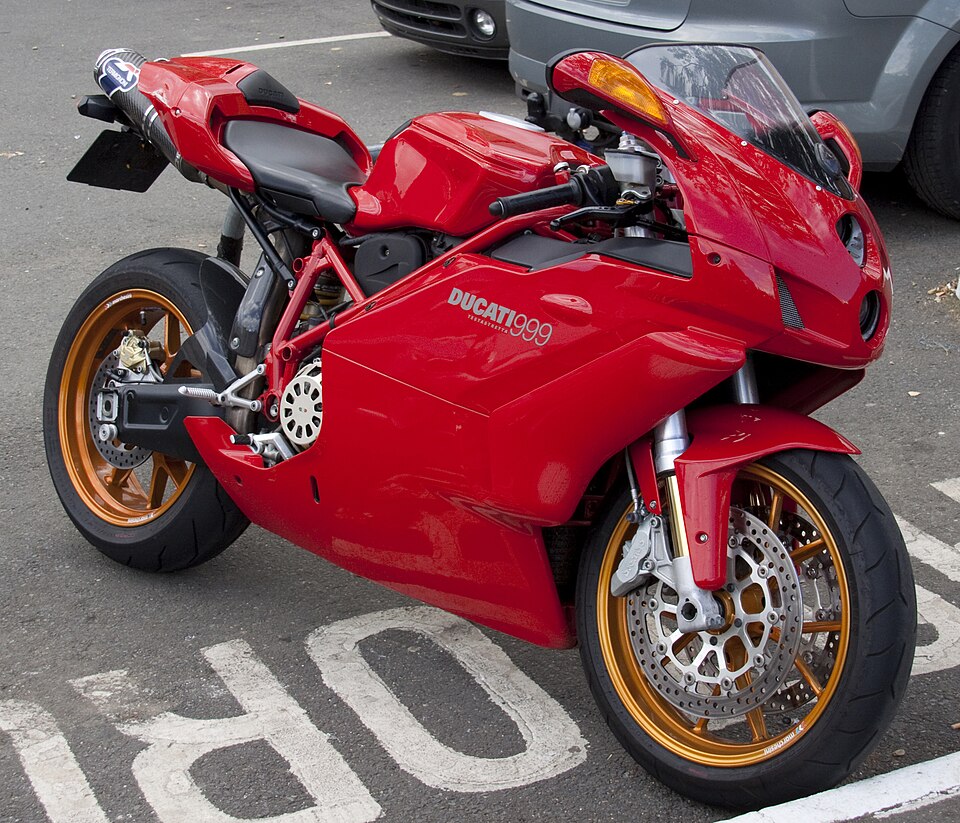
Ducati 999
The Ducati 999 has a top speed of 270 km/h, produces 124 hp and weighs 198 kg. Motoryk rates it 8/10.
The Ducati 999 was introduced in 2003 as the successor to the iconic 916/996/998 series, designed by Terblanche with a more functional but controversial angular styling. It competed in World Superbike Championship and won the title with Troy Bayliss in 2006. Production ended in 2006 when it was replaced by the Ducati 1098, and despite initial mixed reception on its looks, it is now respected as a serious performance machine.
124 hp
Power
99 Nm
Torque
198 kg
Weight
270 km/h
Top Speed
7.5 L/100km (approx 13.3 km/L)
Fuel
Faired
Body
🔧 Service Schedule & Parts
Affiliate · we may earn| Service item | Every | Typical cost | Parts |
|---|---|---|---|
| 🛢️ Engine oil + oil filter | 10,000 km / 6,000 mi or 12 mo | $60-100 | 🛢️ Buy → ⚙️ Buy → |
| 🌬️ Air filter | 15,000 km / 9,500 mi | — | 🌬️ Buy → |
| ⚡ Spark plugs | 15,000 km / 9,500 mi | — | ⚡ Buy → |
| 🔧 Valve clearance check | 15,000 km / 9,500 mi | $400-800 | |
| 🔗 Chain & sprockets | 20000-30000 km (replace) | $150-300 | 🔗 Buy → |
| 🛑 Brake pads | 10000-20000 km | $40-80 | 🛑 Buy → |
| 💧 Brake fluid | 24,000 km / 15,000 mi or 2 yr | — | |
| 🧊 Coolant | 24,000 km / 15,000 mi | — | |
| 🛞 Tires | 8000-15000 km | $250-450 | 🛞 Buy → |
| 🔩 Major service | 15,000 km / 9,500 mi | $500-1200 |
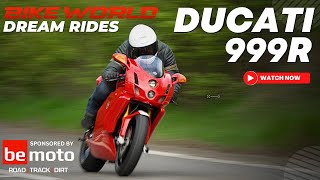
Video Review
What Buyers Should Know
Desmo Service Costs
The 999 requires Desmodromic valve service every 7,500–12,000 miles, which can cost $600–$1,500 at a dealership. Always verify service history before buying — skipped intervals can cause serious engine damage.
Depreciation Sweet Spot
The 999 was overshadowed by the more popular 916/996/998 series, keeping used prices relatively low at $5,000–$9,000 for well-maintained examples. This makes it an accessible entry into Ducati superbike ownership.
Watch the Electrical System
Known weak points include the voltage regulator/rectifier and stator, which can fail and leave you stranded. Inspect for signs of overcharging or a weak battery, and budget for a potential electrical refresh.
Generations & Specs by Year
Initial release with Testastretta engine, asymmetric twin-sided swingarm, and Terblanche-designed bodywork replacing 998.
"Divisive looks hide a genuinely brilliant engine."
The Testastretta motor is the whole story here — it pulls hard from 5,500 rpm and absolutely howls past 8,000, with a mechanical intensity that makes Japanese fours feel sterile by comparison. I rode mine through two track days and 6,000 street miles, and that L-twin never once felt like anything other than the main event. The bodywork is still a sore point; Terblanche replaced one of the most beautiful motorcycles ever built with something that looks unfinished from the wrong angle, and the asymmetric swingarm is a conversation piece nobody asked for. Heat soak at standstills is punishing, the service intervals are expensive, and the riding position assumes you have the torso of a competitive gymnast — but when you're rolling through a canyon and that engine is singing, none of that feels like a deal-breaker.
Pros
Cons
Revised bodywork, updated fuel injection, improved ergonomics, and refined chassis geometry for better handling.
"Savage Italian art that demands total commitment."
The Gen 2 fixes enough of the original 999's rough edges that you stop fighting it and start trusting it — the revised injection mapping kills that notorious mid-range stumble, and the chassis geometry changes mean the front end finally communicates instead of guessing. At 9,500 rpm that Testastretta is genuinely violent in the best possible way, a sound and sensation that makes modern four-cylinders feel clinical and soulless. Daily riding is still a negotiation: the ergonomics are better on paper but 790mm means short-inseam riders are still tiptoeing at lights, heat soak in traffic is relentless, and the desmo service interval arriving every 15,000 km will cost you $800–$1,200 whether you like it or not. Buy it knowing exactly what it is — a focused track weapon wearing bodywork that still divides opinion a decade later.
Pros
Cons
Used Buyer Review
"Buy it right and the 999 rewards like almost nothing else."
$4,500-$9,000 usedThe 999 is Ducati's most misunderstood sportbike — unfairly overshadowed by the 916's legacy and the 1098's arrival, which means you can now pick one up for stupid money. The Testastretta L-twin is an absolute gem when properly maintained, delivering 124 horses with a character that no Japanese inline-four can replicate. That dry clutch chatter at traffic lights? That's not a problem, that's the soundtrack you're paying for. But go in with eyes open. These bikes punish neglect brutally. Budget immediately for fresh belts if you can't verify history — Ducati's desmodromic valve service runs $600-1,200 and is non-negotiable every 15,000 miles. Check the slipper clutch operation, inspect the trellis frame for corrosion around weld points, and verify the rear shock hasn't gone completely soft. Ergonomics are aggressively committed — this isn't a 30-minute commuter, it's a canyon weapon that demands your full attention. Buy one with documented service history from a Ducati specialist, not someone's garage project, and you'll own one of the most viscerally rewarding bikes of the 2000s.
Top 10 Accessories
Curated picks for the Ducati 999 — owned, ridden, recommended.




Common Problems
🔥 2 CRITICALAsk for service history, every 7500-15000 miles required
Check charging voltage, look for melted connector signs
Listen for rough idle, hesitation at low throttle
Inspect clutch plates, listen for rattling at idle
✅Pre-Purchase Checklist
Expensive upkeep, rewarding if well-maintained
Full Specifications
Rivals & Alternatives
Bikes that buyers cross-shop with the Ducati 999
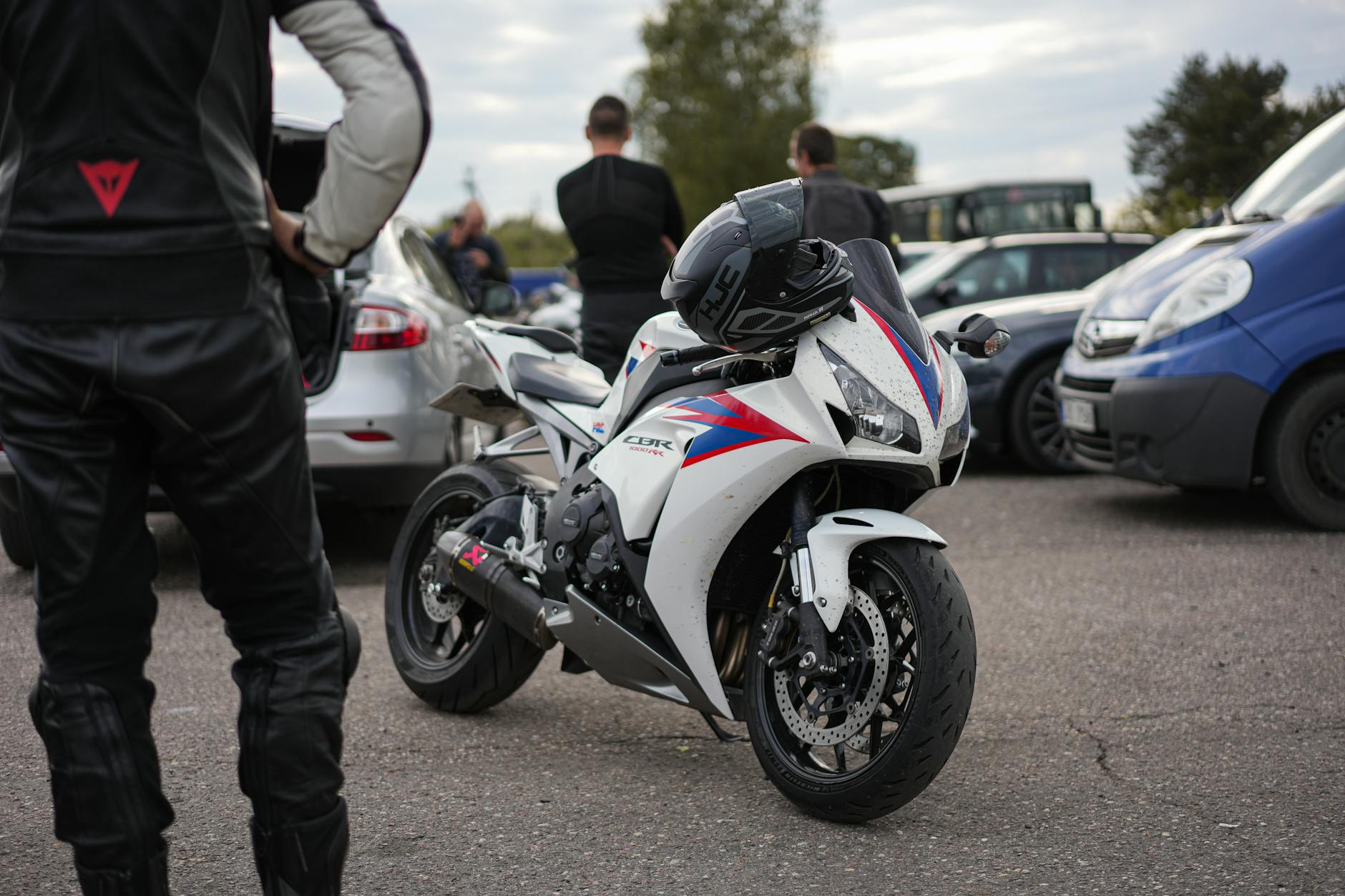
Honda Cbr1000rr Fireblade
Ducati Panigale V2
Ducati Panigale 1299
Ducati Panigale 1199
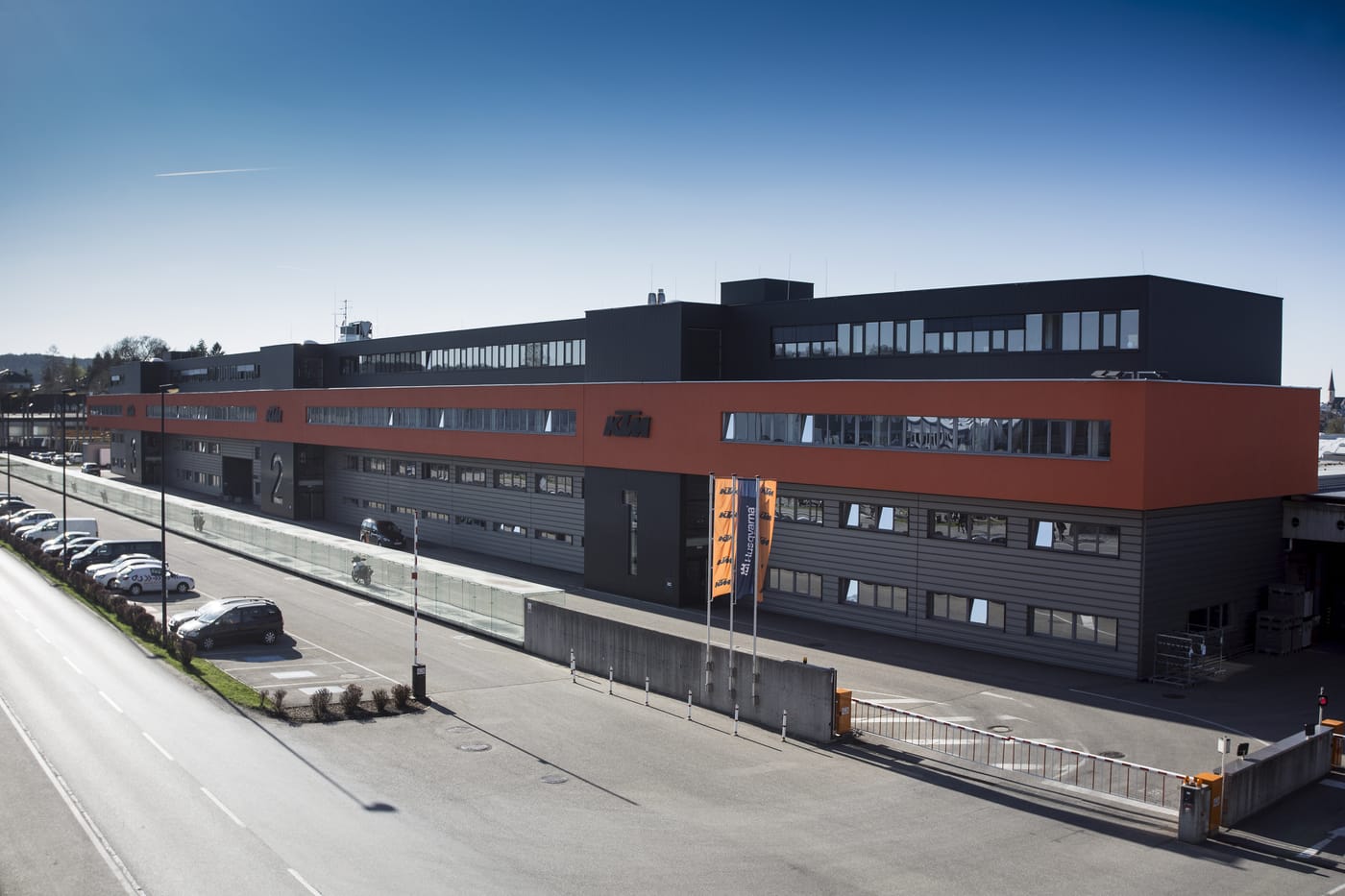
Ktm Rc8
Compare Ducati 999 Side-by-Side
compare_arrowsSpecs, power, weight & buyer verdict — head-to-head with the bikes most often cross-shopped.
Ducati 999 vs Honda Cbr1000rr Fireblade
Specs · Power · Buyer verdict
Ducati 999 vs Ducati Panigale V2
Specs · Power · Buyer verdict
Ducati 999 vs Ducati Panigale 1299
Specs · Power · Buyer verdict
Ducati 999 vs Ducati Panigale 1199
Specs · Power · Buyer verdict
Ducati 999 vs Ktm Rc8
Specs · Power · Buyer verdict
More Ducati 999 Guides
More from Ducati
View all Ducati models →Community Reviews
Discussion
Frequently Asked Questions
What are common problems with the Ducati 999? +
Desmodromic valve service overdue: Ask for service history, every 7500-15000 miles required (serious) | Stator and regulator/rectifier failure: Check charging voltage, look for melted connector signs (serious) | Fuel pump and injector issues: Listen for rough idle, hesitation at low throttle (moderate)
Is the Ducati 999 a good motorcycle? +
Buy it right and the 999 rewards like almost nothing else. Rating: 8.0/10. Best for: Experienced riders who prioritise engagement over convenience. Avoid if: You want low-maintenance weekend transport.
What is the horsepower of the Ducati 999? +
The Ducati 999 produces 124 hp @ 9,750 rpm, with 99 Nm @ 8,000 rpm of torque. Top speed: 270 km/h.
Is the Ducati 999 good for beginners? +
Not really — the Ducati 999 is better for experienced riders (124 hp can be intimidating). Experienced riders who prioritise engagement over convenience Avoid if: You want low-maintenance weekend transport
Is the Ducati 999 reliable? +
Owners report 2 critical issues to watch for on the Ducati 999, notably: Desmodromic valve service overdue (Ask for service history, every 7500-15000 miles required). Buy with a pre-purchase inspection.
Is the Ducati 999 good for daily use? +
Experienced riders who prioritise engagement over convenience Fuel: 7.5 L/100km (approx 13.3 km/L).
How fast is the Ducati 999? +
The Ducati 999 reaches a top speed of 270 km/h, producing 124 hp at 198 kg curb weight. Real-world performance depends on rider weight, gearing, and road conditions.
What gear should I buy for a Ducati 999? +
Motoryk has curated a Top 10 gear list specifically for the Ducati 999, covering engine oil, tires, chain, battery, and brake pads — see motoryk.com/bikes/ducati/999/top10. Each pick is matched to this bike's spec.