Yamaha Xt250
The Yamaha Xt250 has a top speed of 120 km/h, produces 15 hp and weighs 122 kg. Motoryk rates it 7.5/10.
A Yamaha XT250 foi introduzida pela primeira vez em 1980 como uma motocicleta esportiva leve, projetada para uso na estrada e fora de estrada. Foi descontinuado no início da década de 1990 antes de ser revivido em 2008 com um motor monocilíndrico com injeção de combustível e refrigerado a ar, voltado para pilotos iniciantes e recreativos. Sua simplicidade, confiabilidade e baixa altura do assento o tornaram uma opção popular para esportes duplos de nível básico, especialmente nos mercados norte-americano e asiático.
15 hp
Poder
17 Nm
Torque
122 kg
Peso
120 km/h
Velocidade máxima
2.8 L/100km or approximately 35.7 km/L
Combustível
Nua
Corpo
🔧 Service Schedule & Parts
Affiliate · we may earn| Service item | Every | Typical cost | Parts |
|---|---|---|---|
| 🛢️ Engine oil + oil filter | 4,000 km / 2,500 mi or 6 mo | $30-60 | 🛢️ Buy → ⚙️ Buy → |
| 🌬️ Air filter | 6,000 km / 3,500 mi | — | 🌬️ Buy → |
| ⚡ Spark plugs | 12,000 km / 7,500 mi | — | ⚡ Buy → |
| 🔧 Valve clearance check | 24,000 km / 15,000 mi | $150-300 | |
| 🔗 Chain & sprockets | 20000-30000 km (replace) | $100-200 | 🔗 Buy → |
| 🛑 Brake pads | 15000-25000 km | $20-50 | 🛑 Buy → |
| 💧 Brake fluid | 24,000 km / 15,000 mi or 2 yr | — | |
| 🛞 Tires | 15000-25000 km | $150-300 | 🛞 Buy → |
| 🔩 Major service | 24,000 km / 15,000 mi | $250-500 |
Video Review
O que os compradores devem saber
Rock-Solid Reliability
The XT250's air-cooled single-cylinder engine is renowned for requiring minimal maintenance and routinely lasting well over 20,000 miles with basic upkeep. Its simple carbureted design (pre-2008 models) or fuel injection makes troubleshooting straightforward even for beginners.
Watch the Carburetor
Older carbureted XT250s are prone to gummed-up carburetors if left sitting with fuel in the system, causing hard starts or rough idling. Always inspect the carb and ask about storage habits before buying a used model.
Strong Resale Value
The XT250 holds its value exceptionally well compared to other entry-level dual-sports, often selling used for close to its original MSRP in good condition. Its reputation as a beginner-friendly yet capable trail bike keeps demand consistently high.
Gerações e especificações por ano
Freios a tambor SOHC originais refrigerados a ar de 249 cc, com design esportivo duplo tradicional introduzido.
"Ferramenta de trilha honesta e inquebrável que não exige nada sofisticado."
Eu percorri cerca de 4.000 milhas em um XT250 de 81 em estradas de incêndio, cascalho solto e um ocasional trecho pavimentado entre trilhas, e a coisa simplesmente se recusou a causar drama. O single SOHC funciona perfeitamente em baixas rotações e, com 113 kg, você pode sair dos sulcos sem perder as costas — esse baixo peso é genuinamente a melhor característica da bicicleta. Os freios a tambor são o elo mais fraco; a traseira fica bem na terra, mas o tambor dianteiro fica vago rapidamente quando está molhado ou quente, e você aprende a planejar as paradas mais cedo. A velocidade máxima é de honestos 110 km/h no mundo real, não é uma reclamação pelo que é, mas não planeje nenhuma corrida prolongada em rodovias ou você chegará vibrando e entediado.
Prós
Contras
Carburação revisada, suspensão atualizada, pequenas mudanças de estilo, plataforma única contínua refrigerada a ar.
"Ferramenta de trilha à prova de balas que premia a paciência em vez da velocidade."
Percorri cerca de 8.000 km em uma XT250 de 1987 em estradas de bombeiros e trajetos urbanos, e o jato revisado de carboidratos sobre o Gen 1 realmente limpou os obstáculos de baixa rotação que assolavam os modelos anteriores — as partidas a frio se tornaram uma tarefa fácil na maioria das manhãs. A suspensão atualizada absorve os trilhos de terra da tábua de lavar com competência sem se sentir chafurdada no asfalto, embora a 120 km/h indique que você está firmemente no teto da bicicleta e o zumbido nos pinos indica que você não deve ficar lá. Com 118 kg, ele desaparece embaixo de você em uma pista única apertada, e essa curva de torque estreita, semelhante à de um trator, significa que você pode arrastá-lo por seções técnicas sem o trabalho constante da embreagem. A fraqueza honesta é a potência — 18 cavalos são suficientes para trilhas e cidades, mas qualquer pedalada contínua na estrada faz com que você trabalhe duro e chegue cansado.
Prós
Contras
Motor de 249 cc com injeção de combustível totalmente redesenhado, partida elétrica, estilo moderno, atende aos padrões de emissões.
Avaliação do comprador usado
"The most sensible used dual-sport under $4,000, full stop."
$2,500-$4,200 usedThe XT250 is basically bulletproof, and that's not marketing fluff — it's just reality. Yamaha barely changed this bike between 2008 and today because they didn't need to. The air-cooled single will outlast almost anything in its class if the previous owner wasn't completely clueless about oil changes. Check the air filter first thing — neglected filters are the number one killer on these. Carbureted models through 2014 can be jetted richer for better throttle response, which is worth doing immediately. What kills used value on these is cosmetic stuff: cracked fairings, bent levers from tip-overs. That's actually good news because mechanically sound bikes with ugly scratches sell cheap. Expect to replace the stock tires — they're agricultural garbage from the factory. The suspension is soft but forgiving, which beginners appreciate and experienced riders tolerate. Chain and sprocket wear is the other thing to inspect hard; a worn drivetrain is a $200-300 surprise you don't want. For dual-sport commuting and light trail work, nothing at this price point makes more practical sense.
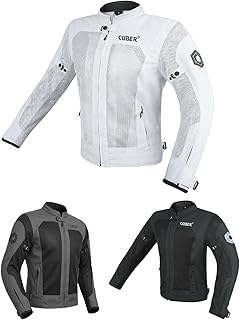
Top 10 Accessories
Curated picks for the Yamaha Xt250 — owned, ridden, recommended.




Problemas comuns
🔥 1 CRITICALCold start behavior, idle quality, throttle response smoothness
Ticking noise at idle, compression test results
Chain slack, sprocket tooth hooks or sharpness
Battery voltage at idle, lights dimming under load
✅Lista de verificação de pré-compra
Very reliable, simple bike, easy cheap maintenance
Full Specifications
Rivals & Alternatives
Bikes that buyers cross-shop with the Yamaha Xt250
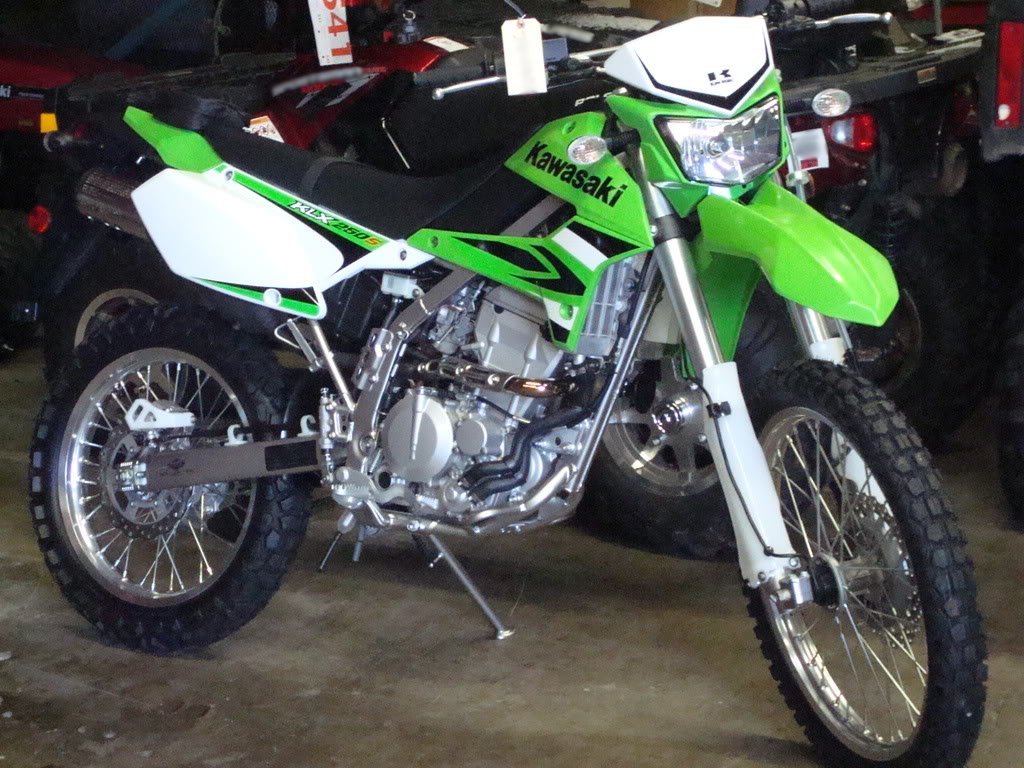
Kawasaki Klx 300
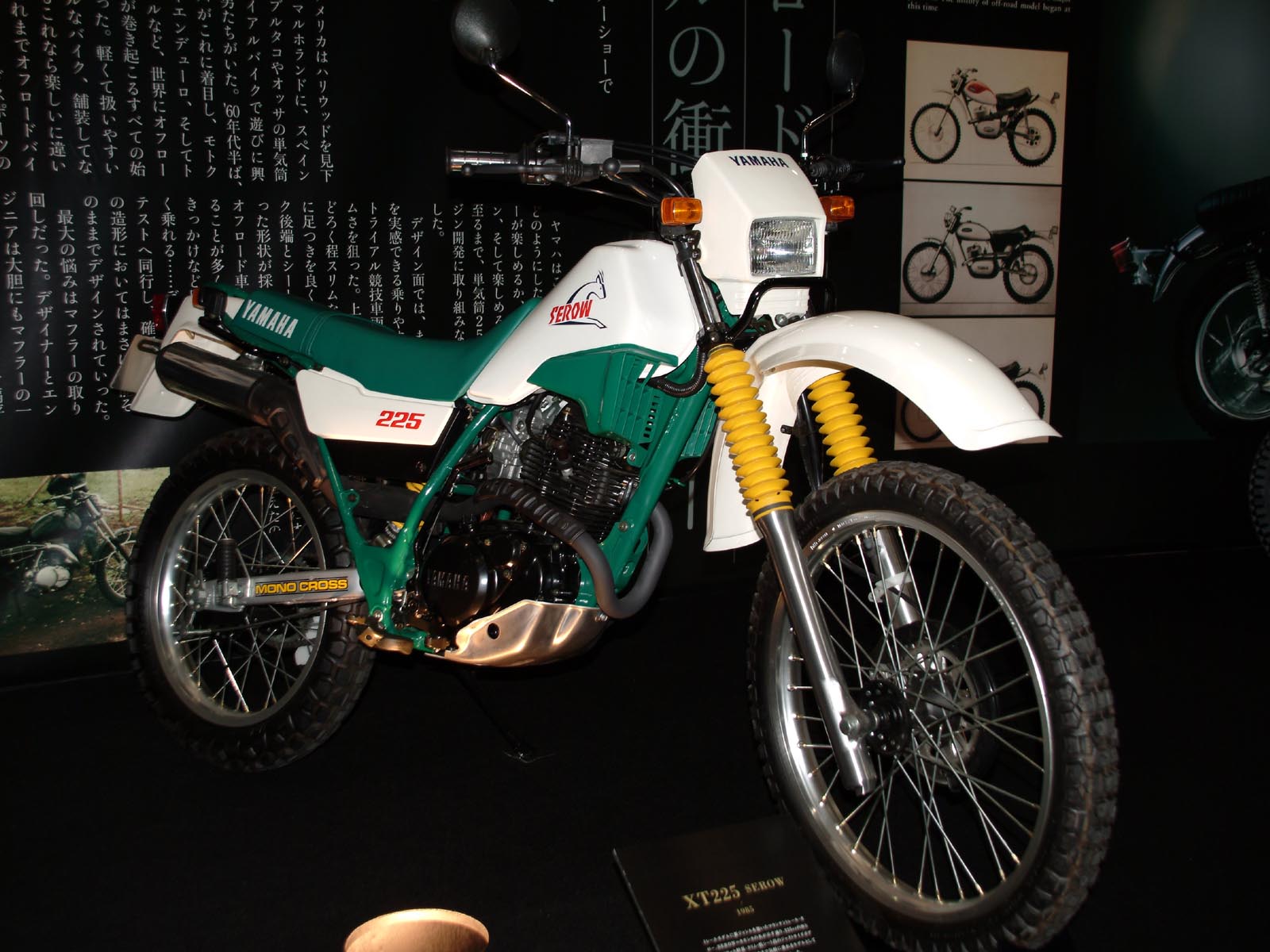
Yamaha Serow 250
Yamaha Tw200
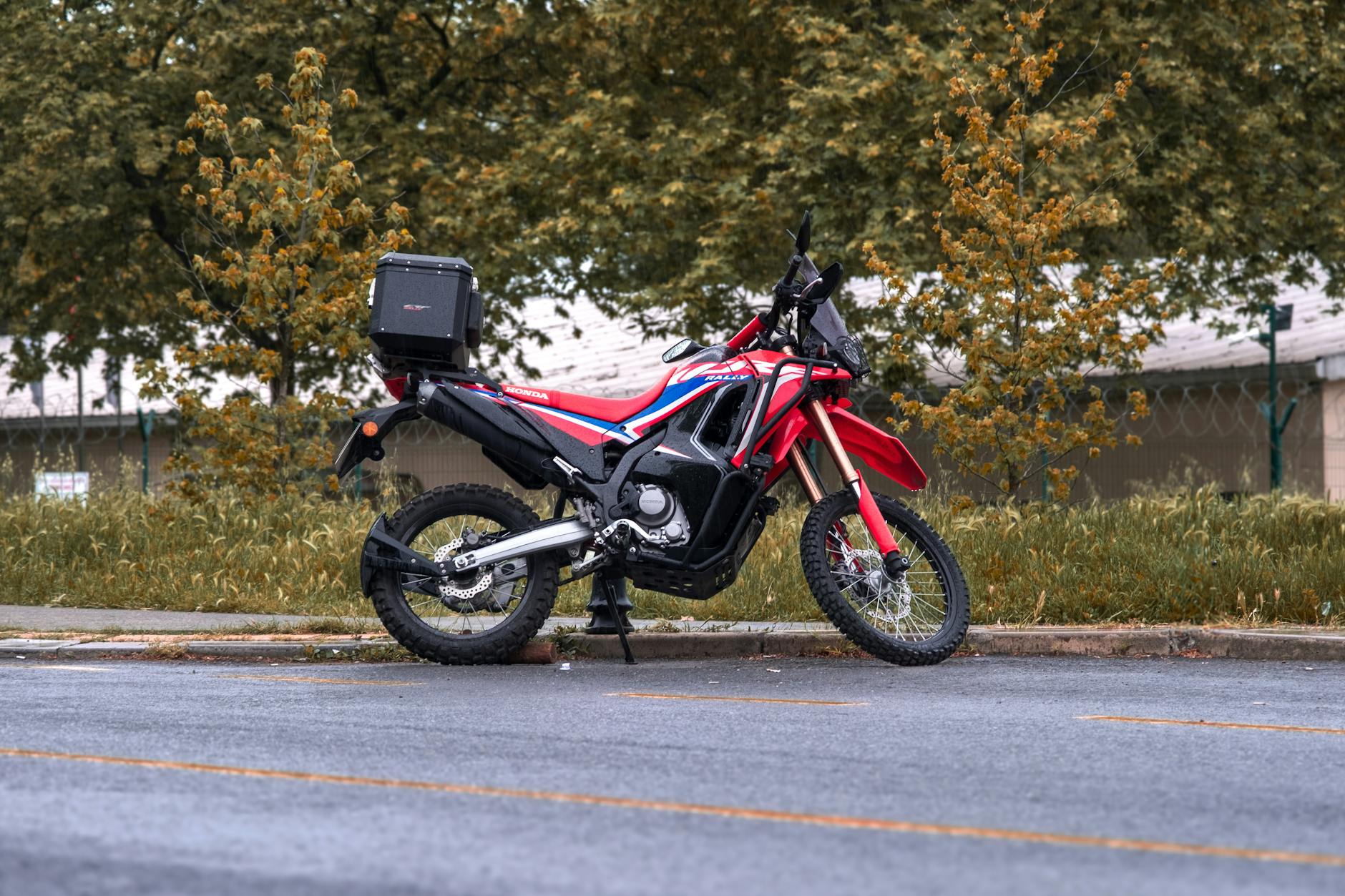
Honda Xr 190l
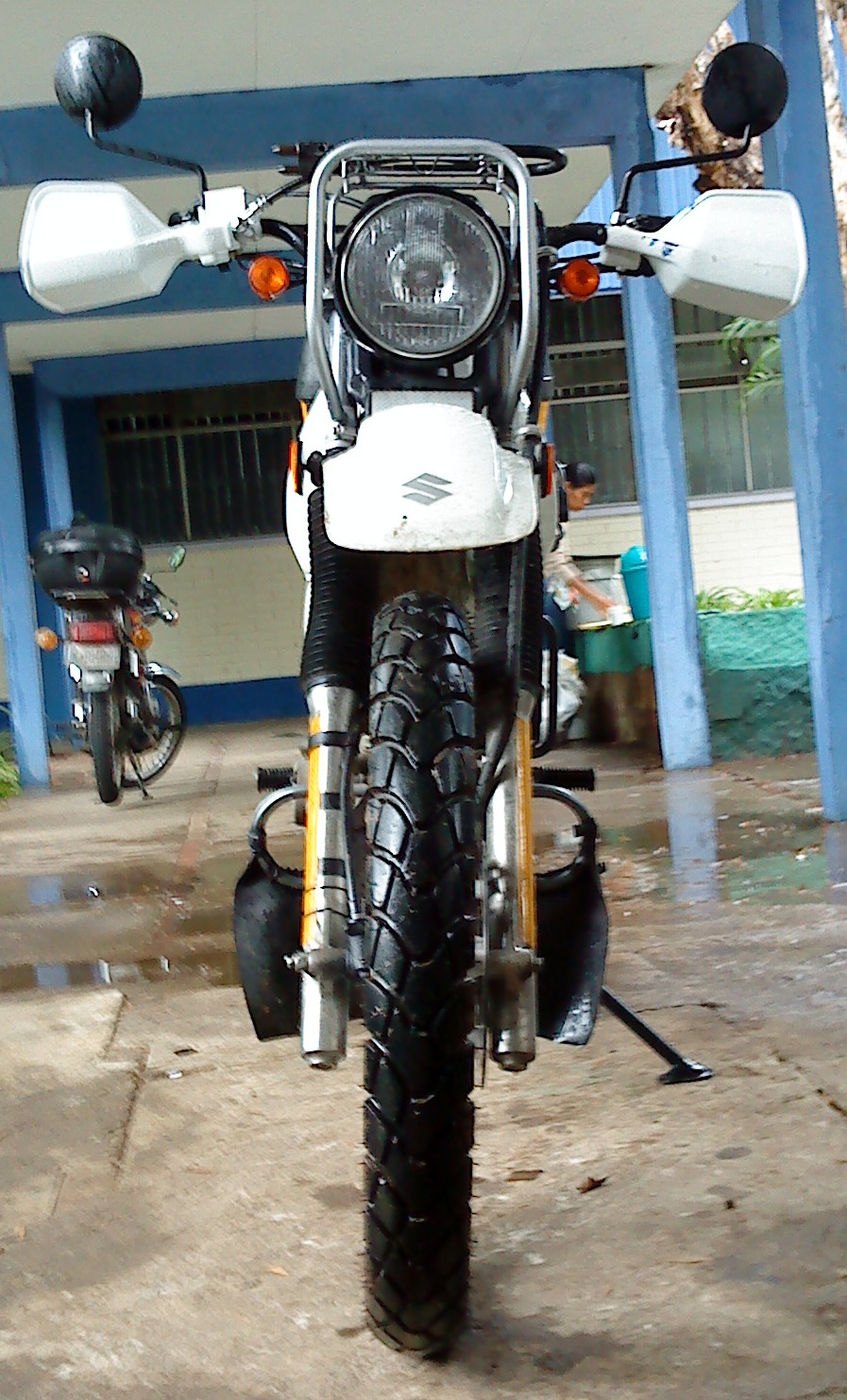
Suzuki Djebel 200
Compare Yamaha Xt250 Side-by-Side
compare_arrowsSpecs, power, weight & buyer verdict — head-to-head with the bikes most often cross-shopped.
Yamaha Xt250 vs Kawasaki Klx 300
Specs · Power · Buyer verdict
Yamaha Xt250 vs Yamaha Serow 250
Specs · Power · Buyer verdict
Yamaha Xt250 vs Yamaha Tw200
Specs · Power · Buyer verdict
Yamaha Xt250 vs Honda Xr 190l
Specs · Power · Buyer verdict
Yamaha Xt250 vs Suzuki Djebel 200
Specs · Power · Buyer verdict
More Yamaha Xt250 Guides
More from Yamaha
View all Yamaha models →Community Reviews
Discussion
Frequently Asked Questions
What are common problems with the Yamaha Xt250? +
Carburetor gumming from ethanol fuel sitting: Cold start behavior, idle quality, throttle response smoothness (moderate) | Valve clearance out of spec over time: Ticking noise at idle, compression test results (moderate) | Worn rear sprocket and chain stretch: Chain slack, sprocket tooth hooks or sharpness (minor)
Is the Yamaha Xt250 a good motorcycle? +
The most sensible used dual-sport under $4,000, full stop. Rating: 7.5/10. Best for: Beginners, commuters, and casual trail riders. Avoid if: You want highway speed or serious off-road.
What is the horsepower of the Yamaha Xt250? +
The Yamaha Xt250 produces 15 hp @ 7,500 rpm, with 17 Nm @ 6,000 rpm of torque. Top speed: 120 km/h.
Is the Yamaha Xt250 good for beginners? +
Yes — the Yamaha Xt250 is a reasonable choice for new riders (15 hp is manageable), weighing 122 kg. Beginners, commuters, and casual trail riders
Is the Yamaha Xt250 reliable? +
Owners report 1 critical issue to watch for on the Yamaha Xt250, notably: Stator failure causing charging issues (Battery voltage at idle, lights dimming under load). Buy with a pre-purchase inspection.
Is the Yamaha Xt250 good for daily use? +
Beginners, commuters, and casual trail riders Fuel: 2.8 L/100km or approximately 35.7 km/L.
How fast is the Yamaha Xt250? +
The Yamaha Xt250 reaches a top speed of 120 km/h, producing 15 hp at 122 kg curb weight. Real-world performance depends on rider weight, gearing, and road conditions.
What gear should I buy for a Yamaha Xt250? +
Motoryk has curated a Top 10 gear list specifically for the Yamaha Xt250, covering engine oil, tires, chain, battery, and brake pads — see motoryk.com/bikes/yamaha/xt250/top10. Each pick is matched to this bike's spec.