Yamaha Xt250
The Yamaha Xt250 has a top speed of 120 km/h, produces 15 hp and weighs 122 kg. Motoryk rates it 7.5/10.
Die Yamaha XT250 wurde erstmals 1980 als leichtes Dual-Sport-Motorrad vorgestellt, das sowohl für den Einsatz auf der Straße als auch im Gelände konzipiert war. Es wurde Anfang der 1990er Jahre eingestellt, bevor es 2008 mit einem luftgekühlten Einzylindermotor mit Kraftstoffeinspritzung wiederbelebt wurde, der sich an Anfänger und Freizeitfahrer richtete. Seine Einfachheit, Zuverlässigkeit und niedrige Sitzhöhe haben ihn zu einer beliebten Dual-Sportart für Einsteiger gemacht, insbesondere auf dem nordamerikanischen und asiatischen Markt.
15 hp
Leistung
17 Nm
Drehmoment
122 kg
Gewicht
120 km/h
Höchstgeschwindigkeit
2.8 L/100km or approximately 35.7 km/L
Treibstoff
Nackt
Körper
🔧 Service Schedule & Parts
Affiliate · we may earn| Service item | Every | Typical cost | Parts |
|---|---|---|---|
| 🛢️ Engine oil + oil filter | 4,000 km / 2,500 mi or 6 mo | $30-60 | 🛢️ Buy → ⚙️ Buy → |
| 🌬️ Air filter | 6,000 km / 3,500 mi | — | 🌬️ Buy → |
| ⚡ Spark plugs | 12,000 km / 7,500 mi | — | ⚡ Buy → |
| 🔧 Valve clearance check | 24,000 km / 15,000 mi | $150-300 | |
| 🔗 Chain & sprockets | 20000-30000 km (replace) | $100-200 | 🔗 Buy → |
| 🛑 Brake pads | 15000-25000 km | $20-50 | 🛑 Buy → |
| 💧 Brake fluid | 24,000 km / 15,000 mi or 2 yr | — | |
| 🛞 Tires | 15000-25000 km | $150-300 | 🛞 Buy → |
| 🔩 Major service | 24,000 km / 15,000 mi | $250-500 |
Video Review
Was Käufer wissen sollten
Rock-Solid Reliability
The XT250's air-cooled single-cylinder engine is renowned for requiring minimal maintenance and routinely lasting well over 20,000 miles with basic upkeep. Its simple carbureted design (pre-2008 models) or fuel injection makes troubleshooting straightforward even for beginners.
Watch the Carburetor
Older carbureted XT250s are prone to gummed-up carburetors if left sitting with fuel in the system, causing hard starts or rough idling. Always inspect the carb and ask about storage habits before buying a used model.
Strong Resale Value
The XT250 holds its value exceptionally well compared to other entry-level dual-sports, often selling used for close to its original MSRP in good condition. Its reputation as a beginner-friendly yet capable trail bike keeps demand consistently high.
Generationen und Spezifikationen nach Jahr
Original luftgekühlte 249-cm3-SOHC-Einzeltrommelbremsen, traditionelles Dual-Sport-Design eingeführt.
"Ehrliches, unzerbrechliches Trailtool, das nichts Ausgefallenes verlangt."
Ich legte etwa 4.000 Meilen auf einem 81er XT250 über Waldwege, losen Schotter und gelegentlich asphaltierte Abschnitte zwischen Wegspitzen zurück, und das Ding weigerte sich einfach, für Drama zu sorgen. Das SOHC-Single zieht sauber aus niedrigen Drehzahlen, und mit 113 kg kann man es aus den Spurrillen herausfordern, ohne den Rücken rauszuwerfen — dieses geringe Gewicht ist wirklich das Beste an dem Bike. Die Trommelbremsen sind das schwache Glied; die Hinterradbremse liegt gut im Dreck, aber die vordere Trommel wird undeutlich, wenn es nass oder heiß ist, und du lernst, Stopps früh zu planen. Die Höchstgeschwindigkeit beträgt in der realen Welt ehrliche 110 km/h, keine Beschwerde dafür, aber planen Sie keine ausgedehnten Autobahnfahrten ein, sonst kommen Sie vibriert und gelangweilt an.
Profis
Nachteile
Überarbeiteter Vergaser, aktualisierte Federung, geringfügige Designänderungen, weiterhin luftgekühlte Einzelplattform.
"Ein absolut sicheres Trail-Tool, das Geduld vor Schnelligkeit belohnt."
Ich habe mit einem 87er XT250 etwa 8.000 km über Landstraßen und Stadtpendeln zurückgelegt, und das überarbeitete Vergaserspritzen über der Generation 1 hat das Stolpern bei niedrigen Drehzahlen, das frühere Modelle plagte, wirklich bereinigt — Kaltstarts wurden an den meisten Vormittagen zu einer One-Kick-Affäre. Die überarbeitete Federung nimmt unbefestigte Waschbrett-Wege souverän auf, ohne sich auf Asphalt zu suhlen. Bei 120 km/h ist man allerdings fest an der Fahrraddecke und das Summen durch die Stangen sagt einem, dass man dort nicht verweilen sollte. Mit 118 kg verschwindet es auf engen Singletrails unter dir, und diese schmale, traktorähnliche Drehmomentkurve bedeutet, dass du es ohne ständiges Kupplungsarbeiten durch technische Abschnitte schleppen kannst. Die ehrliche Schwäche ist die Leistung — 18 Pferde sind genug für Trails und in der Stadt, aber jede ausdauernde Autobahnfahrt lässt dich hart arbeiten und müde ankommen.
Profis
Nachteile
Komplett überarbeiteter 249-cm3-Motor mit Kraftstoffeinspritzung, Elektrostart, modernes Design, erfüllt die Emissionsstandards.
Bewertung von gebrauchten Käufern
"The most sensible used dual-sport under $4,000, full stop."
$2,500-$4,200 usedThe XT250 is basically bulletproof, and that's not marketing fluff — it's just reality. Yamaha barely changed this bike between 2008 and today because they didn't need to. The air-cooled single will outlast almost anything in its class if the previous owner wasn't completely clueless about oil changes. Check the air filter first thing — neglected filters are the number one killer on these. Carbureted models through 2014 can be jetted richer for better throttle response, which is worth doing immediately. What kills used value on these is cosmetic stuff: cracked fairings, bent levers from tip-overs. That's actually good news because mechanically sound bikes with ugly scratches sell cheap. Expect to replace the stock tires — they're agricultural garbage from the factory. The suspension is soft but forgiving, which beginners appreciate and experienced riders tolerate. Chain and sprocket wear is the other thing to inspect hard; a worn drivetrain is a $200-300 surprise you don't want. For dual-sport commuting and light trail work, nothing at this price point makes more practical sense.
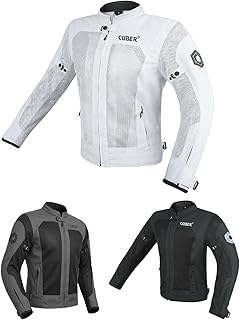
Top 10 Accessories
Curated picks for the Yamaha Xt250 — owned, ridden, recommended.




Häufig auftretende Probleme
🔥 1 CRITICALCold start behavior, idle quality, throttle response smoothness
Ticking noise at idle, compression test results
Chain slack, sprocket tooth hooks or sharpness
Battery voltage at idle, lights dimming under load
✅Checkliste vor dem Kauf
Very reliable, simple bike, easy cheap maintenance
Full Specifications
Rivals & Alternatives
Bikes that buyers cross-shop with the Yamaha Xt250
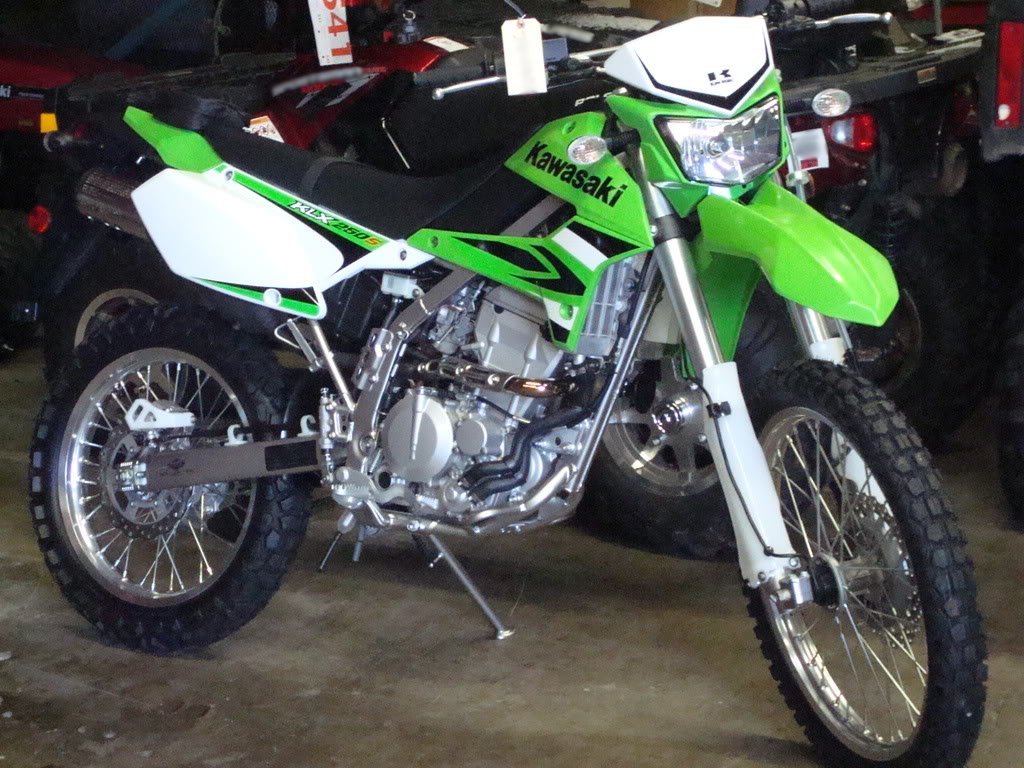
Kawasaki Klx 300
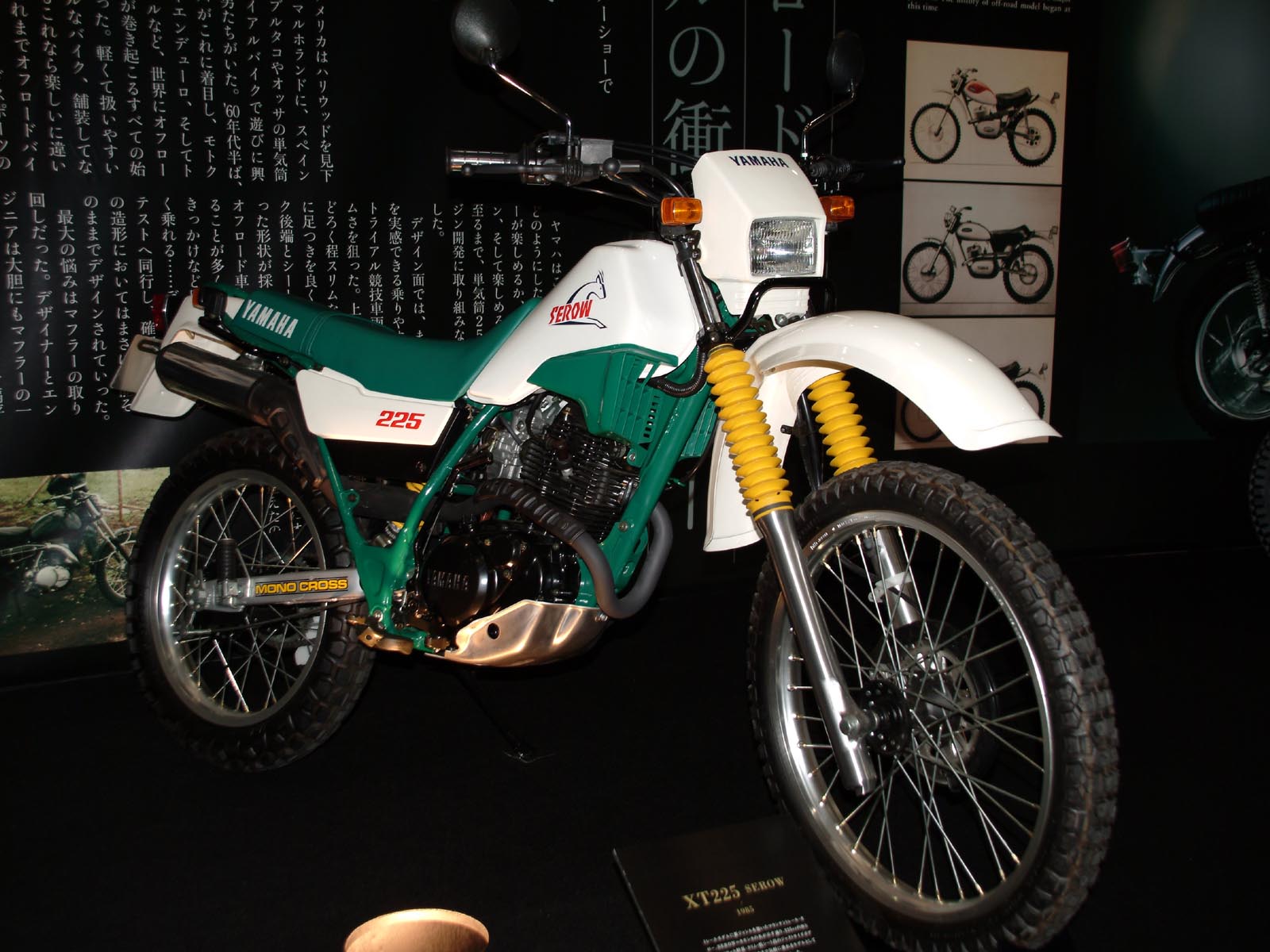
Yamaha Serow 250
Yamaha Tw200
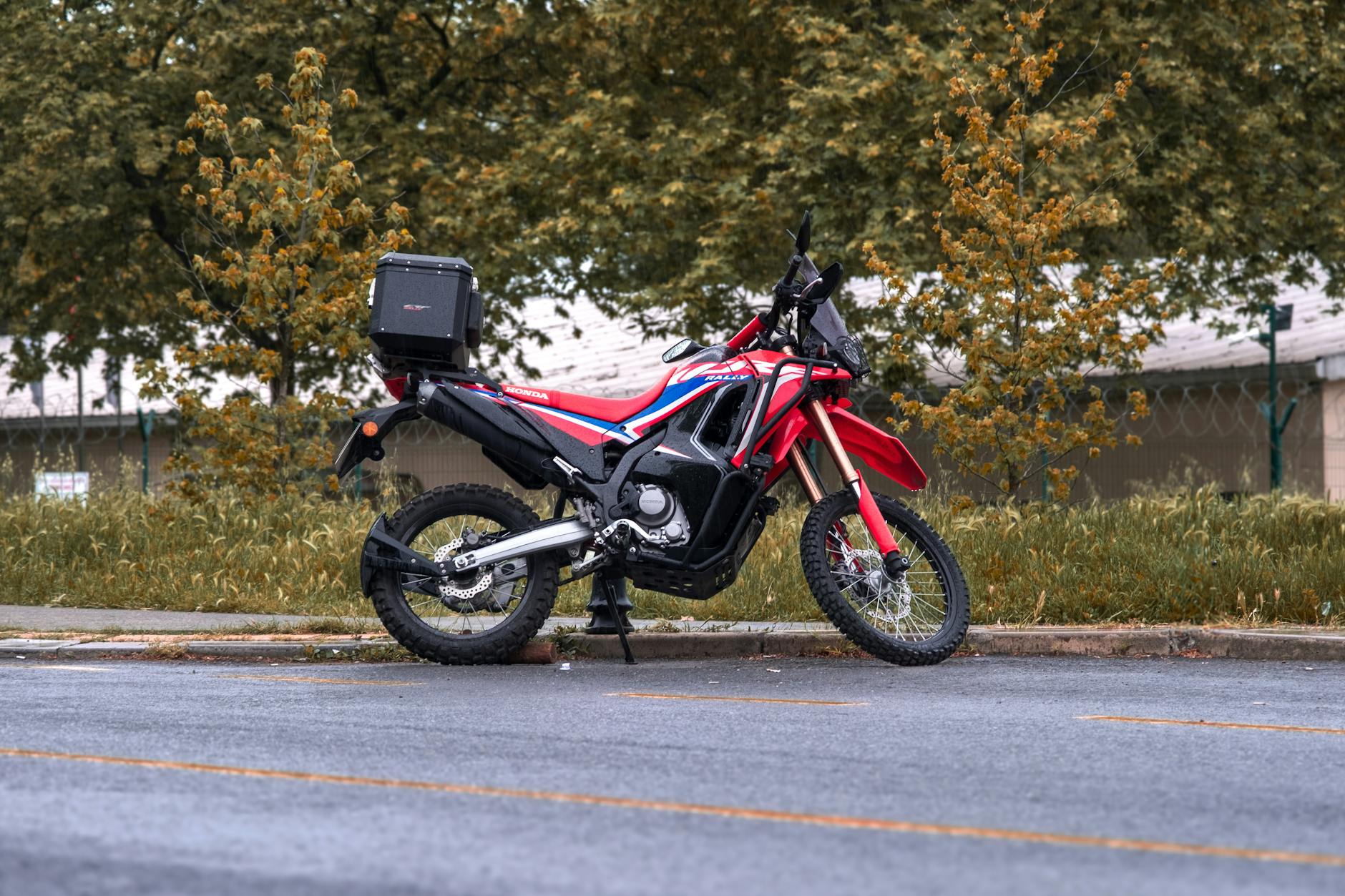
Honda Xr 190l
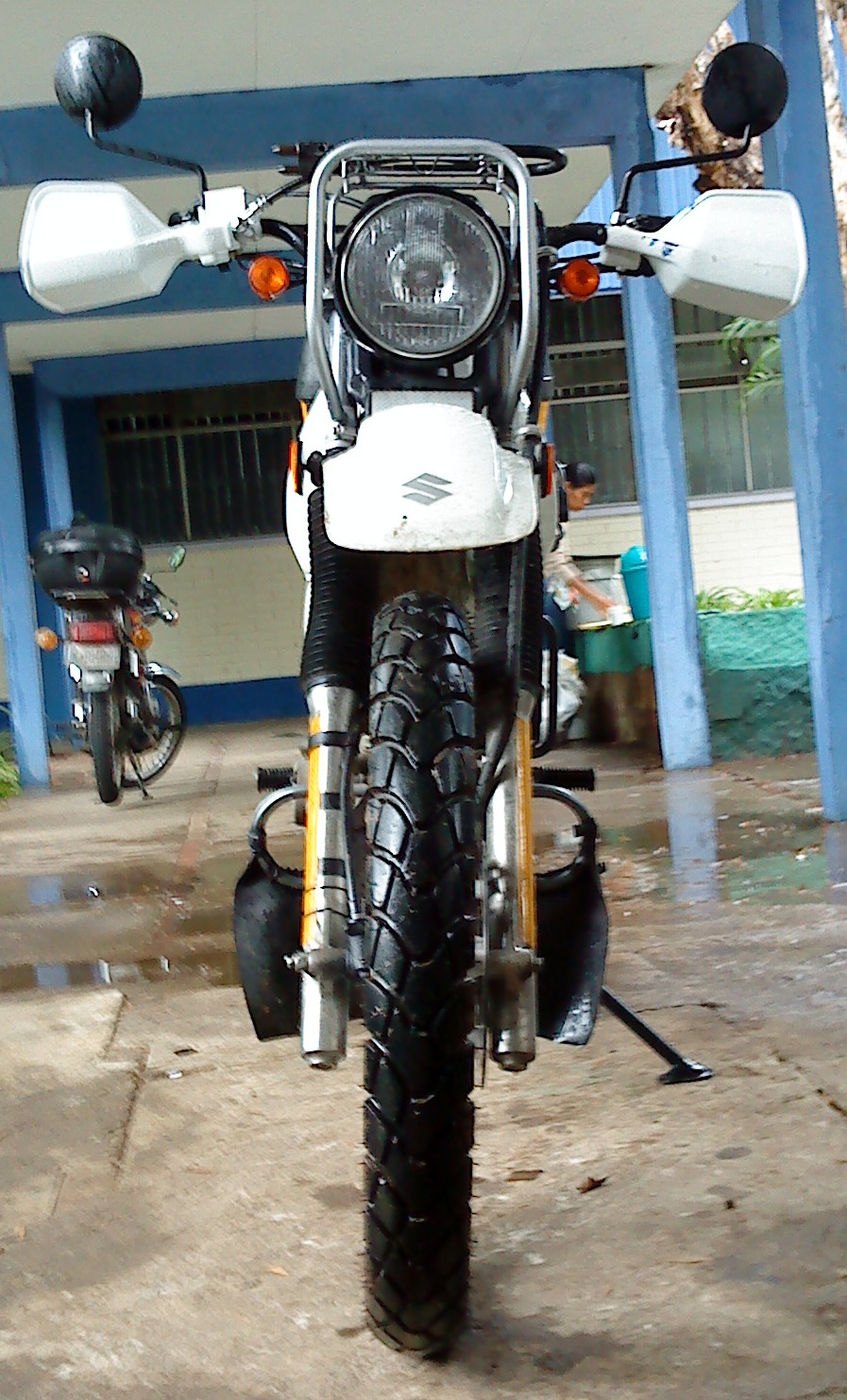
Suzuki Djebel 200
Compare Yamaha Xt250 Side-by-Side
compare_arrowsSpecs, power, weight & buyer verdict — head-to-head with the bikes most often cross-shopped.
Yamaha Xt250 vs Kawasaki Klx 300
Specs · Power · Buyer verdict
Yamaha Xt250 vs Yamaha Serow 250
Specs · Power · Buyer verdict
Yamaha Xt250 vs Yamaha Tw200
Specs · Power · Buyer verdict
Yamaha Xt250 vs Honda Xr 190l
Specs · Power · Buyer verdict
Yamaha Xt250 vs Suzuki Djebel 200
Specs · Power · Buyer verdict
More Yamaha Xt250 Guides
More from Yamaha
View all Yamaha models →Community Reviews
Discussion
Frequently Asked Questions
What are common problems with the Yamaha Xt250? +
Carburetor gumming from ethanol fuel sitting: Cold start behavior, idle quality, throttle response smoothness (moderate) | Valve clearance out of spec over time: Ticking noise at idle, compression test results (moderate) | Worn rear sprocket and chain stretch: Chain slack, sprocket tooth hooks or sharpness (minor)
Is the Yamaha Xt250 a good motorcycle? +
The most sensible used dual-sport under $4,000, full stop. Rating: 7.5/10. Best for: Beginners, commuters, and casual trail riders. Avoid if: You want highway speed or serious off-road.
What is the horsepower of the Yamaha Xt250? +
The Yamaha Xt250 produces 15 hp @ 7,500 rpm, with 17 Nm @ 6,000 rpm of torque. Top speed: 120 km/h.
Is the Yamaha Xt250 good for beginners? +
Yes — the Yamaha Xt250 is a reasonable choice for new riders (15 hp is manageable), weighing 122 kg. Beginners, commuters, and casual trail riders
Is the Yamaha Xt250 reliable? +
Owners report 1 critical issue to watch for on the Yamaha Xt250, notably: Stator failure causing charging issues (Battery voltage at idle, lights dimming under load). Buy with a pre-purchase inspection.
Is the Yamaha Xt250 good for daily use? +
Beginners, commuters, and casual trail riders Fuel: 2.8 L/100km or approximately 35.7 km/L.
How fast is the Yamaha Xt250? +
The Yamaha Xt250 reaches a top speed of 120 km/h, producing 15 hp at 122 kg curb weight. Real-world performance depends on rider weight, gearing, and road conditions.
What gear should I buy for a Yamaha Xt250? +
Motoryk has curated a Top 10 gear list specifically for the Yamaha Xt250, covering engine oil, tires, chain, battery, and brake pads — see motoryk.com/bikes/yamaha/xt250/top10. Each pick is matched to this bike's spec.