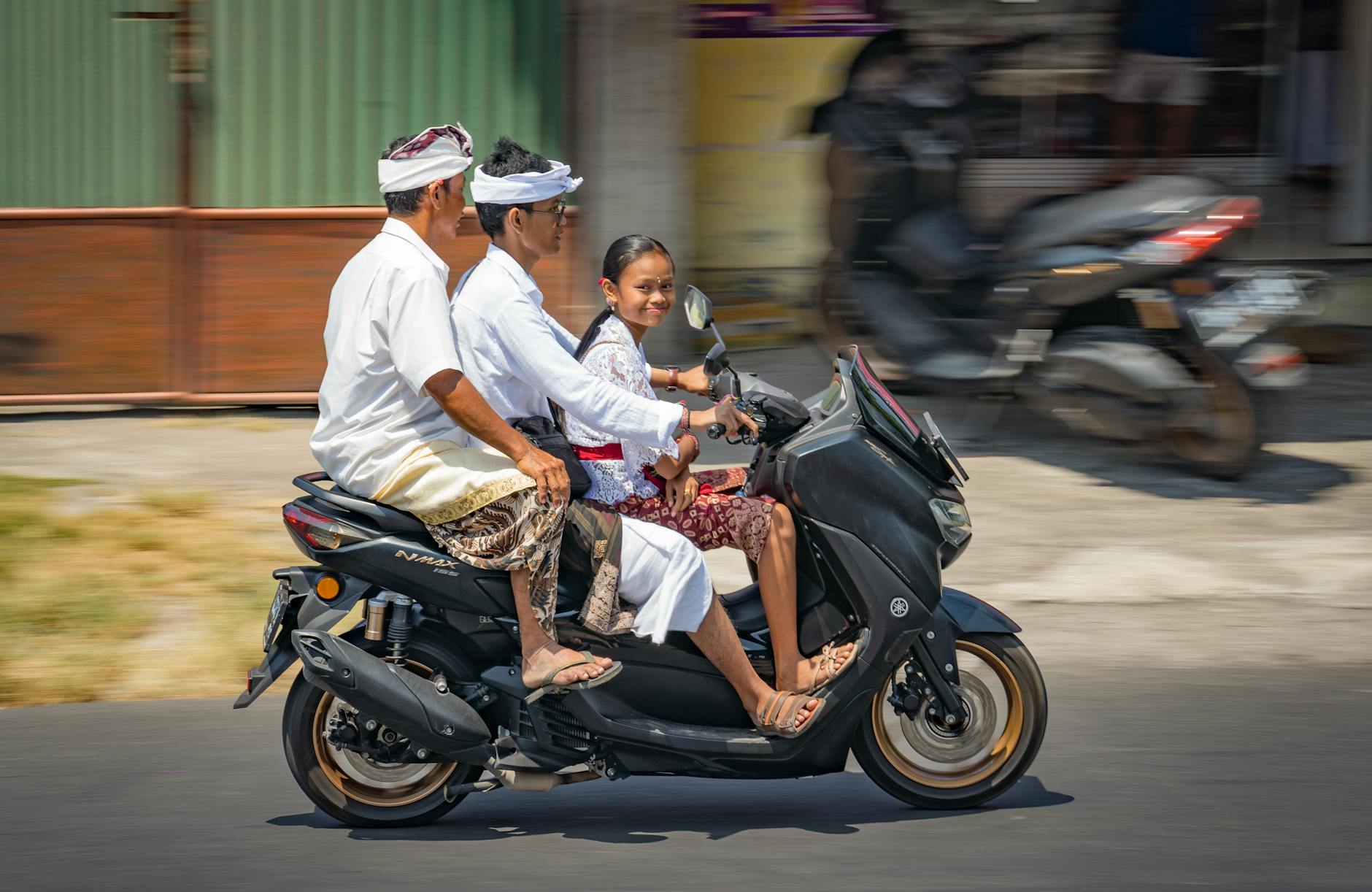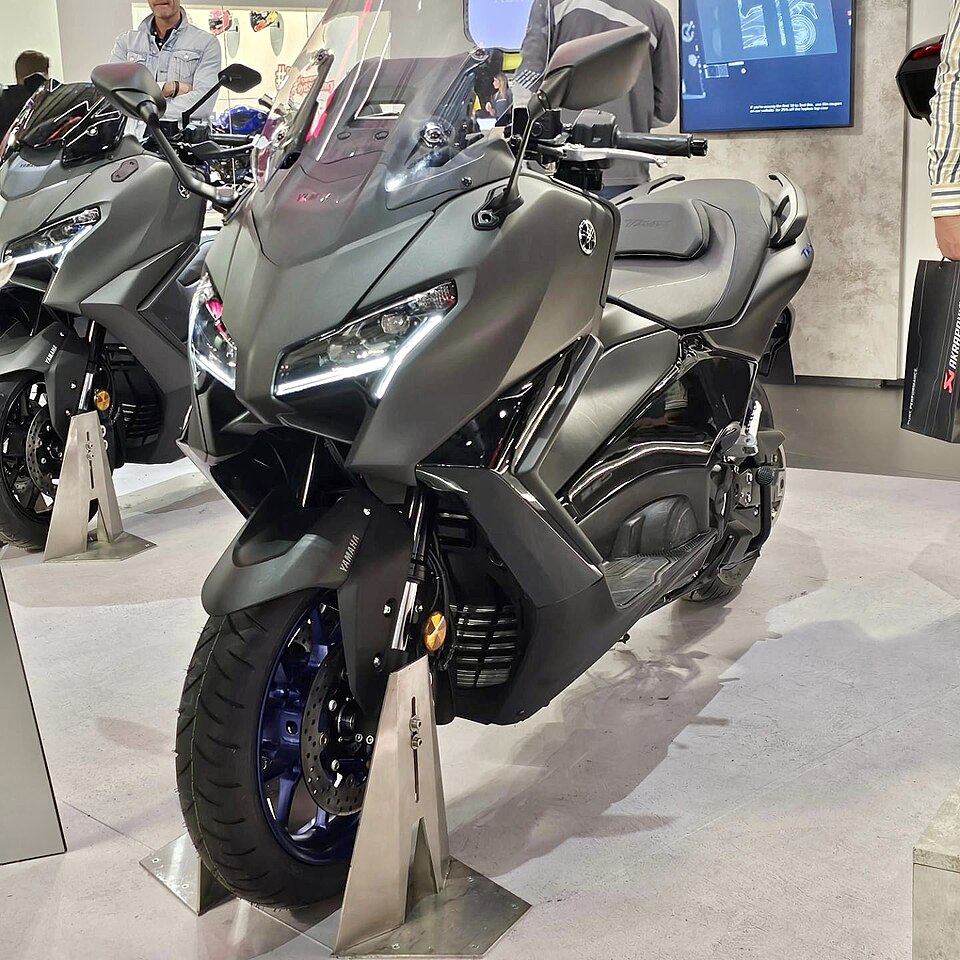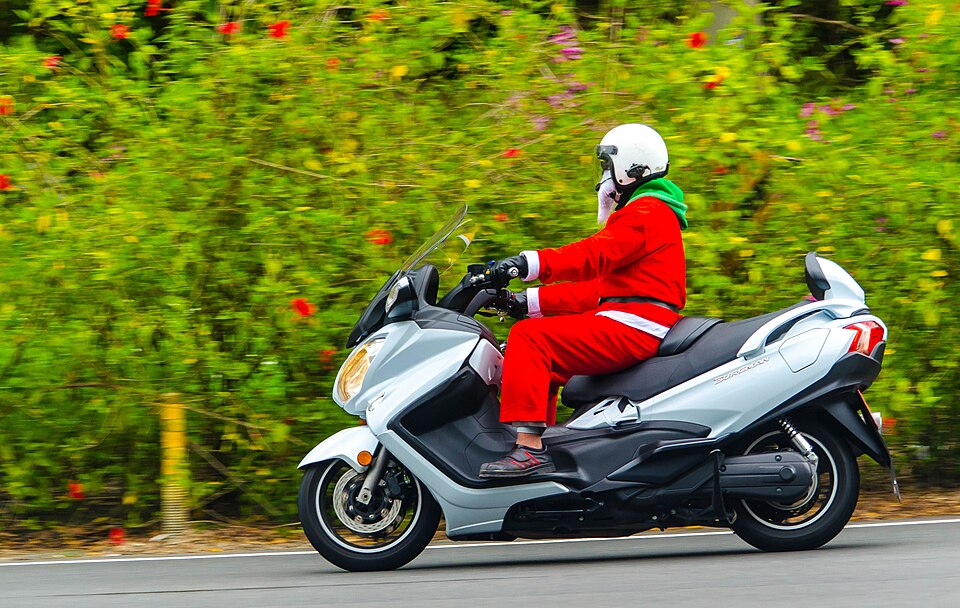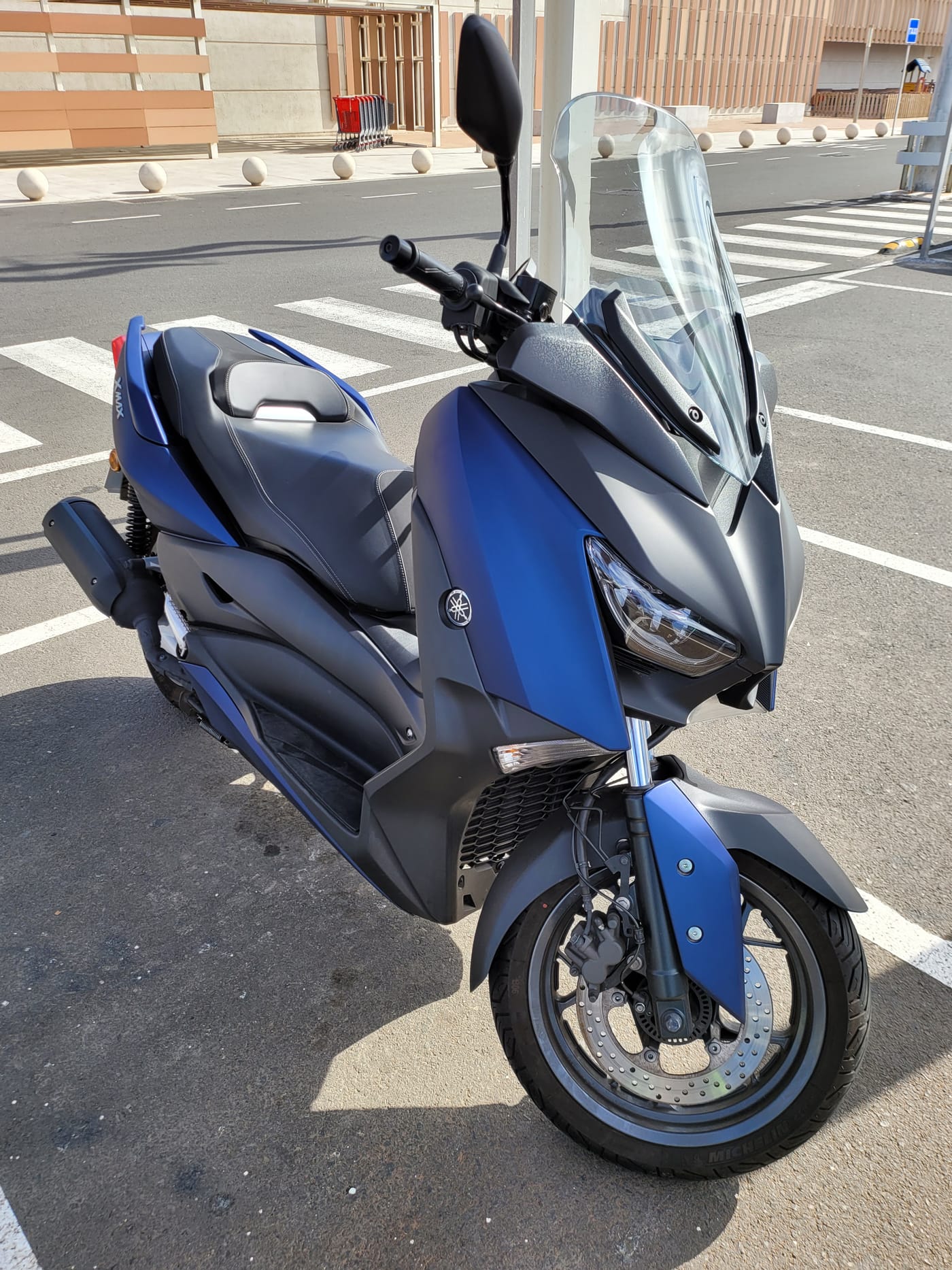
Yamaha Xmax 400
The Yamaha Xmax 400 has a top speed of 155 km/h, produces 32 hp and weighs 213 kg. Motoryk rates it 7.5/10.
The Yamaha XMAX 400 was introduced in 2013 as a mid-size maxi-scooter aimed at riders seeking a more powerful alternative to the popular XMAX 300, bridging the gap between commuter scooters and larger touring machines. It was produced primarily for the European and Asian markets, offering a single-cylinder 395cc engine with a sporty yet practical character. The model was discontinued around 2017, replaced in focus by the updated XMAX 300 and the larger TMAX 530, but it remained notable for its blend of everyday usability and highway capability.
32 hp
Power
38 Nm
Torque
213 kg
Weight
155 km/h
Top Speed
4.2 L/100km (approx. 23.8 km/L typical real-world average)
Fuel
Faired
Body
🔧 Service Schedule & Parts
Affiliate · we may earn| Service item | Every | Typical cost | Parts |
|---|---|---|---|
| 🛢️ Engine oil + oil filter | 6,000 km / 3,500 mi or 12 mo | $40-80 | 🛢️ Buy → ⚙️ Buy → |
| 🌬️ Air filter | 12,000 km / 7,500 mi | — | 🌬️ Buy → |
| ⚡ Spark plugs | 12,000 km / 7,500 mi | — | ⚡ Buy → |
| 🔧 Valve clearance check | 24,000 km / 15,000 mi | $200-400 | |
| 🛑 Brake pads | 15000-30000 km | $30-60 | 🛑 Buy → |
| 💧 Brake fluid | 24,000 km / 15,000 mi or 2 yr | — | |
| 🧊 Coolant | 24,000 km / 15,000 mi | — | |
| 🛞 Tires | 15000-25000 km | $200-450 | 🛞 Buy → |
| 🔩 Major service | 24,000 km / 15,000 mi | $350-650 |
Video Review
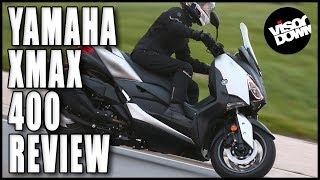
What Buyers Should Know
Rock-Solid Engine Reliability
The XMAX 400 uses a proven 395cc Blue Core single-cylinder engine known for low maintenance needs and longevity well past 50,000 km with regular oil changes. It's considered one of the most dependable maxi-scooter powerplants in its class.
Watch the Final Drive
The belt drive system requires inspection every 8,000–10,000 km, as neglected belts can snap unexpectedly and leave you stranded. Always ask a used seller for belt replacement history before buying.
Strong Resale Value
The XMAX 400 holds its value exceptionally well compared to competitors, largely due to Yamaha's reputation and limited used supply. A well-maintained example typically retains 70–80% of its value after three years.
Generations & Specs by Year
Introduced as 395cc liquid-cooled single-cylinder maxi-scooter, based on XJ6 engine, sporty bodywork.
Redesigned bodywork, updated chassis, improved suspension, smarter storage, refined ergonomics, updated instrumentation.
Used Buyer Review
"A sensible, hardworking scooter that rewards practical riders over thrill-seekers."
$4,500-$7,000 usedThe XMAX 400 sits in that sweet spot between commuter scooter and proper motorcycle, and used examples are genuinely good value right now. The 395cc single pulls strongly enough for highway riding without feeling stressed, and that underseat storage swallows a full-face helmet with room to spare. Build quality is typically Yamaha — solid, unfussy, built to last. Check the rear suspension linkage on older examples, they get notchy and owners ignore it. Also inspect the brake calipers for corrosion if it's been sitting; these live outside and catch the weather. Used market pricing is reasonable, but don't overpay thinking you're getting a bargain on low mileage — these motors are virtually bulletproof and high-mileage units are usually fine. Tyre wear is the real consumables cost here, rear goes fast if the previous owner rode it hard. Service history matters less than on a complex twin, but coolant changes get skipped constantly. Check it regardless.
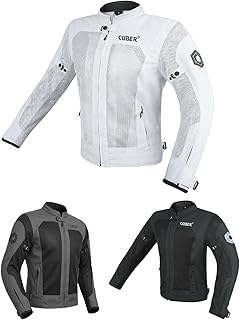
Top 10 Accessories
Curated picks for the Yamaha Xmax 400 — owned, ridden, recommended.




Common Problems
Cold start behavior, idle stability, any hesitation on throttle
Listen for slapping noise, inspect belt condition visually
Oil residue on lower fork legs, soft front suspension feel
Hesitation 0-30mph, check service history for CVT maintenance
✅Pre-Purchase Checklist
Generally solid, maintenance-dependent, budget for CVT service
Full Specifications
Rivals & Alternatives
Bikes that buyers cross-shop with the Yamaha Xmax 400
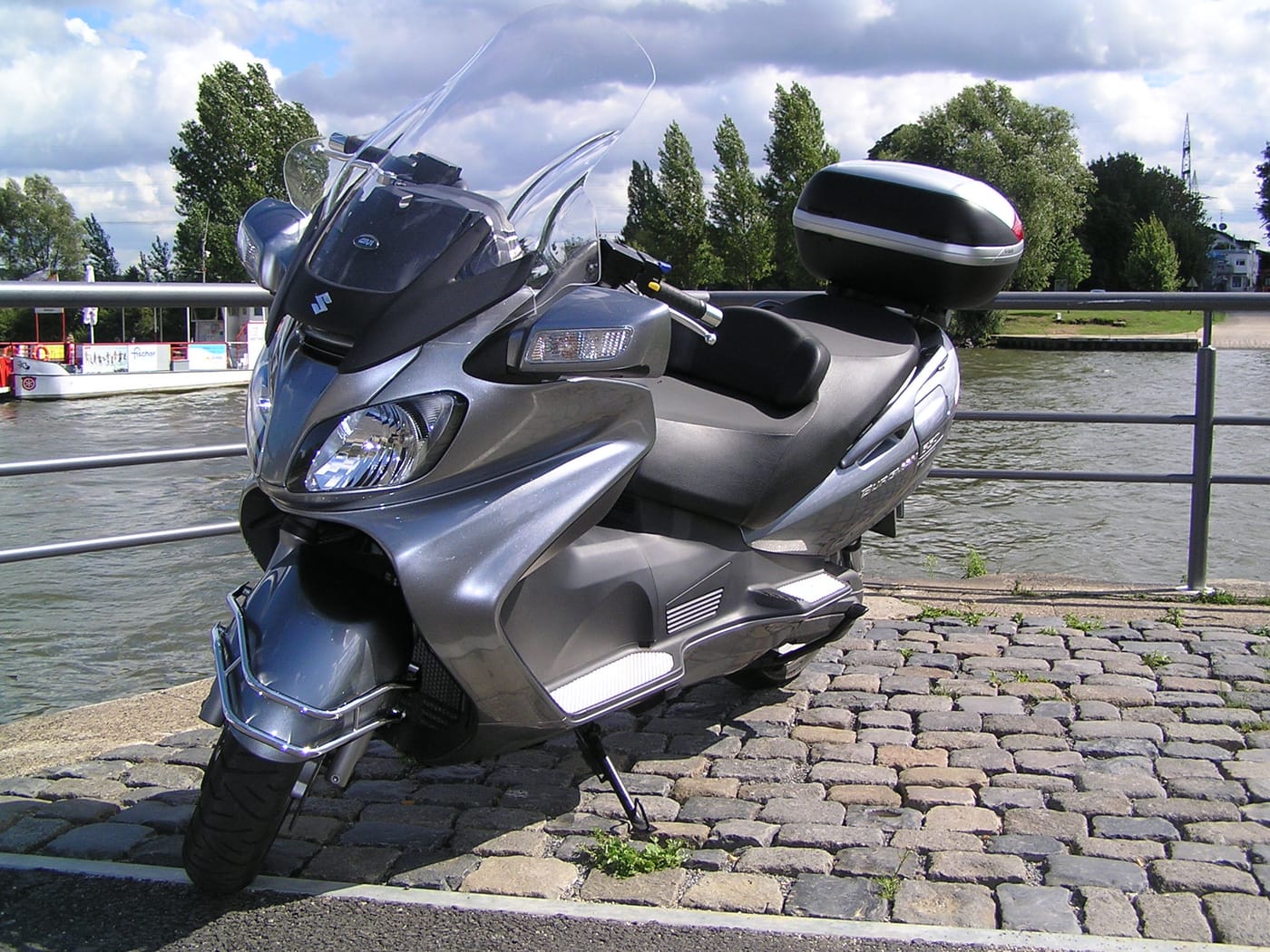
Suzuki Burgman 400
Kymco Xciting S 400
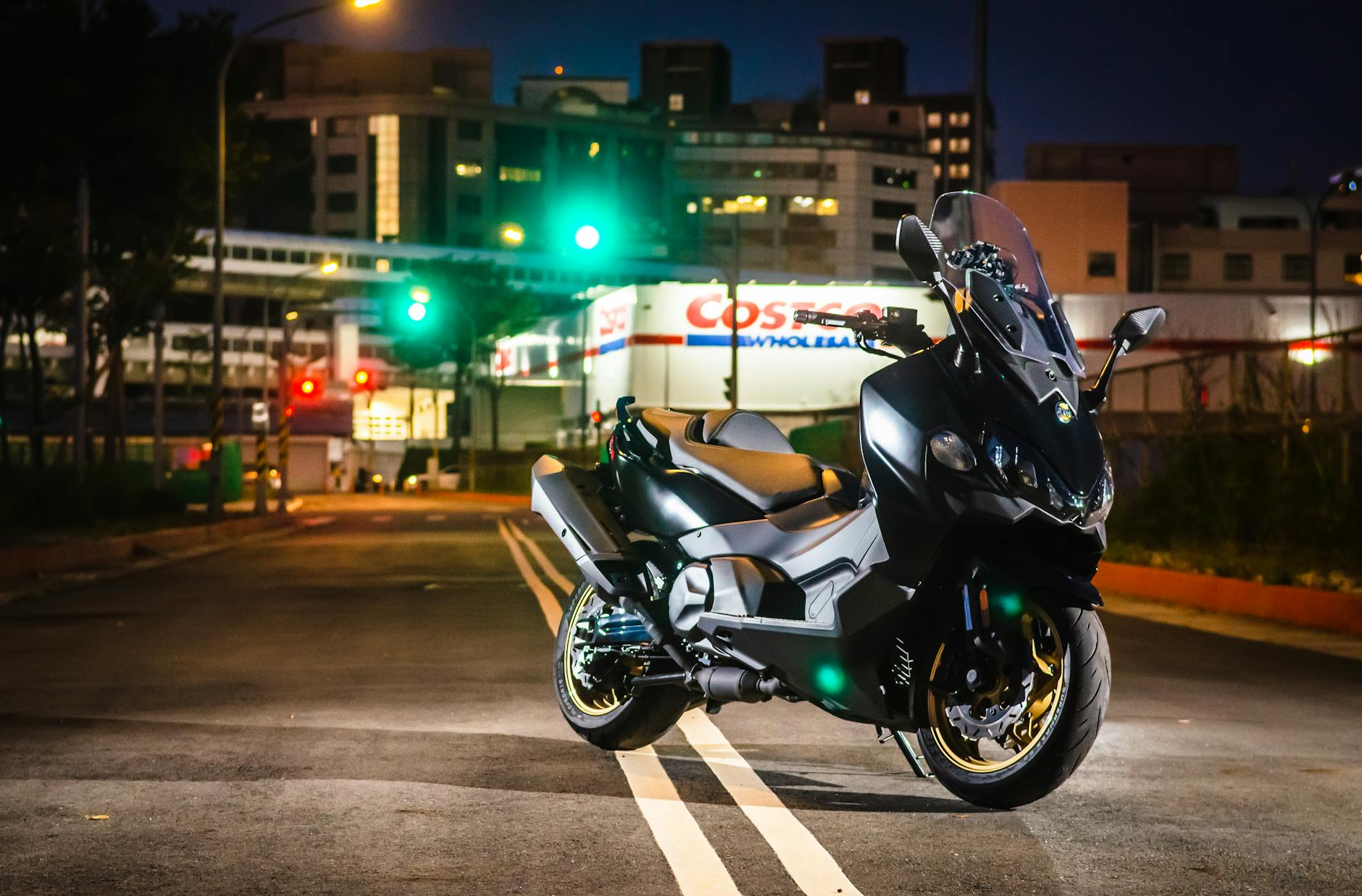
Kymco Downtown 350
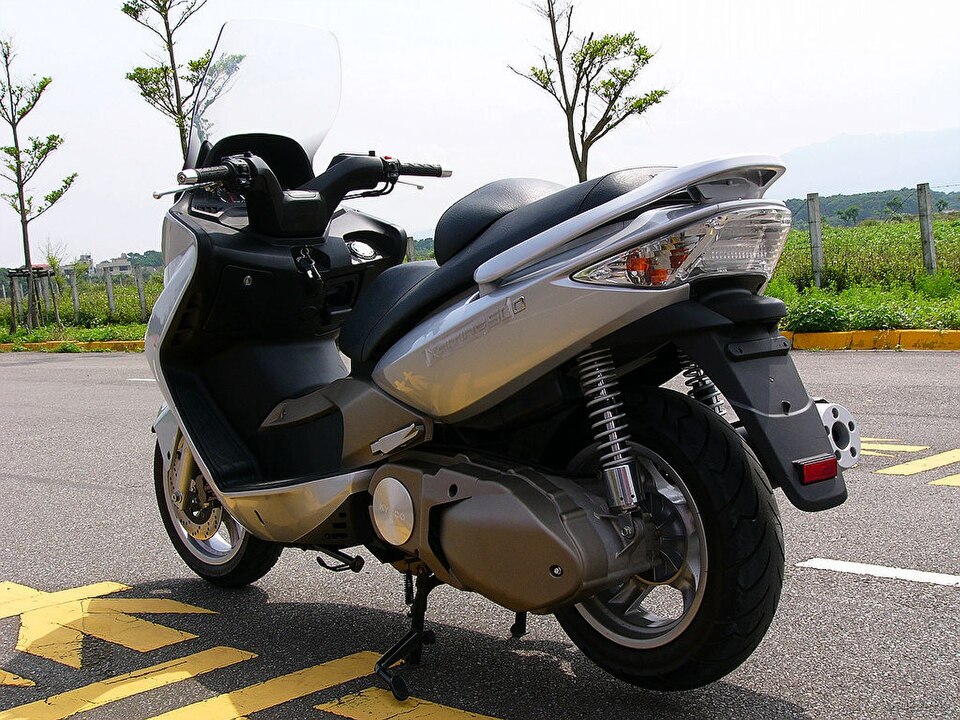
Kymco Xciting 400
Kymco Xciting 500
Compare Yamaha Xmax 400 Side-by-Side
compare_arrowsSpecs, power, weight & buyer verdict — head-to-head with the bikes most often cross-shopped.
Yamaha Xmax 400 vs Suzuki Burgman 400
Specs · Power · Buyer verdict
Yamaha Xmax 400 vs Kymco Xciting S 400
Specs · Power · Buyer verdict
Yamaha Xmax 400 vs Kymco Downtown 350
Specs · Power · Buyer verdict
Yamaha Xmax 400 vs Kymco Xciting 400
Specs · Power · Buyer verdict
Yamaha Xmax 400 vs Kymco Xciting 500
Specs · Power · Buyer verdict
More Yamaha Xmax 400 Guides
More from Yamaha
View all Yamaha models →Community Reviews
Discussion
Frequently Asked Questions
What are common problems with the Yamaha Xmax 400? +
Throttle body issues causing rough idle: Cold start behavior, idle stability, any hesitation on throttle (moderate) | Final drive belt wear and tensioner noise: Listen for slapping noise, inspect belt condition visually (moderate) | Front fork seal leaks: Oil residue on lower fork legs, soft front suspension feel (moderate)
Is the Yamaha Xmax 400 a good motorcycle? +
A sensible, hardworking scooter that rewards practical riders over thrill-seekers. Rating: 7.5/10. Best for: Urban commuters wanting occasional weekend touring capability. Avoid if: You crave sporty handling or serious performance.
What is the horsepower of the Yamaha Xmax 400? +
The Yamaha Xmax 400 produces 32 hp @ 7,000 rpm, with 38 Nm @ 5,500 rpm of torque. Top speed: 155 km/h.
Is the Yamaha Xmax 400 good for beginners? +
Yes — the Yamaha Xmax 400 is a reasonable choice for new riders (32 hp is manageable), weighing 213 kg. Urban commuters wanting occasional weekend touring capability
Is the Yamaha Xmax 400 reliable? +
The Yamaha Xmax 400 has no widely-reported critical reliability issues. 4 minor issues are documented — see the Common Problems section above.
Is the Yamaha Xmax 400 good for daily use? +
Urban commuters wanting occasional weekend touring capability Fuel: 4.2 L/100km (approx. 23.8 km/L typical real-world average).
How fast is the Yamaha Xmax 400? +
The Yamaha Xmax 400 reaches a top speed of 155 km/h, producing 32 hp at 213 kg curb weight. Real-world performance depends on rider weight, gearing, and road conditions.
What gear should I buy for a Yamaha Xmax 400? +
Motoryk has curated a Top 10 gear list specifically for the Yamaha Xmax 400, covering engine oil, tires, chain, battery, and brake pads — see motoryk.com/bikes/yamaha/xmax-400/top10. Each pick is matched to this bike's spec.