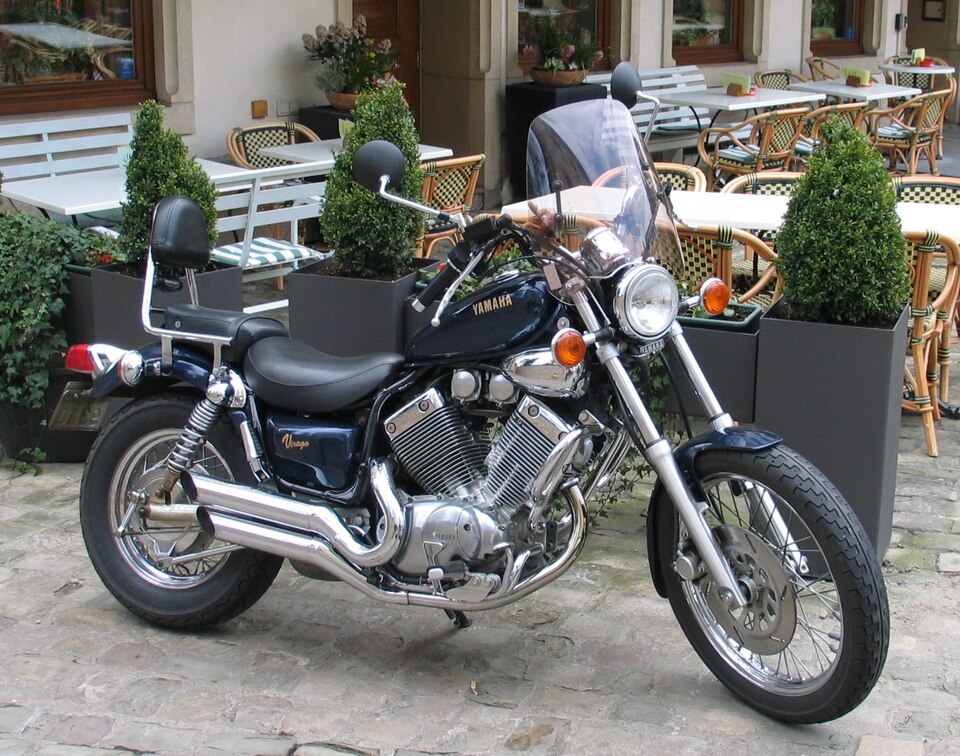
Yamaha Virago 750
The Yamaha Virago 750 has a top speed of 175 km/h (estimated — note: varies by year and configuration), produces 50 hp and weighs 218 kg. Motoryk rates it 7.5/10.
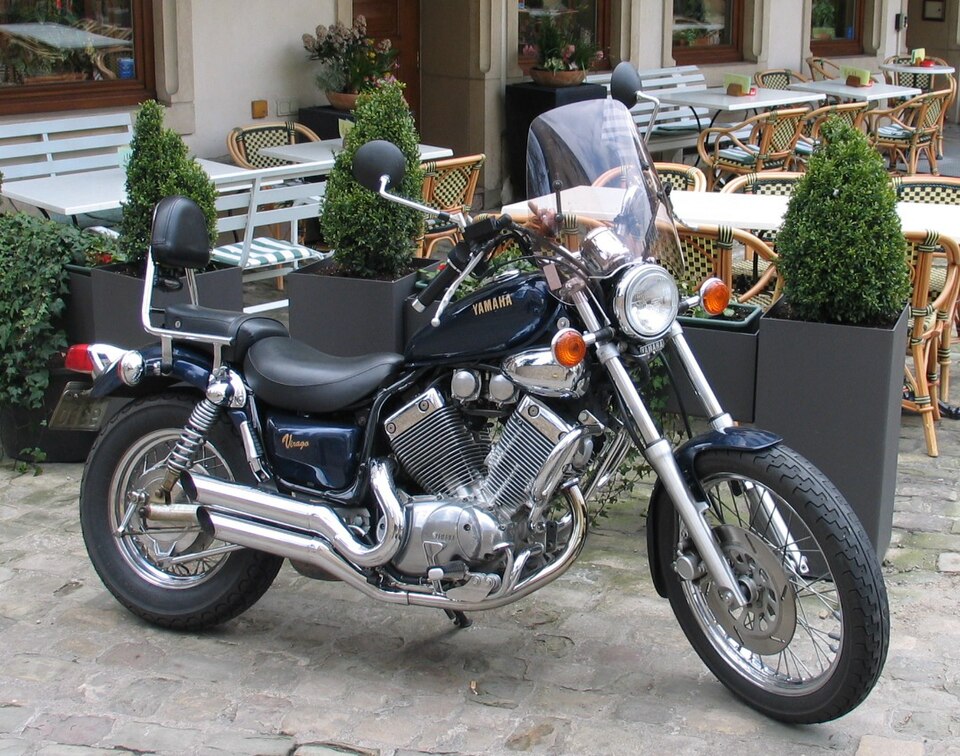
The Yamaha Virago 750 (XV750) was introduced in 1981 as part of Yamaha's groundbreaking Virago V-twin cruiser lineup, which was among the first Japanese motorcycles to directly challenge Harley-Davidson's dominance in the cruiser market. It featured a unique shaft drive, unit-construction V-twin engine, and monoshock rear suspension, setting it apart from traditional cruiser designs. The XV750 was produced through 1983 and remains notable for helping establish the Japanese cruiser segment that would grow significantly throughout the 1980s and 1990s.
50 hp
Power
57 Nm
Torque
218 kg
Weight
175 km/h (estimated — note: varies by year and configuration)
Top Speed
5.0 L/100km or approximately 20 km/L (typical real-world average)
Fuel
Naked
Body
🔧 Service Schedule & Parts
Affiliate · we may earn| Service item | Every | Typical cost | Parts |
|---|---|---|---|
| 🛢️ Engine oil + oil filter | 6,000 km / 3,500 mi or 12 mo | $40-80 | 🛢️ Buy → ⚙️ Buy → |
| 🌬️ Air filter | 12,000 km / 7,500 mi | — | 🌬️ Buy → |
| ⚡ Spark plugs | 12,000 km / 7,500 mi | — | ⚡ Buy → |
| 🔧 Valve clearance check | 24,000 km / 15,000 mi | $150-300 | |
| 🔗 Chain & sprockets | N/A - shaft drive km (replace) | $N/A - shaft drive | 🔗 Buy → |
| 🛑 Brake pads | 15000-25000 km | $30-60 | 🛑 Buy → |
| 💧 Brake fluid | 24,000 km / 15,000 mi or 2 yr | — | |
| 🛞 Tires | 15000-25000 km | $150-300 | 🛞 Buy → |
| 🔩 Major service | 24,000 km / 15,000 mi | $250-500 |
Video Review
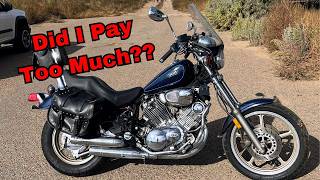
What Buyers Should Know
Rock-Solid Reliability
The XV750 Virago is widely regarded as one of Yamaha's most dependable V-twins, with many examples still running strong after 30+ years. Regular oil changes and basic maintenance are typically all it takes to keep one trouble-free.
Watch the Final Drive
The shaft drive, while low-maintenance, can develop leaks or wear issues if the gear oil has never been changed — always check for oil seepage around the rear drive housing before buying. A neglected final drive is costly to rebuild.
Strong Budget Value
Used Viragos typically sell in the $1,500–$3,500 range, making them one of the best value-per-reliability deals in the cruiser market. Their popularity also means parts are affordable and widely available.
Generations & Specs by Year
Original XV750 introduced; 748cc V-twin, shaft drive, dual rear shocks, classic cruiser styling.
"Japan's first credible cruiser, rough around the edges."
The XV750 genuinely surprised me when I first threw a leg over one — that 748cc V-twin pulls with real authority from about 3,000 rpm, and the shaft drive makes city commuting almost meditative compared to chain bikes I'd owned. Yamaha clearly studied the Harley playbook hard: low seat, forward-biased ergonomics, that burbling exhaust note that actually sounds like something. But the early carb jetting is lean and spiteful in cold weather, the front drum brake is embarrassingly inadequate for the bike's weight, and those dual rear shocks are wallowy nonsense above 130 km/h — the chassis just wasn't built for the speeds the engine is capable of. Still, for 1981, this was genuinely bold engineering, and forty years later a clean one is still more satisfying to ride around town than half the retro bikes being sold new today.
Pros
Cons
Revised XV750 reintroduced; updated frame geometry, single rear shock monocross suspension, restyled bodywork.
"Honest, unfussy cruiser that rarely disappoints daily riders."
The monocross rear suspension was a genuine improvement over the old twin-shock setup — corners feel more planted and the bike tracks predictably through sweepers without the wallowing that plagued earlier Viragos. That 748cc V-twin pulls smoothly from low revs, and there's enough torque below 4,000 rpm to make city riding genuinely relaxed, though it runs out of breath well before the claimed top speed and highway overtakes require planning ahead. The 720mm seat height is a real selling point for shorter riders, and the ergonomics are neutral enough to handle a full day without destroying your back. Where it frustrates is the mediocre front brake feel — single-disc stoppers that demand firm, deliberate squeezing rather than confidence-inspiring feedback — and the restyled bodywork, while cleaner, still looks cautious rather than characterful.
Pros
Cons
Used Buyer Review
"A dependable, unfussy classic that rewards patient buyers who inspect carefully."
$2,000-$4,500 usedThe Virago 750 is one of those bikes that quietly gets everything right without ever demanding attention. Yamaha built these things to last, and a well-maintained example from the late eighties or early nineties will still pull cleanly and idle without drama. The V-twin is punchy enough to keep highway riding enjoyable without pretending to be something it isn't. Shaft drive means zero chain maintenance headaches, which used buyers absolutely should not underestimate. That said, go in with your eyes open. Carbs are the make-or-break item on any used example — neglected bikes that sat with old fuel will need a proper clean or rebuild before they run right. Check the front forks for leaks and wiggle the steering head for any looseness. Parts availability is decent but not brilliant, and some cosmetic trim pieces are genuinely difficult to source. Budget an extra few hundred for a carb service if you can't verify the last time it was done.
Variants of the Yamaha Virago 750
Same bike, different trim or year-range — pick the one matching the listing.
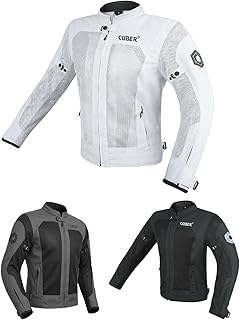
Top 10 Accessories
Curated picks for the Yamaha Virago 750 — owned, ridden, recommended.




Common Problems
🔥 1 CRITICALRough idle, hesitation, black smoke on startup
Bike dies after few minutes, cracked rubber diaphragm
Oil weeping around rear drive housing near wheel
Grinding or spinning noise without engine catching
✅Pre-Purchase Checklist
Solid, simple shaft-drive cruiser, easy to maintain
Full Specifications
Rivals & Alternatives
Bikes that buyers cross-shop with the Yamaha Virago 750
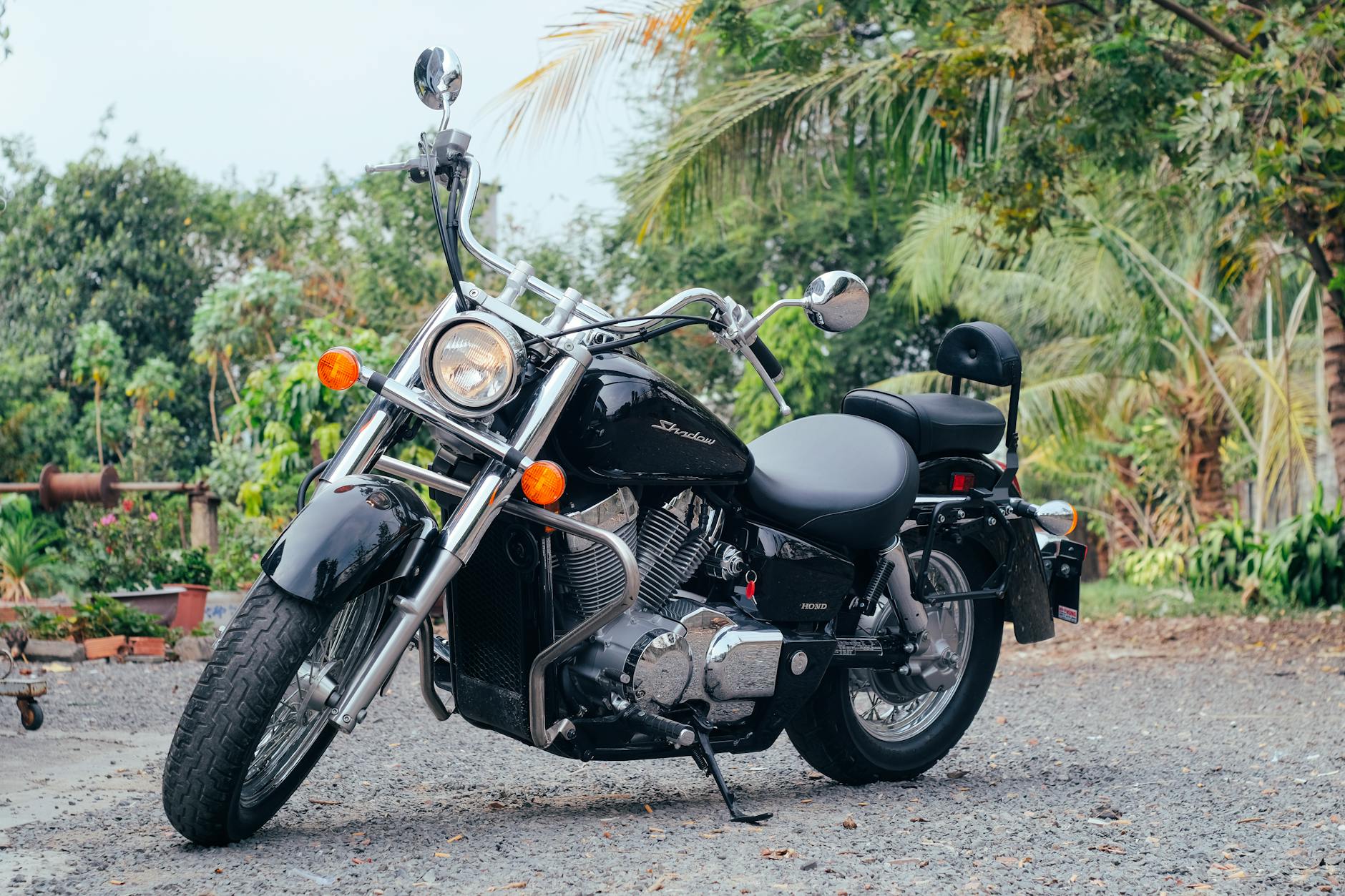
Honda Shadow Aero 750
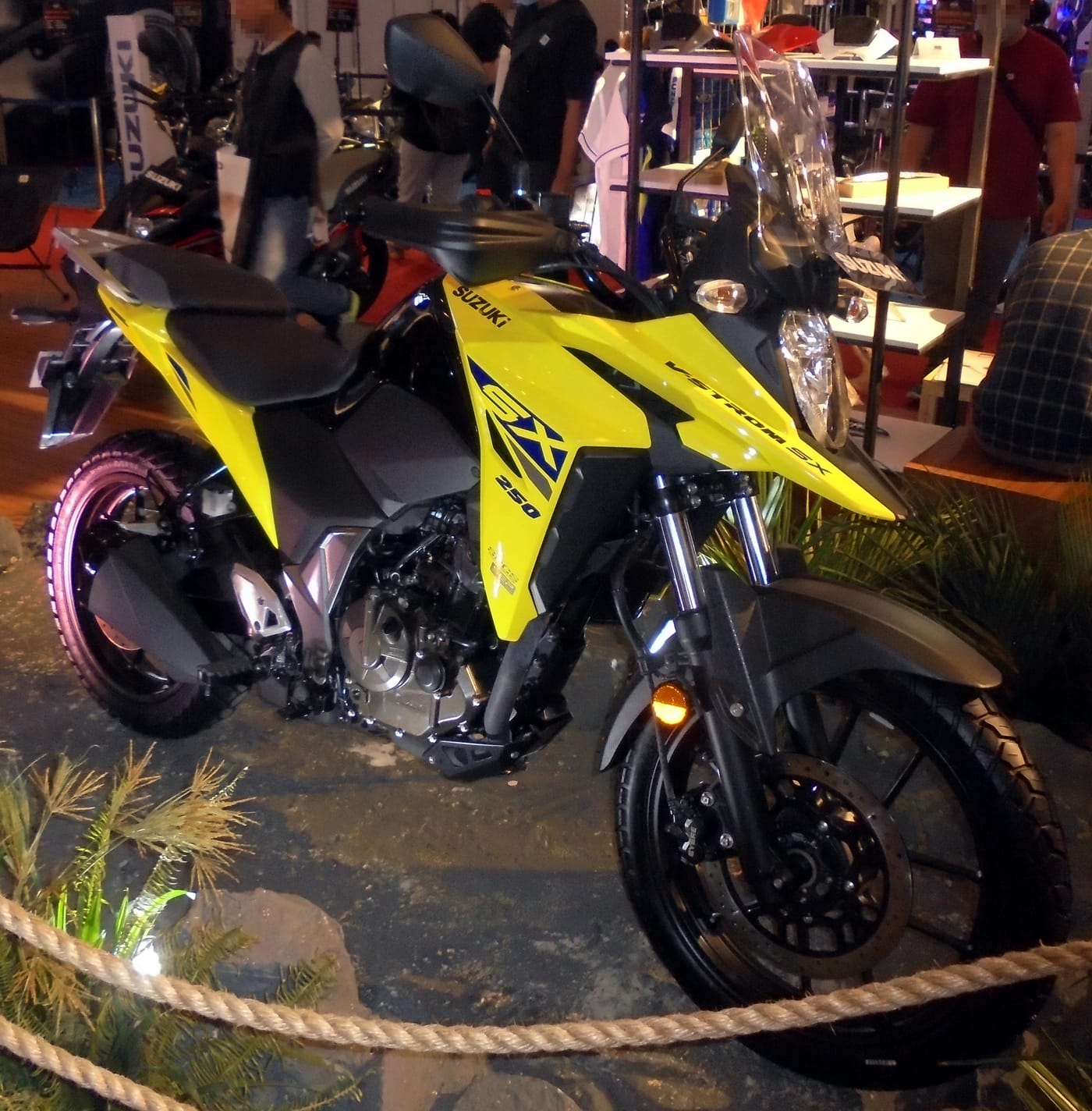
Suzuki Marauder 800
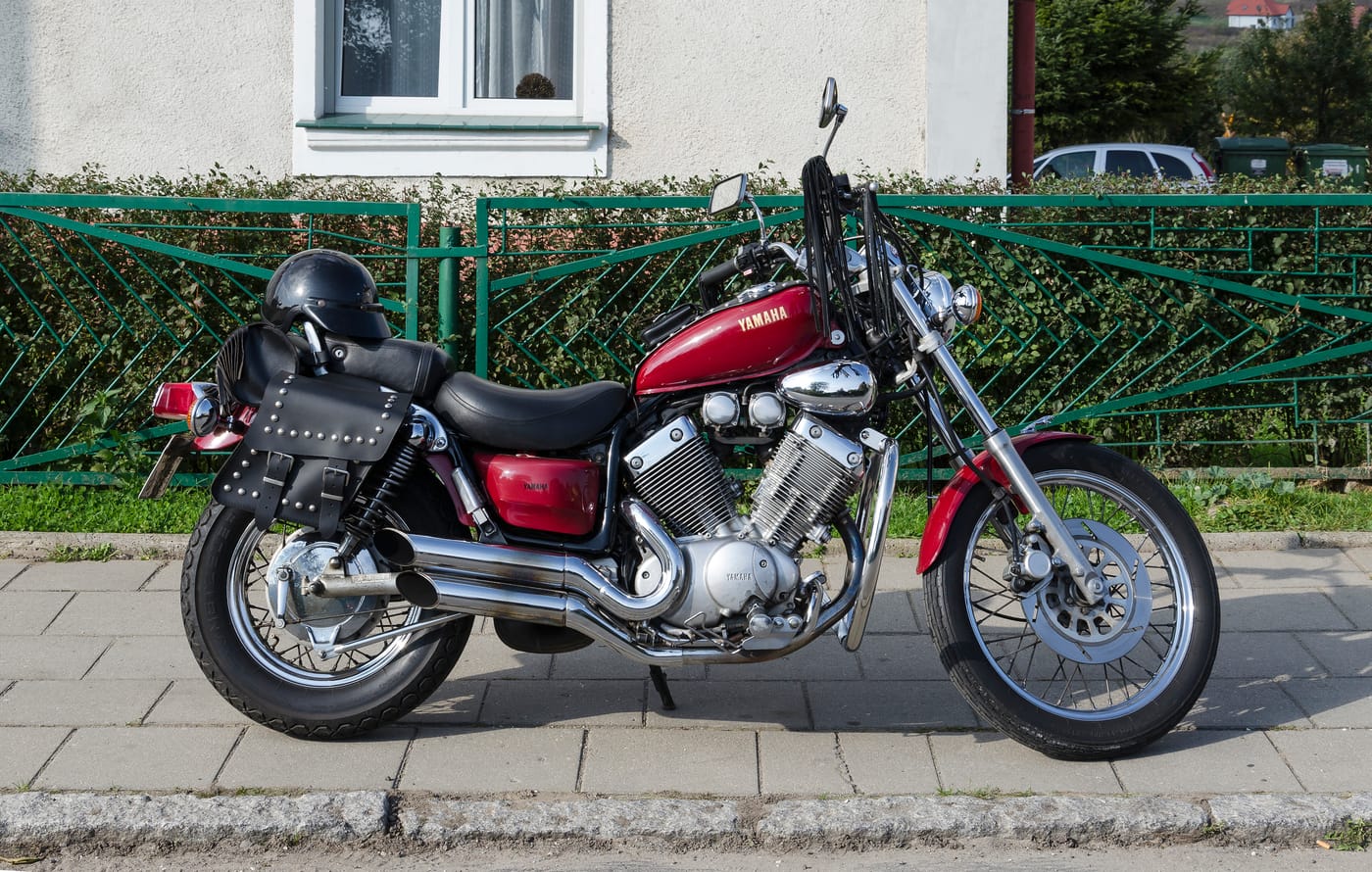
Yamaha V-star 1100
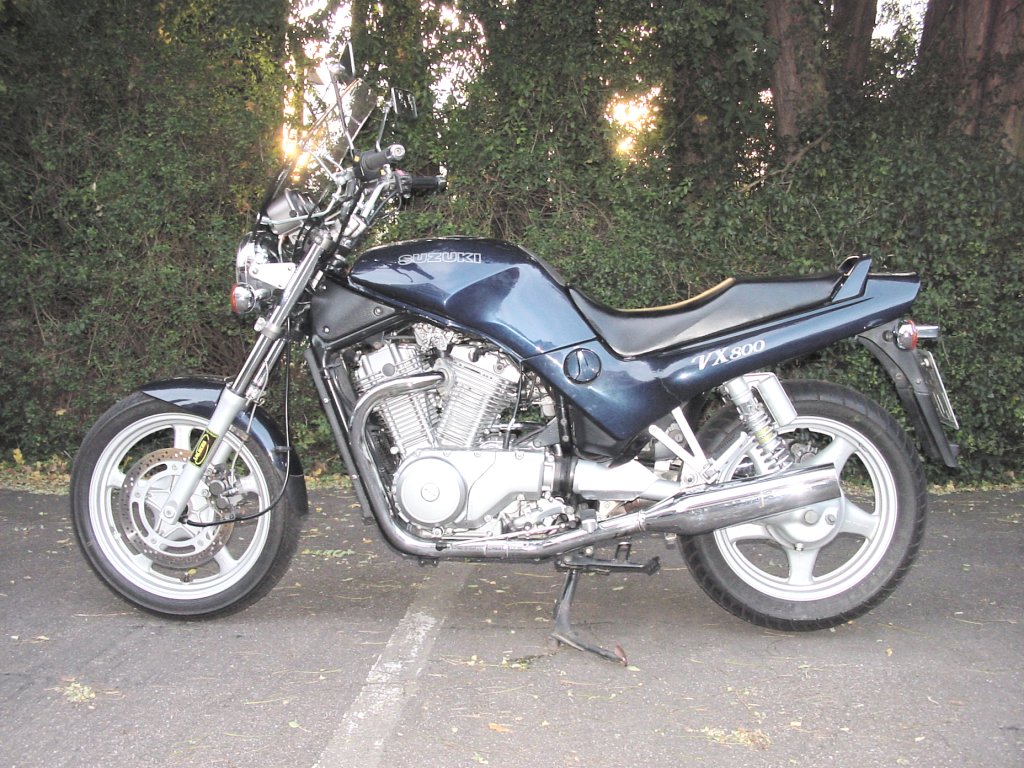
Suzuki Intruder 800
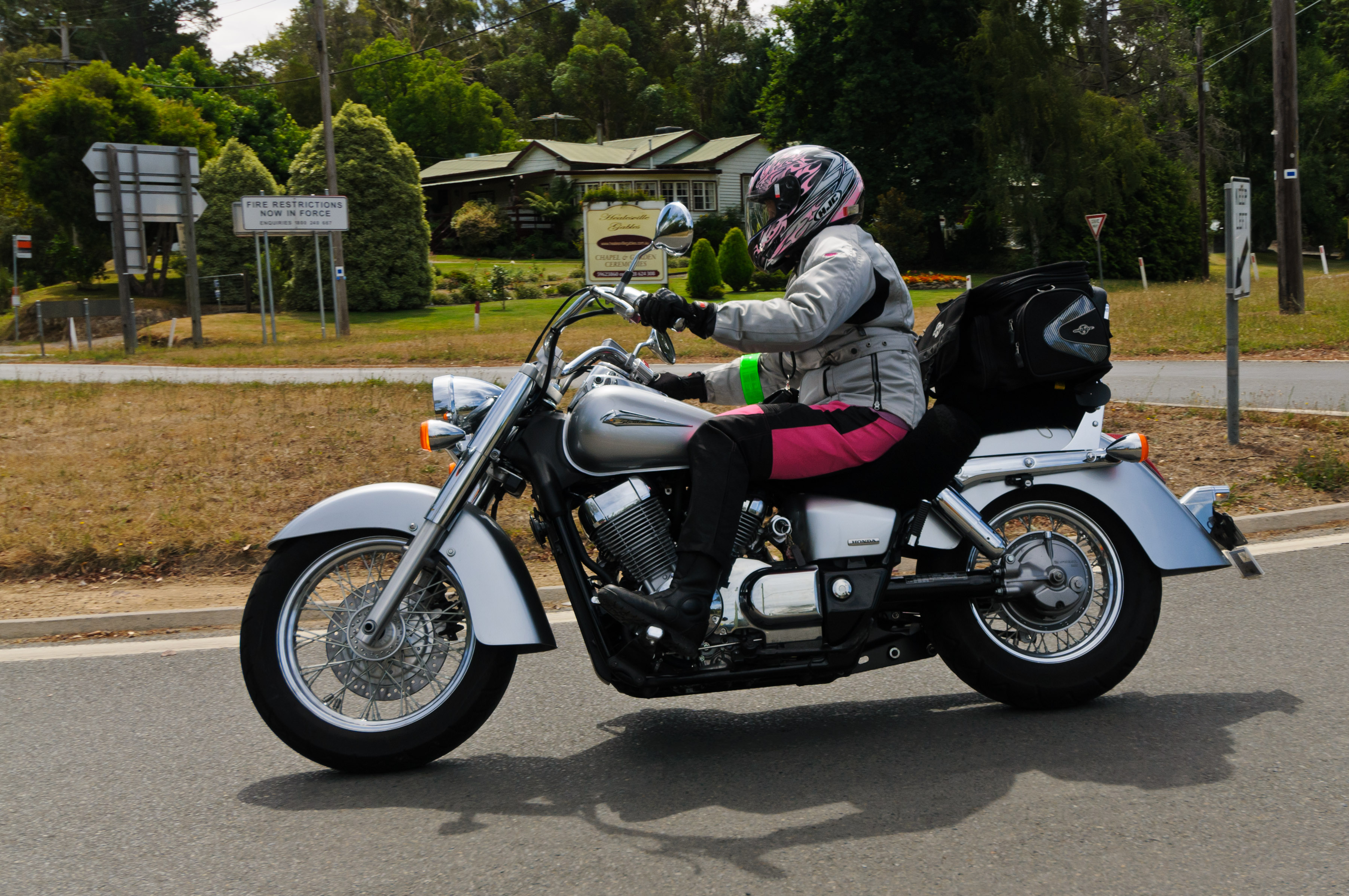
Honda Vt750 Shadow Spirit
Compare Yamaha Virago 750 Side-by-Side
compare_arrowsSpecs, power, weight & buyer verdict — head-to-head with the bikes most often cross-shopped.
Yamaha Virago 750 vs Honda Shadow Aero 750
Specs · Power · Buyer verdict
Yamaha Virago 750 vs Suzuki Marauder 800
Specs · Power · Buyer verdict
Yamaha Virago 750 vs Yamaha V-star 1100
Specs · Power · Buyer verdict
Yamaha Virago 750 vs Suzuki Intruder 800
Specs · Power · Buyer verdict
Yamaha Virago 750 vs Honda Vt750 Shadow Spirit
Specs · Power · Buyer verdict
More Yamaha Virago 750 Guides
More from Yamaha
View all Yamaha models →Community Reviews
Discussion
Frequently Asked Questions
What are common problems with the Yamaha Virago 750? +
Carburetor gumming from ethanol fuel or storage: Rough idle, hesitation, black smoke on startup (moderate) | Petcock vacuum diaphragm failure causing fuel starvation: Bike dies after few minutes, cracked rubber diaphragm (moderate) | Final drive shaft seal leaks on high-mileage bikes: Oil weeping around rear drive housing near wheel (serious)
Is the Yamaha Virago 750 a good motorcycle? +
A dependable, unfussy classic that rewards patient buyers who inspect carefully. Rating: 7.5/10. Best for: New riders wanting reliable, low-maintenance classic cruising. Avoid if: You need sportbike performance or modern fuel injection.
What is the horsepower of the Yamaha Virago 750? +
The Yamaha Virago 750 produces 50 hp @ 7,500 rpm (estimated — note: Yamaha did not always publish official figures), with 57 Nm @ 6,000 rpm (estimated) of torque. Top speed: 175 km/h (estimated — note: varies by year and configuration).
Is the Yamaha Virago 750 good for beginners? +
Yes — the Yamaha Virago 750 is a reasonable choice for new riders (50 hp is manageable), weighing 218 kg. New riders wanting reliable, low-maintenance classic cruising
Is the Yamaha Virago 750 reliable? +
Owners report 1 critical issue to watch for on the Yamaha Virago 750, notably: Final drive shaft seal leaks on high-mileage bikes (Oil weeping around rear drive housing near wheel). Buy with a pre-purchase inspection.
Is the Yamaha Virago 750 good for daily use? +
New riders wanting reliable, low-maintenance classic cruising Fuel: 5.0 L/100km or approximately 20 km/L (typical real-world average).
How fast is the Yamaha Virago 750? +
The Yamaha Virago 750 reaches a top speed of 175 km/h (estimated — note: varies by year and configuration), producing 50 hp at 218 kg curb weight. Real-world performance depends on rider weight, gearing, and road conditions.
What gear should I buy for a Yamaha Virago 750? +
Motoryk has curated a Top 10 gear list specifically for the Yamaha Virago 750, covering engine oil, tires, chain, battery, and brake pads — see motoryk.com/bikes/yamaha/virago-750/top10. Each pick is matched to this bike's spec.