Yamaha Tricker 250
The Yamaha Tricker 250 has a top speed of 120 km/h (estimated), produces 18 hp and weighs 118 kg. Motoryk rates it 7.5/10.
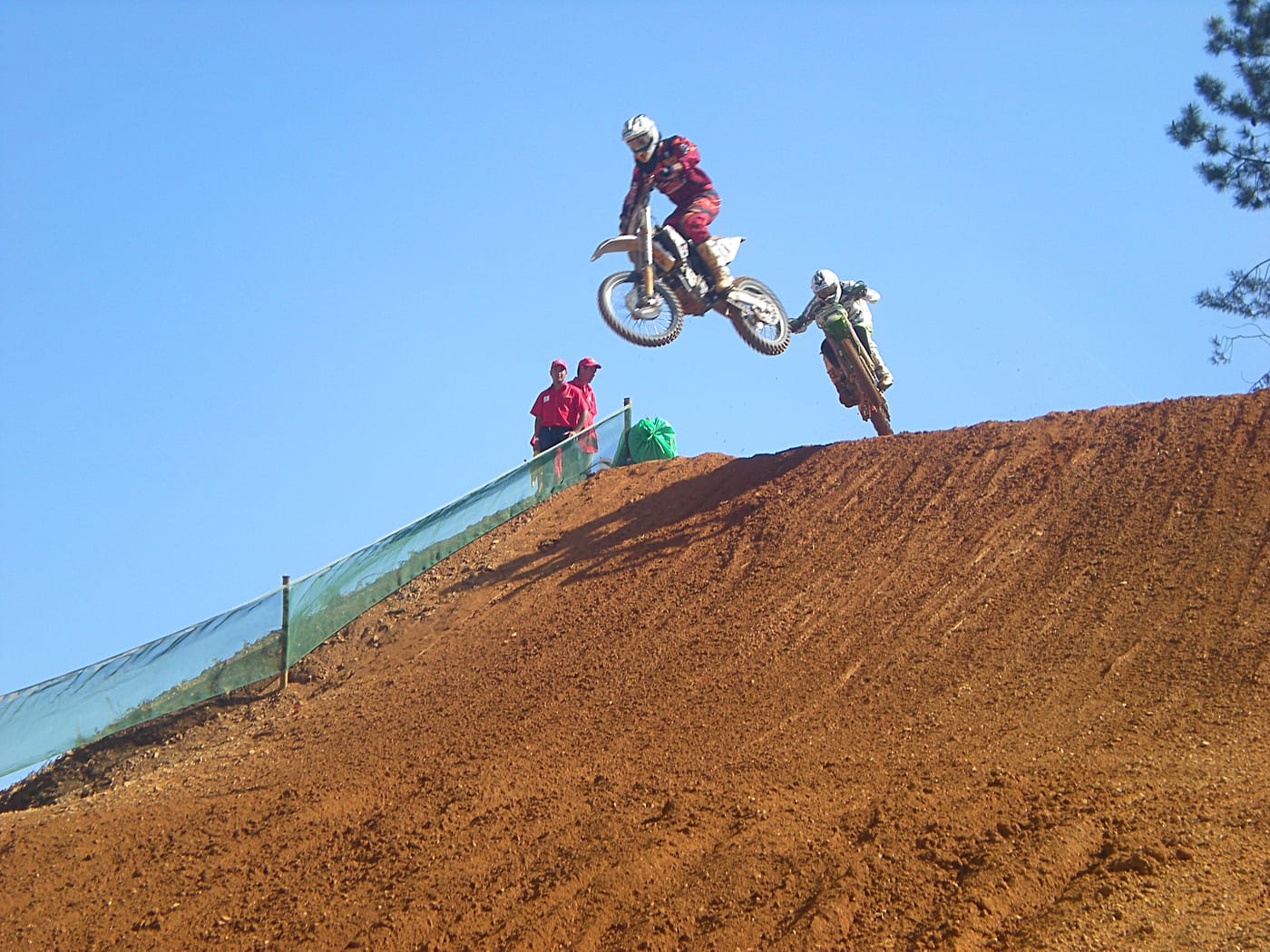
The Yamaha Tricker (XG250) was introduced in 2004 for the Japanese domestic market as a compact, funky-styled dual-sport/trials-inspired motorcycle built around a single-cylinder 249cc engine. It was designed to appeal to urban riders and beginners seeking a lightweight, maneuverable machine with a playful off-road aesthetic, drawing inspiration from trials riding culture. The Tricker developed a cult following in Japan and select Asian markets for its distinctive styling, low seat height, and versatility as a city runabout with light trail capability.
18 hp
Power
19 Nm
Torque
118 kg
Weight
120 km/h (estimated)
Top Speed
3.0 L/100km (approx. 33 km/L typical real-world average)
Fuel
Naked
Body
🔧 Service Schedule & Parts
Affiliate · we may earn| Service item | Every | Typical cost | Parts |
|---|---|---|---|
| 🛢️ Engine oil + oil filter | 3,000 km / 2,000 mi or 6 mo | $30-60 | 🛢️ Buy → ⚙️ Buy → |
| 🌬️ Air filter | 6,000 km / 3,500 mi | — | 🌬️ Buy → |
| ⚡ Spark plugs | 12,000 km / 7,500 mi | — | ⚡ Buy → |
| 🔧 Valve clearance check | 24,000 km / 15,000 mi | $150-300 | |
| 🔗 Chain & sprockets | 20000-35000 km (replace) | $100-200 | 🔗 Buy → |
| 🛑 Brake pads | 15000-25000 km | $25-50 | 🛑 Buy → |
| 💧 Brake fluid | 24,000 km / 15,000 mi or 2 yr | — | |
| 🛞 Tires | 15000-25000 km | $150-300 | 🛞 Buy → |
| 🔩 Major service | 24,000 km / 15,000 mi | $250-500 |
Video Review

What Buyers Should Know
Rock-Solid Engine Reliability
The Tricker 250 uses Yamaha's proven single-cylinder 249cc air-cooled engine, known for exceptional longevity with minimal maintenance. Many owners report 30,000+ km with only basic servicing.
Watch the Carb & Jets
Older models are prone to carburetor clogging if left sitting with stale fuel, causing hard starting and rough idling. Always inspect the carb carefully on used bikes and ask about storage habits.
Strong Resale Value
The Tricker holds its value well in Japan and export markets due to its cult following and versatile supermoto/trials-inspired styling. Low production numbers keep demand consistently higher than supply.
Generations & Specs by Year
Original launch with 249cc air-cooled single-cylinder engine, dual-sport styling, minimal updates throughout run.
"The most fun you'll have going nowhere fast."
I put three years and about 18,000 km on a Gen 1 Tricker, split between Tokyo side streets and fire roads in Nagano, and it genuinely made me smile every single day. That 249cc thumper pulls nothing impressive on paper — 14.7 hp is a joke on the highway — but in the dirt or threading urban traffic it has this punchy, torquey character that bigger bikes can't replicate at low speeds. The 800mm seat height and 118kg weight mean you can throw it around like a toy, and the wide bars give you leverage that feels almost comically easy in tight switchbacks or when hopping curbs. Where it falls apart is anything above 80 km/h sustained — the motor buzzes, range shrinks fast from that tiny tank, and you'll feel every freeway kilometer in your wrists.
Pros
Cons
Updated fuel injection replacing carburetor, revised bodywork, improved emissions compliance for Japanese domestic market.
Used Buyer Review
"A slow, loveable oddball that rewards the right buyer enormously."
$2,500-$4,500 usedThe Tricker is genuinely charming in a way that's hard to explain until you've ridden one. That 249cc air-cooled single punches out a lazy, torquey character that suits the scrambler-ish styling perfectly. It's not fast — seriously, don't kid yourself — but it rewards smooth riding and feels completely at home on fire roads, gravel tracks, and slow urban commuting. The wide bars and upright position make traffic easy work. Used examples tend to be well-maintained since owners genuinely love these bikes, but watch for tired suspension on anything with serious off-road history. Forks go soft, rear linkage bearings seize if neglected. Chain and sprocket wear is worth checking closely given the low gearing. Parts availability is the real headache — this was Japan-domestic-market focused, so sourcing OEM bits takes patience and money. Budget accordingly. At the right price it's an absolute blast for the right person. Just go in clear-eyed about what it is: a slow, loveable novelty with genuine character rather than a serious tool.
Top 10 Accessories
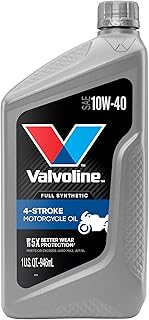
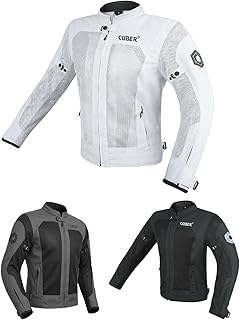
Curated picks for the Yamaha Tricker 250 — owned, ridden, recommended.




Common Problems
🔥 1 CRITICALCold start difficulty, rough idle, hesitation on throttle
Bounce test, oil leaks on shock body
Service history, ticking at idle when warm
Chain slack, hooked sprocket teeth, rust
✅Pre-Purchase Checklist
Reliable if maintained, neglect causes most issues
Full Specifications
Rivals & Alternatives
Bikes that buyers cross-shop with the Yamaha Tricker 250
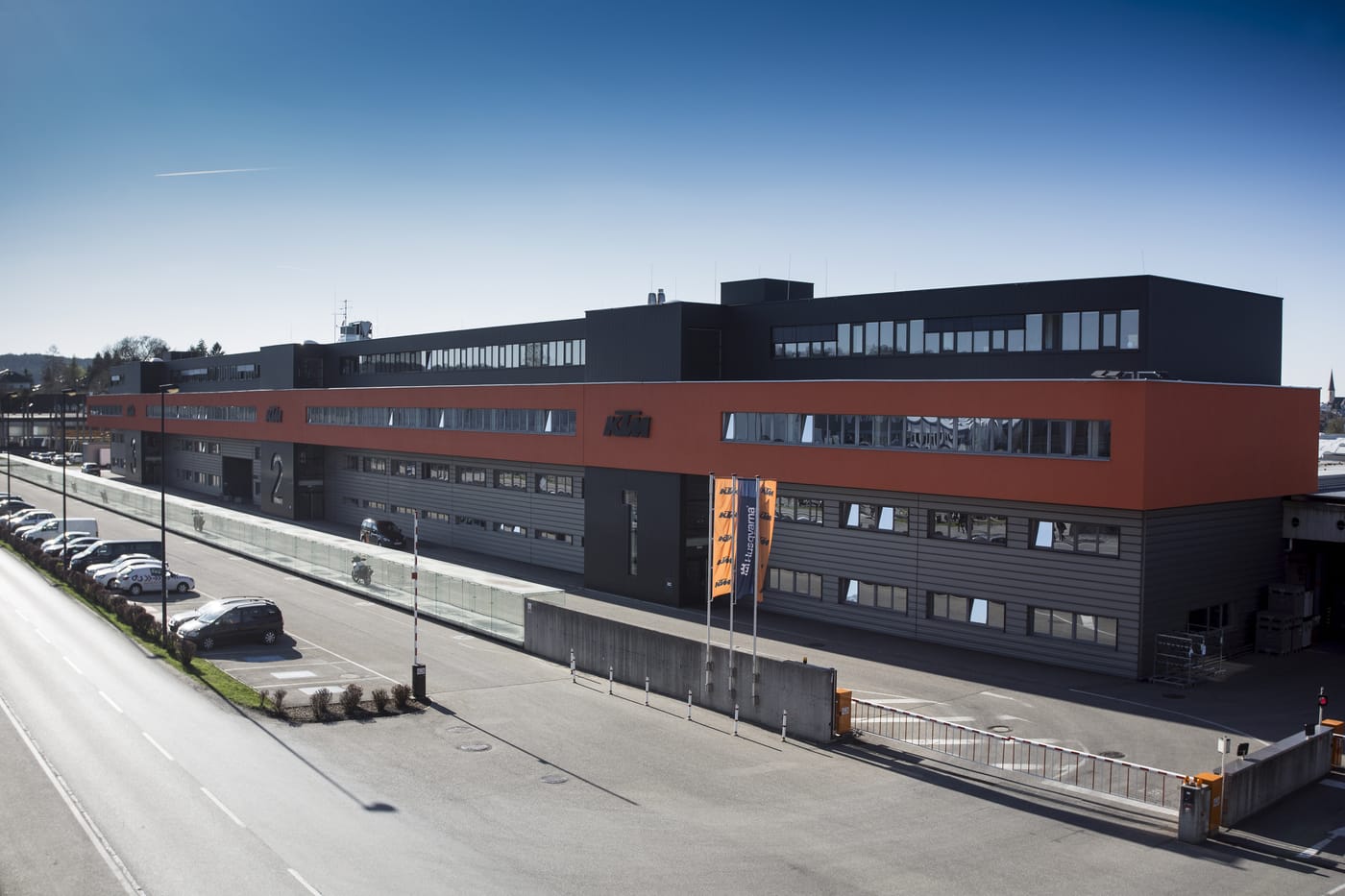
Ktm Freeride 250

Royal Enfield Bullet Trials 500
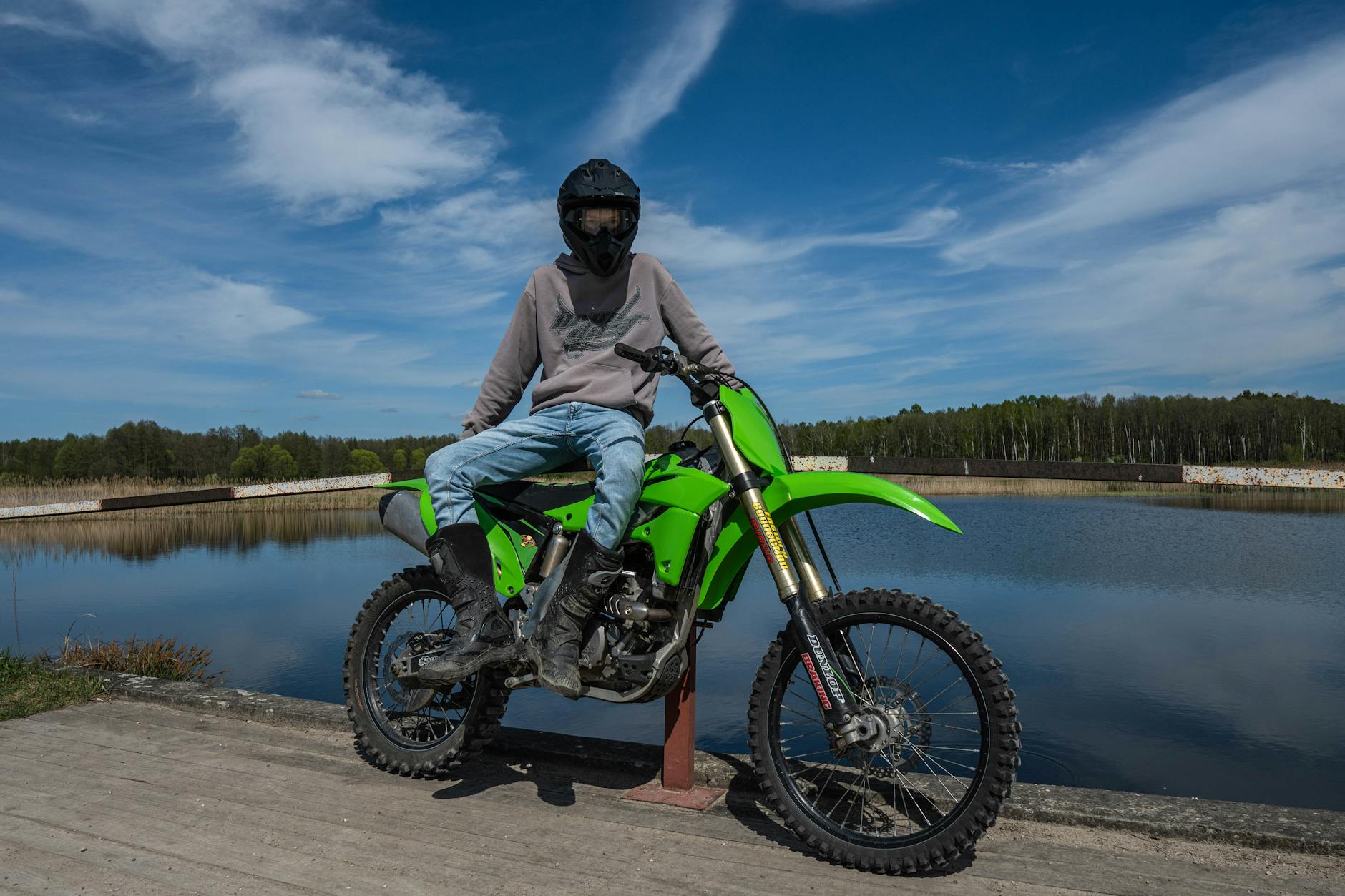
Zongshen Tornado 250
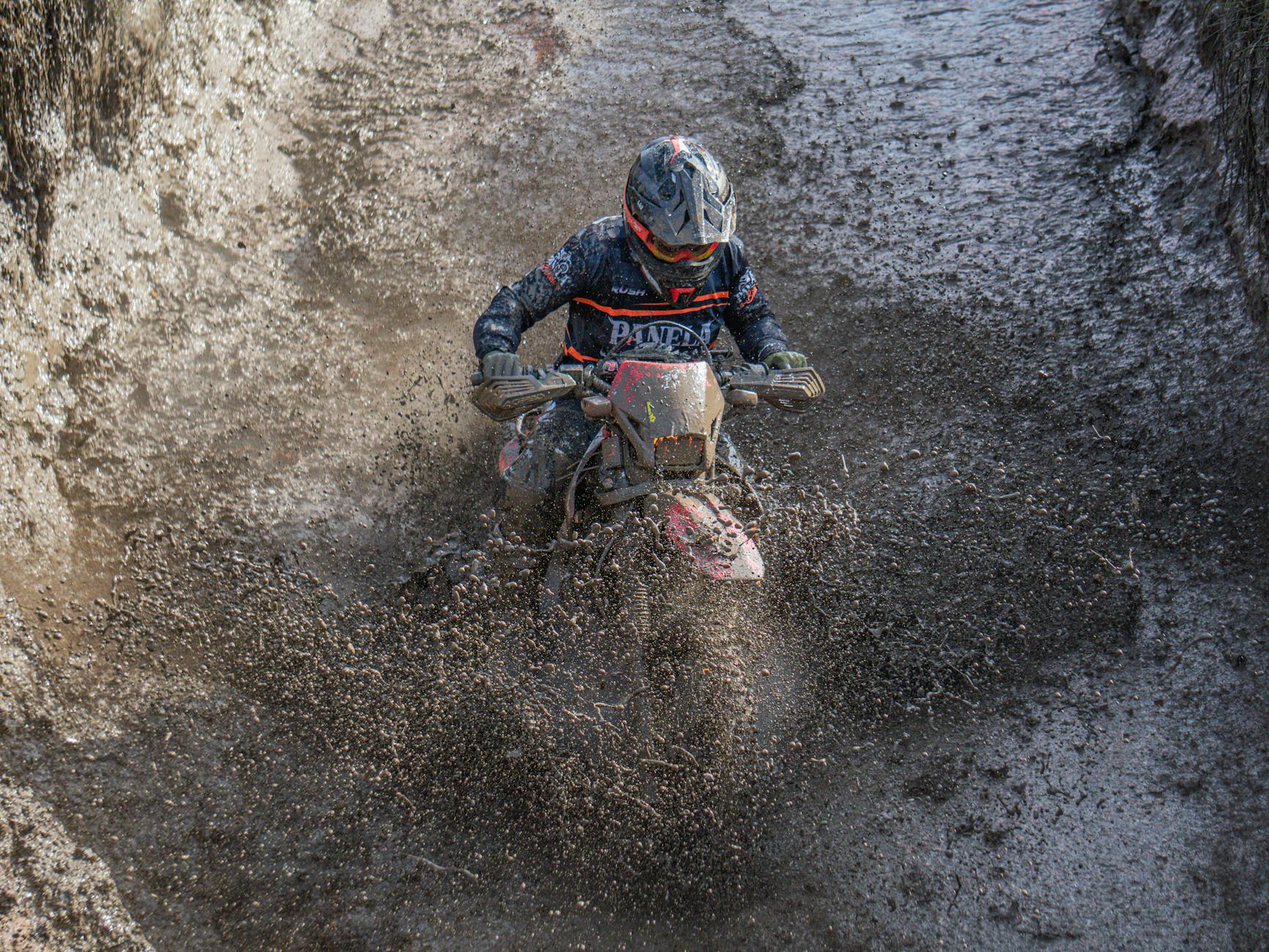
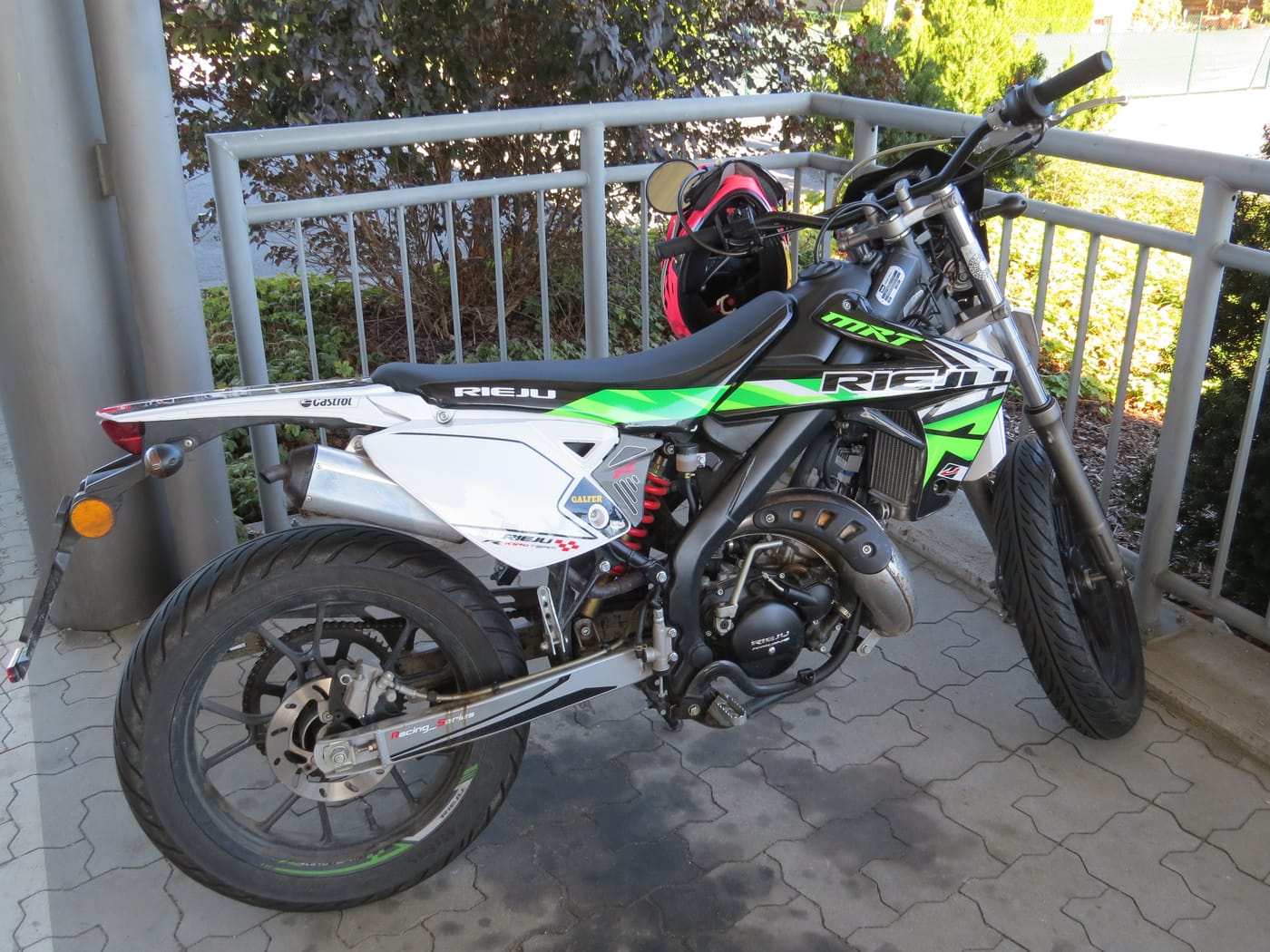
Rieju Mrt 50
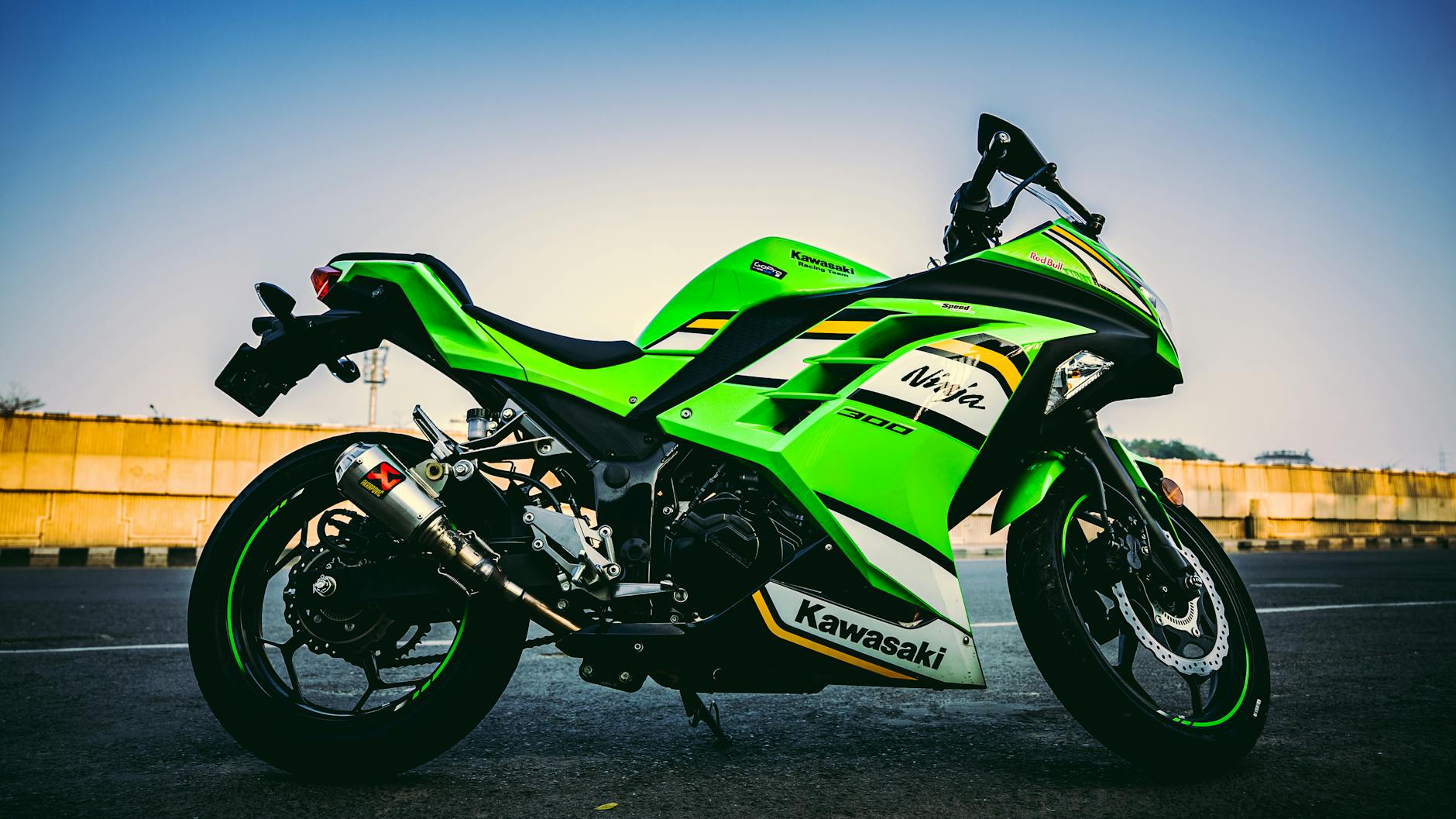
Kawasaki Klx 230r
Compare Yamaha Tricker 250 Side-by-Side
compare_arrowsSpecs, power, weight & buyer verdict — head-to-head with the bikes most often cross-shopped.
Yamaha Tricker 250 vs Ktm Freeride 250
Specs · Power · Buyer verdict
Yamaha Tricker 250 vs Royal Enfield Bullet Trials 500
Specs · Power · Buyer verdict
Yamaha Tricker 250 vs Zongshen Tornado 250
Specs · Power · Buyer verdict
Yamaha Tricker 250 vs Rieju Mrt 50
Specs · Power · Buyer verdict
Yamaha Tricker 250 vs Kawasaki Klx 230r
Specs · Power · Buyer verdict
More Yamaha Tricker 250 Guides
More from Yamaha
View all Yamaha models →Community Reviews
Discussion
Frequently Asked Questions
What are common problems with the Yamaha Tricker 250? +
Carburetor clogging from ethanol fuel: Cold start difficulty, rough idle, hesitation on throttle (moderate) | Rear shock worn, poor off-road performance: Bounce test, oil leaks on shock body (moderate) | Valve clearance neglected, ticking noise: Service history, ticking at idle when warm (serious)
Is the Yamaha Tricker 250 a good motorcycle? +
A slow, loveable oddball that rewards the right buyer enormously. Rating: 7.5/10. Best for: Urban riders wanting adventure bike character cheaply. Avoid if: You need motorway capability or fast parts.
What is the horsepower of the Yamaha Tricker 250? +
The Yamaha Tricker 250 produces 18 hp @ 7,500 rpm (estimated), with 19 Nm @ 6,000 rpm (estimated) of torque. Top speed: 120 km/h (estimated).
Is the Yamaha Tricker 250 good for beginners? +
Yes — the Yamaha Tricker 250 is a reasonable choice for new riders (18 hp is manageable), weighing 118 kg. Urban riders wanting adventure bike character cheaply
Is the Yamaha Tricker 250 reliable? +
Owners report 1 critical issue to watch for on the Yamaha Tricker 250, notably: Valve clearance neglected, ticking noise (Service history, ticking at idle when warm). Buy with a pre-purchase inspection.
Is the Yamaha Tricker 250 good for daily use? +
Urban riders wanting adventure bike character cheaply Fuel: 3.0 L/100km (approx. 33 km/L typical real-world average).
How fast is the Yamaha Tricker 250? +
The Yamaha Tricker 250 reaches a top speed of 120 km/h (estimated), producing 18 hp at 118 kg curb weight. Real-world performance depends on rider weight, gearing, and road conditions.
What gear should I buy for a Yamaha Tricker 250? +
Motoryk has curated a Top 10 gear list specifically for the Yamaha Tricker 250, covering engine oil, tires, chain, battery, and brake pads — see motoryk.com/bikes/yamaha/tricker-250/top10. Each pick is matched to this bike's spec.