Yamaha Sr500
The Yamaha Sr500 has a top speed of 155 km/h, produces 32 hp and weighs 174 kg. Motoryk rates it 8/10.
O Yamaha SR500 foi lançado em 1978 como um monocilíndrico de quatro tempos de grande cilindrada, inspirando-se na tradição clássica britânica de amortecer e compartilhando sua arquitetura de motor com o XT500 dual-sport. Ele se tornou icônico por seu design minimalista, operação somente para começar e pela pura experiência de pilotagem que oferecia, ganhando um culto de seguidores, especialmente na Europa e no Japão. A produção continuou até 1999, e seu legado continua vivo por meio do menor SR400, que permaneceu em produção no Japão até a década de 2010.
32 hp
Poder
37 Nm
Torque
174 kg
Peso
155 km/h
Velocidade máxima
3.5 L/100km (approx. 28 km/L typical real-world average)
Combustível
Nua
Corpo
🔧 Service Schedule & Parts
Affiliate · we may earn| Service item | Every | Typical cost | Parts |
|---|---|---|---|
| 🛢️ Engine oil + oil filter | 3,000 km / 2,000 mi or 6 mo | $30-60 | 🛢️ Buy → ⚙️ Buy → |
| 🌬️ Air filter | 6,000 km / 3,500 mi | — | 🌬️ Buy → |
| ⚡ Spark plugs | 6,000 km / 3,500 mi | — | ⚡ Buy → |
| 🔧 Valve clearance check | 6,000 km / 3,500 mi | $150-300 | |
| 🔗 Chain & sprockets | 20000-30000 km (replace) | $120-250 | 🔗 Buy → |
| 🛑 Brake pads | 10000-20000 km | $25-50 | 🛑 Buy → |
| 💧 Brake fluid | 24,000 km / 15,000 mi or 2 yr | — | |
| 🛞 Tires | 10000-18000 km | $150-300 | 🛞 Buy → |
| 🔩 Major service | 12,000 km / 7,500 mi | $200-500 |
Video Review
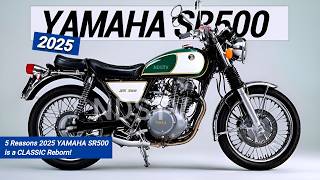
O que os compradores devem saber
Kickstart Technique Matters
The SR500's single-cylinder TT500 engine requires a specific decompression and kickstart technique to fire reliably — improper starting can flood the carb or cause kickback. Once mastered, the engine is extremely durable and straightforward to maintain.
Strong Resale Value
The SR500 (1978–1983) has become a highly sought-after vintage and cafe racer base, driving prices steadily upward. Well-maintained examples regularly sell for $4,000–$8,000+, making neglected bikes a risky buy unless priced accordingly.
Watch the Valves
Valve clearances on the SR500 need regular checking, as a tight exhaust valve is a common cause of hard starting and poor performance. Always verify recent valve adjustments and carb rebuilds before purchasing.
Gerações e especificações por ano
Lançamento original com pára-choque monocilíndrico SOHC de 499 cc, freio dianteiro a tambor e estilo clássico de embaralhador.
"O batedor que definiu uma geração de simplicidade."
Eu dei vida a essa coisa em manhãs geladas e tardes sufocantes, e o ritual nunca acaba, embora sua canela o lembre quando você perder o golpe de compressão. O single de 499 cc puxa com torque real em baixas rotações, recompensando a paciência em vez da agressão, e essa nota de escape é genuinamente viciante a 4.000 rpm em uma estrada vazia. O freio dianteiro a tambor é honesto sobre suas limitações, que é um código para “deixar uma folga maior do que você acha que precisa”, e a suspensão pertence a uma era diferente e mais tolerante. Mas elimine as expectativas modernas e você terá uma motocicleta que ensina como pilotar, em vez de esconder seus erros por trás da eletrônica.
Prós
Contras
Lançamento do freio a disco dianteiro, pequenos refinamentos no carburador e na ignição, gráficos atualizados e opções de cores.
"Uma pessoa cheia de alma que exige respeito."
O Gen 2 SR500 recebeu o disco frontal de que sempre precisou e realmente transforma a confiança em estradas molhadas e frenagens tardias — o tambor do original era uma oração, não um freio. Aquele grande pára-choque de 499 cc ainda dispara com um chute que o humilhará nas manhãs frias; inunde-o uma vez e você levantará a panturrilha por dez minutos na beira da estrada. Porém, quando está quente, o torque de baixa potência é viciante — ele sai de 2.500 rpm com uma autoridade mecânica que nenhum gêmeo paralelo desta época pode falsificar. A 145 km/h, a coisa toda está vibrando como um diapasão e seus recheios estão soltos, então trate isso como um número teórico e mantenha-o abaixo de 120, na verdade.
Prós
Contras
Avaliação do comprador usado
"Rewarding, characterful, and unforgiving — exactly what motorcycling should feel like."
$3,500-$7,500 usedThe SR500 is a proper single-cylinder thumper from Yamaha's golden era, and buying one used requires your eyes wide open. These bikes demand kick-start ritual — flooding is real, technique matters, and your shin will pay tuition fees until you learn it. Find one with fresh carb work, a solid compression reading above 150psi, and no seized fins on that big barrel. Previous owners who 'just left it sitting' are red flags wrapped in rust. Mechanically they're beautifully simple — points or electronic ignition depending on year, a single Mikuni carb, and nothing a decent workshop manual can't handle in your garage. Parts availability has actually improved through specialists like Fowlers and vintage suppliers. That said, budget for a carb rebuild, new rubber, and likely a valve adjustment before trusting it on longer runs. Electrics are 6-volt on earlier models, which is archaic but manageable. Ride it and you'll understand why people obsess over these. The torque delivery is agricultural in the best sense — purposeful, honest, and genuinely engaging in a way modern bikes simply aren't.
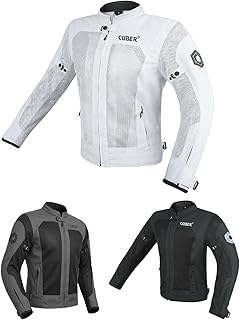
Top 10 Accessories
Curated picks for the Yamaha Sr500 — owned, ridden, recommended.




Problemas comuns
🔥 1 CRITICALTest cold start, inspect decompressor lever function and cable
Look for oil residue below fork tubes
Check idle quality and throttle response
Listen for metallic rattle on cold startup
✅Lista de verificação de pré-compra
Simple, bulletproof if properly maintained
Full Specifications
Rivals & Alternatives
Bikes that buyers cross-shop with the Yamaha Sr500
Royal Enfield Bullet 350
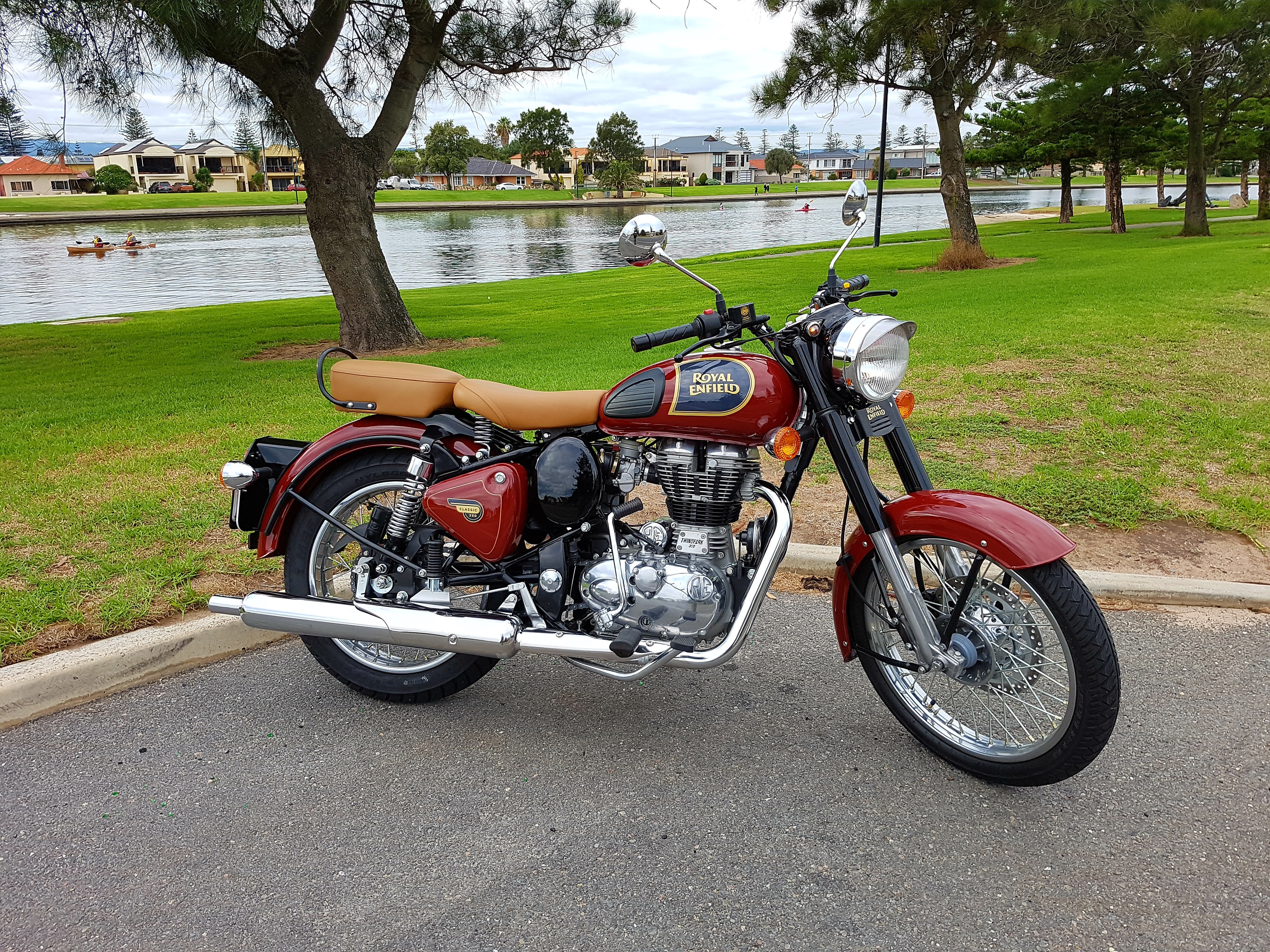
Royal Enfield Classic 350
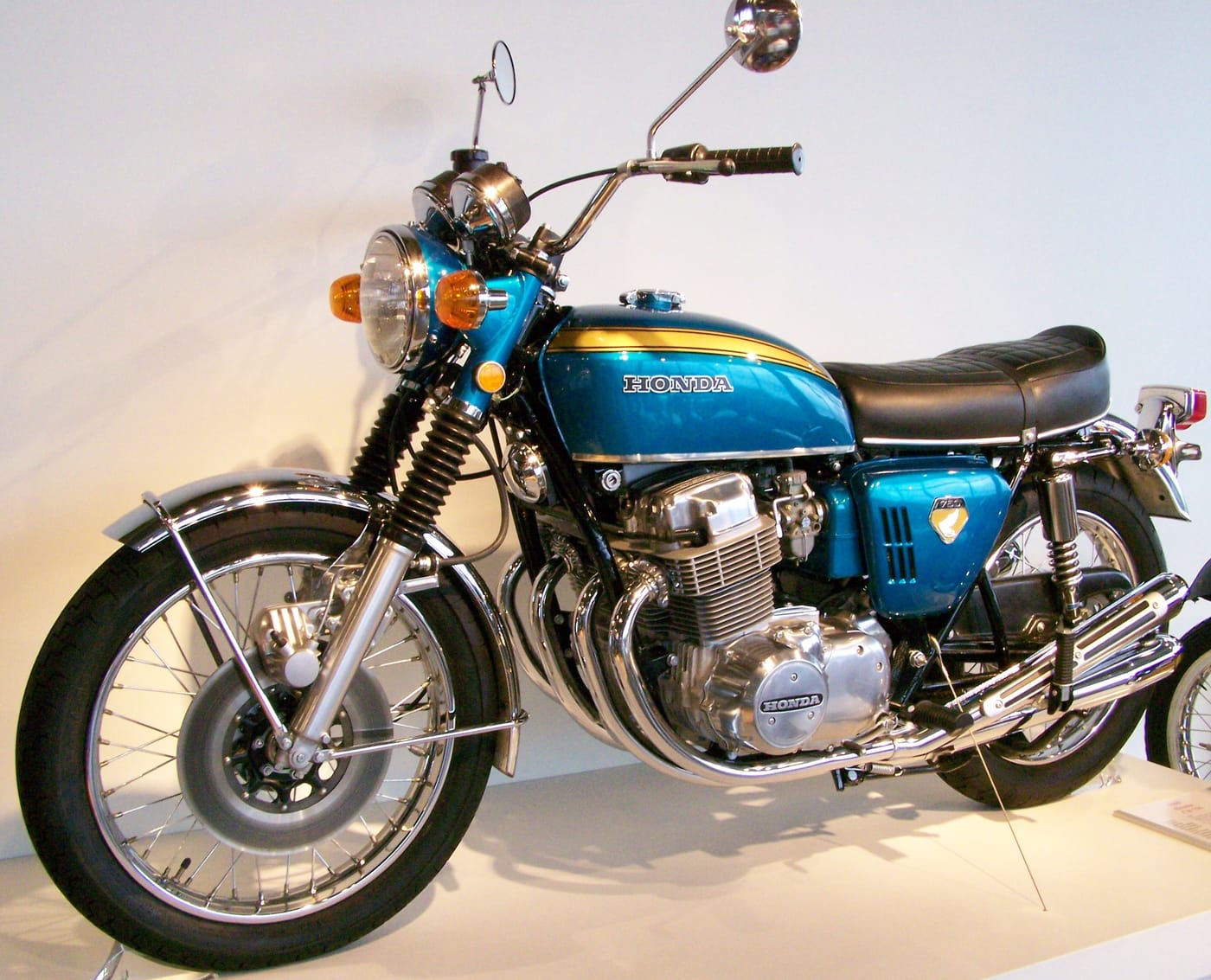
Jawa 350 Standard
Yamaha Sr400
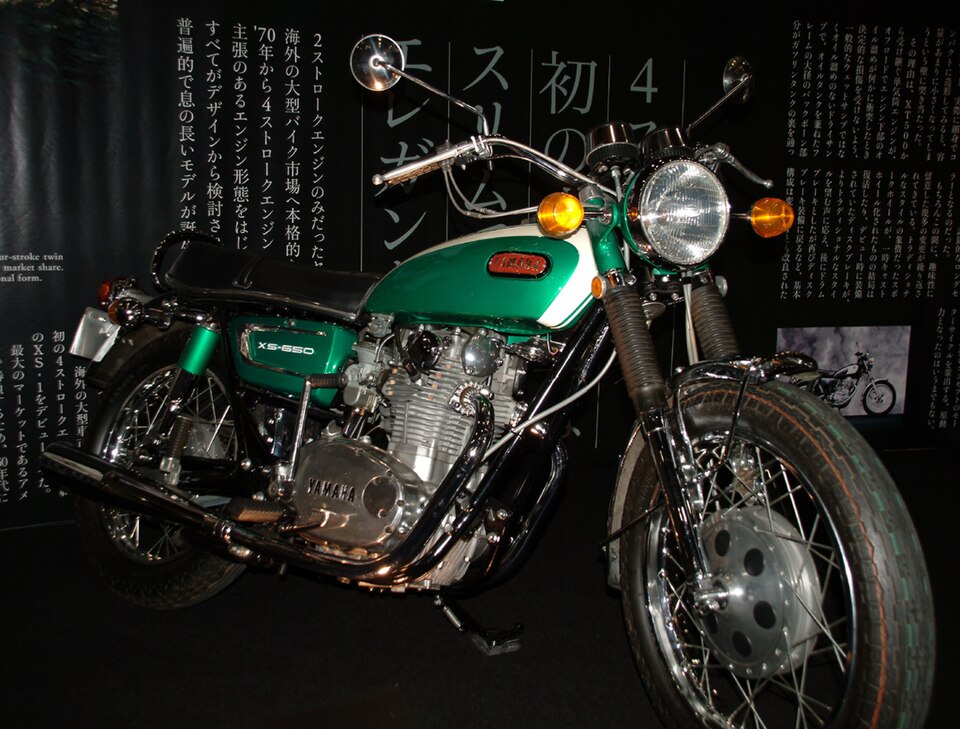
Yamaha Xs650
Compare Yamaha Sr500 Side-by-Side
compare_arrowsSpecs, power, weight & buyer verdict — head-to-head with the bikes most often cross-shopped.
Yamaha Sr500 vs Royal Enfield Bullet 350
Specs · Power · Buyer verdict
Yamaha Sr500 vs Royal Enfield Classic 350
Specs · Power · Buyer verdict
Yamaha Sr500 vs Jawa 350 Standard
Specs · Power · Buyer verdict
Yamaha Sr500 vs Yamaha Sr400
Specs · Power · Buyer verdict
Yamaha Sr500 vs Yamaha Xs650
Specs · Power · Buyer verdict
More Yamaha Sr500 Guides
More from Yamaha
View all Yamaha models →Community Reviews
Discussion
Frequently Asked Questions
What are common problems with the Yamaha Sr500? +
Hard starting, worn decompressor valve: Test cold start, inspect decompressor lever function and cable (moderate) | Leaking fork seals from age: Look for oil residue below fork tubes (moderate) | Carburetor gumming from ethanol fuel: Check idle quality and throttle response (minor)
Is the Yamaha Sr500 a good motorcycle? +
Rewarding, characterful, and unforgiving — exactly what motorcycling should feel like. Rating: 8.0/10. Best for: Patient riders wanting authentic vintage single experience. Avoid if: You commute daily or hate kick-starting.
What is the horsepower of the Yamaha Sr500? +
The Yamaha Sr500 produces 32 hp @ 6,500 rpm, with 37 Nm @ 5,500 rpm of torque. Top speed: 155 km/h.
Is the Yamaha Sr500 good for beginners? +
Yes — the Yamaha Sr500 is a reasonable choice for new riders (32 hp is manageable), weighing 174 kg. Patient riders wanting authentic vintage single experience
Is the Yamaha Sr500 reliable? +
Owners report 1 critical issue to watch for on the Yamaha Sr500, notably: Worn cam chain causing timing rattle (Listen for metallic rattle on cold startup). Buy with a pre-purchase inspection.
Is the Yamaha Sr500 good for daily use? +
Patient riders wanting authentic vintage single experience Fuel: 3.5 L/100km (approx. 28 km/L typical real-world average).
How fast is the Yamaha Sr500? +
The Yamaha Sr500 reaches a top speed of 155 km/h, producing 32 hp at 174 kg curb weight. Real-world performance depends on rider weight, gearing, and road conditions.
What gear should I buy for a Yamaha Sr500? +
Motoryk has curated a Top 10 gear list specifically for the Yamaha Sr500, covering engine oil, tires, chain, battery, and brake pads — see motoryk.com/bikes/yamaha/sr500/top10. Each pick is matched to this bike's spec.