Yamaha Sr400
The Yamaha Sr400 has a top speed of 145 km/h, produces 24 hp and weighs 175 kg. Motoryk rates it 7.5/10.
The Yamaha SR400 was introduced in 1978 as a simple, lightweight single-cylinder roadster inspired by classic British thumpers, and has remained largely unchanged in character throughout its production run. It was discontinued in some markets but famously revived in 2010 with fuel injection added to meet emissions standards, becoming a cult classic beloved for its minimalist design and kick-start-only operation. The SR400 is notable for its extraordinary longevity and timeless aesthetic, making it a cornerstone of the cafe racer and custom motorcycle culture worldwide.
24 hp
Power
28 Nm
Torque
175 kg
Weight
145 km/h
Top Speed
2.7 L/100km (approximately 37 km/L)
Fuel
Naked
Body
🔧 Service Schedule & Parts
Affiliate · we may earn| Service item | Every | Typical cost | Parts |
|---|---|---|---|
| 🛢️ Engine oil + oil filter | 3,000 km / 2,000 mi or 6 mo | $30-60 | 🛢️ Buy → ⚙️ Buy → |
| 🌬️ Air filter | 6,000 km / 3,500 mi | — | 🌬️ Buy → |
| ⚡ Spark plugs | 6,000 km / 3,500 mi | — | ⚡ Buy → |
| 🔧 Valve clearance check | 12,000 km / 7,500 mi | $150-300 | |
| 🔗 Chain & sprockets | 20000-35000 km (replace) | $120-250 | 🔗 Buy → |
| 🛑 Brake pads | 15000-25000 km | $25-50 | 🛑 Buy → |
| 💧 Brake fluid | 24,000 km / 15,000 mi or 2 yr | — | |
| 🛞 Tires | 10000-18000 km | $150-300 | 🛞 Buy → |
| 🔩 Major service | 12,000 km / 7,500 mi | $200-450 |
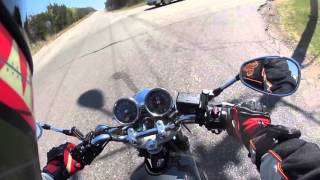
Video Review
What Buyers Should Know
Kick-Start Only Engine
The SR400 uses a traditional kick-starter with a decompression lever, requiring a learned technique to start reliably. Once mastered, the air-cooled 399cc single is famously durable and simple to maintain.
Strong Resale Value
The SR400 holds its value exceptionally well due to its cult following and retro appeal, often selling used for close to original MSRP. Limited US availability (2014–2016 import window) makes clean examples especially sought after.
Watch for Carburetor Issues
Bikes left sitting often develop clogged carburetors from stale fuel, a common issue on used examples. Always inspect for smooth throttle response and ask about storage history before buying.
Generations & Specs by Year
Original SR400 launched with air-cooled single-cylinder SOHC engine, drum front brake, classic styling.
"Honest, characterful single that rewards patient, skilled riders."
The SR400 kicks back if you disrespect it — literally. Nail the decompressor lever sequence and it fires with a satisfying thump; botch it and your shin pays the price, a ritual that either bonds you to the bike or breaks you. Once rolling, the torquey, unhurried single pulls cleanly from low revs with a mechanical intimacy you simply don't get from a multi-cylinder machine, though 27 horsepower means motorway overtakes require planning, not impulse. The drum front brake is adequate around town but inspires zero confidence in a hard stop, and at 174 kg wet it's heavier than it looks, which catches new riders off guard at car park speeds. Still, the narrow, upright riding position, simple frame geometry, and that distinctive exhaust note make every short-to-medium journey feel deliberate and rewarding in a way modern fuel-injected singles can't quite replicate.
Pros
Cons
Front disc brake introduced, minor updates over long production run, market primarily Japan.
"Honest, unhurried simplicity that actually teaches you something."
Living with the Gen 2 SR400 for two years in Tokyo traffic taught me more about throttle control than any other bike I've owned — that kick-start ritual forces presence, whether you want it or not. The front disc was a genuine upgrade over the old drum, though don't mistake it for confidence-inspiring; it's adequate, not strong, and requires planning at anything above 80 km/h. The thumper's torque curve is honest and narrow, pulling cleanly between 3,500 and 5,500 rpm before running out of breath, which means the highway is survivable but never comfortable above 110. It leaks a little oil after 30,000 km, vibrates your mirrors into uselessness, and the electrics are about as robust as a 1980s budget watch — but none of that stops you from wanting to ride it every single day.
Pros
Cons
Fuel injection added, updated to meet emissions standards, electric starter option introduced globally.
Further emissions compliance updates, Euro 4 and Japan domestic standards met, subtle refinements.
Used Buyer Review
"A beautiful, rewarding machine — but only for committed, patient riders."
$4,500-$7,500 usedThe SR400 is a genuinely charming machine, but don't let the retro aesthetics fool you into ignoring what you're actually buying. This is a kickstart-only, carbureted single-cylinder from a different era, and that's both its greatest strength and its most significant commitment. Learning to kick it properly takes genuine technique — flood it once in traffic and you're pushing it to the kerb looking sheepish. Mechanically these things are bulletproof when maintained, but neglected examples are surprisingly common. Check the carb thoroughly — flat spots and rough idling usually mean a dirty pilot jet. The seat foam collapses quickly on older examples, turning any ride over an hour into genuine punishment. Cables, chain, and sprockets wear predictably but get ignored by owners who think minimal use means minimal maintenance. What you actually get for your money is legitimately beautiful styling, a peaky little motor that rewards rev-happy riding, and handling that's surprisingly competent despite the vintage suspension. It's honest, simple, and enormously satisfying when everything works right.
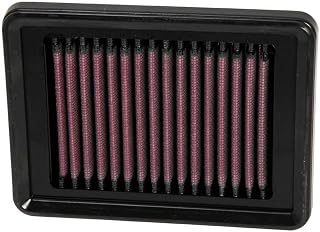
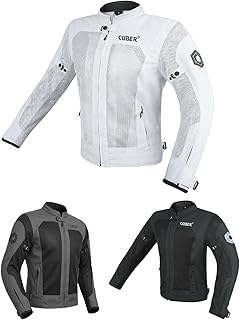
Top 10 Accessories
Curated picks for the Yamaha Sr400 — owned, ridden, recommended.






Common Problems
🔥 2 CRITICALCold start behavior, idle quality, fuel petcock condition
Kick feel for sponginess, ratchet engagement consistency
Service history records, compression test result
Smell for fuel leaks, inspect lines visually
✅Pre-Purchase Checklist
Bulletproof if maintained, fragile when neglected
Full Specifications
Rivals & Alternatives
Bikes that buyers cross-shop with the Yamaha Sr400
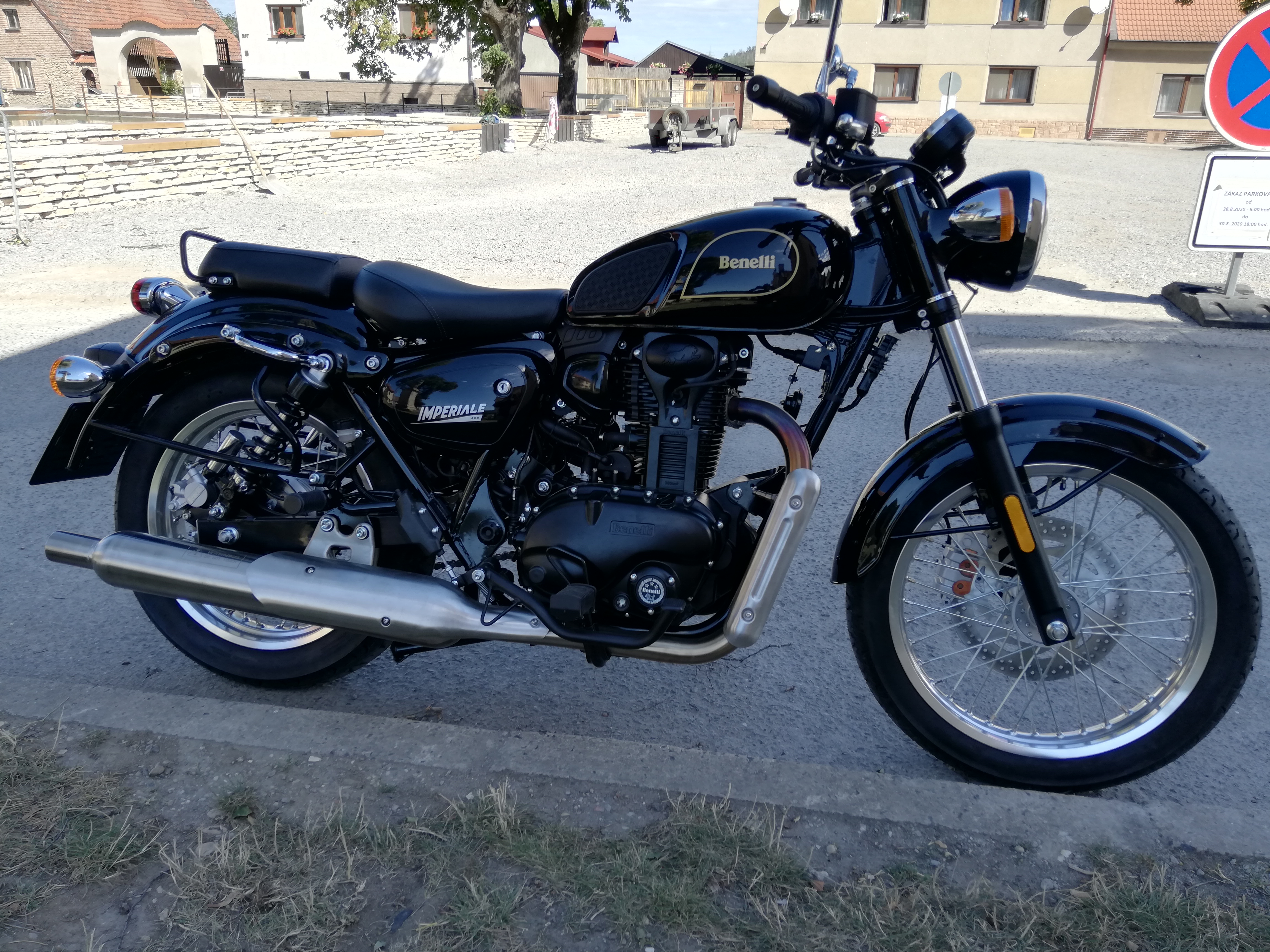
Benelli Imperiale 400
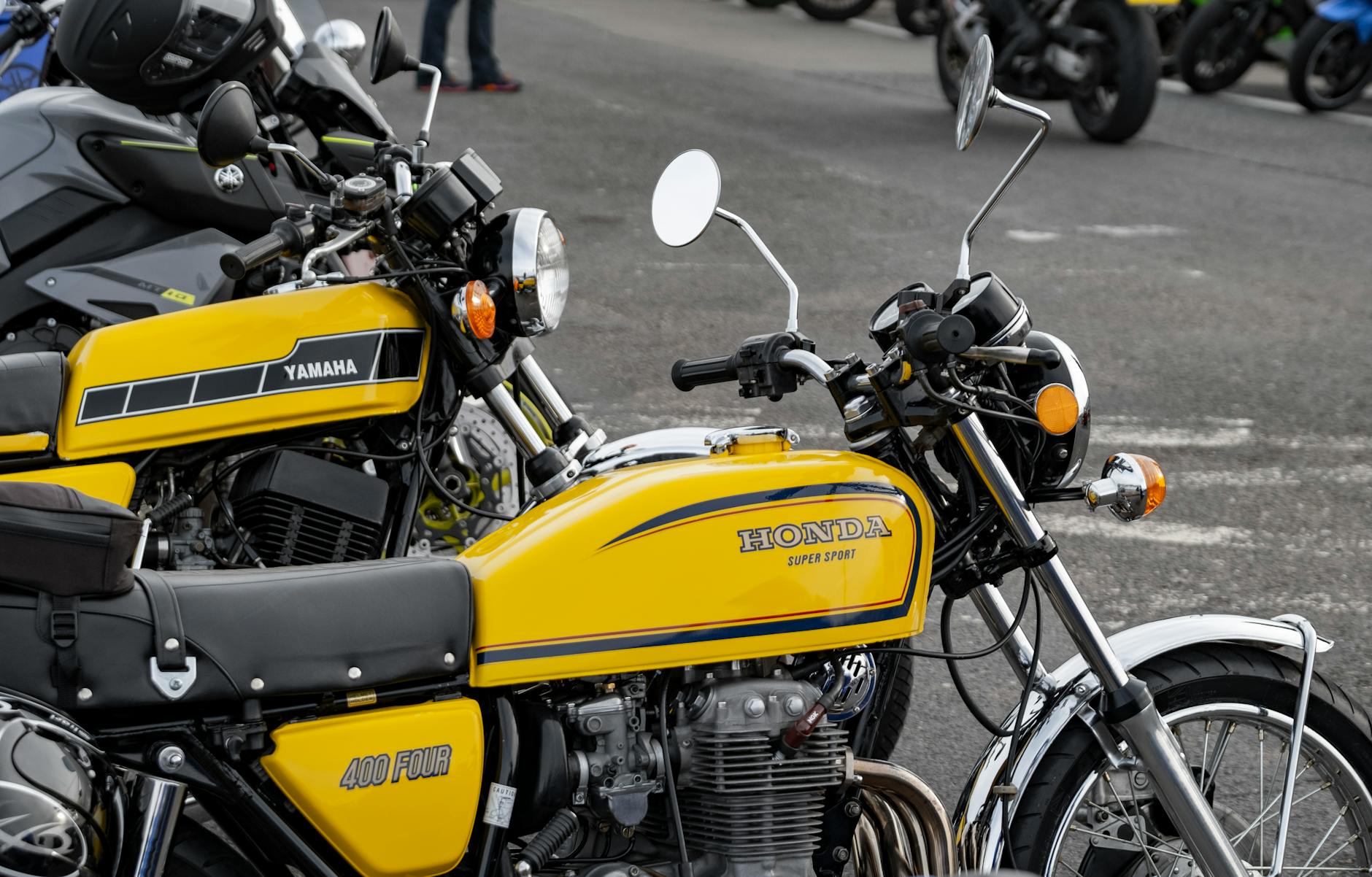
Honda Cb350h'ness
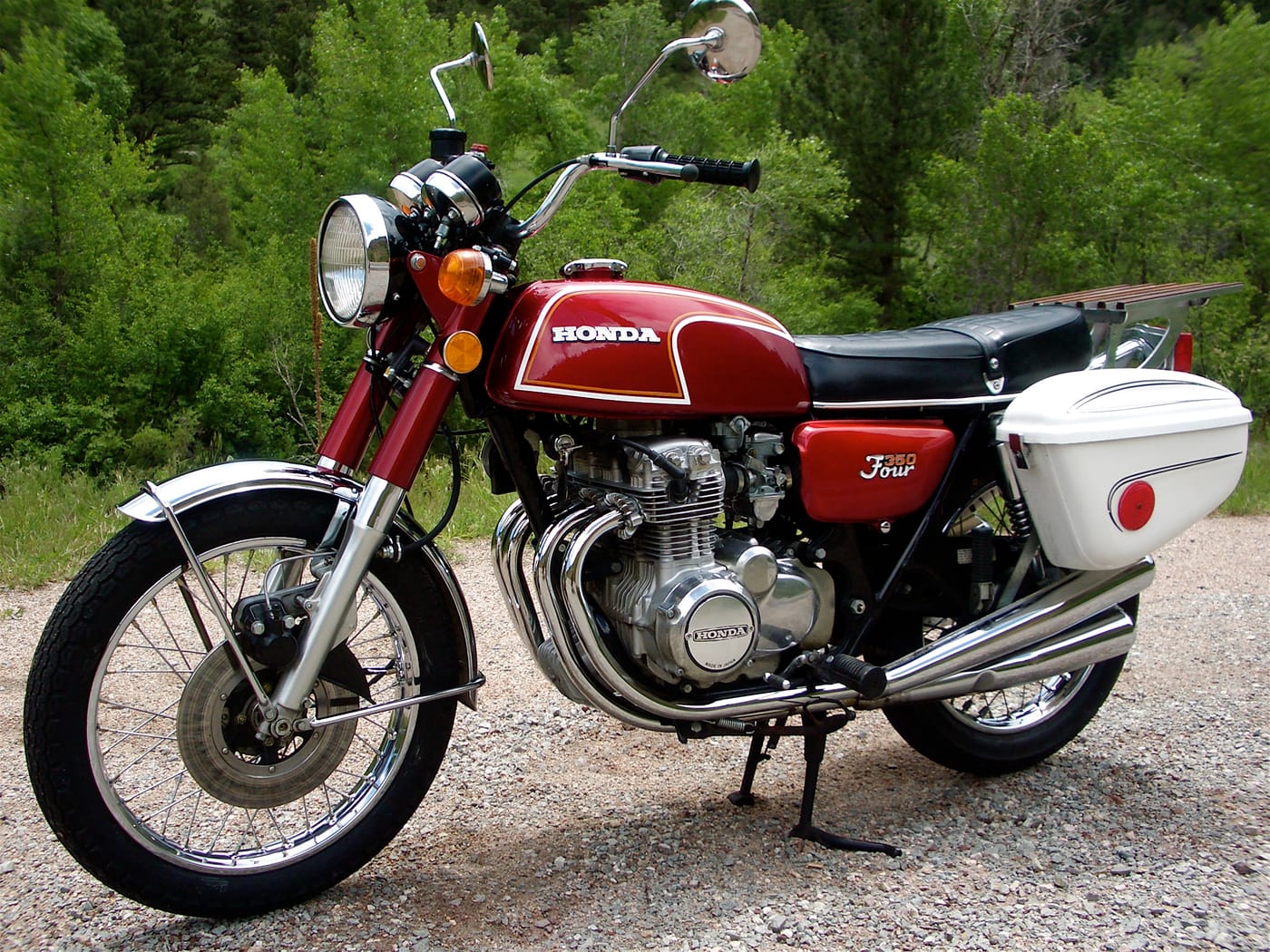
Honda Cb550
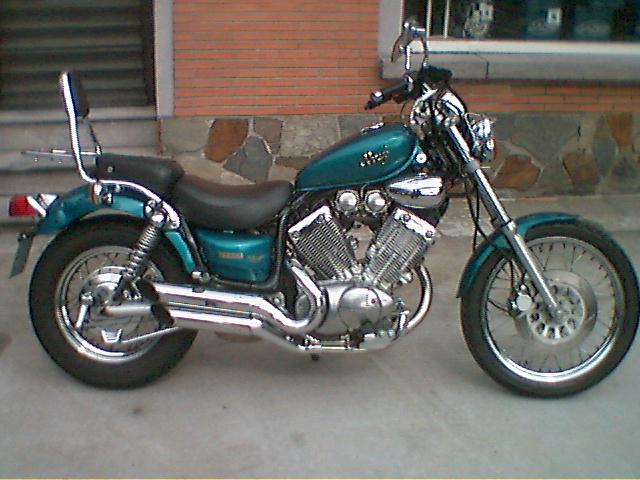
Yamaha Sr500
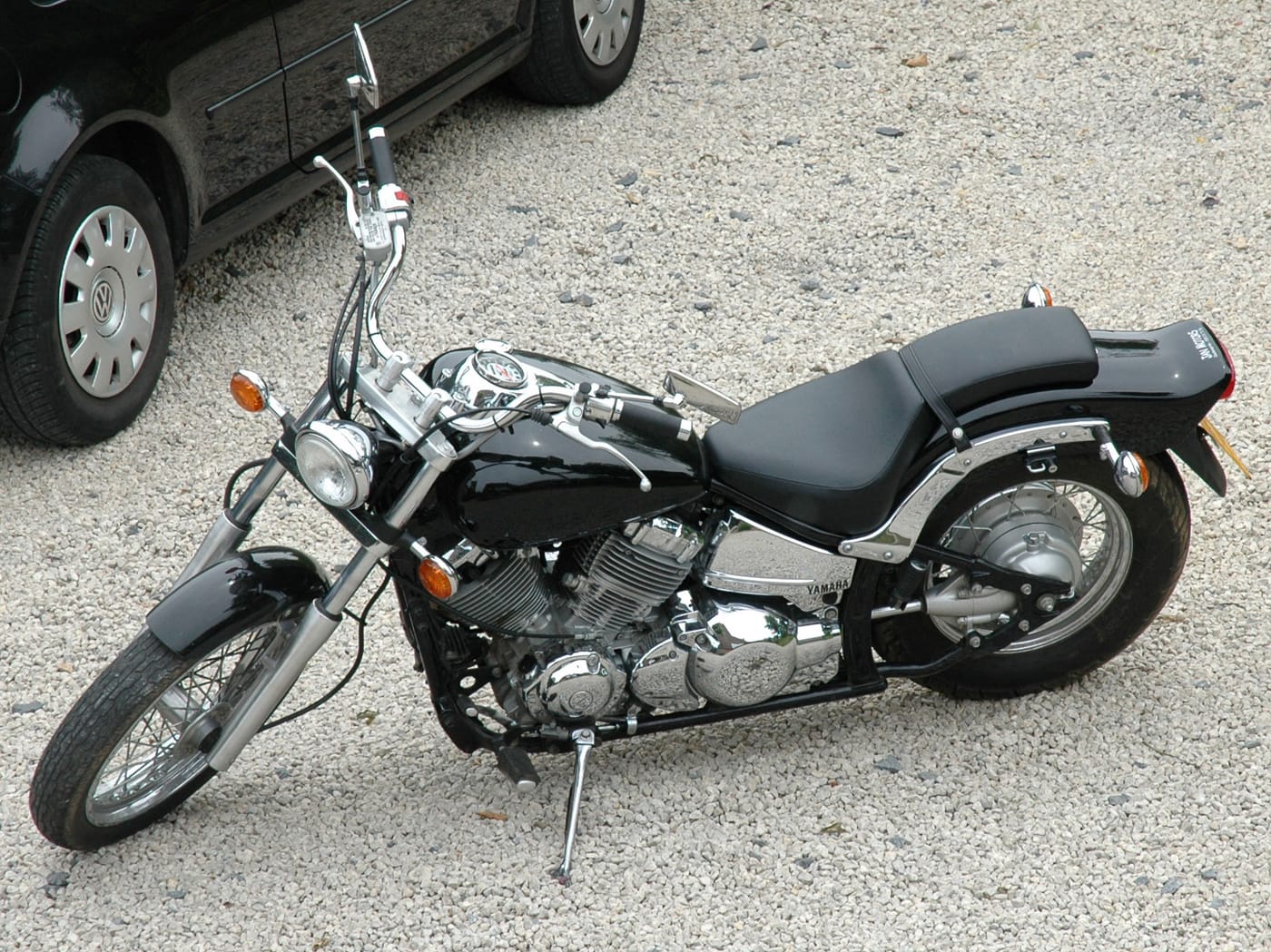
Yamaha Srx 600
Compare Yamaha Sr400 Side-by-Side
compare_arrowsSpecs, power, weight & buyer verdict — head-to-head with the bikes most often cross-shopped.
Yamaha Sr400 vs Benelli Imperiale 400
Specs · Power · Buyer verdict
Yamaha Sr400 vs Honda Cb350h'ness
Specs · Power · Buyer verdict
Yamaha Sr400 vs Honda Cb550
Specs · Power · Buyer verdict
Yamaha Sr400 vs Yamaha Sr500
Specs · Power · Buyer verdict
Yamaha Sr400 vs Yamaha Srx 600
Specs · Power · Buyer verdict
More Yamaha Sr400 Guides
More from Yamaha
View all Yamaha models →Community Reviews
Discussion
Frequently Asked Questions
What are common problems with the Yamaha Sr400? +
Carb gumming from ethanol fuel sitting: Cold start behavior, idle quality, fuel petcock condition (moderate) | Kickstart mechanism wear or slipping: Kick feel for sponginess, ratchet engagement consistency (moderate) | Valve clearance neglect causing hard starts: Service history records, compression test result (serious)
Is the Yamaha Sr400 a good motorcycle? +
A beautiful, rewarding machine — but only for committed, patient riders. Rating: 7.5/10. Best for: Urban riders wanting style and mechanical simplicity. Avoid if: You need reliable daily highway commuting sorted.
What is the horsepower of the Yamaha Sr400? +
The Yamaha Sr400 produces 24 hp @ 6,500 rpm, with 28 Nm @ 3,000 rpm of torque. Top speed: 145 km/h.
Is the Yamaha Sr400 good for beginners? +
Yes — the Yamaha Sr400 is a reasonable choice for new riders (24 hp is manageable), weighing 175 kg. Urban riders wanting style and mechanical simplicity
Is the Yamaha Sr400 reliable? +
Owners report 2 critical issues to watch for on the Yamaha Sr400, notably: Valve clearance neglect causing hard starts (Service history records, compression test result). Buy with a pre-purchase inspection.
Is the Yamaha Sr400 good for daily use? +
Urban riders wanting style and mechanical simplicity Fuel: 2.7 L/100km (approximately 37 km/L).
How fast is the Yamaha Sr400? +
The Yamaha Sr400 reaches a top speed of 145 km/h, producing 24 hp at 175 kg curb weight. Real-world performance depends on rider weight, gearing, and road conditions.
What gear should I buy for a Yamaha Sr400? +
Motoryk has curated a Top 10 gear list specifically for the Yamaha Sr400, covering engine oil, tires, chain, battery, and brake pads — see motoryk.com/bikes/yamaha/sr400/top10. Each pick is matched to this bike's spec.