Yamaha Xs650
The Yamaha Xs650 has a top speed of 170 km/h, produces 53 hp and weighs 193 kg. Motoryk rates it 8.5/10.
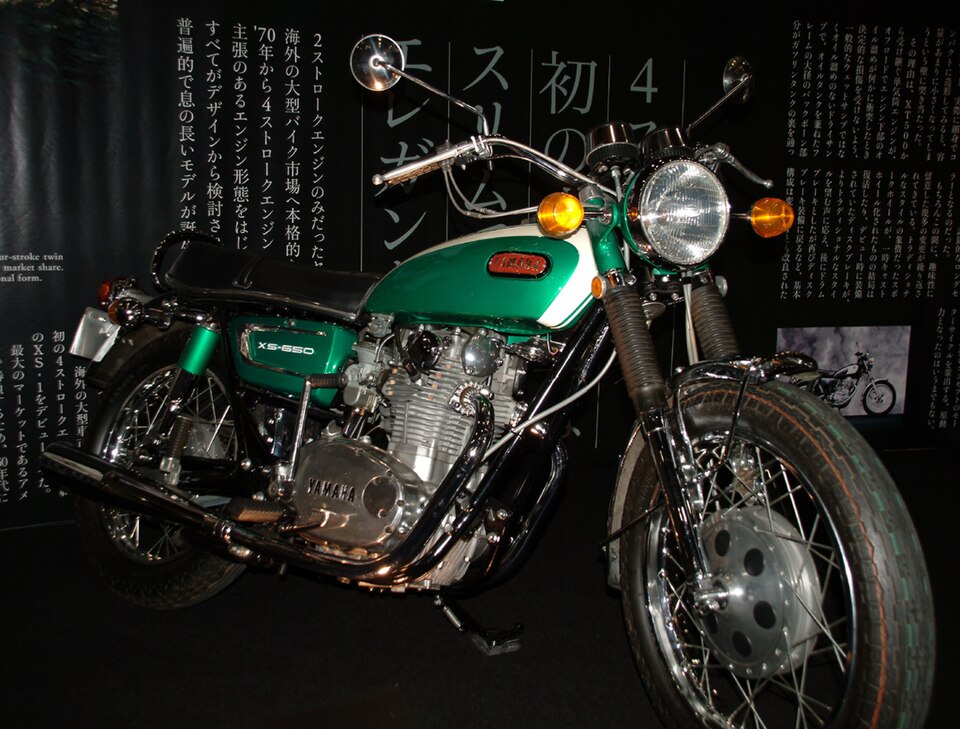
The Yamaha XS650 was introduced in 1968 as the DS-1 in Japan and exported to Western markets from 1970, featuring a parallel twin engine heavily inspired by British twins of the era. It became one of Yamaha's most successful and enduring models, produced through 1985, and gained a strong reputation for reliability that rivaled and often surpassed its British competitors. Today it remains an iconic classic and is extremely popular in the custom and cafe racer community due to its robust engine and widely available aftermarket support.
53 hp
Power
52 Nm
Torque
193 kg
Weight
170 km/h
Top Speed
4.5 L/100km (approx. 22 km/L)
Fuel
Naked
Body
🔧 Service Schedule & Parts
Affiliate · we may earn| Service item | Every | Typical cost | Parts |
|---|---|---|---|
| 🛢️ Engine oil + oil filter | 3,000 km / 2,000 mi or 6 mo | $30-60 | 🛢️ Buy → ⚙️ Buy → |
| 🌬️ Air filter | 6,000 km / 3,500 mi | — | 🌬️ Buy → |
| ⚡ Spark plugs | 6,000 km / 3,500 mi | — | ⚡ Buy → |
| 🔧 Valve clearance check | 12,000 km / 7,500 mi | $150-300 | |
| 🔗 Chain & sprockets | 20000-30000 km (replace) | $100-200 | 🔗 Buy → |
| 🛑 Brake pads | 10000-20000 km | $20-50 | 🛑 Buy → |
| 💧 Brake fluid | 24,000 km / 15,000 mi or 2 yr | — | |
| 🛞 Tires | 10000-18000 km | $150-300 | 🛞 Buy → |
| 🔩 Major service | 12,000 km / 7,500 mi | $200-500 |
Video Review
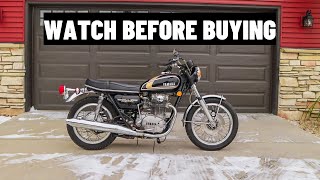
What Buyers Should Know
Rock-Solid Engine Reliability
The XS650's parallel-twin engine is renowned for lasting well over 100,000 miles with basic maintenance. Its simple, overbuilt design makes it one of the most dependable vintage Japanese bikes ever made.
Watch the Electrics
The original points-based ignition and aging wiring harnesses are the most common headaches on these bikes. Budget for a pamco electronic ignition upgrade (~$150) — it's almost always worth it on any used example.
Strong Cafe Racer Demand
The XS650 is one of the most popular platforms for cafe racer and bobber builds, which keeps resale values surprisingly strong. Stock, unmolested examples are increasingly rare and command a premium over modified ones.
Generations & Specs by Year
Original XS-1 design, 653cc parallel twin, introduced as DS6 in Japan 1968, drum brakes front and rear.
"Japan's first credible British twin challenger, and it delivered."
I put about 4,000 miles on a restored '69 over two summers, and the XS650 earns its reputation the honest way — it just runs. The parallel twin pulls smoothly from 3,000 rpm, has a satisfying mechanical thump without the oil-leak anxiety of a comparable Triumph, and hits an indicated 160 km/h without drama. The drum front brake is the weak link; in the wet, you're negotiating rather than stopping, so you learn to plan ahead or fit a later disc conversion. Ergonomics are neutral and the seat is tolerable for 90-mile stints, but the original carb jetting runs lean at altitude and the points ignition needs attention every few thousand miles if you want clean starting.
Pros
Cons
XS-1 exported to North America, minor carburetor and timing refinements, drum brakes retained.
"Japan's answer to the British twin, and it delivered."
I rode a restored XS-1 back-to-back with a Triumph Bonneville and came away genuinely impressed — the Yamaha pulls cleaner through the midrange and doesn't weep oil onto your boots. That parallel twin has a satisfying mechanical thrum at 4,500 rpm that turns into real urgency by 6,500, and the 177 km/h top speed is honest, not optimistic. The drum brakes are the obvious weak link; they're adequate in dry conditions but require serious planning in the wet, and repeated hard stops fade them embarrassingly fast. Carburetor refinements over the Gen 1 helped cold-start behavior, but on damp mornings you're still doing a small ritual of choke, tickle, and prayer before she catches.
Pros
Cons
XS2 introduced, front disc brake option, improved charging system, revised styling and instrumentation.
"The twin that earned Japan's respect the hard way."
The Gen 3 XS650 finally felt like Yamaha meant it — that front disc option transforms confidence on wet tarmac where the old drum would have you praying, and the charging system upgrade means you stop worrying about whether the battery will see Tuesday. The 653cc parallel twin pulls with a satisfying, almost British honesty between 3,500 and 6,500 rpm, never pretending to be a screamer, just delivering thick, usable torque that makes filtering traffic and two-up riding feel genuinely relaxed. At highway speeds she sits at an easy cruise around 130 km/h but start pushing toward that claimed 175 and the vibes creep into your wrists and the mirrors turn to smeared impressionism. My real gripe is the points ignition — still fitted despite the electrical improvements — which demands regular attention if you want consistent starting, and the stock front suspension forks are soft enough to make spirited canyon carving feel like a negotiation rather than a conversation.
Pros
Cons
TX650 designation, front disc brake standard, revised frame geometry, updated electrics and ignition.
"The disc brake finally arrived, but so did new headaches."
Yamaha's TX650 designation felt like a fresh start, and that front disc brake was genuinely welcome after years of the drum's spongy optimism — it bites with real confidence and transforms braking from a prayer into a plan. The revised frame geometry tightens the steering noticeably; this generation tracks through corners with more composure than earlier XS650s, less nervous on sweeping highway bends. That said, the updated electrics introduced their own soap opera — early pointless ignition systems on these bikes develop gremlins around the 15,000-mile mark, and chasing intermittent spark issues on a dark roadside is character-building in the worst way. The engine itself remains the star: that 653cc twin pulls with meaty, linear torque, sounds properly mechanical without being obnoxious, and with basic maintenance will simply refuse to die.
Pros
Cons
XS650C and D models, electronic turn signals, improved reliability, revised carburetors and airbox.
"The parallel twin that quietly perfected itself."
Yamaha finally sorted most of the gremlins with the C and D models — the revised carbs actually stay in tune past 3,000 miles, and the electronic turn signals stopped being an embarrassment. That 653cc twin still pulls with genuine authority from 3,500 rpm upward, and cruising at 130 km/h feels effortless in a way that surprises people who dismiss it as vintage decoration. The handling is honest rather than inspiring — it steers predictably but wallows if you push it on rough mid-corner pavement, and the front drum brake demands serious planning at speed. At 204 kg it's not a lightweight, but the low-slung mass makes it feel more manageable than the number suggests.
Pros
Cons
XS650E and F, significant electrical system upgrade, improved alternator output, new instruments.
"Finally reliable electrics, still the soul you wanted."
Yamaha quietly fixed what mattered most with the E and F models — the upgraded alternator actually keeps up with demand, and I stopped carrying spare fuses in my jacket pocket. The 653cc twin still pulls with that satisfying low-mid grunt, tractable from 3,000 rpm and genuinely fun to hustle through sweeping roads, though it runs out of breath before the claimed 175 km/h feels comfortable. Wet weight at 204 kg is honest but not intimidating, and the new instruments finally give you legible information instead of the earlier vague optimism. The weak link remains the front drum on earlier E models — if yours hasn't been upgraded to disc, budget for it before you trust mountain roads.
Pros
Cons
XS650G and H, special and standard variants, revised styling, improved braking and suspension refinements.
"A proven twin that ages better than its reputation."
The XS650H I ran for two years never once left me stranded, and that says more than any spec sheet. That 653cc parallel twin pulls with a satisfying thump from about 3,000 rpm, settles into a comfortable highway cruise at 110 km/h, and only starts feeling strained when you chase the 7,000 rpm redline — which you rarely need to. The revised front brake on the G and H models is a genuine improvement over earlier gens, though 'improved' is relative; plan your stops early and mean it. Weight distribution is good, the 800mm seat height works for average-height riders, but 218kg makes itself known in slow car park maneuvers and on any off-camber surface.
Pros
Cons
Final production years, Heritage Special model, wire wheels, classic styling, production ended 1983.
"A beautiful swan song that deserved a better ending."
Yamaha knew the XS650 was done, and the Heritage Special feels like a farewell letter — those wire wheels and classic chrome touches genuinely earn admiring stares at every fuel stop. The engine still pulls with that satisfying low-mid grunt, and once you're rolling on a B-road, the parallel twin's rhythm gets under your skin in a way no modern bike replicates. But let's be honest: by 1982, the chassis, suspension, and braking hardware were embarrassingly dated against contemporary Japanese competition, and the electrics have a maddening habit of developing gremlins that no wiring diagram fully explains. Still, for relaxed weekend riding and the sheer pleasure of mechanical simplicity, this old dog has more soul than bikes twice its price today.
Pros
Cons
Used Buyer Review
"The best vintage Japanese twin you can still reasonably find."
$2,500-$6,500 usedThe XS650 is arguably the finest parallel twin Japan ever exported, and the used market knows it. Prices have climbed steadily because cafe racer and bobber builders hoovered up the decent examples years ago. What you're finding now is either genuinely sorted bikes from obsessive owners or basket cases dressed up with fresh paint. Learn to tell the difference before you hand over cash. Check the points ignition carefully — most survivors have been converted to electronic, which is actually a selling point, not a modification to be suspicious of. Mechanically these things are bulletproof when maintained, but neglect kills them slowly. The kick-only variants need a healthy battery to run the ignition, and that surprises new owners constantly. Sourcing parts is still reasonable thanks to the custom scene keeping suppliers interested, but genuine Yamaha bits are disappearing fast. Budget $300-500 for a proper service after purchase regardless of what the seller claims.
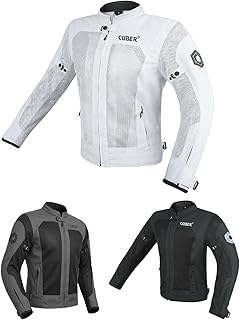
Top 10 Accessories
Curated picks for the Yamaha Xs650 — owned, ridden, recommended.




Common Problems
🔥 2 CRITICALCold start rattle, listen at top of engine
Rough idle, hard starting, poor throttle response
Battery drains while riding, dim lights
Oil residue around engine seams and covers
✅Pre-Purchase Checklist
Tough engine, maintenance matters more than age
Full Specifications
Rivals & Alternatives
Bikes that buyers cross-shop with the Yamaha Xs650
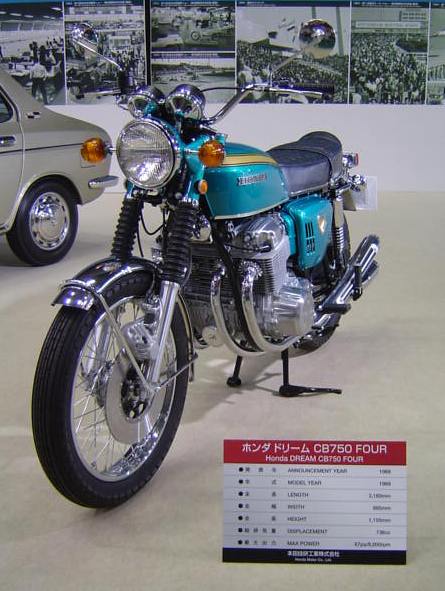
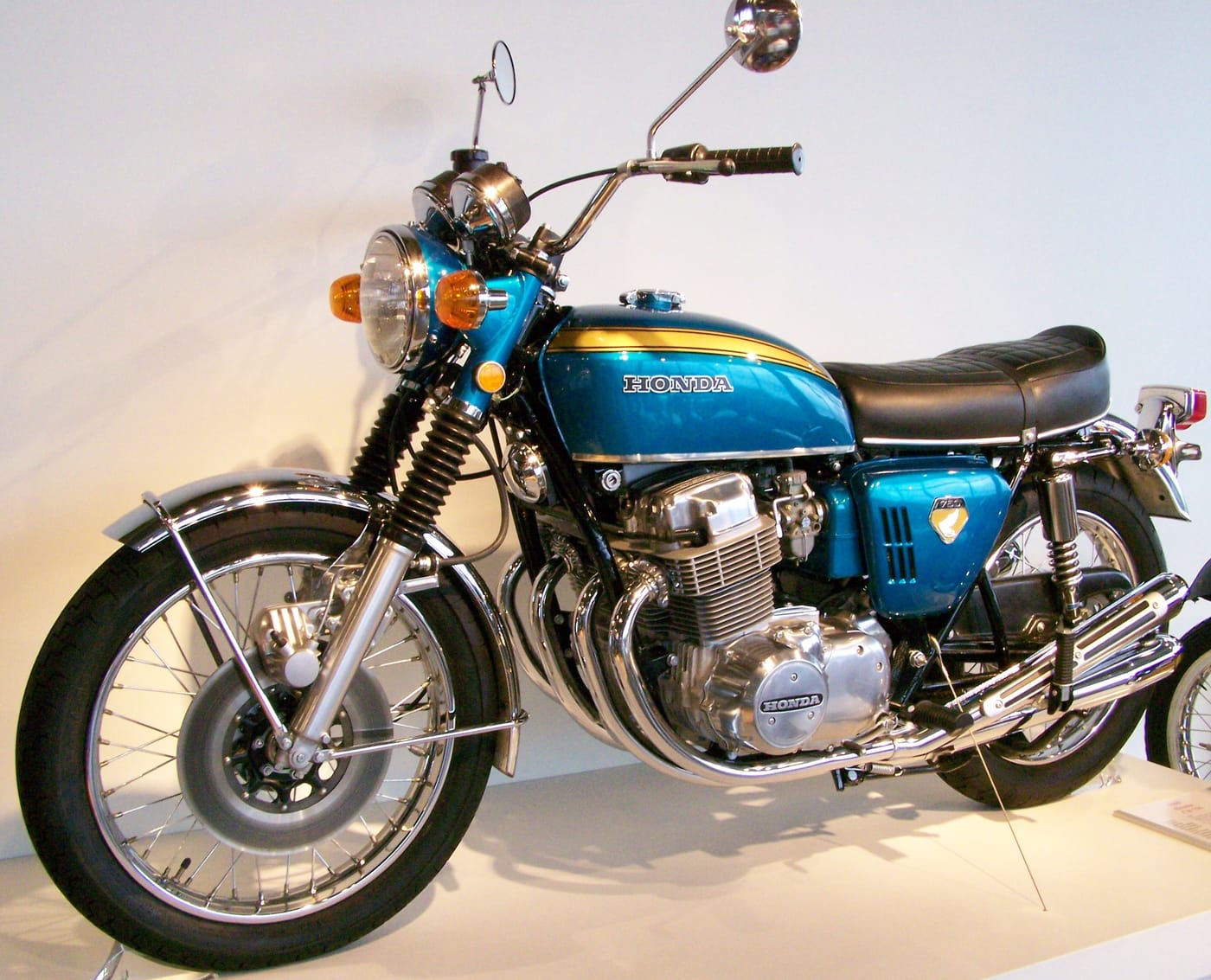
Honda Cb750 Four
Yamaha Rd 350
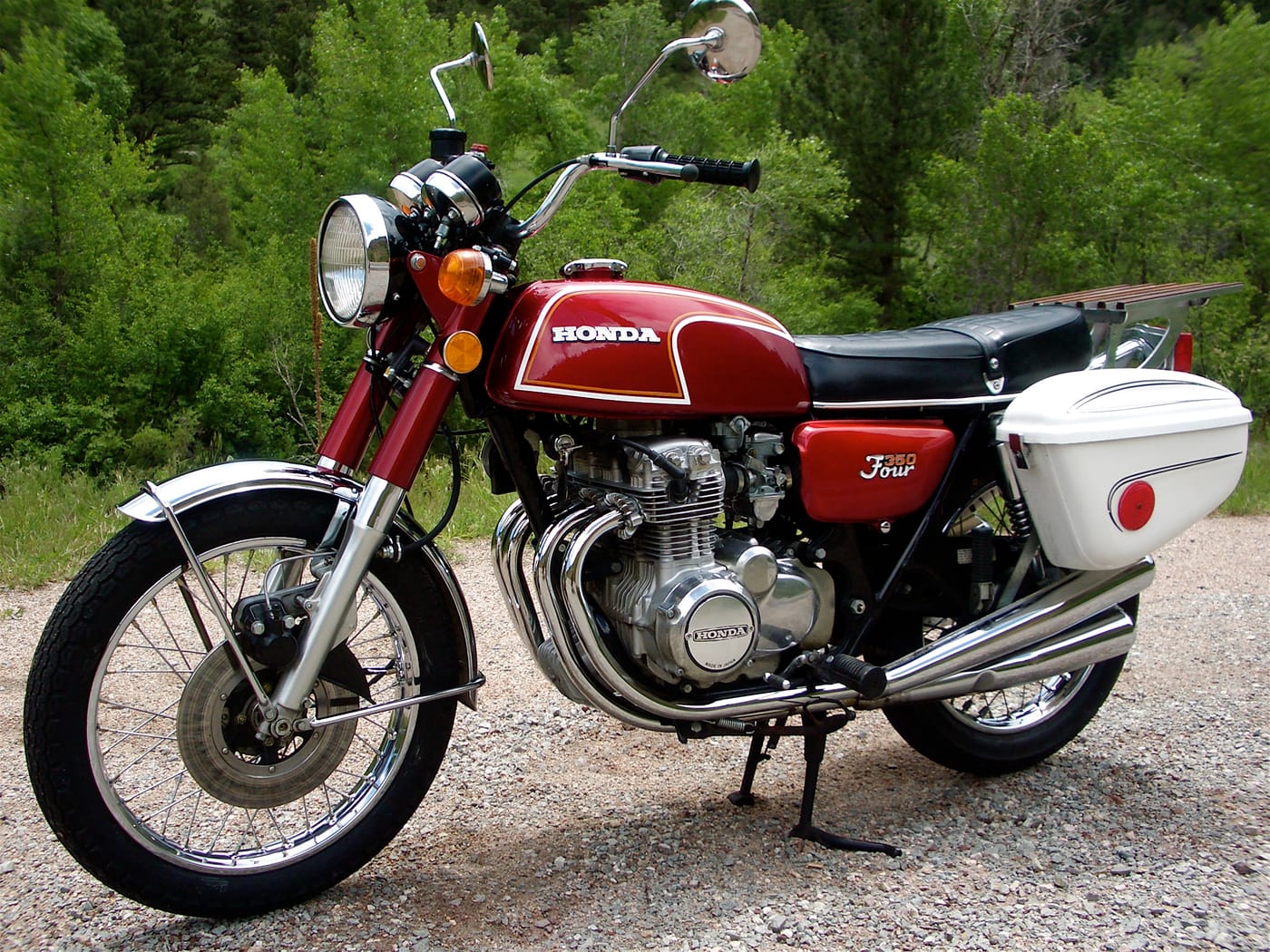
Honda Cb550
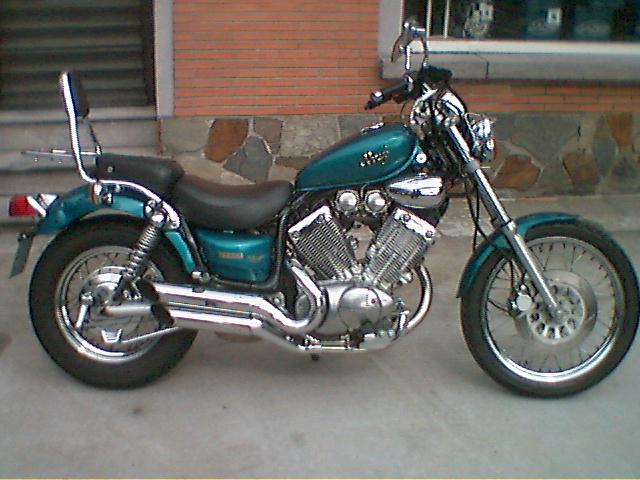
Yamaha Sr400
Yamaha Sr500
Compare Yamaha Xs650 Side-by-Side
compare_arrowsSpecs, power, weight & buyer verdict — head-to-head with the bikes most often cross-shopped.
Yamaha Xs650 vs Honda Cb750 Four
Specs · Power · Buyer verdict
Yamaha Xs650 vs Yamaha Rd 350
Specs · Power · Buyer verdict
Yamaha Xs650 vs Honda Cb550
Specs · Power · Buyer verdict
Yamaha Xs650 vs Yamaha Sr400
Specs · Power · Buyer verdict
Yamaha Xs650 vs Yamaha Sr500
Specs · Power · Buyer verdict
More Yamaha Xs650 Guides
More from Yamaha
View all Yamaha models →Community Reviews
Discussion
Frequently Asked Questions
What are common problems with the Yamaha Xs650? +
Worn cam chain tensioner causes engine rattle: Cold start rattle, listen at top of engine (serious) | Carburetor jets clogged from old fuel: Rough idle, hard starting, poor throttle response (moderate) | Charging system failure, bad rotor or stator: Battery drains while riding, dim lights (serious)
Is the Yamaha Xs650 a good motorcycle? +
The best vintage Japanese twin you can still reasonably find. Rating: 8.5/10. Best for: Mechanically curious riders wanting customizable classic character. Avoid if: You need reliability without wrenching occasionally.
What is the horsepower of the Yamaha Xs650? +
The Yamaha Xs650 produces 53 hp @ 7,000 rpm, with 52 Nm @ 6,000 rpm of torque. Top speed: 170 km/h.
Is the Yamaha Xs650 good for beginners? +
Not really — the Yamaha Xs650 is better for experienced riders. Mechanically curious riders wanting customizable classic character Avoid if: You need reliability without wrenching occasionally
Is the Yamaha Xs650 reliable? +
Owners report 2 critical issues to watch for on the Yamaha Xs650, notably: Worn cam chain tensioner causes engine rattle (Cold start rattle, listen at top of engine). Buy with a pre-purchase inspection.
Is the Yamaha Xs650 good for daily use? +
Mechanically curious riders wanting customizable classic character Fuel: 4.5 L/100km (approx. 22 km/L).
How fast is the Yamaha Xs650? +
The Yamaha Xs650 reaches a top speed of 170 km/h, producing 53 hp at 193 kg curb weight. Real-world performance depends on rider weight, gearing, and road conditions.
What gear should I buy for a Yamaha Xs650? +
Motoryk has curated a Top 10 gear list specifically for the Yamaha Xs650, covering engine oil, tires, chain, battery, and brake pads — see motoryk.com/bikes/yamaha/xs650/top10. Each pick is matched to this bike's spec.