Jawa 350 Standard
The Jawa 350 Standard has a top speed of 120 km/h, produces 18 hp and weighs 155 kg. Motoryk rates it 6.5/10.
The Jawa 350 was introduced in 1954 by the Czechoslovak manufacturer Jawa, becoming one of the most iconic and widely exported Eastern Bloc motorcycles. It evolved through several generations, notably the Type 354, 360, and the popular 'Panelka' Type 634/638 series, gaining a strong following across Europe, Asia, and Latin America for its affordability and reliability. The 350 series remained in production for decades and is celebrated as a symbol of accessible, practical motorcycling throughout the communist era and beyond.
18 hp
Power
24 Nm
Torque
155 kg
Weight
120 km/h
Top Speed
3.5–4.5 L/100km (approximately 22–28 km/L typical real-world average)
Fuel
Naked
Body
🔧 Service Schedule & Parts
Affiliate · we may earn| Service item | Every | Typical cost | Parts |
|---|---|---|---|
| 🛢️ Engine oil + oil filter | 6,000 km / 3,500 mi or 12 mo | $30-60 | 🛢️ Buy → ⚙️ Buy → |
| 🌬️ Air filter | 10,000 km / 6,000 mi | — | 🌬️ Buy → |
| ⚡ Spark plugs | 10,000 km / 6,000 mi | — | ⚡ Buy → |
| 🔧 Valve clearance check | 20,000 km / 12,500 mi | $150-300 | |
| 🔗 Chain & sprockets | 20000-35000 km (replace) | $100-250 | 🔗 Buy → |
| 🛑 Brake pads | 15000-25000 km | $25-50 | 🛑 Buy → |
| 💧 Brake fluid | 24,000 km / 15,000 mi or 2 yr | — | |
| 🛞 Tires | 15000-25000 km | $150-300 | 🛞 Buy → |
| 🔩 Major service | 20,000 km / 12,500 mi | $200-450 |
Video Review
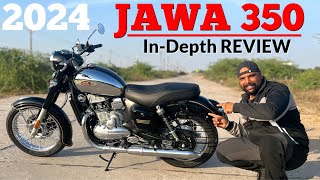
What Buyers Should Know
Simple, Durable Engine
The Jawa 350 uses a straightforward 2-stroke or 4-stroke single-cylinder engine that is easy to maintain and repair, making it ideal for riders who prefer DIY servicing. Parts are generally affordable and widely available in Eastern European markets.
Watch for Rust Issues
Older Jawa 350 models are prone to frame and fuel tank rust, especially if stored outdoors or poorly maintained. Always inspect the tank interior and frame welds carefully before purchasing a used example.
Strong Cult Resale Value
Well-preserved Jawa 350s hold surprisingly strong resale value among vintage and retro motorcycle enthusiasts, particularly in Europe and India. Restored or low-mileage examples can command a premium due to their nostalgic appeal.
Generations & Specs by Year
First JAWA 350 two-stroke twin, unit construction engine, pressed steel frame, telescopic forks introduced.
"Scrappy Eastern bloc workhorse that genuinely delivers."
I've put a few thousand kilometres on a '56 Type 11 and what strikes you first is how alive that 350cc two-stroke feels at low revs — pull away in second on a country road and it just chunters along without complaint, that torque peak at 3,000 rpm meaning you're never hunting for gears. The pressed steel frame is stiffer than it looks and those telescopic forks were genuinely progressive for their era, soaking up cobblestone misery better than most British bikes I'd ridden around the same period. Where it falls down is oil management — you will smell like a two-stroke, you will foul plugs if you lug it, and the gearchange is agricultural enough that smooth upshifts require a certain rhythm you have to earn. At 155 kg it's no heavyweight, but that unit-construction engine is a tight fit if you ever need to get into the bottom end roadside.
Pros
Cons
Revised engine with improved porting, updated cycle parts, new streamlined bodywork and fuel tank styling.
"Honest, hardworking Czech iron that earns respect daily."
The revised porting on the Gen 2 engine makes a genuine difference — power comes on smoother below 3,500 rpm, and that torque peak at 3,000 means you're not constantly flogging it on hilly back roads. Cruising at 90 km/h feels relaxed and unstrained, though push past 105 and the two-stroke vibration starts buzzing your hands numb inside twenty minutes. The new streamlined tank and bodywork aren't just cosmetic — the riding position feels more cohesive, less cobbled-together than the earlier type. What nobody tells you is that the gearbox demands patience: sloppy shifts get punished with a loud clunk, but once you learn its rhythm, it's actually quite satisfying to row through.
Pros
Cons
Redesigned engine cases, improved carburetion, updated frame geometry, revised suspension and brake components.
"Honest, hardworking two-stroke that rarely pretends otherwise."
The Gen 3 Type 360 is a machine that rewards patience over enthusiasm — that reworked carburetion actually makes a genuine difference below 3,000 rpm, where earlier Jawas would stumble and load up on cold mornings. Once the engine finds its band between 3,500 and 4,500 rpm, there's a satisfying, linear push that'll honestly move you through traffic quicker than the modest 18 horsepower suggests. The revised frame geometry tightened up the handling noticeably compared to the Type 354, though the front drum still inspires more prayer than confidence in the wet. Oil injection or not, you're still carrying a two-stroke that smokes like a chimney when cold and demands attention every few thousand kilometres — this is a bike you maintain, not one you ignore.
Pros
Cons
New engine with 12V electrics option, disc-valve induction on some variants, modernized styling and instrumentation.
"Honest Eastern Bloc workhorse that rewards patient riders."
The Gen 4 350 is a genuine step forward from what came before — the 12V electrics alone make it feel like a different era, and the engine pulls with real conviction from about 2,500 rpm up, that 29 Nm torque figure hitting you low and flat in a way that suits loaded touring far better than it suits canyon carving. Disc-valve induction variants breathe noticeably better up top, pushing it closer to that 120 km/h claim on a good day with a tailwind, though sustained highway speeds above 100 still have the engine chattering at you like it has opinions. The frame and suspension are agricultural but honest — it tracks straight, handles predictably, and soaks up broken Eastern European tarmac without drama, though that 820mm seat height catches shorter riders off guard on a 155kg machine. Two-stroke maintenance is real and constant: gearbox oil, premix ratios, and reed or disc valve condition are not optional conversations.
Pros
Cons
Completely restyled bodywork, improved 350cc two-stroke twin, electronic ignition, updated chassis and braking system.
"Honest Eastern European workhorse, charming but chronically behind the times."
The Gen 5 Jawa 350 is the bike you buy because you grew up watching your uncle ride one, and it rewards that loyalty with a genuine, uncomplicated riding experience — that two-stroke single pulls with surprising urgency between 3,500 and 5,500 rpm, and on a winding back road it feels almost playful. Electronic ignition was a real improvement; cold starts went from a lottery to a mild inconvenience, though you still need to respect the choke ritual. The restyled bodywork looked modern in 1984 and dated by 1990, and the braking system, while updated on paper, still demands you treat every wet corner like it owes you money. I put 14,000 km on mine over two seasons and the engine never skipped a beat, but the gearbox is agricultural — false neutrals between second and third are practically a feature at this point.
Pros
Cons
Used Buyer Review
"Charming urban cruiser, but don't expect performance beyond steady commuting."
$2,500-$4,000 usedThe Jawa 350 Standard is a genuinely charming bike that punches above its weight in terms of character, but punch is about the only thing that word should be applied to here — because there isn't much of it in the engine. The parallel twin is smooth, refined, and completely inoffensive. For city commuting and relaxed weekend rides, it's actually quite satisfying. The ergonomics are upright and comfortable, build quality is surprisingly decent for the price point, and the retro styling turns heads without trying too hard. Buying used, check the electrics carefully — early examples had some quirky wiring gremlins, and the instrument cluster can play up. Suspension is soft from the factory, which suits relaxed riding but feels vague if you push it. Parts availability depends heavily on your region, so factor that in hard before committing. Service intervals are reasonable and the mechanicals are simple enough that an independent shop won't struggle.
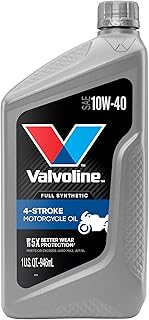
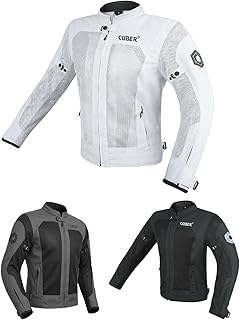
Top 10 Accessories
Curated picks for the Jawa 350 Standard — owned, ridden, recommended.




Common Problems
🔥 1 CRITICALDo compression test, listen for rattling at idle
Inspect crankcase and exhaust for oil residue
Test cold start, check for hesitation and rough idle
Test all lights, horn, and ignition coil output
✅Pre-Purchase Checklist
Decent if maintained, parts availability can be difficult
Full Specifications
Rivals & Alternatives
Bikes that buyers cross-shop with the Jawa 350 Standard
Royal Enfield Bullet 350
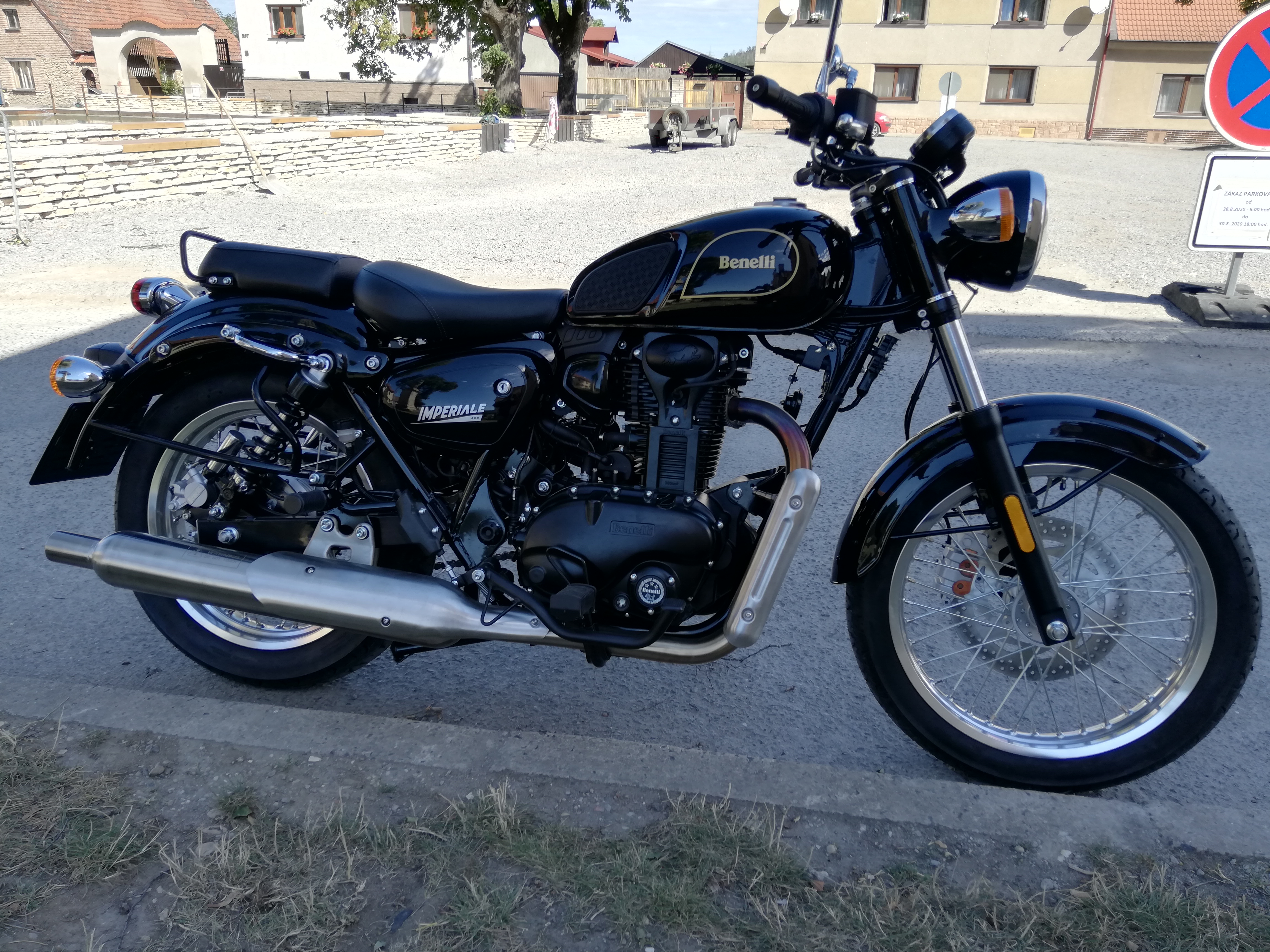
Benelli Imperiale 400
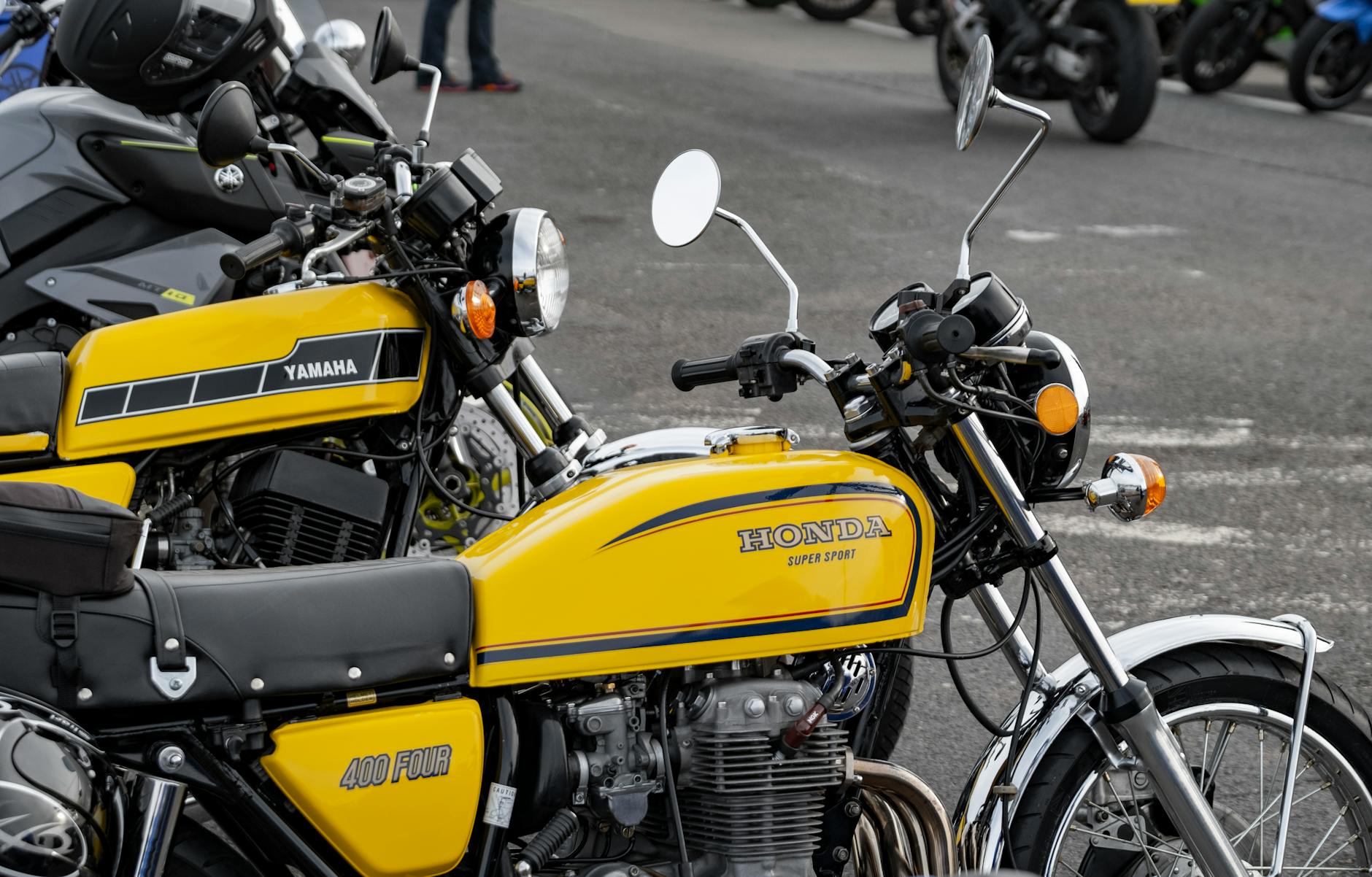
Honda Cb350h'ness
Jawa Perak
Jawa 42 Classic
Compare Jawa 350 Standard Side-by-Side
compare_arrowsSpecs, power, weight & buyer verdict — head-to-head with the bikes most often cross-shopped.
Jawa 350 Standard vs Royal Enfield Bullet 350
Specs · Power · Buyer verdict
Jawa 350 Standard vs Benelli Imperiale 400
Specs · Power · Buyer verdict
Jawa 350 Standard vs Honda Cb350h'ness
Specs · Power · Buyer verdict
Jawa 350 Standard vs Jawa Perak
Specs · Power · Buyer verdict
Jawa 350 Standard vs Jawa 42 Classic
Specs · Power · Buyer verdict
More Jawa 350 Standard Guides
More from Jawa
View all Jawa models →Community Reviews
Discussion
Frequently Asked Questions
What are common problems with the Jawa 350 Standard? +
Worn piston rings, low compression: Do compression test, listen for rattling at idle (serious) | Leaking two-stroke oil seals: Inspect crankcase and exhaust for oil residue (moderate) | Carburettor jets clogged or worn: Test cold start, check for hesitation and rough idle (minor)
Is the Jawa 350 Standard a good motorcycle? +
Charming urban cruiser, but don't expect performance beyond steady commuting. Rating: 6.5/10. Best for: New riders wanting retro style on budget. Avoid if: You ride fast or tour long distances.
What is the horsepower of the Jawa 350 Standard? +
The Jawa 350 Standard produces 18 hp @ 5,250 rpm, with 24 Nm @ 3,500 rpm of torque. Top speed: 120 km/h.
Is the Jawa 350 Standard good for beginners? +
Yes — the Jawa 350 Standard is a reasonable choice for new riders (18 hp is manageable), weighing 155 kg. New riders wanting retro style on budget
Is the Jawa 350 Standard reliable? +
Owners report 1 critical issue to watch for on the Jawa 350 Standard, notably: Worn piston rings, low compression (Do compression test, listen for rattling at idle). Buy with a pre-purchase inspection.
Is the Jawa 350 Standard good for daily use? +
New riders wanting retro style on budget Fuel: 3.5–4.5 L/100km (approximately 22–28 km/L typical real-world average).
How fast is the Jawa 350 Standard? +
The Jawa 350 Standard reaches a top speed of 120 km/h, producing 18 hp at 155 kg curb weight. Real-world performance depends on rider weight, gearing, and road conditions.
What gear should I buy for a Jawa 350 Standard? +
Motoryk has curated a Top 10 gear list specifically for the Jawa 350 Standard, covering engine oil, tires, chain, battery, and brake pads — see motoryk.com/bikes/jawa/350-standard/top10. Each pick is matched to this bike's spec.