Yamaha Sr500
The Yamaha Sr500 has a top speed of 155 km/h, produces 32 hp and weighs 174 kg. Motoryk rates it 8/10.
La Yamaha SR500 se presentó en 1978 como una moto monocilíndrica de cuatro tiempos y gran cilindrada, inspirándose en la clásica tradición británica de los Tumper y compartiendo su arquitectura de motor con la XT500 dual-sport. Se convirtió en un icono por su diseño minimalista, su funcionamiento únicamente con arranque rápido y la experiencia de conducción pura que ofrecía, y se ganó un culto de seguidores, especialmente en Europa y Japón. La producción continuó hasta 1999, y su legado perdura en el SR400, de menor tamaño, que se fabricó en Japón hasta bien entrada la década de 2010.
32 hp
Potencia
37 Nm
Torsión
174 kg
Peso
155 km/h
Velocidad máxima
3.5 L/100km (approx. 28 km/L typical real-world average)
Combustible
Desnudo
Cuerpo
🔧 Service Schedule & Parts
Affiliate · we may earn| Service item | Every | Typical cost | Parts |
|---|---|---|---|
| 🛢️ Engine oil + oil filter | 3,000 km / 2,000 mi or 6 mo | $30-60 | 🛢️ Buy → ⚙️ Buy → |
| 🌬️ Air filter | 6,000 km / 3,500 mi | — | 🌬️ Buy → |
| ⚡ Spark plugs | 6,000 km / 3,500 mi | — | ⚡ Buy → |
| 🔧 Valve clearance check | 6,000 km / 3,500 mi | $150-300 | |
| 🔗 Chain & sprockets | 20000-30000 km (replace) | $120-250 | 🔗 Buy → |
| 🛑 Brake pads | 10000-20000 km | $25-50 | 🛑 Buy → |
| 💧 Brake fluid | 24,000 km / 15,000 mi or 2 yr | — | |
| 🛞 Tires | 10000-18000 km | $150-300 | 🛞 Buy → |
| 🔩 Major service | 12,000 km / 7,500 mi | $200-500 |
Video Review
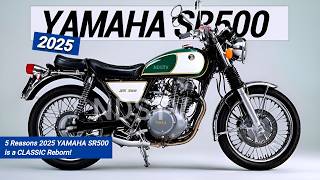
Lo que los compradores deben saber
Kickstart Technique Matters
The SR500's single-cylinder TT500 engine requires a specific decompression and kickstart technique to fire reliably — improper starting can flood the carb or cause kickback. Once mastered, the engine is extremely durable and straightforward to maintain.
Strong Resale Value
The SR500 (1978–1983) has become a highly sought-after vintage and cafe racer base, driving prices steadily upward. Well-maintained examples regularly sell for $4,000–$8,000+, making neglected bikes a risky buy unless priced accordingly.
Watch the Valves
Valve clearances on the SR500 need regular checking, as a tight exhaust valve is a common cause of hard starting and poor performance. Always verify recent valve adjustments and carb rebuilds before purchasing.
Generaciones y especificaciones por año
Lanzamiento original con propulsor monocilíndrico SOHC de 499 cc, freno delantero de tambor y estilo clásico de Scrambler.
"El golpe que definió una generación de simplicidad."
He dado vida a esta cosa en mañanas gélidas y tardes sofocantes, y el ritual nunca pasa de moda, aunque la espinilla te lo recordará cuando te pierdas el golpe de compresión. El monoplaza de 499 cc produce un par real a bajas revoluciones, lo que recompensa la paciencia por encima de la agresividad, y esa nota de escape es realmente adictiva a 4.000 rpm en una carretera vacía. El freno delantero de tambor es honesto en cuanto a sus limitaciones, lo que significa «dejar un espacio más largo del que crees que necesitas», y la suspensión pertenece a una era diferente y más tolerante. Pero olvídate de las expectativas modernas y tendrás una moto que te enseñará a conducir en lugar de esconder tus errores detrás de la electrónica.
Pros
Contras
Se introdujo el freno de disco delantero, pequeñas mejoras en el carburador y el encendido, gráficos y opciones de color actualizados.
"Un golpe con alma que exige respeto."
La SR500 de segunda generación tenía el disco delantero que siempre había necesitado, y realmente transforma la confianza en carreteras mojadas y frenadas tardías: el tambor del original era una oración, no un freno. Ese potente motor de 499 cc sigue disparando con una patada que te hará sentir humilde en las mañanas frías; si lo vuelas una vez, estarás levantando las pantorrillas durante diez minutos a un lado de la carretera. Sin embargo, cuando hace calor, el par motor de gama baja es adictivo: pasa de las 2500 rpm con una autoridad mecánica que ningún gemelo paralelo de esta época puede fingir. A 145 km/h, todo vibra como un diapasón y los empastes están flojos, así que tómalo como un número teórico y manténgalo por debajo de 120 si es honesto.
Pros
Contras
Reseña de un comprador usado
"Rewarding, characterful, and unforgiving — exactly what motorcycling should feel like."
$3,500-$7,500 usedThe SR500 is a proper single-cylinder thumper from Yamaha's golden era, and buying one used requires your eyes wide open. These bikes demand kick-start ritual — flooding is real, technique matters, and your shin will pay tuition fees until you learn it. Find one with fresh carb work, a solid compression reading above 150psi, and no seized fins on that big barrel. Previous owners who 'just left it sitting' are red flags wrapped in rust. Mechanically they're beautifully simple — points or electronic ignition depending on year, a single Mikuni carb, and nothing a decent workshop manual can't handle in your garage. Parts availability has actually improved through specialists like Fowlers and vintage suppliers. That said, budget for a carb rebuild, new rubber, and likely a valve adjustment before trusting it on longer runs. Electrics are 6-volt on earlier models, which is archaic but manageable. Ride it and you'll understand why people obsess over these. The torque delivery is agricultural in the best sense — purposeful, honest, and genuinely engaging in a way modern bikes simply aren't.
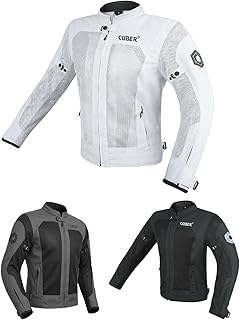
Top 10 Accessories
Curated picks for the Yamaha Sr500 — owned, ridden, recommended.




Problemas comunes
🔥 1 CRITICALTest cold start, inspect decompressor lever function and cable
Look for oil residue below fork tubes
Check idle quality and throttle response
Listen for metallic rattle on cold startup
✅Lista de verificación previa a la compra
Simple, bulletproof if properly maintained
Full Specifications
Rivals & Alternatives
Bikes that buyers cross-shop with the Yamaha Sr500

Royal Enfield Bullet 350
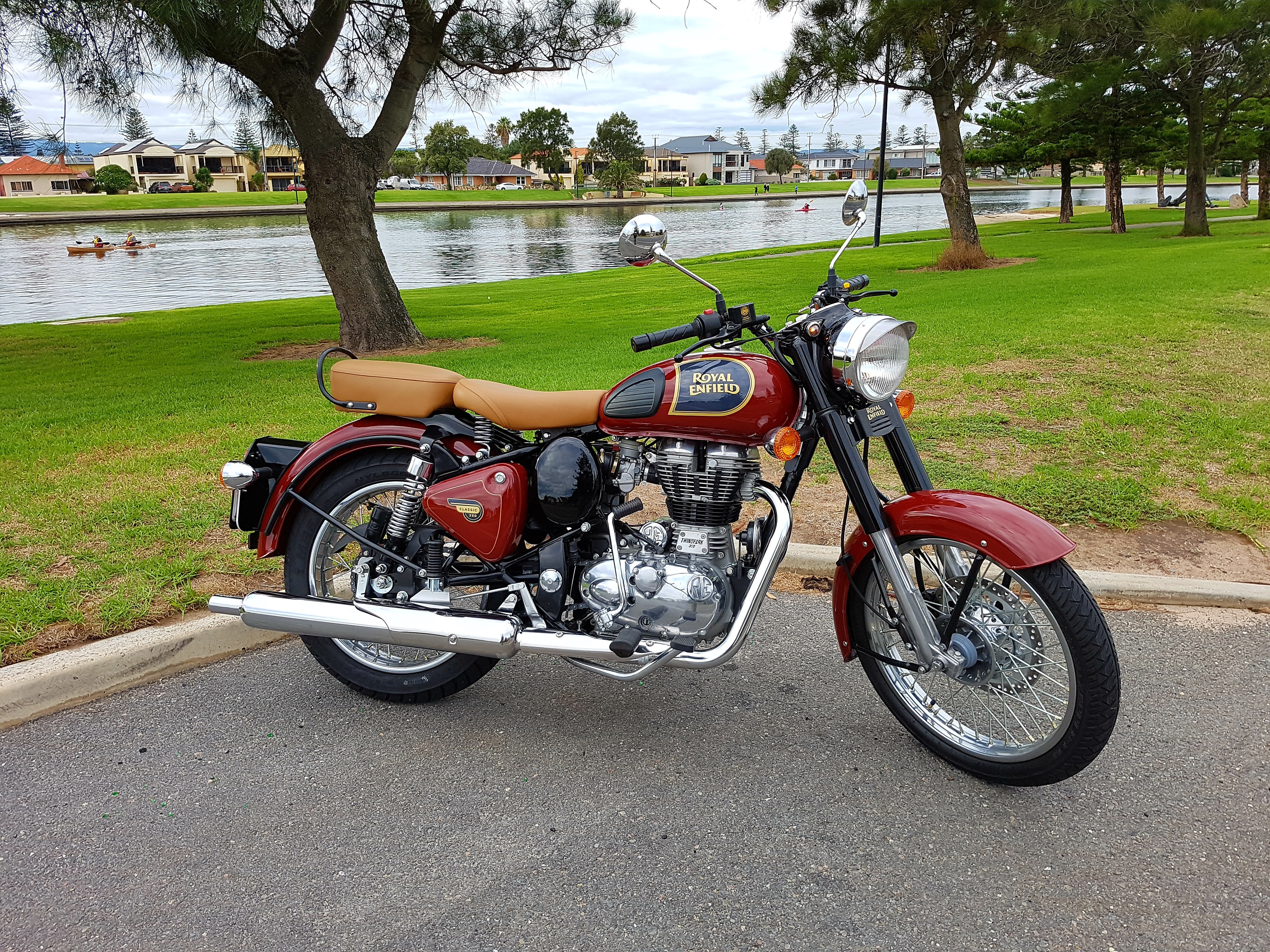
Royal Enfield Classic 350
Jawa 350 Standard
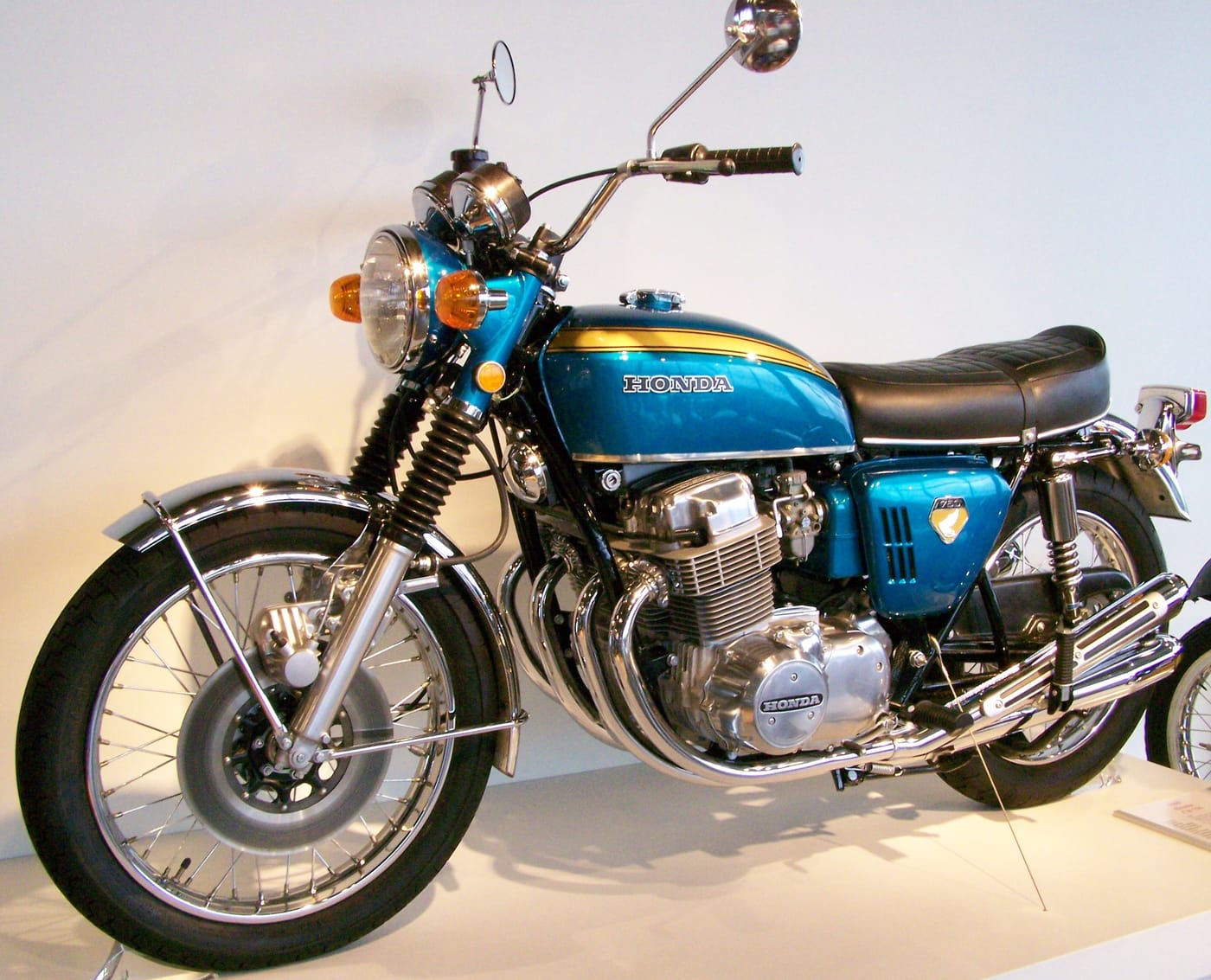
Yamaha Sr400
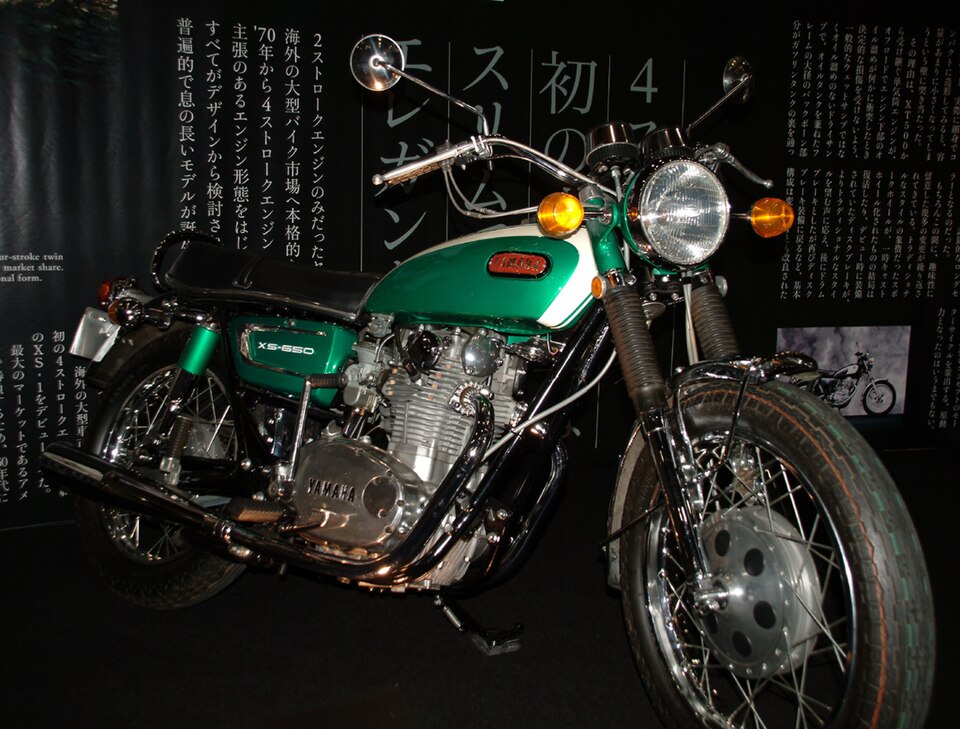
Yamaha Xs650
Compare Yamaha Sr500 Side-by-Side
compare_arrowsSpecs, power, weight & buyer verdict — head-to-head with the bikes most often cross-shopped.
Yamaha Sr500 vs Royal Enfield Bullet 350
Specs · Power · Buyer verdict
Yamaha Sr500 vs Royal Enfield Classic 350
Specs · Power · Buyer verdict
Yamaha Sr500 vs Jawa 350 Standard
Specs · Power · Buyer verdict
Yamaha Sr500 vs Yamaha Sr400
Specs · Power · Buyer verdict
Yamaha Sr500 vs Yamaha Xs650
Specs · Power · Buyer verdict
More Yamaha Sr500 Guides
More from Yamaha
View all Yamaha models →Community Reviews
Discussion
Frequently Asked Questions
What are common problems with the Yamaha Sr500? +
Hard starting, worn decompressor valve: Test cold start, inspect decompressor lever function and cable (moderate) | Leaking fork seals from age: Look for oil residue below fork tubes (moderate) | Carburetor gumming from ethanol fuel: Check idle quality and throttle response (minor)
Is the Yamaha Sr500 a good motorcycle? +
Rewarding, characterful, and unforgiving — exactly what motorcycling should feel like. Rating: 8.0/10. Best for: Patient riders wanting authentic vintage single experience. Avoid if: You commute daily or hate kick-starting.
What is the horsepower of the Yamaha Sr500? +
The Yamaha Sr500 produces 32 hp @ 6,500 rpm, with 37 Nm @ 5,500 rpm of torque. Top speed: 155 km/h.
Is the Yamaha Sr500 good for beginners? +
Yes — the Yamaha Sr500 is a reasonable choice for new riders (32 hp is manageable), weighing 174 kg. Patient riders wanting authentic vintage single experience
Is the Yamaha Sr500 reliable? +
Owners report 1 critical issue to watch for on the Yamaha Sr500, notably: Worn cam chain causing timing rattle (Listen for metallic rattle on cold startup). Buy with a pre-purchase inspection.
Is the Yamaha Sr500 good for daily use? +
Patient riders wanting authentic vintage single experience Fuel: 3.5 L/100km (approx. 28 km/L typical real-world average).
How fast is the Yamaha Sr500? +
The Yamaha Sr500 reaches a top speed of 155 km/h, producing 32 hp at 174 kg curb weight. Real-world performance depends on rider weight, gearing, and road conditions.
What gear should I buy for a Yamaha Sr500? +
Motoryk has curated a Top 10 gear list specifically for the Yamaha Sr500, covering engine oil, tires, chain, battery, and brake pads — see motoryk.com/bikes/yamaha/sr500/top10. Each pick is matched to this bike's spec.