Yamaha Sr500
The Yamaha Sr500 has a top speed of 155 km/h, produces 32 hp and weighs 174 kg. Motoryk rates it 8/10.
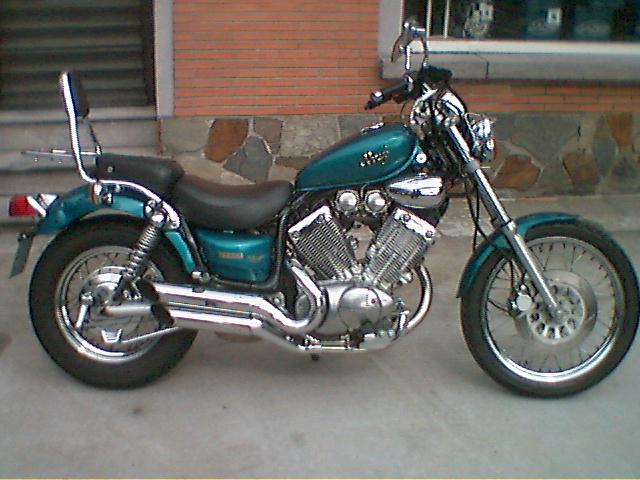
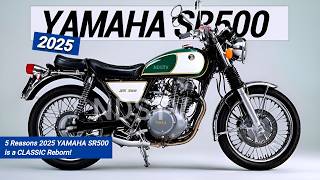
Der Yamaha SR500 wurde 1978 als Einzylinder-Viertakter mit großem Hubraum eingeführt. Er ließ sich von der klassischen britischen Thumper-Tradition inspirieren und teilte seine Motorarchitektur mit dem XT500 Dual-Sport. Er wurde zu einer Ikone für sein minimalistisches Design, die reine Kickstart-Bedienung und das pure Fahrerlebnis, das es bot, und erlangte vor allem in Europa und Japan Kultstatus. Die Produktion wurde bis 1999 fortgesetzt, und das Erbe des Unternehmens wird durch den kleineren SR400 weitergeführt, der bis weit in die 2010er Jahre in Japan produziert wurde.
32 hp
Leistung
37 Nm
Drehmoment
174 kg
Gewicht
155 km/h
Höchstgeschwindigkeit
3.5 L/100km (approx. 28 km/L typical real-world average)
Treibstoff
Nackt
Körper
🔧 Service Schedule & Parts
Affiliate · we may earn| Service item | Every | Typical cost | Parts |
|---|---|---|---|
| 🛢️ Engine oil + oil filter | 3,000 km / 2,000 mi or 6 mo | $30-60 | 🛢️ Buy → ⚙️ Buy → |
| 🌬️ Air filter | 6,000 km / 3,500 mi | — | 🌬️ Buy → |
| ⚡ Spark plugs | 6,000 km / 3,500 mi | — | ⚡ Buy → |
| 🔧 Valve clearance check | 6,000 km / 3,500 mi | $150-300 | |
| 🔗 Chain & sprockets | 20000-30000 km (replace) | $120-250 | 🔗 Buy → |
| 🛑 Brake pads | 10000-20000 km | $25-50 | 🛑 Buy → |
| 💧 Brake fluid | 24,000 km / 15,000 mi or 2 yr | — | |
| 🛞 Tires | 10000-18000 km | $150-300 | 🛞 Buy → |
| 🔩 Major service | 12,000 km / 7,500 mi | $200-500 |
Video Review
Was Käufer wissen sollten
Kickstart Technique Matters
The SR500's single-cylinder TT500 engine requires a specific decompression and kickstart technique to fire reliably — improper starting can flood the carb or cause kickback. Once mastered, the engine is extremely durable and straightforward to maintain.
Strong Resale Value
The SR500 (1978–1983) has become a highly sought-after vintage and cafe racer base, driving prices steadily upward. Well-maintained examples regularly sell for $4,000–$8,000+, making neglected bikes a risky buy unless priced accordingly.
Watch the Valves
Valve clearances on the SR500 need regular checking, as a tight exhaust valve is a common cause of hard starting and poor performance. Always verify recent valve adjustments and carb rebuilds before purchasing.
Generationen und Spezifikationen nach Jahr
Ursprüngliche Markteinführung mit 499 cm³ SOHC-Einzylinder-Tumper, Trommel-Vorderradbremse und klassischem Scrambler-Design.
"Der Thumper, der eine Generation der Einfachheit definierte."
Ich habe dieses Ding an eiskalten Morgen und heißen Nachmittagen zum Leben erweckt, und das Ritual wird nie langweilig — obwohl dein Schienbein dich daran erinnert, wenn du den Kompressionshub verpasst hast. Der 499ccm-Singlepper zieht schon ab niedrigen Drehzahlen mit echtem Drehmoment an, was Geduld statt Aggressivität belohnt, und dieses Auspuffgeräusch macht bei 4.000 U/min auf leerer Straße regelrecht süchtig. Die vordere Trommelbremse ist ehrlich, was ihre Grenzen angeht. Das ist der Code für „Lass einen längeren Abstand, als du denkst, dass du brauchst“, und die Federung gehört zu einer anderen, nachgiebigeren Ära. Aber wenn Sie die modernen Erwartungen weglassen, haben Sie ein Motorrad, das Ihnen das Fahren beibringt, anstatt Ihre Fehler hinter der Elektronik zu verstecken.
Profis
Nachteile
Vordere Scheibenbremse eingeführt, kleinere Vergaser- und Zündverbesserungen, aktualisierte Grafik und Farboptionen.
"Ein Thumper mit Seele, der Respekt einfordert."
Die Generation 2 SR500 hat die Vorderradscheibe, die sie immer gebraucht hat, und sie sorgt wirklich für Selbstvertrauen auf nasser Straße und spätem Bremsen — die Trommel des Originals war ein Gebet, keine Bremse. Der große 499-cm³-Tumper feuert immer noch mit einem Tritt, der dich an kalten Morgen demütigen wird; wenn du ihn einmal überflutest, machst du zehn Minuten lang Wadenheben am Straßenrand. Sobald er jedoch warm ist, macht das Drehmoment im unteren Drehzahlbereich süchtig — es zieht ab 2.500 U/min mit einer mechanischen Autorität, die kein Parallelzwilling dieser Ära vortäuschen kann. Bei 145 km/h vibriert das Ganze wie eine Stimmgabel und deine Füllungen sind locker, also betrachte das als theoretische Zahl und halte sie unter 120, wenn es ehrlich ist.
Profis
Nachteile
Bewertung von gebrauchten Käufern
"Rewarding, characterful, and unforgiving — exactly what motorcycling should feel like."
$3,500-$7,500 usedThe SR500 is a proper single-cylinder thumper from Yamaha's golden era, and buying one used requires your eyes wide open. These bikes demand kick-start ritual — flooding is real, technique matters, and your shin will pay tuition fees until you learn it. Find one with fresh carb work, a solid compression reading above 150psi, and no seized fins on that big barrel. Previous owners who 'just left it sitting' are red flags wrapped in rust. Mechanically they're beautifully simple — points or electronic ignition depending on year, a single Mikuni carb, and nothing a decent workshop manual can't handle in your garage. Parts availability has actually improved through specialists like Fowlers and vintage suppliers. That said, budget for a carb rebuild, new rubber, and likely a valve adjustment before trusting it on longer runs. Electrics are 6-volt on earlier models, which is archaic but manageable. Ride it and you'll understand why people obsess over these. The torque delivery is agricultural in the best sense — purposeful, honest, and genuinely engaging in a way modern bikes simply aren't.
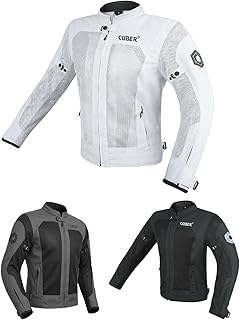
Top 10 Accessories
Curated picks for the Yamaha Sr500 — owned, ridden, recommended.




Häufig auftretende Probleme
🔥 1 CRITICALTest cold start, inspect decompressor lever function and cable
Look for oil residue below fork tubes
Check idle quality and throttle response
Listen for metallic rattle on cold startup
✅Checkliste vor dem Kauf
Simple, bulletproof if properly maintained
Full Specifications
Rivals & Alternatives
Bikes that buyers cross-shop with the Yamaha Sr500

Royal Enfield Bullet 350
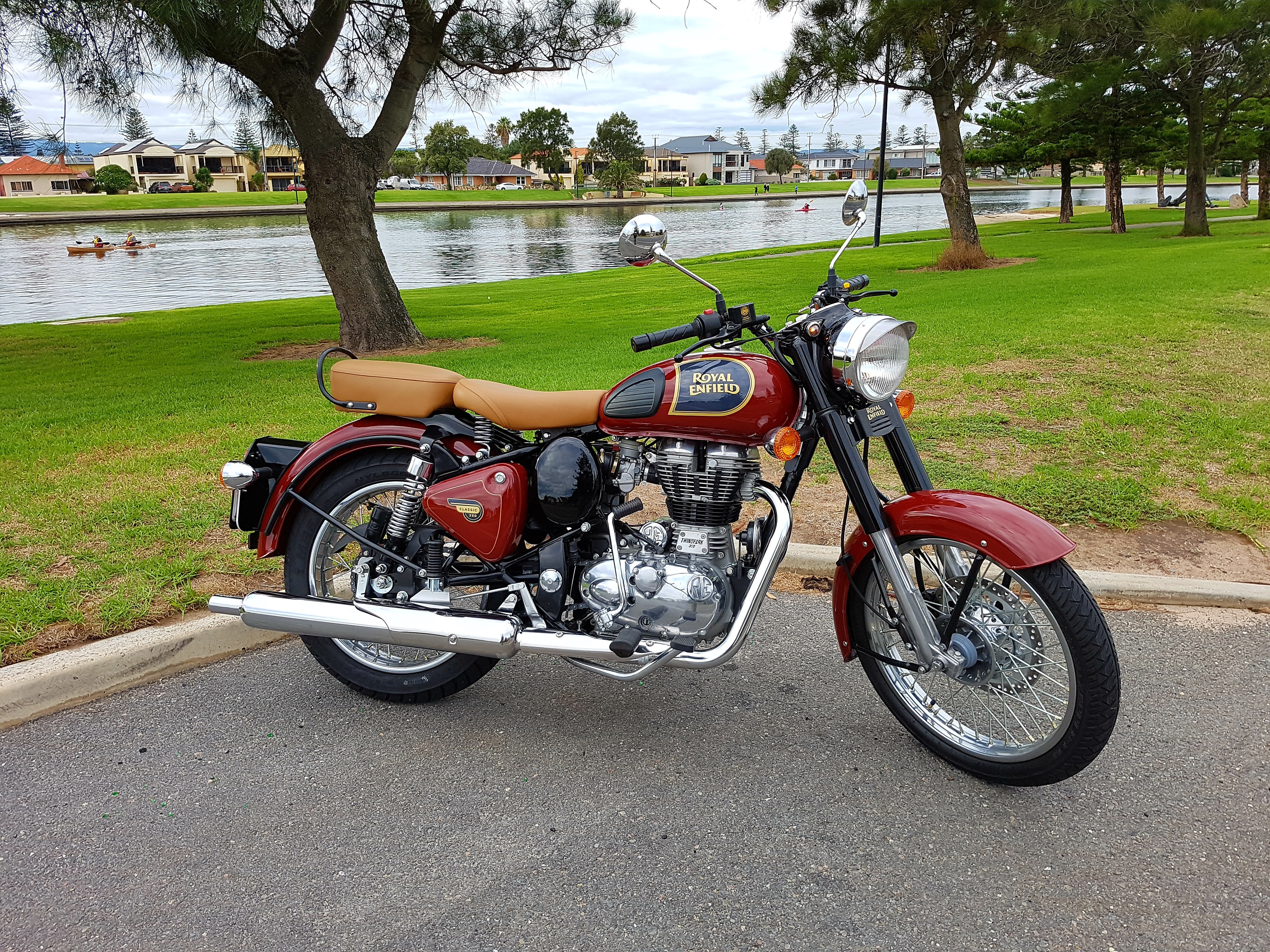
Royal Enfield Classic 350
Jawa 350 Standard
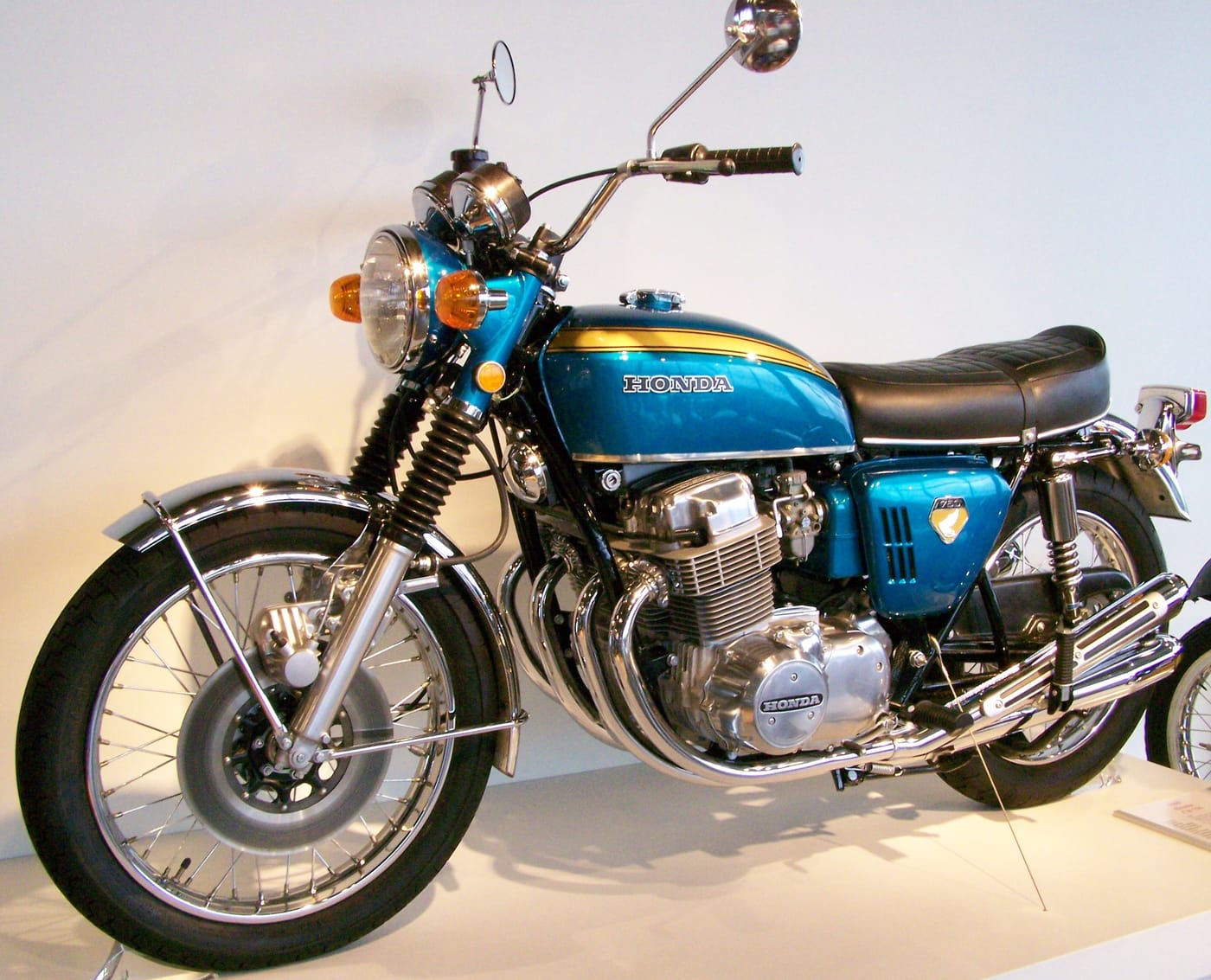
Yamaha Sr400
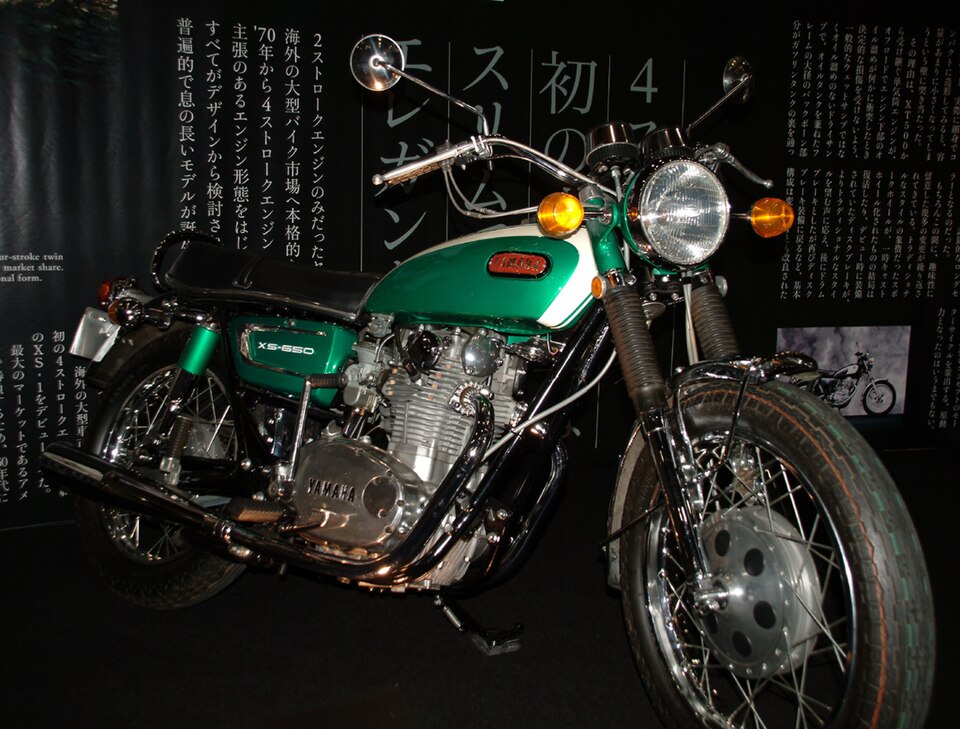
Yamaha Xs650
Compare Yamaha Sr500 Side-by-Side
compare_arrowsSpecs, power, weight & buyer verdict — head-to-head with the bikes most often cross-shopped.
Yamaha Sr500 vs Royal Enfield Bullet 350
Specs · Power · Buyer verdict
Yamaha Sr500 vs Royal Enfield Classic 350
Specs · Power · Buyer verdict
Yamaha Sr500 vs Jawa 350 Standard
Specs · Power · Buyer verdict
Yamaha Sr500 vs Yamaha Sr400
Specs · Power · Buyer verdict
Yamaha Sr500 vs Yamaha Xs650
Specs · Power · Buyer verdict
More Yamaha Sr500 Guides
More from Yamaha
View all Yamaha models →Community Reviews
Discussion
Frequently Asked Questions
What are common problems with the Yamaha Sr500? +
Hard starting, worn decompressor valve: Test cold start, inspect decompressor lever function and cable (moderate) | Leaking fork seals from age: Look for oil residue below fork tubes (moderate) | Carburetor gumming from ethanol fuel: Check idle quality and throttle response (minor)
Is the Yamaha Sr500 a good motorcycle? +
Rewarding, characterful, and unforgiving — exactly what motorcycling should feel like. Rating: 8.0/10. Best for: Patient riders wanting authentic vintage single experience. Avoid if: You commute daily or hate kick-starting.
What is the horsepower of the Yamaha Sr500? +
The Yamaha Sr500 produces 32 hp @ 6,500 rpm, with 37 Nm @ 5,500 rpm of torque. Top speed: 155 km/h.
Is the Yamaha Sr500 good for beginners? +
Yes — the Yamaha Sr500 is a reasonable choice for new riders (32 hp is manageable), weighing 174 kg. Patient riders wanting authentic vintage single experience
Is the Yamaha Sr500 reliable? +
Owners report 1 critical issue to watch for on the Yamaha Sr500, notably: Worn cam chain causing timing rattle (Listen for metallic rattle on cold startup). Buy with a pre-purchase inspection.
Is the Yamaha Sr500 good for daily use? +
Patient riders wanting authentic vintage single experience Fuel: 3.5 L/100km (approx. 28 km/L typical real-world average).
How fast is the Yamaha Sr500? +
The Yamaha Sr500 reaches a top speed of 155 km/h, producing 32 hp at 174 kg curb weight. Real-world performance depends on rider weight, gearing, and road conditions.
What gear should I buy for a Yamaha Sr500? +
Motoryk has curated a Top 10 gear list specifically for the Yamaha Sr500, covering engine oil, tires, chain, battery, and brake pads — see motoryk.com/bikes/yamaha/sr500/top10. Each pick is matched to this bike's spec.