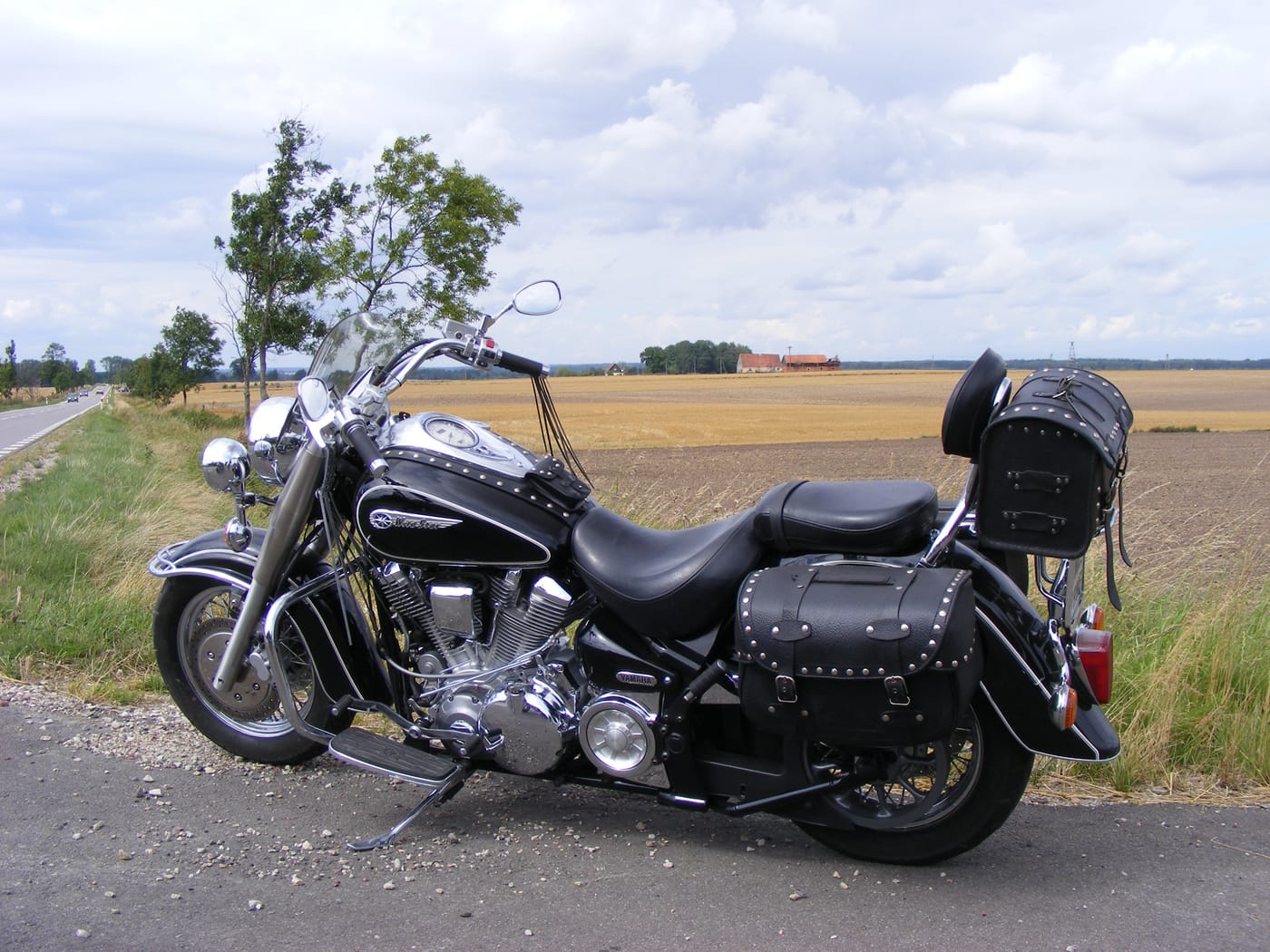
Yamaha Road Star 1700
The Yamaha Road Star 1700 has a top speed of 175 km/h, produces 61 hp and weighs 309 kg. Motoryk rates it 7.8/10.
O Yamaha Road Star (XV1600/XV1700) foi introduzido em 1999 como XV1600A, com um enorme motor V-twin de 1602 cc projetado para competir diretamente com a linha de cruzeiros da Harley-Davidson. Em 2004, a Yamaha perfurou o motor até 1670 cc (comercializado como 1700) e o renomeou como Road Star 1700, continuando a produção até 2013. Tornou-se notável por seu V-twin refrigerado a ar de grande cilindrada, design de motor com haste de pressão e amplas opções de personalização, incluindo as variantes Silverado e Warrior.
61 hp
Poder
127 Nm
Torque
309 kg
Peso
175 km/h
Velocidade máxima
7.5 L/100km (approx. 13.3 km/L) — best estimate based on typical real-world reports
Combustível
Nua
Corpo
🔧 Service Schedule & Parts
Affiliate · we may earn| Service item | Every | Typical cost | Parts |
|---|---|---|---|
| 🛢️ Engine oil + oil filter | 6,000 km / 3,500 mi or 12 mo | $40-80 | 🛢️ Buy → ⚙️ Buy → |
| 🌬️ Air filter | 12,000 km / 7,500 mi | — | 🌬️ Buy → |
| ⚡ Spark plugs | 16,000 km / 10,000 mi | — | ⚡ Buy → |
| 🔧 Valve clearance check | 24,000 km / 15,000 mi | $150-300 | |
| 🛑 Brake pads | 15000-30000 km | $30-60 | 🛑 Buy → |
| 💧 Brake fluid | 24,000 km / 15,000 mi or 2 yr | — | |
| 🛞 Tires | 15000-25000 km | $250-450 | 🛞 Buy → |
| 🔩 Major service | 24,000 km / 15,000 mi | $250-500 |
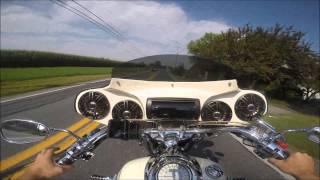
Video Review
O que os compradores devem saber
Rock-Solid Engine Reliability
The 1670cc air-cooled V-twin is known for exceptional longevity, with many owners reporting 100,000+ miles with basic maintenance. It's widely considered one of the most bulletproof cruiser engines ever built.
Watch the Final Drive
The shaft drive system can develop leaks around the rear drive seal, especially on higher-mileage bikes — inspect for oil weeping near the rear wheel before buying. Repairs are manageable but can run $200–$500 if neglected.
Strong Resale Value
Road Stars hold their value notably well compared to other cruisers in their class, thanks to their reputation for durability and a loyal enthusiast community. A well-maintained example typically sells for 70–80% of its original price even after several years.
Gerações e especificações por ano
Introduziu o V-twin refrigerado a ar de 1670 cc, carburado, estilo cruzador clássico, acionamento por correia e transmissão de cinco velocidades.
"Cruzador honesto e pesado que ganha cada quilômetro."
Aquele V-twin de 1670 cc funciona de quase nada — acelere o acelerador a 2.500 rpm e a transmissão por correia apenas o empurra para frente com esse grunhido mecânico satisfatório que nenhum gêmeo moderno montado em borracha pode falsificar. A altura do assento de 700 mm significa que os ciclistas mais baixos plantam os dois pés com facilidade, e o baixo centro de gravidade faz com que os 309 kg pareçam cerca de 40 kg mais leves quando você está rolando. O carburador precisa de um aquecimento adequado nas manhãs frias e a caixa de câmbio de cinco marchas parece vaga em comparação com os padrões japoneses da época — as mudanças da primeira para a segunda podem ser complicadas até que o óleo esquente. Mas para cruzeiros rodoviários de um dia inteiro abaixo de 130 km/h, isso é quase fácil, e o recorde de confiabilidade desses motores é realmente impressionante — já vi Road Stars de 100.000 km ainda em suas partes internas originais.
Prós
Contras
Injeção de combustível adicionada, entrada e escape atualizadas, pequenos refinamentos cosméticos, mantiveram a mesma arquitetura básica do motor.
"Monstro de torque que recompensa pilotos pacientes e deliberados."
A injeção de combustível eliminou quase completamente o mal-estar de partida a frio da Geração 1 — o primeiro pontapé inicial em janeiro não é mais uma negociação. Esses 145 Nm atingem cerca de 2.800 rpm e simplesmente avançam; você não está acelerando essa coisa, você está se apoiando nela como um elevador de carga operado por acelerador. O manuseio é previsível, mas o peso úmido de 318 kg exige respeito nas velocidades do estacionamento — eu deixei cair o meu uma vez em um posto de gasolina e senti cada grama dele. A desvantagem é a estabilidade em alta velocidade que beira a telepática e, em uma ampla rodovia de duas pistas, é realmente difícil melhorar essa bicicleta por dinheiro.
Prós
Contras
Avaliação do comprador usado
"A tough, characterful cruiser that rewards patient, attentive buyers enormously."
$4,500-$9,000 usedThe Road Star 1700 is old-school American cruiser done right, but with Japanese reliability underneath all that chrome. That air-cooled V-twin pulls hard from basically nothing — roll the throttle in fifth at 40mph and it just goes. No drama, no hunting, just torque. It's the kind of engine that makes you forget fuel injection exists, and honestly, carbed versions feel more characterful anyway. Buy one with decent service history and you're looking at a bike that'll outlast most of its riders. The frame and drivetrain are genuinely bulletproof if maintained. What kills them is neglect — look for rust in the carb, cracked fuel lines, and seized brake callipers on bikes that sat. Front forks get soft over time, budget for a rebuild. Check the rear shocks too, originals are garbage past 20,000 miles. It's heavy, it's wide, and it doesn't pretend to be anything other than a boulevard cruiser. No ABS, no riding modes, no nonsense. If that appeals to you, brilliant. If you need modern safety tech, look elsewhere.
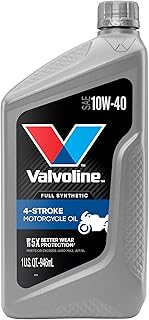
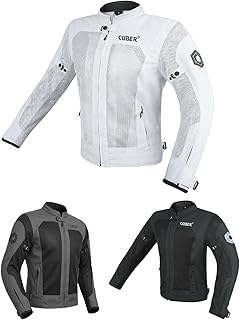
Top 10 Accessories
Curated picks for the Yamaha Road Star 1700 — owned, ridden, recommended.




Problemas comuns
🔥 2 CRITICALCold start ticking or rattling near engine top
Rough idle, hesitation, hard starting when warm
Oil residue or wet stains on fork tubes
Grinding noise or freewheeling when hitting starter
✅Lista de verificação de pré-compra
Solid cruiser, reliable if maintained consistently
Full Specifications
Rivals & Alternatives
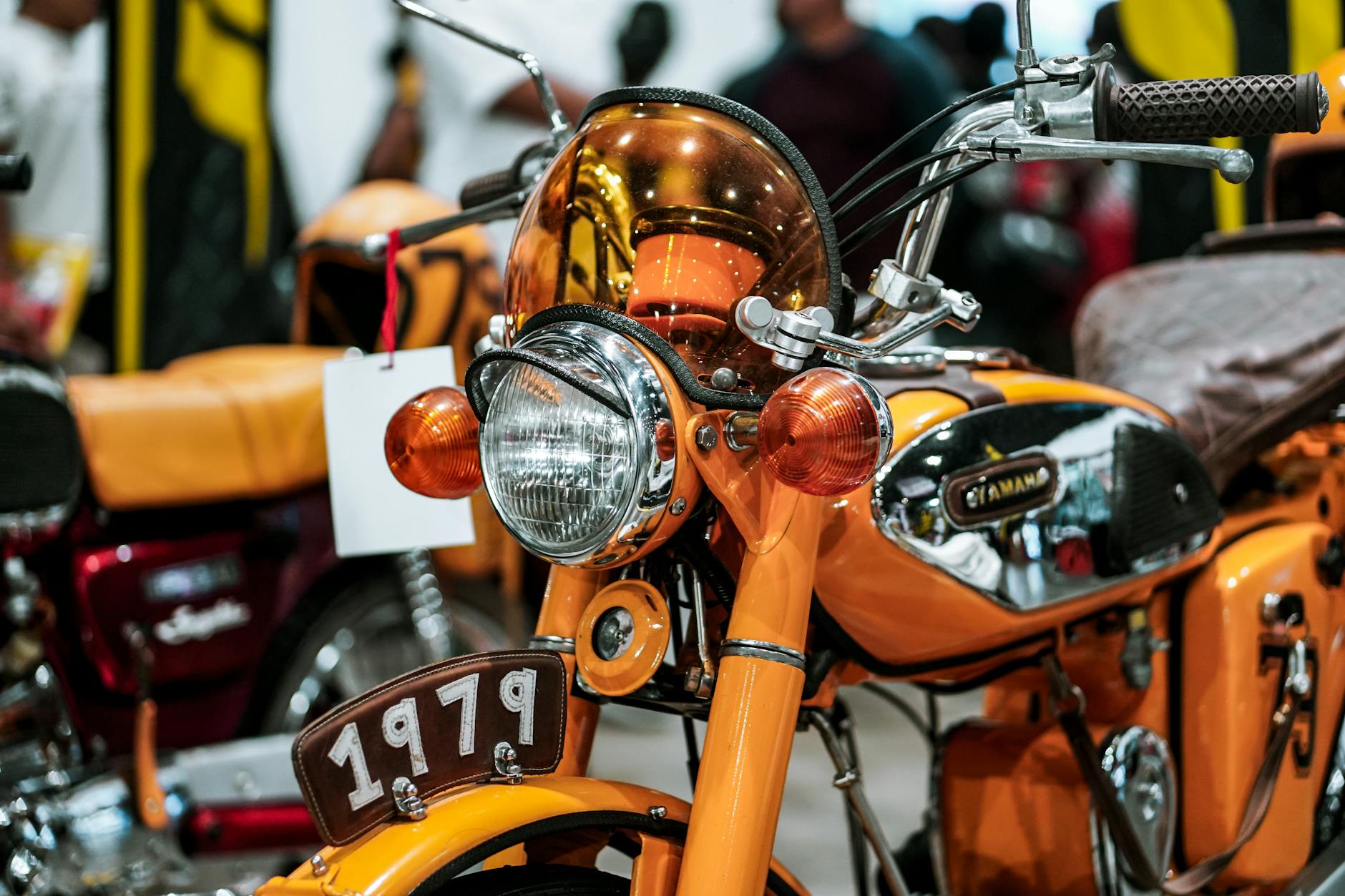
Bikes that buyers cross-shop with the Yamaha Road Star 1700
Yamaha Stratoliner 1900
Yamaha Road Star Warrior
Yamaha Roadliner 1900
Suzuki Intruder 1500
Yamaha Road Star 1600
Compare Yamaha Road Star 1700 Side-by-Side
compare_arrowsSpecs, power, weight & buyer verdict — head-to-head with the bikes most often cross-shopped.
Yamaha Road Star 1700 vs Yamaha Stratoliner 1900
Specs · Power · Buyer verdict
Yamaha Road Star 1700 vs Yamaha Road Star Warrior
Specs · Power · Buyer verdict
Yamaha Road Star 1700 vs Yamaha Roadliner 1900
Specs · Power · Buyer verdict
Yamaha Road Star 1700 vs Suzuki Intruder 1500
Specs · Power · Buyer verdict
Yamaha Road Star 1700 vs Yamaha Road Star 1600
Specs · Power · Buyer verdict
More Yamaha Road Star 1700 Guides
More from Yamaha
View all Yamaha models →Community Reviews
Discussion
Frequently Asked Questions
What are common problems with the Yamaha Road Star 1700? +
Cam chain tensioner wear causing engine noise: Cold start ticking or rattling near engine top (serious) | Carburetor jets clogging from ethanol fuel: Rough idle, hesitation, hard starting when warm (moderate) | Fork seal leaks on high-mileage bikes: Oil residue or wet stains on fork tubes (moderate)
Is the Yamaha Road Star 1700 a good motorcycle? +
A tough, characterful cruiser that rewards patient, attentive buyers enormously. Rating: 7.8/10. Best for: Relaxed cruiser riders wanting bulletproof American style. Avoid if: You want sporty handling or modern safety tech.
What is the horsepower of the Yamaha Road Star 1700? +
The Yamaha Road Star 1700 produces 61 hp @ 4,000 rpm, with 127 Nm @ 2,500 rpm of torque. Top speed: 175 km/h.
Is the Yamaha Road Star 1700 good for beginners? +
Yes — the Yamaha Road Star 1700 is a reasonable choice for new riders (61 hp is manageable), weighing 309 kg. Relaxed cruiser riders wanting bulletproof American style
Is the Yamaha Road Star 1700 reliable? +
Owners report 2 critical issues to watch for on the Yamaha Road Star 1700, notably: Cam chain tensioner wear causing engine noise (Cold start ticking or rattling near engine top). Buy with a pre-purchase inspection.
Is the Yamaha Road Star 1700 good for daily use? +
Relaxed cruiser riders wanting bulletproof American style Fuel: 7.5 L/100km (approx. 13.3 km/L) — best estimate based on typical real-world reports.
How fast is the Yamaha Road Star 1700? +
The Yamaha Road Star 1700 reaches a top speed of 175 km/h, producing 61 hp at 309 kg curb weight. Real-world performance depends on rider weight, gearing, and road conditions.
What gear should I buy for a Yamaha Road Star 1700? +
Motoryk has curated a Top 10 gear list specifically for the Yamaha Road Star 1700, covering engine oil, tires, chain, battery, and brake pads — see motoryk.com/bikes/yamaha/road-star-1700/top10. Each pick is matched to this bike's spec.