Yamaha Raider 1900
The Yamaha Raider 1900 has a top speed of 185 km/h (estimated; note: not a performance-focused model), produces 100 hp and weighs 317 kg. Motoryk rates it 7.8/10.
The Yamaha Raider (XV1900A) was introduced in 2008 as a purpose-built custom cruiser, developed on the same 1854cc V-twin platform as the Stratoliner and Roadliner. It was designed to compete directly with Harley-Davidson's custom segment, featuring a dramatically low-slung profile, hardtail-style rear end, and minimalist bobber aesthetics that made it stand out in Yamaha's lineup. The Raider remained largely unchanged through its production run, earning a strong following for its aggressive styling and strong low-end torque delivery.
100 hp
Power
152 Nm
Torque
317 kg
Weight
185 km/h (estimated; note: not a performance-focused model)
Top Speed
7.5 L/100km (approximately 13.3 km/L) — estimated real-world average
Fuel
Naked
Body
🔧 Service Schedule & Parts
Affiliate · we may earn| Service item | Every | Typical cost | Parts |
|---|---|---|---|
| 🛢️ Engine oil + oil filter | 6,000 km / 3,500 mi or 12 mo | $40-80 | 🛢️ Buy → ⚙️ Buy → |
| 🌬️ Air filter | 12,000 km / 7,500 mi | — | 🌬️ Buy → |
| ⚡ Spark plugs | 16,000 km / 10,000 mi | — | ⚡ Buy → |
| 🔧 Valve clearance check | 24,000 km / 15,000 mi | $200-400 | |
| 🛑 Brake pads | 15000-30000 km | $30-60 | 🛑 Buy → |
| 💧 Brake fluid | 24,000 km / 15,000 mi or 2 yr | — | |
| 🛞 Tires | 15000-25000 km | $250-500 | 🛞 Buy → |
| 🔩 Major service | 24,000 km / 15,000 mi | $400-700 |
Video Review
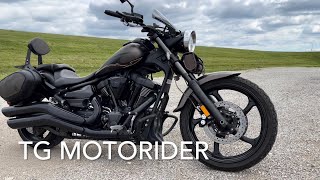
What Buyers Should Know
Proven 1900cc Engine
The Raider's 113ci V-twin is shared with the Star Stratoliner and Roadliner, giving it a well-documented reliability record with relatively few major mechanical complaints across its production run (2008–2016).
Watch for Hard Parts
Since Yamaha discontinued the Raider in 2016, aftermarket and OEM parts availability is tightening — inspect the cam chain tensioners and fuel pump on high-mileage examples, as these are the most commonly reported wear items.
Strong Resale Hold
The Raider's aggressive bobber-style design gives it a cult following, helping it retain value better than many cruisers in its class — clean, low-mileage examples consistently command premium prices on the used market.
Generations & Specs by Year
Initial production run; 113ci V-twin, belt drive, hardtail-style frame, no major mechanical revisions throughout run.
"Brutish, low-slung muscle bike that actually delivers."
That 1854cc V-twin hits like a freight train at 2,500 rpm — torque so thick you feel it in your chest before your brain registers the throttle input. I've done 400-kilometer days on mine and the 695mm seat height is genuinely comfortable for shorter riders, though the hardtail-style frame transmits every expansion joint straight into your spine after hour three. At 347kg it's a handful in parking lots and slow-speed U-turns will catch you off guard once — and only once. But get it above 60km/h and that weight disappears, the belt drive is whisper-smooth, and it pulls cleanly to an indicated 175 before things get aerodynamically honest.
Pros
Cons
Used Buyer Review
"A serious muscle cruiser that rewards patient, experienced buyers willing to inspect carefully."
$6,500-$11,000 usedThe Raider 1900 is one of those bikes that demands respect the moment you swing a leg over it. That 113-cubic-inch Star motor is genuinely massive, and the low-slung chassis puts you right in the cut. Power delivery is smooth but authoritative — not wild, but you always know there's torque on tap. It's Yamaha's answer to the V-Rod, and honestly it holds up well used. Buy years 2008-2015 and inspect the belt drive carefully — they're known to show wear if previous owners skipped maintenance. Check the front fork seals too, because they leak on high-mileage examples. Parts availability is decent but not exceptional, so budget accordingly. Avoid anything with aftermarket exhaust unless you're ready to retune the fuel injection yourself.
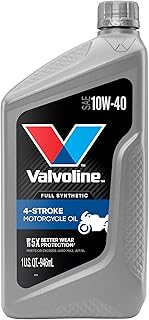
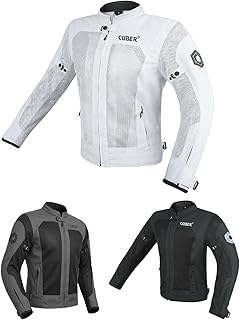
Top 10 Accessories
Curated picks for the Yamaha Raider 1900 — owned, ridden, recommended.




Common Problems
🔥 2 CRITICALListen for grinding noise when starting cold engine
Check for popping on decel, inspect fuel mapping tune
Look for oil residue on lower fork tubes
Listen for ticking rattle at startup when cold
✅Pre-Purchase Checklist
Solid cruiser, maintain it and lasts well
Full Specifications
Rivals & Alternatives
Bikes that buyers cross-shop with the Yamaha Raider 1900
Yamaha Stratoliner 1900
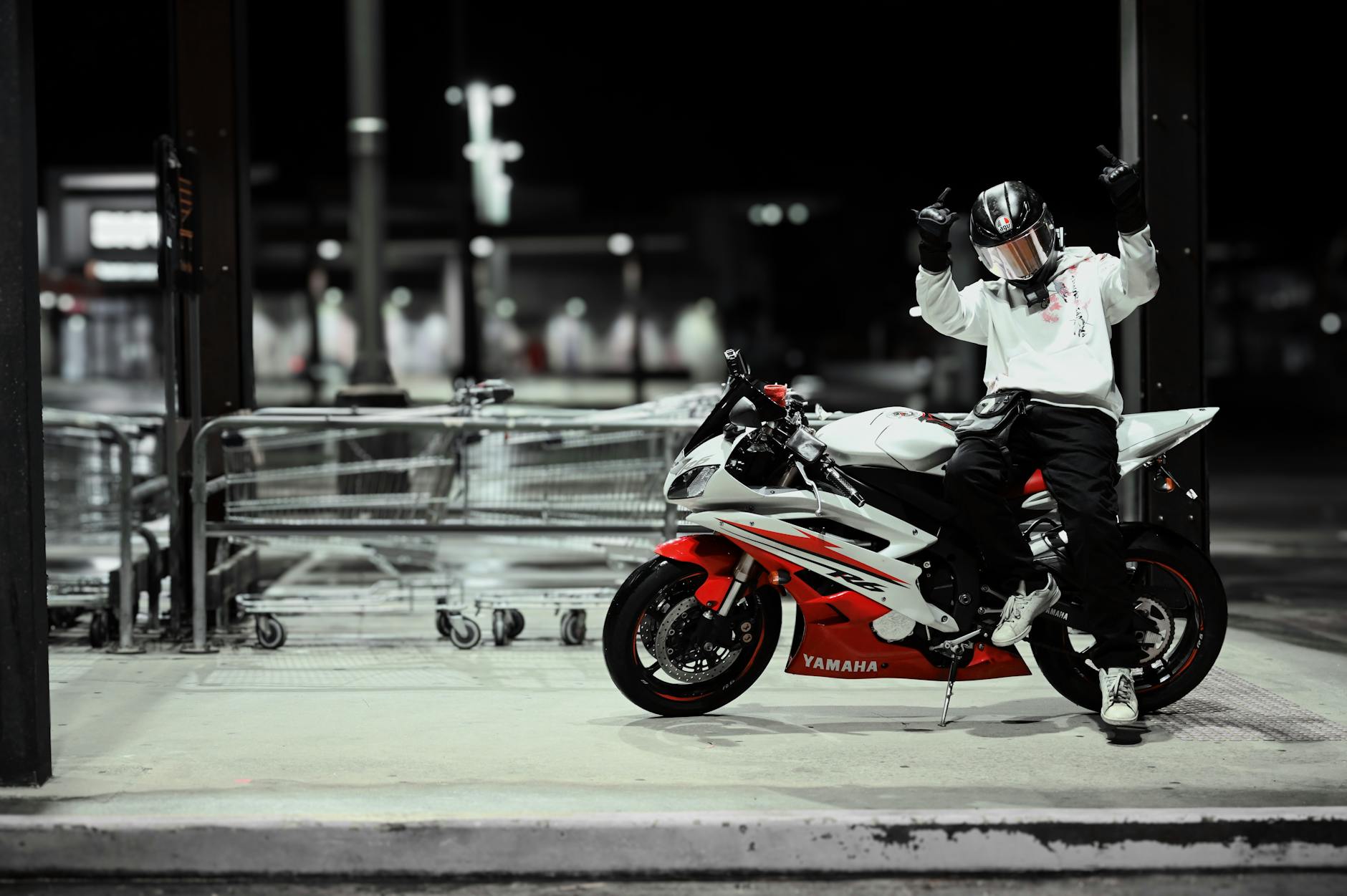
Yamaha Road Star Warrior
Yamaha Roadliner 1900
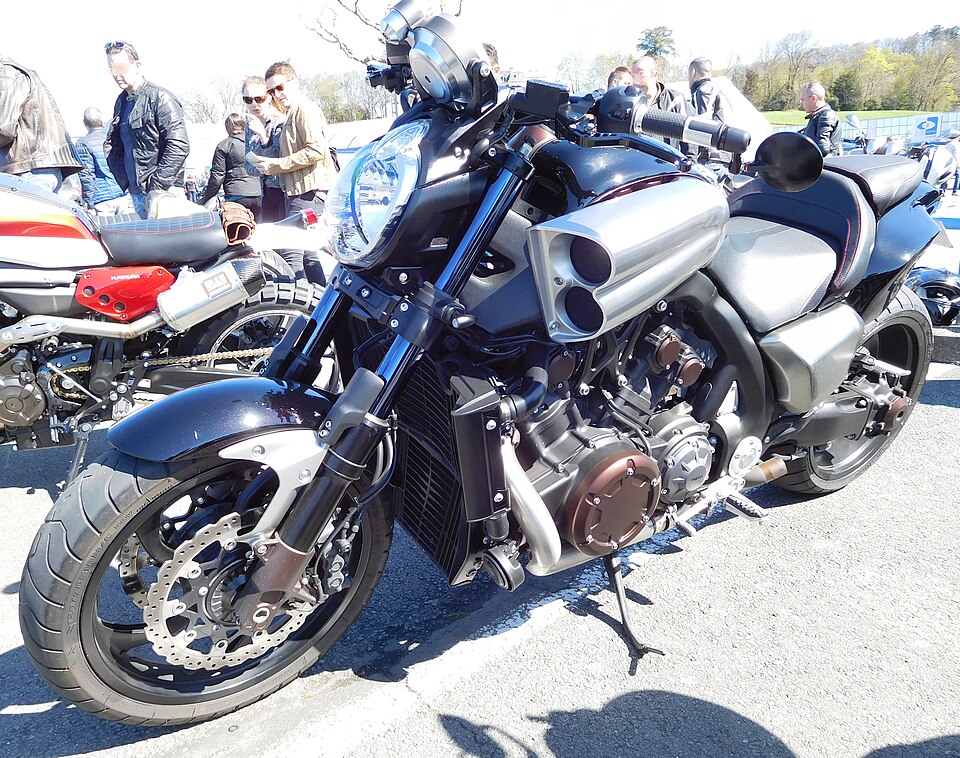
Yamaha Vmax 1700
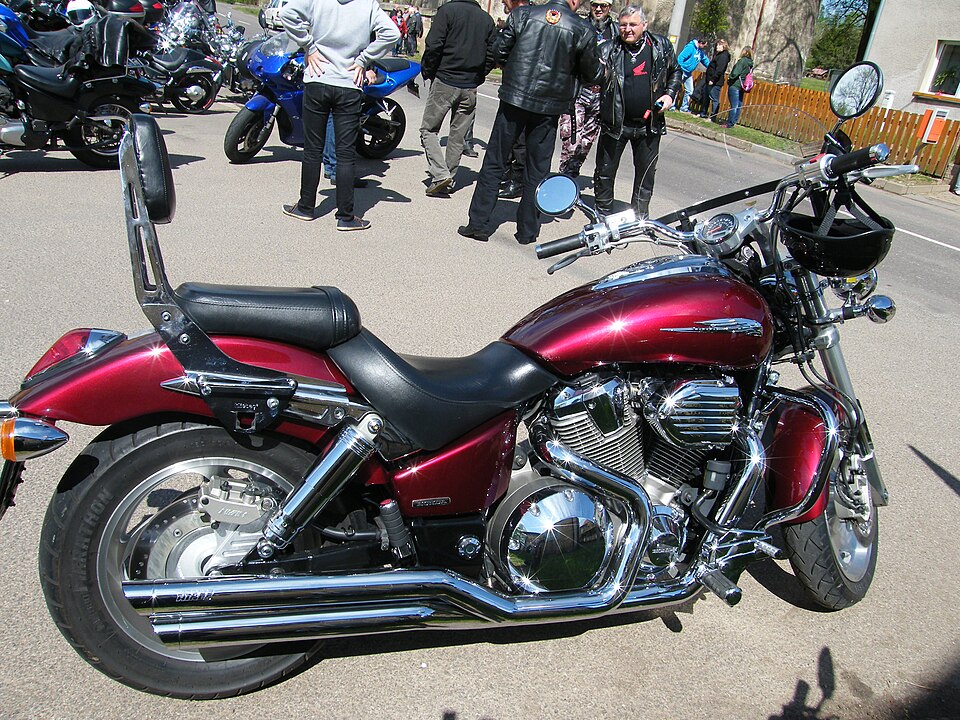
Honda Vtx1800
Compare Yamaha Raider 1900 Side-by-Side
compare_arrowsSpecs, power, weight & buyer verdict — head-to-head with the bikes most often cross-shopped.
Yamaha Raider 1900 vs Yamaha Stratoliner 1900
Specs · Power · Buyer verdict
Yamaha Raider 1900 vs Yamaha Road Star Warrior
Specs · Power · Buyer verdict
Yamaha Raider 1900 vs Yamaha Roadliner 1900
Specs · Power · Buyer verdict
Yamaha Raider 1900 vs Yamaha Vmax 1700
Specs · Power · Buyer verdict
Yamaha Raider 1900 vs Honda Vtx1800
Specs · Power · Buyer verdict
More Yamaha Raider 1900 Guides
More from Yamaha
View all Yamaha models →Community Reviews
Discussion
Frequently Asked Questions
What are common problems with the Yamaha Raider 1900? +
Starter clutch failure, hard or no start: Listen for grinding noise when starting cold engine (serious) | Rear cylinder running lean, heat issues: Check for popping on decel, inspect fuel mapping tune (moderate) | Fork seal leaks on higher mileage bikes: Look for oil residue on lower fork tubes (moderate)
Is the Yamaha Raider 1900 a good motorcycle? +
A serious muscle cruiser that rewards patient, experienced buyers willing to inspect carefully. Rating: 7.8/10. Best for: Experienced cruiser riders wanting American-style muscle. Avoid if: New riders or anyone prioritizing tight urban commuting.
What is the horsepower of the Yamaha Raider 1900? +
The Yamaha Raider 1900 produces 100 hp @ 4,750 rpm (estimated; Yamaha did not officially publish power figures for this model), with 152 Nm @ 3,000 rpm (estimated) of torque. Top speed: 185 km/h (estimated; note: not a performance-focused model).
Is the Yamaha Raider 1900 good for beginners? +
Yes — the Yamaha Raider 1900 is a reasonable choice for new riders (100 hp is manageable), weighing 317 kg. Experienced cruiser riders wanting American-style muscle
Is the Yamaha Raider 1900 reliable? +
Owners report 2 critical issues to watch for on the Yamaha Raider 1900, notably: Starter clutch failure, hard or no start (Listen for grinding noise when starting cold engine). Buy with a pre-purchase inspection.
Is the Yamaha Raider 1900 good for daily use? +
Experienced cruiser riders wanting American-style muscle Fuel: 7.5 L/100km (approximately 13.3 km/L) — estimated real-world average.
How fast is the Yamaha Raider 1900? +
The Yamaha Raider 1900 reaches a top speed of 185 km/h (estimated; note: not a performance-focused model), producing 100 hp at 317 kg curb weight. Real-world performance depends on rider weight, gearing, and road conditions.
What gear should I buy for a Yamaha Raider 1900? +
Motoryk has curated a Top 10 gear list specifically for the Yamaha Raider 1900, covering engine oil, tires, chain, battery, and brake pads — see motoryk.com/bikes/yamaha/raider-1900/top10. Each pick is matched to this bike's spec.