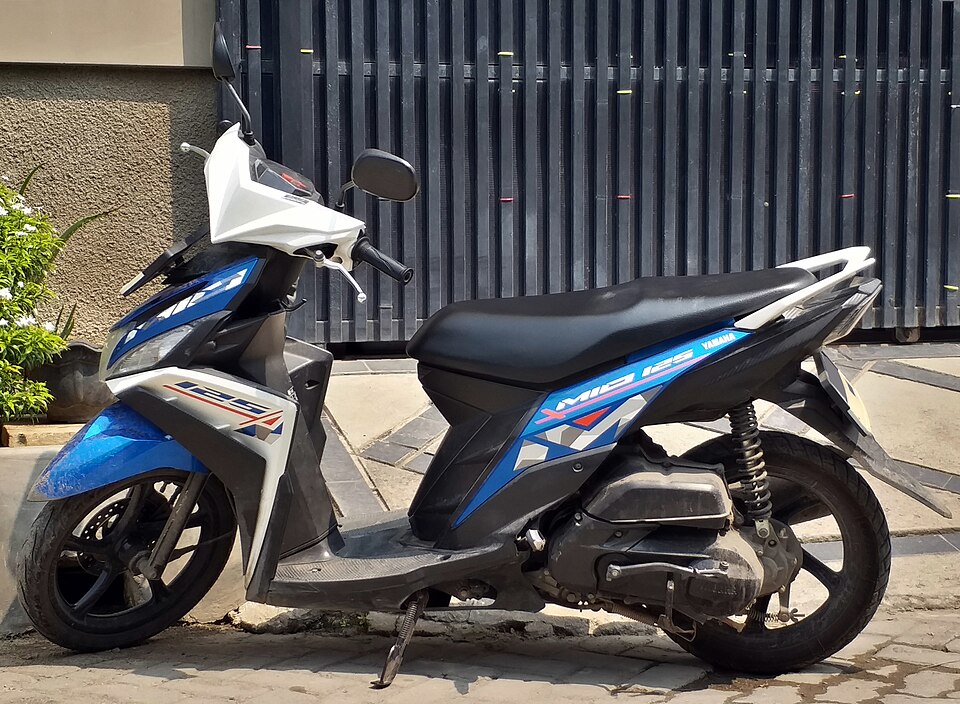
Yamaha Mio M3 125
The Yamaha Mio M3 125 has a top speed of ~95 km/h, produces 9.5 hp and weighs 93 kg. Motoryk rates it 7.5/10.
The Yamaha Mio M3 125 was introduced in Indonesia in 2014 as an evolution of the popular Mio automatic scooter series, which originally launched in 2003. It features Yamaha's Blue Core engine technology, emphasizing improved fuel efficiency and reduced emissions while maintaining everyday practicality. The Mio M3 became one of the best-selling automatic scooters in Southeast Asia, particularly in Indonesia, Thailand, and Vietnam, thanks to its reliability and low running costs.
9.5 hp
Power
9.6 Nm
Torque
93 kg
Weight
~95 km/h
Top Speed
~1.7 L/100km or ~59 km/L (typical real-world average)
Fuel
Faired
Body
🔧 Service Schedule & Parts
Affiliate · we may earn| Service item | Every | Typical cost | Parts |
|---|---|---|---|
| 🛢️ Engine oil + oil filter | 3,000 km / 2,000 mi or 6 mo | $30-60 | 🛢️ Buy → ⚙️ Buy → |
| 🌬️ Air filter | 8,000 km / 5,000 mi | — | 🌬️ Buy → |
| ⚡ Spark plugs | 8,000 km / 5,000 mi | — | ⚡ Buy → |
| 🔧 Valve clearance check | 24,000 km / 15,000 mi | $150-300 | |
| 🔗 Chain & sprockets | 20000-30000 km (replace) | $100-200 | 🔗 Buy → |
| 🛑 Brake pads | 15000-25000 km | $25-50 | 🛑 Buy → |
| 💧 Brake fluid | 24,000 km / 15,000 mi or 2 yr | — | |
| 🛞 Tires | 15000-25000 km | $150-300 | 🛞 Buy → |
| 🔩 Major service | 24,000 km / 15,000 mi | $200-400 |
Video Review
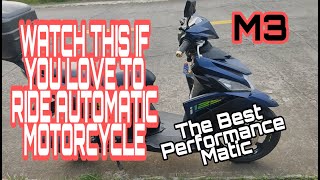
What Buyers Should Know
Blue Core Engine Efficiency
The Mio M3 features Yamaha's Blue Core 125cc engine technology, delivering exceptional fuel economy of around 50-55 km/L. This makes it one of the most fuel-efficient automatics in its class.
Watch the CVT Belt
The CVT belt and roller weights are the most common wear items — inspect them every 8,000–10,000 km or you may experience slipping and sluggish acceleration. Replacement is affordable but easy to neglect.
Strong Resale Value
The Mio M3 holds its value well in Southeast Asian markets due to Yamaha's strong brand reputation and high demand for reliable scooters. A well-maintained unit can retain 60–70% of its value after 3 years.
Generations & Specs by Year
Initial launch with 125cc Blue Core engine, CVT transmission, fuel injection, lightweight frame introduced.
Revised bodywork styling, updated color options, minor ergonomic refinements, improved fuel efficiency claimed.
Refreshed front fascia, new LED lighting elements on select variants, updated graphics and color schemes.
Modernized body panels, revised instrument cluster, updated seat design, new color and stripe options added.
Used Buyer Review
"The smartest, most dependable urban scooter money can buy used."
$800-$1,800 usedThe Mio M3 125 is exactly what it looks like — a dead-reliable urban scooter that does its job without drama. The Blue Core engine is genuinely impressive for this segment, returning ridiculous fuel economy while still feeling peppy enough in city traffic. Start-stop function works flawlessly, and after 20,000+ km these engines barely break a sweat. When buying used, check the CVT belt immediately — lazy owners skip that service and you'll feel it in sluggish acceleration. Also inspect the front fork seals; they weep on bikes that've seen rough roads. Don't expect excitement. Highway riding above 90 km/h feels nervous and the single front disc brakes are adequate at best. Storage is decent but not class-leading. The seat goes numb on anything over 45 minutes — this is a commuter, not a tourer, and it doesn't pretend otherwise. Used examples are everywhere, which keeps prices honest and parts cheap. A well-maintained 2018-2022 unit is genuinely one of the smartest used buys in the small scooter market.
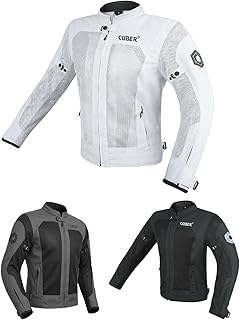
Top 10 Accessories
Curated picks for the Yamaha Mio M3 125 — owned, ridden, recommended.




Common Problems
Jerky acceleration or slipping at low speeds
Hard starting, rough idle, poor fuel economy
Oil stains on fork legs, soft bouncy feel
Weak start, dim lights, check battery voltage
✅Pre-Purchase Checklist
Reliable city scooter, easy cheap maintenance
Full Specifications
Rivals & Alternatives
Bikes that buyers cross-shop with the Yamaha Mio M3 125
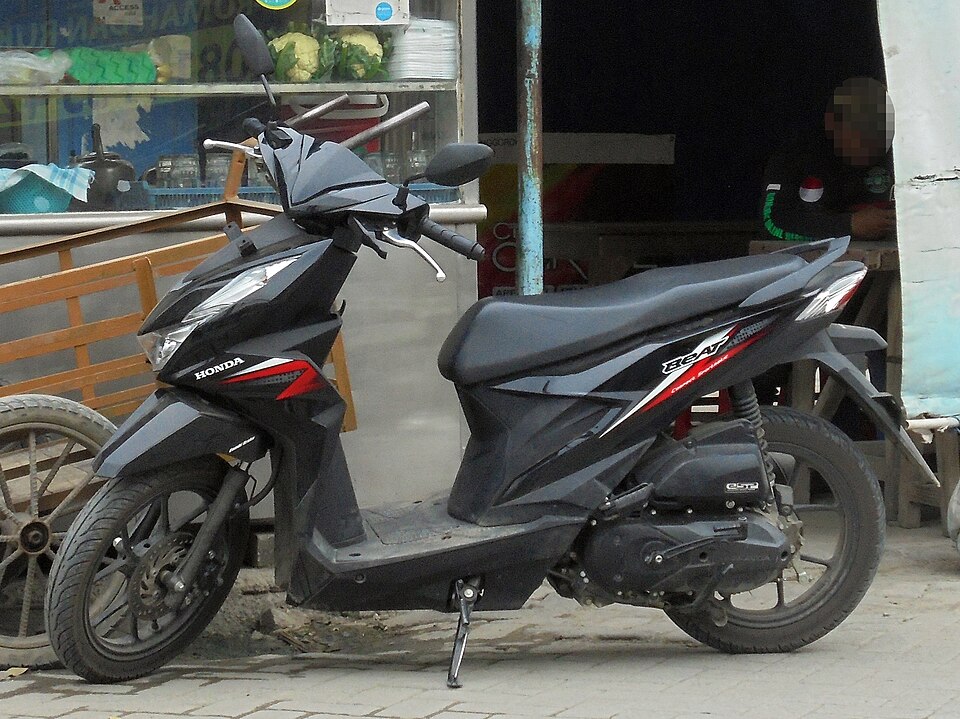
Honda Beat 110

Sym Mio 110

Hero Maestro Edge 125
Honda Beat Street 110
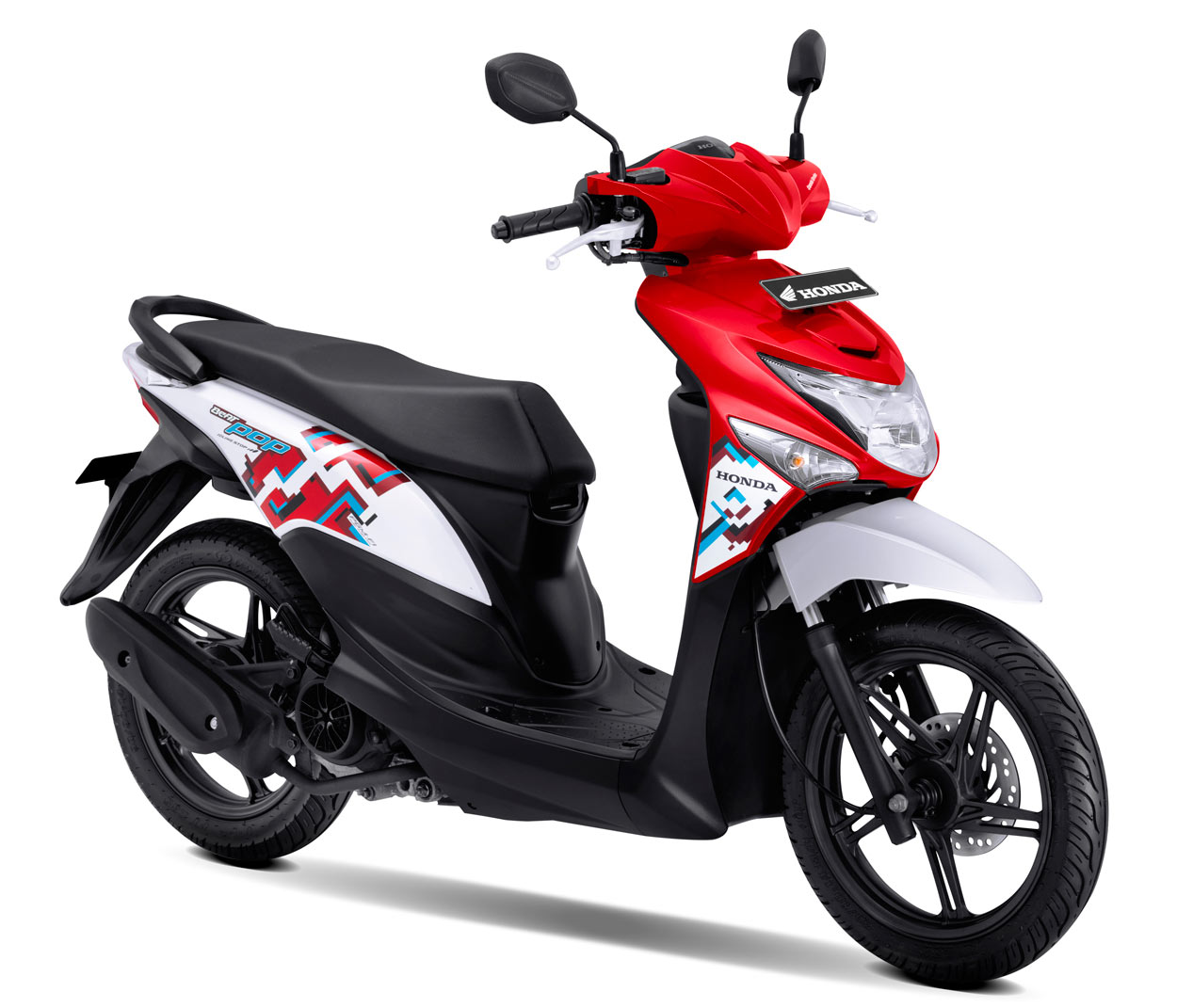
Honda Beat Pop 110
Compare Yamaha Mio M3 125 Side-by-Side
compare_arrowsSpecs, power, weight & buyer verdict — head-to-head with the bikes most often cross-shopped.
Yamaha Mio M3 125 vs Honda Beat 110
Specs · Power · Buyer verdict
Yamaha Mio M3 125 vs Sym Mio 110
Specs · Power · Buyer verdict
Yamaha Mio M3 125 vs Hero Maestro Edge 125
Specs · Power · Buyer verdict
Yamaha Mio M3 125 vs Honda Beat Street 110
Specs · Power · Buyer verdict
Yamaha Mio M3 125 vs Honda Beat Pop 110
Specs · Power · Buyer verdict
More Yamaha Mio M3 125 Guides
More from Yamaha
View all Yamaha models →Community Reviews
Discussion
Frequently Asked Questions
What are common problems with the Yamaha Mio M3 125? +
CVT belt and roller wear: Jerky acceleration or slipping at low speeds (moderate) | Fuel injector clogging: Hard starting, rough idle, poor fuel economy (moderate) | Front fork oil leaking: Oil stains on fork legs, soft bouncy feel (moderate)
Is the Yamaha Mio M3 125 a good motorcycle? +
The smartest, most dependable urban scooter money can buy used. Rating: 7.5/10. Best for: Daily urban commuters wanting cheap reliable transport. Avoid if: You ride highways or want engaging performance.
What is the horsepower of the Yamaha Mio M3 125? +
The Yamaha Mio M3 125 produces 9.5 hp @ 8,000 rpm, with 9.6 Nm @ 5,500 rpm of torque. Top speed: ~95 km/h.
Is the Yamaha Mio M3 125 good for beginners? +
Yes — the Yamaha Mio M3 125 is a reasonable choice for new riders (9.5 hp is manageable), weighing 93 kg. Daily urban commuters wanting cheap reliable transport
Is the Yamaha Mio M3 125 reliable? +
The Yamaha Mio M3 125 has no widely-reported critical reliability issues. 4 minor issues are documented — see the Common Problems section above.
Is the Yamaha Mio M3 125 good for daily use? +
Daily urban commuters wanting cheap reliable transport Fuel: ~1.7 L/100km or ~59 km/L (typical real-world average).
How fast is the Yamaha Mio M3 125? +
The Yamaha Mio M3 125 reaches a top speed of ~95 km/h, producing 9.5 hp at 93 kg curb weight. Real-world performance depends on rider weight, gearing, and road conditions.
What gear should I buy for a Yamaha Mio M3 125? +
Motoryk has curated a Top 10 gear list specifically for the Yamaha Mio M3 125, covering engine oil, tires, chain, battery, and brake pads — see motoryk.com/bikes/yamaha/mio-m3-125/top10. Each pick is matched to this bike's spec.