Yamaha Fzs600 Fazer
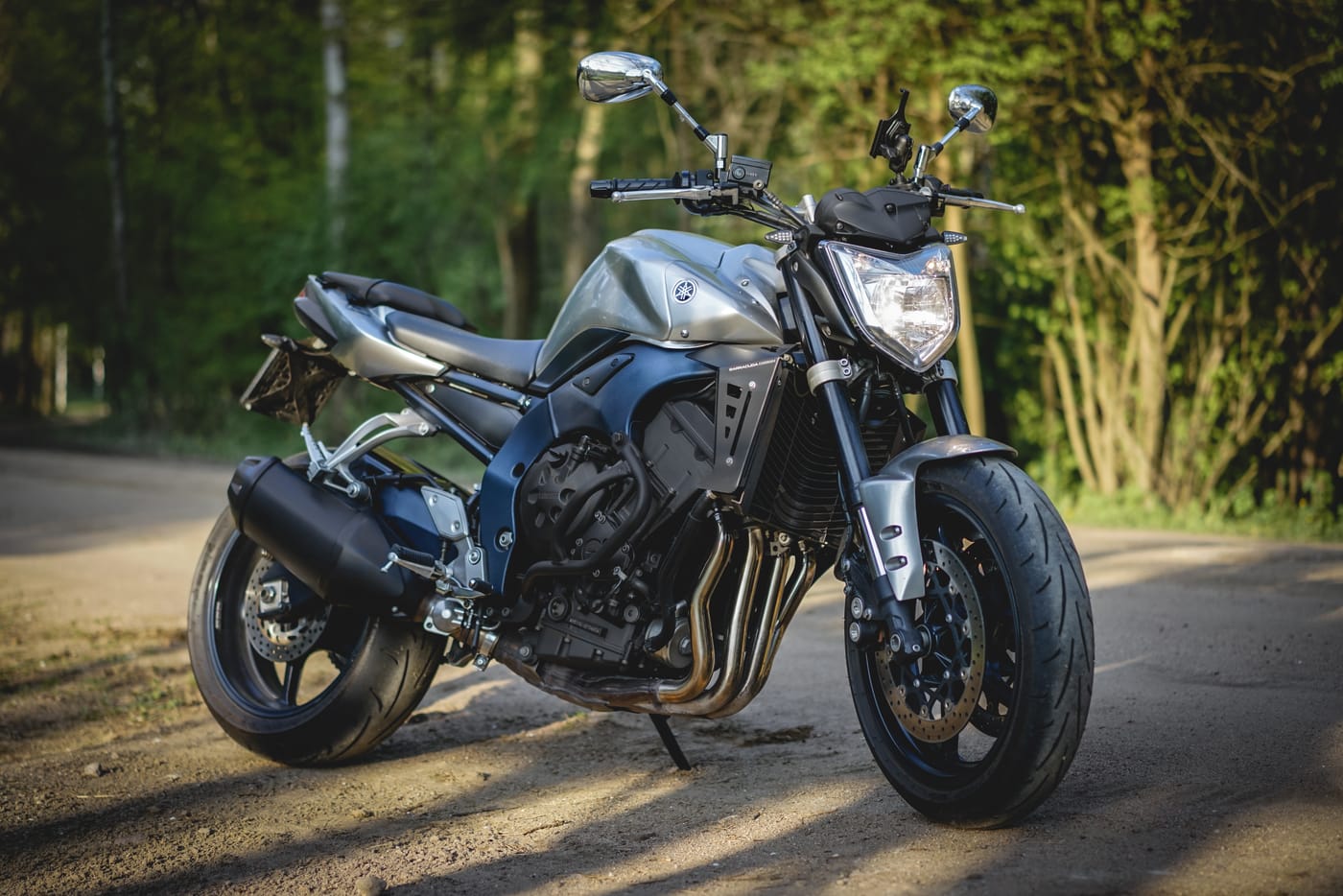
The Yamaha Fzs600 Fazer has a top speed of 225 km/h (estimated, manufacturer limited; note: some sources cite slightly lower figures around 210–220 km/h in real-world conditions), produces 95 hp and weighs 209 kg. Motoryk rates it 8/10.
La Yamaha FZS600 Fazer se presentó en 1998 como una moto deportiva semicarenada o semicarenada, que utilizaba el probado motor de la YZF600R Thundercat en un chasis más vertical y versátil. Rápidamente se convirtió en un éxito de ventas en Europa debido a su excelente equilibrio entre rendimiento, comodidad y practicidad, y se ganó la reputación de ser una moto polivalente ideal para los viajes diarios y los fines de semana. Permaneció en producción hasta 2003, cuando fue sustituida por la FZ6 Fazer, que se actualizó considerablemente, lo que consolidó la marca Fazer como una de las líneas de peso mediano más exitosas de Yamaha.
95 hp
Potencia
63 Nm
Torsión
209 kg
Peso
225 km/h (estimated, manufacturer limited; note: some sources cite slightly lower figures around 210–220 km/h in real-world conditions)
Velocidad máxima
5.5–6.5 L/100km (typical real-world average)
Combustible
Carenado
Cuerpo
🔧 Service Schedule & Parts
Affiliate · we may earn| Service item | Every | Typical cost | Parts |
|---|---|---|---|
| 🛢️ Engine oil + oil filter | 6,000 km / 3,500 mi or 12 mo | $40-80 | 🛢️ Buy → ⚙️ Buy → |
| 🌬️ Air filter | 12,000 km / 7,500 mi | — | 🌬️ Buy → |
| ⚡ Spark plugs | 12,000 km / 7,500 mi | — | ⚡ Buy → |
| 🔧 Valve clearance check | 24,000 km / 15,000 mi | $150-300 | |
| 🔗 Chain & sprockets | 25000-40000 km (replace) | $150-300 | 🔗 Buy → |
| 🛑 Brake pads | 15000-25000 km | $30-60 | 🛑 Buy → |
| 💧 Brake fluid | 24,000 km / 15,000 mi or 2 yr | — | |
| 🧊 Coolant | 24,000 km / 15,000 mi | — | |
| 🛞 Tires | 10000-20000 km | $200-400 | 🛞 Buy → |
| 🔩 Major service | 24,000 km / 15,000 mi | $250-500 |
Video Review
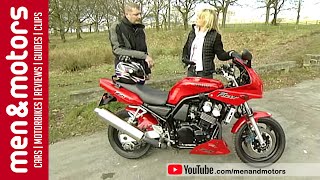
Lo que los compradores deben saber
Bulletproof Engine Reliability
The FZS600's engine is derived from the legendary Thundercat (YZF600R) and is widely regarded as near-indestructible with basic maintenance. Many examples have exceeded 60,000 miles without major engine work.
Watch the Cam Chain
A rattling cam chain tensioner is the most common issue on high-mileage Fazers and should be inspected before purchase. Replacement is inexpensive but ignoring it can lead to costly engine damage.
Strong Resale Value
The Fazer holds its value exceptionally well for a budget-friendly middleweight, thanks to its strong reputation and loyal following. A well-maintained example is easy to sell and rarely sits on the market long.
Generaciones y especificaciones por año
Lanzamiento original. Cuatro cilindros en línea de 600 cc, medio carenado, 95 CV, instrumentos analógicos, diseño de faro único.
"La bicicleta deportiva sensata que realmente tiene sentido."
Yamaha cogió el impresionante motor 600 del Thundercat y lo envolvió en un semicarenado con la protección adecuada contra el viento, y el resultado es uno de los pesos medianos más versátiles de su época. El motor arranca limpiamente a partir de las 4.000 rpm, pero en realidad se activa más allá de las 8.000, lo que recompensa el compromiso sin castigarte por trabajar con el acelerador con lentitud en el tráfico. El uso de la mitad del carenado es realmente efectivo hasta velocidades de autopista, aunque por encima de los 160 km/h, los golpes alrededor del casco se vuelven agotadores en períodos más largos. Mi principal problema después de dos años de uso diario es el asiento de serie, que pasa de ser cómodo a agotador en torno a los 90 minutos, y la suspensión es lo suficientemente blanda como para que las curvas cerradas revelen su origen económico.
Pros
Contras
Carrocería revisada, faros dobles, suspensión actualizada, pequeñas mejoras en el motor y nuevos esquemas de color introducidos.
"La bicicleta deportiva sensata que nunca te aburre."
He pilotado un Fazer de segunda generación durante dos años y unas 18.000 millas, y los faros gemelos no solo eran estéticos, sino que mejoraban realmente la visibilidad nocturna en carreteras A sin iluminación, donde la Gen 1 te dejaba entrecerrando los ojos. El motor de cuatro cilindros en línea de 599 cc arranca limpiamente desde las 4000 rpm, pero te recompensa por encima de las 9000, donde se convierte en algo realmente emocionante, aunque 95 caballos son más honestos que estimulantes cuando te acostumbras. La suspensión revisada es notablemente más sólida que la de la primera generación sobre asfalto roto, aunque sigue siendo ligeramente inclinada si presionas con fuerza en mitad de una curva sobre una superficie irregular, lo que no es peligrosa, solo imprecisa. La ergonomía es la verdadera historia: dos horas por la autopista, una hora recorriendo la carretera B, yendo a un supermercado: esta bicicleta se encarga de todo sin castigarte, lo cual es más raro de lo que parece.
Pros
Contras
Reseña de un comprador usado
"The sensible all-rounder that rarely disappoints and never bankrupts you."
$1,500-$3,500 usedThe FZS600 Fazer is one of those bikes that punches well above its price tag on the used market. Yamaha took the bulletproof Thundercat engine, detuned it slightly for more accessible mid-range grunt, bolted on a half-fairing for wind protection, and created something genuinely useful. That inline-four pulls cleanly from 3,000rpm and screams happily to the redline — it's not a one-trick pony like some sportsbikes. Handling is predictable rather than exciting, which is exactly what most riders actually need day-to-day. Buying used, check the front fork seals — they weep on high-mileage examples. Inspect the airbox for water ingress if it's been standing, and look for crashed examples with bent subframes. Carb balancing matters on these; a rough idle usually means someone ignored the 12,000-mile service. Parts are still plentiful and cheap, which is a genuine blessing. Cosmetics age badly on the upper fairing — surface cracks are common but purely cosmetic.
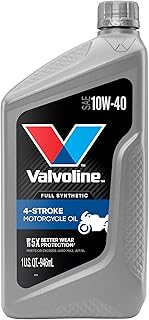
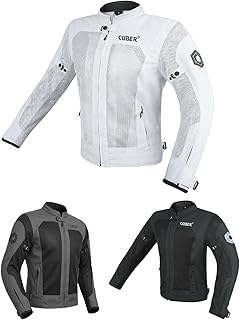
Top 10 Accessories
Curated picks for the Yamaha Fzs600 Fazer — owned, ridden, recommended.




Problemas comunes
🔥 1 CRITICALRev through range, listen for uneven idle or hesitation
Inspect tap for seepage, check petcock operation
Look for oil film on lower fork legs
Cold start rattle that disappears when warm
✅Lista de verificación previa a la compra
Solid, robust engine with manageable maintenance needs
Full Specifications
Rivals & Alternatives
Bikes that buyers cross-shop with the Yamaha Fzs600 Fazer
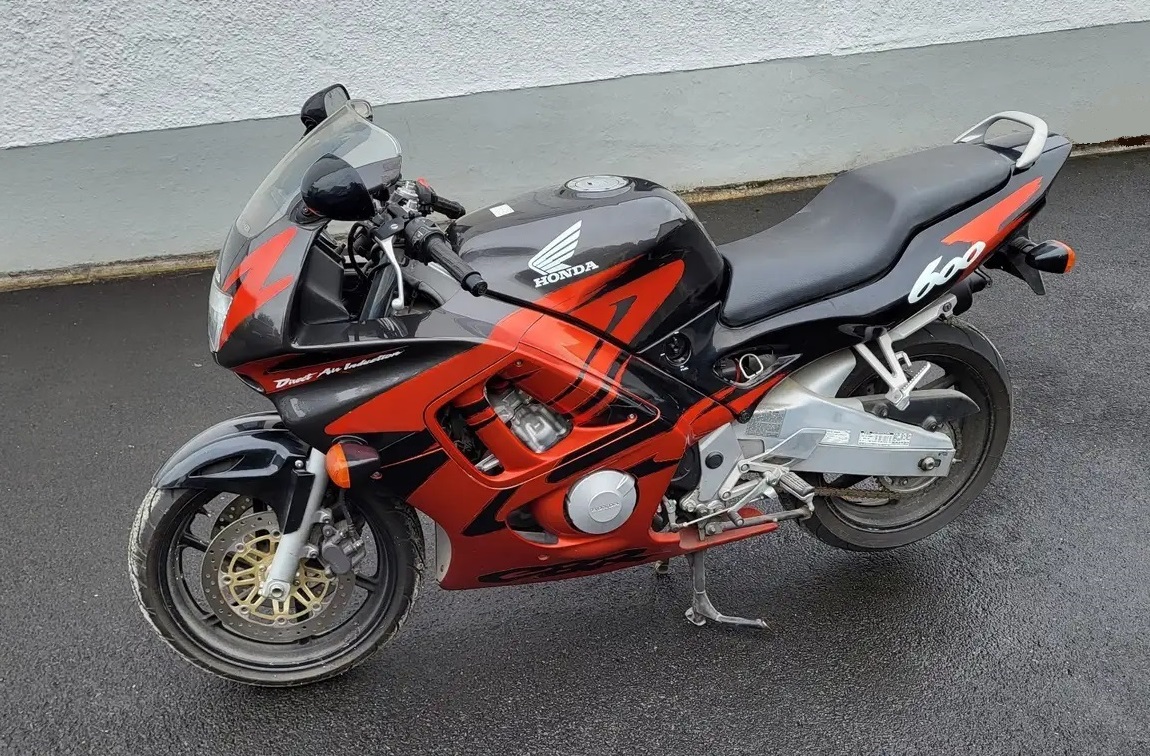
Honda Cbr600f
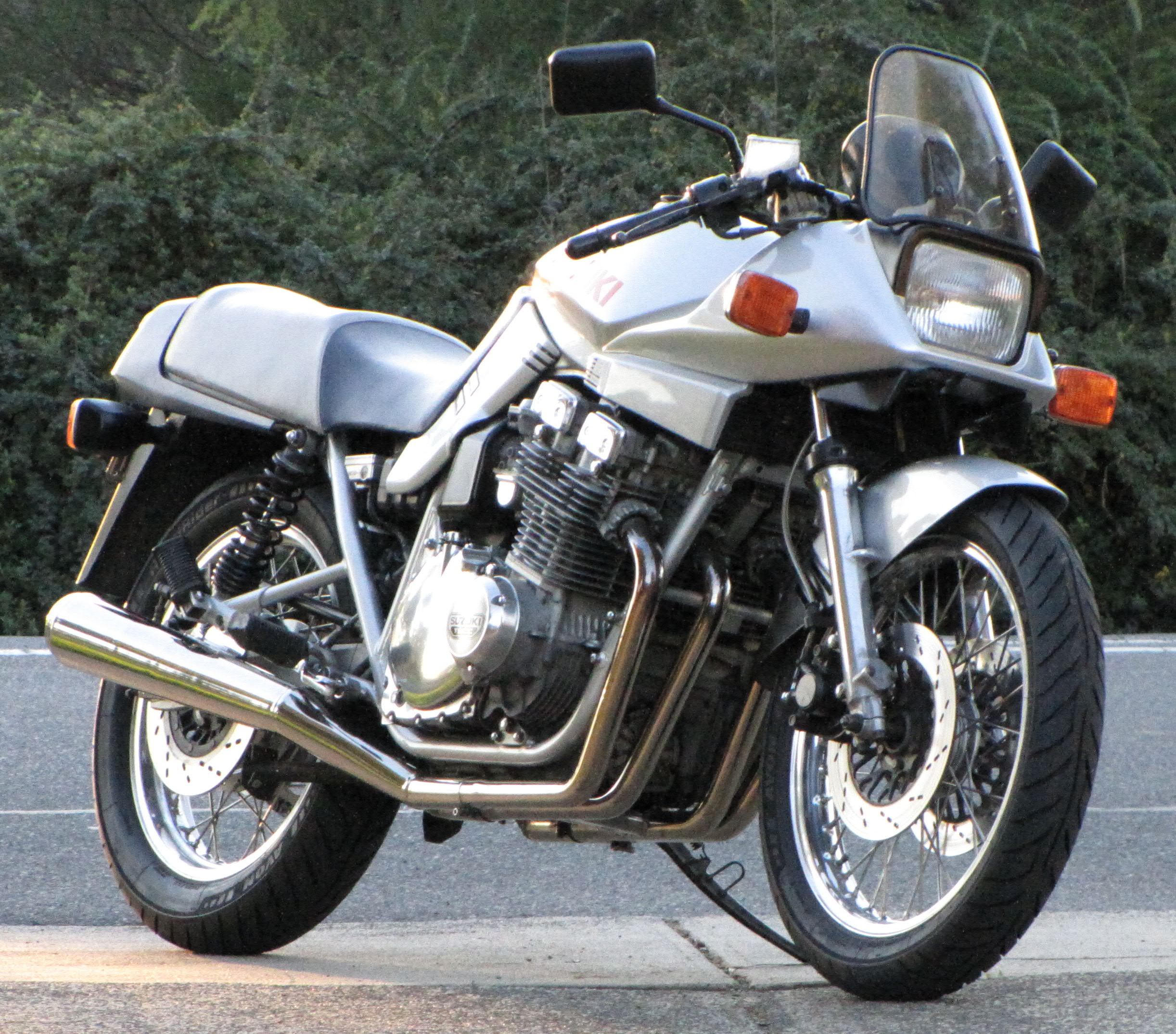
Suzuki Gsx750f Katana
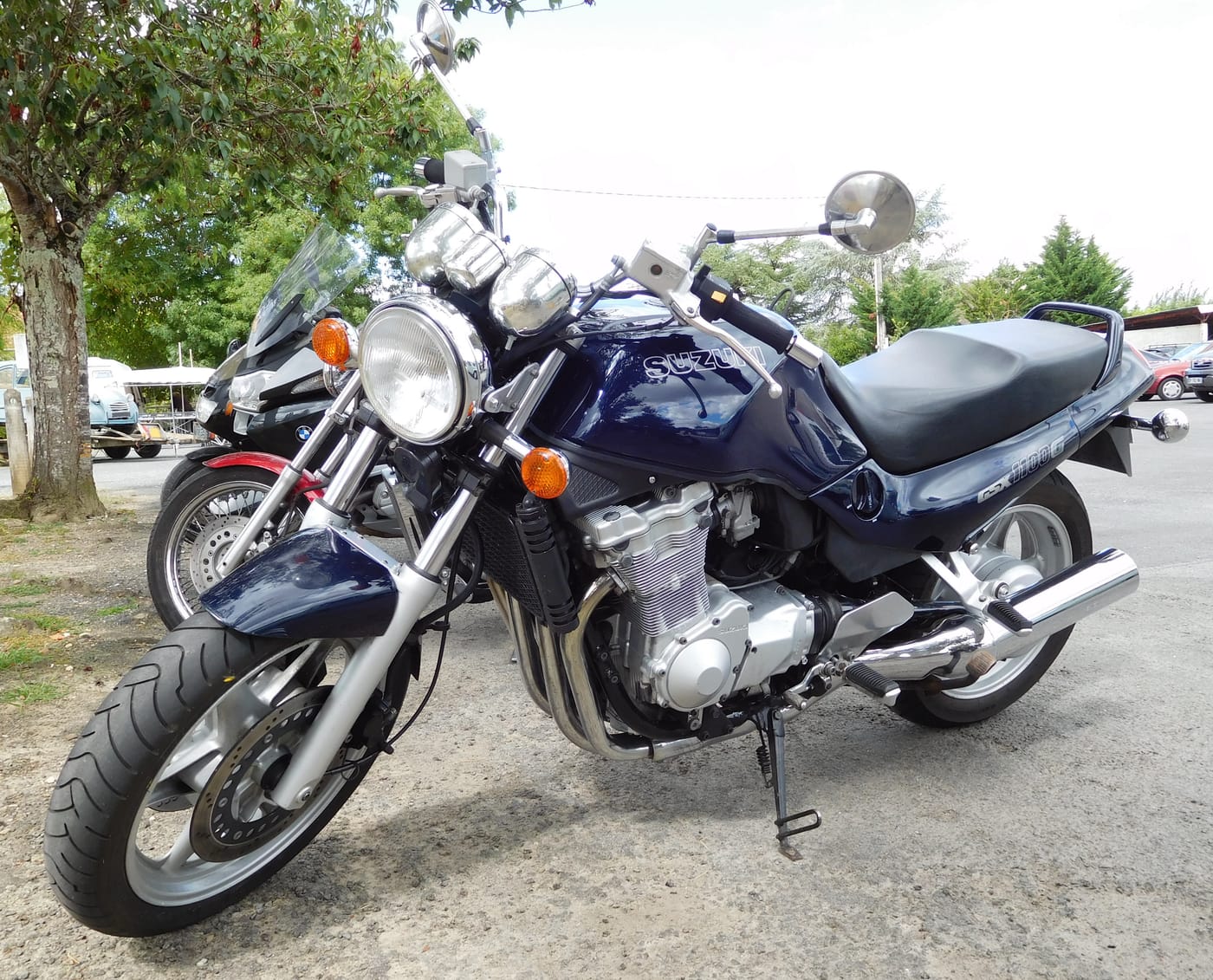
Suzuki Gsx600f Katana
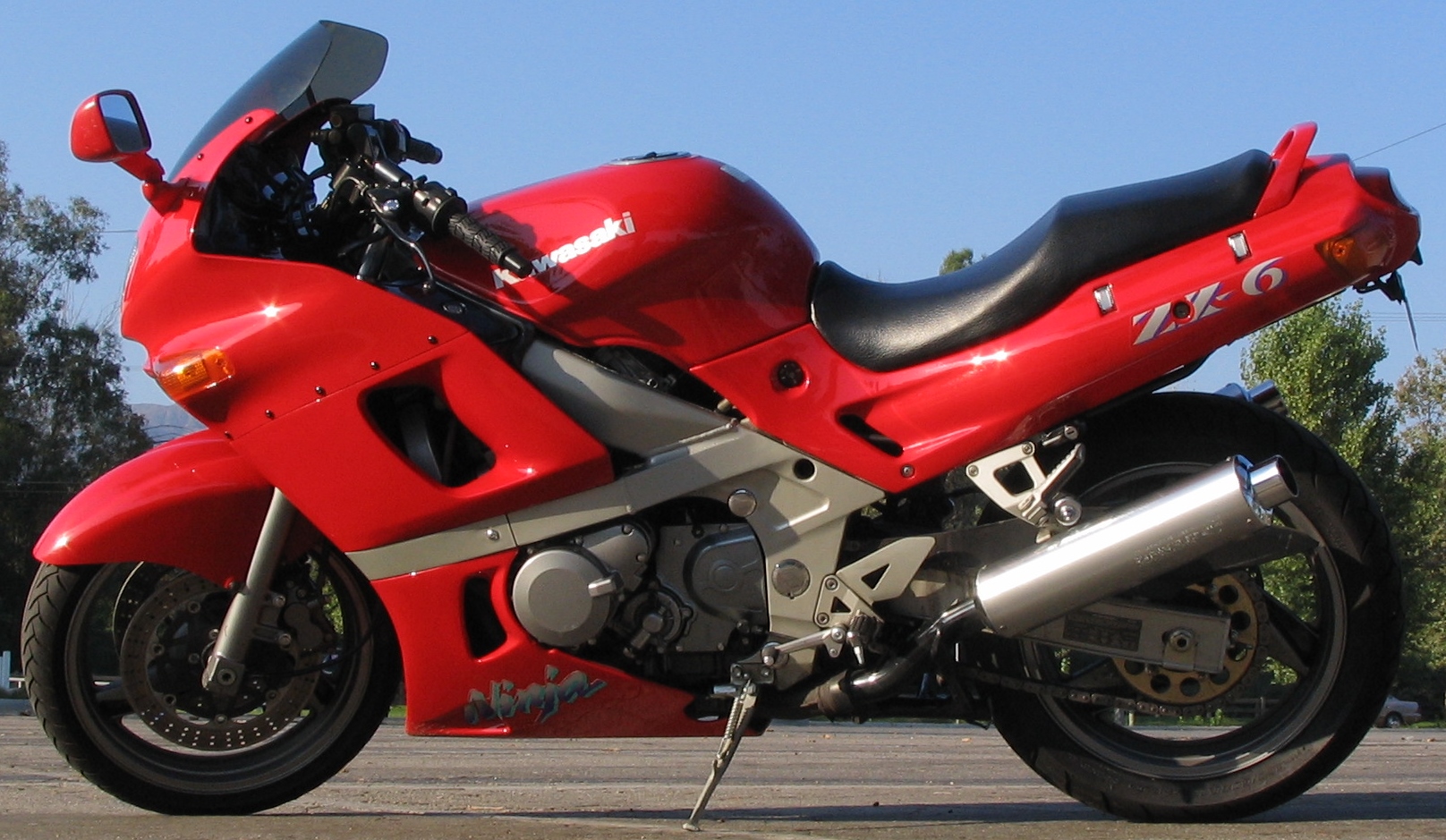
Kawasaki Zzr600
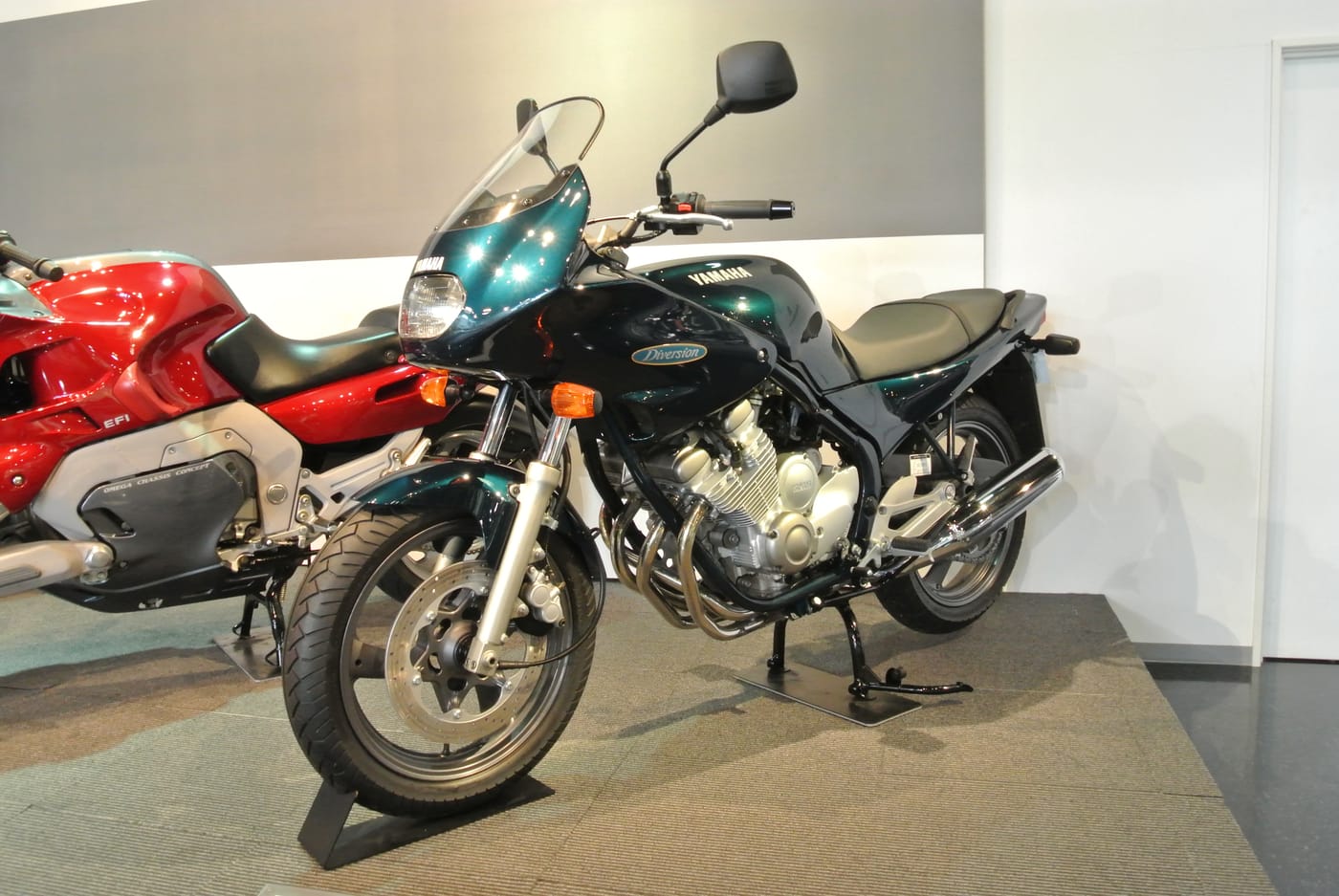
Yamaha Fazer 600
Compare Yamaha Fzs600 Fazer Side-by-Side
compare_arrowsSpecs, power, weight & buyer verdict — head-to-head with the bikes most often cross-shopped.
Yamaha Fzs600 Fazer vs Honda Cbr600f
Specs · Power · Buyer verdict
Yamaha Fzs600 Fazer vs Suzuki Gsx750f Katana
Specs · Power · Buyer verdict
Yamaha Fzs600 Fazer vs Suzuki Gsx600f Katana
Specs · Power · Buyer verdict
Yamaha Fzs600 Fazer vs Kawasaki Zzr600
Specs · Power · Buyer verdict
Yamaha Fzs600 Fazer vs Yamaha Fazer 600
Specs · Power · Buyer verdict
More Yamaha Fzs600 Fazer Guides
More from Yamaha
View all Yamaha models →Community Reviews
Discussion
Frequently Asked Questions
What are common problems with the Yamaha Fzs600 Fazer? +
Carb sync drift causes rough idle: Rev through range, listen for uneven idle or hesitation (moderate) | Corroded fuel tap leaks or fails: Inspect tap for seepage, check petcock operation (moderate) | Front fork seal leaks common with age: Look for oil film on lower fork legs (moderate)
Is the Yamaha Fzs600 Fazer a good motorcycle? +
The sensible all-rounder that rarely disappoints and never bankrupts you. Rating: 8.0/10. Best for: Commuters wanting sporty reliability without drama. Avoid if: You crave excitement over dependable competence.
What is the horsepower of the Yamaha Fzs600 Fazer? +
The Yamaha Fzs600 Fazer produces 95 hp @ 11,500 rpm, with 63 Nm @ 8,000 rpm of torque. Top speed: 225 km/h (estimated, manufacturer limited; note: some sources cite slightly lower figures around 210–220 km/h in real-world conditions).
Is the Yamaha Fzs600 Fazer good for beginners? +
Not really — the Yamaha Fzs600 Fazer is better for experienced riders. Commuters wanting sporty reliability without drama Avoid if: You crave excitement over dependable competence
Is the Yamaha Fzs600 Fazer reliable? +
Owners report 1 critical issue to watch for on the Yamaha Fzs600 Fazer, notably: Cam chain tensioner wear causes rattling (Cold start rattle that disappears when warm). Buy with a pre-purchase inspection.
Is the Yamaha Fzs600 Fazer good for daily use? +
Commuters wanting sporty reliability without drama Fuel: 5.5–6.5 L/100km (typical real-world average).
How fast is the Yamaha Fzs600 Fazer? +
The Yamaha Fzs600 Fazer reaches a top speed of 225 km/h (estimated, manufacturer limited; note: some sources cite slightly lower figures around 210–220 km/h in real-world conditions), producing 95 hp at 209 kg curb weight. Real-world performance depends on rider weight, gearing, and road conditions.
What gear should I buy for a Yamaha Fzs600 Fazer? +
Motoryk has curated a Top 10 gear list specifically for the Yamaha Fzs600 Fazer, covering engine oil, tires, chain, battery, and brake pads — see motoryk.com/bikes/yamaha/fzs600-fazer/top10. Each pick is matched to this bike's spec.