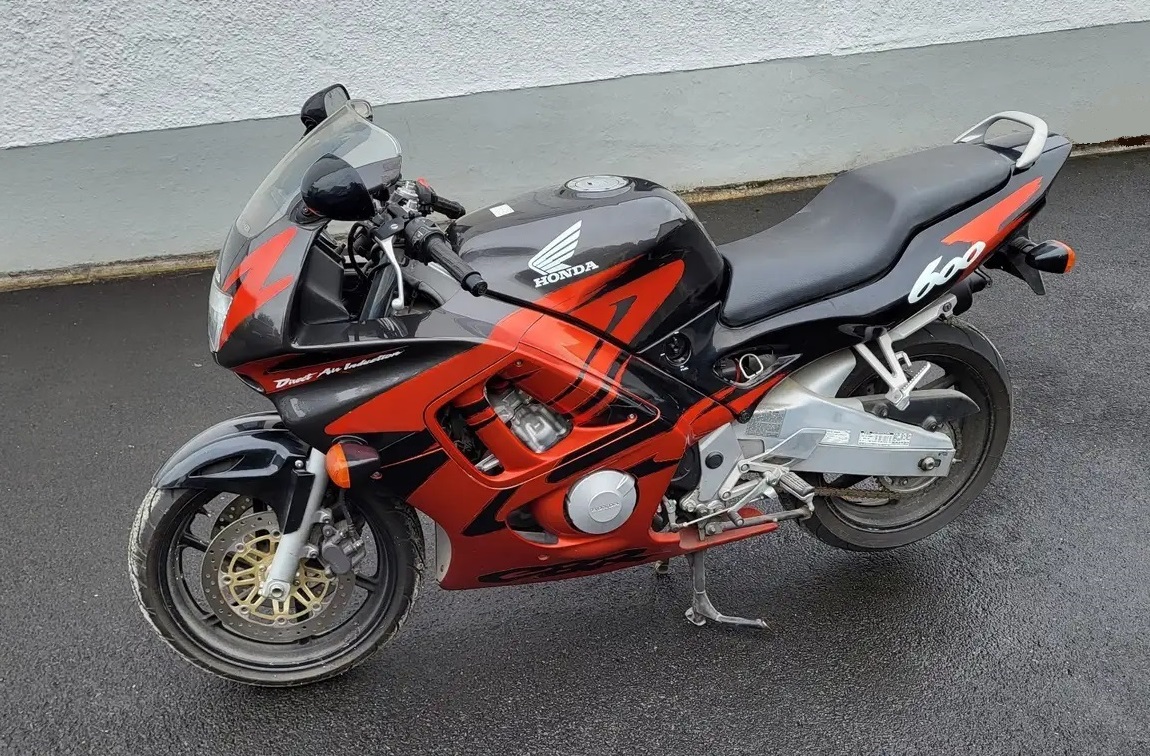
Honda Cbr600f
The Honda Cbr600f has a top speed of 250 km/h (electronically limited; F4i generation), produces 110 hp and weighs 196 kg. Motoryk rates it 7.8/10.
The Honda CBR600F was introduced in 1987 as a versatile sport-touring middleweight, designed to balance everyday rideability with performance. It evolved through several generations (F, F2, F3, F4, F4i) over nearly two decades, with the F4i (2001–2006) being the final and most refined iteration featuring fuel injection. It was highly regarded as an accessible, reliable, and well-rounded sportbike that appealed to both beginners and experienced riders, earning strong sales worldwide before being discontinued in favor of the more track-focused CBR600RR.
110 hp
Power
66 Nm
Torque
196 kg
Weight
250 km/h (electronically limited; F4i generation)
Top Speed
6.0–7.5 L/100km (typical real-world average)
Fuel
Faired
Body
🔧 Service Schedule & Parts
Affiliate · we may earn| Service item | Every | Typical cost | Parts |
|---|---|---|---|
| 🛢️ Engine oil + oil filter | 6,000 km / 3,500 mi or 12 mo | $40-80 | 🛢️ Buy → ⚙️ Buy → |
| 🌬️ Air filter | 12,000 km / 7,500 mi | — | 🌬️ Buy → |
| ⚡ Spark plugs | 12,000 km / 7,500 mi | — | ⚡ Buy → |
| 🔧 Valve clearance check | 24,000 km / 15,000 mi | $150-300 | |
| 🔗 Chain & sprockets | 25000-40000 km (replace) | $150-300 | 🔗 Buy → |
| 🛑 Brake pads | 15000-25000 km | $30-60 | 🛑 Buy → |
| 💧 Brake fluid | 24,000 km / 15,000 mi or 2 yr | — | |
| 🧊 Coolant | 24,000 km / 15,000 mi | — | |
| 🛞 Tires | 10000-20000 km | $200-400 | 🛞 Buy → |
| 🔩 Major service | 24,000 km / 15,000 mi | $250-500 |
Video Review
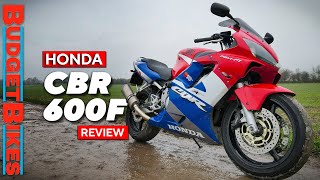
What Buyers Should Know
Watch the Carbs
Earlier carbureted models (1987–1998) are prone to gummed-up carburetors if left sitting with old fuel. Always check for smooth throttle response and no hesitation before buying.
Strong Resale Value
The CBR600F holds its value well due to Honda's reliability reputation and strong parts availability. It's one of the more affordable used sport-tourers without sacrificing long-term dependability.
Dual-Purpose Versatility
Unlike pure race-focused 600s, the CBR600F was designed as a sport-touring hybrid, offering a more upright riding position and genuine comfort for longer rides — a rare trait in its class.
Generations & Specs by Year
Original 599cc inline-four, steel frame, 83hp, established the middleweight supersport class benchmark.
"The bike that rewrote the middleweight rulebook entirely."
I put 18,000 miles on an '89 CBR600F and it genuinely changed how I thought about what a 600 could be — before this, the class was a compromise, after it, everything else was playing catch-up. The inline-four pulls hard from about 7,500 rpm and absolutely screams past 10,000, but below that you're working the gearbox constantly in city traffic, which gets tiresome fast. Handling is confidence-inspiring without being telepathic — that steel frame gives a planted, slightly heavy feel compared to later aluminum-chassis descendants, and you'll notice the extra mass in slow-speed maneuvers. Reliability was essentially bulletproof; mine never left me stranded in three years, just routine valve checks and chain adjustments.
Pros
Cons
Redesigned bodywork, improved aerodynamics, revised carburetion, lighter weight, increased power to approximately 100hp.
"Honda's F2 quietly rewrote the middleweight rulebook."
The F2 is what happens when Honda's engineers actually listen — sharper steering than the F1, a motor that pulls cleanly from 6,000 rpm and absolutely screams past 10,000, and bodywork that stopped looking like an afterthought. I put 18,000 miles on a '92 over two years, and the engine never missed a beat; carb sync every 12,000 miles and that's genuinely it for maintenance drama. The suspension is a touch soft for hard track use — front dives under braking in a way that asks you to back off — and the mirrors are still vibrating blurs above 10,000 rpm, which Honda apparently considered acceptable. But as a road bike that occasionally sees tight canyon work, it's balanced, confidence-inspiring, and honest in a way that modern electronics-laden bikes have lost entirely.
Pros
Cons
Further refined chassis, revised suspension, updated engine internals, improved braking, more aggressive ergonomics and styling.
"The benchmark 600 that earned its reputation honestly."
I put nearly 18,000 kilometres on an F3 over two years, and it never once felt like it was hiding anything from me — the chassis communicates superbly, with a front end you can lean on hard into a bend and genuinely trust. Honda tightened everything up from the F2: the suspension feels more planted under braking, the engine pulls cleaner through the mid-range, and those revised ergonomics put you in a sportier tuck without murdering your wrists on a two-hour run. Honestly, the power delivery is so linear it can feel almost boring compared to the peakier Japanese rivals of the era — you're never getting ambushed, which is either a virtue or a criticism depending on your temperament. The single weak spot I lived with was heat management: sitting in urban traffic on a warm day, that engine bakes your right thigh through the fairing in a way that gets old fast.
Pros
Cons
Completely new frame, inverted forks, fuel injection option, restyled bodywork, significantly improved power and handling.
"Honda finally got the 600 formula right."
After years of the F2 and F3 feeling competent but slightly wooden, the F4 arrived like Honda had actually been paying attention to Yamaha and Kawasaki. The new aluminum frame and inverted Showa forks transform the steering — it tips in sharply and holds a line with a confidence the older bikes simply couldn't match, and at 185 kg it feels lighter than the scales suggest. Power delivery is strong and linear right through to the 12,500 rpm redline, though the top-end rush never quite has the drama of a Kawasaki ZX-6R of the same era — it's more surgical than savage. My one genuine gripe is the fuel injection on early examples could hunt at low throttle openings in cold weather, and the stock seat turns your backside into concrete after about 90 minutes on the road.
Pros
Cons
Standard fuel injection, revised airbox, updated suspension settings, minor styling tweaks, improved throttle response and reliability.
"The sportbike that actually makes sense to own."
After two years and 18,000 km on a 2003 F4i, I can tell you the fuel injection was a genuine upgrade — cold morning starts are instant, throttle pickup is clean without that carburetor stumble the F4 had below 4,000 rpm. Above 8,000 rpm this engine still sings like a proper Honda inline-four, pulling hard to the 13,000 rpm redline with a mechanical howl that never gets old. The ergonomics hit a sweet spot between aggressive and livable — I've done 400 km days without wanting to die, something you can't say about a 600RR. The chassis is honest rather than exciting; it lacks the razor-edge feedback of a Yamaha R6, which some riders will love and corner-hungry trackday junkies will find frustrating.
Pros
Cons
Modern relaunch, CBR600RR-derived engine, ABS option, sport-touring focus, revised ergonomics for comfort alongside performance.
Used Buyer Review
"Honest, reliable middleweight that punches above its bargain price tag."
$3,500-$6,000 usedThe CBR600F is Honda's forgotten middleweight, overshadowed by the more aggressive CBR600RR but honestly a better real-world machine for most riders. It's the 'F' designation that matters — friendlier power delivery, more upright ergonomics, and none of the track-focused harshness that makes the RR a chore on commutes. The 599cc inline-four pulls cleanly from low revs and rewards you properly when you wind it past 8,000rpm. Nothing dramatic, but nothing scary either. Used examples are genuinely great value right now, typically sitting between $3,500-$6,000 depending on year and condition. What to watch for: cam chain tensioners on higher-mileage bikes, fork seals that weep on neglected examples, and regulator-rectifiers that occasionally cook themselves. Always check service history and listen for any top-end rattles on cold starts. Fairings are expensive to replace, so cosmetic damage matters financially. This is a motorcycle that rewards competent riders without punishing beginners, handles seriously well for its age, and rarely breaks if you service it properly. Honda built these to last.
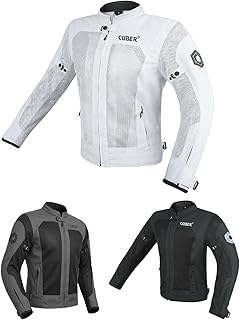
Top 10 Accessories
Curated picks for the Honda Cbr600f — owned, ridden, recommended.




Common Problems
🔥 2 CRITICALRough idle, flat spots, hesitation under throttle
Check charging voltage, look for melted connector
Oil streaks on fork legs, soft front end feel
Rattling on cold start, listen carefully at idle
✅Pre-Purchase Checklist
Very reliable, just maintain it consistently
Full Specifications
Rivals & Alternatives
Bikes that buyers cross-shop with the Honda Cbr600f
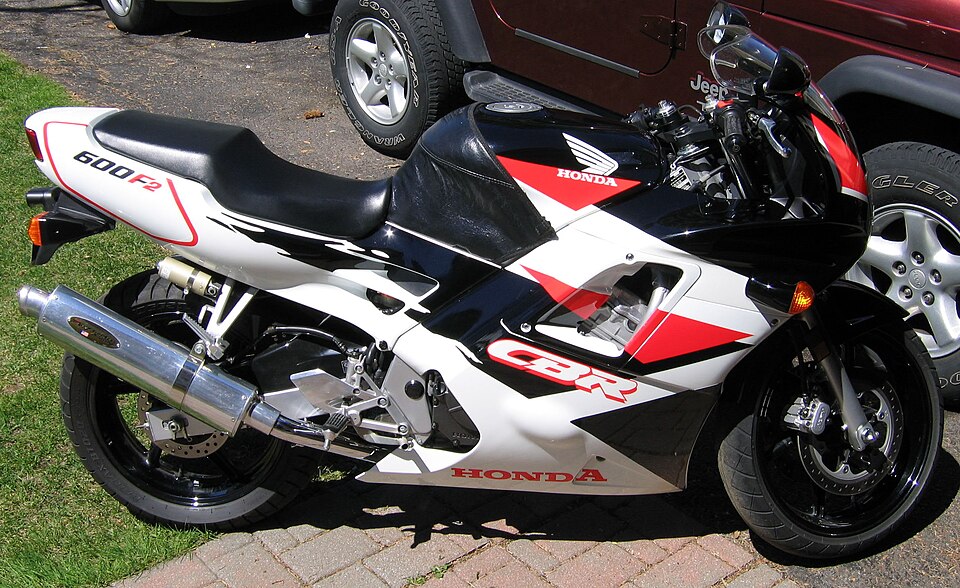
Honda Cbr600f2
Honda Cbr600f3
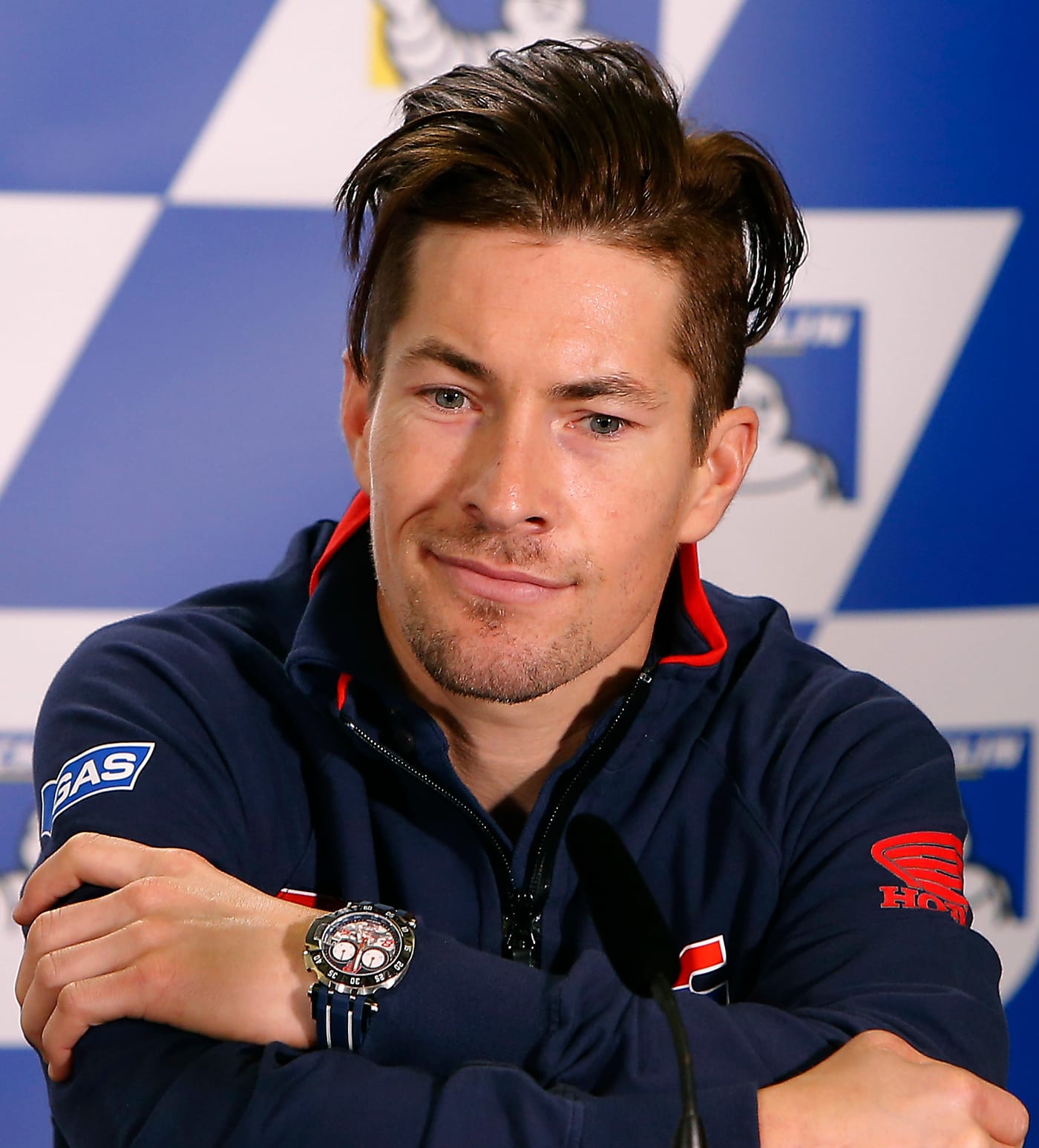
Honda Cbr600f4
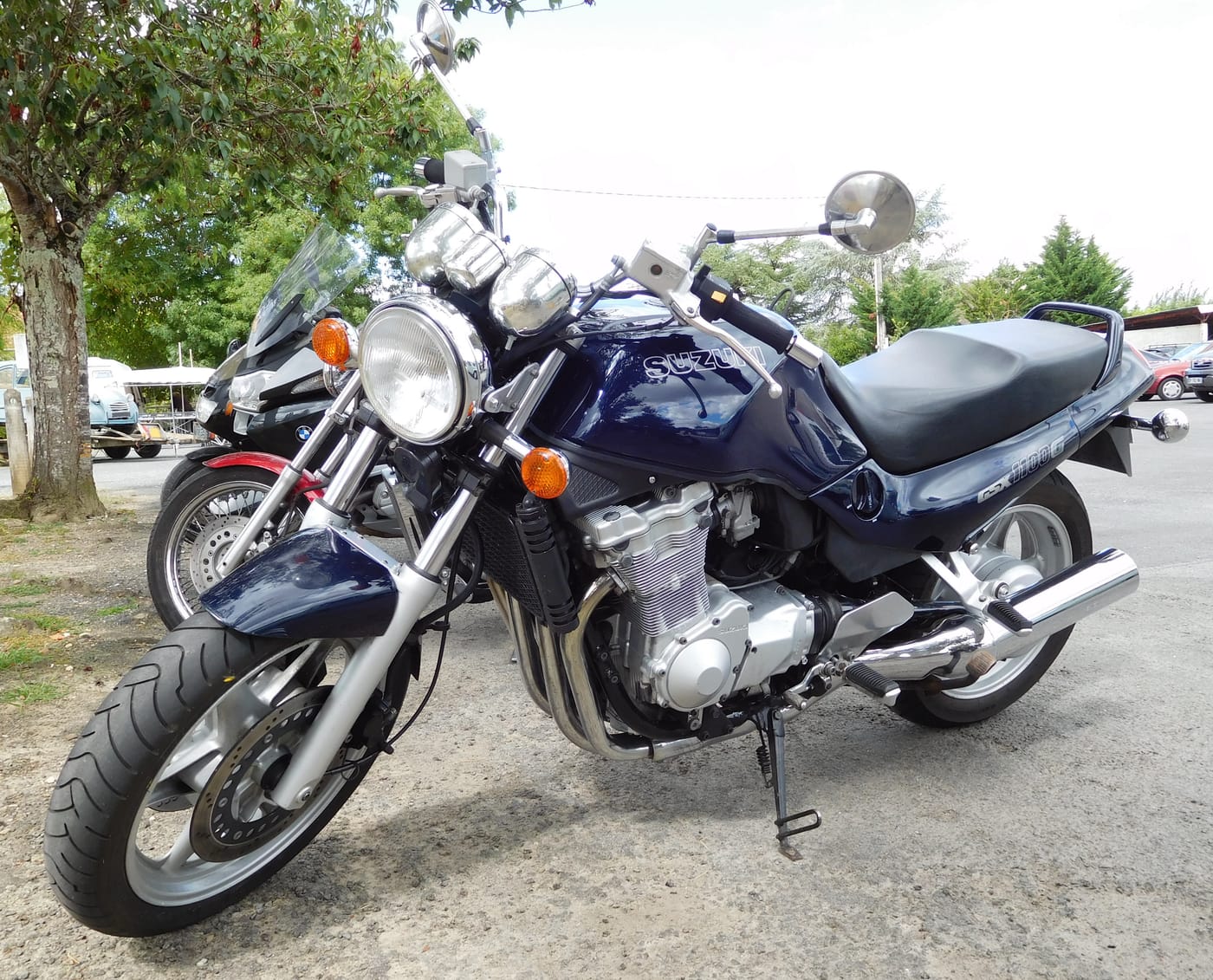
Suzuki Gsx600f Katana
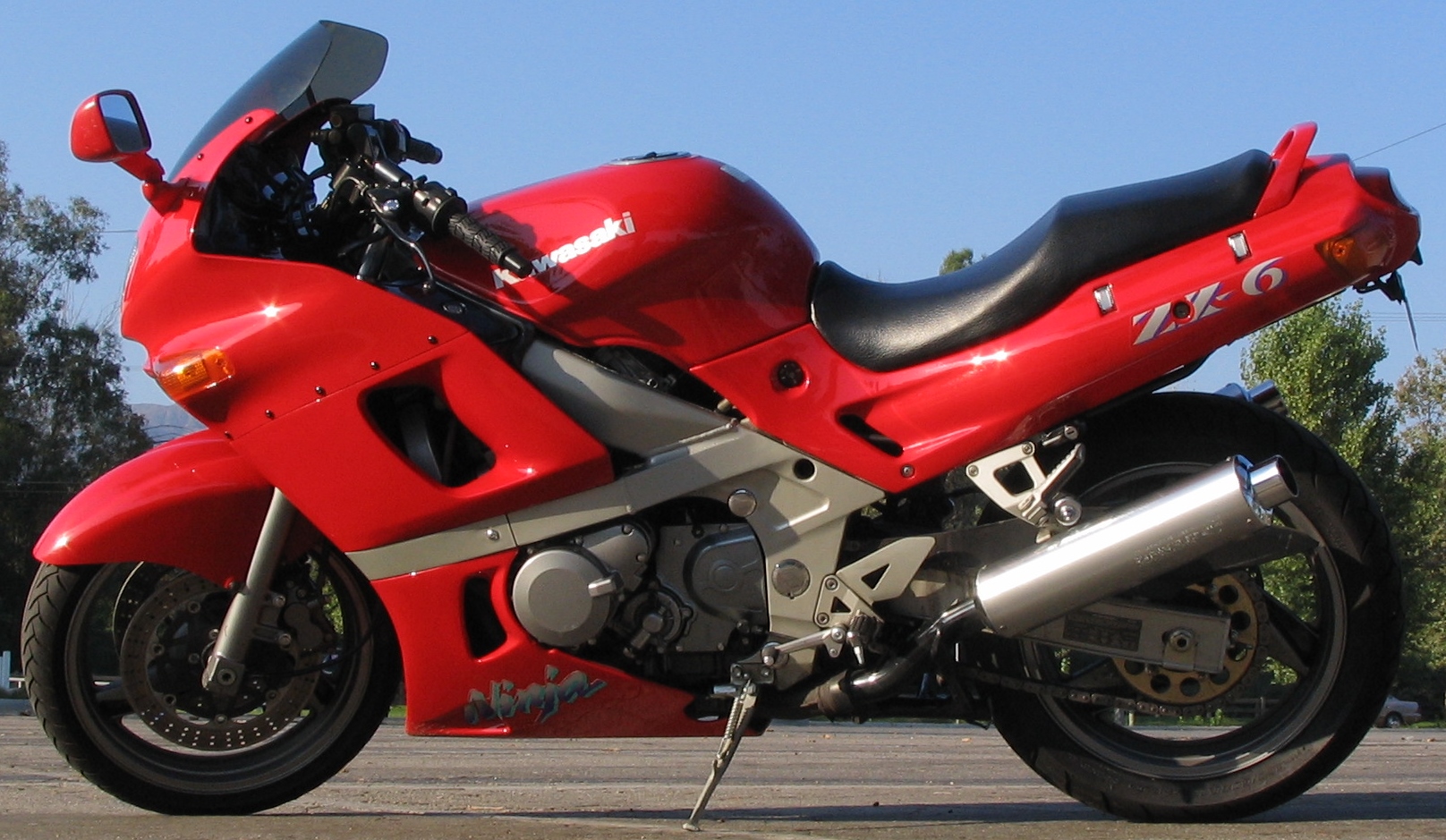
Kawasaki Zzr600
Compare Honda Cbr600f Side-by-Side
compare_arrowsSpecs, power, weight & buyer verdict — head-to-head with the bikes most often cross-shopped.
Honda Cbr600f vs Honda Cbr600f2
Specs · Power · Buyer verdict
Honda Cbr600f vs Honda Cbr600f3
Specs · Power · Buyer verdict
Honda Cbr600f vs Honda Cbr600f4
Specs · Power · Buyer verdict
Honda Cbr600f vs Suzuki Gsx600f Katana
Specs · Power · Buyer verdict
Honda Cbr600f vs Kawasaki Zzr600
Specs · Power · Buyer verdict
More Honda Cbr600f Guides
More from Honda
View all Honda models →Community Reviews
Discussion
Honda Cbr600f Videos
Frequently Asked Questions
What are common problems with the Honda Cbr600f? +
Carb sync and idle issues (older models): Rough idle, flat spots, hesitation under throttle (moderate) | Rectifier/regulator failure, kills battery: Check charging voltage, look for melted connector (serious) | Fork seal leaks from age or neglect: Oil streaks on fork legs, soft front end feel (moderate)
Is the Honda Cbr600f a good motorcycle? +
Honest, reliable middleweight that punches above its bargain price tag. Rating: 7.8/10. Best for: Riders wanting reliable sport-touring on tight budget. Avoid if: You crave aggressive track-focused performance and excitement.
What is the horsepower of the Honda Cbr600f? +
The Honda Cbr600f produces 110 hp @ 12,500 rpm (F4i generation), with 66 Nm @ 10,500 rpm (F4i generation) of torque. Top speed: 250 km/h (electronically limited; F4i generation).
Is the Honda Cbr600f good for beginners? +
Not really — the Honda Cbr600f is better for experienced riders (110 hp can be intimidating). Riders wanting reliable sport-touring on tight budget Avoid if: You crave aggressive track-focused performance and excitement
Is the Honda Cbr600f reliable? +
Owners report 2 critical issues to watch for on the Honda Cbr600f, notably: Rectifier/regulator failure, kills battery (Check charging voltage, look for melted connector). Buy with a pre-purchase inspection.
Is the Honda Cbr600f good for daily use? +
Riders wanting reliable sport-touring on tight budget Fuel: 6.0–7.5 L/100km (typical real-world average).
How fast is the Honda Cbr600f? +
The Honda Cbr600f reaches a top speed of 250 km/h (electronically limited; F4i generation), producing 110 hp at 196 kg curb weight. Real-world performance depends on rider weight, gearing, and road conditions.
What gear should I buy for a Honda Cbr600f? +
Motoryk has curated a Top 10 gear list specifically for the Honda Cbr600f, covering engine oil, tires, chain, battery, and brake pads — see motoryk.com/bikes/honda/cbr600f/top10. Each pick is matched to this bike's spec.