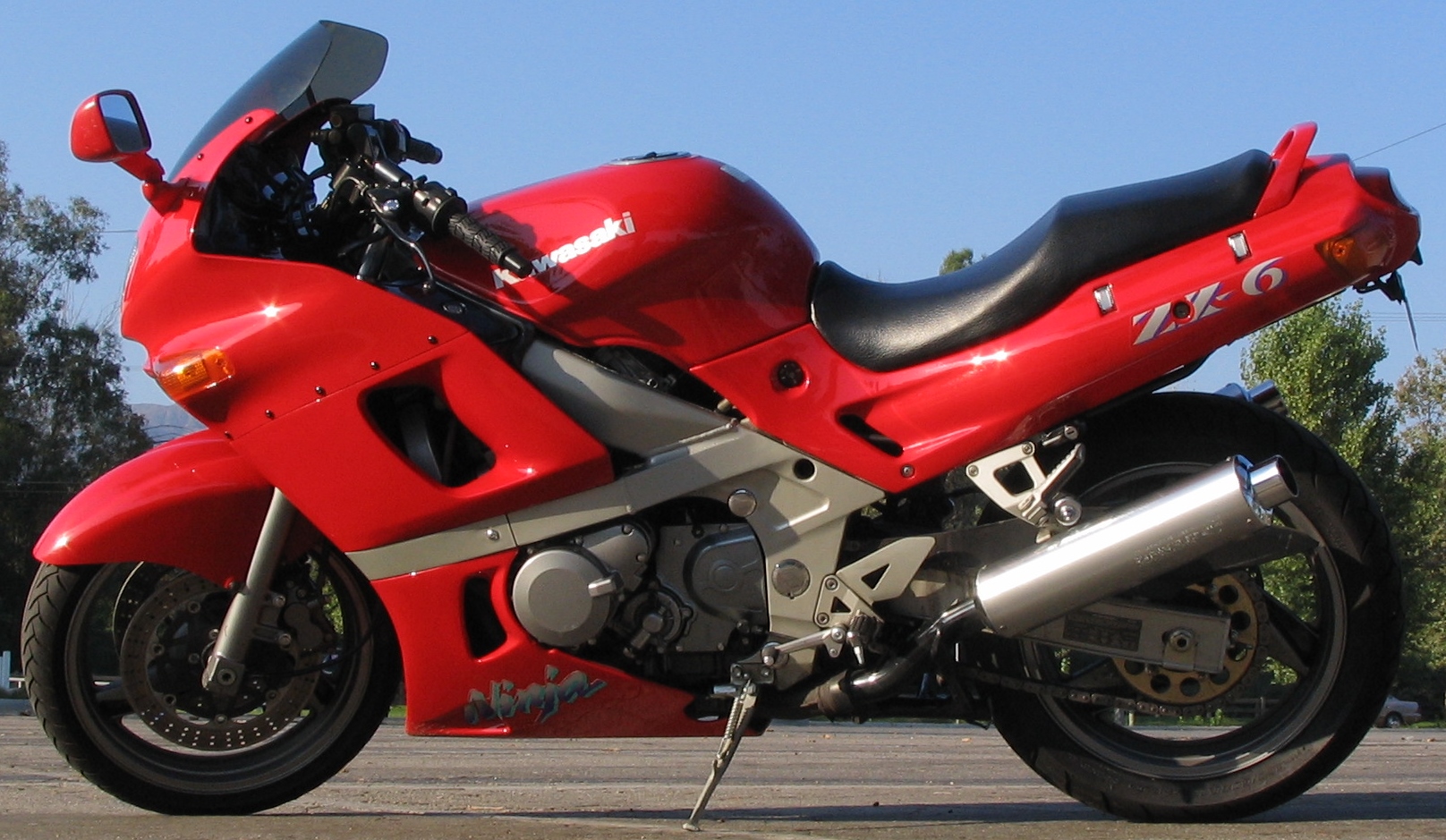
Kawasaki Zzr600
The Kawasaki Zzr600 has a top speed of 250 km/h (est. — note: electronically or mechanically limited on some models; figures vary slightly by year), produces 98 hp and weighs 206 kg. Motoryk rates it 8/10.
The Kawasaki ZZR600 (known as the ZX-6 in some markets) was introduced in 1990 as a sport-touring middleweight, succeeding the ZX-600C. It was produced through 2006 and was praised for its blend of everyday usability, smooth power delivery, and highway comfort, making it popular among riders who wanted sporty performance without the aggressive ergonomics of pure race-focused bikes. Though eventually overshadowed by more track-focused 600cc supersports, it maintained a loyal following for its versatile, forgiving character.
98 hp
Power
67 Nm
Torque
206 kg
Weight
250 km/h (est. — note: electronically or mechanically limited on some models; figures vary slightly by year)
Top Speed
6.5 L/100km (approx. 15.4 km/L, typical real-world average)
Fuel
Faired
Body
🔧 Service Schedule & Parts
Affiliate · we may earn| Service item | Every | Typical cost | Parts |
|---|---|---|---|
| 🛢️ Engine oil + oil filter | 6,000 km / 3,500 mi or 12 mo | $40-80 | 🛢️ Buy → ⚙️ Buy → |
| 🌬️ Air filter | 12,000 km / 7,500 mi | — | 🌬️ Buy → |
| ⚡ Spark plugs | 12,000 km / 7,500 mi | — | ⚡ Buy → |
| 🔧 Valve clearance check | 24,000 km / 15,000 mi | $200-400 | |
| 🔗 Chain & sprockets | 25000-40000 km (replace) | $150-300 | 🔗 Buy → |
| 🛑 Brake pads | 15000-30000 km | $30-60 | 🛑 Buy → |
| 💧 Brake fluid | 24,000 km / 15,000 mi or 2 yr | — | |
| 🧊 Coolant | 24,000 km / 15,000 mi | — | |
| 🛞 Tires | 10000-20000 km | $200-400 | 🛞 Buy → |
| 🔩 Major service | 24,000 km / 15,000 mi | $300-600 |
Video Review
What Buyers Should Know
Rock-Solid Reliability
The ZZR600's inline-4 engine is known for exceptional longevity, often exceeding 60,000 miles with basic maintenance. It's considered one of Kawasaki's most bulletproof engines from the 1990s-2000s era.
Watch the Carbs
Carbureted models (pre-2005) are prone to clogged jets from ethanol-blended fuel, especially on bikes that sat unused. Always inspect or request a fresh carb clean before buying.
Strong Budget Value
The ZZR600 holds steady as an affordable used sport-tourer, offering near-600cc supersport performance at a fraction of the price. Its understated styling means prices rarely spike, making it a smart buyer's choice.
Generations & Specs by Year
Initial ZZR600 launch; 599cc inline-four, ram-air intake, fully-faired sportbike based on ZX-6 platform.
"Kawasaki's sleeper GT that quietly outran everything."
The ZZR600 arrived in 1990 as the sensible sibling to the ZX-6, and I spent two years commuting and touring on one before I fully appreciated what Kawasaki had built. That 599cc motor pulls hard from 7,000 rpm and absolutely screams past 10,000 — the ram-air intake adds a genuine induction howl that makes you feel faster than you probably should on a Tuesday morning. It's not a razor-sharp track weapon; the steering is deliberate rather than urgent, and the 208 kg wet weight reminds you on slow U-turns in car parks. But point it at a motorway or a sweeping A-road and the full fairing tucks you in, the motor stops working and starts flowing, and 249 km/h becomes embarrassingly plausible on the right stretch of road.
Pros
Cons
Restyled bodywork, revised ram-air system, updated chassis geometry, improved brakes, minor carburetion refinements over production run.
"Honest, hard-working sportbike that rewards patient riders."
I put nearly 18,000 km on a 2001 ZZR600 and it earned my respect the hard way — not by dazzling me, but by never letting me down. The engine is a gem below 9,000 rpm, pulling cleanly from 4,000 with enough midrange to make B-road blasts genuinely satisfying, then screaming to redline with real conviction when you ask for it. The chassis is stable rather than exciting — it steers with deliberate effort rather than the flick of a 600 Supersport, which bothered me at first but made long mountain passes feel trustworthy rather than twitchy. The carbs ice up in cold damp weather and the fairing lets highway wind punish your shoulders over 150 km/h, but those are the honest trade-offs of a bike designed to be fast, practical, and durable rather than glamorous.
Pros
Cons
Used Buyer Review
"The thinking rider's used 600 — reliable, capable, and criminally undervalued."
$2,500-$5,500 usedThe ZZR600 is one of motorcycling's best-kept secrets, and honestly, the used market is where it truly shines. Kawasaki built this thing like a tank — the inline-four is virtually bulletproof if it's been serviced, and finding one with 40,000 miles that still pulls cleanly isn't unusual. It sits in that sweet spot between a flickable 600 supersport and a comfortable sport-tourer, which means it's genuinely usable every day without punishing your wrists. That said, do your homework before handing over cash. Check the fairings carefully — replacements are getting harder to source and expensive when you find them. The front forks on older examples can feel vague if the seals haven't been replaced, and the fuel tap has a known tendency to weep. A pre-purchase inspection is non-negotiable here. Carbed models need the carbs balanced or they'll run rough at low throttle openings. Overall though, for the money you'll spend on a clean example, nothing else comes close in terms of reliability, real-world performance, and long-term ownership costs.
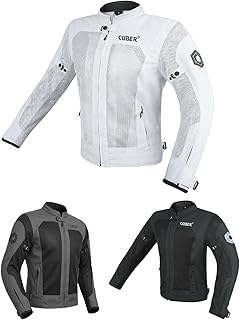
Top 10 Accessories
Curated picks for the Kawasaki Zzr600 — owned, ridden, recommended.




Common Problems
🔥 1 CRITICALIdle quality, throttle response, fuel vacuum lines condition
Oil residue on lower fork legs near seals
Voltage at idle and rev, check for overheating unit
Cold start rattle noise from upper engine area
✅Pre-Purchase Checklist
Solid reliable bike if properly maintained
Full Specifications
Rivals & Alternatives
Bikes that buyers cross-shop with the Kawasaki Zzr600
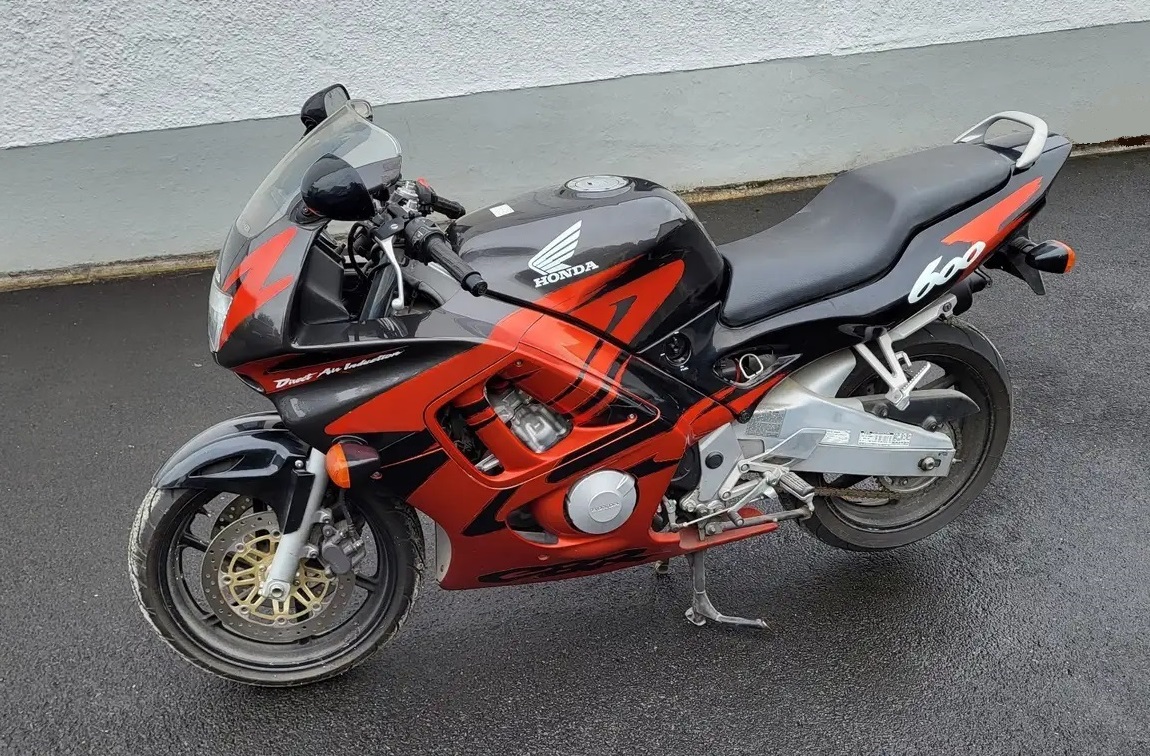
Honda Cbr600f

Honda Cbr600f4
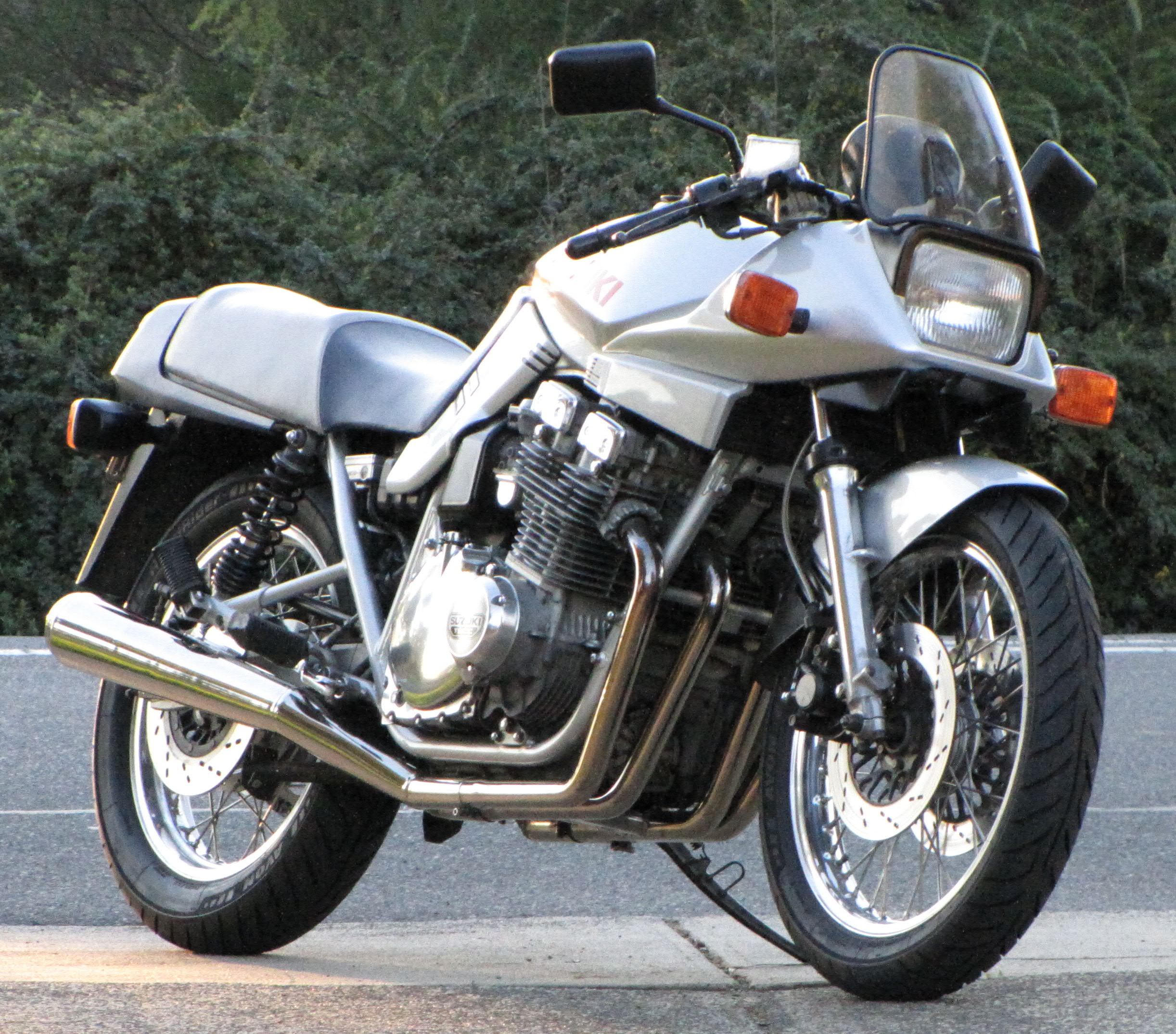
Suzuki Gsx750f Katana
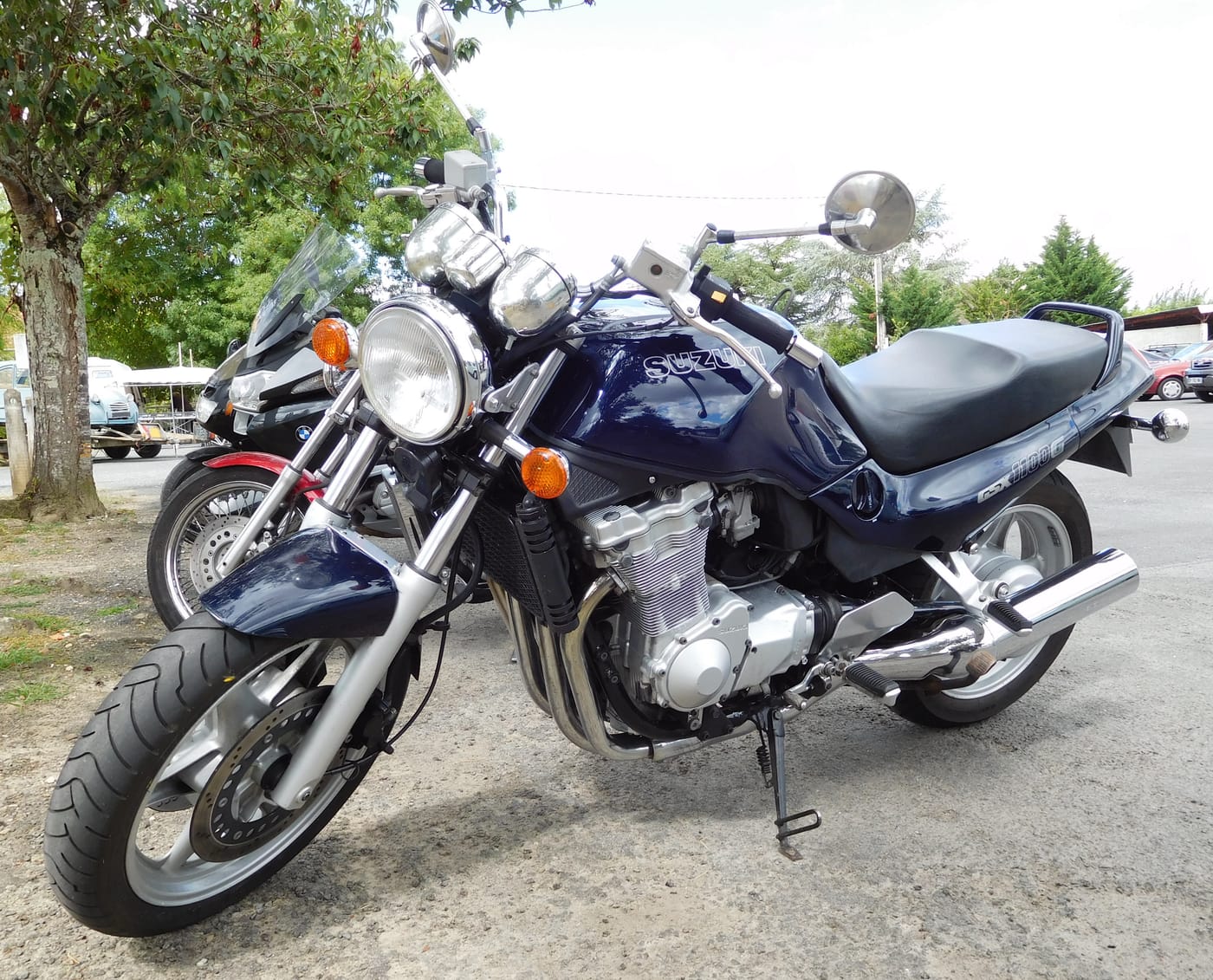
Suzuki Gsx600f Katana
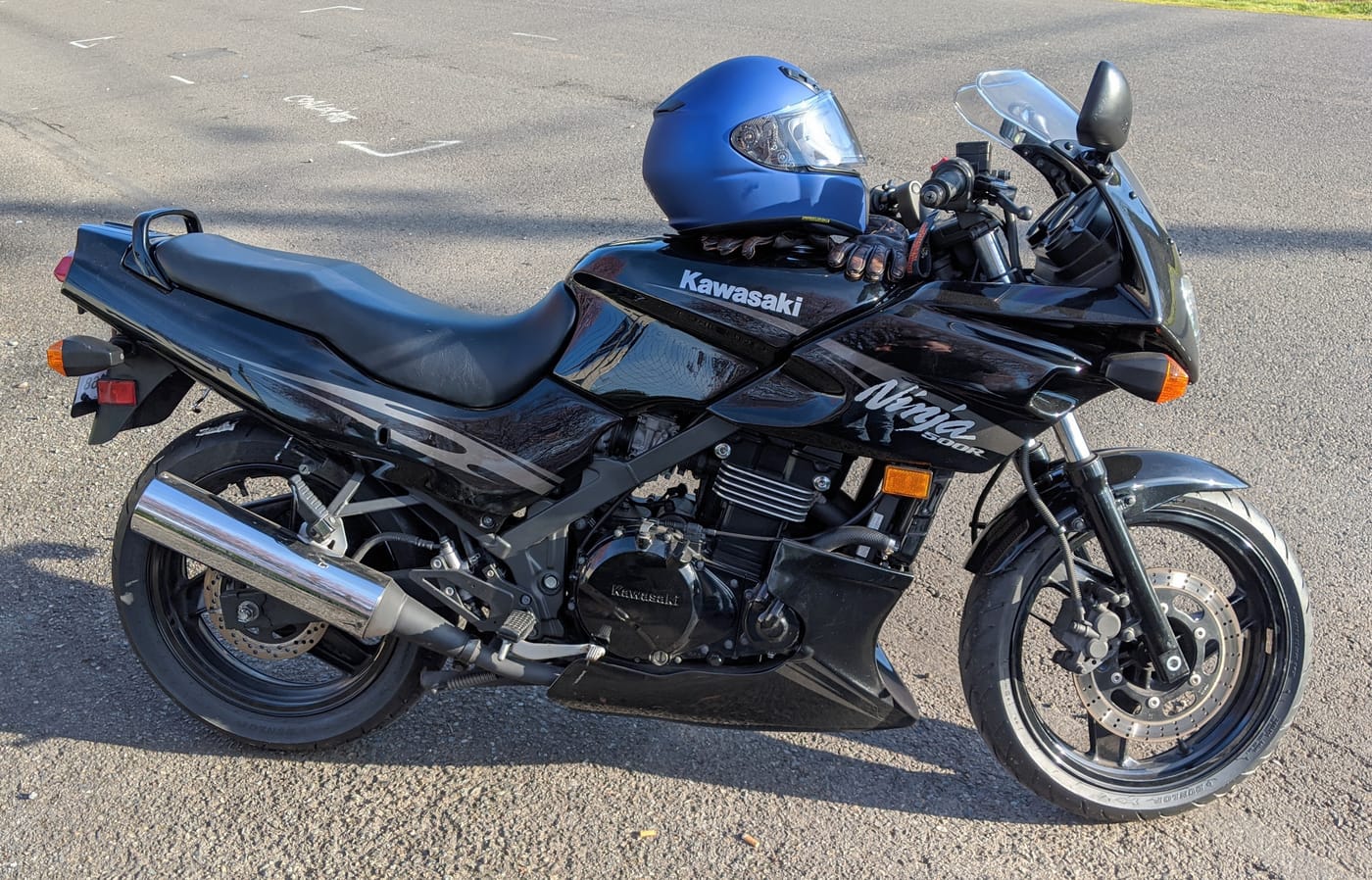
Kawasaki Gpz500s
Compare Kawasaki Zzr600 Side-by-Side
compare_arrowsSpecs, power, weight & buyer verdict — head-to-head with the bikes most often cross-shopped.
Kawasaki Zzr600 vs Honda Cbr600f
Specs · Power · Buyer verdict
Kawasaki Zzr600 vs Honda Cbr600f4
Specs · Power · Buyer verdict
Kawasaki Zzr600 vs Suzuki Gsx750f Katana
Specs · Power · Buyer verdict
Kawasaki Zzr600 vs Suzuki Gsx600f Katana
Specs · Power · Buyer verdict
Kawasaki Zzr600 vs Kawasaki Gpz500s
Specs · Power · Buyer verdict
More Kawasaki Zzr600 Guides
More from Kawasaki
View all Kawasaki models →Community Reviews
Discussion
Frequently Asked Questions
What are common problems with the Kawasaki Zzr600? +
Carb sync and jet clogging from sitting: Idle quality, throttle response, fuel vacuum lines condition (moderate) | Fork seal leaks on high mileage bikes: Oil residue on lower fork legs near seals (moderate) | Rectifier regulator failure, kills battery: Voltage at idle and rev, check for overheating unit (serious)
Is the Kawasaki Zzr600 a good motorcycle? +
The thinking rider's used 600 — reliable, capable, and criminally undervalued. Rating: 8.0/10. Best for: Daily commuters wanting sporty weekend capability too. Avoid if: You need cutting-edge track performance or modern electronics.
What is the horsepower of the Kawasaki Zzr600? +
The Kawasaki Zzr600 produces 98 hp @ 11,000 rpm (2005–2006 model; earlier models approx. 95 hp), with 67 Nm @ 9,500 rpm of torque. Top speed: 250 km/h (est. — note: electronically or mechanically limited on some models; figures vary slightly by year).
Is the Kawasaki Zzr600 good for beginners? +
Not really — the Kawasaki Zzr600 is better for experienced riders. Daily commuters wanting sporty weekend capability too Avoid if: You need cutting-edge track performance or modern electronics
Is the Kawasaki Zzr600 reliable? +
Owners report 1 critical issue to watch for on the Kawasaki Zzr600, notably: Rectifier regulator failure, kills battery (Voltage at idle and rev, check for overheating unit). Buy with a pre-purchase inspection.
Is the Kawasaki Zzr600 good for daily use? +
Daily commuters wanting sporty weekend capability too Fuel: 6.5 L/100km (approx. 15.4 km/L, typical real-world average).
How fast is the Kawasaki Zzr600? +
The Kawasaki Zzr600 reaches a top speed of 250 km/h (est. — note: electronically or mechanically limited on some models; figures vary slightly by year), producing 98 hp at 206 kg curb weight. Real-world performance depends on rider weight, gearing, and road conditions.
What gear should I buy for a Kawasaki Zzr600? +
Motoryk has curated a Top 10 gear list specifically for the Kawasaki Zzr600, covering engine oil, tires, chain, battery, and brake pads — see motoryk.com/bikes/kawasaki/zzr600/top10. Each pick is matched to this bike's spec.