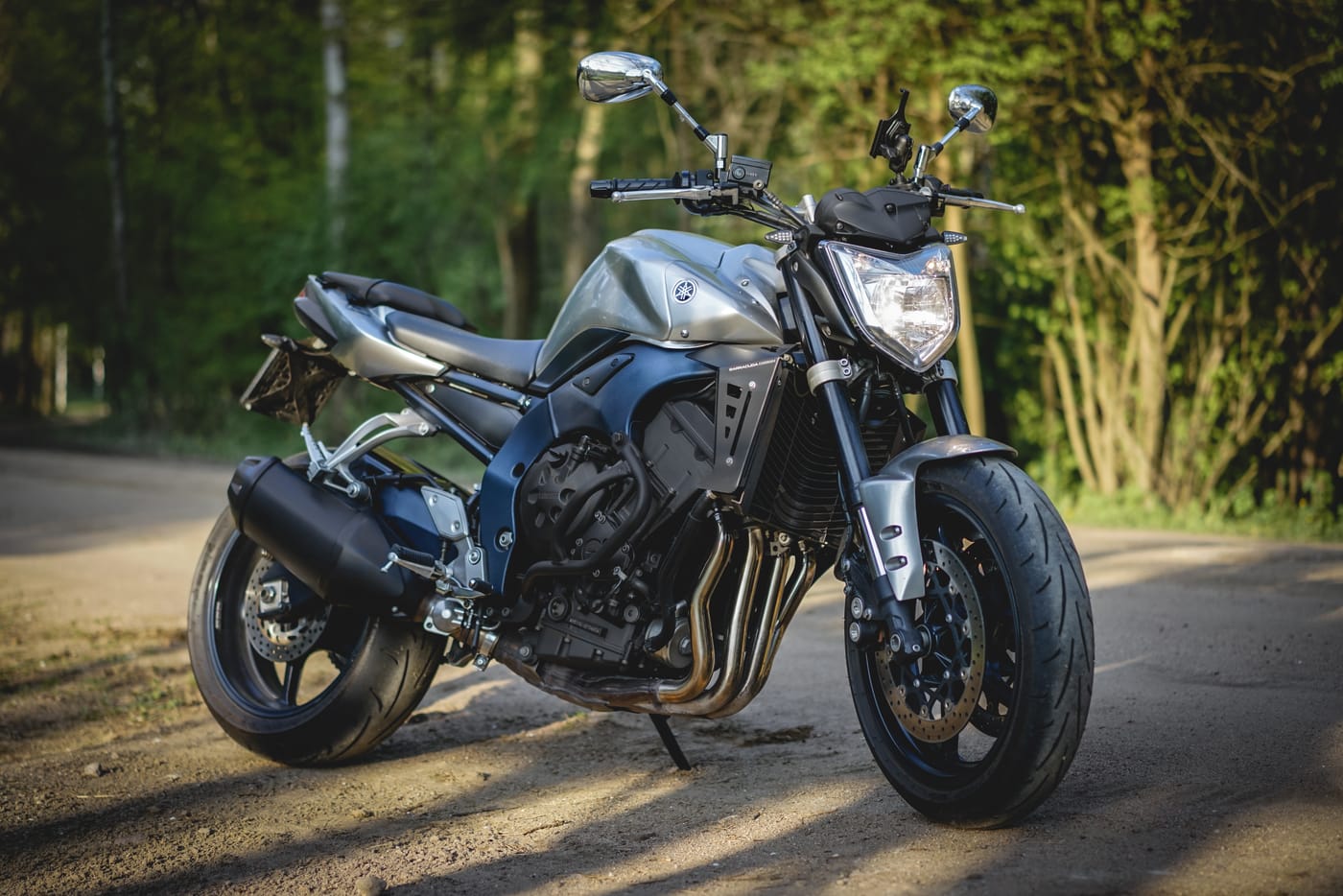
Yamaha Fzs600 Fazer
The Yamaha Fzs600 Fazer has a top speed of 225 km/h (estimated, manufacturer limited; note: some sources cite slightly lower figures around 210–220 km/h in real-world conditions), produces 95 hp and weighs 209 kg. Motoryk rates it 8/10.
The Yamaha FZS600 Fazer was introduced in 1998 as a naked/semi-faired middleweight sportsbike, using the proven engine from the YZF600R Thundercat in a more upright, versatile chassis. It quickly became a bestseller in Europe due to its excellent balance of performance, comfort, and practicality, earning a reputation as an ideal all-rounder for commuting and weekend riding. It remained in production until 2003, when it was replaced by the significantly updated FZ6 Fazer, cementing the Fazer nameplate as one of Yamaha's most successful middleweight lines.
95 hp
Power
63 Nm
Torque
209 kg
Weight
225 km/h (estimated, manufacturer limited; note: some sources cite slightly lower figures around 210–220 km/h in real-world conditions)
Top Speed
5.5–6.5 L/100km (typical real-world average)
Fuel
Faired
Body
🔧 Service Schedule & Parts
Affiliate · we may earn| Service item | Every | Typical cost | Parts |
|---|---|---|---|
| 🛢️ Engine oil + oil filter | 6,000 km / 3,500 mi or 12 mo | $40-80 | 🛢️ Buy → ⚙️ Buy → |
| 🌬️ Air filter | 12,000 km / 7,500 mi | — | 🌬️ Buy → |
| ⚡ Spark plugs | 12,000 km / 7,500 mi | — | ⚡ Buy → |
| 🔧 Valve clearance check | 24,000 km / 15,000 mi | $150-300 | |
| 🔗 Chain & sprockets | 25000-40000 km (replace) | $150-300 | 🔗 Buy → |
| 🛑 Brake pads | 15000-25000 km | $30-60 | 🛑 Buy → |
| 💧 Brake fluid | 24,000 km / 15,000 mi or 2 yr | — | |
| 🧊 Coolant | 24,000 km / 15,000 mi | — | |
| 🛞 Tires | 10000-20000 km | $200-400 | 🛞 Buy → |
| 🔩 Major service | 24,000 km / 15,000 mi | $250-500 |
Video Review
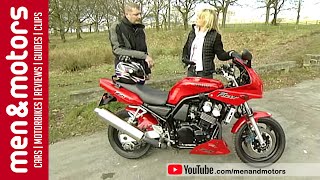
What Buyers Should Know
Bulletproof Engine Reliability
The FZS600's engine is derived from the legendary Thundercat (YZF600R) and is widely regarded as near-indestructible with basic maintenance. Many examples have exceeded 60,000 miles without major engine work.
Watch the Cam Chain
A rattling cam chain tensioner is the most common issue on high-mileage Fazers and should be inspected before purchase. Replacement is inexpensive but ignoring it can lead to costly engine damage.
Strong Resale Value
The Fazer holds its value exceptionally well for a budget-friendly middleweight, thanks to its strong reputation and loyal following. A well-maintained example is easy to sell and rarely sits on the market long.
Generations & Specs by Year
Original launch. 600cc inline-four, half-fairing, 95hp, analog instruments, single headlight design.
"The sensible sports bike that actually makes sense."
Yamaha took the Thundercat's screaming 600 engine and wrapped it in a half-fairing with proper wind protection, and the result is one of the most versatile middleweights of its era. The motor pulls cleanly from 4,000 rpm but really wakes up past 8,000 — it rewards commitment without punishing you for lazy throttle work in traffic. That half-fairing is genuinely effective up to motorway speeds, though above 160 km/h the buffeting around your helmet gets tiresome on longer stints. My main gripe after two years of daily use was the stock seat, which goes from comfortable to punishing around the 90-minute mark, and the suspension is soft enough that hard cornering reveals its budget origins.
Pros
Cons
Revised bodywork, twin headlights, updated suspension, minor engine refinements, new color schemes introduced.
"The sensible sports bike that never bores you."
I ran a Gen 2 Fazer for two years and about 18,000 miles, and the twin headlights weren't just cosmetic — they genuinely improved night visibility on unlit A-roads where the Gen 1 left you squinting. The 599cc inline-four pulls cleanly from 4,000 rpm but rewards you properly above 9,000 where it sharpens into something genuinely exciting, though 95 horses feels honest rather than exhilarating by the time you're used to it. The revised suspension is noticeably more composed than the first generation over broken tarmac, though it still wallows slightly if you push hard mid-corner on a rough surface — not dangerous, just imprecise. Ergonomics are the real story here: two hours up the motorway, an hour of B-road scratching, a supermarket run — this bike handles all of it without punishing you, which is rarer than it sounds.
Pros
Cons
Used Buyer Review
"The sensible all-rounder that rarely disappoints and never bankrupts you."
$1,500-$3,500 usedThe FZS600 Fazer is one of those bikes that punches well above its price tag on the used market. Yamaha took the bulletproof Thundercat engine, detuned it slightly for more accessible mid-range grunt, bolted on a half-fairing for wind protection, and created something genuinely useful. That inline-four pulls cleanly from 3,000rpm and screams happily to the redline — it's not a one-trick pony like some sportsbikes. Handling is predictable rather than exciting, which is exactly what most riders actually need day-to-day. Buying used, check the front fork seals — they weep on high-mileage examples. Inspect the airbox for water ingress if it's been standing, and look for crashed examples with bent subframes. Carb balancing matters on these; a rough idle usually means someone ignored the 12,000-mile service. Parts are still plentiful and cheap, which is a genuine blessing. Cosmetics age badly on the upper fairing — surface cracks are common but purely cosmetic.
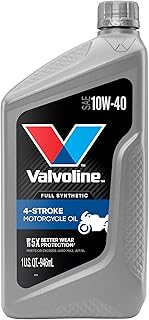
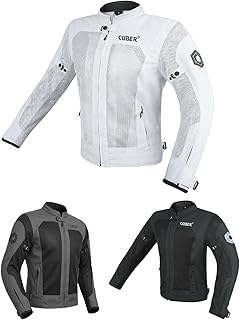
Top 10 Accessories
Curated picks for the Yamaha Fzs600 Fazer — owned, ridden, recommended.




Common Problems
🔥 1 CRITICALRev through range, listen for uneven idle or hesitation
Inspect tap for seepage, check petcock operation
Look for oil film on lower fork legs
Cold start rattle that disappears when warm
✅Pre-Purchase Checklist
Solid, robust engine with manageable maintenance needs
Full Specifications
Rivals & Alternatives
Bikes that buyers cross-shop with the Yamaha Fzs600 Fazer
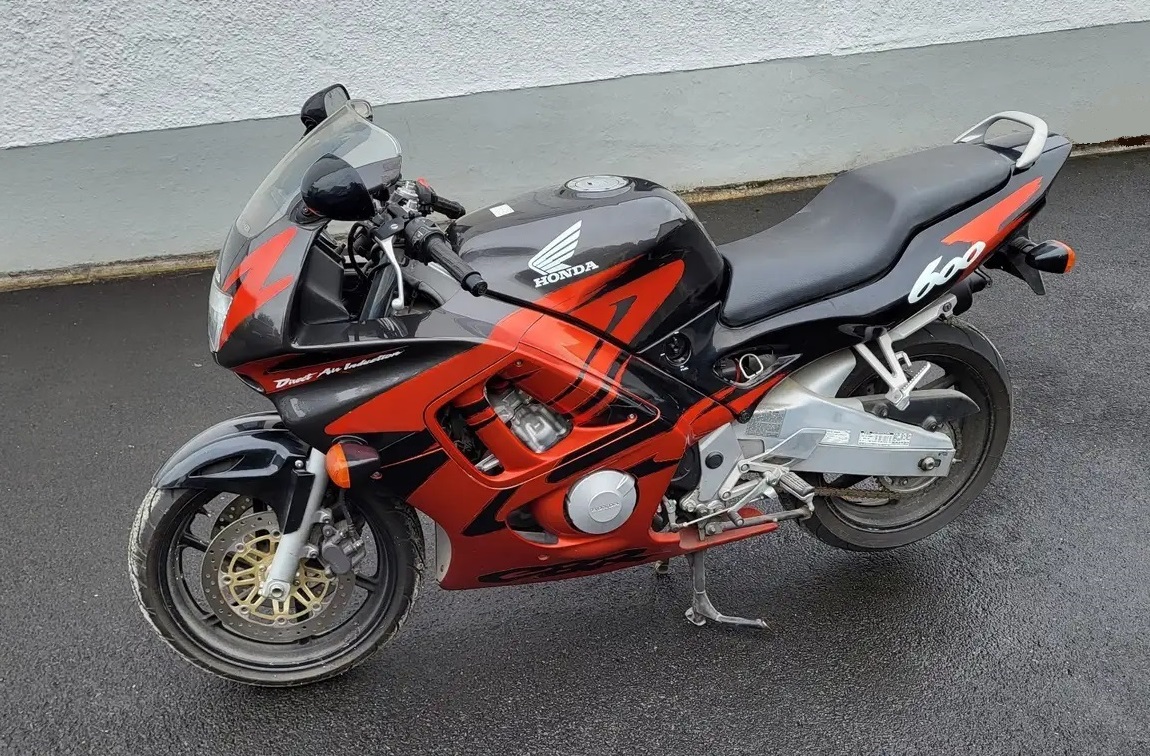
Honda Cbr600f
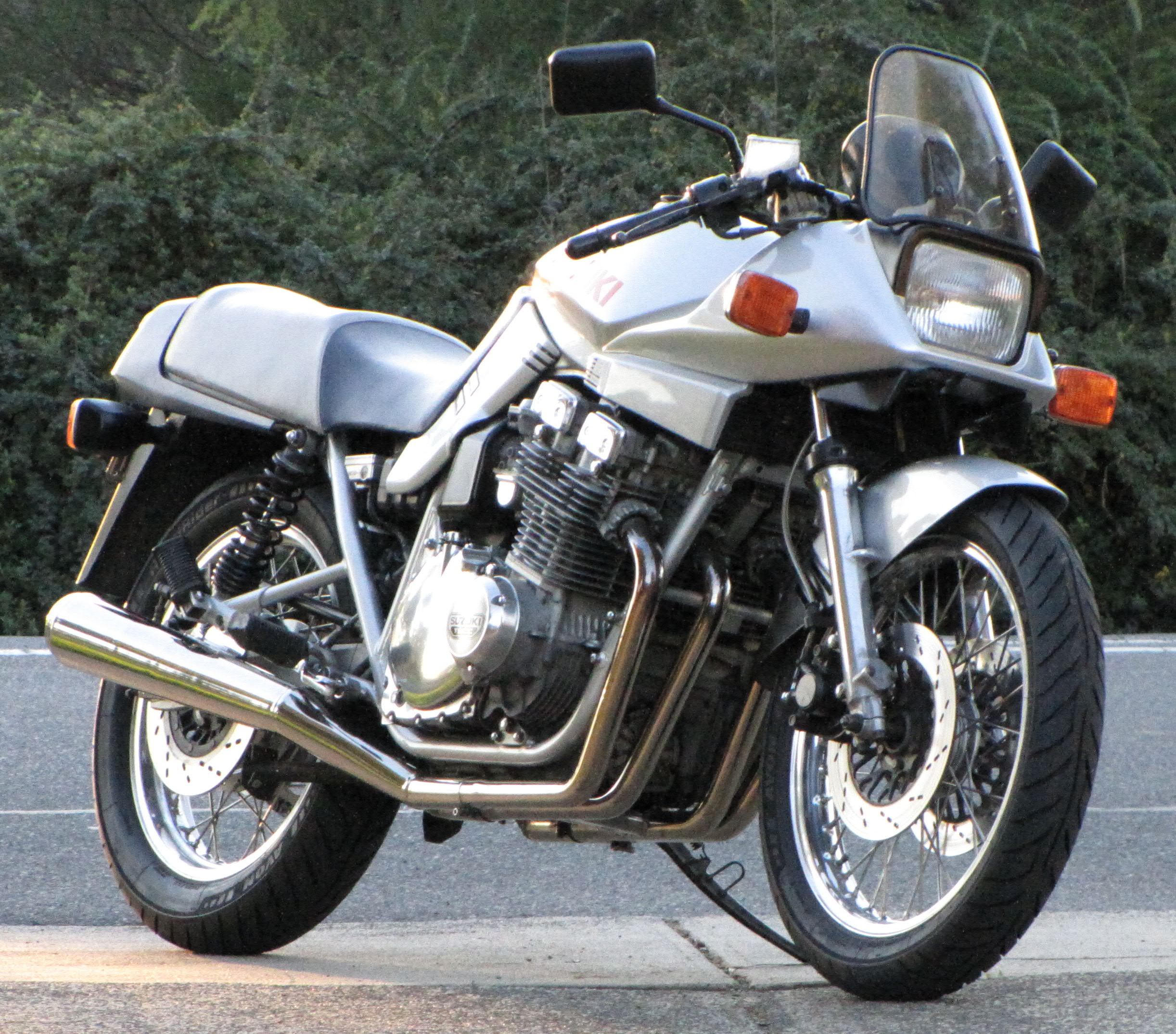
Suzuki Gsx750f Katana
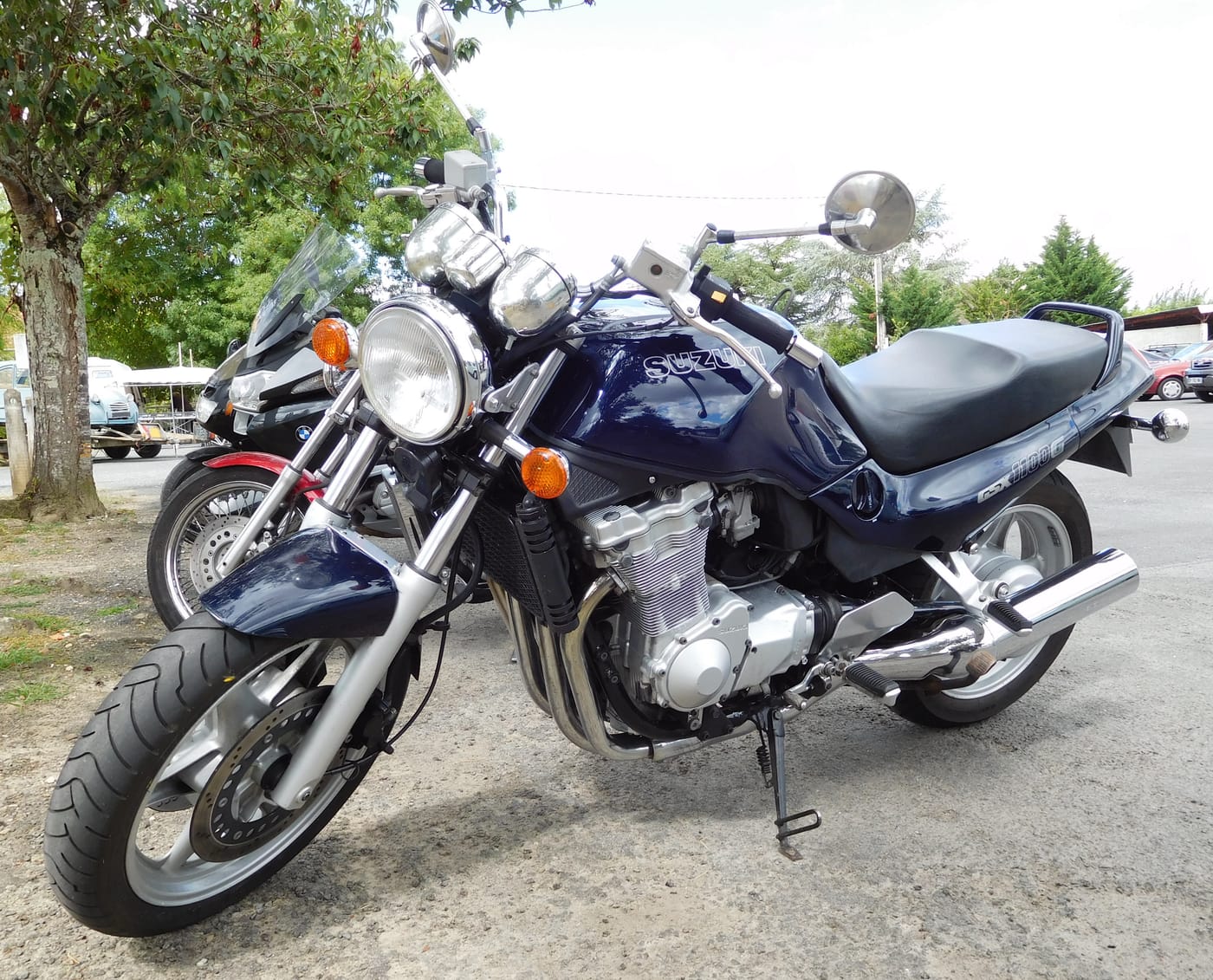
Suzuki Gsx600f Katana
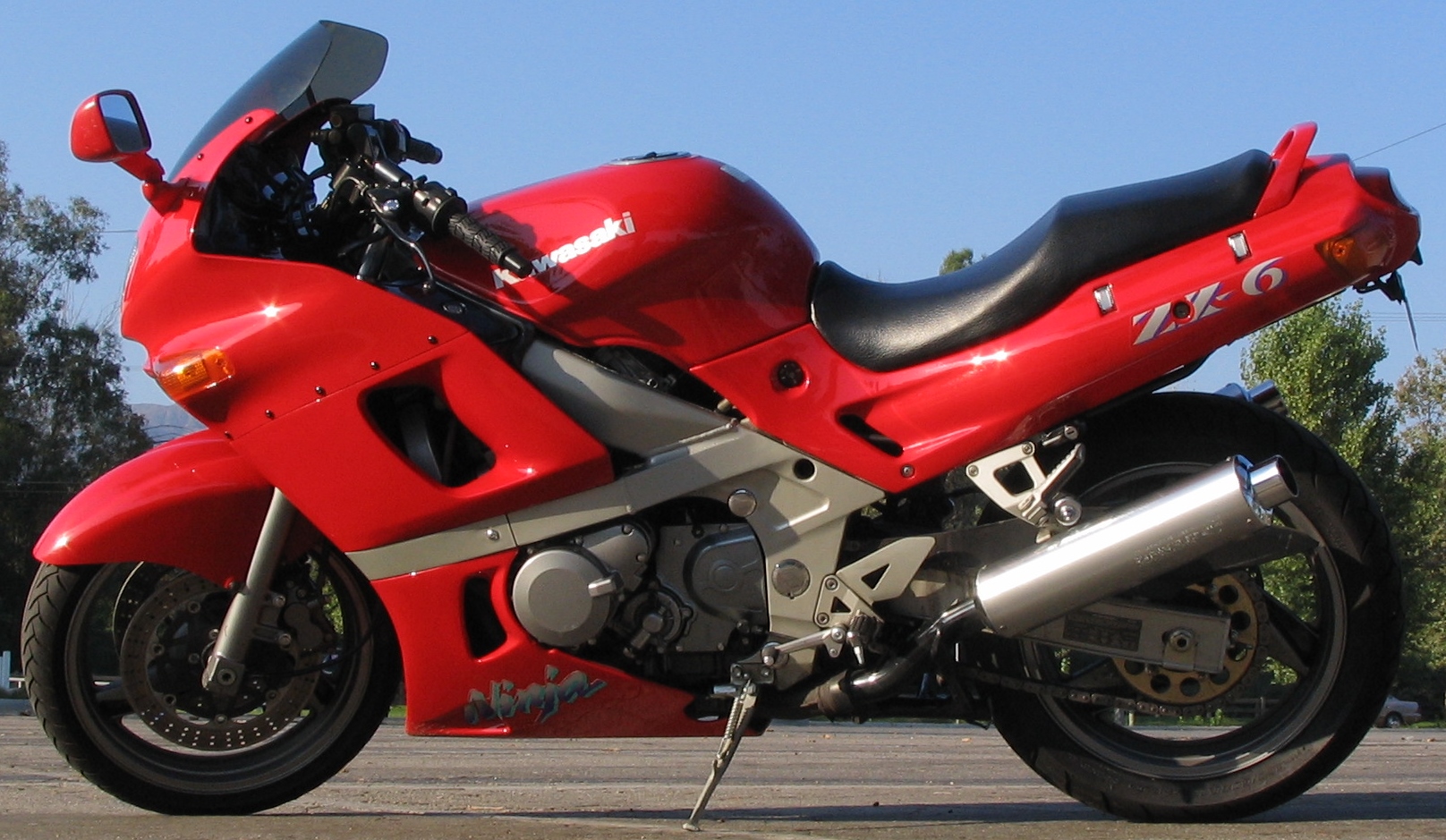
Kawasaki Zzr600
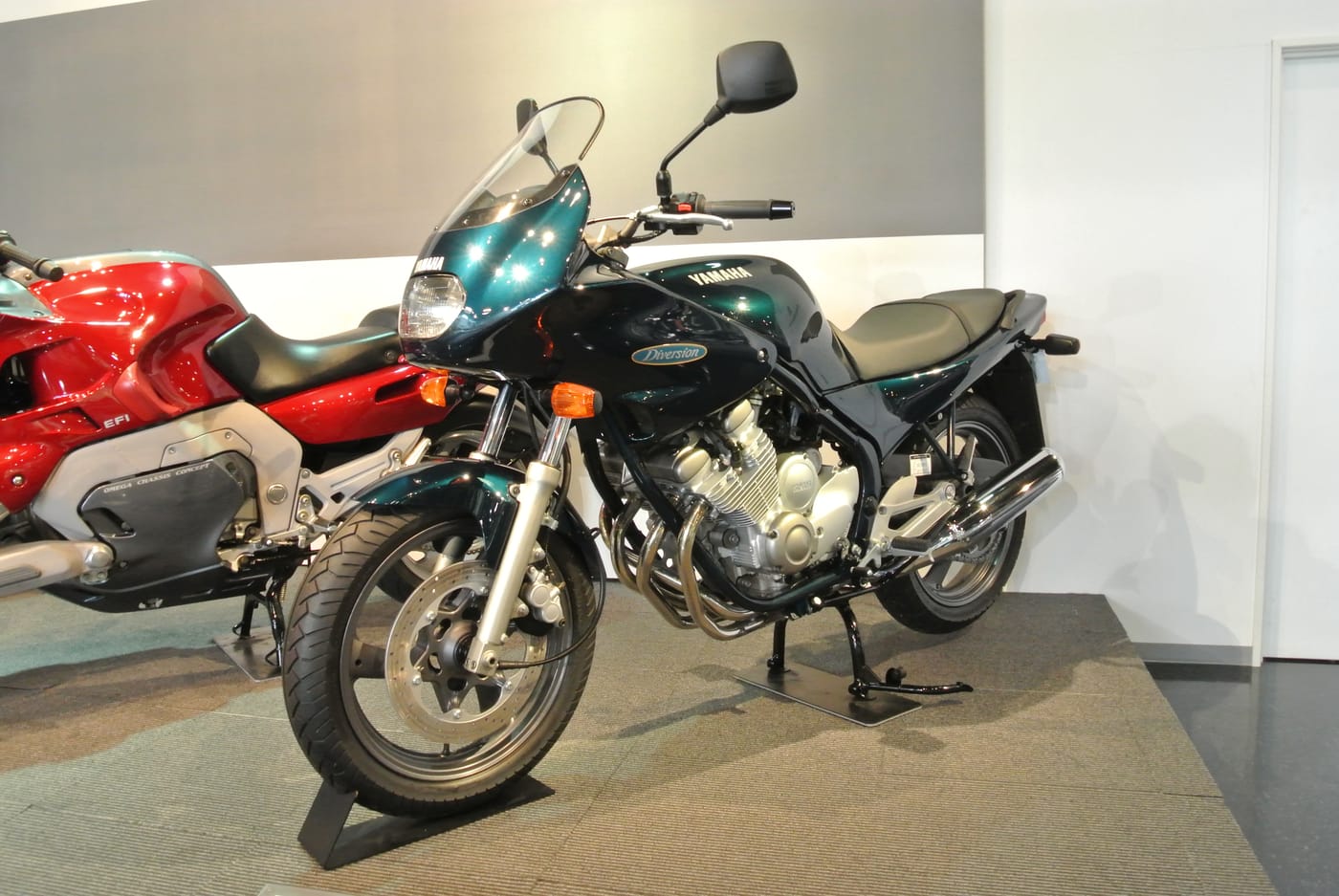
Yamaha Fazer 600
Compare Yamaha Fzs600 Fazer Side-by-Side
compare_arrowsSpecs, power, weight & buyer verdict — head-to-head with the bikes most often cross-shopped.
Yamaha Fzs600 Fazer vs Honda Cbr600f
Specs · Power · Buyer verdict
Yamaha Fzs600 Fazer vs Suzuki Gsx750f Katana
Specs · Power · Buyer verdict
Yamaha Fzs600 Fazer vs Suzuki Gsx600f Katana
Specs · Power · Buyer verdict
Yamaha Fzs600 Fazer vs Kawasaki Zzr600
Specs · Power · Buyer verdict
Yamaha Fzs600 Fazer vs Yamaha Fazer 600
Specs · Power · Buyer verdict
More Yamaha Fzs600 Fazer Guides
More from Yamaha
View all Yamaha models →Community Reviews
Discussion
Frequently Asked Questions
What are common problems with the Yamaha Fzs600 Fazer? +
Carb sync drift causes rough idle: Rev through range, listen for uneven idle or hesitation (moderate) | Corroded fuel tap leaks or fails: Inspect tap for seepage, check petcock operation (moderate) | Front fork seal leaks common with age: Look for oil film on lower fork legs (moderate)
Is the Yamaha Fzs600 Fazer a good motorcycle? +
The sensible all-rounder that rarely disappoints and never bankrupts you. Rating: 8.0/10. Best for: Commuters wanting sporty reliability without drama. Avoid if: You crave excitement over dependable competence.
What is the horsepower of the Yamaha Fzs600 Fazer? +
The Yamaha Fzs600 Fazer produces 95 hp @ 11,500 rpm, with 63 Nm @ 8,000 rpm of torque. Top speed: 225 km/h (estimated, manufacturer limited; note: some sources cite slightly lower figures around 210–220 km/h in real-world conditions).
Is the Yamaha Fzs600 Fazer good for beginners? +
Not really — the Yamaha Fzs600 Fazer is better for experienced riders. Commuters wanting sporty reliability without drama Avoid if: You crave excitement over dependable competence
Is the Yamaha Fzs600 Fazer reliable? +
Owners report 1 critical issue to watch for on the Yamaha Fzs600 Fazer, notably: Cam chain tensioner wear causes rattling (Cold start rattle that disappears when warm). Buy with a pre-purchase inspection.
Is the Yamaha Fzs600 Fazer good for daily use? +
Commuters wanting sporty reliability without drama Fuel: 5.5–6.5 L/100km (typical real-world average).
How fast is the Yamaha Fzs600 Fazer? +
The Yamaha Fzs600 Fazer reaches a top speed of 225 km/h (estimated, manufacturer limited; note: some sources cite slightly lower figures around 210–220 km/h in real-world conditions), producing 95 hp at 209 kg curb weight. Real-world performance depends on rider weight, gearing, and road conditions.
What gear should I buy for a Yamaha Fzs600 Fazer? +
Motoryk has curated a Top 10 gear list specifically for the Yamaha Fzs600 Fazer, covering engine oil, tires, chain, battery, and brake pads — see motoryk.com/bikes/yamaha/fzs600-fazer/top10. Each pick is matched to this bike's spec.