Yamaha Fzr1000
The Yamaha Fzr1000 has a top speed of 270 km/h, produces 140 hp and weighs 209 kg. Motoryk rates it 8/10.
The Yamaha FZR1000 was introduced in 1987 as Yamaha's flagship sportbike, featuring the revolutionary Deltabox aluminum frame and Genesis engine with a 20-valve, forward-inclined cylinder design for optimal mass centralization. It dominated the open-class sportbike segment through the late 1980s and early 1990s, receiving a major update in 1989 with the EXUP exhaust valve system that dramatically improved mid-range power. The FZR1000 was a benchmark superbike of its era, competing fiercely with the Honda CBR1000F and Kawasaki ZX-10 before being succeeded by the YZF1000R Thunderace in 1996.
140 hp
Power
106 Nm
Torque
209 kg
Weight
270 km/h
Top Speed
6.5 L/100km (approx. 15.4 km/L) — estimated real-world average
Fuel
Faired
Body
Video Review
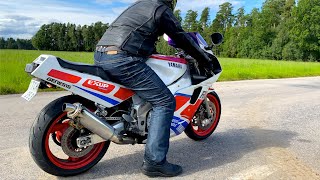
What Buyers Should Know
Legendary Genesis Engine
The FZR1000 uses Yamaha's acclaimed 5-valve-per-cylinder Genesis engine, which was groundbreaking for its era and is known for strong mid-to-high RPM power delivery. Well-maintained examples can still deliver impressive performance decades later.
Watch for Carb Issues
The carburetors on older FZR1000s are notorious for gumming up from ethanol-blended fuel, especially on bikes that sat unused. Always inspect or request a fresh carb clean before purchasing to avoid costly rebuilds.
Stable Collector Value
Clean, original FZR1000s — particularly the 1989–1995 EXUP models — are holding or slightly increasing in value as Japanese sportbike collectibles gain popularity. A well-documented, unmodified example commands a noticeable premium.
Generations & Specs by Year
Introduced Genesis 20-valve inline-four, aluminum Deltabox frame, EXUP exhaust valve system debuted mid-cycle.
"The bike that rewrote the superbike rulebook overnight."
When Yamaha dropped the FZR1000 in '87, it made everything else on the road feel agricultural — that Genesis 20-valve motor pulls with a ferocity that still surprises you mid-corner, and the Deltabox frame turns in with a precision that embarrasses bikes half its weight. I rode mine hard through two Welsh winters and it never felt vague, though the stock suspension is embarrassingly underdamped for anything beyond smooth tarmac — you'll be shopping for cartridge emulators within six months. The pre-EXUP bikes have a frustrating flat spot between 4,000 and 6,500 rpm that'll make you think something's wrong until you crack it past 7k and the thing lunges forward like a scalded animal. Ergonomics are aggressive without being cruel, but clip-ons load your wrists on long runs, and that 209kg wet weight becomes very real when you're threading through a car park.
Pros
Cons
Revised bodywork, improved suspension, EXUP standard, uprated brakes, refined carburetion and engine internals.
"The exhaust valve changed everything — this generation finally delivered."
The EXUP system transformed what was already a fast motorcycle into a genuinely usable one — that flat spot around 4,000–6,000 rpm that plagued the Gen 1 is largely gone, and the power now builds with real authority rather than arriving all at once like a slap in the face. Above 8,000 rpm this thing is savage in the best possible way; you're hanging on and trusting the revised suspension to keep the front wheel honest through sweeping bends. The brakes are a meaningful upgrade over the first generation, though by 1989 standards they still demand respect in the wet — progressive is not a word I'd use. Living with it daily is tolerable if you're under six feet, but the fairing pockets heat onto your knees in traffic and the fueling, while improved, still stumbles when you're cold-starting on a damp morning.
Pros
Cons
New larger 1002cc engine, updated frame geometry, revised bodywork, improved aerodynamics and fuel delivery.
"The last raw superbike before electronics neutered everything."
That 1002cc five-valve motor pulls like a freight train from 6,000 rpm and doesn't stop screaming until the rev limiter slaps you at the top — 140 horsepower in 1991 was genuinely terrifying, and it still feels fast today. The revised geometry over the Gen 2 tightened up mid-corner stability noticeably; you can hold a line with real confidence where the older bike would get nervous. Fuel delivery is crisper off idle than you'd expect for carbs of this era, though the flat spot around 4,500 rpm in cool weather never fully went away no matter how many times I jetted it. It's heavy enough that you feel every kilogram in slow-speed parking lots and tight hairpins, but get above 80 km/h and that weight disappears into a planted, predictable chassis that rewards aggressive riding.
Pros
Cons
Final generation, updated styling, revised suspension settings, improved braking, last year before FZR1000 was discontinued.
"The last great analogue superbike before electronics ruined fun."
I put 14,000 kilometres on a '94 FZR1000 and it never stopped feeling like a reward you had to earn. That 20-valve Genesis motor pulls hard from 6,000 rpm and turns savage past 9,000 — the power is physical, like something grabbing your jacket. Yamaha's revised suspension for this final gen genuinely helped; the front end stopped the mid-corner float that plagued earlier models, though the rear shock goes soft under hard braking and needs a preload wind-up if you're serious about corner entry. It's wide, it's heavy by modern standards, and urban traffic is a proper chore — but get it on an open mountain road and the FZR1000 reminds you why a whole generation of riders still talk about it like a lost religion.
Pros
Cons
Used Buyer Review
"A rewarding, demanding classic that absolutely earns its legendary reputation."
$3,500-$7,500 usedThe FZR1000 is one of those bikes that reminds you why you started riding in the first place. That Genesis-derived inline-four screams to 11,000rpm with a mechanical intensity modern bikes simply can't replicate — it feels alive in a way fuel-injected, ride-by-wire machines just don't. The Deltabox frame keeps everything planted through corners, and the 989cc engine still pulls hard enough to embarrass plenty of newer machinery. This thing defined superbike performance in the late 80s and early 90s for good reason. Buying used, though, requires homework. Most survivors are either garage queens or track-day veterans carrying hidden damage. Check the frame carefully around the steering head — these bikes were crashed hard by riders who thought they could handle them. Carbs need attention after sitting, forks leak constantly, and finding OEM bodywork in decent condition is a small miracle. Budget realistically for restoration. Parts availability is getting genuinely difficult, so factor in sourcing time alongside money.
Top 10 Accessories
Curated picks for the Yamaha Fzr1000 — owned, ridden, recommended.




Common Problems
🔥 2 CRITICALRough idle, flat spots, poor throttle response
Oil residue on fork legs, soft or bouncy ride
Voltage output at battery, dim lights, dead battery
Rattling on cold start, top-end ticking noise
✅Pre-Purchase Checklist
Solid but aging, needs regular maintenance attention
Full Specifications
Rivals & Alternatives
Bikes that buyers cross-shop with the Yamaha Fzr1000
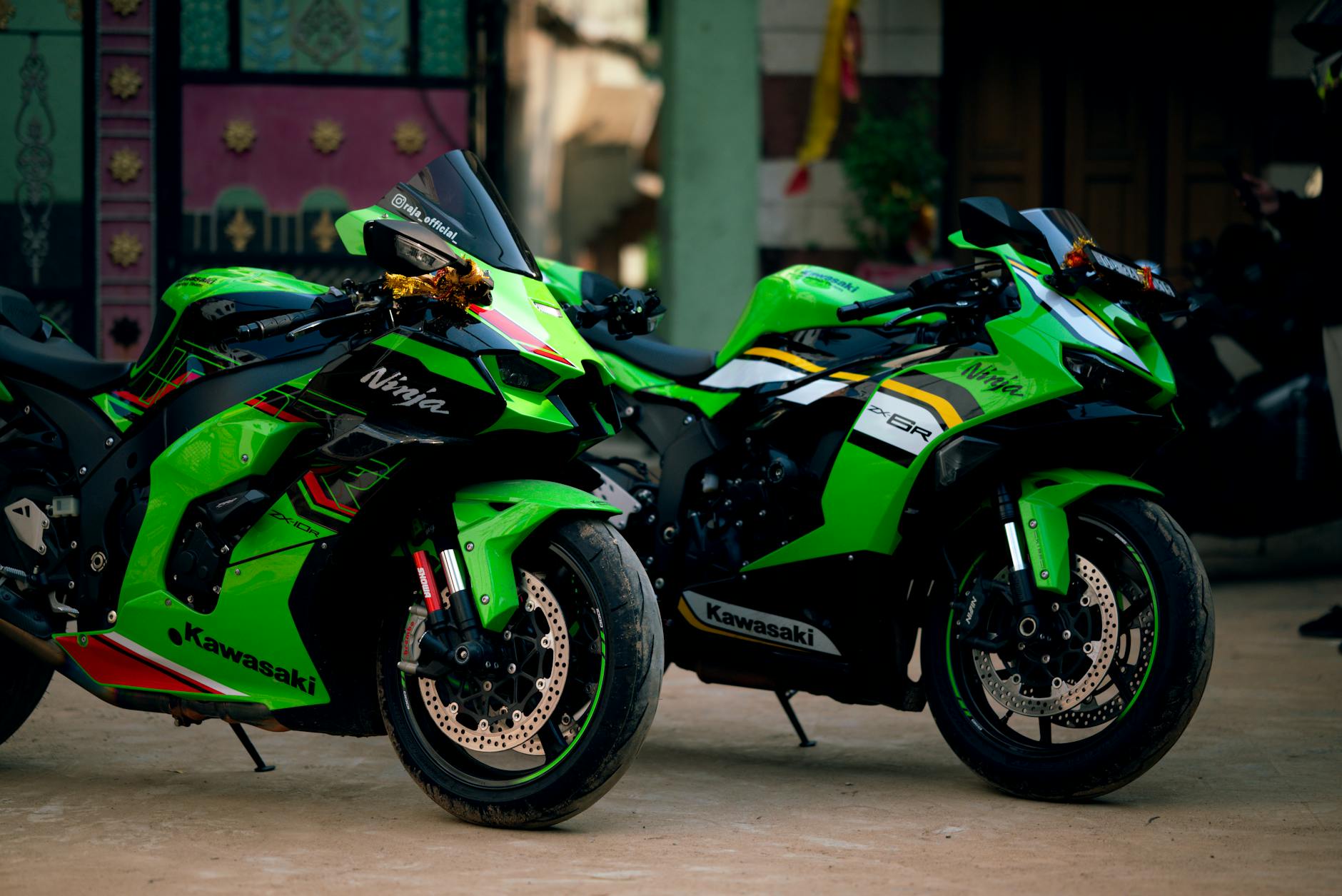
Kawasaki Zx-12r
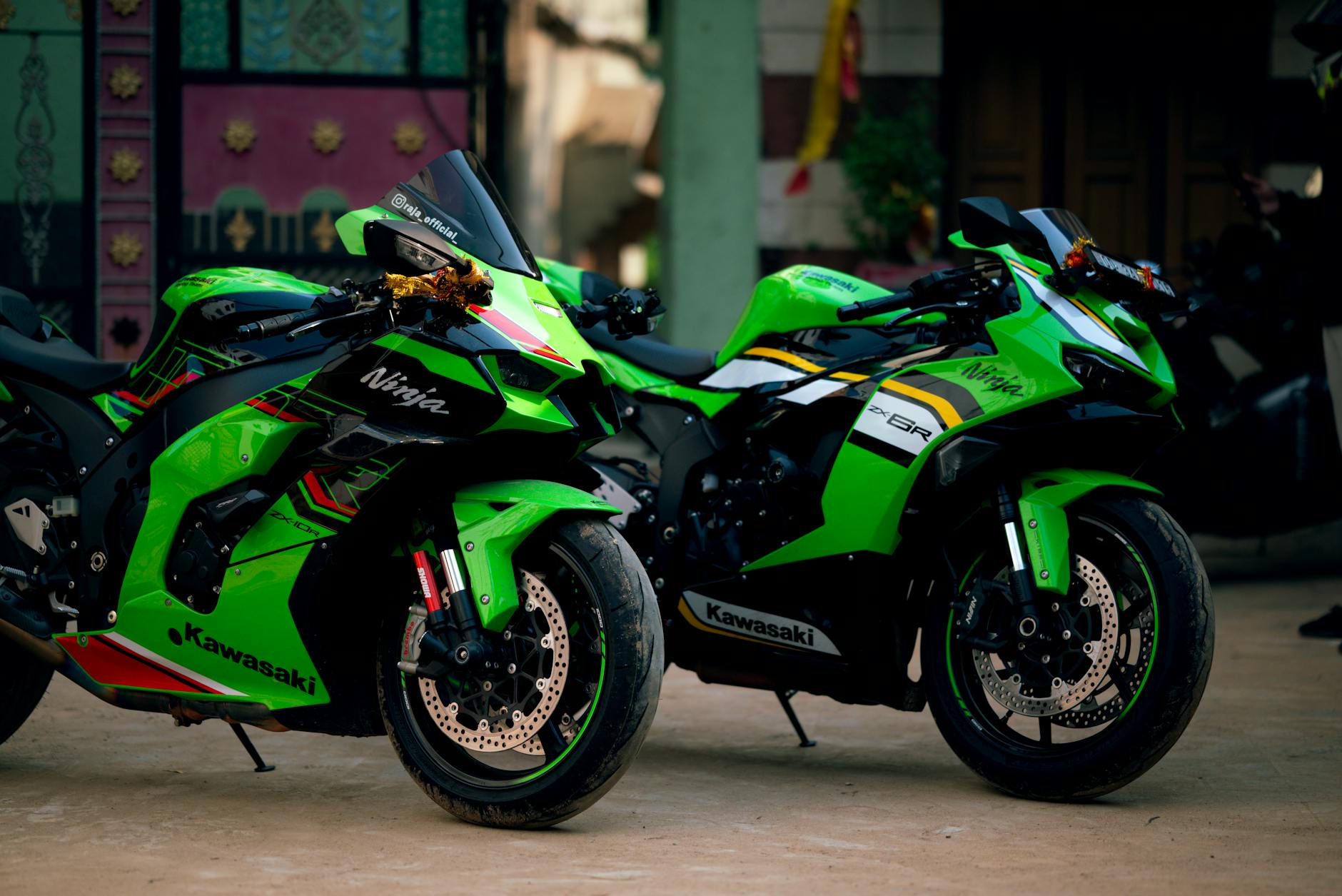
Kawasaki Zx-9r
Honda Cbr900rr Fireblade
Yamaha Yzf750r
Yamaha Yzf1000r Thunderace
Compare Yamaha Fzr1000 Side-by-Side
compare_arrowsSpecs, power, weight & buyer verdict — head-to-head with the bikes most often cross-shopped.
Yamaha Fzr1000 vs Kawasaki Zx-12r
Specs · Power · Buyer verdict
Yamaha Fzr1000 vs Kawasaki Zx-9r
Specs · Power · Buyer verdict
Yamaha Fzr1000 vs Honda Cbr900rr Fireblade
Specs · Power · Buyer verdict
Yamaha Fzr1000 vs Yamaha Yzf750r
Specs · Power · Buyer verdict
Yamaha Fzr1000 vs Yamaha Yzf1000r Thunderace
Specs · Power · Buyer verdict
More Yamaha Fzr1000 Guides
More from Yamaha
View all Yamaha models →Community Reviews
Discussion
Frequently Asked Questions
What are common problems with the Yamaha Fzr1000? +
Carb sync and jetting issues: Rough idle, flat spots, poor throttle response (moderate) | Fork seal leaks and worn suspension: Oil residue on fork legs, soft or bouncy ride (moderate) | Rectifier/regulator failure kills battery: Voltage output at battery, dim lights, dead battery (serious)
Is the Yamaha Fzr1000 a good motorcycle? +
A rewarding, demanding classic that absolutely earns its legendary reputation. Rating: 8.0/10. Best for: Experienced riders wanting analog superbike thrills cheaply. Avoid if: You want reliability without wrenching every weekend.
What is the horsepower of the Yamaha Fzr1000? +
The Yamaha Fzr1000 produces 140 hp @ 10,000 rpm, with 106 Nm @ 8,500 rpm of torque. Top speed: 270 km/h.
Is the Yamaha Fzr1000 good for beginners? +
Not really — the Yamaha Fzr1000 is better for experienced riders (140 hp can be intimidating). Experienced riders wanting analog superbike thrills cheaply Avoid if: You want reliability without wrenching every weekend
Is the Yamaha Fzr1000 reliable? +
Owners report 2 critical issues to watch for on the Yamaha Fzr1000, notably: Rectifier/regulator failure kills battery (Voltage output at battery, dim lights, dead battery). Buy with a pre-purchase inspection.
Is the Yamaha Fzr1000 good for daily use? +
Experienced riders wanting analog superbike thrills cheaply Fuel: 6.5 L/100km (approx. 15.4 km/L) — estimated real-world average.
How fast is the Yamaha Fzr1000? +
The Yamaha Fzr1000 reaches a top speed of 270 km/h, producing 140 hp at 209 kg curb weight. Real-world performance depends on rider weight, gearing, and road conditions.
What gear should I buy for a Yamaha Fzr1000? +
Motoryk has curated a Top 10 gear list specifically for the Yamaha Fzr1000, covering engine oil, tires, chain, battery, and brake pads — see motoryk.com/bikes/yamaha/fzr1000/top10. Each pick is matched to this bike's spec.