Yamaha Fzr 1000
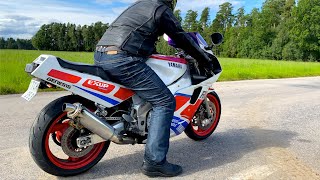
The Yamaha Fzr 1000 has a top speed of 265 km/h, produces 145 hp and weighs 209 kg. Motoryk rates it 8/10.
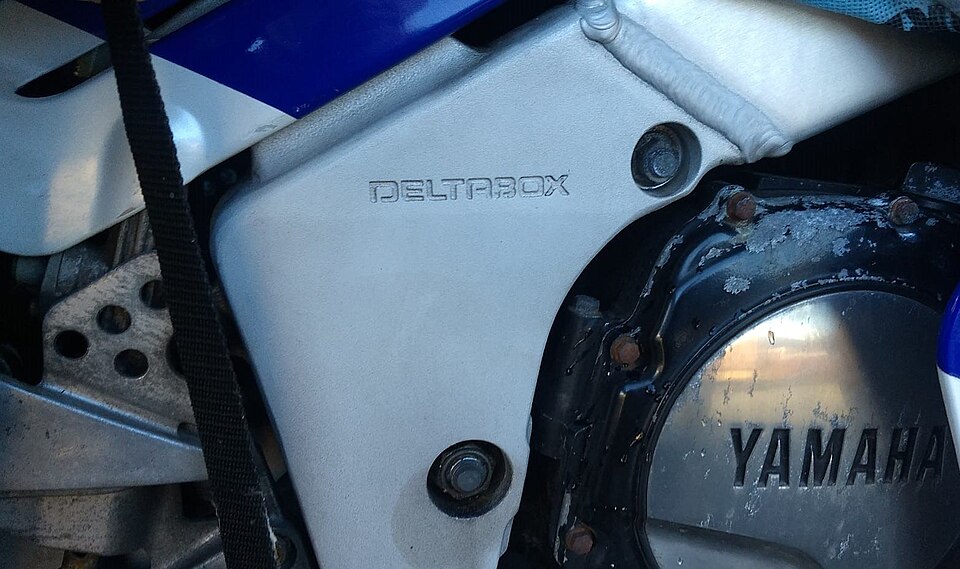
The Yamaha FZR1000 was introduced in 1987 as a flagship sportbike, featuring the revolutionary Deltabox aluminum frame and EXUP exhaust valve system that set new standards in performance and handling. It dominated the superbike class through the late 1980s and early 1990s, receiving significant updates in 1989 with revised styling and improved engine output. The FZR1000 is celebrated as one of the most influential sportbikes of its era, bridging the gap between race technology and street performance before being succeeded by the YZF1000R Thunderace in 1996.
145 hp
Power
106 Nm
Torque
209 kg
Weight
265 km/h
Top Speed
6.5 L/100km (approx. 15.4 km/L, real-world average)
Fuel
Faired
Body
🔧 Service Schedule & Parts
Affiliate · we may earn| Service item | Every | Typical cost | Parts |
|---|---|---|---|
| 🛢️ Engine oil + oil filter | 6,000 km / 3,500 mi or 12 mo | $40-80 | 🛢️ Buy → ⚙️ Buy → |
| 🌬️ Air filter | 12,000 km / 7,500 mi | — | 🌬️ Buy → |
| ⚡ Spark plugs | 12,000 km / 7,500 mi | — | ⚡ Buy → |
| 🔧 Valve clearance check | 24,000 km / 15,000 mi | $200-400 | |
| 🔗 Chain & sprockets | 25000-40000 km (replace) | $150-300 | 🔗 Buy → |
| 🛑 Brake pads | 15000-25000 km | $30-60 | 🛑 Buy → |
| 💧 Brake fluid | 24,000 km / 15,000 mi or 2 yr | — | |
| 🧊 Coolant | 24,000 km / 15,000 mi | — | |
| 🛞 Tires | 10000-20000 km | $200-450 | 🛞 Buy → |
| 🔩 Major service | 24,000 km / 15,000 mi | $350-650 |
Video Review
What Buyers Should Know
Legendary Genesis Engine
The FZR1000 featured Yamaha's advanced 5-valve-per-cylinder Genesis engine, a technology borrowed directly from racing. This design delivers exceptional power and smooth rev characteristics that still impress today.
Watch the Carburetors
The four Mikuni carburetors are a known maintenance point — gummed-up jets from sitting fuel are extremely common on aging examples. Always inspect for a fresh carb clean or rebuild before buying.
Stable Collector Value
Clean, low-mileage FZR1000s have held steady resale value as a sought-after 1990s sportbike classic. Well-maintained examples in original condition command a significant premium over neglected ones.
Generations & Specs by Year
Genesis 20-valve inline-four engine, aluminum Deltabox frame, anti-nose-dive forks introduced.
"The bike that rewrote the superbike rulebook overnight."
Nothing in 1987 prepared you for the FZR1000's combination of that screaming 20-valve Genesis engine and the stiffness of the Deltabox chassis — it felt like Yamaha had jumped a full generation ahead of everyone else. Pull past 7,000 rpm and the powerband hits with a focused, almost violent urgency that still impresses today; the 135 horses feel honest, not massaged. The anti-nose-dive forks were a nice idea on paper but felt wooden and difficult to tune in practice — I eventually disabled them and ran conventional damping, which transformed the front-end feel dramatically. It's heavy for a sportbike by modern standards and the riding position is surprisingly aggressive for long stints, but nothing about those flaws mattered much when you were threading a canyon road in 1988 and pulling away from everything else in sight.
Pros
Cons
Revised engine with larger airbox, updated suspension, improved braking, restyled bodywork.
"The superbike that rewrote the rulebook."
The Gen 2 FZR1000 fixed almost everything I grumbled about in the original — that larger airbox genuinely freed up the top end, and above 8,000 rpm it pulls like something angry and mechanical has woken up behind your kidneys. Suspension changes made it less of a white-knuckle lottery through fast sweepers; it still demands respect, but now it communicates instead of just terrorising you. The brakes finally matched the performance — four-piston calipers with proper feel rather than the wooden lockup lottery of the first gen. Weak points? The fairing lowers crack if you look at them sideways, heat management in traffic is genuinely punishing on your right leg, and that 770mm seat height sounds low until you're wrestling 209kg of very fast, very committed motorcycle through a second-gear hairpin.
Pros
Cons
EXUP exhaust valve added, revised carburetion, uprated brakes, new bodywork styling.
"The last raw superbike before electronics sanitized everything."
The EXUP valve transformed this engine from a peaky screamer into something genuinely usable — pull from 4,000 rpm is real, not imaginary, and by 8,500 it's trying to rip your arms off in the best possible way. I ran one as a daily weapon for two seasons and the revised Mikuni carbs still needed a full sync every 6,000 miles or the flat-spot around 5,500 rpm returned to haunt you on cold mornings. The new four-piston front calipers finally matched the engine's ambition — you could actually trail-brake into corners with confidence rather than praying the old single-pistons would save you. Ergonomically it's punishing past an hour: the clip-ons load your wrists hard and the windscreen channels buffeting directly at your helmet at autobahn speeds, but nobody bought an FZR 1000 for touring comfort.
Pros
Cons
Revised Deltabox II frame, updated suspension geometry, refined engine internals, new bodywork.
"The last pure superbike before electronics ruined everything."
The Deltabox II frame transformed what was already a great chassis into something genuinely telepathic at speed — turn-in is crisp without being nervous, and the revised suspension geometry finally sorted the mid-corner vagueness that plagued earlier FZRs. That 1002cc five-valve motor pulls hard from 6,000 rpm and absolutely screams past 9,000, though the power delivery is brutal enough that wet roads demand real respect. I rode mine through two winters and the build quality held up better than rival Hondas of the same era, though the stock Dunlops were a liability and the fairing lower panels cracked if you sneezed near them. It's a demanding bike — the riding position punishes your wrists on anything over two hours — but nothing in 1994 felt more alive at track pace.
Pros
Cons
Used Buyer Review
"A brutal, brilliant superbike that rewards experienced riders who maintain it properly."
$3,500-$7,500 usedThe FZR1000 is the bike that genuinely scared fast riders when it launched, and it still commands serious respect today. That Genesis engine is a masterpiece — silky smooth through the midrange, then absolutely savage past 8,000rpm. You'll find yourself grinning and slightly terrified simultaneously, which is exactly what a superbike should do. Frame feels planted and confidence-inspiring once you commit, though the steering is slower than modern sportbikes. Buying used, inspect the cam chain tensioner carefully — it's the known weak point and a tired one sounds like a bag of bolts rattling at startup. Check fork seals obsessively, because most examples are 30+ years old and previous owners weren't always gentle. Fairings are genuinely difficult and expensive to source now, so walk away from anything cracked or broken. Service history matters enormously here. This isn't a beginner's machine or a daily rider. It's a visceral, mechanical experience that rewards skilled, committed riders who appreciate early-90s engineering at its absolute peak.
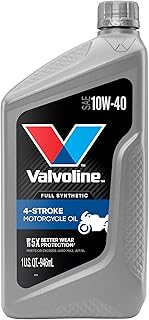
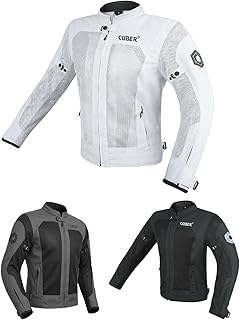
Top 10 Accessories
Curated picks for the Yamaha Fzr 1000 — owned, ridden, recommended.




Common Problems
🔥 1 CRITICALOil residue on lower fork legs, check bounce resistance
Rough idle, hesitation on throttle, uneven revs
Rattling on cold start, top-end ticking noise
Voltage output at idle, battery holding charge
✅Pre-Purchase Checklist
Solid engine, neglected examples are very common
Full Specifications
Rivals & Alternatives
Bikes that buyers cross-shop with the Yamaha Fzr 1000
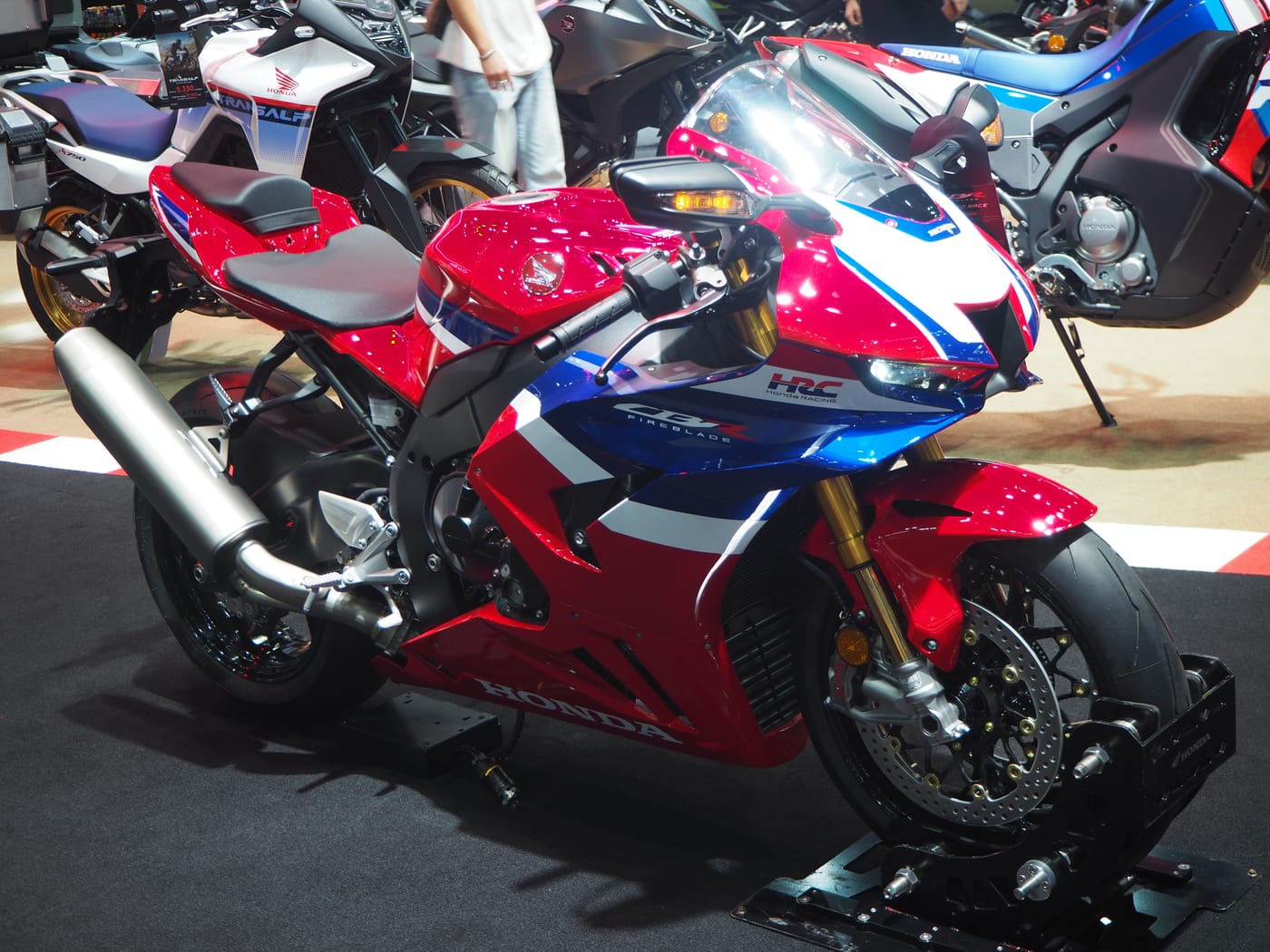
Honda Cbr900rr Fireblade
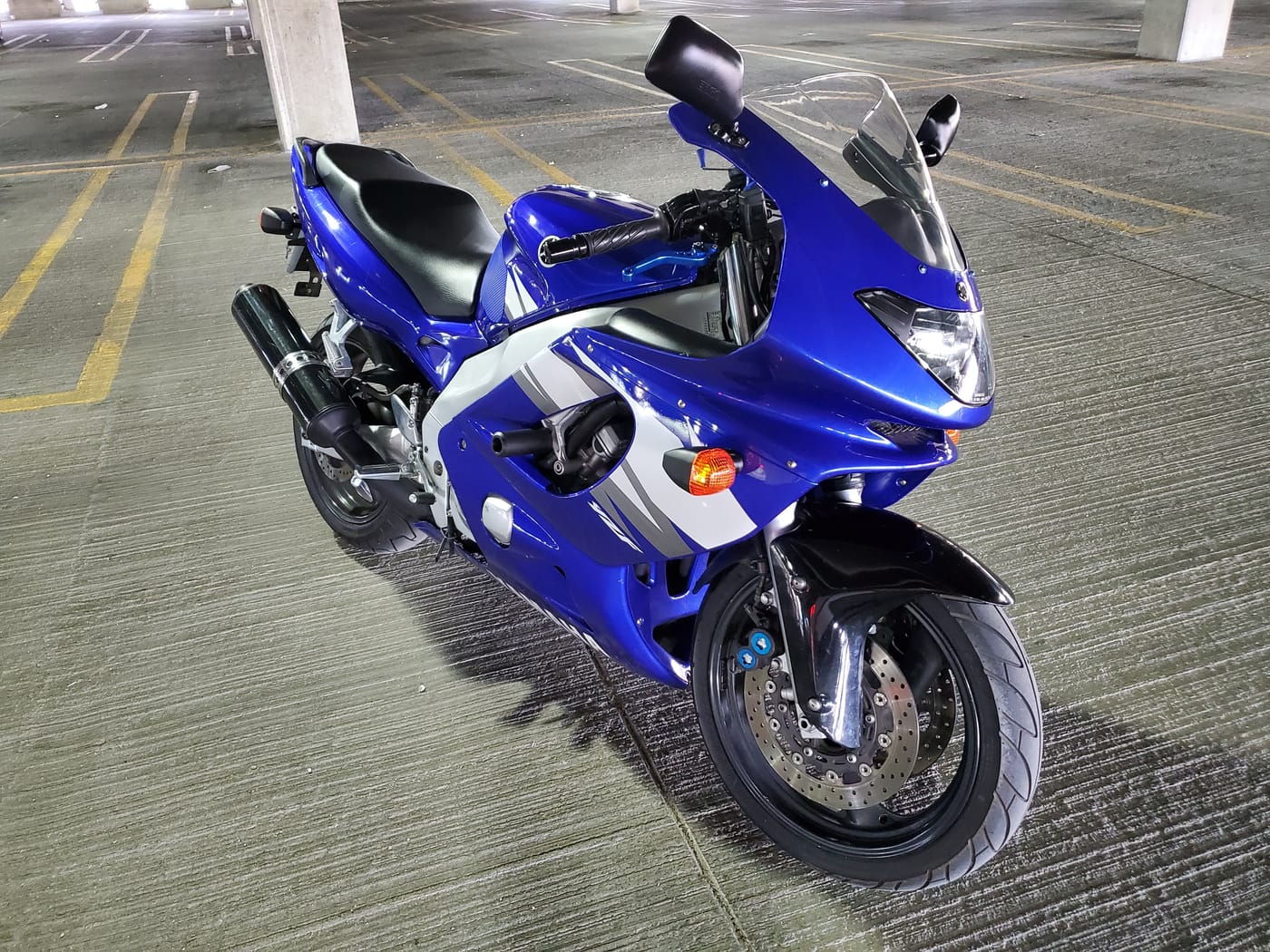
Yamaha Yzf600r Thundercat
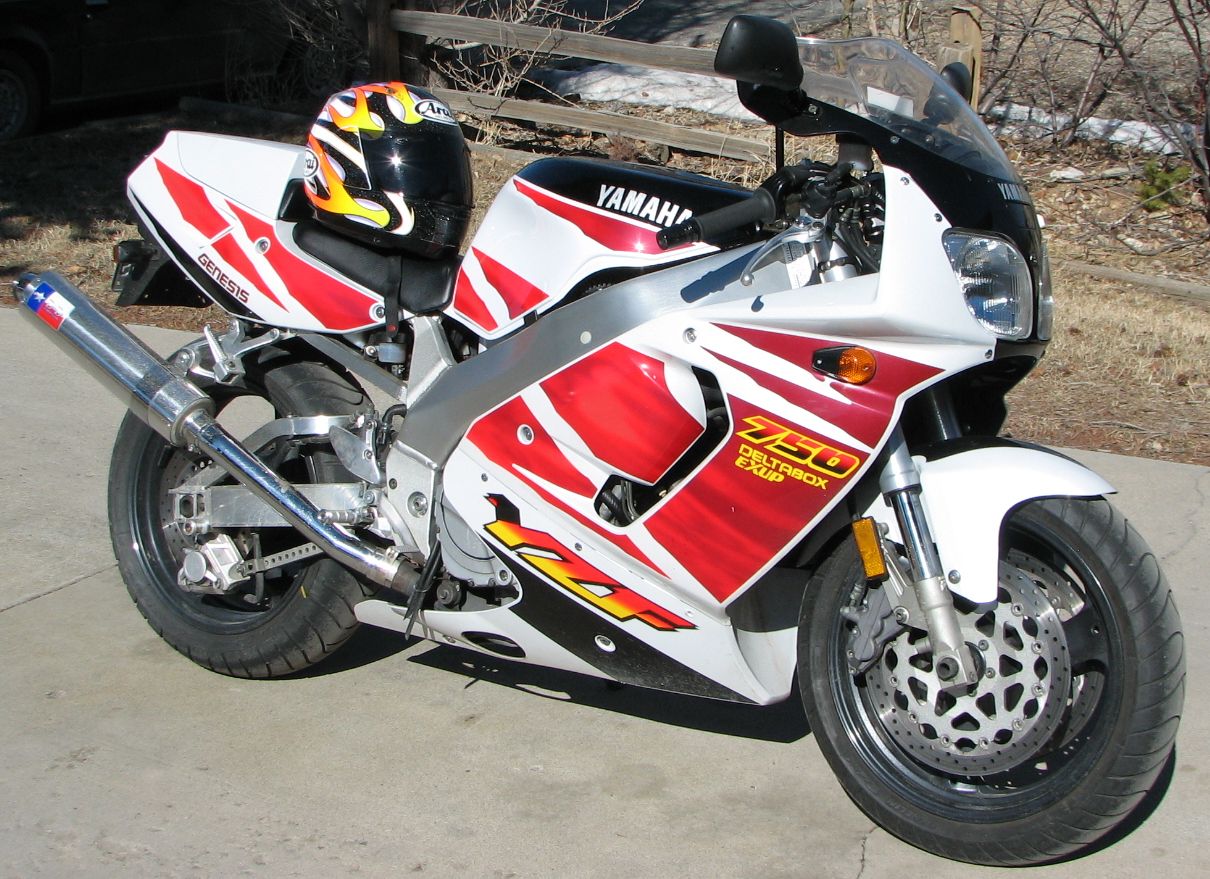
Yamaha Yzf750r
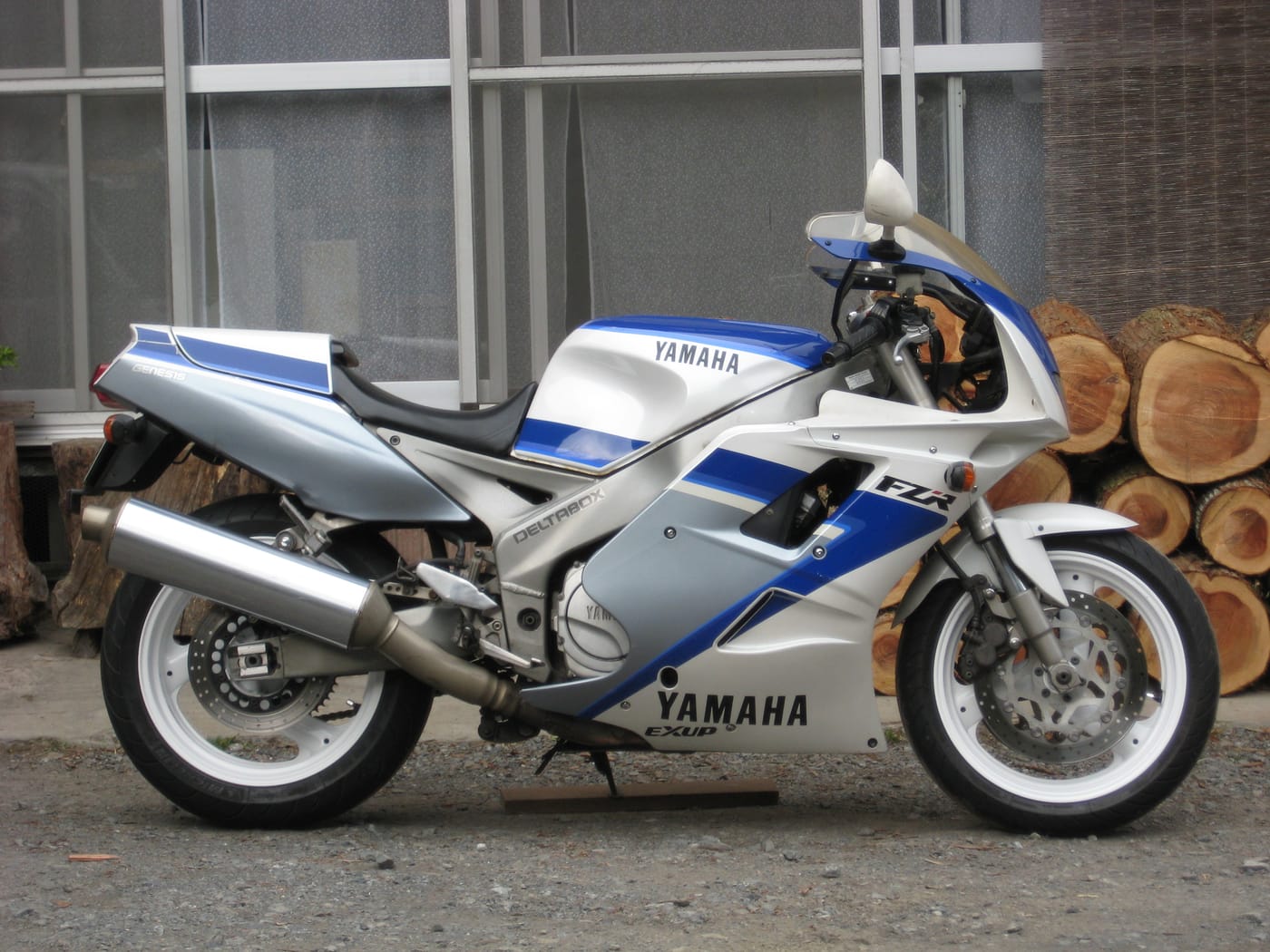
Yamaha Yzf1000r Thunderace
Compare Yamaha Fzr 1000 Side-by-Side
compare_arrowsSpecs, power, weight & buyer verdict — head-to-head with the bikes most often cross-shopped.
Yamaha Fzr 1000 vs Honda Cbr900rr Fireblade
Specs · Power · Buyer verdict
Yamaha Fzr 1000 vs Yamaha Yzf600r Thundercat
Specs · Power · Buyer verdict
Yamaha Fzr 1000 vs Yamaha Yzf750r
Specs · Power · Buyer verdict
Yamaha Fzr 1000 vs Yamaha Yzf1000r Thunderace
Specs · Power · Buyer verdict
More Yamaha Fzr 1000 Guides
More from Yamaha
View all Yamaha models →Community Reviews
Discussion
Frequently Asked Questions
What are common problems with the Yamaha Fzr 1000? +
Leaking fork seals and worn suspension: Oil residue on lower fork legs, check bounce resistance (moderate) | Carb synchronization and jet blockage: Rough idle, hesitation on throttle, uneven revs (moderate) | Cam chain tensioner wear causing noise: Rattling on cold start, top-end ticking noise (serious)
Is the Yamaha Fzr 1000 a good motorcycle? +
A brutal, brilliant superbike that rewards experienced riders who maintain it properly. Rating: 8.0/10. Best for: Experienced riders wanting raw 90s superbike thrills. Avoid if: New riders or those skipping pre-purchase inspection.
What is the horsepower of the Yamaha Fzr 1000? +
The Yamaha Fzr 1000 produces 145 hp @ 10,000 rpm, with 106 Nm @ 8,500 rpm of torque. Top speed: 265 km/h.
Is the Yamaha Fzr 1000 good for beginners? +
Not really — the Yamaha Fzr 1000 is better for experienced riders (145 hp can be intimidating). Experienced riders wanting raw 90s superbike thrills Avoid if: New riders or those skipping pre-purchase inspection
Is the Yamaha Fzr 1000 reliable? +
Owners report 1 critical issue to watch for on the Yamaha Fzr 1000, notably: Cam chain tensioner wear causing noise (Rattling on cold start, top-end ticking noise). Buy with a pre-purchase inspection.
Is the Yamaha Fzr 1000 good for daily use? +
Experienced riders wanting raw 90s superbike thrills Fuel: 6.5 L/100km (approx. 15.4 km/L, real-world average).
How fast is the Yamaha Fzr 1000? +
The Yamaha Fzr 1000 reaches a top speed of 265 km/h, producing 145 hp at 209 kg curb weight. Real-world performance depends on rider weight, gearing, and road conditions.
What gear should I buy for a Yamaha Fzr 1000? +
Motoryk has curated a Top 10 gear list specifically for the Yamaha Fzr 1000, covering engine oil, tires, chain, battery, and brake pads — see motoryk.com/bikes/yamaha/fzr-1000/top10. Each pick is matched to this bike's spec.