Yamaha Fz8
The Yamaha Fz8 has a top speed of 220 km/h (estimated, electronically influenced), produces 106 hp and weighs 213 kg. Motoryk rates it 7.8/10.
Yamaha FZ8 została wprowadzona w 2010 roku jako nagi streetfighter wagi średniej, umieszczony między FZ6R i FZ1 w składzie Yamahy. Został zbudowany wokół rozdrobnionej wersji silnika rzędowego o pojemności 779 cm3 pochodzącego z R1, oferującego dostępne osiągi dla średnio zaawansowanych i zaawansowanych kierowców. FZ8 został wycofany w latach 2015-2016, ponieważ Yamaha przesunęła uwagę na serię MT (MT-07, MT-09), która zastąpiła ofertę rowerów FZ naked.
106 hp
Moc
83 Nm
Moment obrotowy
213 kg
Waga
220 km/h (estimated, electronically influenced)
Prędkość maksymalna
6.0 L/100km (approx. 16.7 km/L, typical real-world average)
Paliwo
Nagie
Ciało
🔧 Service Schedule & Parts
Affiliate · we may earn| Service item | Every | Typical cost | Parts |
|---|---|---|---|
| 🛢️ Engine oil + oil filter | 6,000 km / 3,500 mi or 12 mo | $40-80 | 🛢️ Buy → ⚙️ Buy → |
| 🌬️ Air filter | 12,000 km / 7,500 mi | — | 🌬️ Buy → |
| ⚡ Spark plugs | 12,000 km / 7,500 mi | — | ⚡ Buy → |
| 🔧 Valve clearance check | 24,000 km / 15,000 mi | $200-400 | |
| 🔗 Chain & sprockets | 25000-40000 km (replace) | $150-300 | 🔗 Buy → |
| 🛑 Brake pads | 15000-30000 km | $30-60 | 🛑 Buy → |
| 💧 Brake fluid | 24,000 km / 15,000 mi or 2 yr | — | |
| 🧊 Coolant | 24,000 km / 15,000 mi | — | |
| 🛞 Tires | 10000-20000 km | $200-400 | 🛞 Buy → |
| 🔩 Major service | 24,000 km / 15,000 mi | $300-600 |
Video Review

Co kupujący powinni wiedzieć
Rock-Solid Engine Reliability
The FZ8 shares its inline-4 engine DNA with the proven YZF-R1, making it one of the more bulletproof middleweight options available. With proper maintenance, these engines routinely exceed 50,000 miles without major issues.
Watch the Throttle Bodies
A known issue on used FZ8s is throttle body synchronization falling out of spec, causing rough idle or surging at low RPMs. Always request a throttle body sync during pre-purchase inspection or budget around $100–$150 to have it done.
Strong Resale Value
The FZ8 holds its value better than many competitors due to its limited production run (2010–2016) and dedicated fanbase. A well-maintained example depreciates slowly, making it a smart buy-and-sell option if you decide to upgrade later.
Pokolenia i specyfikacje według roku
Wyprodukowano tylko generację. 779cc wbudowane cztery warianty nagie i półcienkie Fazer, brak znaczących aktualizacji w połowie cyklu.
Recenzja używanego kupującego
"A genuinely underrated all-rounder that punches well above its used price."
$4,500-$6,500 usedThe FZ8 is Yamaha's forgotten middle child — slotted between the FZ6R and the FZ1, it never got the fanfare it deserved. That 779cc inline-four pulls cleanly from low revs and rewards you when you crack it open past 6,000rpm. It's not a fireball, but it's genuinely satisfying in a way that spreadsheet numbers don't capture. For real-world riding — commuting, canyon runs, occasional pillion duties — it nails the brief. Used examples tend to be well-maintained because the owners who bought these were typically sensible riders rather than hoons. Check the suspension linkage bearings (they dry out), inspect the exhaust headers for rust, and make sure the throttle-by-wire isn't glitching on older units. Frame sliders are worth looking for — it's a popular mod that suggests the bike lived a careful life. Yamaha priced it awkwardly when new, which hurt sales but works in your favour now. You're getting near-FZ1 performance for considerably less money. Smart buy if you can find a clean one.
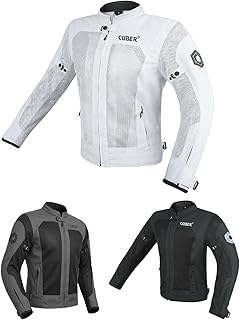
Top 10 Accessories
Curated picks for the Yamaha Fz8 — owned, ridden, recommended.




Typowe problemy
🔥 1 CRITICALBattery voltage at idle, look for dim lights
Rough idle, uneven throttle response at low RPM
Inspect headers closely for pitting and rust
Oil streaks on fork tubes during inspection
✅Lista kontrolna przed zakupem
Solid engine, electrical and maintenance often neglected
Full Specifications
Rivals & Alternatives
Bikes that buyers cross-shop with the Yamaha Fz8
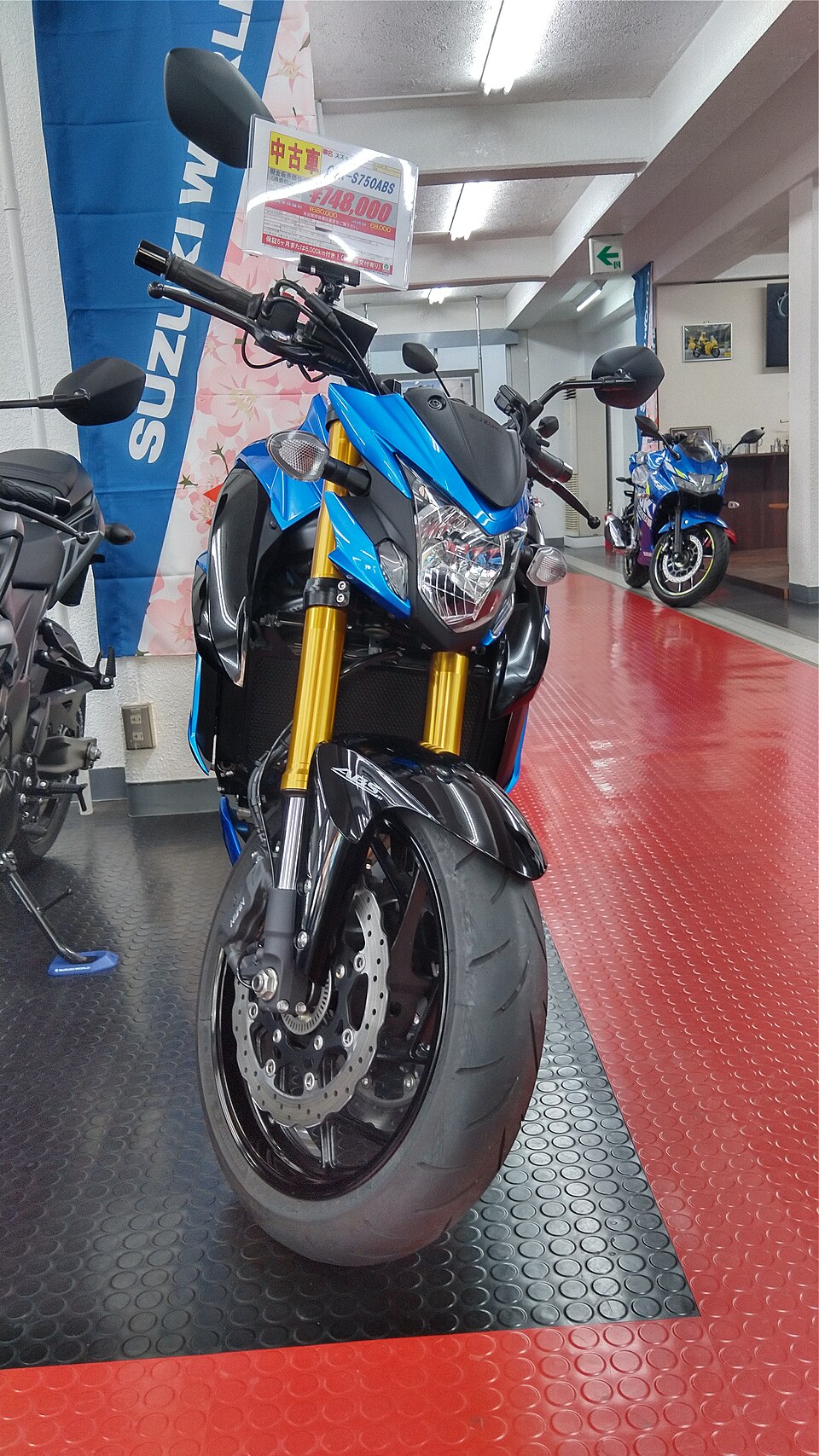
Suzuki Gsx-s750
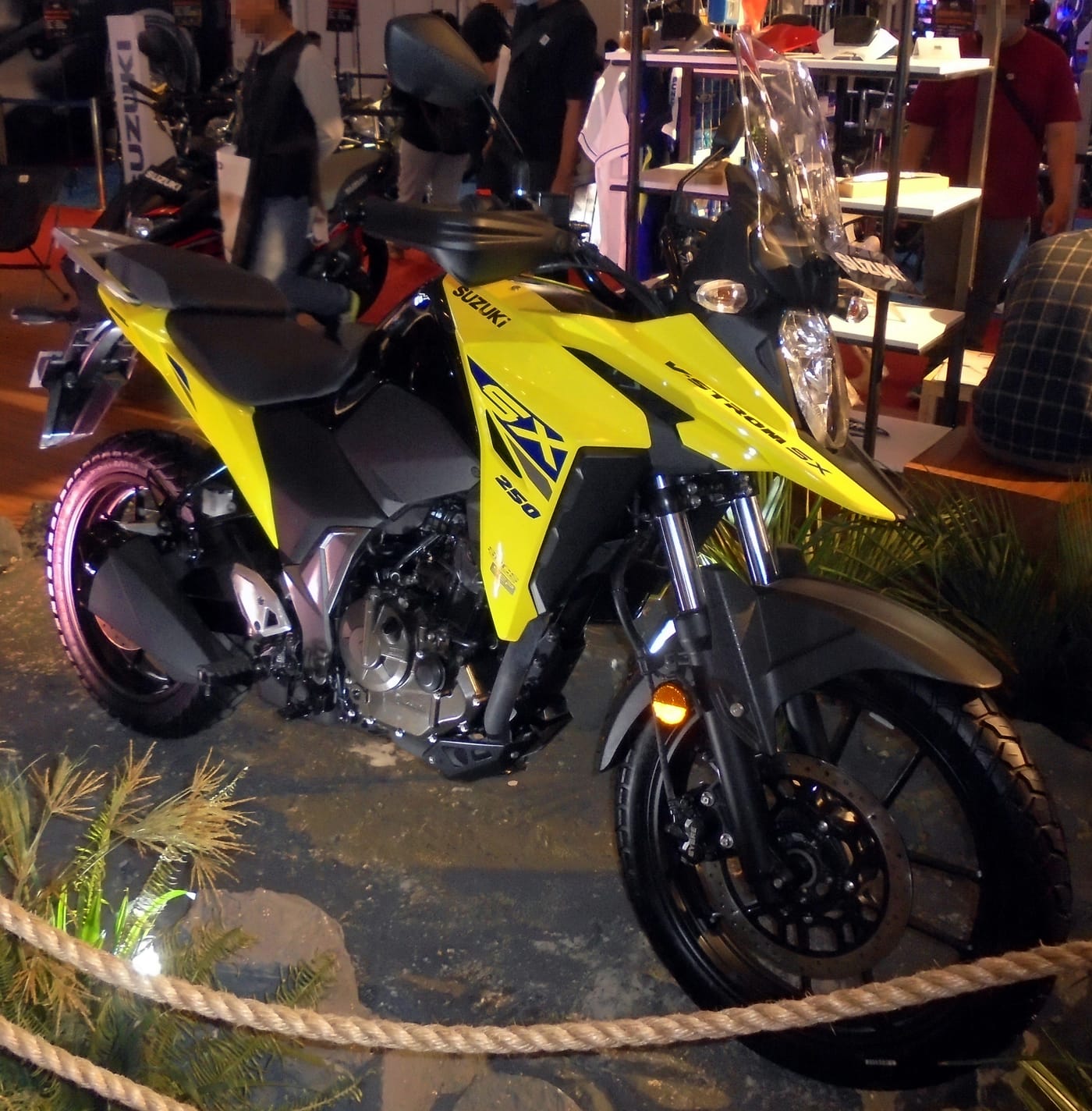
Suzuki Gsr600
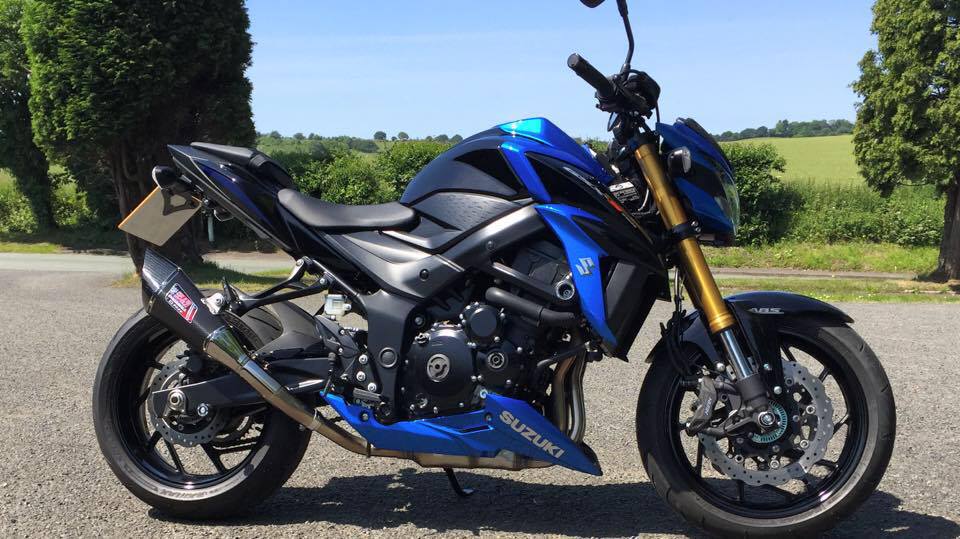
Suzuki Gsr750
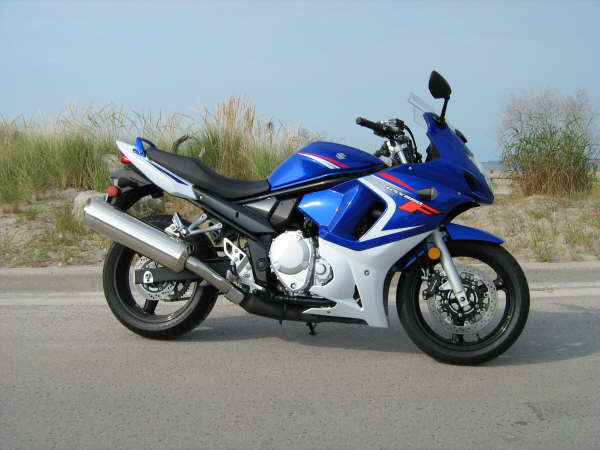
Suzuki Bandit 650
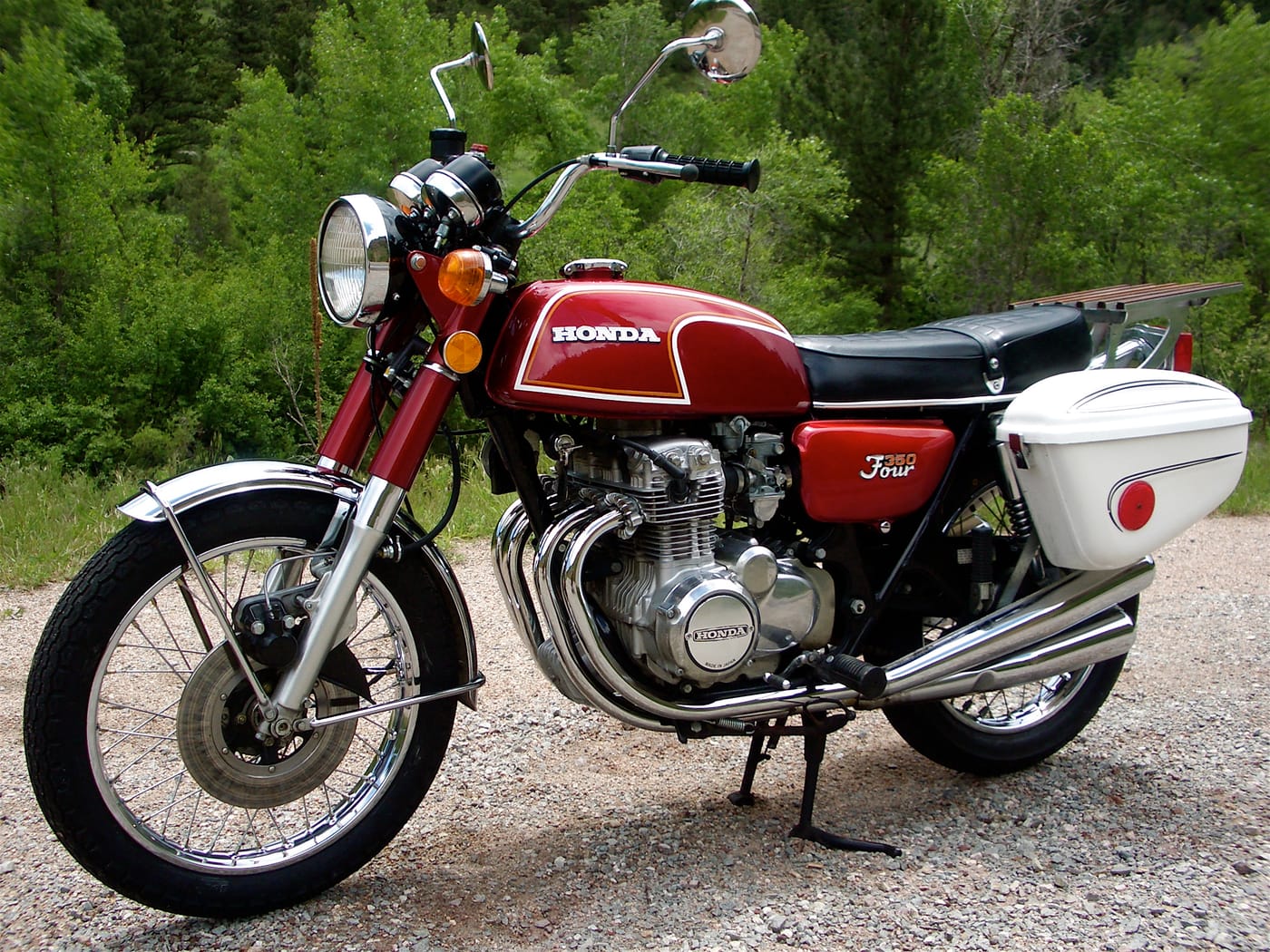
Honda Cb600f Hornet
Compare Yamaha Fz8 Side-by-Side
compare_arrowsSpecs, power, weight & buyer verdict — head-to-head with the bikes most often cross-shopped.
Yamaha Fz8 vs Suzuki Gsx-s750
Specs · Power · Buyer verdict
Yamaha Fz8 vs Suzuki Gsr600
Specs · Power · Buyer verdict
Yamaha Fz8 vs Suzuki Gsr750
Specs · Power · Buyer verdict
Yamaha Fz8 vs Suzuki Bandit 650
Specs · Power · Buyer verdict
Yamaha Fz8 vs Honda Cb600f Hornet
Specs · Power · Buyer verdict
More Yamaha Fz8 Guides
More from Yamaha
View all Yamaha models →Community Reviews
Discussion
Frequently Asked Questions
What are common problems with the Yamaha Fz8? +
Stator failure causing charging issues: Battery voltage at idle, look for dim lights (serious) | Throttle body sync drifts over time: Rough idle, uneven throttle response at low RPM (moderate) | Exhaust header rust and corrosion: Inspect headers closely for pitting and rust (minor)
Is the Yamaha Fz8 a good motorcycle? +
A genuinely underrated all-rounder that punches well above its used price. Rating: 7.8/10. Best for: Experienced riders wanting practical, unfussy daily performance. Avoid if: You crave excitement and priority is peak power.
What is the horsepower of the Yamaha Fz8? +
The Yamaha Fz8 produces 106 hp @ 10,000 rpm, with 83 Nm @ 8,000 rpm of torque. Top speed: 220 km/h (estimated, electronically influenced).
Is the Yamaha Fz8 good for beginners? +
Yes — the Yamaha Fz8 is a reasonable choice for new riders (106 hp is manageable), weighing 213 kg. Experienced riders wanting practical, unfussy daily performance
Is the Yamaha Fz8 reliable? +
Owners report 1 critical issue to watch for on the Yamaha Fz8, notably: Stator failure causing charging issues (Battery voltage at idle, look for dim lights). Buy with a pre-purchase inspection.
Is the Yamaha Fz8 good for daily use? +
Experienced riders wanting practical, unfussy daily performance Fuel: 6.0 L/100km (approx. 16.7 km/L, typical real-world average).
How fast is the Yamaha Fz8? +
The Yamaha Fz8 reaches a top speed of 220 km/h (estimated, electronically influenced), producing 106 hp at 213 kg curb weight. Real-world performance depends on rider weight, gearing, and road conditions.
What gear should I buy for a Yamaha Fz8? +
Motoryk has curated a Top 10 gear list specifically for the Yamaha Fz8, covering engine oil, tires, chain, battery, and brake pads — see motoryk.com/bikes/yamaha/fz8/top10. Each pick is matched to this bike's spec.