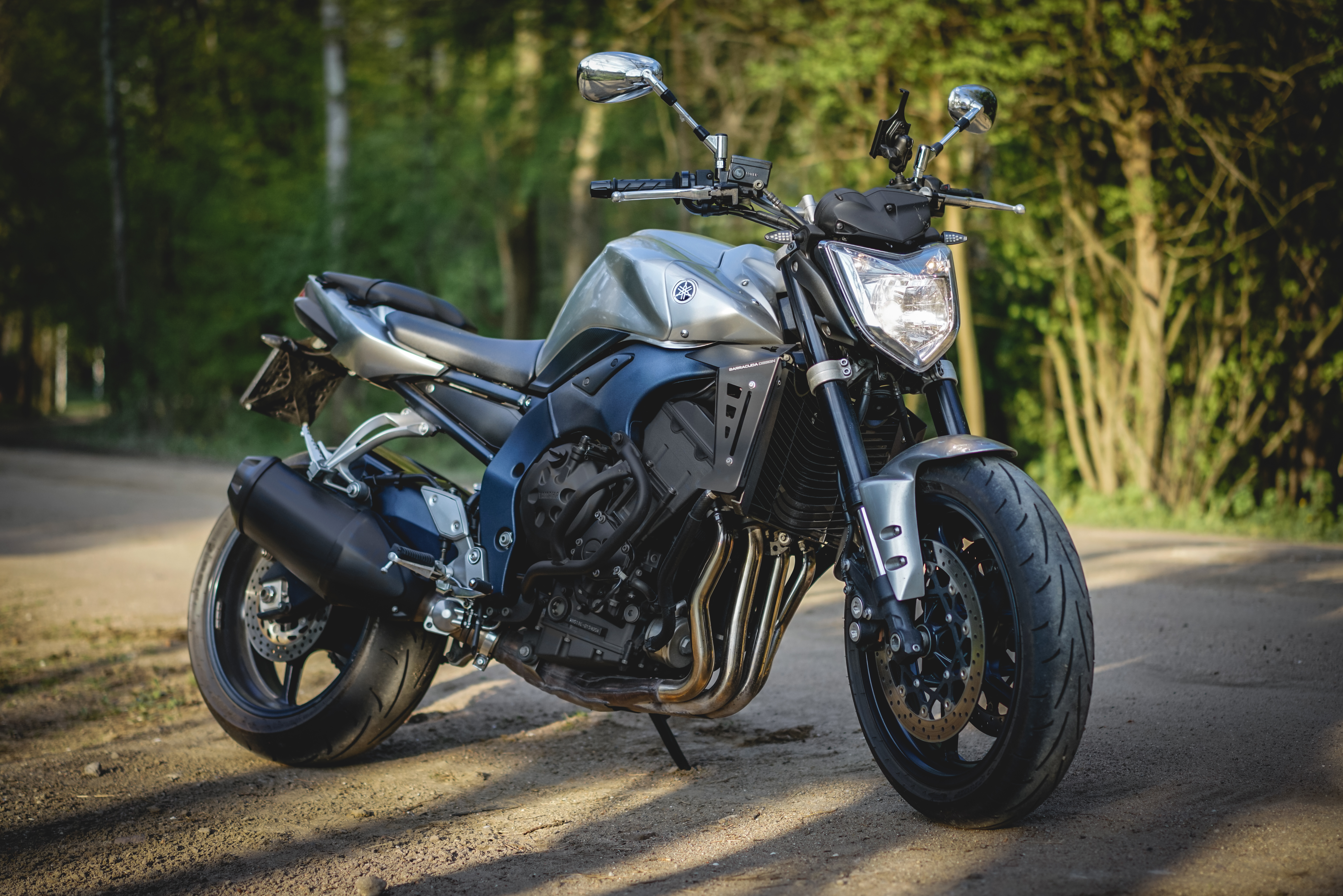
Yamaha Fz1
The Yamaha Fz1 has a top speed of 250 km/h (electronically limited, estimated), produces 150 hp and weighs 202 kg. Motoryk rates it 8.5/10.
La Yamaha FZ1 a été présentée en 2001 en tant que streetfighter à part entière, basée sur la plateforme de superbike YZF-R1, offrant des performances brutes dans un ensemble plus droit et accessible. Une deuxième génération majeure est arrivée en 2006 avec un moteur quatre cylindres en ligne de 998 cm3 redessiné et un châssis modernisé, consolidant ainsi sa réputation d'être l'une des motos nues les plus performantes de son époque. Il s'est distingué par le fait qu'il a comblé le fossé entre l'hypersport et la maniabilité au quotidien, attirant de nombreux adeptes avant d'être abandonné vers 2015.
150 hp
Pouvoir
106 Nm
Torque
202 kg
Poids
250 km/h (electronically limited, estimated)
Vitesse maximale
6.5 L/100km (approx. 15.4 km/L, typical real-world average)
Carburant
Nue
Corps
🔧 Service Schedule & Parts
Affiliate · we may earn| Service item | Every | Typical cost | Parts |
|---|---|---|---|
| 🛢️ Engine oil + oil filter | 6,000 km / 3,500 mi or 12 mo | $40-80 | 🛢️ Buy → ⚙️ Buy → |
| 🌬️ Air filter | 12,000 km / 7,500 mi | — | 🌬️ Buy → |
| ⚡ Spark plugs | 12,000 km / 7,500 mi | — | ⚡ Buy → |
| 🔧 Valve clearance check | 24,000 km / 15,000 mi | $200-400 | |
| 🔗 Chain & sprockets | 25000-40000 km (replace) | $150-300 | 🔗 Buy → |
| 🛑 Brake pads | 15000-30000 km | $30-60 | 🛑 Buy → |
| 💧 Brake fluid | 24,000 km / 15,000 mi or 2 yr | — | |
| 🧊 Coolant | 24,000 km / 15,000 mi | — | |
| 🛞 Tires | 10000-20000 km | $200-400 | 🛞 Buy → |
| 🔩 Major service | 24,000 km / 15,000 mi | $300-600 |
Video Review

Ce que les acheteurs doivent savoir
Rock-Solid Engine Reliability
The FZ1's 998cc inline-4 engine is derived from the legendary R1 superbike and is known for lasting well over 50,000 miles with basic maintenance. Regular valve checks every 26,600 miles are the most critical service item to stay on top of.
Watch for Throttle Snatch
Early FZ1 models (2006–2008) are notorious for aggressive, jerky low-RPM throttle response that many riders find frustrating in traffic. A throttle body sync and aftermarket fuel controller like a Power Commander significantly improves this common complaint.
Strong Resale Value
The FZ1 holds its value well compared to similarly aged sportbikes due to its versatile naked-bike appeal and strong enthusiast community. Used examples in good condition typically sell in the $4,000–$6,500 range, making them a smart long-term buy.
Générations et spécifications par année
Présenté avec un quatre cylindres en ligne de 998 cm3 de la R1, à carburateur, style nu, 150 ch environ.
"De la puissance brute de la R1 dans un costume nu qui mord en arrière."
Yamaha a essentiellement démonté une R1, l'a boulonnée sur des barres plates et l'a qualifiée de nue — et honnêtement, ce n'est pas un reproche. Le moteur à cinq soupapes de 998 cm3 tourne fort dès 6 000 tr/min et dépasse les 9 000 tr/min, bien que les glucides aient besoin de 10 bonnes minutes d'échauffement avant de cesser de trébucher à bas régime par temps froid. La maniabilité est plus précise que ne le suggère le poids, mais ces 209 kg deviennent tout à fait réels lors de manœuvres lentes sur un parking, et la suspension d'origine est suffisamment rigide pour faire trembler vos garnitures sur un tarmac cassé. Ce n'est pas un vélo pour débutants et il ne prétend pas l'être : sa puissance est suffisamment abrupte en ville pour vous rattraper si vous êtes paresseux avec l'accélérateur.
Pros
Les inconvénients
Repensé avec injection de carburant, moteur 998 cc révisé, nouveau cadre, option de carénage FZ1 Fazer ajoutée.
"Le moteur R1 dans une veste que vous pouvez porter au quotidien."
La Gen 2 FZ1 est ce qui se passe lorsque Yamaha retire un groupe motopropulseur R1, adoucit le réglage des cames et le fixe à un appareil qu'un être humain peut réellement utiliser le mardi matin. L'injection de carburant a complètement éliminé l'ancien problème du carburateur : la réponse de l'accélérateur en dessous de 4 000 tr/min est désormais suffisamment linéaire pour que vous ne vous gêniez pas dans la circulation. À plus de 8 000 tr/min, il tourne avec une véritable férocité, ce quatre cylindres en ligne criant vers 11 km comme s'il n'arrivait pas à croire que vous le laissiez faire. Les points faibles sont toutefois bien réels : la suspension est robuste par rapport à son niveau de performance, les barres de série vous donnent l'impression d'être agressive et fatigante lors des longues journées, et la version à carénage Fazer protège contre le vent mais ne corrige pas la tendance de l'avant à plonger en cas de freinage brusque.
Pros
Les inconvénients
Évaluation d'un acheteur d'occasion
"The best value naked sportsbike on the used market, full stop."
$3,500-$6,500 usedThe FZ1 is one of those motorcycles that punches well above its used-market price. You're essentially getting a detuned R1 engine stuffed into a naked streetfighter chassis, and that combination still feels genuinely exciting a decade-plus after purchase. The 998cc inline-four pulls hard from low revs, which surprised me — this isn't just a top-end screamer. It's actually rideable every single day without feeling like you're wrestling a race bike. That said, buy one with eyes open. Check the throttle bodies carefully — they need synchronisation and the previous owner probably ignored it. Suspension is soft from stock and most used examples haven't been touched. Budget £300-400 for a proper setup. Also inspect the frame sliders situation; these get dropped in car parks more than you'd think, so check for rash under the fairing edges on the Fazer version. For the money asked on the used market, nothing else offers this combination of performance, practicality, and mechanical honesty. Just find a low-mileage example with service history and don't overthink it.
Top 10 Accessories
Curated picks for the Yamaha Fz1 — owned, ridden, recommended.




Problèmes courants
🔥 1 CRITICALIdle quality, surging at low RPM, smoothness
Battery voltage at idle, dim lights, dead starts
Oil streaks on fork tubes, soft front end
Metallic rattle first 10 seconds after cold start
✅Liste de contrôle préalable à l'achat
Solid engine, electrical gremlins watch carefully
Full Specifications
Rivals & Alternatives
Bikes that buyers cross-shop with the Yamaha Fz1
Compare Yamaha Fz1 Side-by-Side
compare_arrowsSpecs, power, weight & buyer verdict — head-to-head with the bikes most often cross-shopped.
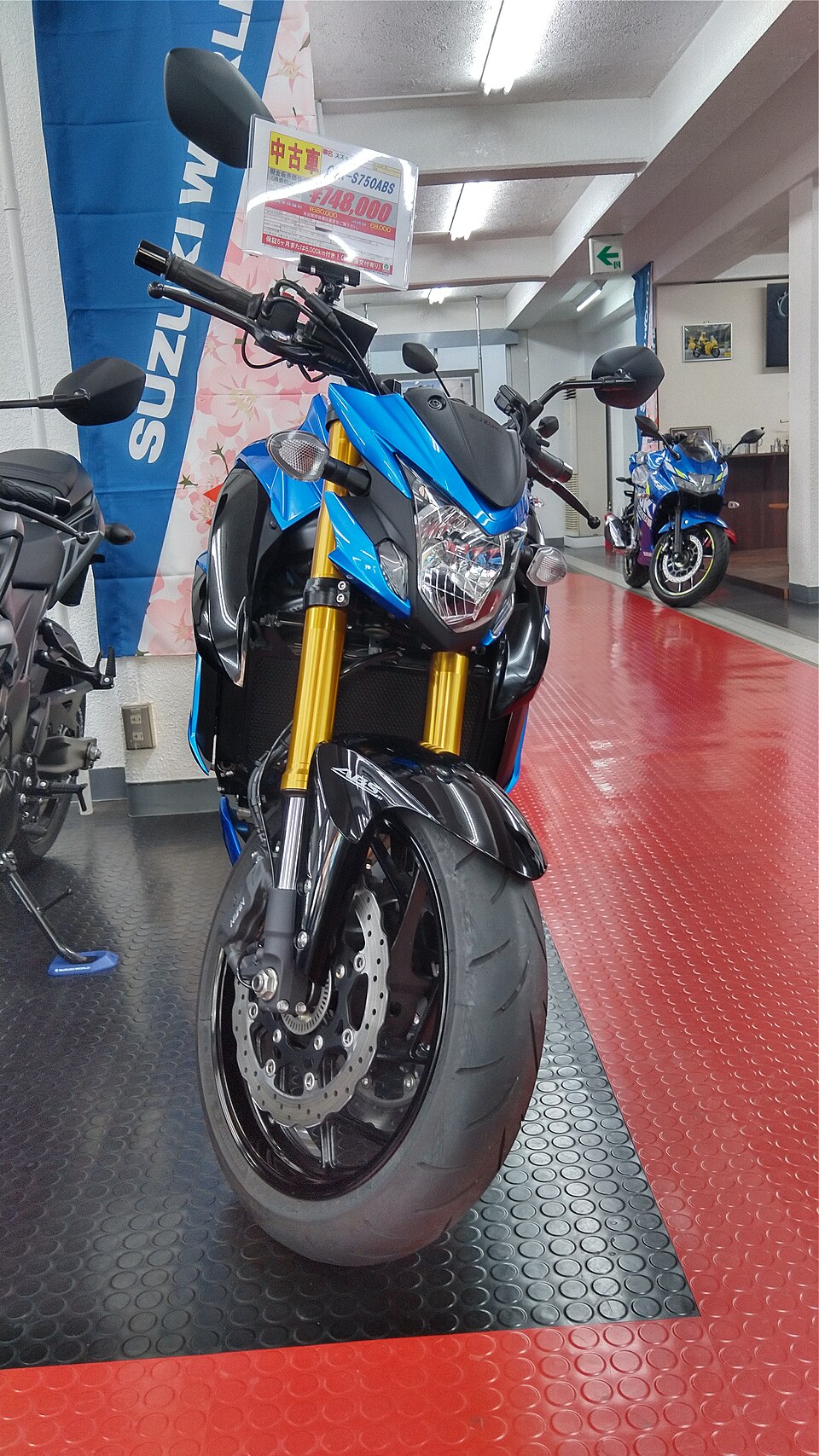
Yamaha Fz1 vs Suzuki Gsx-s750
Specs · Power · Buyer verdict
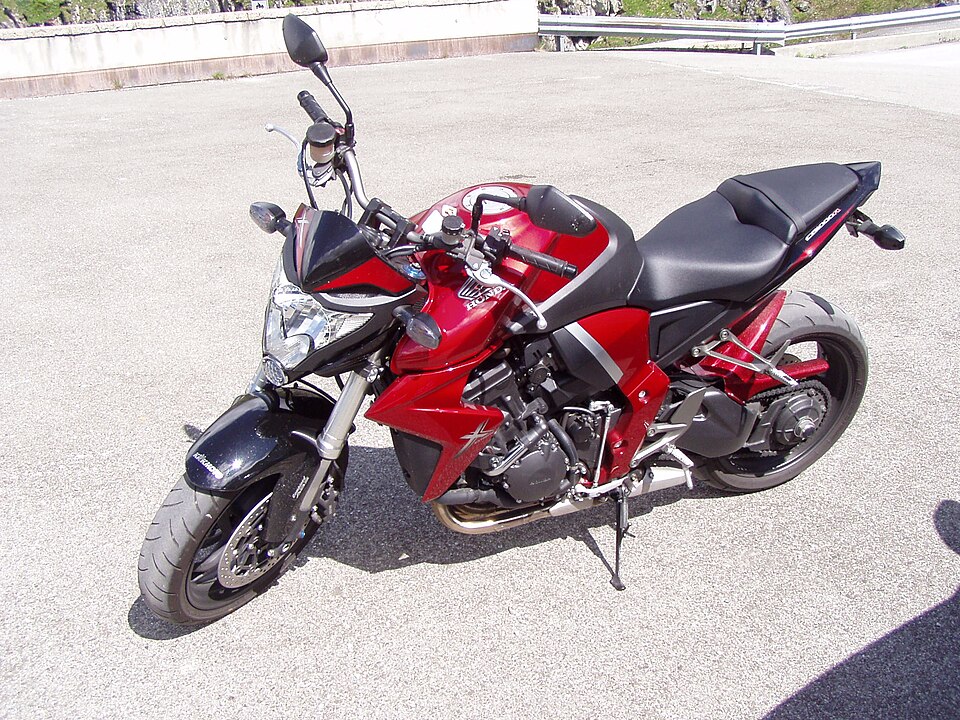
Yamaha Fz1 vs Honda Cb1000r
Specs · Power · Buyer verdict
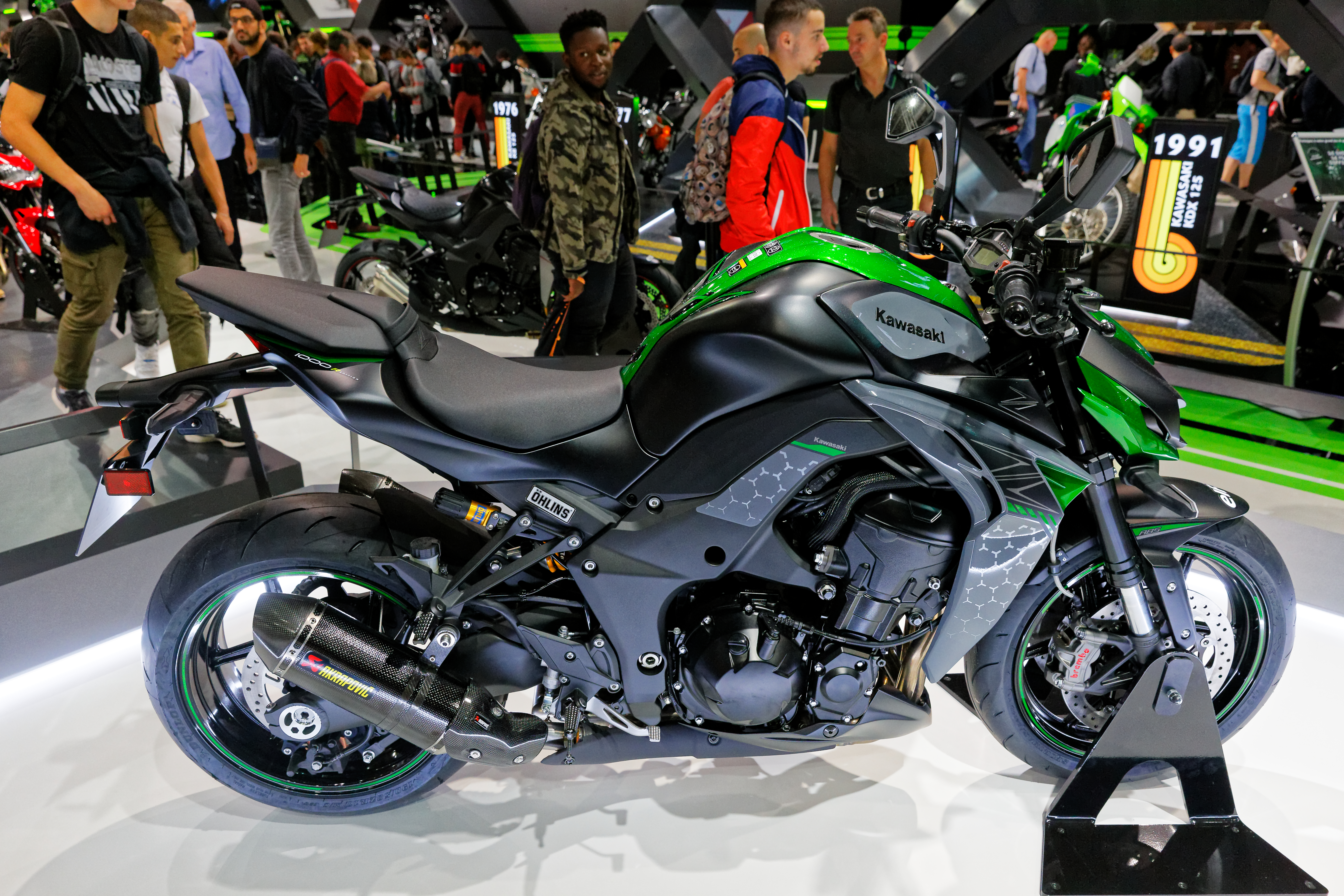
Yamaha Fz1 vs Kawasaki Z1000
Specs · Power · Buyer verdict
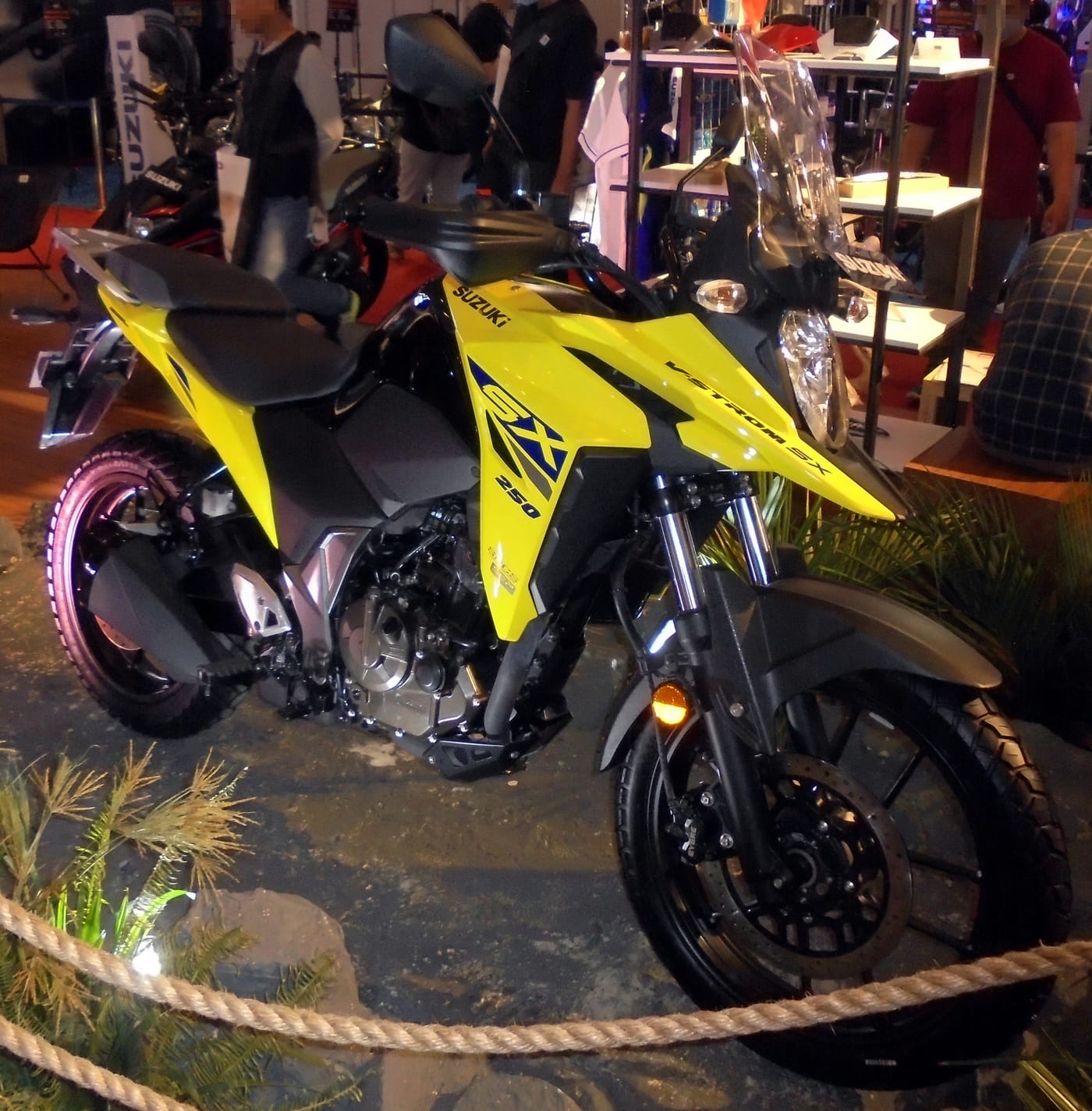
Yamaha Fz1 vs Suzuki Gsx-s1000
Specs · Power · Buyer verdict
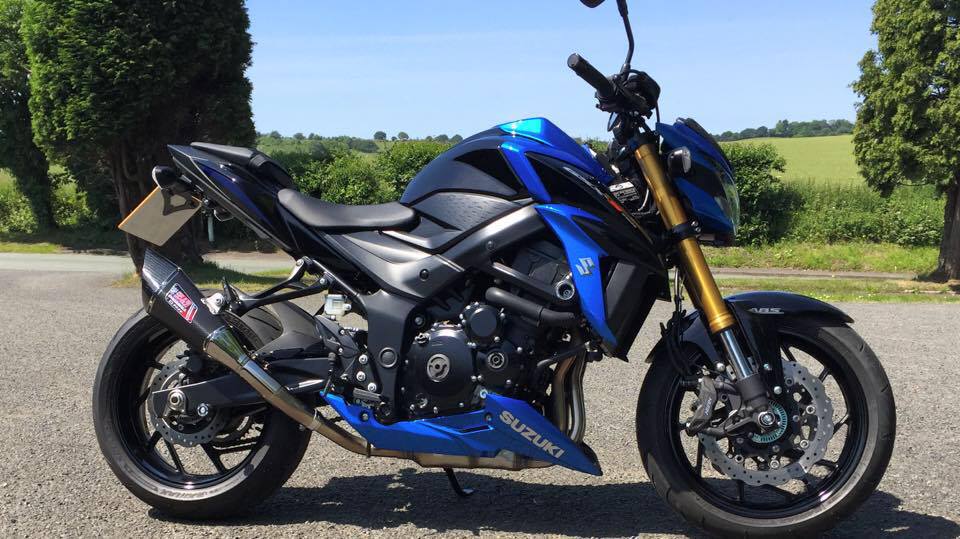
Yamaha Fz1 vs Suzuki Gsr750
Specs · Power · Buyer verdict
More Yamaha Fz1 Guides
More from Yamaha
View all Yamaha models →Community Reviews
Discussion
Frequently Asked Questions
What are common problems with the Yamaha Fz1? +
Throttle body sync causes rough idle: Idle quality, surging at low RPM, smoothness (moderate) | Stator failure kills charging system: Battery voltage at idle, dim lights, dead starts (serious) | Fork seals leak on high-mileage bikes: Oil streaks on fork tubes, soft front end (moderate)
Is the Yamaha Fz1 a good motorcycle? +
The best value naked sportsbike on the used market, full stop. Rating: 8.5/10. Best for: Experienced riders wanting real performance without superbike premiums. Avoid if: New riders or anyone prioritising fuel economy.
What is the horsepower of the Yamaha Fz1? +
The Yamaha Fz1 produces 150 hp @ 11,000 rpm, with 106 Nm @ 8,000 rpm of torque. Top speed: 250 km/h (electronically limited, estimated).
Is the Yamaha Fz1 good for beginners? +
Yes — the Yamaha Fz1 is a reasonable choice for new riders (150 hp is manageable), weighing 202 kg. Experienced riders wanting real performance without superbike premiums
Is the Yamaha Fz1 reliable? +
Owners report 1 critical issue to watch for on the Yamaha Fz1, notably: Stator failure kills charging system (Battery voltage at idle, dim lights, dead starts). Buy with a pre-purchase inspection.
Is the Yamaha Fz1 good for daily use? +
Experienced riders wanting real performance without superbike premiums Fuel: 6.5 L/100km (approx. 15.4 km/L, typical real-world average).
How fast is the Yamaha Fz1? +
The Yamaha Fz1 reaches a top speed of 250 km/h (electronically limited, estimated), producing 150 hp at 202 kg curb weight. Real-world performance depends on rider weight, gearing, and road conditions.
What gear should I buy for a Yamaha Fz1? +
Motoryk has curated a Top 10 gear list specifically for the Yamaha Fz1, covering engine oil, tires, chain, battery, and brake pads — see motoryk.com/bikes/yamaha/fz1/top10. Each pick is matched to this bike's spec.