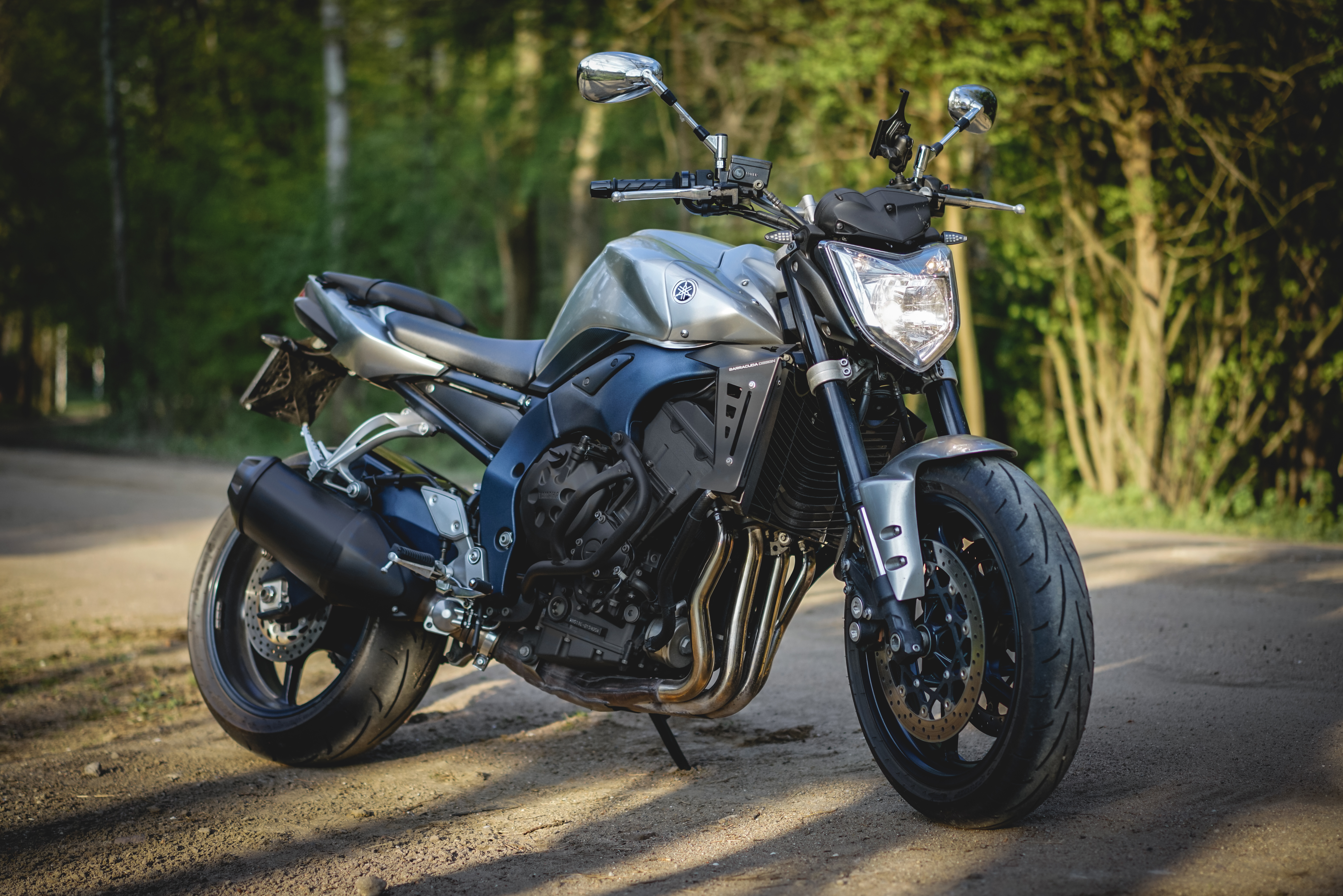
Yamaha Fz1
The Yamaha Fz1 has a top speed of 250 km/h (electronically limited, estimated), produces 150 hp and weighs 202 kg. Motoryk rates it 8.5/10.
La Yamaha FZ1 se presentó en 2001 como una luchadora callejera desnuda basada en la plataforma de superbike YZF-R1, que ofrecía un rendimiento sin igual en un paquete más vertical y accesible. Una importante segunda generación llegó en 2006, con un motor rediseñado de cuatro cilindros en línea de 998 cc y un chasis actualizado, lo que consolidó su reputación como una de las motos más potentes de su época. Se destacó por cerrar la brecha entre la hípersportabilidad y la conducción diaria, y se ganó un gran número de seguidores entre los entusiastas antes de dejar de fabricarse alrededor de 2015.
150 hp
Potencia
106 Nm
Torsión
202 kg
Peso
250 km/h (electronically limited, estimated)
Velocidad máxima
6.5 L/100km (approx. 15.4 km/L, typical real-world average)
Combustible
Desnudo
Cuerpo
🔧 Service Schedule & Parts
Affiliate · we may earn| Service item | Every | Typical cost | Parts |
|---|---|---|---|
| 🛢️ Engine oil + oil filter | 6,000 km / 3,500 mi or 12 mo | $40-80 | 🛢️ Buy → ⚙️ Buy → |
| 🌬️ Air filter | 12,000 km / 7,500 mi | — | 🌬️ Buy → |
| ⚡ Spark plugs | 12,000 km / 7,500 mi | — | ⚡ Buy → |
| 🔧 Valve clearance check | 24,000 km / 15,000 mi | $200-400 | |
| 🔗 Chain & sprockets | 25000-40000 km (replace) | $150-300 | 🔗 Buy → |
| 🛑 Brake pads | 15000-30000 km | $30-60 | 🛑 Buy → |
| 💧 Brake fluid | 24,000 km / 15,000 mi or 2 yr | — | |
| 🧊 Coolant | 24,000 km / 15,000 mi | — | |
| 🛞 Tires | 10000-20000 km | $200-400 | 🛞 Buy → |
| 🔩 Major service | 24,000 km / 15,000 mi | $300-600 |
Video Review

Lo que los compradores deben saber
Rock-Solid Engine Reliability
The FZ1's 998cc inline-4 engine is derived from the legendary R1 superbike and is known for lasting well over 50,000 miles with basic maintenance. Regular valve checks every 26,600 miles are the most critical service item to stay on top of.
Watch for Throttle Snatch
Early FZ1 models (2006–2008) are notorious for aggressive, jerky low-RPM throttle response that many riders find frustrating in traffic. A throttle body sync and aftermarket fuel controller like a Power Commander significantly improves this common complaint.
Strong Resale Value
The FZ1 holds its value well compared to similarly aged sportbikes due to its versatile naked-bike appeal and strong enthusiast community. Used examples in good condition typically sell in the $4,000–$6,500 range, making them a smart long-term buy.
Generaciones y especificaciones por año
Presentado con motor de cuatro cilindros en línea de 998 cc de la marca R1, carburado, estilo desnudo, 150 CV aproximadamente.
"La potencia pura de R1 en un traje desnudo que te devuelve la fuerza."
Yamaha básicamente desmontó un R1, lo atornilló a barras planas y lo llamó desnudo, y sinceramente, eso no es una queja. El motor de cinco válvulas de 998 cc arranca con fuerza a partir de las 6.000 rpm y supera con creces las 9.000, aunque los carburadores necesitan unos 10 minutos de calentamiento antes de dejar de tropezar con las aperturas bajas del acelerador cuando hace frío. La maniobrabilidad es más nítida de lo que sugiere el peso, pero esos 209 kg se convierten en algo muy real en maniobras lentas de aparcamiento, y la suspensión de serie es lo suficientemente rígida como para hacer traquetear los empastes en un asfalto roto. No es una bicicleta para principiantes y no pretende serlo: la potencia es tan brusca a velocidades urbanas que te sorprenderá si eres perezoso con el acelerador.
Pros
Contras
Rediseñado con inyección de combustible, motor revisado de 998 cc, nuevo chasis y opción de carenado, se agregó el FZ1 Fazer.
"El motor R1 en una chaqueta que puedes usar a diario."
La FZ1 de segunda generación es lo que ocurre cuando Yamaha desmonta un motor R1, suaviza la sincronización de las cámaras y lo convierte en algo que un ser humano puede usar el martes por la mañana. La inyección de combustible limpió por completo el viejo problema del carburador: la respuesta del acelerador por debajo de las 4.000 rpm ahora es lo suficientemente lineal como para que no te avergüences en el tráfico. Por encima de las 8000 rpm, tira con una ferocidad genuina, como esos cuatro cilindros en línea que se dirigen a los 11 000 como si no pudiera creer que lo permitas. Sin embargo, los puntos débiles son reales: la suspensión es exagerada en comparación con su nivel de rendimiento, las barras estándar provocan una corazonada agresiva que resulta agotadora en los días largos, y la versión con carenado Fazer ayuda a proteger contra el viento, pero no corrige la tendencia de la parte delantera a caer al frenar bruscamente.
Pros
Contras
Reseña de un comprador usado
"The best value naked sportsbike on the used market, full stop."
$3,500-$6,500 usedThe FZ1 is one of those motorcycles that punches well above its used-market price. You're essentially getting a detuned R1 engine stuffed into a naked streetfighter chassis, and that combination still feels genuinely exciting a decade-plus after purchase. The 998cc inline-four pulls hard from low revs, which surprised me — this isn't just a top-end screamer. It's actually rideable every single day without feeling like you're wrestling a race bike. That said, buy one with eyes open. Check the throttle bodies carefully — they need synchronisation and the previous owner probably ignored it. Suspension is soft from stock and most used examples haven't been touched. Budget £300-400 for a proper setup. Also inspect the frame sliders situation; these get dropped in car parks more than you'd think, so check for rash under the fairing edges on the Fazer version. For the money asked on the used market, nothing else offers this combination of performance, practicality, and mechanical honesty. Just find a low-mileage example with service history and don't overthink it.
Top 10 Accessories
Curated picks for the Yamaha Fz1 — owned, ridden, recommended.




Problemas comunes
🔥 1 CRITICALIdle quality, surging at low RPM, smoothness
Battery voltage at idle, dim lights, dead starts
Oil streaks on fork tubes, soft front end
Metallic rattle first 10 seconds after cold start
✅Lista de verificación previa a la compra
Solid engine, electrical gremlins watch carefully
Full Specifications
Rivals & Alternatives
Bikes that buyers cross-shop with the Yamaha Fz1
Compare Yamaha Fz1 Side-by-Side
compare_arrowsSpecs, power, weight & buyer verdict — head-to-head with the bikes most often cross-shopped.
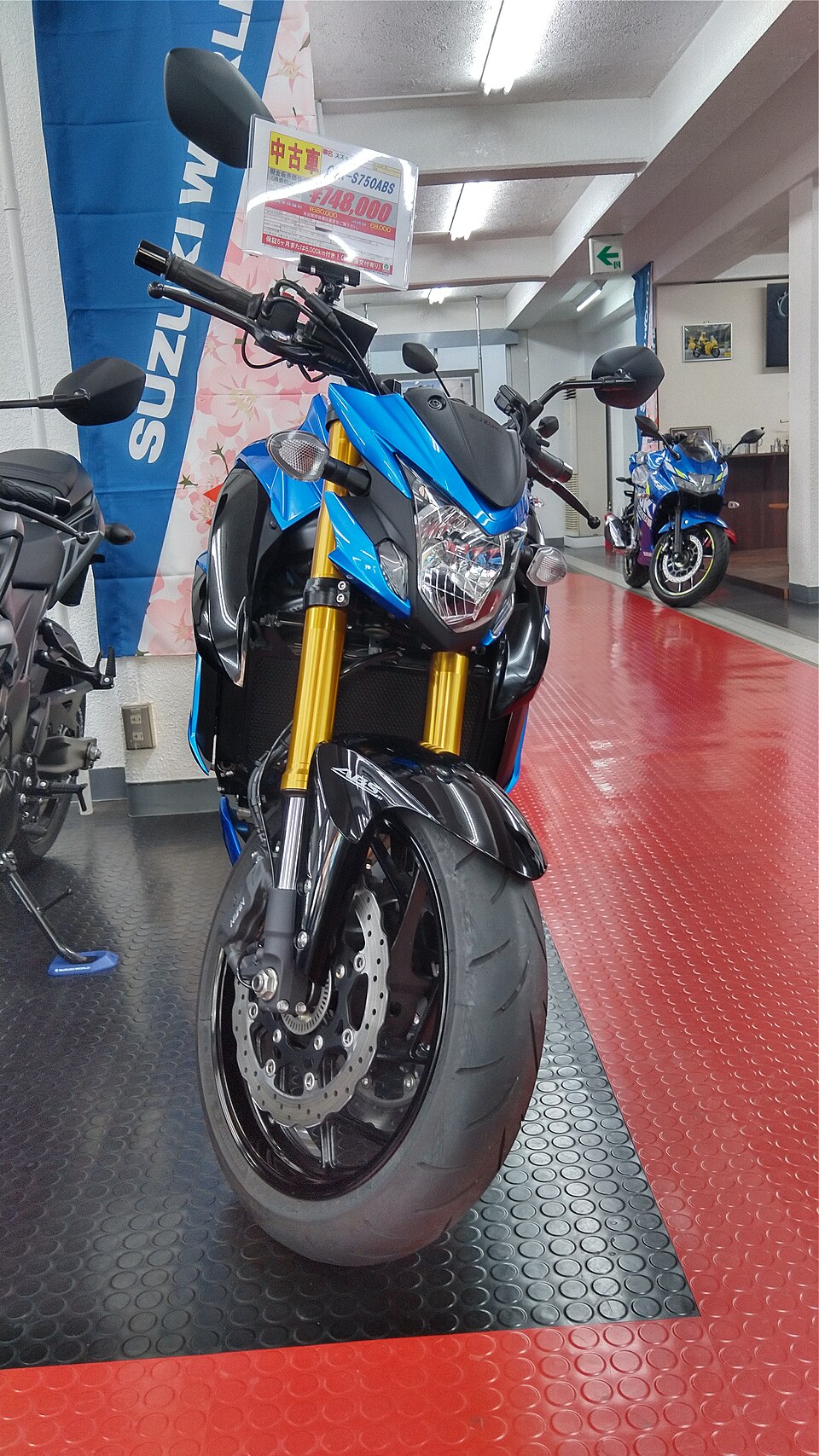
Yamaha Fz1 vs Suzuki Gsx-s750
Specs · Power · Buyer verdict
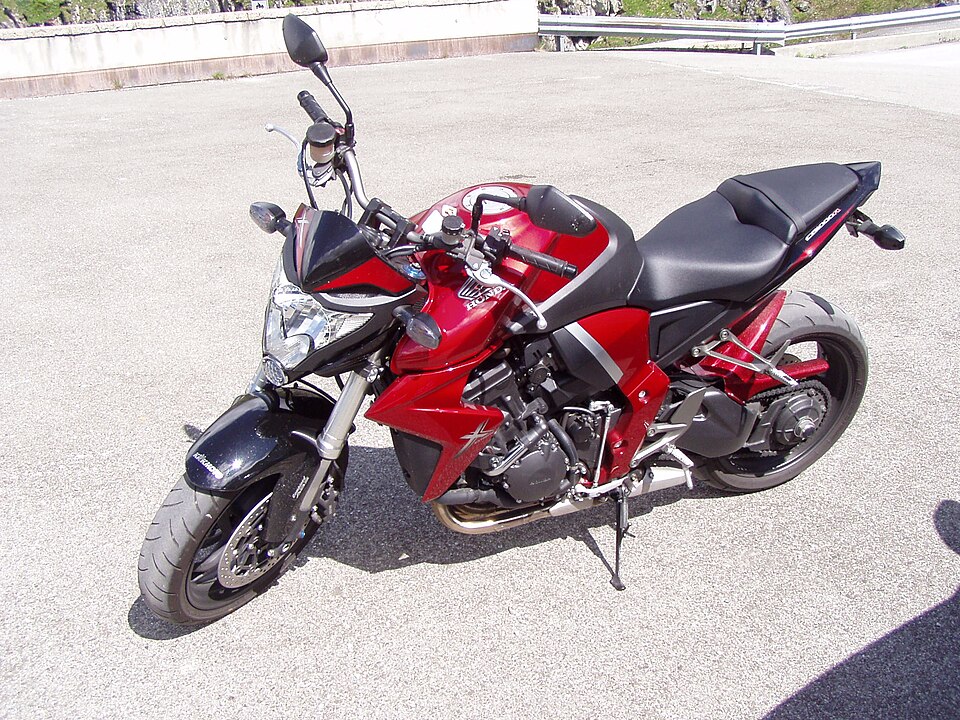
Yamaha Fz1 vs Honda Cb1000r
Specs · Power · Buyer verdict
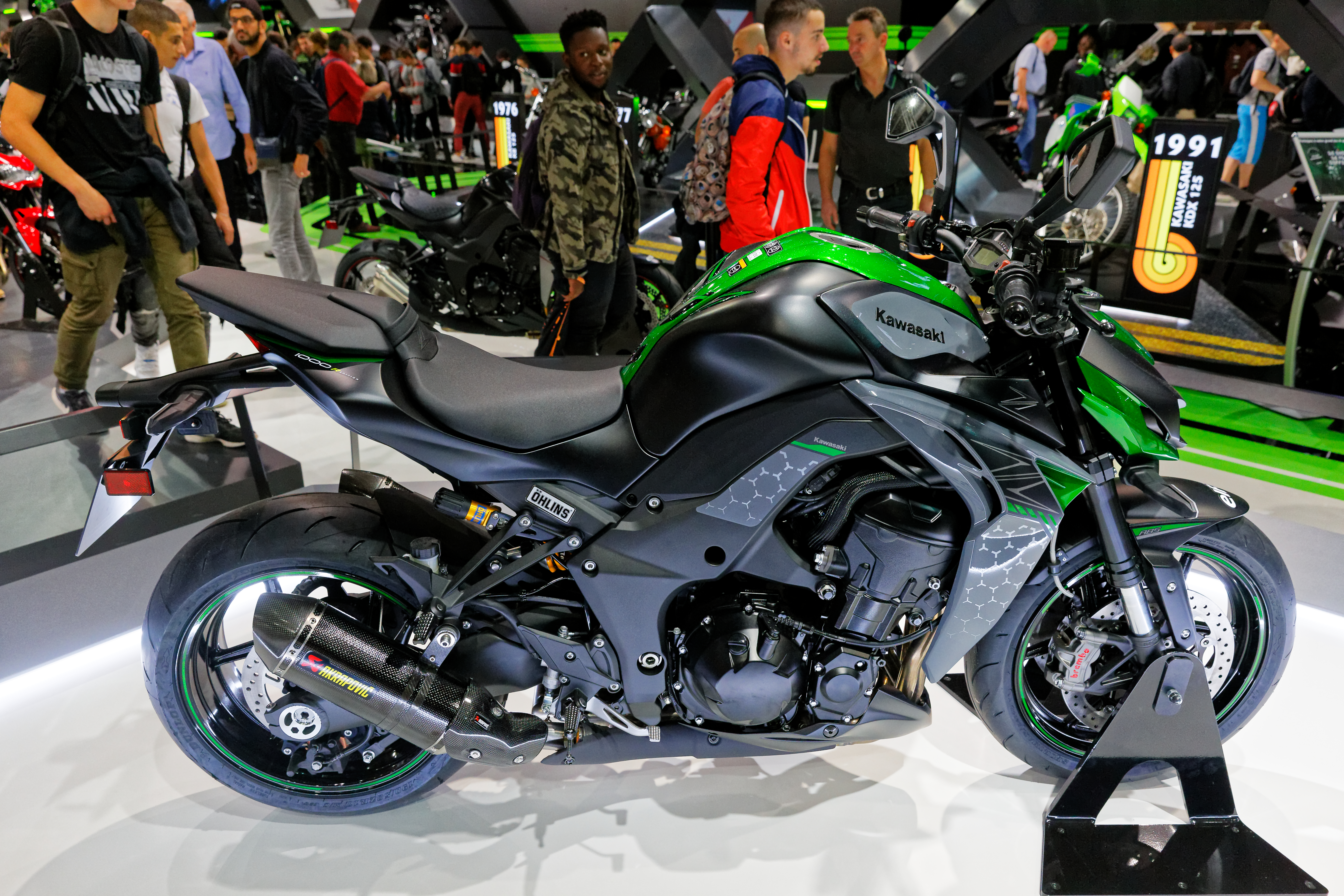
Yamaha Fz1 vs Kawasaki Z1000
Specs · Power · Buyer verdict
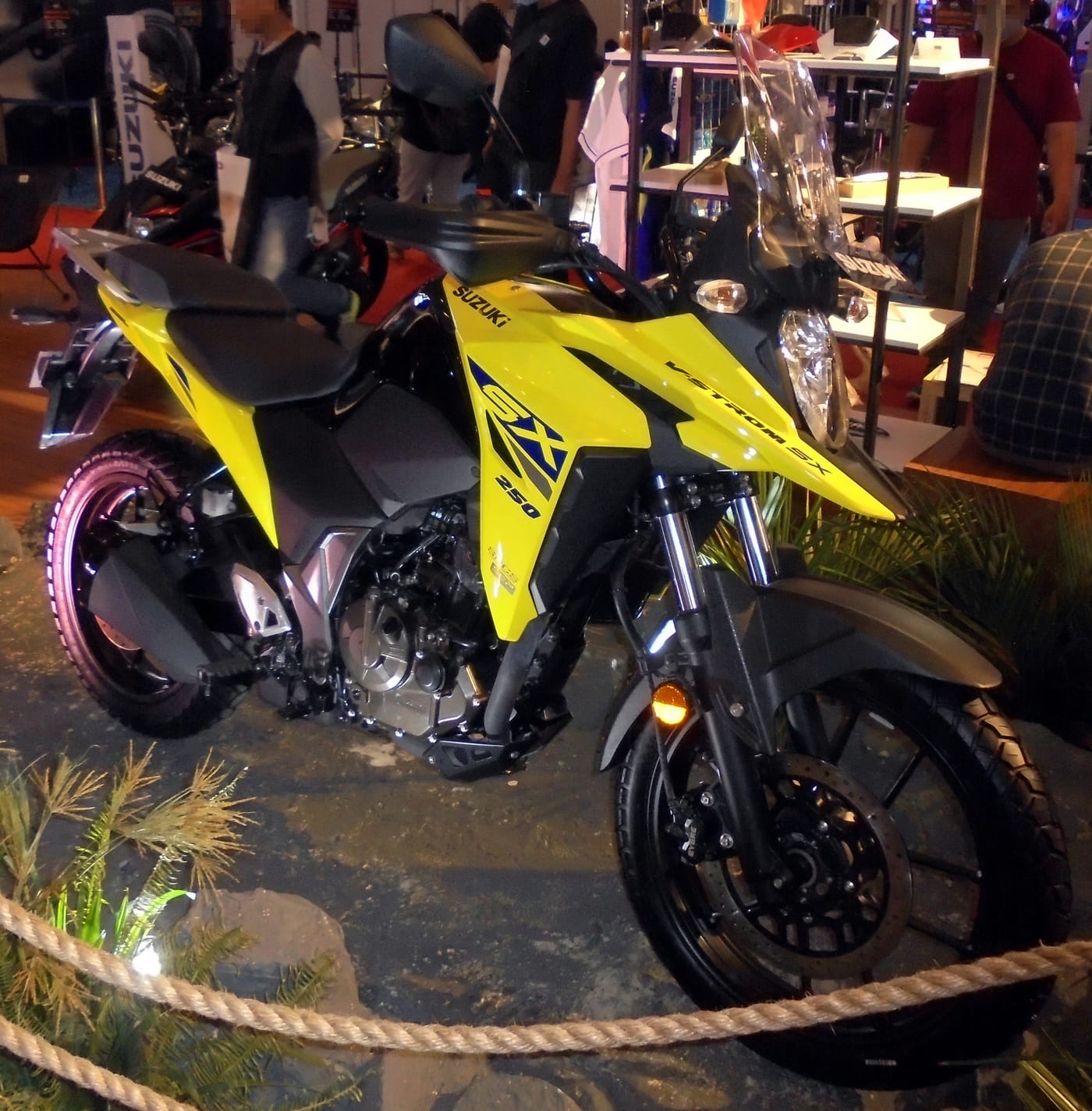
Yamaha Fz1 vs Suzuki Gsx-s1000
Specs · Power · Buyer verdict
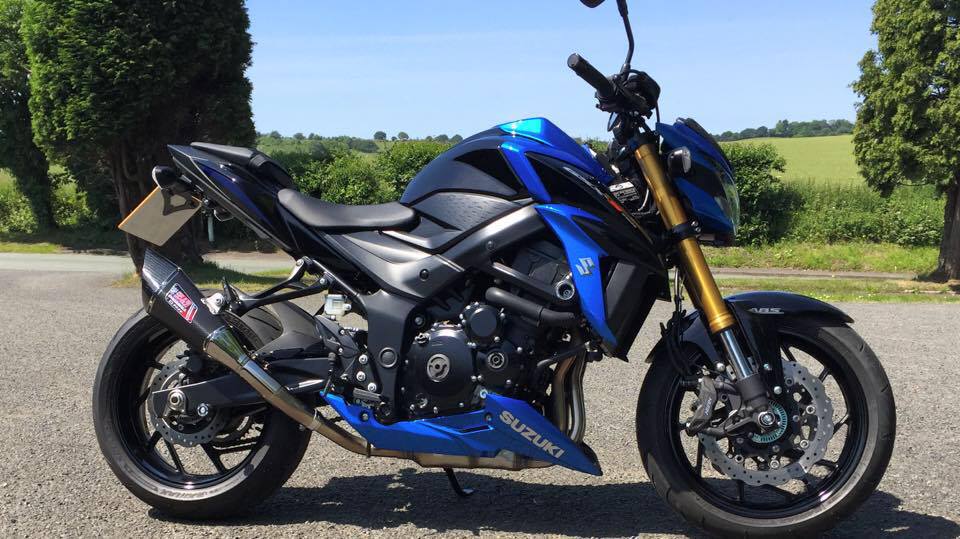
Yamaha Fz1 vs Suzuki Gsr750
Specs · Power · Buyer verdict
More Yamaha Fz1 Guides
More from Yamaha
View all Yamaha models →Community Reviews
Discussion
Frequently Asked Questions
What are common problems with the Yamaha Fz1? +
Throttle body sync causes rough idle: Idle quality, surging at low RPM, smoothness (moderate) | Stator failure kills charging system: Battery voltage at idle, dim lights, dead starts (serious) | Fork seals leak on high-mileage bikes: Oil streaks on fork tubes, soft front end (moderate)
Is the Yamaha Fz1 a good motorcycle? +
The best value naked sportsbike on the used market, full stop. Rating: 8.5/10. Best for: Experienced riders wanting real performance without superbike premiums. Avoid if: New riders or anyone prioritising fuel economy.
What is the horsepower of the Yamaha Fz1? +
The Yamaha Fz1 produces 150 hp @ 11,000 rpm, with 106 Nm @ 8,000 rpm of torque. Top speed: 250 km/h (electronically limited, estimated).
Is the Yamaha Fz1 good for beginners? +
Yes — the Yamaha Fz1 is a reasonable choice for new riders (150 hp is manageable), weighing 202 kg. Experienced riders wanting real performance without superbike premiums
Is the Yamaha Fz1 reliable? +
Owners report 1 critical issue to watch for on the Yamaha Fz1, notably: Stator failure kills charging system (Battery voltage at idle, dim lights, dead starts). Buy with a pre-purchase inspection.
Is the Yamaha Fz1 good for daily use? +
Experienced riders wanting real performance without superbike premiums Fuel: 6.5 L/100km (approx. 15.4 km/L, typical real-world average).
How fast is the Yamaha Fz1? +
The Yamaha Fz1 reaches a top speed of 250 km/h (electronically limited, estimated), producing 150 hp at 202 kg curb weight. Real-world performance depends on rider weight, gearing, and road conditions.
What gear should I buy for a Yamaha Fz1? +
Motoryk has curated a Top 10 gear list specifically for the Yamaha Fz1, covering engine oil, tires, chain, battery, and brake pads — see motoryk.com/bikes/yamaha/fz1/top10. Each pick is matched to this bike's spec.