Yamaha Dt125r
The Yamaha Dt125r has a top speed of 110 km/h, produces 12 hp and weighs 102 kg. Motoryk rates it 7.8/10.
The Yamaha DT125R was introduced in 1988 as an evolution of Yamaha's long-running DT125 enduro series, featuring a liquid-cooled 2-stroke engine and YPVS (Yamaha Power Valve System) for improved power delivery. It became one of the most popular 125cc dual-sport motorcycles in Europe throughout the 1990s, valued for its versatility on both road and trail. Production continued until around 2006, making it a long-lived and iconic entry-level off-road capable machine.
12 hp
Power
13 Nm
Torque
102 kg
Weight
110 km/h
Top Speed
3.5 L/100km or approximately 28 km/L
Fuel
Naked
Body
🔧 Service Schedule & Parts
Affiliate · we may earn| Service item | Every | Typical cost | Parts |
|---|---|---|---|
| 🛢️ Engine oil + oil filter | 3,000 km / 2,000 mi or 6 mo | $20-40 | 🛢️ Buy → ⚙️ Buy → |
| 🌬️ Air filter | 6,000 km / 3,500 mi | — | 🌬️ Buy → |
| ⚡ Spark plugs | 6,000 km / 3,500 mi | — | ⚡ Buy → |
| 🔧 Valve clearance check | 6,000 km / 3,500 mi | $80-150 | |
| 🔗 Chain & sprockets | 15000-25000 km (replace) | $80-150 | 🔗 Buy → |
| 🛑 Brake pads | 10000-20000 km | $20-40 | 🛑 Buy → |
| 💧 Brake fluid | 24,000 km / 15,000 mi or 2 yr | — | |
| 🛞 Tires | 10000-18000 km | $150-300 | 🛞 Buy → |
| 🔩 Major service | 12,000 km / 7,500 mi | $150-300 |
Video Review
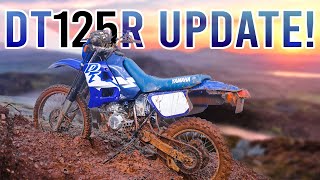
What Buyers Should Know
Watch the Power Valve
The YPVS (Yamaha Power Valve System) is a key performance feature but requires regular cleaning — a seized or dirty power valve kills mid-range power and is one of the most common issues on used examples.
Strong Resale Value
The DT125R holds its value exceptionally well due to its reputation as a reliable, beginner-friendly trail bike. Clean, low-mileage examples consistently command premium prices in the used market.
Check for Restrictor Removal
Many DT125Rs were sold in restricted 12bhp form for A1 licence compliance, but are easily de-restricted to their full ~26bhp — always verify whether a used bike has been modified, as this affects insurance and legality.
Generations & Specs by Year
Original DT125R launched with YPVS power valve, monoshock rear suspension, liquid-cooled 125cc two-stroke engine.
"Lightweight trail weapon that rewards mechanical sympathy."
The YPVS power valve genuinely transforms this bike — below 6,500 rpm it's a docile learner tool, then the valve cracks open and you're suddenly hanging on with a grin on a 101kg machine. Liquid cooling means the engine stays consistent on long climbs where air-cooled rivals would go off-song, and the monoshock rear actually soaks up rutted forest tracks better than its skinny frame suggests. The 890mm seat height will have shorter riders tiptoeing at junctions, and that YPVS system is a time bomb if it's been neglected — seized valves are expensive and the stepper motor is ancient electronics now. Fuel consumption is reasonable for a two-stroke but it drinks premix and throws oily smoke on cold starts, which gets old fast in suburban riding.
Pros
Cons
Updated bodywork styling, revised suspension settings, minor carburetion and graphics changes across production run.
"Bulletproof learner trail bike that rewards committed riding."
The Gen 2 DT125R never pretended to be fast, but it was honest about what it was — a flickable, lightweight enduro-road hybrid that made you a better rider simply by demanding constant attention to momentum. That revised suspension over the Gen 1 actually made a noticeable difference on fire roads; it soaked up roots and ruts without the front washing out mid-corner, though it still gets overwhelmed on anything genuinely rough. The two-stroke powerband keeps you honest — below 6,000 rpm you're pushing a reluctant mule, but hit the pipe and suddenly 101 kg feels like nothing at all. The real weakness is corrosion: fifteen-year-old examples almost universally have seized exhaust studs, weeping fork seals, and carb jets that need a good soak before they'll breathe properly.
Pros
Cons
Refreshed plastics and colour schemes, updated front forks, met Euro 2 emissions regulations for final years.
"The honest dual-sport that never pretended to be more."
I put about 8,000 km on a 2004 DT125R across green lanes, B-roads, and the occasional flooded field track, and it earned my respect without ever wowing me. The power delivery is classic two-stroke — nothing, nothing, then a crisp hit around 6,500 rpm that'll unweight the front if you're not paying attention on loose ground. The updated forks over the Gen 2 are a genuine improvement; they soak up roots and ruts without the vague, wallowy feel of the older units, though they're still nothing you'd brag about. My main gripe is the Euro 2 compliance strangling the top-end slightly compared to earlier DTs, and the plastics, while fresher-looking, are brittle enough that a single low-speed tip-over cracked a side panel.
Pros
Cons
Used Buyer Review
"Buy the best example you can find — nothing else matters."
$1,500-$4,500 usedThe DT125R is one of those bikes that rewards patient buyers willing to do their homework. Yamaha built these properly — YPVS power valve, liquid cooling, genuine off-road geometry — and when they're right, they're genuinely brilliant. Light enough to throw around trails yet comfortable enough for road commuting. That 125cc two-stroke pulls hard once the powerband hits around 6,000rpm, and that hit never gets old. Here's the reality check though: these are old bikes now, and two-strokes punish neglect brutally. The power valve needs regular cleaning — coked-up YPVS is the number one killer on these. Always ask when it was last serviced and pull the exhaust yourself if you can. Look for blue smoke at idle suggesting worn rings, check the radiator for leaks, and prod the swingarm bearings. Seized or worn bikes are surprisingly expensive to resurrect. Find a clean, documented example and you've got yourself a genuinely special lightweight that modern bikes simply can't replicate. Bargain hunting on these usually ends badly.
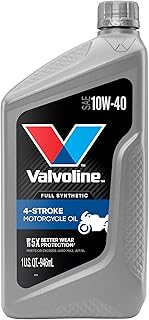
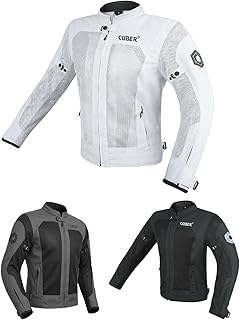
Top 10 Accessories
Curated picks for the Yamaha Dt125r — owned, ridden, recommended.




Common Problems
🔥 2 CRITICALRev through full range, listen for flat midrange power
Erratic idle, hard starting, excessive smoke on startup
Hesitation, poor idle, fuel petcock and filter condition
Clunking over bumps, grab swingarm and check for play
✅Pre-Purchase Checklist
Solid if maintained, neglect kills them fast
Full Specifications
Rivals & Alternatives
Bikes that buyers cross-shop with the Yamaha Dt125r
Compare Yamaha Dt125r Side-by-Side
compare_arrowsSpecs, power, weight & buyer verdict — head-to-head with the bikes most often cross-shopped.
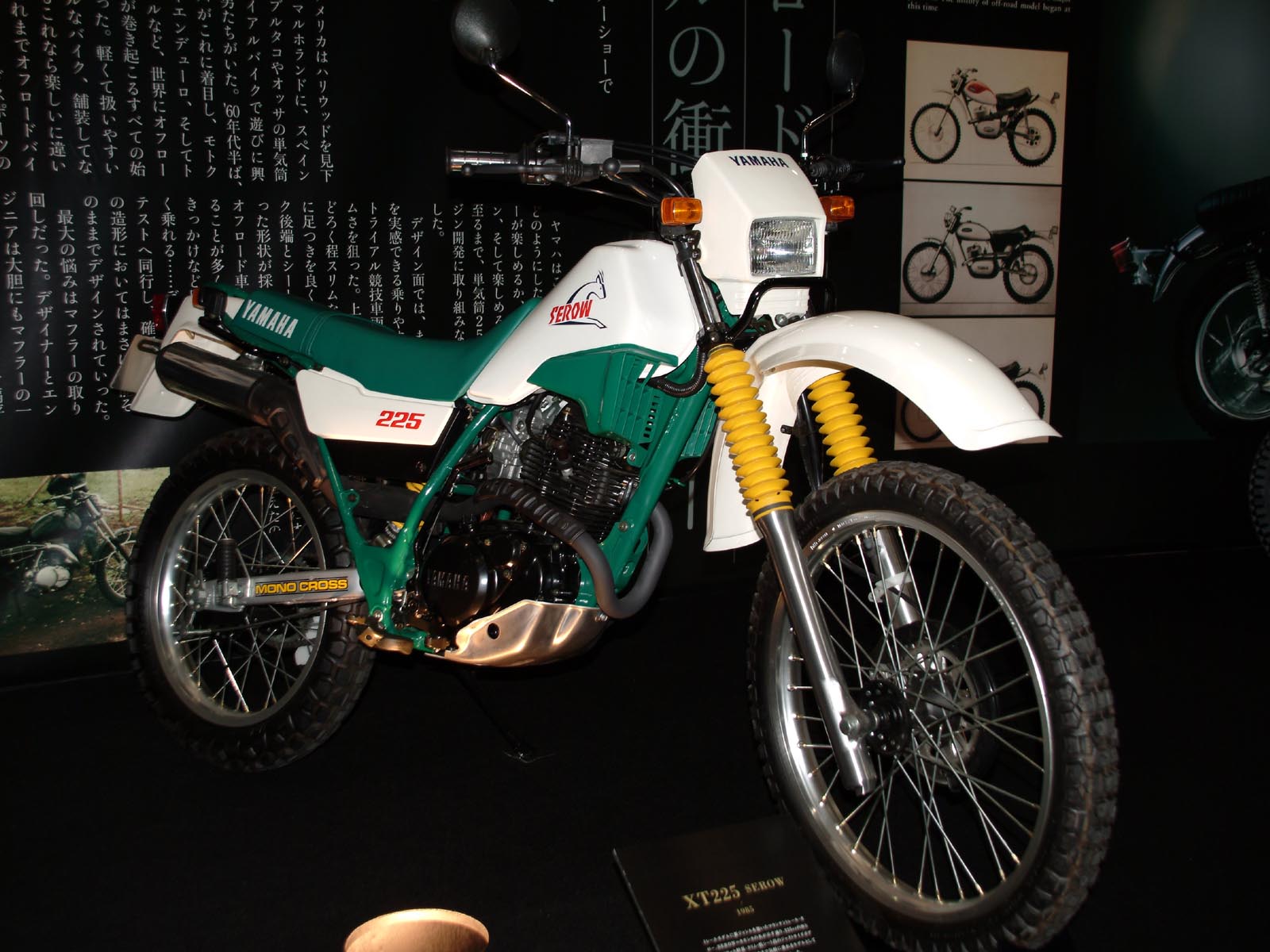
Yamaha Dt125r vs Yamaha Serow 250
Specs · Power · Buyer verdict
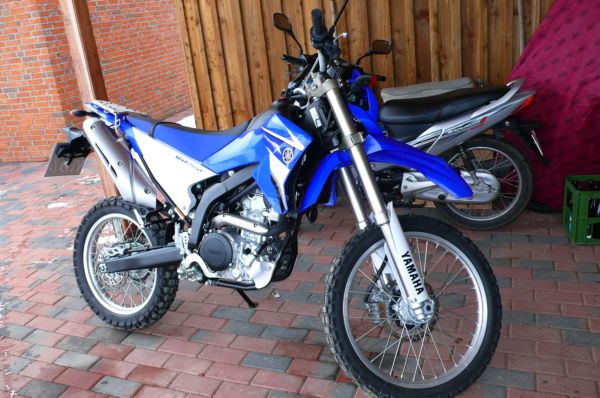
Yamaha Dt125r vs Yamaha Wr250r
Specs · Power · Buyer verdict
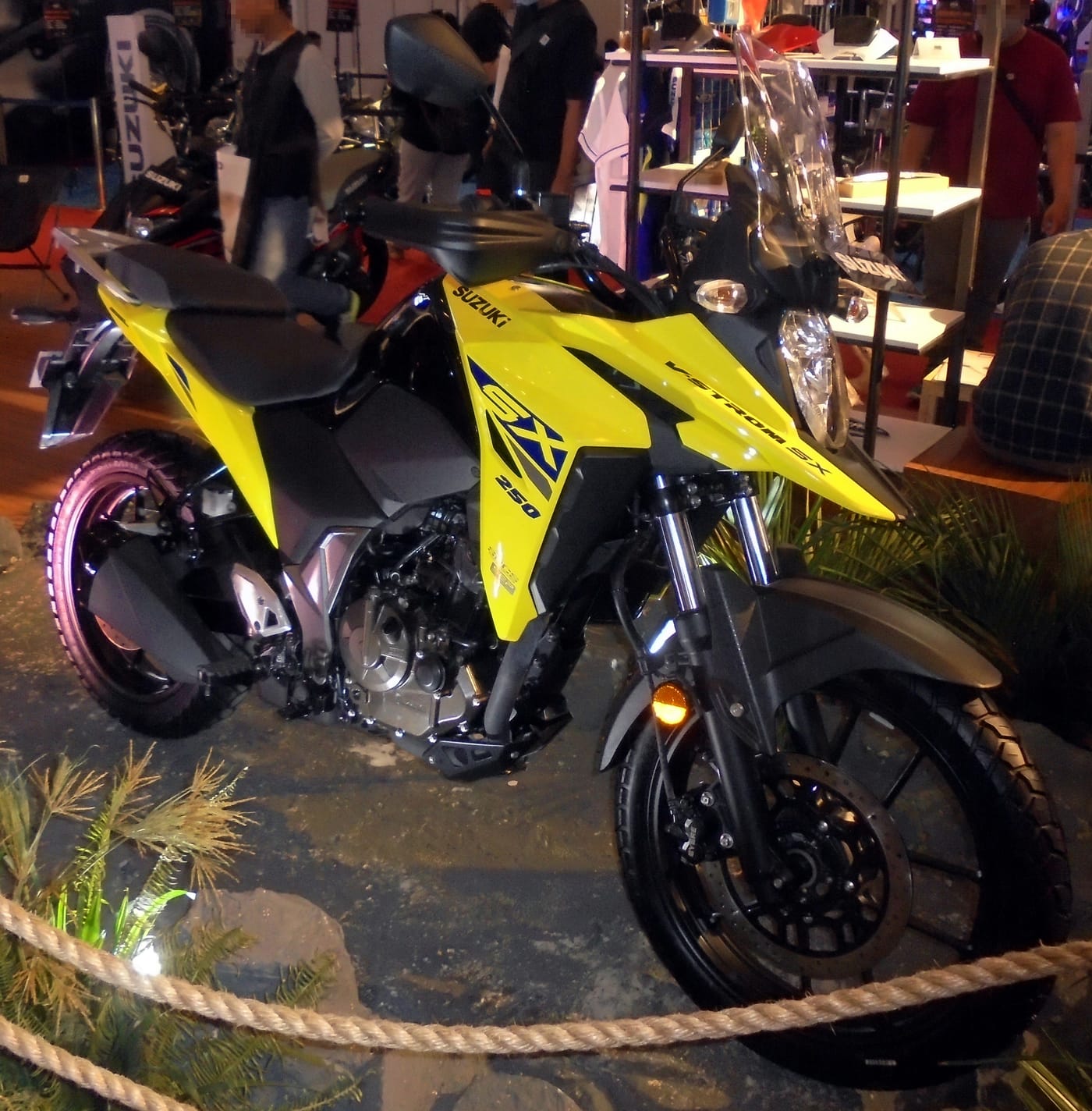
Yamaha Dt125r vs Suzuki Ts125r
Specs · Power · Buyer verdict
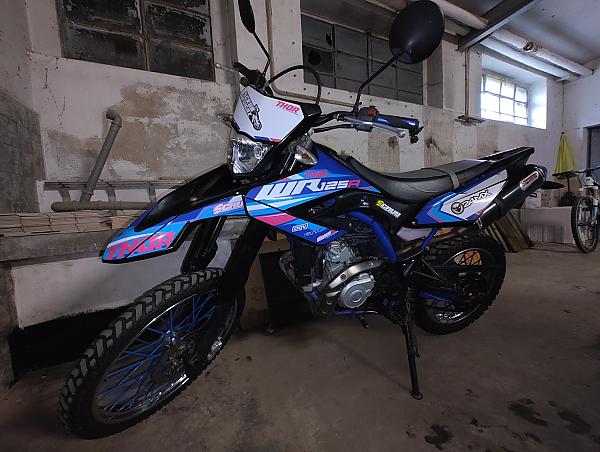
Yamaha Dt125r vs Yamaha Wr125r
Specs · Power · Buyer verdict
More Yamaha Dt125r Guides
More from Yamaha
View all Yamaha models →Community Reviews
Discussion
Frequently Asked Questions
What are common problems with the Yamaha Dt125r? +
Seized or worn power valve: Rev through full range, listen for flat midrange power (serious) | Worn or air-leaking crankshaft seals: Erratic idle, hard starting, excessive smoke on startup (serious) | Blocked or dirty carburetor jets: Hesitation, poor idle, fuel petcock and filter condition (moderate)
Is the Yamaha Dt125r a good motorcycle? +
Buy the best example you can find — nothing else matters. Rating: 7.8/10. Best for: Experienced riders wanting lightweight two-stroke adventure. Avoid if: You want low-maintenance reliable daily transport.
What is the horsepower of the Yamaha Dt125r? +
The Yamaha Dt125r produces 12 hp @ 8,000 rpm, with 13 Nm @ 7,000 rpm of torque. Top speed: 110 km/h.
Is the Yamaha Dt125r good for beginners? +
Yes — the Yamaha Dt125r is a reasonable choice for new riders (12 hp is manageable), weighing 102 kg. Experienced riders wanting lightweight two-stroke adventure
Is the Yamaha Dt125r reliable? +
Owners report 2 critical issues to watch for on the Yamaha Dt125r, notably: Seized or worn power valve (Rev through full range, listen for flat midrange power). Buy with a pre-purchase inspection.
Is the Yamaha Dt125r good for daily use? +
Experienced riders wanting lightweight two-stroke adventure Fuel: 3.5 L/100km or approximately 28 km/L.
How fast is the Yamaha Dt125r? +
The Yamaha Dt125r reaches a top speed of 110 km/h, producing 12 hp at 102 kg curb weight. Real-world performance depends on rider weight, gearing, and road conditions.
What gear should I buy for a Yamaha Dt125r? +
Motoryk has curated a Top 10 gear list specifically for the Yamaha Dt125r, covering engine oil, tires, chain, battery, and brake pads — see motoryk.com/bikes/yamaha/dt125r/top10. Each pick is matched to this bike's spec.